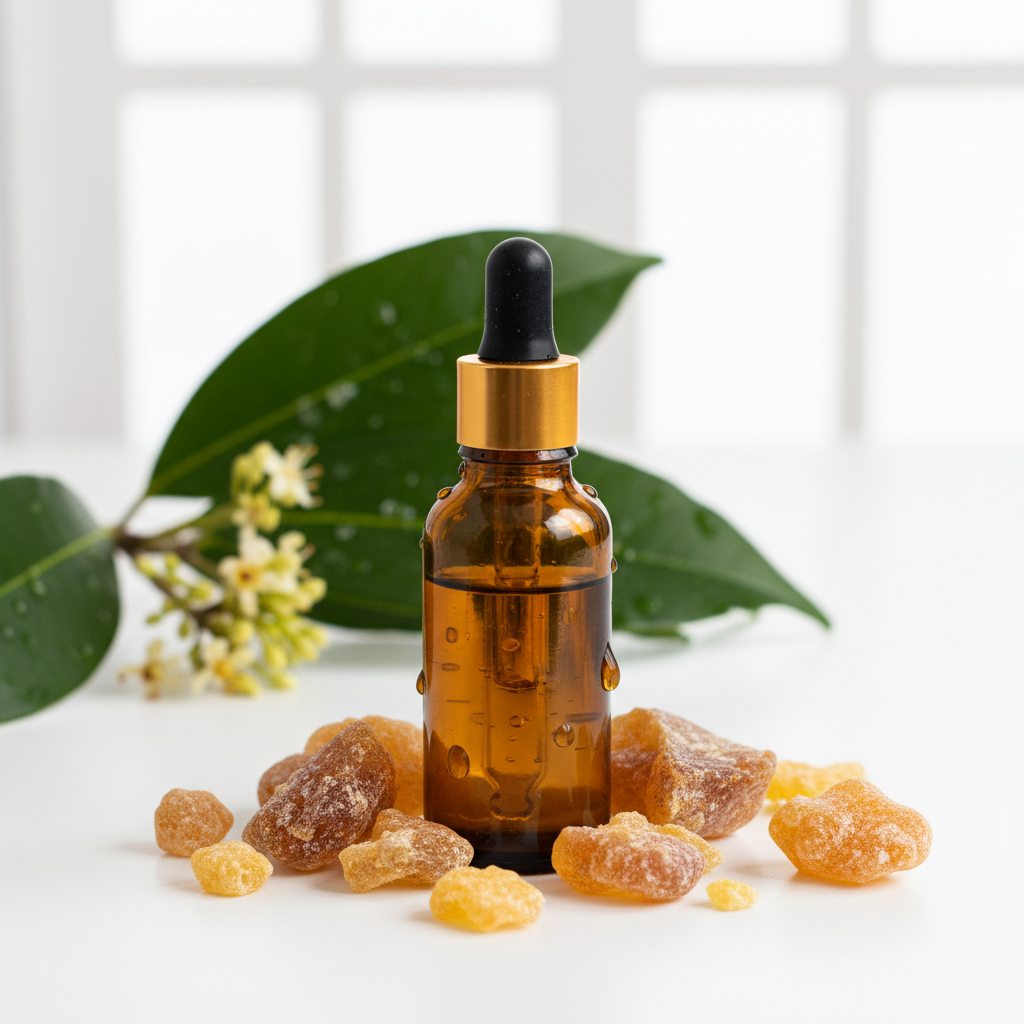
Copaiba Balsam Oleoresin Essential Oil
Copaifera officinalis
Plant Source
Resin
Scent Family
Resinous
"Discover Copaiba Essential Oil, sourced from Copaifera officinalis. Explore its benefits, extraction method, and therapeutic properties for holistic wellness."
Copaiba Essential Oil, derived from the resin of the Copaifera officinalis tree, thrives in the lush rainforests of South America. This remarkable tree has been revered for centuries, not only for its ecological significance but also for its diverse therapeutic properties. The oil is extracted using steam distillation, a method that preserves the rich constituents of the resin, yielding a pure oil that embodies the essence of the Copaiba tree.
Origin and Extraction Method
The Copaifera officinalis tree is predominantly found in Brazil, Peru, and other parts of South America. The indigenous peoples have utilized this tree for generations, recognizing its potential for promoting health and wellness. During the extraction process, the resin is collected from the tree’s bark, where it has been created as a natural defense against injury. The collected resin is then subjected to steam distillation, a gentle technique that prevents the loss of volatile compounds, ensuring the oil retains its therapeutic properties.
Botanical Information
Copaiba Essential Oil is characterized by a unique chemical composition, featuring high levels of beta-caryophyllene, a compound known for its anti-inflammatory benefits. Other components include alpha-humulene and other monoterpenes, contributing to its potential therapeutic effects. This botanical profile makes copaiba oil not only valuable in aromatherapy but also attractive in various holistic practices.
Therapeutic Properties and Benefits
Copaiba Essential Oil is celebrated for its myriad of health benefits. Its anti-inflammatory and analgesic properties make it a go-to oil for alleviating discomfort, ranging from muscle soreness to joint pain. Additionally, it has been shown to promote emotional stability, helping to ease feelings of anxiety and fostering a sense of calm. Users often report enhanced mental clarity and focus, attributing this to its grounding effects, making it an excellent addition to meditation practices.
Furthermore, copaiba oil is known for its capacity to support skin health. It can soothe irritated skin and promote healing, especially when diluted with carrier oils. Individuals experiencing minor skin irritations can find relief through topical application. Its anti-inflammatory properties also benefit respiratory health, easing congestion and promoting smoother breathing.
Historical and Traditional Uses
Historically, Copaiba has been utilized by indigenous cultures for various medicinal purposes. From treating skin ailments to utilizing it in rituals for mental clarity and protection, the cultural significance of this oil runs deep. Traditional healing practices often include copaiba in poultices and infusions, showcasing its versatility as a natural remedy.
Scientific Facts and Research
Modern studies have begun to explore the potential applications of Copaiba Essential Oil. Research indicates its effectiveness in modulating inflammation and promoting pain relief. Compounds within copaiba have shown promise in scientific literature for their role in supporting overall health and wellness, leading to increased incorporation into alternative medicine.
Aroma Profile and Characteristics
Copaiba Essential Oil has a warm, woody aroma with earthy undertones, making it a harmonious addition to diffusers and personal care products. Its subtle scent allows it to blend well with other essential oils, such as lavender and frankincense, enhancing the overall aromatic experience while providing synergistic benefits.
Common Applications and Methods
This essential oil can be used in various ways, such as:
- Aromatherapy: Diffusing copaiba oil in the home or workspace can promote emotional balance and clarity.
- Topical Application: When diluted with a carrier oil, it can be applied to sore muscles, inflamed skin, or used in massage therapies to relieve tension.
- Skincare: Added to lotions or creams, copaiba supports skin health and aids healing.
- Inhalation: Inhaling directly or through a steamer can help diminish respiratory distress and boost mood.
Interesting Facts and Trivia
- Copaiba oil is often referred to as a "miracle oil" due to its extensive range of benefits and versatility.
- Unlike many essential oils, copaiba is unique in that it is derived from tree resin rather than leaves, flowers, or seeds, highlighting its distinctive extraction process.
- Copaiba’s benefits have transcended generations, continuing to play a significant role in contemporary holistic health practices.
In conclusion, Copaiba Essential Oil is a powerful ally in promoting physical and emotional well-being. Its rich history, diverse therapeutic properties, and aromatic qualities make it a cherished essential oil in both traditional and modern contexts.
Ask AI About Copaiba Balsam Oleoresin Essential Oil
Get instant answers about this essential oil
Benefits & Uses
- Promotes emotional stability through grounding effects, helping to ease feelings of fear and anxiety.
- Supports mental clarity and focus, making it an excellent oil for meditation practices.
- Enhances mood by fostering a sense of peace and tranquility.
- Helps release negative emotions and encourages a positive mindset.
- Can assist in alleviating feelings of sadness or depression when used in aromatherapy.
- Supports skin health by soothing irritated or inflamed skin conditions, particularly when blended with carriers.
- Reduces muscle discomfort after physical activity by applying topically to affected areas.
- Aids digestion and may improve gastrointestinal functions when utilized properly.
- Contributes to respiratory health by easing congestion and promoting easier breathing.
- Helps in maintaining overall skin vitality and may promote the healing of minor cuts or abrasions.
- Utilized in formulations for anti-aging due to its soothing and hydrating properties.
- Effective in treating minor skin irritations and inflammation when diluted appropriately.
- Helps with skin firmness and elasticity, promoting a youthful appearance.
- Works well as a carrier for other essential oils in skincare blends, enhancing their properties.
- Can be incorporated into homemade cleaning solutions for its antibacterial properties.
- Used in diffusers to purify the air and promote a calming atmosphere in any living space.
- May serve as a natural insect repellent when mixed with suitable oils.
- Acts as an air freshener, providing a grounding scent that enhances the overall ambiance.
How to Use
Diffuser
For small rooms, use 3-5 drops; in medium rooms, use 5-8; for large areas, 8-12 drops. Optimal duration is 30-60 minutes per session, frequency of 2-3 times daily. Best used in the evening or during meditation.
Topical
Adults should dilute copaiba at 2-3% (12-18 drops per 1 oz carrier oil). For children, use a dilution of 0.5-1% (3-6 drops per 1 oz) and for the elderly, 1-2% (6-12 drops per 1 oz). Common application areas include muscles or joints, with gentle massage for optimal absorption, allowing 30 mins for full absorption.
Inhalation
For direct inhalation, place 1-2 drops on a tissue or your palm and inhale deeply. For steam inhalation, add 2-3 drops to a bowl of hot water and inhale the steam for 5-10 minutes. Personal inhalers can also be filled with copaiba oil for on-the-go use.
Safety & Precautions
Always conduct a patch test before topical application. Avoid direct sunlight for 12 hours post-application to reduce photosensitivity risk. Use with caution if pregnant or nursing, and consult a healthcare provider if on medications. Store in a cool, dark place; shelf life is approximately 1-2 years when properly stored.
Who should avoid:
- Pregnant women, especially during the first trimester.
- Individuals with known allergies to resinous trees.
- Those with sensitive skin conditions without prior testing.
Recommended Products

Understanding the aromatic layers of Copaiba Balsam Oleoresin Essential Oil
Top Notes
Heart Notes
Base Notes
Scent Evolution
Top Notes: First impression, evaporate quickly (15-30 min)
Heart Notes: Main character, last 2-4 hours
Base Notes: Lasting foundation, linger for hours
Complementary essential oils that pair beautifully with Copaiba Balsam Oleoresin Essential Oil
Agarwood Essential Oil
Aquilaria
✓traditional pairing in aromatherapy
Ajowan Seed Essential Oil
Trachyspermum ammi
✓traditional pairing in aromatherapy
Allspice Essential Oil
Pimenta dioica
✓traditional pairing in aromatherapy
Ammi Visnaga Essential Oil
Ammi visnaga
✓similar chemical compositions
Amyris Essential Oil
Amyris balsamifera
✓balanced scent profile
Angelica Essential Oil
Angelica archangelica
✓enhanced aromatherapy benefits
Blending Tips
- • Start with 2-3 oils for simple blends
- • Use 3-5 drops total per 10ml carrier oil
- • Let blends sit for 24-48 hours to marry
- • Test on a small skin area first
Calculating for: Copaiba Balsam Oleoresin Essential Oil
Recommended: 2% | Max safe: 5%
29.57 ml
Your Recipe
0.59 ml
28.98 ml
💡 Dilution Tips
- • Always do a patch test before full application
- • Children and elderly need lower dilutions (1-2%)
- • Facial products should be gentle (0.5-1%)
- • 1 drop ≈ 0.05 ml (20 drops per ml)
- • Common carrier oils: fractionated coconut, jojoba, sweet almond
Related Recipes

Calming Essential Oil Pillow Mist Recipe for Relaxation
Discover this easy recipe for a soothing pillow mist that features lavender and bergamot for ultimate relaxation and better sleep.

Calming Lavender Linen Spray Recipe
A gentle, relaxing linen and room spray that promotes restful sleep and calm using lavender, chamomile, and cedarwood essential oils.

DIY Acne Calming Gel Spot Treatment Recipe for Clear Skin
Explore our DIY acne calming gel spot treatment recipe to soothe inflammation and fight breakouts using natural ingredients for healthier skin.
DIY Essential Oil All-Purpose Cleaner Recipe for a Fresh Home
Discover the benefits of this DIY essential oil all-purpose cleaner recipe for a clean, safe, and aromatic household environment.
DIY Essential Oil Allergy Relief Inhaler Recipe
Discover this essential oil allergy relief recipe to make effective inhalers at home for natural symptom relief from allergies.

DIY Essential Oil Dishwasher Detergent Recipe
Discover the ultimate DIY dishwasher detergent recipe using essential oils, safe for your dishes and the environment. Make your kitchen eco-friendly!