Search
Found 20 results for "Sandalwood"
Essential Oils
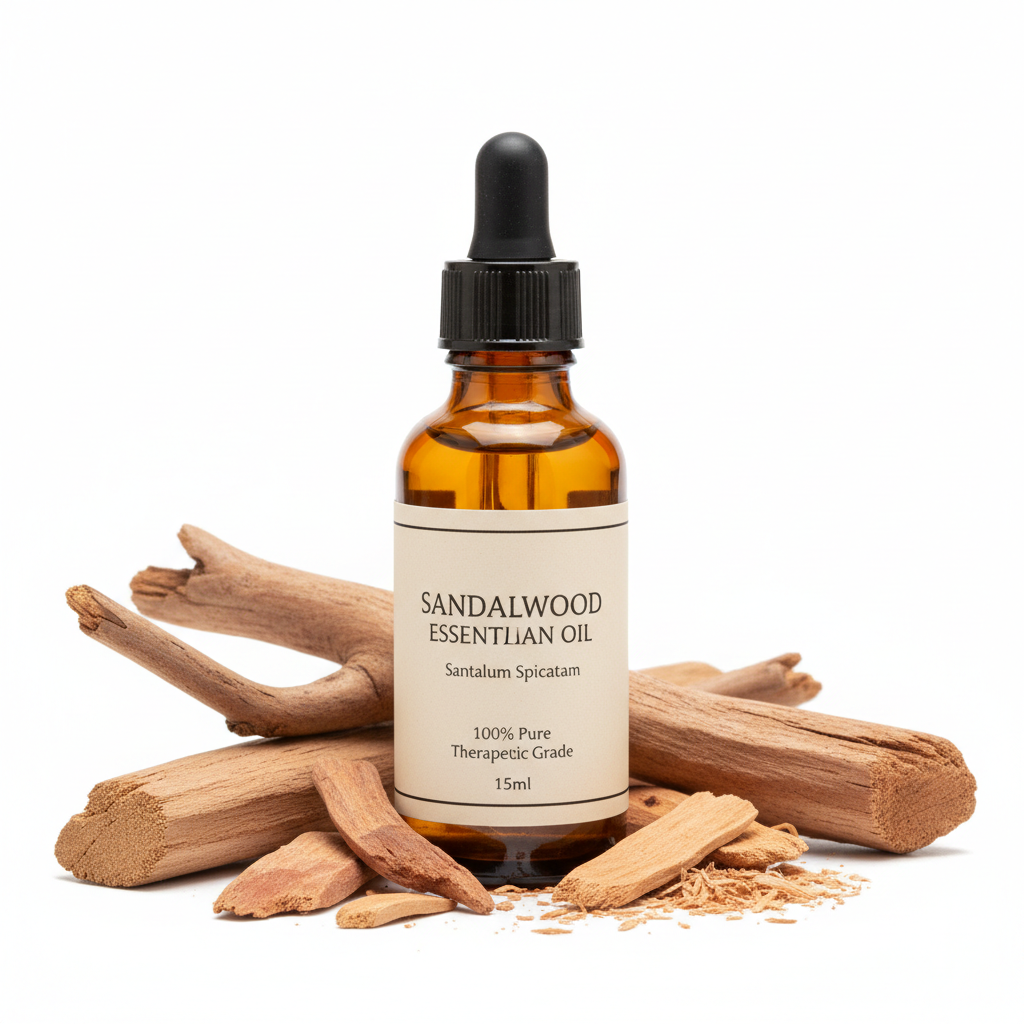
Sandalwood Australian Essential Oil
Santalum spicatum
**Australian Sandalwood Essential Oil: Uncovering Its Rich Heritage and Benefits** Australian Sandalwood Essential Oil is derived from the heartwood of the *Santalum spicatum* tree, an evergreen native to the southern regions of Australia. This exceptional wood has been harvested for centuries, valued for its deep, woody aroma and myriad therapeutic properties. The oil is produced through a careful steam distillation process, which ensures that its rich and distinctive scent is preserved along with its beneficial compounds. **Botanical Information** The *Santalum spicatum* tree can grow up to 10 meters in height and is characterized by its dense foliage and yellow flowers. Interestingly, sandalwood trees are hemiparasitic, feeding on their host plants' roots, which contributes to the complex aromatic profile of the oil. This species is considered endangered due to overharvesting, which has led to strict regulations surrounding its cultivation and trade. **Therapeutic Properties** Australian Sandalwood Essential Oil is renowned for its calming effects on the mind and body. It is known to promote emotional stability, offering a sense of grounding and tranquility during stressful times. Studies have shown that sandalwood oil may significantly reduce anxiety and enhance mood, making it an excellent choice for aromatherapy practices focusing on emotional well-being. In addition to its psychological benefits, this oil supports respiratory health. When inhaled during meditation or deep-breathing exercises, it can ease feelings of tightness in the chest and promote clearer breathing. Furthermore, sandalwood oil is believed to have anti-inflammatory properties that may assist in calming muscle tension, rendering it an excellent choice for topical applications in massages. **Historical Significance** The use of sandalwood dates back thousands of years, often employed in traditional medicine, rituals, and perfumery across various cultures. Ancient Egyptians utilized sandalwood in their embalming practices, while in India, it has been integral to Ayurvedic treatments. Emperors and royalty have long considered sandalwood a symbol of wealth, further enhancing its desirability. **Scientific Research** Numerous studies reveal that sandalwood oil possesses a variety of chemical constituents that contribute to its effectiveness. Key compounds such as alpha-santalol and beta-santalol have been identified as major components that exhibit anti-inflammatory and antimicrobial properties. These findings support the traditional uses of sandalwood oil for skin health, showing potential in reducing the appearance of scars, blemishes, and signs of aging. **Aroma Profile** Australian Sandalwood Essential Oil is characterized by its rich, creamy, woody scent, which has a subtle sweetness. The aroma is grounding and calming, making it a favorite choice for meditation and spiritual practices. The lasting scent of sandalwood has made it a popular base note in perfumery, often blended with floral and spicy notes to create balanced fragrance profiles. **Common Applications** This essential oil can be used in numerous ways. In aromatherapy, a few drops can be added to a diffuser to create a peaceful environment. It can also be applied topically in diluted forms, as it promotes healthy skin hydration and suppleness, contributing to an overall radiant complexion. Try adding a few drops to your bath or carrier oil for a soothing massage experience, or incorporate it into skincare formulations for enhanced skin health. **Interesting Facts** Did you know that sandalwood can help in promoting better sleep? Many users report improved sleep quality due to its calming effects. Additionally, the oil's association with spirituality can enhance your meditation sessions, as it helps maintain focus and encourages a deeper state of relaxation. Overall, Australian Sandalwood Essential Oil offers a wealth of benefits, enhancing not only physical well-being but also fostering emotional balance and mental peace. With its rich history and extensive therapeutic uses, this oil is certainly a valuable addition to any essential oil collection.
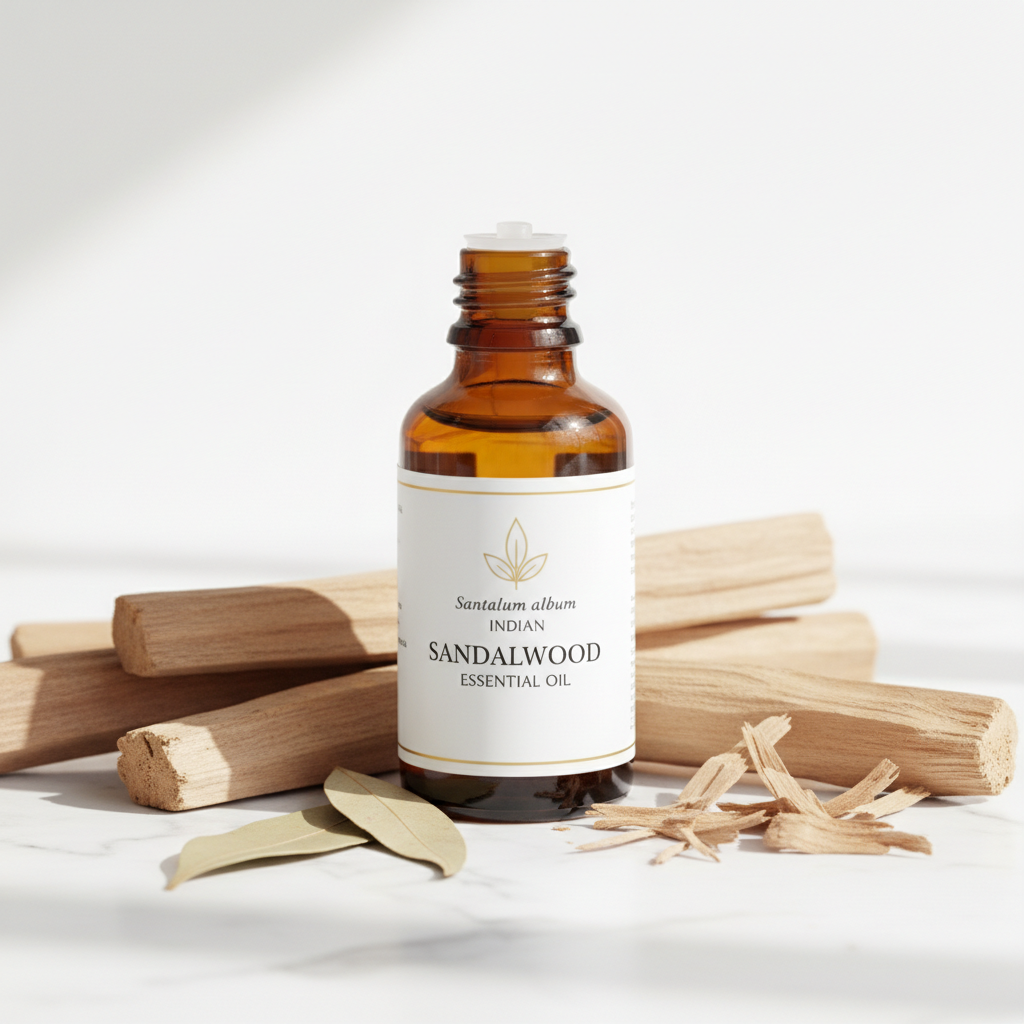
Sandalwood Indian Essential Oil
Santalum album
### Introduction to Sandalwood Essential Oil Sandalwood Essential Oil is a highly prized oil, extracted from the heartwood of the Santalum album tree, native to India and parts of Southeast Asia. Renowned for its rich, creamy aroma, this essential oil has been utilized for millennia in various cultures and traditions for its multitude of therapeutic benefits. ### Origin and Extraction Method The Santalum album tree takes years to mature, which contributes to its high value. The essential oil is typically extracted through steam distillation of the heartwood, yielding a golden to pale yellow liquid. This method preserves the integrity of the oil's aromatic and therapeutic properties. ### Botanical Information - **Botanical Name**: Santalum album - **Family**: Santalaceae - **Common Names**: Sandalwood, White Sandalwood - **Scent Profile**: Rich, woody, creamy, slightly sweet The oil’s composition includes santalol, which is primarily responsible for its calming properties, along with other constituents that enhance its aromatic profile. ### Therapeutic Properties and Benefits Sandalwood Essential Oil offers an array of therapeutic benefits: - **Calming Effect**: Known to soothe the mind, Sandalwood helps in reducing anxiety and creating a sense of tranquility. - **Mood Lifter**: The oil can help alleviate feelings of sadness or despair, enhancing overall mood and allowing for greater emotional balance. - **Meditation Enhancement**: Its grounding aroma assists practitioners in enhancing their meditation practices. - **Focus and Clarity**: Many users report improved concentration and mental clarity, making it a useful companion during study or work sessions. - **Skin Benefits**: Sandalwood Oil is often included in skincare formulations for its anti-inflammatory and moisturizing properties. It can soothe irritations and redness, making it suitable for sensitive skin. ### Historical and Traditional Uses Historically, Sandalwood has held great significance in various cultures. In ancient India, it was used in Ayurvedic medicine not just for its fragrance but also for its healing properties. Sandalwood has also been a deeply rooted component in rituals, often used as a sacred offering in religious ceremonies. Its aromatic profile made it popular in perfumery as well, symbolizing purity and calmness. ### Aroma Profile and Characteristics Sandalwood Essential Oil boasts a warm, woody scent, interlaced with creamy, soft undertones. This distinctive aroma is both grounding and uplifting, making it ideal for use in aromatherapy recipes, personal fragrances, and spiritual rituals. The oil's lingering scent profile is known to provoke nostalgia and emotional healing, fostering a calming environment. ### Common Applications and Methods - **Aromatherapy**: Diffusing Sandalwood Essential Oil can create a serene atmosphere, perfect for meditation or personal enjoyment. - **Topical Use**: Diluted in a carrier oil, it can be applied to the skin to help with irritation and redness or used in massage to alleviate tension. - **Bathing**: Adding a few drops to a warm bath can enhance relaxation and calm the senses. - **Skincare**: Its natural emollient properties make it excellent for moisturizing formulations, particularly for dry or sensitive skin types. - **Candle Making**: Utilizing Sandalwood in candle formulations can provide an enchanting scent and create a peaceful glow in any space. ### Scientific Facts and Research Studies have shown that the main constituent santalol found in Sandalwood Essential Oil possesses anti-inflammatory, antimicrobial, and calming properties. Research indicates that inhalation of sandalwood oil can lead to lower levels of stress hormones and enhanced mood. ### Interesting Facts and Trivia - **Sustainability**: Sustainable sourcing is essential for Santalum album, as over-harvesting has threatened natural populations. - **Cultural Significance**: In Indian culture, sandalwood is often carved into intricate designs and used in various handicrafts, making it both an aromatic and artistic treasure. - **Market Value**: Due to its rarity and the long growing period of the Santalum album tree, Sandalwood Oil is considered one of the most expensive essential oils available. ### Conclusion Sandalwood Essential Oil is much more than just a fragrant oil; it embodies a rich history of therapeutic uses and cultural significance. Its calming properties, coupled with numerous applications, make it a staple in the realms of aromatherapy, skincare, and spiritual practices. Whether used for relaxation, meditation, or skin care, Sandalwood Oil continues to be cherished for its timeless benefits.
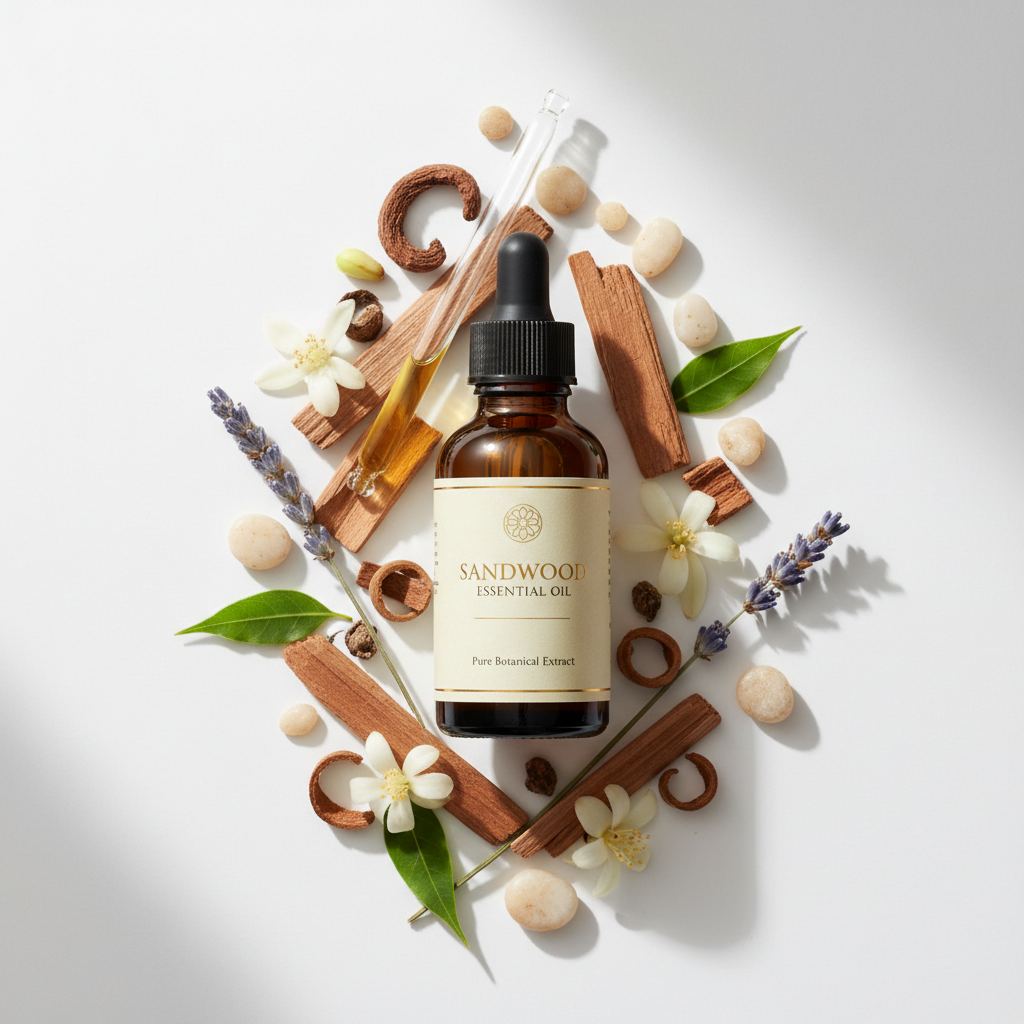
Sandalwood Essential Oil
Santalum album
## Introduction Sandalwood essential oil, extracted from the heartwood of the Santalum album tree, is renowned for its warm, rich, and woody aroma. This precious oil has been a significant part of spiritual practices and wellness regimens across various cultures for centuries. In this comprehensive guide, we will explore the origin, extraction methods, therapeutic properties, and myriad applications of sandalwood essential oil. ### Origin and Extraction Method The sandalwood tree is native to India, Australia, and various parts of East Asia. The oil is primarily derived from the heartwood of the tree, which is rich in aromatic compounds. Extraction typically occurs through steam distillation, a process that ensures the preservation of the oil's fragrant properties. The trees can take decades to mature, making sandalwood essential oil a rare and valuable commodity. ### Botanical Information Sandalwood belongs to the Santalaceae family, and the most commonly used species for its essential oil is Santalum album. The heartwood, which is the key part of the tree from which the oil is extracted, has a dense structure and is known for its exceptional aromatic qualities. Sandalwood oil is composed mainly of santalol, which accounts for its distinctive scent and therapeutic effects. ### Therapeutic Properties and Benefits Sandalwood essential oil is esteemed for its numerous health benefits. Here are some of the key therapeutic properties: - **Calming Effects:** Its warm aroma is celebrated for its ability to calm the mind and promote feelings of tranquility, making it a popular choice for meditation and relaxation. - **Mental Clarity:** Many individuals find that sandalwood oil enhances focus and concentration, aiding in mental clarity during mindfulness practices. - **Emotional Balance:** The oil serves as an emotional stabilizer, reducing feelings of anxiety and promoting a sense of balance. - **Skin Health:** Sandalwood essential oil possesses anti-inflammatory properties that help soothe skin irritations and may assist in reducing blemishes. It also acts as a natural moisturizer, beneficial for dry skin. - **Respiratory Support:** Inhalation of sandalwood oil may help ease respiratory discomfort and alleviate coughs, making it a great addition to steam inhalations. ### Historical and Traditional Uses Historically, sandalwood has been used in various cultural practices for thousands of years. In India, it is used in religious ceremonies and rituals, valued for its grounding properties. Ancient cultures also utilized sandalwood in perfumes, incense, and traditional medicine due to its calming effects and aromatic profile. ### Scientific Facts and Research Scientific research continues to substantiate the therapeutic claims surrounding sandalwood essential oil. Studies have found that sandalwood oil exhibits anti-inflammatory and antimicrobial properties. Additionally, research highlights its potential to influence mood positively, corroborating its traditional uses in promoting emotional wellness. ### Aroma Profile and Characteristics Having a deep, woody scent with sweet undertones, sandalwood oil is characterized by its rich fragrance profile. The oil’s aroma can be described as smooth and creamy, making it a favorite among perfumers and aromatherapists alike. It blends well with various other essential oils, including lavender, bergamot, and patchouli, amplifying their aromatic and therapeutic effects. ### Common Applications and Methods Sandalwood essential oil can be used in various ways: - **Aromatherapy:** Diffuse the oil in a room to create a peaceful ambiance or add a few drops to your bath for relaxation. - **Topical Use:** Dilute sandalwood oil with a carrier oil (like coconut or jojoba oil) and apply it to the skin for its soothing properties. - **Facial Care:** Incorporate it into skincare routines to help maintain healthy skin and reduce blemishes. - **Meditation Practices:** Use the oil to enhance meditation sessions, instilling a sense of calm and deepening mindfulness practices. ### Interesting Facts and Trivia - **Historical Value:** The trade of sandalwood dates back to ancient times, with the wood once used as a form of currency in several cultures. - **Sustainability Issues:** Due to overharvesting and habitat loss, sandalwood trees are now considered endangered, making sustainable sourcing crucial. - **Cultural Significance:** Sandalwood has significant cultural importance in religions such as Hinduism and Buddhism, where it is often used in rituals and sacred spaces. ### Conclusion Sandalwood essential oil is a powerful tool for enhancing well-being, promoting relaxation, and supporting mental clarity. Its rich history, along with its therapeutic properties and versatility in use, makes it a treasured element in holistic health practices. Whether you are looking to alleviate stress, enhance meditation, or improve skin health, sandalwood essential oil is a valuable addition to any essential oil collection.
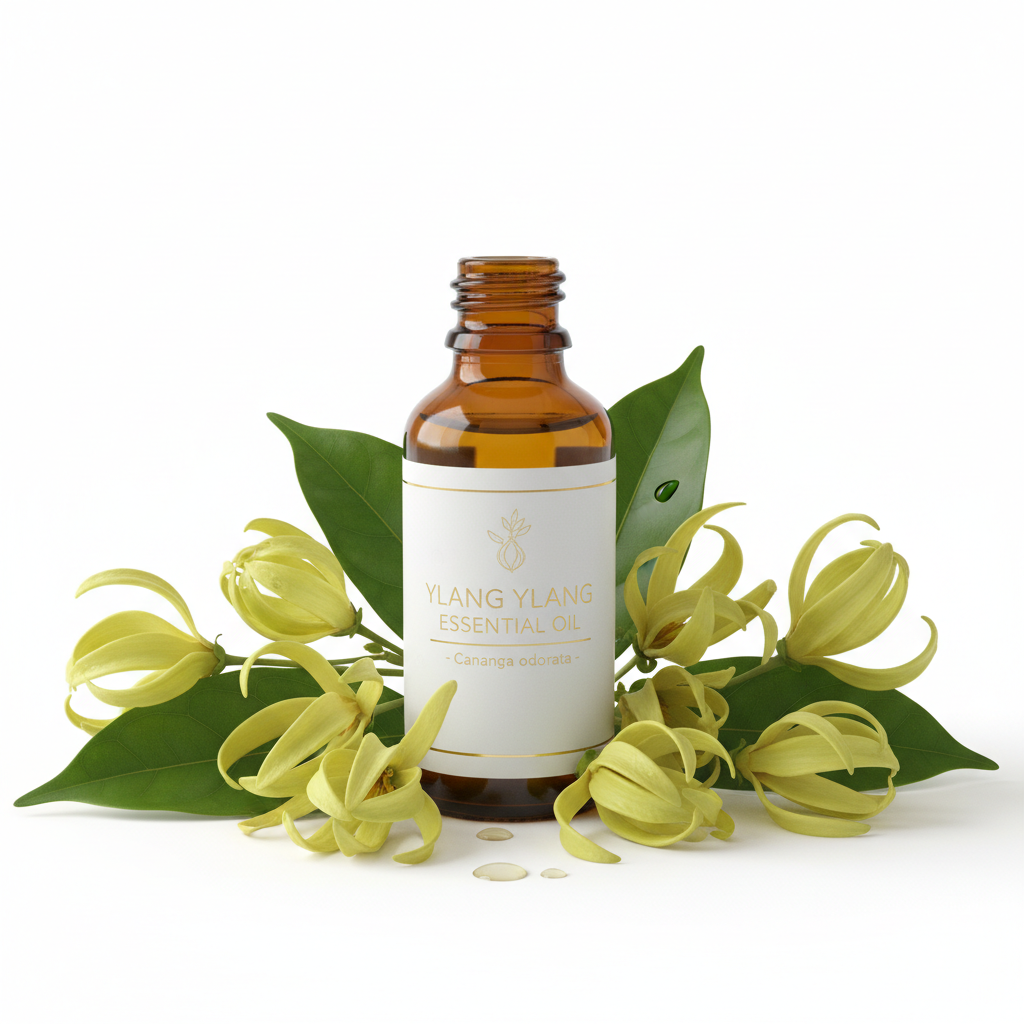
Ylang Ylang Essential Oil
Cananga odorata
Ylang Ylang Essential Oil: An In-Depth Guide Ylang Ylang essential oil, extracted from the vibrant yellow flowers of the Cananga odorata tree, is celebrated for its sweet, floral aroma and numerous therapeutic properties. Known as "the flower of flowers," Ylang Ylang originates from Southeast Asia and has been treasured by ancient cultures for centuries. ### Origin and Extraction Method The Cananga odorata tree thrives in tropical climates, especially in countries like Indonesia, the Philippines, and Madagascar. Ylang Ylang essential oil is primarily extracted using steam distillation, which captures the delicate fragrance and beneficial compounds from the blossoms. The extraction process is crucial, as it defines the quality of the oil, with different distillation durations resulting in various grades: Ylang Ylang Extra, Grade I, II, and III. Each grade possesses unique aromatic qualities and potency. ### Botanical Information Ylang Ylang, a flowering plant in the Annonaceae family, can grow up to 20 meters tall. Its striking yellow flowers bloom in clusters and have historically symbolized love and beauty. Rich in monoterpene compounds such as linalool and geranyl acetate, Ylang Ylang essential oil boasts a chemical profile that contributes to its calming and balancing properties. ### Therapeutic Properties and Benefits Ylang Ylang essential oil is revered in aromatherapy for its diverse range of benefits, including: 1. **Stress Relief**: The oil has calming effects known to reduce anxiety and stress levels, promoting tranquility in daily life. 2. **Mood Enhancement**: Its floral scent serves as a natural mood lifter, helping to alleviate feelings of sadness and negativity. 3. **Emotional Balance**: Many employ Ylang Ylang to stabilize emotions, providing support for those experiencing mood swings or emotional upheaval. 4. **Romantic Atmosphere**: Known for its aphrodisiac qualities, it is often used in romantic settings to strengthen emotional connections. 5. **Skin Nourishment**: This essential oil enhances skin texture and hydration, making it wonderful for adding to skincare routines, particularly for dry or aging skin. 6. **Hair Care**: Ylang Ylang is recognized for promoting healthy hair growth and scalp health, frequently included in shampoos and hair treatments. 7. **Inflammation Reduction**: It may aid in reducing inflammation and soothing irritation, providing relief for various discomforts. 8. **Digestive Support**: The oil can assist with digestive issues, alleviating symptoms such as bloating and nausea. 9. **Respiratory Aid**: Often used in diffusion, it supports respiratory functions by calming the passages, making it easier to breathe during colds or allergies. ### Historical and Traditional Uses Ylang Ylang has a rich history, traditionally utilized in Southeast Asian cultures for spiritual and medicinal purposes. In Indonesia, flower petals were spread on the beds of newlywed couples to enhance romance. In traditional medicine, Ylang Ylang is used to treat a variety of ailments, including skin infections and hypertension. Its integration into religious and cultural rituals highlights its significance across generations. ### Scientific Facts and Research Recent scientific studies have explored the oil's potential health benefits, with research indicating its effectiveness in reducing cortisol levels, thereby alleviating stress. Studies also suggest its positive impact on mental health, helping to combat depression and anxiety through its uplifting aroma. ### Aroma Profile and Characteristics Ylang Ylang essential oil has a distinctive, sweet floral scent with hints of fruity and spicy undertones. The unique aroma profile makes it a popular choice in perfumery and cosmetic applications, where it is used to create luxurious fragrances. The scent's complexity means it can blend beautifully with other essential oils, such as bergamot and sandalwood, enhancing its aromatic appeal. ### Common Applications and Methods Ylang Ylang essential oil can be used in various ways: - **Aromatherapy**: Diffusing the oil in a space can create a calming atmosphere. - **Massage**: Diluting with a carrier oil allows for therapeutic massage, enhancing relaxation. - **Skincare**: Adding to skincare formulations can nourish and rejuvenate the skin. - **Hair Care**: Incorporate into shampoos or conditioners for added hydration and care. ### Interesting Facts and Trivia - Ylang Ylang essential oil is one of the key ingredients in the famous Chanel No. 5 perfume. - The name "Ylang Ylang" comes from the Tagalog language, meaning "flower of flowers." - Its antiseptic properties make it valuable in natural health remedies. In conclusion, Ylang Ylang essential oil is not only a fragrant addition to aromatherapy and cosmetics but also a compound with diverse therapeutic properties and historical significance. Whether used for relaxation, skincare, or enhancing romantic encounters, its applications are vast, making it a cherished essential oil in holistic wellness.
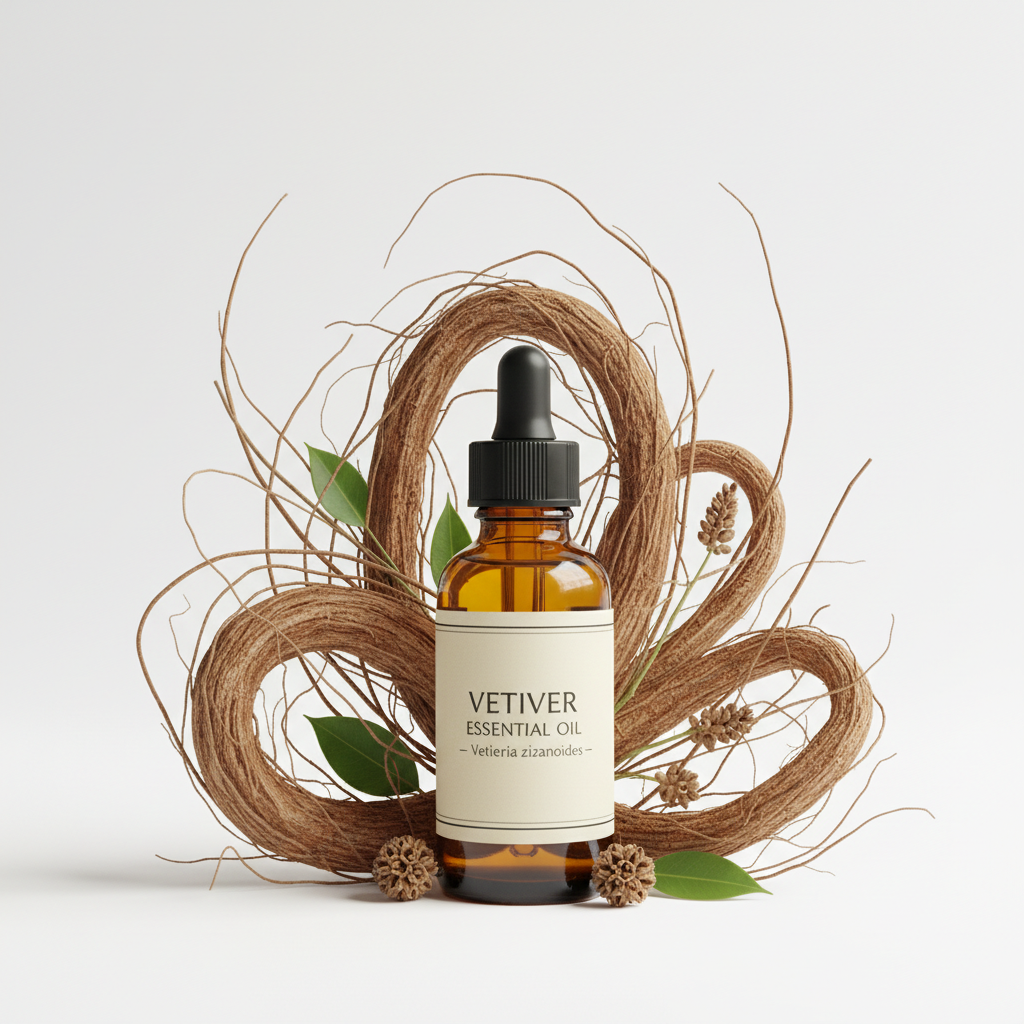
Vetiver Essential Oil
Vetiveria zizanoides
### Vetiver Essential Oil: An In-Depth Exploration Vetiver essential oil, known as the ‘oil of tranquility’, is derived from the roots of the **Chrysopogon zizanioides** or **Vetiveria zizanoides** plant. This unique oil has a long-standing reputation, not only for its captivating aroma but also for its extensive array of therapeutic properties. #### Origin and Extraction Method Vetiver essential oil originates from tropical regions of Asia, particularly India, Madagascar, and Java. The oil is extracted through a meticulous steam distillation process that ensures the preservation of its potent qualities. The roots of the vetiver plant are harvested and steam-distilled, a method that yields a thick, viscous oil characterized by its deep brown color and earthy scent. #### Botanical Information The vetiver plant, classified botanically as a perennial grass, has long, intricate root systems that contribute to soil erosion control, making it ecological beneficial as well. Its lush growth can reach heights of up to 1.5 meters, with slender stems and slender, needle-like leaves. This grass thrives in tropical climates and is celebrated for both its aromatic properties and environmental benefits. #### Therapeutic Properties and Benefits Vetiver essential oil is widely revered for its numerous therapeutic benefits. A brief overview of these advantages includes: - **Grounding effects**: Vetiver oil is often used in aromatherapy to anchor emotions and create a sense of stability, especially during stressful times. - **Stress relief**: Its rich, calming scent helps alleviate feelings of tension and anxiety, making it a popular choice for relaxation and emotional balance. - **Increased focus**: Many users report enhanced concentration and mental clarity when diffusing vetiver oil during tasks or studying. - **Meditative support**: The grounding nature of vetiver promotes a peaceful ambiance, aiding in meditation and mindfulness practices. - **Skin rejuvenation**: Vetiver essential oil possesses regenerative properties, making it beneficial for restoring skin vitality, particularly for dry or mature skin types. - **Wound healing**: With natural antifungal and antiseptic properties, vetiver oil encourages faster healing of minor cuts and scrapes. - **Muscle relaxation**: Often incorporated into massage oils, vetiver can soothe muscle tension and alleviate aches. - **Detoxifying properties**: This essential oil may support the body in its natural detoxification processes, contributing to overall wellness. - **Oral health benefits**: When used in small amounts, vetiver oil can help maintain oral hygiene, promoting fresh breath. #### Historical and Traditional Uses For centuries, vetiver essential oil has been utilized in both traditional Ayurvedic practices and in perfumery. In India, it has played a crucial role in ritualistic practices, often used to calm the mind and spirit. It’s also historically significant in the making of perfumes, where its rich and bold scent forms a base note in many fragrances. #### Scientific Facts and Research Research has shown that vetiver essential oil contains compounds such as **vetiverol**, **vetivenes**, and **aqua polymer**, which contribute to its therapeutic properties. Studies suggest that these constituents exhibit anti-anxiety effects, making vetiver valuable not only in holistic practices but also in modern aromatherapy. #### Aroma Profile and Characteristics The aroma of vetiver essential oil is deeply earthy, woody, and slightly sweet. Many users describe the scent as comforting and grounding, providing an immediate sense of calm when diffused or applied topically. It blends well with other essential oils, such as lavender, bergamot, and sandalwood, enhancing its uses in various aromatic applications. #### Common Applications and Methods Vetiver essential oil can be integrated into daily routines in several ways: - **Aromatherapy**: Diffuse in a room to create a tranquil atmosphere. - **Topical Application**: Dilute with a carrier oil for facial treatments or massage oil. - **Baths**: Add a few drops to a warm bath for relaxation. - **Skincare**: Use in homemade lotions for skin rejuvenation. #### Interesting Facts and Trivia - Vetiver is often referred to as the "scent of the earth" due to its strong aroma and grounding effects. - The traditional use of vetiver for making mats and hats helps in natural cooling, especially in hot climates. - Vetiver’s roots have been used in traditional medicine to combat ailments like insomnia and skin disorders. In summary, Vetiver essential oil is an exceptional oil with a wealth of benefits supported by historical and scientific research. From enhancing emotional wellness to providing skin healing properties, it offers a versatile addition to any essential oil collection.
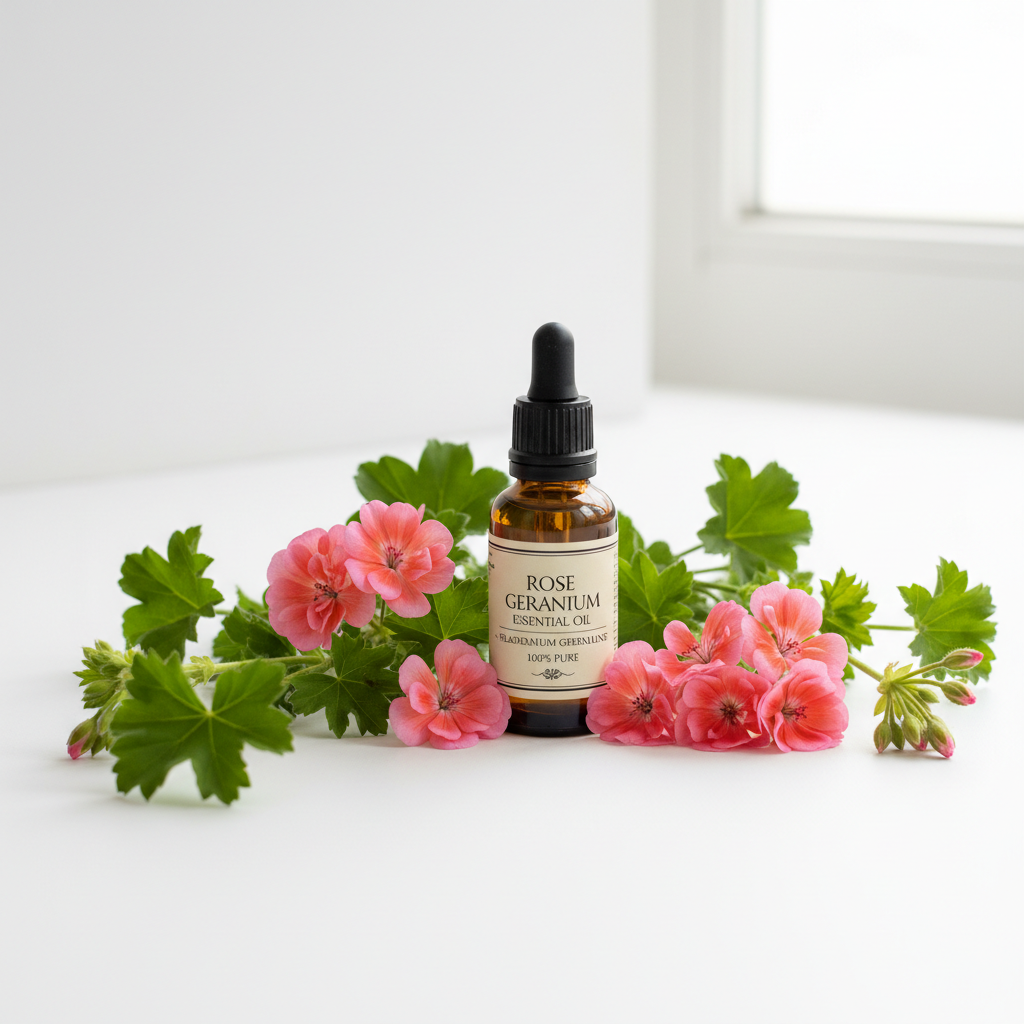
Rose Geranium Essential Oil
Pelargonium graveolens
### Rose Geranium Essential Oil: Benefits, Uses, and Properties Rose Geranium essential oil, derived from the leaves and flowers of the **Pelargonium graveolens** plant, is celebrated for its uplifting floral aroma and remarkable versatility in aromatherapy. This essential oil is not only a delight to the senses but also possesses a variety of therapeutic benefits that have been appreciated for centuries. #### Origin and Extraction Method The **Rose Geranium** plant is native to South Africa but is now cultivated in various parts of the world, including Madagascar and Egypt. The essential oil is extracted mainly through **steam distillation** of the fresh leaves and flowers. This process preserves the delicate nature of the aroma and retains a wide spectrum of its therapeutic properties, making it a precious addition to any essential oils collection. #### Botanical Information **Pelargonium graveolens** is part of the Geraniaceae family and is a hardy perennial plant. It features round, serrated leaves and clusters of pink or white flowers. Alongside its ornamental value, the plant is prized for the oil extracted from its foliage, which is rich in compounds such as geraniol, citronellol, and linalool, all contributing to its distinctive scent and health benefits. #### Therapeutic Properties and Benefits Rose Geranium essential oil is renowned for its diverse therapeutic properties: - **Emotional Harmony**: One of the most celebrated benefits of Rose Geranium essential oil is its ability to promote emotional balance. The floral aroma can alleviate feelings of stress and anxiety, helping to foster a sense of calm and peace. - **Mood Elevation**: The uplifting scent of this essential oil can significantly enhance mood, reduce feelings of melancholy, and promote overall emotional well-being. - **Mental Clarity**: Users often report improved focus and mental clarity after using Rose Geranium oil, as it eases mental fatigue and promotes concentration. - **Skin Health**: With its anti-inflammatory and astringent properties, Rose Geranium essential oil is beneficial for skin health. It can help treat acne, eczema, and other skin ailments, enhancing overall appearance and tone. - **Menstrual Health**: This oil can assist in alleviating symptoms related to menstruation and menopause, including mood swings, cramps, and discomfort. - **Circulation**: It may also stimulate blood flow, aiding in muscle recovery and tension relief. - **Headache Relief**: Inhalation or topical application of this oil may help alleviate tension headaches and promote relaxation. #### Historical and Traditional Uses Historically, Rose Geranium essential oil has been used in various cultures for its emotional and physical benefits. In **Egypt**, it was used not only for cosmetics but also in traditional medicine. The oil is often included in wellness rituals, considered a symbol of love and vitality. It has been a vital component in the formulation of perfumes and cosmetics, valued for its refreshing scent and skin-enhancing properties. #### Scientific Facts and Research Recent studies have demonstrated the effectiveness of Rose Geranium essential oil in **aromatherapy**. Research indicates its role in reducing anxiety levels and promoting relaxation, making it an essential oil of choice among therapists and individuals seeking natural remedies for stress. #### Aroma Profile and Characteristics Rose Geranium essential oil is characterized by its sweet, floral aroma with hints of mint and rose, providing a calming and balancing scent that is effective in promoting emotional stability. Its complexity makes it a popular choice in **diffusers**, and blends well with other essential oils such as lavender, bergamot, and sandalwood. #### Common Applications and Methods There are various ways to use Rose Geranium essential oil: - **Aromatherapy Diffusion**: Add a few drops to your diffuser to fill your space with its peaceful scent. - **Topical Application**: Dilute with a carrier oil and apply to the skin to harness its therapeutic benefits. - **Bath Soaks**: Add to bathwater for a luxurious experience that elevates both mood and skin condition. - **Skincare Products**: Incorporate a few drops into your facial creams or serums for added skin benefits. #### Interesting Facts and Trivia - Rose Geranium is often mistaken for the true rose, yet it provides its unique and beautiful scent at a fraction of the cost. - The plant’s leaves are also used in culinary traditions for flavoring and garnishing dishes. In conclusion, Rose Geranium essential oil offers a wealth of benefits, from emotional balance and skin health to enhanced well-being. Whether used in a diffuser, as part of a skincare regimen, or in holistic practices, this oil is a versatile addition that brings both fragrance and rejuvenation to daily life.
Recipes
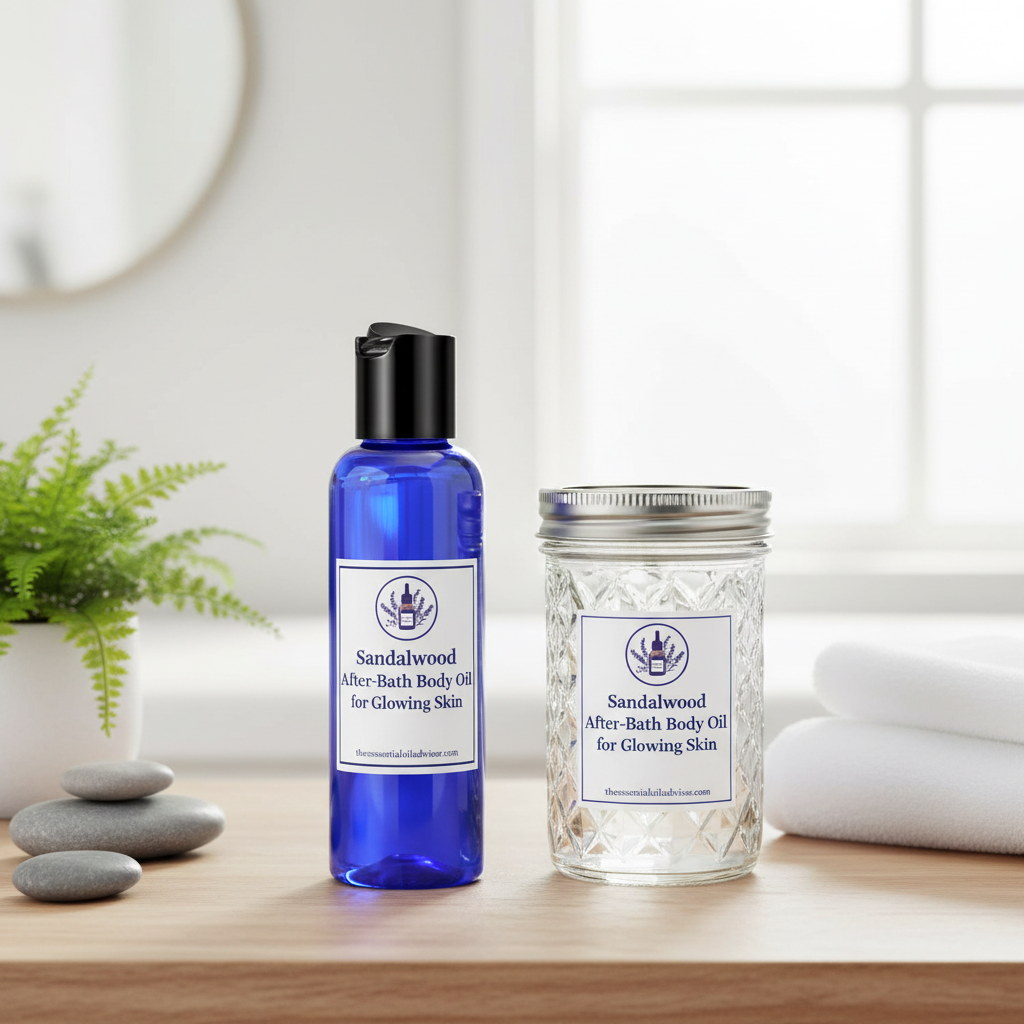
Sandalwood After-Bath Body Oil Recipe for Glowing Skin
Pamper your skin with our sandalwood after-bath body oil recipe. Easy to make, this luxurious blend leaves you moisturized, fragrant, and rejuvenated!
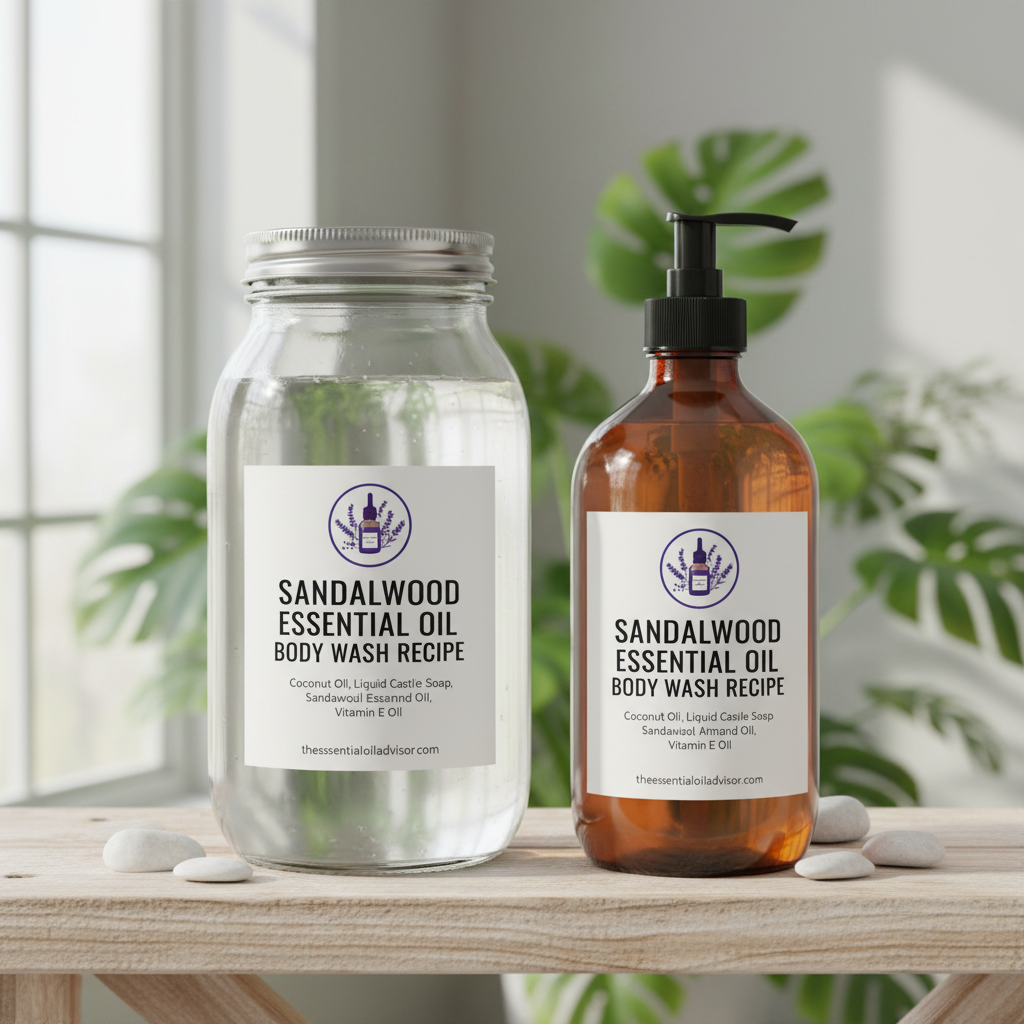
Sandalwood Essential Oil Body Wash Recipe
Discover the perfect Sandalwood essential oil body wash recipe that promotes relaxation, relieves stress, and moisturizes your skin with natural ingredients.

DIY Sandalwood Baseball Hat Spray Recipe for Freshness
Create this DIY sandalwood baseball hat spray recipe to naturally keep your hats fresh and odor-free. Enjoy long-lasting essential oil freshness!
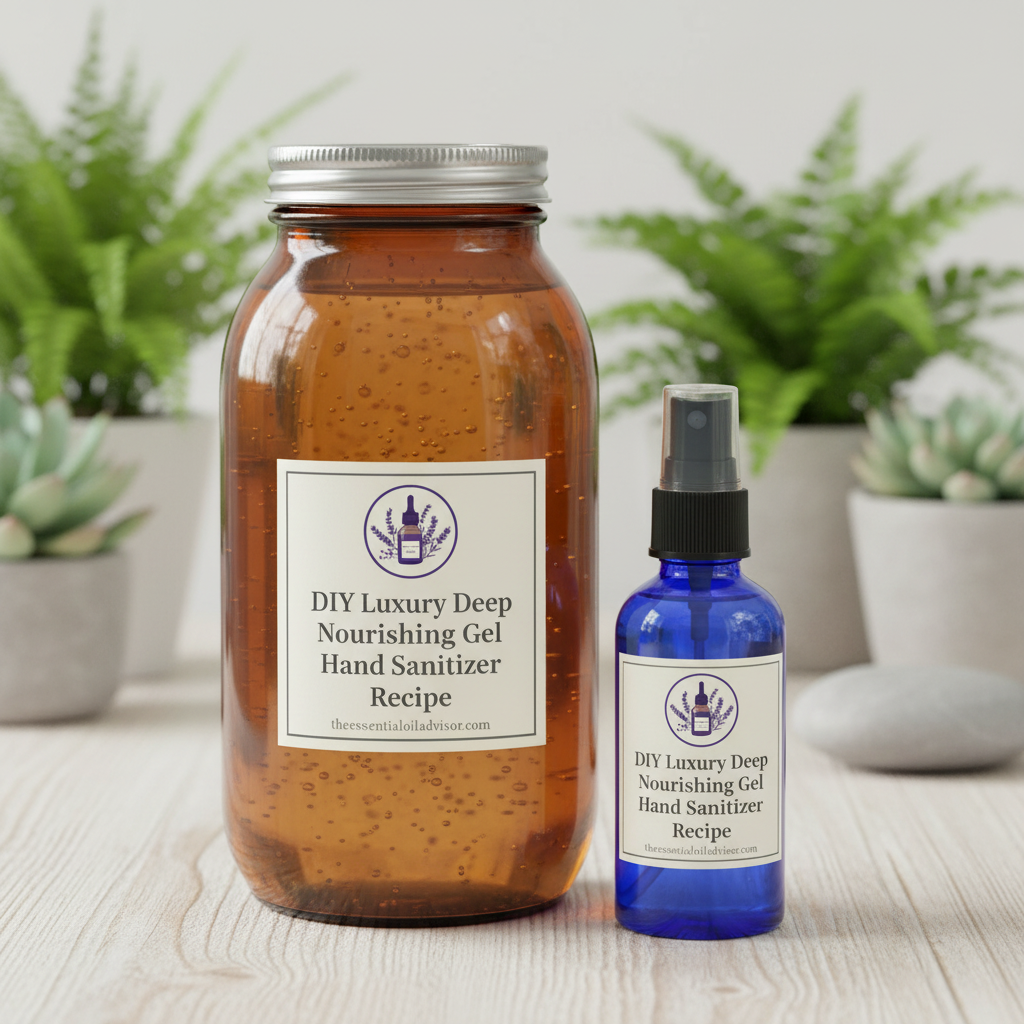
DIY Luxury Deep Nourishing Gel Hand Sanitizer Recipe
This recipe helps you create a premium hand sanitizer with deep nourishment for your skin.
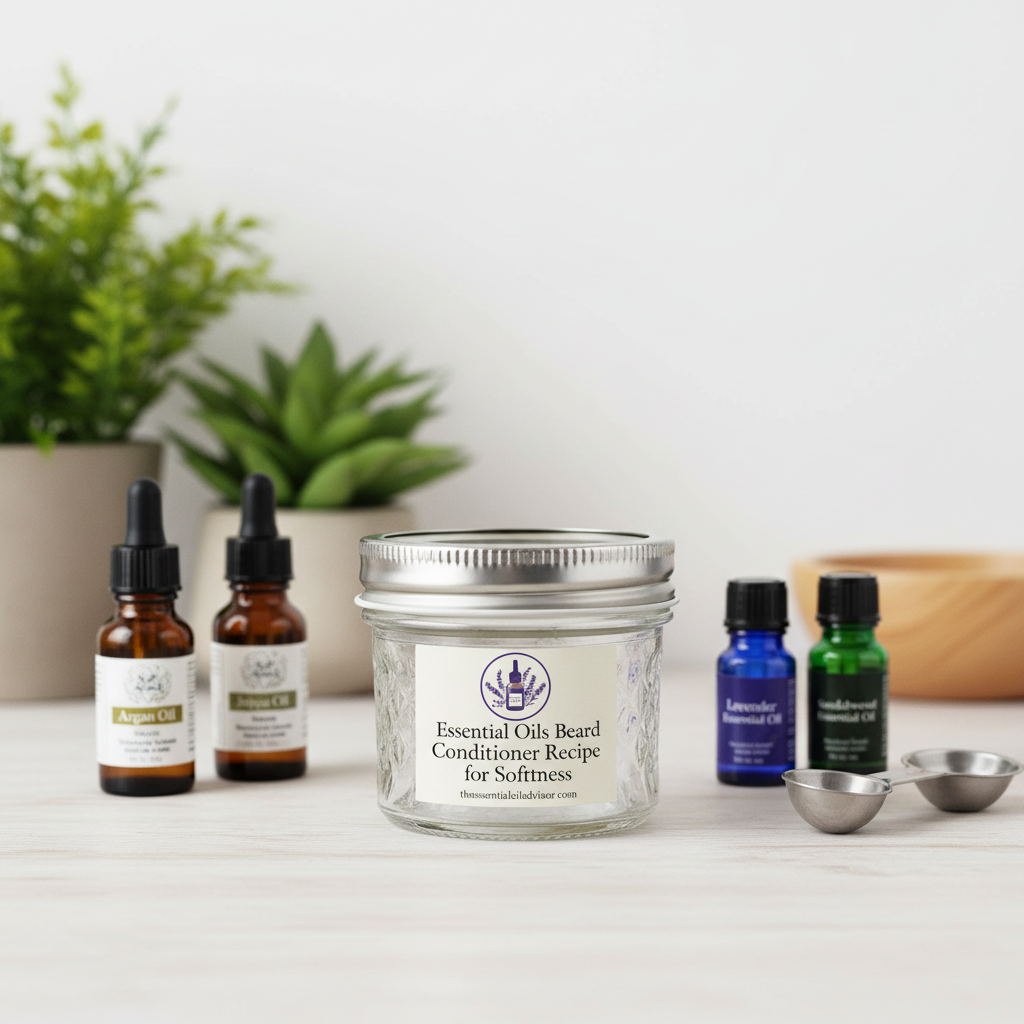
Essential Oils Beard Conditioner Recipe for Softness
Discover how to make a natural 2 oz beard conditioner with essential oils for a smoother, manageable beard with this simple recipe.

Lavender Essential Oil Body Wash Recipe
Discover the perfect Sandalwood essential oil body wash recipe that promotes relaxation, relieves stress, and moisturizes your skin with natural ingredients.