Search
Found 29 results for "immune support"
Essential Oils
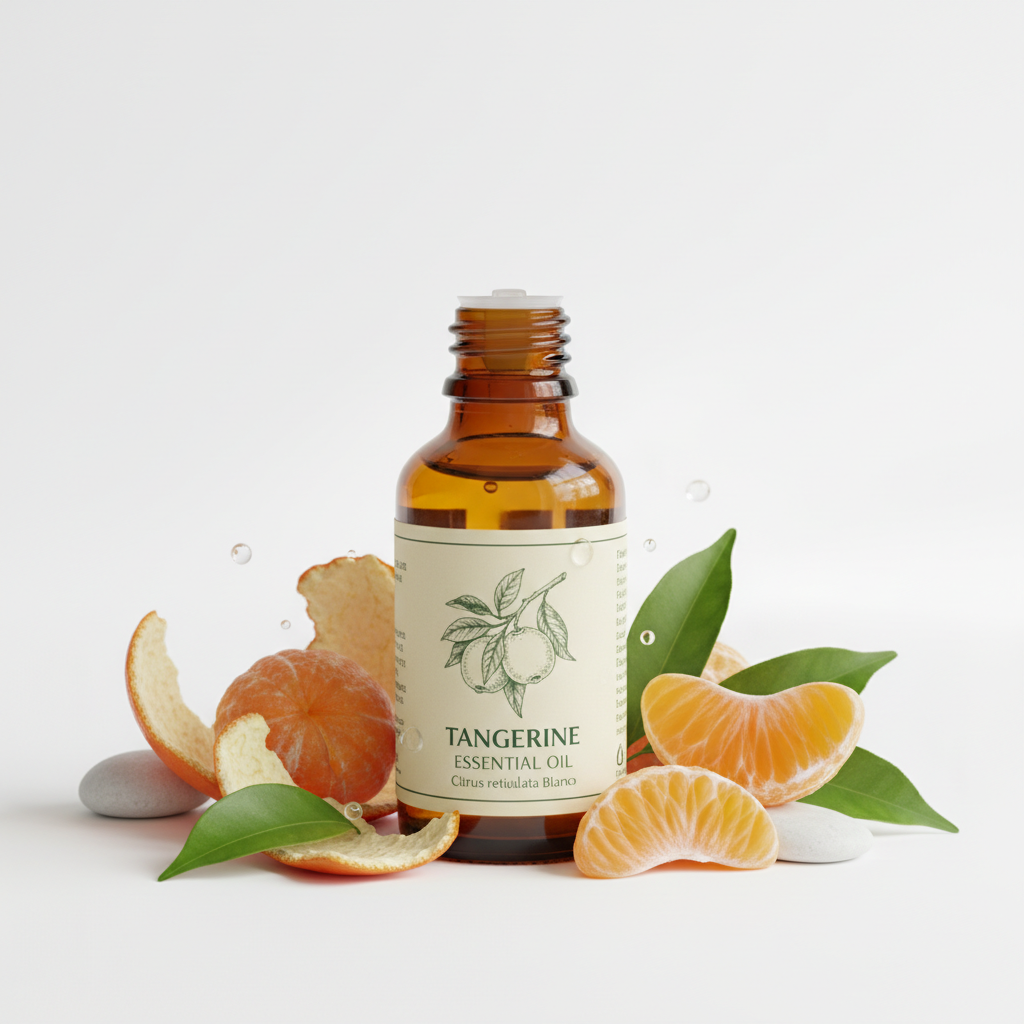
Tangerine Essential Oil
Citrus reticulata Blanco
Tangerine essential oil, scientifically known as Citrus reticulata, is derived from the peel of the tangerine fruit, which has its origins rooted in the lush Mediterranean region. The oil is extracted through cold pressing, a method that maintains the oil's integrity and retains its potent aroma and beneficial properties. This delightful oil is characterized by its bright, sweet citrus fragrance, which makes it a preferred choice in aromatherapy and natural wellness practices. **Origin and Extraction Method** Tangerines are part of the citrus family and have been cultivated for centuries. The essential oil is extracted from the outer peel of the fruit, where the aromatic compounds are concentrated. Cold pressing involves mechanically pressing the peel to release the oil without the application of heat, preserving the oil's rich constituents, making it both high-quality and effective for various applications. **Botanical Information** The tangerine tree, which can grow up to 30 feet tall, is characterized by its dark green, glossy leaves and fragrant white flowers. The peel of the fruit contains essential oils that provide various health benefits and a vibrant color that emits a pleasurable scent. Botanically, tangerine essential oil is noted for its high levels of limonene, a compound known for its uplifting properties. **Therapeutic Properties and Benefits** Tangerine essential oil has a myriad of therapeutic properties, making it valuable in both aromatherapy and alternative medicine: - **Stress Relief**: The uplifting aroma can significantly reduce stress and anxiety, creating a calming atmosphere and promoting mental clarity. It's often used in diffusers during meditation to enhance relaxation. - **Mood Enhancer**: Its sweet scent is associated with joy and positivity, helping to combat feelings of sadness and depression. The oil has a reputation for fostering an uplifting mood. - **Relaxation Support**: Frequently incorporated in massage oils and baths, tangerine oil is known to soothe the mind, making it a popular choice during yoga and relaxation sessions. - **Emotional Balance**: This essential oil is thought to assist in regulating emotions and providing support during emotional swings or periods of grief. - **Skin Rejuvenation**: When diluted with a carrier oil, tangerine essential oil is praised for its ability to improve dull skin's appearance and can aid in reducing scars. It can also help clear blemishes due to its astringent properties. - **Liver Support**: Traditionally, tangerine oil has been used to support liver function and assist in detoxification, helping the body eliminate toxins safely. - **Immune Support**: High in vitamin C, tangerine essential oil may help bolster the immune system, especially during cold and flu seasons. - **Respiratory Support**: The oil can act as a natural decongestant, promoting easier breathing and soothing respiratory discomfort. **Historical and Traditional Uses** Historically, tangerines were cherished as symbols of good fortune and prosperity, especially in Asian cultures. Their bright color and enticing aroma have long been associated with happiness, and tangerine essential oil has been used in ancient rituals for purification and spiritual well-being. **Scientific Facts and Research** Research has highlighted the potential benefits of limonene, the primary constituent of tangerine essential oil, in reducing stress and providing antioxidant benefits. Studies suggest that the inhalation of citrus scents can decrease cortisol levels in the body, further establishing the calming effects of this essential oil. **Aroma Profile and Characteristics** The aroma of tangerine essential oil is vibrant, sweet, and refreshing. Its unique fragrance not only appeals to the senses but also makes it versatile for various applications, including perfumes, skincare products, and household cleaners. **Common Applications and Methods** Tangerine essential oil can be used in several ways: - **Diffusion**: Add a few drops to a diffuser to enhance mood and create an uplifting environment. - **Topical Application**: Dilute with a carrier oil for safe use on the skin to reap its rejuvenating benefits. - **Inhalation**: Inhale directly from the bottle or place a drop on a cotton ball to experience its calming effects. - **Household Cleaner**: Mix with vinegar or water to create a natural, fragrant cleaner. **Interesting Facts and Trivia** - Tangerines are often referred to as "mandarins" in various regions, highlighting the diverse names for this beloved fruit. - In many cultures, tangerines are exchanged as gifts during celebrations to symbolize prosperity and well-being. - Their delightful taste and aroma have made them a staple during the holiday season, especially in Chinese New Year celebrations. In conclusion, tangerine essential oil is not only refreshing but is also packed with numerous health benefits and traditional uses. Its vibrant aroma and range of applications make it a must-have in any essential oil collection.
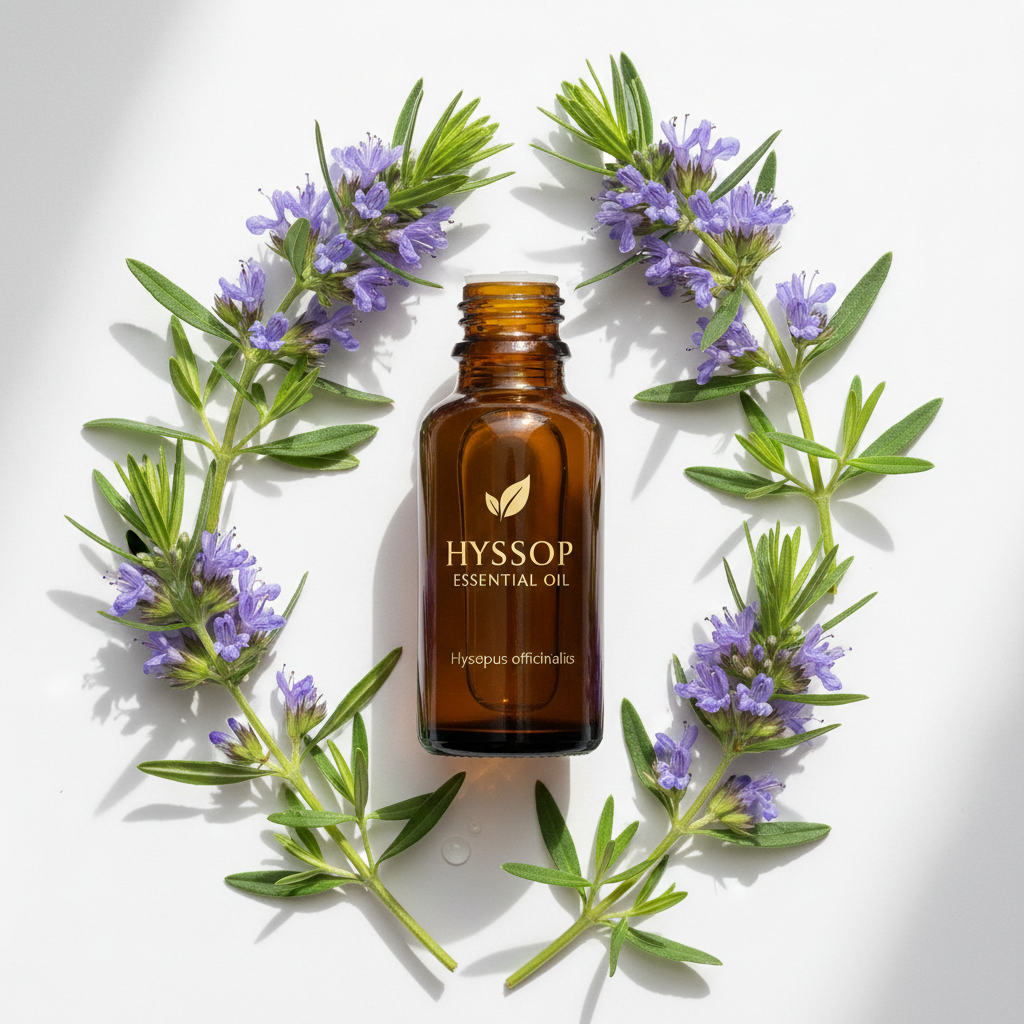
Hyssop Essential Oil
Hyssopus officinalis
Hyssop essential oil, derived from the leaves and flowering tops of the Hyssopus officinalis plant, is a powerful oil known for its myriad of therapeutic benefits and deeply rooted historical significance. Native to the Mediterranean region, Hyssop has been celebrated for centuries for its culinary and medicinal values. The essential oil is extracted through steam distillation, a method that maintains the integrity of its delicate aromatic compounds, resulting in a high-quality oil with a fresh, sweet, and slightly herbaceous scent. **Origin and Extraction Method** Hyssop essential oil’s history can be traced back to ancient civilizations, including the Egyptians, who utilized it for both culinary enhancements and medicinal purposes. The steam distillation process used to extract Hyssop essential oil is key to capturing its aromatic properties, allowing for the preservation and potent delivery of essential compounds, which are central to its various uses. **Botanical Information** Hyssopus officinalis is a member of the Lamiaceae family, distinguished by its small purple flowers and linear green leaves. Rich in bioactive compounds such as pinocamphone and camphor, Hyssop essential oil stands out for its therapeutic and aromatic qualities. Due to its wide-ranging applications, Hyssop oil is frequently confused with other botanical oils, underscoring its remarkable versatility. **Therapeutic Properties and Benefits** Hyssop essential oil is renowned for its extensive range of therapeutic benefits, making it a crucial component in both traditional herbal medicine and contemporary aromatherapy practices. Some of its most notable benefits include: - **Respiratory Support**: Hyssop oil enhances respiratory health by easing symptoms associated with coughs and colds, providing soothing effects for throat irritation and improving breathing when diffused or inhaled. - **Emotional Balance**: Frequently used in meditation, it promotes emotional well-being and clarity, helping individuals combat feelings of anxiety and promoting tranquility. - **Digestive Health**: This essential oil can aid digestion, alleviate discomfort, and may stimulate appetite, making it beneficial for various digestive issues. - **Immune Support**: Hyssop essential oil provides immune system support, particularly useful during seasonal illnesses. **Historical and Traditional Uses** Hyssop is steeped in folklore and historical significance. It is referenced in biblical texts for its purification properties, highlighting its importance across various cultures as a healing herb. This long-standing use underscores Hyssop’s effectiveness in addressing diverse ailments, establishing its credibility in herbal medicine. **Scientific Facts and Research** Recent scientific research has validated many of Hyssop essential oil’s traditional uses by exploring its antimicrobial and antioxidant properties. Ongoing studies aim to further investigate its impacts on mental clarity and emotional health, bridging the gap between ancient practices and modern scientific understanding. **Aroma Profile and Characteristics** With a fresh, sweet, and herbaceous aroma, Hyssop essential oil provides an uplifting yet grounding scent, making it perfect for enhancing focus and mental clarity. The oil’s unique aroma properties make it favored in both aromatherapy and natural perfumery. **Common Applications and Methods**: Hyssop essential oil can be incorporated into daily wellness practices through various methods: - **Aromatherapy**: Use a diffuser with a few drops to promote emotional balance and clarity. - **Topical Use**: Dilute with a carrier oil for localized application to sore muscles or skin issues, ensuring a patch test is performed first. - **Bathing**: Add a few drops to a warm bath for a soothing and relaxing experience. - **Steam Inhalation**: Great for respiratory support, inhale the steam by adding a few drops to hot water. - **Skin Care**: Incorporate in small amounts into skincare routines for clearer skin due to its antimicrobial properties. **Interesting Facts and Trivia** Despite being less popular than some essential oils, Hyssop essential oil is a treasure for its diverse applications in holistic wellness. It’s often noted in herbal medicine texts for its rich legacy and versatility, which continues to matter in modern wellness practices around the world. Its historical context and practical benefits make Hyssop a compelling addition to any essential oil collection. In summary, Hyssop essential oil is a remarkable and adaptable oil worth considering for anyone interested in the therapeutic qualities of essential oils. Whether for respiratory support, emotional stability, or as part of traditional health practices, exploring Hyssop essential oil can significantly enhance your overall well-being.
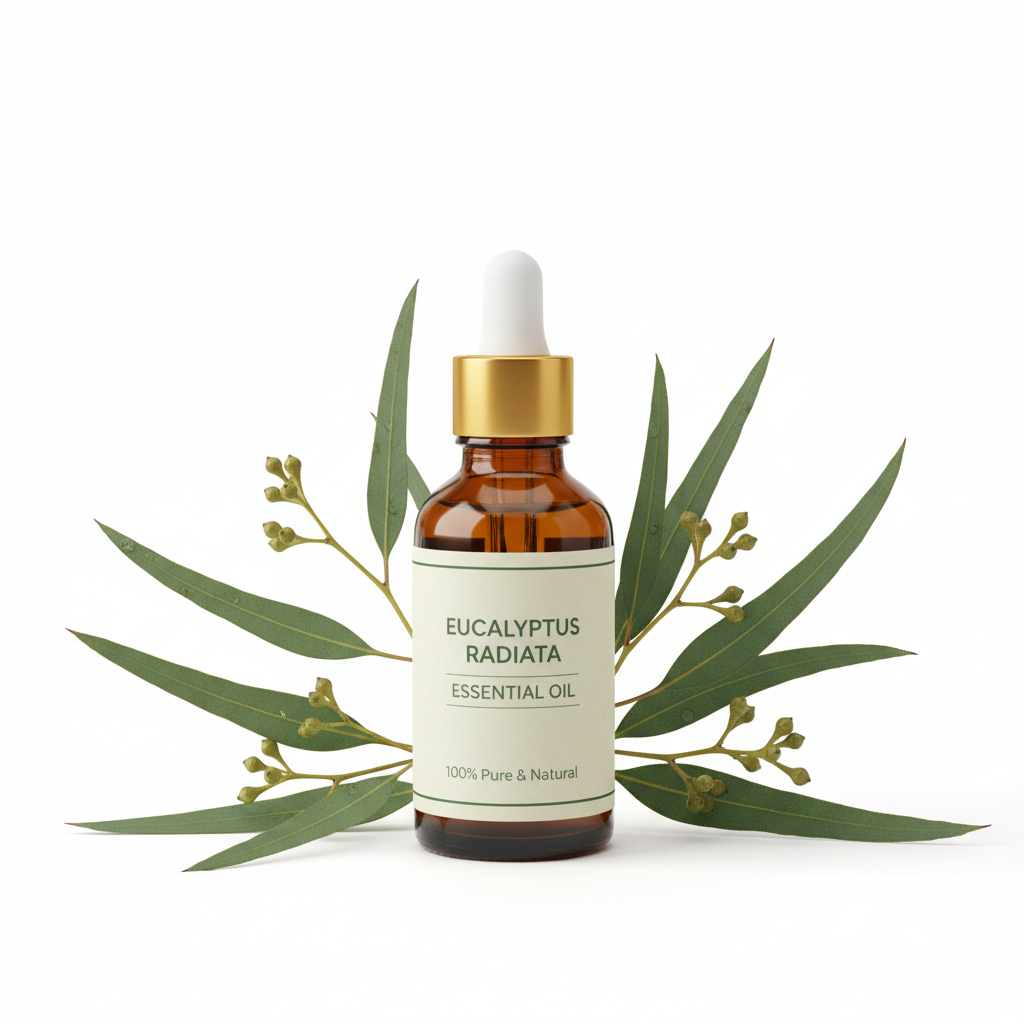
Eucalyptus Radiata Essential Oil
Eucalyptus radiata
### Eucalyptus Radiata Essential Oil: Benefits & Uses Explained Eucalyptus Radiata Essential Oil is a highly valued oil derived from the leaves and twigs of the Eucalyptus radiata tree, predominantly found in Australia. This essential oil has long been cherished by Indigenous Australians for its diverse therapeutic applications, particularly in supporting respiratory health and enhancing overall well-being. #### Origin and Extraction Method Eucalyptus radiata is a species of Eucalyptus that thrives in the highlands of southeastern Australia. The essential oil is extracted through a process known as steam distillation. During this process, steam passes through the plant material, releasing the oil, which is then condensed into liquid form. This method preserves the oil's beneficial compounds, making it ideal for aromatherapy and therapeutic uses. #### Botanical Information - **Botanical Name**: Eucalyptus radiata - **Family**: Myrtaceae - **Common Names**: Narrow-leafed peppermint, Eucalyptus oil - **Plant Part Used**: Leaves and twigs - **Appearance**: Colorless to pale yellow oil - **Aroma Profile**: Fresh, herbaceous, and slightly camphorous scent that invigorates the senses. #### Therapeutic Properties and Benefits Eucalyptus Radiata essential oil is renowned for its numerous therapeutic properties. Some of the key benefits include: - **Respiratory Relief**: Known for its ability to relieve congestion, this oil can help manage respiratory infections and allergies by promoting clearer airways. - **Mental Clarity and Focus**: Its invigorating scent revitalizes the mind, helping improve concentration and cognitive function, making it an excellent choice for study or work environments. - **Stress Relief**: Eucalyptus Radiata promotes relaxation and helps reduce anxiety, making it beneficial during stressful times. - **Muscle Relaxation**: When diluted and used in massage, it can soothe sore muscles and joint pain, helping athletes and fitness enthusiasts recover. - **Wound Healing**: With its antiseptic properties, Eucalyptus Radiata can assist in the natural healing of minor cuts and abrasions. - **Immune Support**: Regular use may support the immune system, particularly during changes in the season when respiratory issues may arise. #### Historical and Traditional Uses Eucalyptus radiata has a rich history of use among Indigenous Australians, who utilized it for its medicinal properties. Historically, the leaves were used in poultices and steam inhalations to relieve coughs and colds. Its reputation as a natural remedy for respiratory ailments has led to its integration into various traditional practices in many cultures. #### Scientific Facts and Research Recent studies have bolstered the understanding of eucalyptus essential oils, including Eucalyptus radiata. Research has indicated that compounds such as 1,8-cineole are responsible for many of its therapeutic effects, particularly in alleviating respiratory issues. Its antimicrobial properties have also been explored, showcasing potential in fighting various pathogens. #### Aroma Profile and Characteristics Eucalyptus Radiata essential oil has a light, fresh, and camphorous aroma, distinguished by its slightly sweeter, milder scent compared to other eucalyptus species, such as Eucalyptus globulus. This makes it a preferred choice for those sensitive to stronger aromas, allowing for a refreshing and uplifting environment without overwhelming the senses. #### Common Applications and Methods 1. **Diffusion**: Add a few drops to a diffuser to create a refreshing atmosphere. It can help with focus during work or create a calm space for relaxation. 2. **Inhalation**: For respiratory support, inhale directly from the bottle or add drops to a bowl of hot water for steam inhalation. 3. **Massage**: Blend with a carrier oil and use for muscle relaxation and relief. 4. **Skin Care**: Dilute properly for use in skincare to support wound care or to promote clearer skin. Always conduct a patch test prior to full application. #### Interesting Facts and Trivia - Eucalyptus trees are among the tallest trees in the world, often reaching heights of over 300 feet. - Eucalyptus oil's main component, 1,8-cineole, is prevalent in various mint oils and has been used for centuries in herbal medicine. - Eucalyptus Radiata oil not only uplifts mood but is also known to repel insects, making it a natural alternative for insect control. In conclusion, Eucalyptus Radiata Essential Oil is a versatile oil with a myriad of benefits, herbal traditions, and scientific backing. Incorporating this essential oil into your wellness routine can offer refreshing and therapeutic results in your daily life.
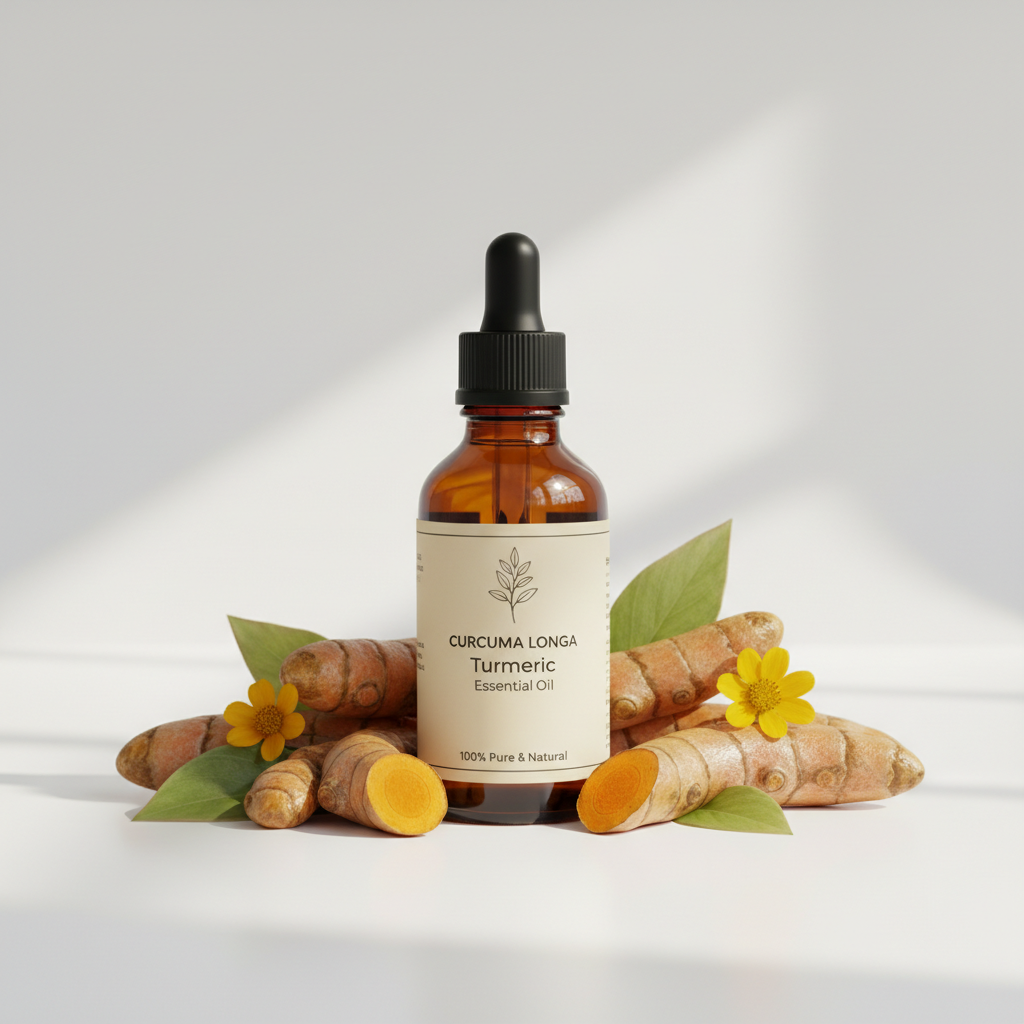
Turmeric Essential Oil
Curcuma longa
Turmeric essential oil, extracted from the rhizomes of the Curcuma longa plant, has gained immense popularity in recent years, not just for its vibrant yellow color, but for its myriad of therapeutic benefits. This aromatic oil is predominantly obtained through steam distillation, a method that preserves its potential health properties while enhancing its fragrance. ### Botanical Information The Curcuma longa plant, native to tropical South Asia, particularly India, has a long history of use in traditional medicine systems. Turmeric is a perennial herb with a bright yellow-orange rhizome, which is the root from which the essential oil is extracted. Turmeric's active component, curcumin, is celebrated for its anti-inflammatory and antioxidant properties, making it a key player in various health and wellness applications. ### Therapeutic Properties and Benefits Turmeric essential oil is touted for its numerous health benefits, including: - **Anti-inflammatory:** The oil is well-known for relieving inflammation, making it beneficial for conditions like arthritis and muscle soreness. - **Antioxidant:** Its powerful antioxidants help combat free radicals, reducing oxidative stress and promoting overall health. - **Mood Enhancer:** The uplifting aroma positively influences mood, aiding in alleviating feelings of sadness or anxiety. - **Stress Relief:** It has a soothing effect, promoting calmness and reducing anxiety levels, making it a popular choice for aromatherapy. - **Mental Clarity:** Many users find that turmeric oil helps support focus and cognitive function, particularly during high-stress tasks. - **Grounding Properties:** This oil is said to provide emotional stability, creating a tranquil mental environment conducive to self-acceptance and emotional balancing. - **Circulation Booster:** The oil's properties may enhance blood circulation, promoting vitality and energy. - **Digestive Support:** By easing discomfort and bloating, turmeric essential oil supports healthy digestion processes. - **Skin Health:** It has antiseptic qualities and can assist in healing minor cuts, irritations, and other skin issues. ### Historical and Traditional Uses In Ayurveda, turmeric has been revered for centuries not only as a spice but as a healing herb. Traditionally, it has been used to treat a variety of ailments, from skin conditions to digestive disorders. In many cultures, turmeric is incorporated into rituals and traditional practices, reflecting its significance in heritage and health. ### Scientific Research Scientific studies have explored the myriad benefits of turmeric essential oil, particularly focusing on its active components. Research has validated some of its traditional uses, demonstrating its anti-inflammatory and antioxidant capabilities. This aligns with many modern trends that advocate for natural remedies in health and wellness regimens. ### Aroma Profile and Characteristics The aroma of turmeric essential oil is warm, spicy, and slightly woody, making it an excellent addition to diffusers and blends in aromatherapy. Its distinct fragrance is not only uplifting but can also stimulate the senses, enhancing focus and mental clarity during meditation or yoga. ### Common Applications and Methods Turmeric essential oil can be utilized in various ways: - **Aromatherapy:** Add a few drops to a diffuser to enjoy its calming aroma. - **Massage:** Dilute with a carrier oil for topical applications to relieve muscle aches and promote relaxation. - **Skincare:** Incorporate into skin care products for its healing properties, or mix with a carrier oil for direct skin application. - **Wellness Blends:** Combine with other essential oils like lavender or frankincense for enhanced therapeutic effects. ### Interesting Facts and Trivia - Turmeric is often referred to as "the golden spice of life" due to its vibrant hue and vast medicinal properties. - The use of turmeric dates back over 4,000 years, showcasing its long-standing presence in various cultures. - Its pigment has been used as a dye in fabrics, demonstrating its versatility beyond just flavor and health benefits. In conclusion, turmeric essential oil stands out with its rich aromas and diverse health benefits. As a central component in both traditional medicine and contemporary holistic practices, it offers an array of possibilities for enhancing physical wellness and emotional well-being. Whether you're looking to boost your mood, promote skin health or simply enjoy its fragrant presence, turmeric essential oil is a valuable addition to any essential oil collection.
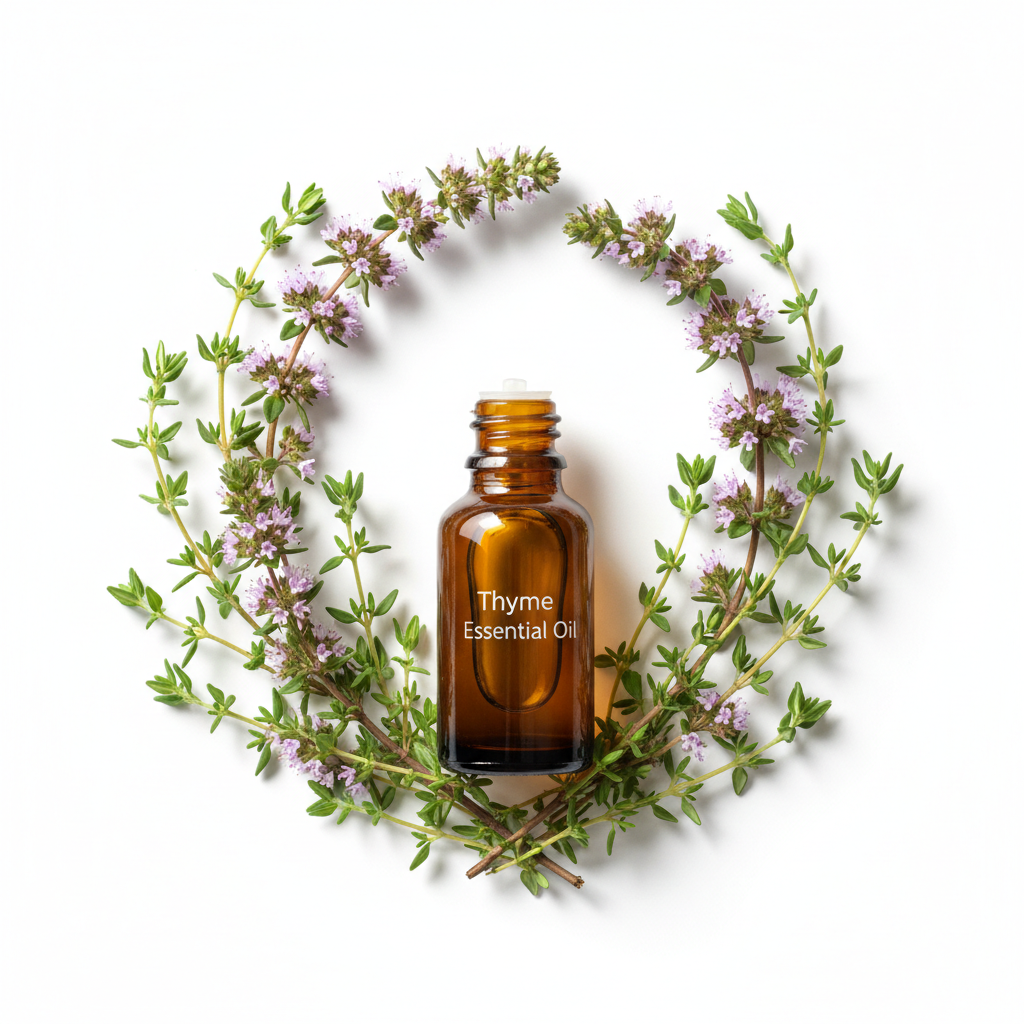
Thyme Essential Oil
Thymus vulgaris
### Overview of Thyme Essential Oil Thyme essential oil, derived from the leaves and flowering tops of the *Thymus vulgaris* plant, is renowned for its robust therapeutic properties and rich historical legacy. This essential oil has been used for centuries in traditional medicine and culinary practices, making it one of the most cherished oils in aromatherapy and holistic wellness. ### Origin and Extraction Method Thyme essential oil is extracted through a process called steam distillation, which involves passing steam through the plant material to release the oil without the use of solvents. This method ensures that the oil retains its potent therapeutic properties and aromatic compounds. *Thymus vulgaris*, native to southern Europe, is cultivated widely due to its versatility and resilience in various climates. ### Botanical Information Botanically, thyme belongs to the Lamiaceae family, which includes other popular herbs like mint and basil. The plant grows low to the ground and produces small, tubular flowers that can range in color from pink to purple. The leaves are aromatic and are rich in phenolic compounds, particularly thymol and carvacrol, renowned for their antimicrobial properties. ### Therapeutic Properties and Benefits Thyme essential oil is celebrated for its diverse therapeutic effects. It is primarily known for: - **Antimicrobial Action**: Contains powerful compounds that help combat bacteria and fungi, making it ideal for use in home remedies and natural cleaning products. - **Respiratory Support**: Acts as a natural expectorant, helpful in relieving coughs and clearing congestion during colds and respiratory infections. - **Emotional Well-being**: Known to enhance mood, improve mental clarity, and alleviate feelings of anxiety and fatigue, making it beneficial in stressful situations. - **Muscle Relief**: When diluted and applied topically, it can soothe sore muscles and improve circulation, making it popular among athletes. - **Skin Health**: Thyme essential oil can be beneficial for oily or acne-prone skin when used in skincare formulations, helping to reduce outbreaks and promote a clearer complexion. ### Historical and Traditional Uses Historically, thyme has been appreciated for its various uses in ancient civilizations. The Egyptians used it in embalming practices due to its preservative properties, while the Romans utilized thyme in baths for its invigorating scent. In the Middle Ages, thyme was often associated with bravery and was used in rituals and as a symbol of courage. ### Scientific Facts and Research Recent studies have highlighted the numerous health benefits of thyme essential oil. Research shows that thymol, a major component of thymus oil, possesses antifungal and antiseptic characteristics. Investigations into its role in respiratory health have demonstrated its effectiveness in supporting the immune system, particularly during peak cold and flu seasons. ### Aroma Profile and Characteristics The aroma of thyme essential oil is fresh, herbaceous, and slightly spicy. Its unique scent profile can invigorate the mind and body, making it an excellent choice for diffusion in living spaces and during meditative practices. The oil blends well with other essential oils, such as lavender, eucalyptus, and lemon, enhancing the overall aroma and effectiveness of blends. ### Common Applications and Methods Thyme essential oil can be used in a variety of ways: - **Aromatherapy**: Diffusion in a diffuser for mental clarity and mood upliftment. - **Topical Application**: Diluted with a carrier oil for muscle relief or skincare applications. - **Inhalation**: Direct inhalation from the bottle or added to steam inhalation for respiratory support. - **Cleaning Products**: Adding thyme oil to homemade cleaning agents to leverage its antimicrobial properties. ### Interesting Facts and Trivia - Thyme is a perennial plant that can live for several years with proper care and conditions. - The name 'thyme' is derived from the Greek word 'thumus', meaning 'courage', reflecting its historical associations with bravery. - Thyme oil is often used in culinary dishes, adding aromatic flavor to meats, soups, and sauces, enhancing both taste and health benefits. In conclusion, thyme essential oil is a remarkable oil with numerous benefits ranging from health to emotional balance. Its historical significance and versatility make it a staple in both modern holistic practices and traditional medicine.
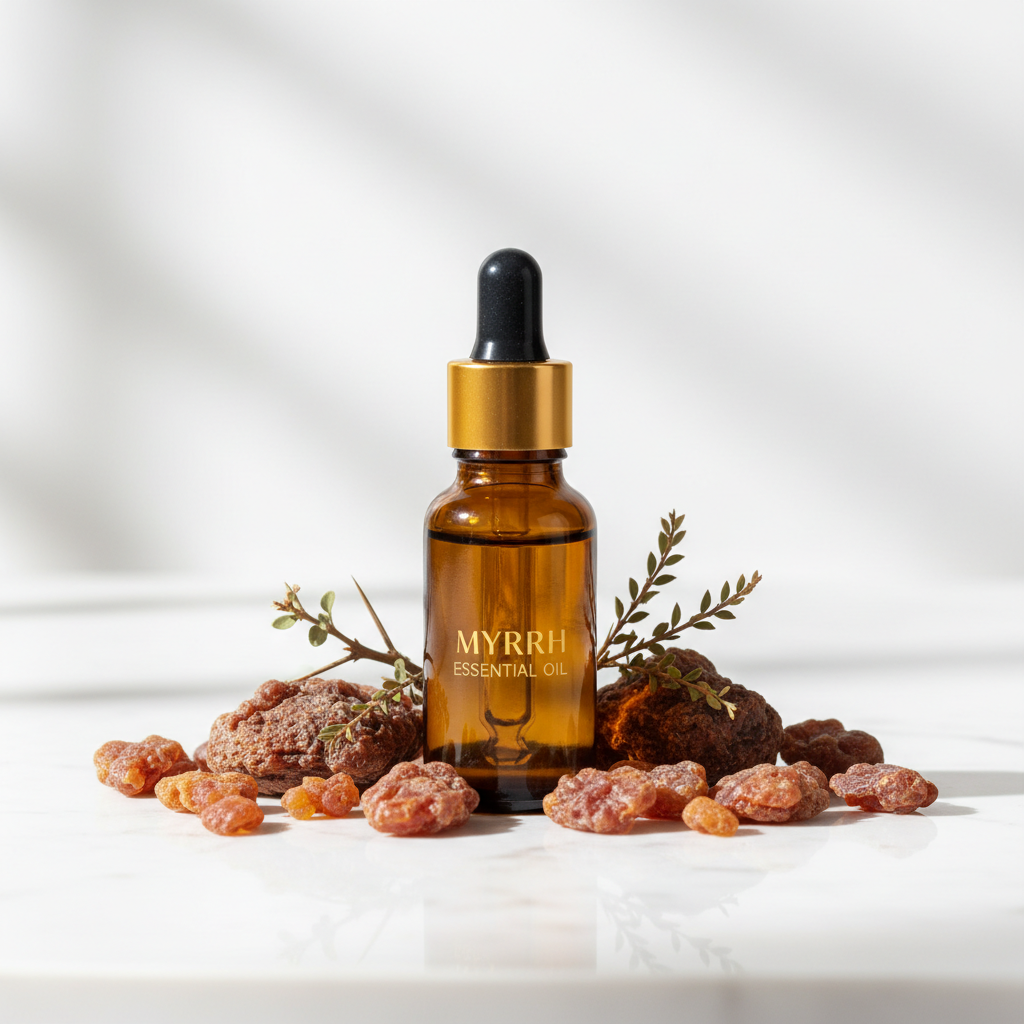
Myrrh Essential Oil
Commiphora myrrha
Myrrh essential oil is a powerful and aromatic oil derived from the resin of the Commiphora myrrha tree, also known as myrrh. This ancient oil has been revered for centuries, celebrated for its numerous therapeutic properties and versatility in various applications. ### Origin and Extraction Method The Commiphora myrrha tree, native to the arid regions of East Africa and the Arabian Peninsula, produces myrrh resin when its bark is cut. This resin is then harvested and subjected to steam distillation to create myrrh essential oil, capturing its potent benefits and aromatic qualities. ### Botanical Information Myrrh belongs to the family Burseraceae, which encompasses various aromatic resins. The tree can grow up to 4 meters tall and has distinctive, gnarled branches and small yellow flowers. Myrrh resin’s sticky sap has a rich, earthy scent which plays a crucial role in its therapeutic appeal. ### Therapeutic Properties and Benefits The therapeutic benefits of myrrh essential oil are vast. Here are some notable properties: - **Anti-inflammatory:** Myrrh helps reduce inflammation in the body, which can alleviate symptoms of various conditions, providing comfort and easing discomfort. - **Anxiolytic:** With its calming properties, myrrh can help alleviate anxiety and promote emotional stability, assisting individuals during stressful times. - **Meditative:** Used for centuries in spiritual practices, myrrh enhances meditation and mindfulness, fostering a deeper connection to one’s inner self. - **Emotional Healing:** It is often used in therapeutic settings to help individuals process grief and trauma, promoting emotional clearing and healing. - **Skin Rejuvenation:** Myrrh essential oil is beneficial for skin care; it can reduce the appearance of scars and fine lines due to its regenerative properties. - **Immune System Support:** It strengthens the immune system, helping the body defend against infections and illnesses. - **Respiratory Health:** Known for its beneficial effects on the respiratory system, myrrh can support respiratory health during colds or infections. - **Oral Health:** Its antimicrobial properties may assist in promoting healthy gums and maintaining oral hygiene. - **Anti-aging:** The antioxidants found in myrrh oil contribute to reducing the signs of aging. ### Historical and Traditional Uses Myrrh has a rich history, celebrated not only for its aromatic qualities but also for its use in ancient medicine and religious rituals. In ancient Egypt, it was used in the embalming process, symbolizing preservation for the afterlife. Myrrh also has a significant presence in various religious texts, often symbolizing sacrifice and healing. Its use in traditional medicine spans several cultures, where it has been employed to treat wounds and ailments, further demonstrating its therapeutic prowess. ### Scientific Facts and Research Recent studies have validated many traditional claims regarding myrrh essential oil. Research indicates its effectiveness in combating inflammation, fighting pathogens, and even its potential role in cancer prevention. Ongoing studies delve into its biochemical properties and how they may benefit modern health practices. ### Aroma Profile and Characteristics Myrrh essential oil has a warm, earthy aroma that is both calming and grounding. The scent is often described as rich and slightly sweet, making it a captivating addition to various aromatic blends and therapeutic formulations. ### Common Applications and Methods - **Aromatherapy:** Use myrrh in diffusers or oil burners to create a calming atmosphere. - **Topical Uses:** Dilute in carrier oils for application on the skin, particularly for skincare routines or massage blends. - **Meditation Practices:** Add a few drops to your meditation space to enhance your spiritual practices. - **Baths:** Incorporate into bathwater for a relaxing and rejuvenating soaking experience. ### Interesting Facts and Trivia - Myrrh was one of the gifts brought by the Magi to the infant Jesus, emphasizing its historical significance. - It was used as a medicinal treatment in ancient India, highlighting its global recognition for healing. - Myrrh is still used today in various forms, such as in perfumes, herbal remedies, and even as a flavoring agent. In conclusion, myrrh essential oil is a remarkable oil with a rich history and immense therapeutic benefits. Its applications are diverse, ranging from emotional support to skin care, solidifying its place in holistic and aromatherapeutic practices. Whether you’re exploring essential oils for the first time or are a seasoned enthusiast, myrrh's unique properties make it a valuable addition to your collection.