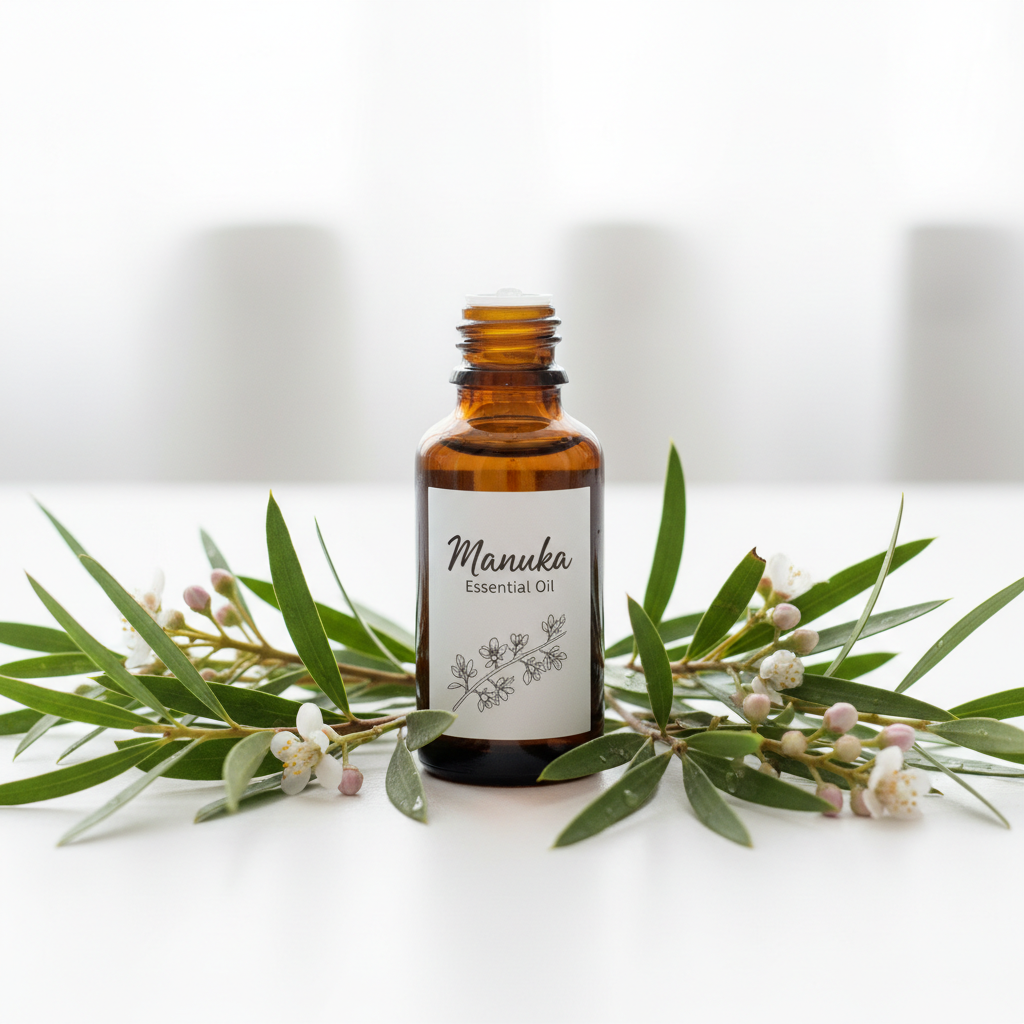
Manuka Essential Oil
Leptospermum scoparium
Plant Source
Leaves and twigs
Scent Family
Woody
"Discover Manuka essential oil benefits, uses, aroma profile, and therapeutic properties. Learn its history and how to incorporate it into your wellness routine."
Manuka Essential Oil: Comprehensive Overview
Manuka essential oil is an aromatic oil extracted from the leaves and twigs of the Leptospermum scoparium plant, primarily found in New Zealand and Australia. This remarkable plant belongs to the Myrtaceae family and features small, white, or pink flowers, along with leathery leaves that contain potent essential oil.
Origin and Extraction Method
The extraction of Manuka essential oil is achieved through steam distillation, a method that captures its fragrant compounds while preserving its therapeutic properties. The process yields a rich, multifaceted oil that embodies the essence of the lush, natural landscapes from where the plant originates. Known for its distinctive earthy, herbaceous aroma, Manuka oil is celebrated not only for its olfactory appeal but also for its myriad of health benefits.
Botanical Information
Leptospermum scoparium, commonly known as Manuka, is a small tree that grows up to 5 meters tall, primarily thriving in coastal regions. The plant is evergreen and is well-known for its resilience and adaptability to various soil conditions. The leaves are narrow and aromatic, and the flowers attract pollinators, particularly bees, which contribute to the unique characteristics of Manuka honey, another product celebrated for its health benefits.
Therapeutic Properties and Benefits
Manuka essential oil is packed with beneficial compounds, including triketones, which give it strong antimicrobial properties. Here are some of the oil’s key therapeutic effects:
- Antibacterial and Antifungal: Manuka oil is renowned for its powerful ability to combat harmful bacteria and fungi, making it an excellent choice for treating minor wounds, cuts, and skin irritations.
- Anti-inflammatory: It helps reduce inflammation and discomfort, making it suitable for conditions such as arthritis and general aches and pains.
- Emotional Wellbeing: The calming and grounding properties of Manuka oil can help reduce anxiety, promote emotional balance, and foster a sense of stability in stressful environments.
- Respiratory Support: Inhalation of this oil can provide relief from respiratory issues, helping to clear congestion and alleviate cough symptoms.
- Digestive Aid: Manuka oil may assist in digestive issues, including bloating and upset stomachs, enhancing overall gastrointestinal health.
Historical and Traditional Uses
Historically, the indigenous Maori people of New Zealand have utilized Manuka for centuries. It played a vital role in their traditional medicine, used for its antiseptic and healing properties. The leaves were often infused in hot water to make herbal tea, which was used for various ailments. Today, the oil continues to be a staple in natural health and alternative medicine practices.
Scientific Facts and Research
Recent studies have reinforced Manuka essential oil's antibacterial qualities, showcasing its effectiveness against various pathogens, including Staphylococcus aureus and Escherichia coli. The presence of unique compounds, such as leptospermone, has been recognized for contributing significantly to its therapeutic efficacy, offering a scientific basis for its traditional uses.
Aroma Profile and Characteristics
Manuka essential oil possesses a warm, sweet, and slightly herbaceous scent with undertones of wood and earthy notes. This complex aroma makes it an excellent choice for use in diffusers, as a natural fragrance, or blended in massage oils and skin care products. Its balancing properties make it particularly popular in aromatherapy and wellness practices, promoting a calming atmosphere.
Common Applications and Methods
- Topical Use: Dilute Manuka oil with a carrier oil and apply it directly to the skin to address irritations, cuts, and blemishes.
- Inhalation: Use a diffuser to disperse the calming aroma throughout your space, or add a few drops to a bowl of hot water for steam inhalation to support respiratory health.
- Bath Soaks: Add Manuka oil to a warm bath to enhance relaxation and soothe muscles.
- Cleaning Products: Incorporate the oil into homemade cleaning solutions for its powerful antibacterial properties.
- Hair Care: Add to shampoo or conditioner to promote scalp health and address dandruff issues.
Interesting Facts and Trivia
- Honey Connection: Manuka oil is often associated with Manuka honey, both products reputed for their natural health benefits.
- Sustainability: The sustainable harvesting practices of Manuka support biodiversity and protect the native ecosystems of New Zealand.
- Popularity Surge: The recent growth in the essential oil market has seen Manuka oil gaining traction for its unique benefits, pushing it into the spotlight of natural wellness.
In conclusion, Manuka essential oil is a remarkable and multifaceted oil, rooted deeply in tradition and bolstered by modern science. By incorporating this essential oil into your wellness routine, you can harness its therapeutic benefits for both body and mind.
Ask AI About Manuka Essential Oil
Get instant answers about this essential oil
Benefits & Uses
- Calming: Can help reduce feelings of anxiety and promote a sense of emotional balance.
- Uplifting: Enhances mood, making it a good choice for combating fatigue and depressive feelings.
- Focus-enhancing: Supports mental clarity and concentration during stressful tasks.
- Grounding: Provides a feeling of stability and reassurance during turbulent times.
- Relieves skin irritations: Soothes conditions like eczema and psoriasis.
- Supports oral health: Can be added to toothpaste or mouthwash for its antimicrobial properties.
- Reduces respiratory issues: Helps alleviate symptoms of coughs and colds.
- Assists with digestive discomfort: May help in alleviating bloating and upset stomach.
- Acne treatment: Helps clear blemishes and reduce breakouts due to its antibacterial properties.
- Anti-aging: Promotes skin regeneration and may reduce the appearance of scars.
- Moisturizing: When diluted in carrier oils, it hydrates dry skin effectively.
- After-sun care: Soothes sunburns and helps in skin recovery.
- Air freshener: Diffuse to eliminate odors and purify the air.
- Cleaning agent: Add to homemade cleaners for enhanced antibacterial properties.
- Insect repellant: Deters insects when used in sprays or diffusers.
- Laundry freshener: A few drops in laundry can provide a pleasant fragrance and antibacterial benefits.
How to Use
Diffuser
Use 3-5 drops of Manuka essential oil for small rooms, 5-8 drops for medium, and 8-12 drops for large areas. Optimal diffusion duration is 30-60 minutes, 2-3 times daily, preferably in morning to enhance focus or evening for relaxation.
Topical
For adults, dilute at a ratio of 2-3% (approximately 12-18 drops in 1 oz of carrier oil). For children, use 0.5-1%, and for the elderly, 1-2%. Recommended application areas include pulse points or affected skin areas. For best absorption, use gentle massage techniques.
Inhalation
For direct inhalation, place 1-2 drops on a tissue or use hands to cup around the nose. For steam inhalation, add 2-3 drops to hot water and inhale the steam for 5-10 minutes. Personal inhalers can be made for on-the-go use.
Safety & Precautions
Always perform a patch test before topical applications to check for sensitivities. Manuka oil can cause photosensitivity—avoid sun exposure for 12 hours after use. Pregnant or nursing individuals should consult a healthcare provider before use. Store in a cool, dark place; shelf life is typically 1-2 years. Consult with a healthcare provider about potential medication interactions.
Who should avoid:
- Individuals with specific allergies related to Myrtaceae family plants.
- Pregnant women, especially in the first trimester.
- Those on anticoagulant medications.
- Individuals with respiratory issues should consult a healthcare provider prior to use.
Recommended Products
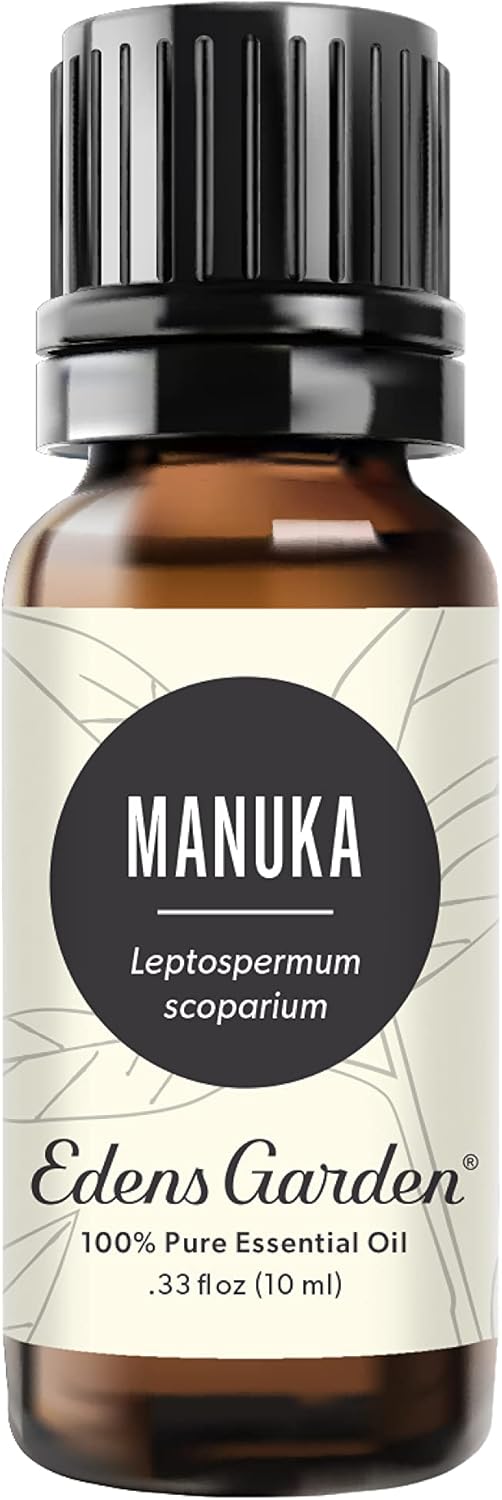
Understanding the aromatic layers of Manuka Essential Oil
Top Notes
Heart Notes
Base Notes
Scent Evolution
Top Notes: First impression, evaporate quickly (15-30 min)
Heart Notes: Main character, last 2-4 hours
Base Notes: Lasting foundation, linger for hours
Complementary essential oils that pair beautifully with Manuka Essential Oil
Ajowan Seed Essential Oil
Trachyspermum ammi
✓traditional pairing in aromatherapy
Allspice Essential Oil
Pimenta dioica
✓similar chemical compositions
Ammi Visnaga Essential Oil
Ammi visnaga
✓traditional pairing in aromatherapy
Amyris Essential Oil
Amyris balsamifera
✓complementary therapeutic properties
Angelica Essential Oil
Angelica archangelica
✓traditional pairing in aromatherapy
Angelica Root Essential Oil
Angelica archangelica
✓similar chemical compositions
Blending Tips
- • Start with 2-3 oils for simple blends
- • Use 3-5 drops total per 10ml carrier oil
- • Let blends sit for 24-48 hours to marry
- • Test on a small skin area first
Calculating for: Manuka Essential Oil
Recommended: 2% | Max safe: 5%
29.57 ml
Your Recipe
0.59 ml
28.98 ml
💡 Dilution Tips
- • Always do a patch test before full application
- • Children and elderly need lower dilutions (1-2%)
- • Facial products should be gentle (0.5-1%)
- • 1 drop ≈ 0.05 ml (20 drops per ml)
- • Common carrier oils: fractionated coconut, jojoba, sweet almond
Related Recipes

DIY Acne Calming Gel Spot Treatment Recipe for Clear Skin
Explore our DIY acne calming gel spot treatment recipe to soothe inflammation and fight breakouts using natural ingredients for healthier skin.
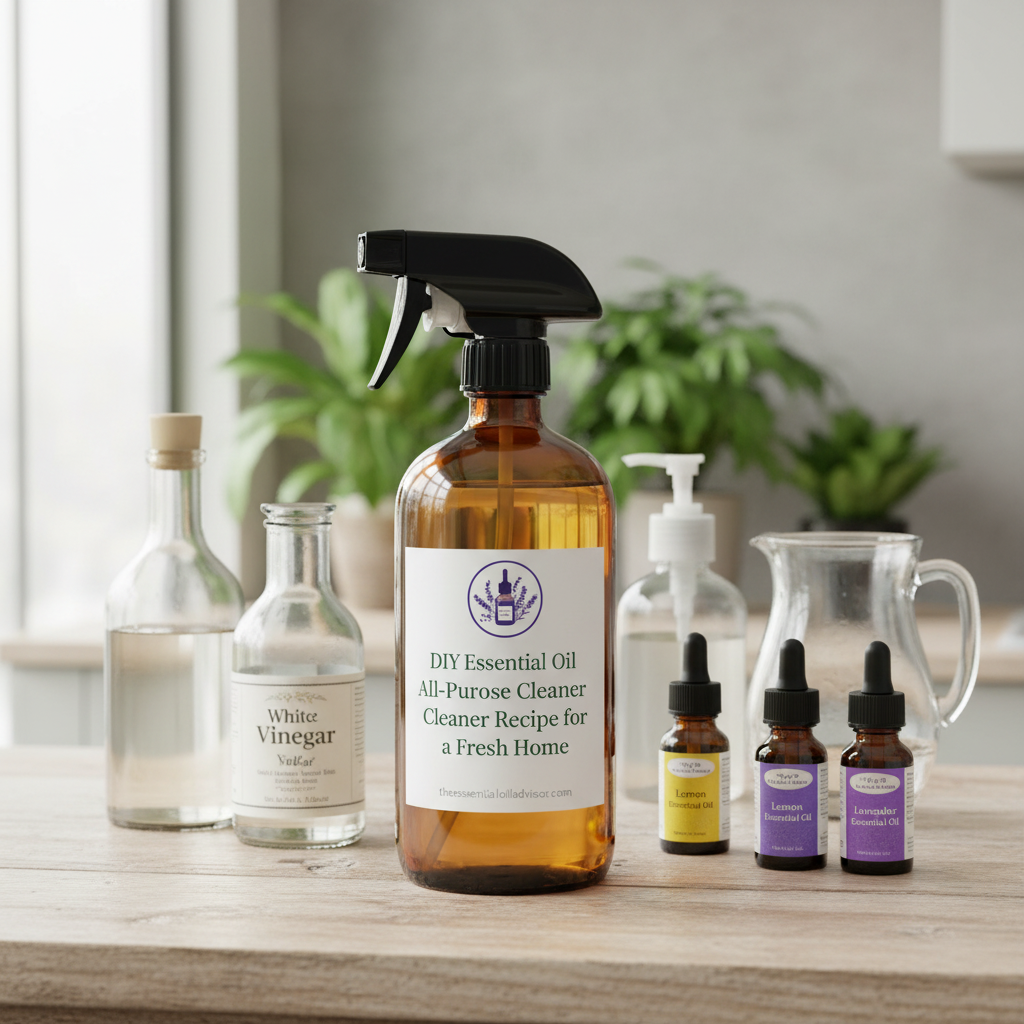
DIY Essential Oil All-Purpose Cleaner Recipe for a Fresh Home
Discover the benefits of this DIY essential oil all-purpose cleaner recipe for a clean, safe, and aromatic household environment.
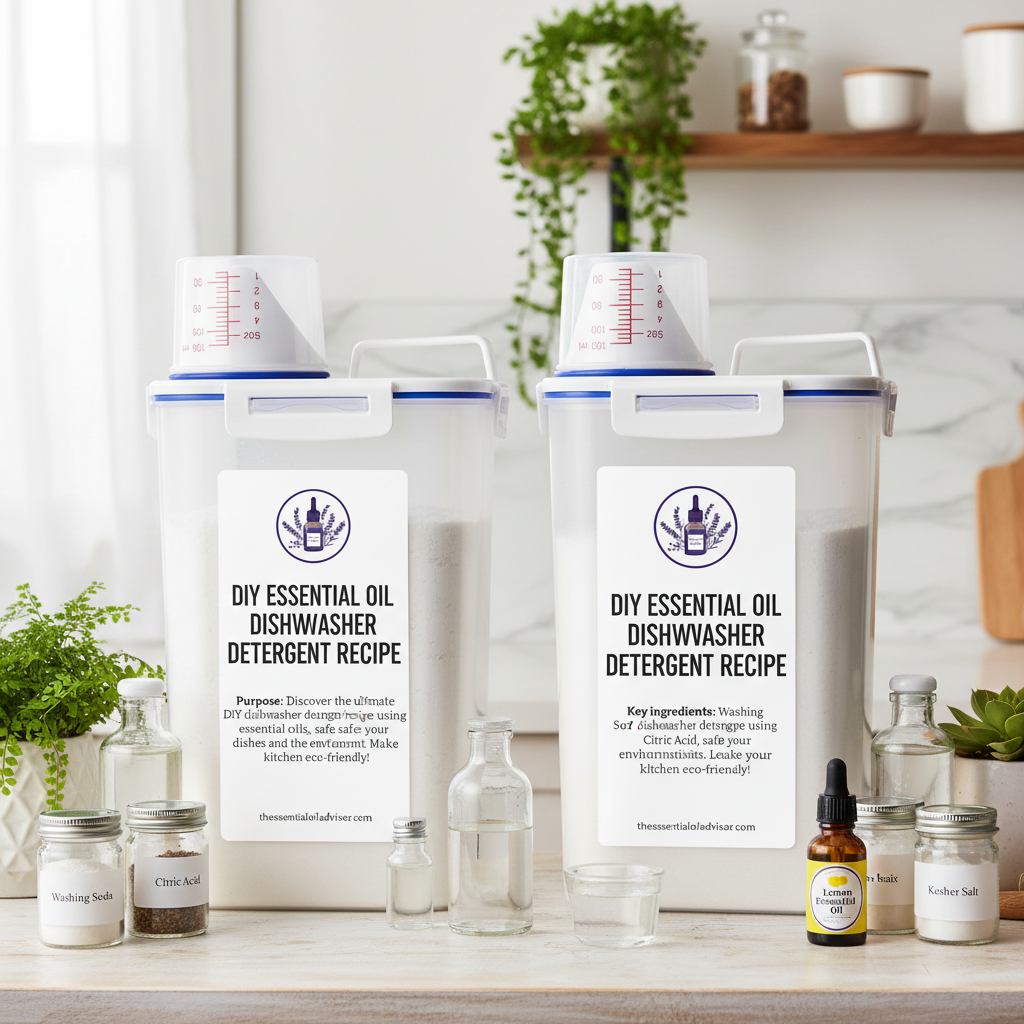
DIY Essential Oil Dishwasher Detergent Recipe
Discover the ultimate DIY dishwasher detergent recipe using essential oils, safe for your dishes and the environment. Make your kitchen eco-friendly!

DIY Essential Oil Foaming Hand Soap Recipe
Craft your own moisturizing foaming hand soap using essential oils! This DIY recipe combines natural ingredients for clean, soft hands. Perfect for home use!

DIY Essential Oil Inhaler Recipe for Focus
Boost your mental clarity and energy with this DIY essential oil inhaler recipe! Learn how to craft your invigorating inhalers at home easily.
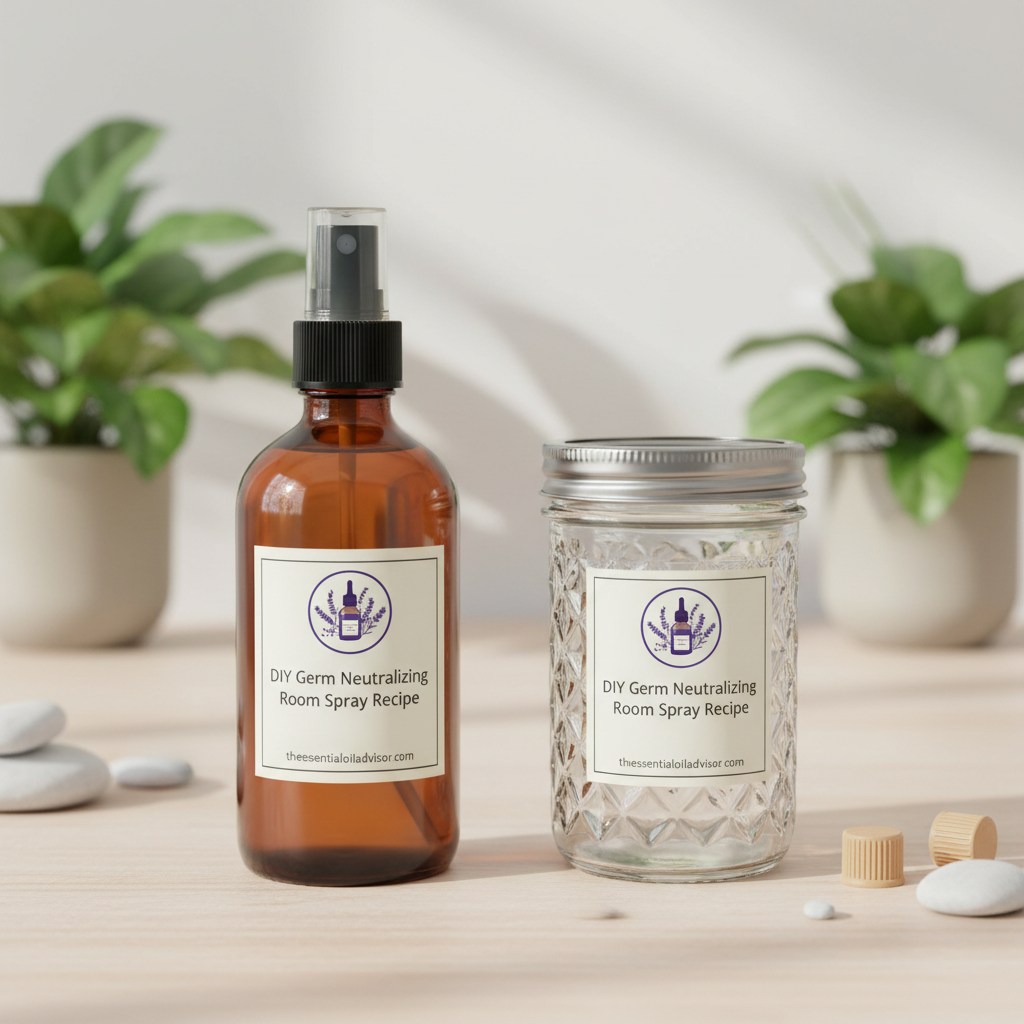
DIY Germ Neutralizing Room Spray Recipe
Learn how to make a germ neutralizing room spray recipe that freshens the air and creates a healthier home for you and your family.