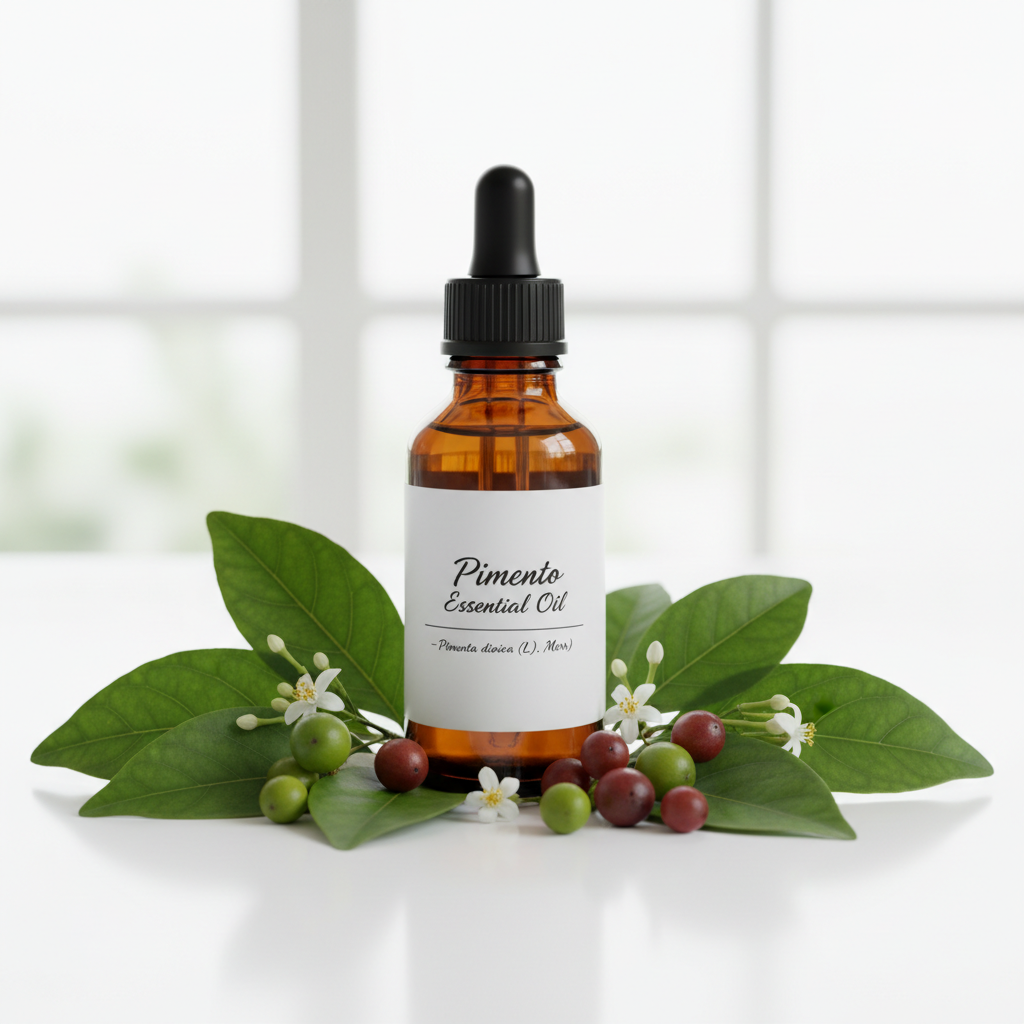
Pimento Essential Oil
Pimenta dioica (L.) Merr.
Plant Source
leaves
Scent Family
Spicy
"Explore the wonders of Pimento Essential Oil: its origins, benefits, and unique uses in wellness & aromatherapy. Unlock the secrets of Pimenta dioica!"
Pimento Essential Oil: Origins, Benefits, and Uses Explained
Pimento Essential Oil, extracted from the aromatic leaves of the Pimenta dioica (L.) Merr. plant, is a remarkable essential oil celebrated for its versatile applications in wellness and aromatherapy. Native to the vibrant regions of the Caribbean and Central America, this oil has a rich historical significance, having been utilized for centuries by indigenous cultures for its warming properties and uplifting aroma. The extraction process involves steam distillation, ensuring that the oil’s potent therapeutic properties and aromatic profile remain intact.
Botanical Information
The Pimenta dioica tree flourishes in tropical climates, often reaching heights of up to 10 meters. It is characterized by its evergreen leaves, which are not only aromatic but also play a crucial role in the oil's extraction. The tree produces small, white flowers, and the leaves are harvested during the peak growing season, ensuring that the essential oil is of the highest quality.
Therapeutic Properties and Benefits
Pimento Essential Oil boasts an array of therapeutic benefits:
- Mood Enhancement: The warm and spicy aroma promotes feelings of happiness and positivity, effectively combating feelings of sadness and low spirits.
- Clarity and Focus: Its stimulating properties enhance mental alertness, making it an excellent companion for combating fatigue and scattered thoughts.
- Stress Relief: Known for its calming effects, Pimento Oil aids in reducing stress, creating a tranquil environment perfect for relaxation and meditation.
- Muscle Relief: Ideal for massages, it can soothe tired and aching muscles, facilitating recovery after physical exertion.
- Circulation Booster: The oil may enhance blood flow, potentially aiding recovery from physical activities and promoting overall wellness.
- Appetite Stimulant: Particularly beneficial for those who may have lost interest in food, Pimento Oil can stimulate appetite.
- Respiratory Support: Inhalation of Pimento Essential Oil may ease respiratory issues by relieving congestion and facilitating clearer breathing.
- Pain Relief: It may alleviate discomfort associated with headaches and migraines, thanks to its anti-inflammatory properties.
Historical and Traditional Uses
Historically, Pimento Essential Oil has been used in various cultures for its culinary and medicinal characteristics. During the colonial era, it garnered popularity in Europe as a spice, with its oil heralded for its health-promoting properties. Indigenous peoples cherished Pimento Oil for its soothing effects, often incorporating it into rituals and healing practices.
Aroma Profile and Characteristics
Pimento Essential Oil is renowned for its rich, complex aroma—an invigorating blend that marries spicy warmth with subtle sweetness. Described as stimulating and uplifting, its scent evokes comfort and vitality, making it an ideal choice for synergistic blends with other essential oils. This aromatic complexity not only enhances its benefits but also creates unique aromatic experiences in any setting.
Common Applications and Methods
Pimento Essential Oil can be utilized in a variety of ways:
- Aromatherapy Diffusion: Add a few drops to a diffuser to invite calming and uplifting effects throughout any space.
- Topical Applications: When diluted with a carrier oil, it can be applied to sore muscles or specific areas needing relief, following the advisable patch test procedure.
- Massage Oil: It can be blended with other essential oils to craft a soothing massage oil, offering a rejuvenating experience.
- Relaxing Bath: Including a few drops in a warm bath can enhance relaxation and create an inviting aromatic atmosphere.
Interesting Facts and Trivia
- Pimento Essential Oil is often mistaken for allspice, which also originates from the Pimenta dioica plant.
- Its warming properties make it a valuable ingredient in natural vapor rubs designed to alleviate cold symptoms.
- Pimento Oil is not only beneficial for health; it is also widely used in perfumery, contributing depth and complexity to fragrance profiles.
In summary, Pimento Essential Oil is a potent, versatile oil that offers numerous health benefits, spanning emotional and physical well-being. Its rich cultural history, combined with its multifaceted aromatic profile, makes it an invaluable addition to any essential oil collection. By incorporating Pimento Essential Oil into your daily routine, you can experience its uplifting, centering, and energizing qualities, benefiting your overall wellness.
Ask AI About Pimento Essential Oil
Get instant answers about this essential oil
Benefits & Uses
- Uplifting: Promotes feelings of happiness and positivity, combating feelings of sadness.
- Centering: Helps establish a sense of grounding and stability during times of emotional turbulence.
- Energizing: Stimulates mental alertness and focus, making it beneficial during fatigue.
- Stress Relief: Assists in reducing stress levels, promoting an overall sense of calm.
- Mood Enhancer: Enhances emotional well-being, creating an uplifting aromatic atmosphere.
- Muscle Relief: Provides soothing relief for tired and aching muscles when used in massage.
- Increased Circulation: Encourages blood flow, potentially aiding in recovery from physical exertion.
- Appetite Stimulant: May assist in stimulating appetite, particularly beneficial during periods of loss of interest in food.
- Respiratory Support: Can assist in easing congestion and promoting clearer breathing when inhaled.
- Pain Relief: Offers potential benefits in alleviating discomfort associated with headaches and migraines.
- Soothing Balms: Incorporated into balms for its anti-inflammatory properties to soothe irritated skin.
- Aromatherapy Masks: Used in facial masks for its invigorating scent and potential skin-clearing applications.
- Refreshing Sprays: Formulated in skin refreshers for a rejuvenating and uplifting scent.
- Additive in Massage Oils: Blended into massage oils for its warming effects and muscle-relaxing properties.
- Natural Deodorizer: Employed in diffusers or sprays to freshen the air and eliminate odors.
- Cleaning Agent: Used in DIY household cleaners for its antibacterial qualities.
- Insect Repellent: Formulated into sprays to deter insects due to its strong aroma.
- Scented Candles: Incorporated into homemade candles for its warm, spicy fragrance enhancing the atmosphere.
How to Use
Diffuser
In a diffuser, use 3-5 drops for small rooms (up to 150 sq ft), 5-8 for medium rooms (150-300 sq ft), and 8-12 for larger spaces (300+ sq ft). Diffuse for 30-60 minutes per session, up to 2-3 times daily, preferably in the morning or during low-energy periods.
Topical
For topical application, dilute at 2-3% for adults (12-18 drops per oz carrier oil), 0.5-1% for children (3-6 drops), and 1-2% for elderly (6-12 drops). Common carrier oils include jojoba and sweet almond. Apply to muscle tension areas, gently massaging for optimal absorption.
Inhalation
For direct inhalation, place 1-2 drops on a tissue and breathe deeply, or cup your hands over your nose with 1-2 drops. For steam inhalation, add 2-3 drops to a bowl of hot water, cover your head with a towel, and inhale deeply for 5-10 minutes. Personal inhalers can be filled with 5-10 drops for on-the-go use.
Safety & Precautions
Perform a patch test before topical use to check for skin sensitivity. Avoid direct sunlight for 12 hours post-application due to potential phototoxicity. Use with caution during pregnancy and nursing, and in conjunction with medications that affect blood pressure. Store in a cool, dark place; shelf life is approximately 2-3 years.
Who should avoid:
- Individuals with a known allergy to Pimenta dioica.
- Children under the age of 2 without consulting a healthcare provider.
- Those with sensitive skin or skin disorders.
Recommended Products

Understanding the aromatic layers of Pimento Essential Oil
Top Notes
Heart Notes
Base Notes
Scent Evolution
Top Notes: First impression, evaporate quickly (15-30 min)
Heart Notes: Main character, last 2-4 hours
Base Notes: Lasting foundation, linger for hours
Complementary essential oils that pair beautifully with Pimento Essential Oil
Ajowan Seed Essential Oil
Trachyspermum ammi
✓complementary therapeutic properties
Allspice Essential Oil
Pimenta dioica
✓similar chemical compositions
Ammi Visnaga Essential Oil
Ammi visnaga
✓enhanced aromatherapy benefits
Amyris Essential Oil
Amyris balsamifera
✓similar chemical compositions
Angelica Essential Oil
Angelica archangelica
✓balanced scent profile
Angelica Root Essential Oil
Angelica archangelica
✓similar chemical compositions
Blending Tips
- • Start with 2-3 oils for simple blends
- • Use 3-5 drops total per 10ml carrier oil
- • Let blends sit for 24-48 hours to marry
- • Test on a small skin area first
Calculating for: Pimento Essential Oil
Recommended: 2% | Max safe: 5%
29.57 ml
Your Recipe
0.59 ml
28.98 ml
💡 Dilution Tips
- • Always do a patch test before full application
- • Children and elderly need lower dilutions (1-2%)
- • Facial products should be gentle (0.5-1%)
- • 1 drop ≈ 0.05 ml (20 drops per ml)
- • Common carrier oils: fractionated coconut, jojoba, sweet almond
Related Recipes

DIY Acne Calming Gel Spot Treatment Recipe for Clear Skin
Explore our DIY acne calming gel spot treatment recipe to soothe inflammation and fight breakouts using natural ingredients for healthier skin.

DIY Essential Oil Foaming Hand Soap Recipe
Craft your own moisturizing foaming hand soap using essential oils! This DIY recipe combines natural ingredients for clean, soft hands. Perfect for home use!

DIY Essential Oil Inhaler Recipe for Focus
Boost your mental clarity and energy with this DIY essential oil inhaler recipe! Learn how to craft your invigorating inhalers at home easily.
DIY Men's Cologne Recipe for Confidence & Focus
Discover how to craft a unique men's cologne with essential oils that boosts confidence and improves mood. Learn about each ingredient's benefits and uses.

DIY Peppermint Inhaler Recipe for Energy and Focus
Boost your mental clarity and energy with this invigorating DIY peppermint inhaler recipe, perfect for alleviating headaches anytime!

Lavender Essential Oil Body Wash Recipe
Discover the perfect Sandalwood essential oil body wash recipe that promotes relaxation, relieves stress, and moisturizes your skin with natural ingredients.
Related Oils
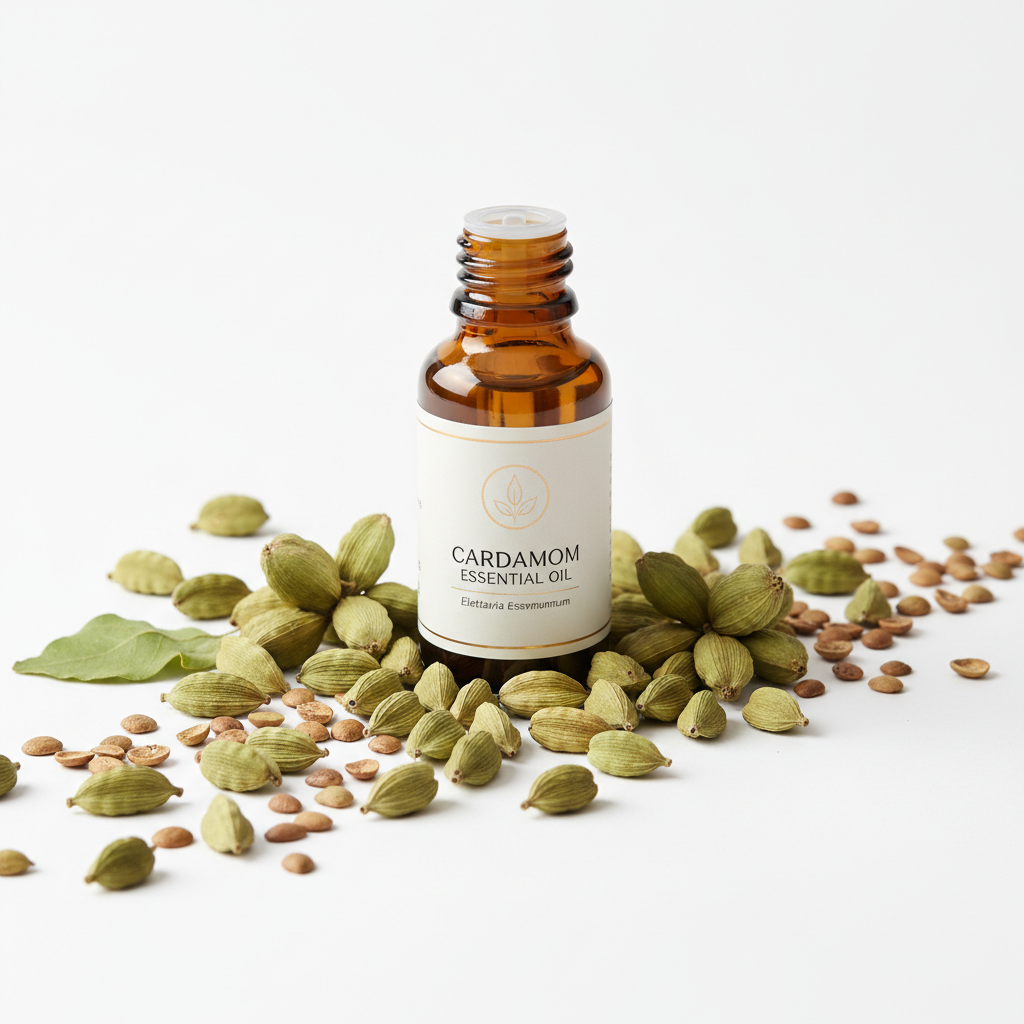
Cardamom Essential Oil
Elettaria cardamomum
### Cardamom Essential Oil: Origin, Extraction, and Uses Cardamom essential oil, scientifically known as *Elettaria cardamomum*, is derived from the seeds of the cardamom plant, which belongs to the ginger family (Zingiberaceae). This aromatic oil has gained a prominent place not just in kitchens as a spice but also in the world of aromatherapy and natural remedies. #### Origin and Extraction Method Cardamom is indigenous to the forests of India and the western Himalayas, though it is cultivated in many tropical regions worldwide, including Guatemala, Sri Lanka, and Tanzania. The essential oil is primarily extracted through **steam distillation** of the plant's seeds, which captures its unique aromatic qualities and preserves its therapeutic properties. #### Botanical Information The cardamom plant can reach heights of about 3 to 4 meters, featuring large leaves and elegant white flowers. The tiny seed pods that follow these flowers are what are harvested and distilled into essential oil. Cardamom is often called the “Queen of Spices” due to its rich flavor profile and historical prestige in culinary and medicinal applications. #### Therapeutic Properties and Benefits Cardamom essential oil is renowned for its multiple health benefits. It provides a range of therapeutic effects, including: - **Mood Enhancement**: This oil is celebrated for uplifting the spirit and promoting positive emotions. Its warm and spicy aroma can help combat feelings of sadness or negativity, fostering a cheerful mindset. - **Stress Reduction**: Known for its calming properties, cardamom oil supports the nervous system and helps induce relaxation and well-being. - **Mental Clarity**: Many users report enhanced focus and concentration, making it a valuable addition to work or study environments. - **Boosting Creativity**: The stimulating effects of this oil can inspire innovative thinking, making it a favorite among artists and writers seeking to break through creative blocks. - **Digestive Aid**: Cardamom essential oil supports digestive health by easing gastrointestinal discomfort and promoting healthy digestion. It is also known for alleviating nausea, especially during travel or in morning sickness cases. - **Energy Booster**: A quick energizer, cardamom oil can help combat lethargy, providing a natural lift during moments of fatigue. - **Detoxification Aid**: This oil encourages natural detox processes within the body, contributing to overall wellness. - **Muscle Relaxant**: With natural analgesic properties, cardamom oil can soothe muscle tension and discomfort, providing relief from aches and strains. #### Historical and Traditional Uses Historically, cardamom was prized not just for its culinary uses but also for its medicinal properties. In Ayurvedic medicine, it has been used to balance bodily systems and enhance overall health. Ancient cultures believed that it had aphrodisiac effects and used it in rituals and traditional remedies. #### Aroma Profile and Characteristics Cardamom essential oil has a sweet, spicy, and slightly herbaceous aroma, making it unique and multifaceted. Its fragrance is both warming and uplifting, attributed to its high concentration of cineole and terpinyl acetate. This distinct scent profile makes it a popular choice in perfumery and personal care products. #### Common Applications and Methods Cardamom oil can be used in various ways: - **Aromatherapy**: Diffuse in the air to create a positive environment, or add a few drops to your bath for a luxurious experience. - **Topical Applications**: Dilute with a carrier oil, such as coconut or jojoba oil, and apply to sore muscles or the abdomen for digestive support. - **Culinary Uses**: Add a drop or two to recipes for an exotic flavor twist or use it in spice blends. #### Interesting Facts and Trivia - Cardamom is one of the most expensive spices by weight, often used as a benchmark for the value of other spices. - It is sometimes referred to as “the spice of the rich” due to its historical significance in trade among the wealthy. - In some cultures, cardamom pods are chewed after meals to freshen breath and aid digestion. In conclusion, cardamom essential oil is a versatile and potent oil with a rich history and manifold benefits. Its unique combination of aromatic properties and therapeutic effects makes it a valuable asset in wellness practices and daily life, enhancing both culinary delights and holistic health.
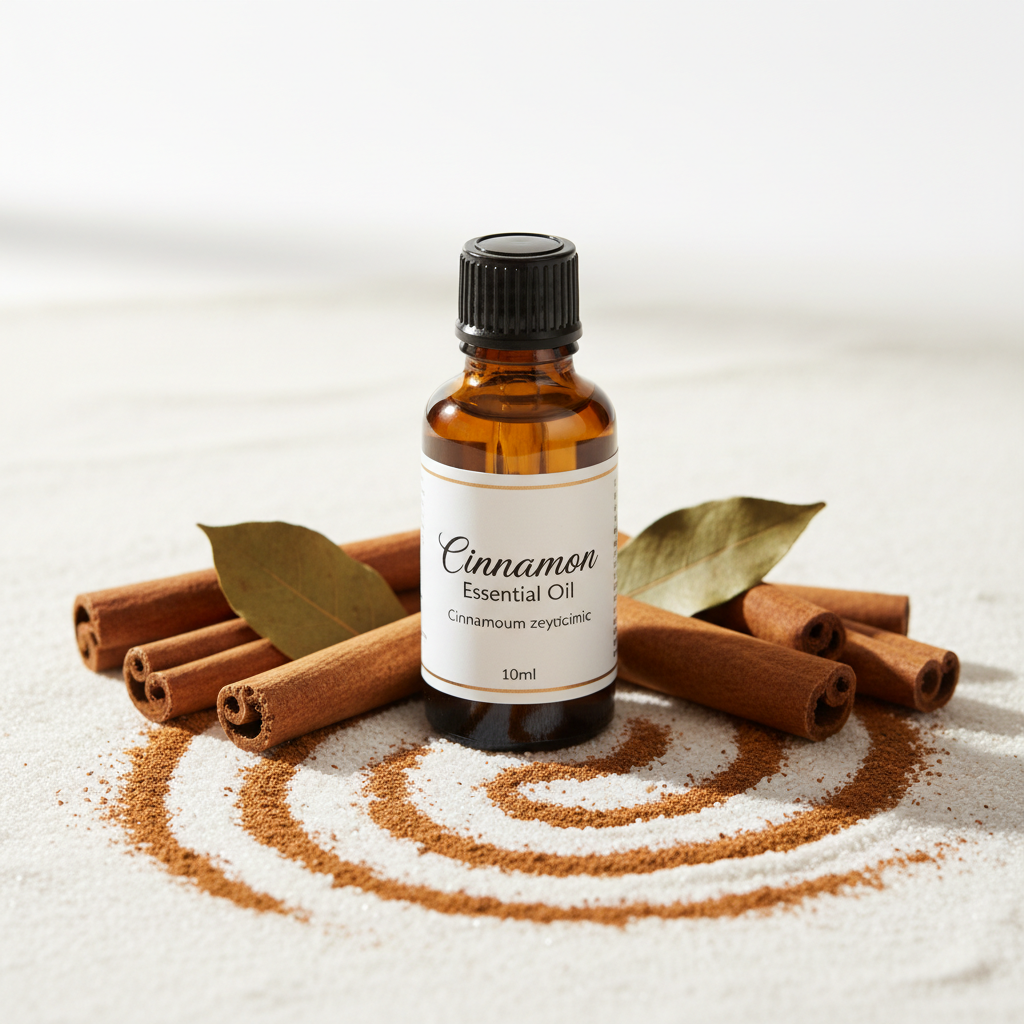
Cinnamon Essential Oil
Cinnamomum zeylanicum
Cinnamon essential oil is a captivating and versatile oil derived from the bark of the Cinnamomum zeylanicum tree, also known as Ceylon cinnamon. This oil has been treasured for centuries not only for its invigorating warm and spicy aroma but also for its comprehensive therapeutic properties. ### Origin and Extraction Method Cinnamon essential oil originates from the Cinnamomum zeylanicum, a tree native to Sri Lanka and a few other regions in Southeast Asia. The essential oil is extracted through the steam distillation of the tree's bark, a process that preserves its natural aroma and therapeutic properties. The extraction process is crucial, as it must be done carefully to maintain the integrity of the oil and maximize its health benefits. The resulting oil is rich in compounds like cinnamaldehyde, eugenol, and linalool, which contribute to its unique smell and health benefits. ### Botanical Information The botanical family of cinnamon is Lauraceae. Cinnamomum zeylanicum grows up to 10 meters tall and has thick, ovate leaves and small, yellow flowers. The bark has a fragrant aroma and is typically harvested when the tree is about two years old. The thin, curled pieces of bark used for extraction are a staple in both culinary and medicinal applications, revered for their contribution to flavor and health. ### Therapeutic Properties and Benefits Cinnamon essential oil is known for its extraordinary therapeutic properties. It possesses strong **antimicrobial** and **anti-inflammatory** effects, making it an excellent choice for various health applications: - **Enhances Mood:** The warm scent of cinnamon lifts spirits and creates a relaxing environment, making it a popular choice in aromatherapy. - **Reduces Stress:** Its comforting aroma can alleviate feelings of anxiety and stress, paving the way for relaxation. - **Cognitive Clarity:** Cinnamon oil stimulates mental clarity and focus. It is often used in workspaces or study environments to enhance concentration and productivity. - **Supports Respiratory Health:** Its expectorant properties help relieve coughs and clear airways, making it beneficial during cold seasons. - **Encourages Healthy Circulation:** Regular use can promote better blood flow and warmth throughout the body. - **Menstrual Comfort:** Traditionally, it has been used to alleviate menstrual cramps and discomfort, adding to its reputation as a supportive oil during that time. - **Immune System Support:** Cinnamon oil is known to boost the immune system, helping the body fend off infections more effectively. ### Historical and Traditional Uses Cinnamon has a rich history, dating back to ancient Egyptian times, where it was used in embalming and as a spice. In Traditional Chinese Medicine and Ayurvedic practices, cinnamon has been utilized for thousands of years, valued for its warming properties and ability to stimulate circulation. Its significance in various cultures symbolizes prosperity, warmth, and friendship. ### Scientific Facts and Research Research indicates that the active compounds in cinnamon essential oil possess potential antioxidant and antimicrobial effects. A study published in the *Journal of Medicinal Plants Research* found cinnamon oil effective against various pathogens, indicating its usefulness in natural remedies. Other studies highlight its effectiveness in treating respiratory issues and enhancing metabolic health. ### Aroma Profile and Characteristics Cinnamon essential oil has a rich, warm, and spicy aroma, reminiscent of fresh cinnamon bark. Its intense scent is immediately recognizable and invokes feelings of warmth and comfort, making it a beloved choice for holiday blends and seasonal products. ### Common Applications and Methods Cinnamon essential oil can be used in several ways: - **Aromatherapy:** Diffusing cinnamon oil is a favorite method for creating a warm and inviting atmosphere. - **Massage:** When diluted with a carrier oil, it can be used in massage to relieve sore muscles and create a sense of warmth. - **Household Products:** Adding cinnamon oil to homemade cleaning solutions can provide antimicrobial properties and a pleasant scent. - **Culinary Uses:** In small amounts, it can enhance the flavor of various dishes, from baked goods to savory meals. ### Interesting Facts and Trivia - Cinnamon is commonly referred to as the "spice of life" due to its extensive uses. - The ancient Romans considered cinnamon to be a gift fit for emperors. - The use of cinnamon oil in incense is believed to promote a sense of purity and spiritual wellness. In conclusion, cinnamon essential oil is not just a delightful fragrance; it is a powerhouse of therapeutic benefits, rich historical significance, and diverse applications. Whether used for its aroma, health benefits, or culinary enhancements, this oil stands out as an essential addition to any wellness or aromatherapy toolkit.
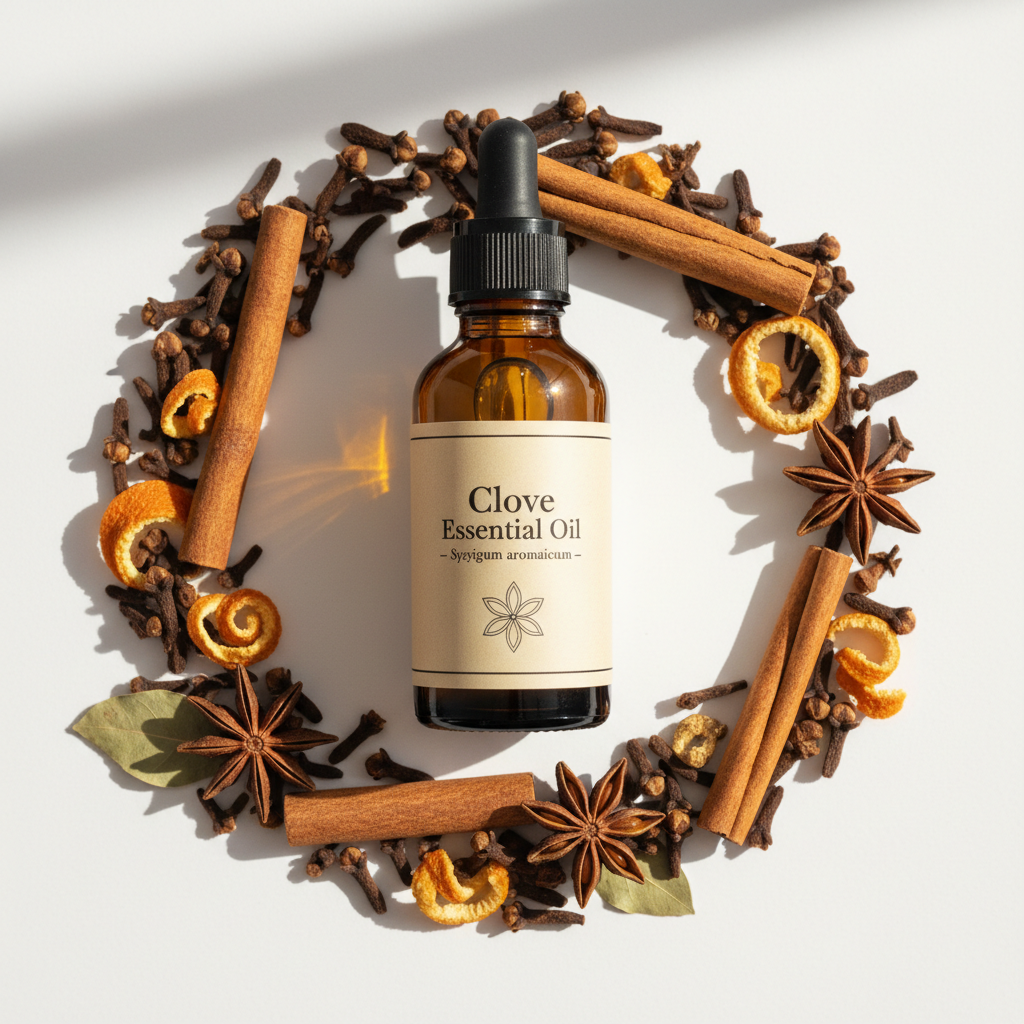
Clove Essential Oil
Syzygium aromaticum
### Introduction to Clove Essential Oil Clove essential oil, derived from the dried flower buds of the Syzygium aromaticum tree, is celebrated for its rich, warm, and spicy aroma. This essential oil has been a staple in various traditional practices for centuries, known for its therapeutic properties and versatility in both wellness and culinary applications. ### Origin and Extraction Method The extraction method plays a crucial role in preserving the quality of essential oils. Clove essential oil is obtained through steam distillation of the flower buds, which allows for the retention of its potent compounds such as eugenol, the oil's primary constituent. Clove trees are native to the Spice Islands in Indonesia, but today, they are cultivated in various tropical regions around the world, including Madagascar and Sri Lanka, where the ideal climate conditions support their growth. ### Botanical Information Syzygium aromaticum, commonly known as the clove tree, can grow up to 20 meters tall. The tree produces aromatic flower buds that are harvested just before they bloom. These buds are hand-picked and dried in the sun, before being processed for oil extraction. The primary bioactive ingredient in clove oil is eugenol, which is responsible for much of its health benefits and characteristic scent. ### Therapeutic Properties and Benefits Clove essential oil is renowned for its numerous health benefits, which include: 1. **Analgesic Properties**: Clove oil is often used for relieving pain, particularly for toothaches and muscular soreness. 2. **Antimicrobial Effects**: Its strong antimicrobial properties contribute to fighting off bacteria and viruses, making it beneficial for oral health and overall immunity. 3. **Stress Relief**: The warm aroma of clove oil can help reduce feelings of stress and anxiety, promoting a sense of calmness. 4. **Mood Enhancement**: Clove oil is known to help uplift mood and promote emotional well-being. 5. **Enhanced Focus**: Its stimulating scent can improve concentration and clarity of thought. 6. **Improved Circulation**: Clove oil can help improve blood circulation, which is vital for overall health and energy levels. 7. **Digestive Aid**: It can alleviate digestive issues, including nausea and discomfort. ### Historical and Traditional Uses Historically, clove oil has been utilized across cultures for medicinal purposes. Ancient civilizations, including the Greeks and Romans, utilized clove for its unique flavor and antiseptic properties. In traditional Chinese and Ayurvedic medicine, clove has been recommended for its warming qualities and is often used to treat digestive issues. ### Scientific Facts and Research Recent scientific studies have begun to validate the traditional uses of clove oil. Research has shown that eugenol possesses significant anti-inflammatory and antioxidant properties, which can contribute to overall health. Studies suggest that clove oil can also play a role in reducing oxidative stress in the body. ### Aroma Profile and Characteristics Clove essential oil has a complex and rich aroma profile. Its scent can be described as warm, spicy, and slightly sweet, making it a popular ingredient in perfumery and aromatherapy. The oil’s strong fragrance is not only comforting but can also evoke feelings of nostalgia, often associated with holiday seasons and spice blends. ### Common Applications and Methods of Use Clove essential oil can be used in various ways for maximum benefit: - **Aromatherapy**: Diffuse in a room to enhance mood and mental clarity. - **Massage Oil**: Dilute with a carrier oil like coconut or jojoba oil for application to sore muscles or tense areas. - **Dental Care**: Mix with a carrier oil for a natural remedy to relieve tooth pain and promote oral health. - **Skin Care**: Dilute appropriately for application to troubled skin areas, but always conduct a patch test first. ### Interesting Facts and Trivia - The clove tree can live up to 100 years, providing a sustainable source of essential oil. - Clove oil is often used in food preservation due to its antimicrobial properties. - In some cultures, clove has represented wealth and prosperity, often gifted during festivals and celebrations. ### Conclusion Clove essential oil is not just a fragrant addition to your wellness toolkit; it is a powerhouse of benefits backed by tradition and science. From pain relief to mood enhancement, this oil is a must-have for anyone interested in the natural healing properties of essential oils.