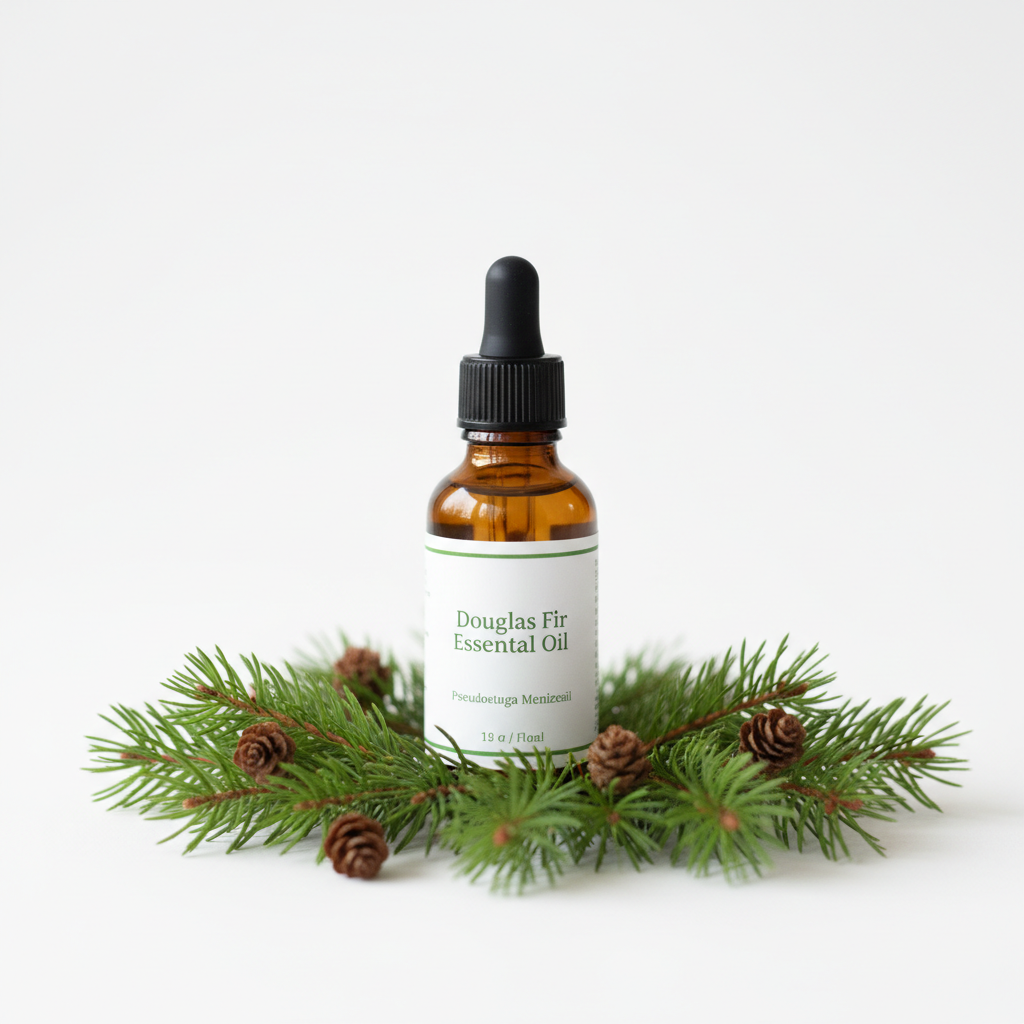
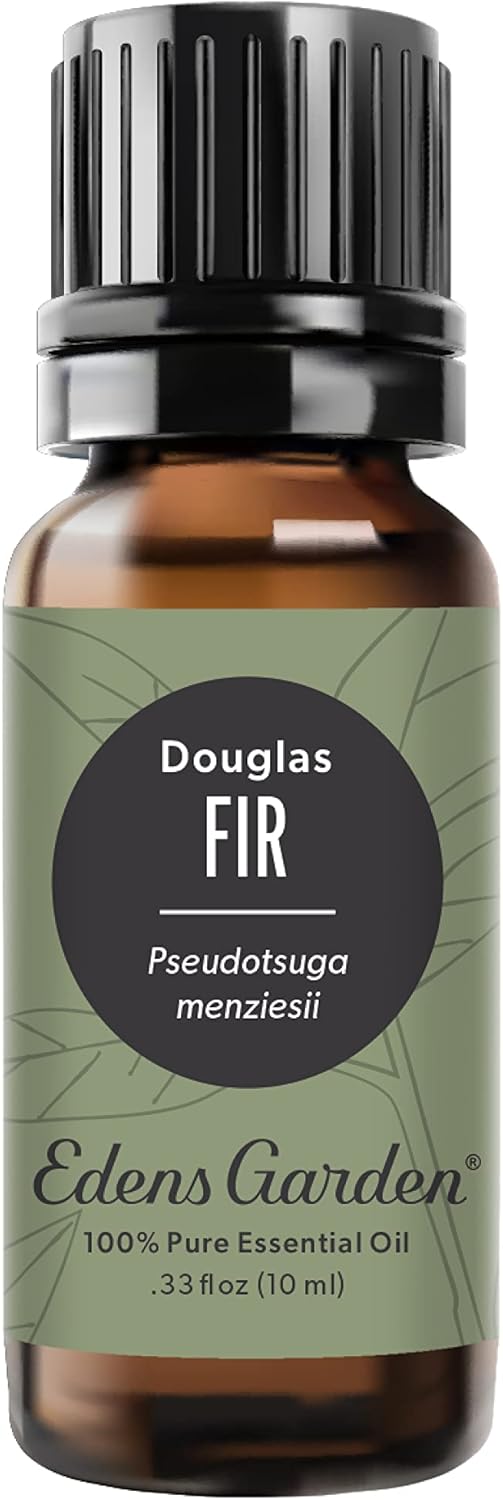
Douglas Fir Essential Oil
Pseudotsuga menziesii
Plant Source
Needles and small branches
Scent Family
Woody
"Discover the benefits of Douglas Fir essential oil, from its soothing properties to its aromatic profile. Learn how to use and enjoy this amazing oil today!"
Douglas Fir essential oil, scientifically known as Pseudotsuga menziesii, is an aromatic oil that captures the fresh and invigorating essence of nature. This oil is extracted through a process called steam distillation, which involves passing steam through the needles and small branches of the Douglas Fir tree. This method not only preserves the aromatic qualities of the oil but also retains its potent therapeutic properties.
Origin and Extraction Douglas Fir is native to North America and is primarily found in the western regions, including the United States and Canada. The extraction of Douglas Fir essential oil takes place during the peak growing season, ensuring that the needles are packed with essential nutrients and aromatic compounds. The steam distillation method separates the oil from plant materials efficiently, yielding a high-quality product that is sought after in both aromatherapy and the cosmetic industry.
Botanical Information The Douglas Fir tree can grow to a height of up to 330 feet, and it is characterized by its tall, straight trunk and distinctive conical shape. Its needles are green and flat with a soft texture, contributing to the signature woodsy aroma of the oil. The oil is rich in monoterpenes, particularly alpha-pinene, which is responsible for many of its therapeutic benefits.
Therapeutic Properties and Benefits Douglas Fir essential oil is renowned for its numerous therapeutic properties. It is celebrated for its calming effects, making it an excellent choice for those seeking relaxation and stress relief. In aromatherapy, it is often diffused to create a peaceful atmosphere that encourages emotional balance. The oil’s soothing qualities are also beneficial during meditation, helping to ground the individual and enhance their connection with nature.
Many individuals turn to Douglas Fir essential oil for its potential respiratory benefits. It is believed to support lung health and clear airways, making it an effective remedy during allergy season or when dealing with respiratory discomfort. Additionally, its anti-inflammatory properties make it a great option for soothing sore muscles and joints when diluted in a carrier oil and applied topically.
Historical and Traditional Uses Historically, Douglas Fir has been used by various Native American tribes for its medicinal properties. They utilized it for its calming effects and as a remedy for respiratory issues. The wood was also used to construct homes and canoes, showcasing the versatility and value of this remarkable tree.
Scientific Facts and Research Recent studies have highlighted the antimicrobial properties of Douglas Fir essential oil. Research has demonstrated its effectiveness against certain bacterial strains, making it a great choice for natural cleaning products. Additionally, the oil is believed to have antioxidant properties, supporting overall health and immunity when used in daily wellness routines.
Aroma Profile and Characteristics The aroma of Douglas Fir essential oil is fresh, woodsy, and uplifting, reminiscent of a walk through a lush forest. This scent is not only invigorating but also grounding, making it a popular choice in spa and wellness settings. The oil can be used in various formulations, from candles and room sprays to topical applications and bath products.
Common Applications and Methods Douglas Fir essential oil can be used in numerous ways:
- Aromatherapy: Diffuse in your home to promote relaxation and a fresh scent.
- Topical Use: Mix with a carrier oil for massage or apply to sore muscles.
- Skincare: Add to your skincare routine to benefit from its potential to improve skin health.
- Air Purification: Use in DIY cleaning products to harness its antimicrobial properties.
Interesting Facts and Trivia
- Douglas Fir essential oil is not a true fir; it belongs to the pine family, which explains its unique characteristics.
- The trees can live for over 1,000 years, making them some of the oldest living organisms on the planet.
- The oil's fresh scent can evoke feelings of nostalgia for many, reminiscent of outdoor adventures and peaceful forest hikes.
In conclusion, Douglas Fir essential oil offers a wealth of benefits ranging from its soothing aroma and calming properties to its potential for supporting respiratory health and boosting overall well-being. Whether used in aromatherapy, personal care products, or simply enjoyed for its fragrance, it is a versatile oil that enhances any holistic wellness routine.
Ask AI About Douglas Fir Essential Oil
Get instant answers about this essential oil
Benefits & Uses
- Enhances feelings of peace and stability, helping to alleviate stress and tension.
- Encourages a sense of connection to nature, improving overall mood and mental clarity.
- Supports emotional resilience, particularly during times of trauma or distress.
- Aids in grounding meditation practices, fostering a deeper state of relaxation.
- Promotes a positive atmosphere, enhancing social interactions and communal gatherings.
- Soothes sore muscles and joints, especially when diluted for topical applications.
- Supports respiratory health, assisting those with seasonal allergies or respiratory discomfort.
- Promotes healthy skin by reducing the appearance of minor blemishes when added to skincare.
- Cleans the air in living spaces, making it desirable for purification and freshening.
- Boosts immunity and overall well-being when incorporated into a holistic wellness routine.
- Add to facial oils for its antiseptic properties, beneficial for oily or acne-prone skin.
- Incorporate in bath products to help soothe skin irritation and provide calming effects.
- Use in homemade deodorants for its refreshing scent and antibacterial qualities.
- Blend with carrier oils for a relaxing massage oil that comforts sore muscles.
- Dilute in lotions to enhance skin regeneration and maintain moisture balance.
- Add to cleaning products for its antibacterial properties and uplifting scent.
- Use in water in spray bottles for natural air fresheners throughout the home.
- Incorporate into potpourri or sachets to infuse spaces with the forest-like aroma.
- Diffuse in living areas to create a calming atmosphere during gatherings or activities.
- Combine with other oils in a bathroom diffuser for an invigorating shower experience.
How to Use
Diffuser
For small rooms, use 3-5 drops; for medium rooms, use 5-8 drops; for larger spaces, use 8-12 drops. Diffuse for 30-60 minutes at a time, 2-3 times a day, ideally in the morning or afternoon to benefit from its uplifting qualities.
Topical
Dilute Douglas Fir essential oil to 2-3% for adults (based on approximately 10-15 ml of carrier oil); for children, dilute to 0.5-1%; for elderly individuals, dilute to 1-2%. Use carrier oils like jojoba, sweet almond, or coconut. Apply to sore muscles or stressed areas with gentle massage techniques, allowing several minutes for absorption.
Inhalation
For direct inhalation, place 1-2 drops on a tissue or cotton ball and breathe deeply. For steam inhalation, add 2-3 drops to a bowl of hot water and lean over with a towel for 5-10 minutes. A personal inhaler can also be used by adding a few drops to the cotton wick inside.
Safety & Precautions
Conduct a patch test before topical use to avoid potential skin reactions. Be cautious of possible photosensitivity; avoid sun exposure for 12 hours after application. Pregnant and nursing individuals should consult healthcare providers before use. Potential interactions may occur with medications affecting blood pressure. Store in a cool, dark place and use within 1-2 years.
Who should avoid:
- Individuals with kidney issues.
- Those who suffer from severe allergies to tree oils.
- People with asthma should use cautiously.
Recommended Products
Understanding the aromatic layers of Douglas Fir Essential Oil
Top Notes
Heart Notes
Base Notes
Scent Evolution
Top Notes: First impression, evaporate quickly (15-30 min)
Heart Notes: Main character, last 2-4 hours
Base Notes: Lasting foundation, linger for hours
Complementary essential oils that pair beautifully with Douglas Fir Essential Oil
Agarwood Essential Oil
Aquilaria
✓balanced scent profile
Ajowan Seed Essential Oil
Trachyspermum ammi
✓balanced scent profile
Allspice Essential Oil
Pimenta dioica
✓balanced scent profile
Ammi Visnaga Essential Oil
Ammi visnaga
✓complementary therapeutic properties
Amyris Essential Oil
Amyris balsamifera
✓traditional pairing in aromatherapy
Angelica Essential Oil
Angelica archangelica
✓similar chemical compositions
Blending Tips
- • Start with 2-3 oils for simple blends
- • Use 3-5 drops total per 10ml carrier oil
- • Let blends sit for 24-48 hours to marry
- • Test on a small skin area first
Calculating for: Douglas Fir Essential Oil
Recommended: 2% | Max safe: 5%
29.57 ml
Your Recipe
0.59 ml
28.98 ml
💡 Dilution Tips
- • Always do a patch test before full application
- • Children and elderly need lower dilutions (1-2%)
- • Facial products should be gentle (0.5-1%)
- • 1 drop ≈ 0.05 ml (20 drops per ml)
- • Common carrier oils: fractionated coconut, jojoba, sweet almond
Related Recipes

Calming Essential Oil Pillow Mist Recipe for Relaxation
Discover this easy recipe for a soothing pillow mist that features lavender and bergamot for ultimate relaxation and better sleep.

Calming Lavender Linen Spray Recipe
A gentle, relaxing linen and room spray that promotes restful sleep and calm using lavender, chamomile, and cedarwood essential oils.

DIY Acne Calming Gel Spot Treatment Recipe for Clear Skin
Explore our DIY acne calming gel spot treatment recipe to soothe inflammation and fight breakouts using natural ingredients for healthier skin.

DIY Essential Oil Equipment Cleaner Recipe for Pristine Tools
This DIY essential oil equipment cleaner recipe ensures tools are residue-free, enhancing the quality of your blends while being eco-friendly and effective.

DIY Essential Oil Foaming Hand Soap Recipe
Craft your own moisturizing foaming hand soap using essential oils! This DIY recipe combines natural ingredients for clean, soft hands. Perfect for home use!

DIY Sal Suds All-Purpose Cleaner Recipe
Discover how to make an all-purpose cleaner spray using essential oils. Our easy recipe with Sal Suds is perfect for tackling dirt and grime effectively.
Related Oils
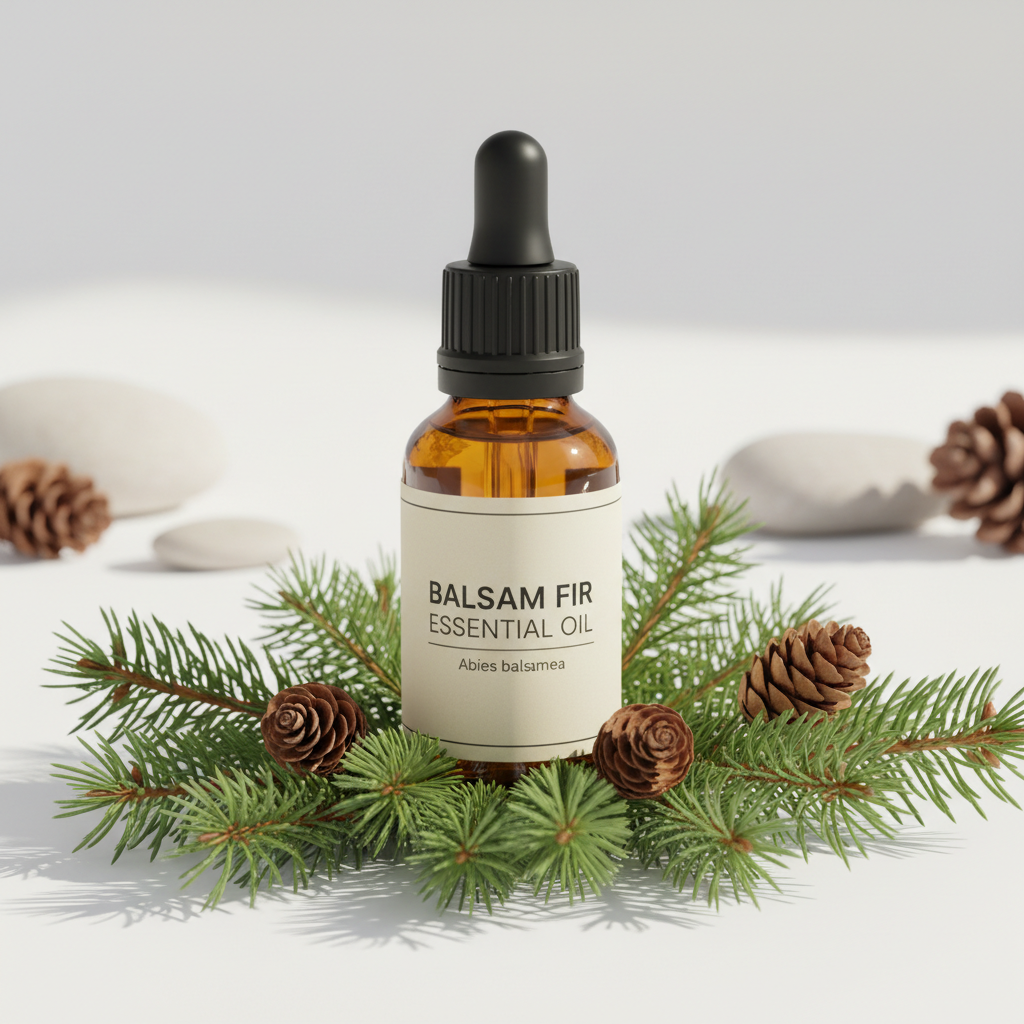
Balsam Fir Essential Oil
Abies balsamea
Balsam Fir Essential Oil, derived from the needles and resin of the Abies balsamea tree, is a treasured oil in the fields of aromatherapy and holistic health. This majestic evergreen, predominantly found in the cool, moist forests of North America—especially in the northeastern United States and Canada—has been celebrated for both its beauty and healing properties for many centuries. The oil is extracted through a meticulous steam distillation process, which captures the rich aromatic compounds from both the resinous bark and the evergreen needles. ### Origin and Extraction Method Balsam Fir Essential Oil has deep roots in numerous indigenous cultures, where it has long been recognized for its medicinal properties. The steam distillation process is vital as it preserves the oil's chemical integrity, ensuring that it retains its synergistic therapeutic potentials and aromatic characteristics. Upon extraction, the oil emanates a fresh, crisp scent that evokes the tranquility of serene forest landscapes, paving the way for relaxation and rejuvenation. ### Botanical Information Botanically classified under the Pinaceae family, the Balsam Fir tree can reach impressive heights of up to 80 feet and can live for over 200 years. Its dark green, needle-like leaves contribute to its distinctive aroma, which is integral to the oil’s profile. These towering evergreens play a crucial role in their ecosystems, providing vital habitats for wildlife, enhancing biodiversity, and contributing to the health of forest environments. ### Therapeutic Properties and Benefits Balsam Fir Essential Oil is revered for its extensive therapeutic benefits. Rich in compounds such as alpha-pinene and bornyl acetate, this oil offers a multitude of health advantages. It is notably effective in promoting respiratory health, making it a valuable ally for those struggling with colds or allergies. Users often find relief by inhaling its refreshing aroma, which helps to clear airways and alleviate congestion. Moreover, this essential oil is known for its calming properties that help soothe emotional distress, facilitating emotional stability and relaxation. The uplifting woody aroma can enhance mood and mental clarity, making Balsam Fir an excellent addition to meditation and mindfulness practices. ### Historical and Traditional Uses Historically, Native Americans utilized Balsam Fir for various medicinal applications, including wound healing. The resin was often used topically to prevent infections and promote healing due to its natural antiseptic qualities. Modern scientific research has supported many of these traditional applications, demonstrating its antibacterial and anti-inflammatory properties, validating its historical use. ### Scientific Facts and Research Recent studies have highlighted the potential health benefits of Balsam Fir Essential Oil. Research indicates that several compounds within the oil possess anti-inflammatory, analgesic (pain-relieving), and antioxidant properties. These findings underscore its relevance in contemporary herbal medicine and validate its use in treating various ailments. ### Aroma Profile and Characteristics The aroma profile of Balsam Fir Essential Oil is a refreshing blend of woodsy, slightly sweet notes reminiscent of a tranquil forest. This delightful scent makes it a popular choice for candles, diffusers, and personal care products, fostering a peaceful atmosphere conducive to relaxation and grounding. ### Common Applications and Methods Balsam Fir Essential Oil can be utilized in numerous ways: - **Aromatherapy:** Diffuse the oil to create a calming atmosphere, perfect for relaxation and focus. - **Topical Application:** When mixed with a carrier oil, it can be massaged onto sore muscles or joints, accessing its anti-inflammatory benefits. - **Cleaning Products:** Its natural antibacterial qualities make it an excellent choice for homemade cleaning products, imparting a fresh scent while effectively sanitizing surfaces. - **Baths and Saunas:** Adding a few drops of the oil to bath water or during sauna sessions creates a rejuvenating and aromatic experience, refreshing both body and spirit. ### Interesting Facts and Trivia Interestingly, Balsam Fir trees are often associated with Christmas, providing a nostalgic quality for many and evoking memories of festive celebrations. Furthermore, these trees contribute significantly to their ecosystems, offering shelter and food for various forms of wildlife. The invigorating scent of Balsam Fir Essential Oil is recognized for improving focus and boosting energy levels, making it a common choice in workplaces and study areas. In conclusion, Balsam Fir Essential Oil stands as a versatile and highly beneficial oil that brings the essence of nature into everyday life. Its multifaceted uses and rich historical background make it a valuable addition to any essential oil collection, fostering feelings of peace, tranquility, and connection to nature.
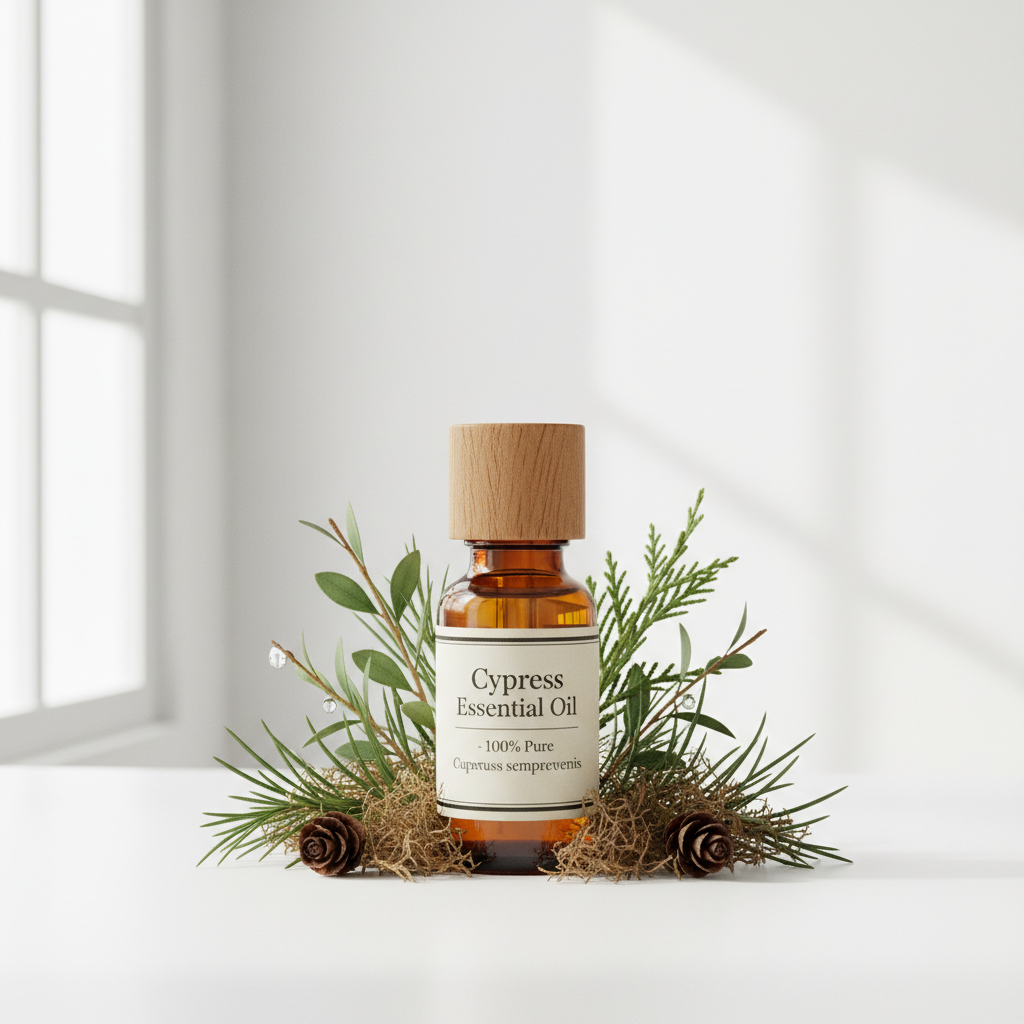
Cypress Essential Oil
Cupressus sempervirens
Cypress Essential Oil is an aromatic oil derived from the evergreen tree known scientifically as Cupressus sempervirens. This oil is extracted through the steam distillation of the tree's needles and twigs, resulting in a fresh, woody fragrance that's both invigorating and calming. With a long history steeped in traditional use, cypress oil has been celebrated for its numerous therapeutic properties, making it a versatile addition to any essential oil collection. **Origin and Extraction Method** Cypress trees are native to Mediterranean regions, thriving in warm climates. The essential oil is obtained through a meticulous steam distillation process, which involves producing steam that passes through the plant material, extracting the essential oil while preserving its therapeutic qualities. The quality of cypress oil can vary significantly depending on factors such as the region of cultivation and the distillation process used. **Botanical Information** Belonging to the Cupressaceae family, cypress trees can reach heights of up to 25 meters and have a characteristic conical shape. Their needle-like leaves and small round cones make them easily recognizable. Their longevity—some trees live for over 100 years—adds to the symbolic significance in various cultures, where they represent resilience and everlasting life. **Therapeutic Properties and Benefits** Cypress Essential Oil is renowned for its wide range of therapeutic benefits: 1. **Grounding**: One of the primary benefits of cypress oil is its grounding effect. It fosters a sense of stability and calm, making it an excellent choice during emotional upheaval or stressful situations. 2. **Confidence Booster**: It has properties that can enhance self-confidence and mental clarity, promoting a positive mindset. 3. **Stress Relief**: The oil aids in reducing tension and anxiety, encouraging emotional balance and tranquility. 4. **Mood Enhancer**: Cypress oil is known to uplift the spirit, helping alleviate feelings of sadness and enhancing emotional wellness. 5. **Mindfulness Support**: Used in meditation, cypress can help achieve a state of mindfulness, enhancing spiritual practices. 6. **Respiratory Health**: When inhaled, cypress oil can soothe coughs and promote clear breathing, making it a favorite for respiratory support. 7. **Skin Health**: Its antiseptic properties make it useful for treating minor wounds, cuts, and skin inflammation. 8. **Muscle Relief**: Cypress oil can provide relief from muscle aches when massaged into the skin, making it popular among athletes and active individuals. 9. **Menstrual Comfort**: It can assist in easing menstrual cramps and may help regulate menstrual flow. 10. **Detoxifying**: Cypress oil is believed to aid in detoxifying the body by enhancing lymphatic circulation and eliminating toxins. **Historical and Traditional Uses** The use of cypress dates back to ancient civilizations. Egyptians utilized cypress wood in mummification due to its preservative qualities, while Greeks and Romans associated it with health and regeneration. Traditionally, cypress oil has been used in various cultures for healing rituals and spiritual practices, especially in grounding ceremonies. **Scientific Facts and Research** Research has shown that cypress oil contains prominent compounds such as alpha-pinene and camphene, which contribute to its therapeutic effects. Studies highlight its antibacterial and antifungal properties, making it a valuable oil in holistic practices. Furthermore, its potential in stress relief has been documented in aromatherapy studies exploring the psychological benefits of essential oils. **Aroma Profile and Characteristics** Cypress Essential Oil exhibits a crisp, fresh scent that is both uplifting and calming. Its unique aroma is often described as woodsy with hints of spiciness. This combination makes it popular in diffusers and personal care products, offering a clean and invigorating fragrance that enhances the atmosphere of any space. **Common Applications and Methods** Cypress oil can be used in various ways, including: - **Aromatherapy**: Add a few drops to your diffuser to promote relaxation and mental clarity. - **Topical Application**: Dilute with a carrier oil and apply to areas of discomfort or to support skin health. - **Bath Additive**: Add a few drops to your bath for a soothing experience, helping to relieve muscle tension. - **Massage Oil**: Blend with other essential oils for a refreshing massage experience. **Interesting Facts and Trivia** - Cypress wood is thought to be resistant to decay, contributing to its historical use in building structures meant to last, including temples and tombs. - The oil has been used in traditional medicine for its diuretic properties, promoting kidney function. - Cypress trees are often planted in cemeteries and are considered symbols of mourning in some cultures. In conclusion, Cypress Essential Oil is more than just a fragrant oil; it is a powerful essential oil with a rich history and numerous benefits that can enhance mental, emotional, and physical well-being. Whether for practical applications or spiritual practices, its versatility makes it an invaluable oil in the wellness toolkit.

Juniper Berry Essential Oil
Juniperus communis
### Juniper Berry Essential Oil: Origin and Extraction Juniper Berry essential oil is derived from the berries of the **Juniperus communis** plant, a perennial shrub that is native to various regions of Europe, North America, and parts of Asia. The oil extraction method typically used is **steam distillation**, a process that ensures the capture of the oil's volatile compounds, resulting in a high-quality essential oil that possesses a refreshing and crisp aroma. This technique involves steaming the plant materials, which helps to release essential oils without degrading their beneficial properties. ### Botanical Information Scientifically classified within the **Cupressaceae** family, Juniperus communis is an evergreen shrub or tree that can grow up to 10 meters tall. It produces small, fleshy berries that transition from green to deep blue as they mature. These berries not only contribute to the distinctive scent profile of the oil but also embody medicinal properties that have been utilized since ancient civilizations. ### Therapeutic Properties and Benefits Juniper Berry essential oil is celebrated for its **therapeutic** attributes, making it a popular choice in aromatherapy and natural health remedies. Some of its notable benefits include: - **Stress Relief**: The oil is known for its calming effects, helping to alleviate tension and anxiety, thus promoting emotional well-being. - **Mood Enhancement**: Known to uplift the spirit, it may help reduce feelings of sadness or gloominess, making it ideal for use in diffuse blends. - **Mental Clarity**: Users often report improved focus and clarity, enhancing cognitive function and concentration. - **Grounding Effect**: Juniper Berry is particularly beneficial during meditation, fostering a sense of connection with the present moment. - **Emotional Release**: Assists in unblocking and releasing pent-up emotions, aiding in emotional healing. - **Detoxification**: With its diuretic properties, it supports the body in eliminating toxins and excess fluids. - **Skin Health**: Its anti-inflammatory and antiseptic properties make it effective in addressing skin issues like acne and eczema. - **Pain Relief**: Juniper oil can alleviate muscular and joint pain when incorporated into massage oils or blends. - **Respiratory Support**: When diffused, it may help clear the airways and support easier breathing. - **Circulation Boost**: It promotes better circulation, enhancing physical vitality and rejuvenation. ### Historical and Traditional Uses Historically, **juniper berries** have been utilized in various cultures for their protective and purifying qualities. Ancient civilizations often employed juniper smoke in rituals to cleanse spaces or to drive away negative spirits. In traditional medicine, juniper has been utilized as a diuretic and as a remedy for ailments such as digestion issues and respiratory disorders. ### Scientific Facts and Research Research on Juniper Berry essential oil confirms its numerous health-promoting properties. Studies have pointed to its **antimicrobial** and **antioxidant** effects, suggesting it can help in fighting infections and oxidative damage in the body. Furthermore, some scientific inquiries have explored its potential role in supporting metabolic functions, indicating the oil’s importance in maintaining overall health. ### Aroma Profile and Characteristics The aroma of Juniper Berry essential oil is often described as **fresh**, **woody**, and **slightly spicy**. It encapsulates a clean scent that can invigorate a space, making it a popular choice in various scent blends for homes and personal care products. Its uplifting aroma is also known to heighten feelings of tranquility and relaxation. ### Common Applications and Methods Juniper Berry essential oil can be utilized in numerous ways including: - **Diffusion**: Adding a few drops to a diffuser to fill a room with its uplifting scent. - **Topical Application**: Diluting with a carrier oil for massages or skin applications. - **Inhalation**: Direct inhalation from the bottle for immediate stress relief. - **Bathing**: Incorporating into bathwater for a soothing and enjoyable experience. ### Interesting Facts and Trivia - Juniper is one of the primary flavorings in **gin**, which derives its distinctive taste from juniper berries. - In Native American traditions, juniper was often used to purify people and spaces, reinforcing its role as a cleansing agent throughout history. - The oils from juniper berries are not only beneficial for humans but can also be used in veterinary practices for the treatment of animal ailments. ### Final Thoughts Juniper Berry essential oil is a powerhouse of benefits, steeped in history and traditional use. Its versatile applications and soothing properties make it a valuable addition to any natural health regimen. Whether you’re looking to alleviate stress, enhance your mood, or promote skin health, Juniper Berry essential oil is an excellent choice for its multifaceted benefits.