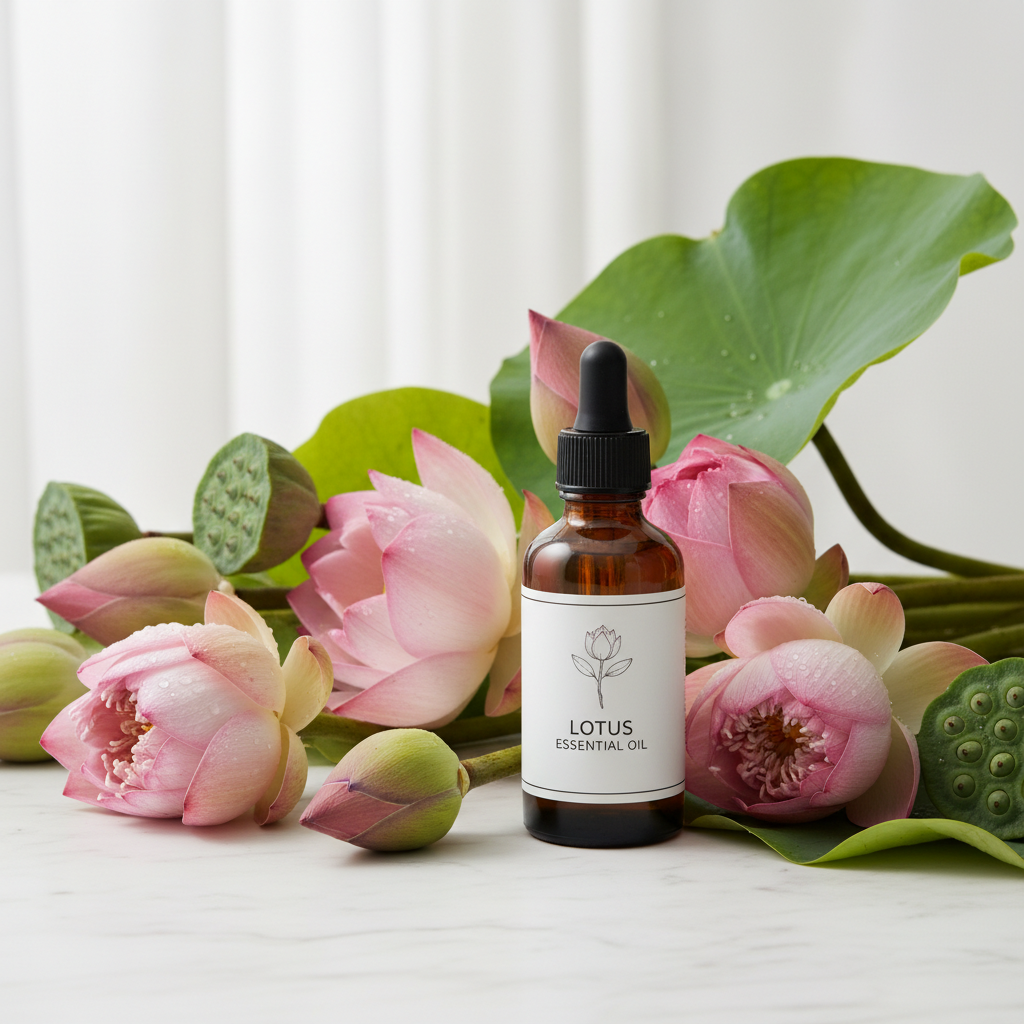
Lotus Essential Oil
Nelumbo nucifera
Plant Source
Flowers
Scent Family
Floral
"Discover Lotus Essential Oil's origins, benefits, and uses. Learn how this oil promotes well-being and enhances your spiritual practices today!"
Lotus Essential Oil: Comprehensive Guide to Benefits, Uses, and Properties
Introduction to Lotus Essential Oil
Lotus Essential Oil is an aromatic oil derived from the flowers of the Nelumbo nucifera plant, commonly known as the lotus flower. This oil is celebrated for its rich history in various cultures, particularly in traditional medicine and spiritual practices. The extraction process involves steam distillation, capturing not only the delicate floral scent but also the therapeutic properties that have been revered for centuries.
Origin and Extraction Method
The Nelumbo nucifera, primarily found in Asia, is famed for its stunning blooms that rise above the water's surface. The essential oil is extracted from the petals through a careful steam distillation process. This method ensures that the potent aroma and beneficial compounds are preserved, resulting in a high-quality essential oil that embodies the essence of the lotus flower.
Botanical Information
- Botanical Name: Nelumbo nucifera
- Family: Nymphaeaceae
- Common Names: Lotus flower, Sacred Lotus, Indian Lotus
- Plant Part Used: Flower petals
Therapeutic Properties and Benefits
Lotus Essential Oil is renowned for its numerous therapeutic benefits, including:
- Stress Relief: Known for its calming properties, this oil helps ease tension and promotes relaxation, making it ideal for stressful situations.
- Emotional Stability: The oil is effective in stabilizing mood fluctuations, fostering emotional balance and support during turbulent times.
- Enhanced Meditation: Lotus oil is often used in meditation practices, facilitating a deeper connection to the self and enhancing spiritual experiences.
- Self-Acceptance: It encourages feelings of self-love and acceptance, contributing positively to self-esteem and personal growth.
- Calmness: With its soothing aroma, it instills a profound sense of peace, beneficial for individuals in high-pressure environments.
- Supports Respiratory Health: Lotus oil may help clear the airways, contributing to better breathing and respiratory health.
- Promotes Healthy Skin: The oil is recognized for its rejuvenating properties, improving skin complexion, and promoting a youthful appearance.
- Aids in Digestion: When used appropriately, it may support digestive health, alleviating discomfort related to digestion.
- Encourages Circulation: It has properties that may enhance blood flow, thus supporting overall vitality and energy levels.
- Relief from Stress-Related Symptoms: The oil can alleviate physical discomfort associated with stress, promoting a sense of well-being.
Historical and Traditional Uses
Lotus Essential Oil has a rich history, particularly in Asian cultures where it is regarded as a symbol of purity and spiritual enlightenment. In ancient Egyptian culture, the lotus was associated with rebirth and renewal. Its use in ceremonies and spiritual practices highlights its importance as a contemplative and healing oil. In Ayurveda, the oil is often employed to balance the mind and body, promoting harmony.
Scientific Facts and Research
Recent studies have explored the potential effects of lotus essential oil on emotional well-being and mental health. Research indicates that the oil has anxiolytic properties, helping to reduce anxiety and improve mood. Additionally, the oil contains unique compounds that may contribute to increased relaxation and improved skin health, aligning with traditional uses.
Aroma Profile and Characteristics
The aroma of Lotus Essential Oil is light, floral, and slightly sweet, often described as ethereal. Its scent is uplifting yet calming, making it an excellent choice for both personal use and in aromatherapy settings. The delicate nature of its fragrance makes it a popular ingredient in perfumes, candles, and personal care products.
Common Applications and Methods
Lotus Essential Oil can be utilized in various ways:
- Aromatherapy: Diffusing the oil or using it in a personal inhaler for stress relief and emotional balance.
- Topical Use: Diluting with a carrier oil and applying to pulse points for emotional support and skin benefits.
- Bath: Adding a few drops to bathwater for a relaxing and calming experience.
- Massage: Incorporating into massage oil to enhance relaxation and emotional stability during sessions.
Interesting Facts and Trivia
- The lotus flower can bloom in muddy waters, symbolizing purity rising above imperfections.
- In Buddhism, the lotus flower represents enlightenment and the spiritual journey.
- Lotus Essential Oil is often considered a luxury oil and can be used in high-end skincare products.
Conclusion
Lotus Essential Oil is not only a fragrant addition to your essential oil collection but also a powerful ally in promoting emotional well-being and spiritual growth. Its rich history, combined with its therapeutic benefits, makes it a treasured oil in both traditional and modern practices. Whether used in meditation, skincare, or aromatherapy, Lotus Essential Oil offers a myriad of benefits that can enhance your daily life.
Ask AI About Lotus Essential Oil
Get instant answers about this essential oil
Benefits & Uses
- Stress Relief: Eases tension in the mind and body, providing a sense of calm.
- Emotional Stability: Supports emotional balance, helping to stabilize mood fluctuations.
- Enhanced Meditation: Facilitates a deeper meditative state, enhancing spiritual practices.
- Self-Acceptance: Encourages acceptance and love towards oneself, improving self-esteem.
- Calmness: Instills a deep sense of peace, perfect for stressful environments.
- Supports Respiratory Health: Helps clear the airways and supports healthy breathing.
- Promotes Healthy Skin: Known for its ability to rejuvenate skin and improve complexion.
- Aids in Digestion: Can assist in promoting digestive health when used appropriately.
- Encourages Circulation: May improve blood flow, supporting overall vitality.
- Stress-Related Symptoms Relief: Alleviates tension-related physical discomfort.
- Moisturizing: Effective in hydrating the skin, making it ideal for dry skin types.
- Anti-Aging: Reduces the appearance of wrinkles and improves skin elasticity.
- Soothing Effect: Calms irritated skin, ideal for sensitive conditions.
- Brightening: Helps to even out skin tone and enhance the complexion.
- Rejuvenating: Encourages skin regeneration and overall radiance.
- Air Freshener: Acts as a natural air freshener, creating a calming atmosphere.
- Candle Making: Can be used in creating soothing scented candles for relaxation.
- Potpourri: Adds a delightful scent to potpourri mixes around the home.
- Mood Enhancer: Diffusing in common areas can uplift spirits and reduce stress.
- Cleaning Agent: Incorporated into homemade cleaning solutions for a pleasant aroma.
How to Use
Diffuser
For small rooms, use 3-5 drops, for medium rooms 5-8 drops, and for large rooms 8-12 drops. Diffuse for 30-60 minutes 2-3 times daily, preferably in the morning or before bedtime to promote relaxation.
Topical
For adults, dilute Lotus Essential Oil to 2-3%. For children, use a dilution of 0.5-1%. For the elderly, 1-2%. Recommended carrier oils include jojoba and sweet almond. Apply to pulse points and massage in for at least 5 minutes to enhance absorption.
Inhalation
Direct inhalation can be done by applying 1-2 drops on a tissue and inhaling deeply. For steam inhalation, add 2-3 drops into hot water, leaning over for 5-10 minutes. Personal inhalers can also be crafted for on-the-go use.
Safety & Precautions
Perform a patch test prior to topical use. Photosensitivity can occur; avoid sun exposure post-application. Consult healthcare providers if pregnant, nursing, or on medication. Store in a cool, dark place, and use within 1-2 years of opening. General precautions include avoiding contact with eyes and mucous membranes.
Who should avoid:
- Pregnant individuals, especially during the first trimester.
- Those with a history of allergies to botanical ingredients.
- Individuals with sensitive skin reactions.
Recommended Products

Understanding the aromatic layers of Lotus Essential Oil
Top Notes
Heart Notes
Base Notes
Scent Evolution
Top Notes: First impression, evaporate quickly (15-30 min)
Heart Notes: Main character, last 2-4 hours
Base Notes: Lasting foundation, linger for hours
Complementary essential oils that pair beautifully with Lotus Essential Oil
Abyssinian Carrier Oil
Crambe abyssinica
✓traditional pairing in aromatherapy
Agarwood Essential Oil
Aquilaria
✓balanced scent profile
Allspice Essential Oil
Pimenta dioica
✓balanced scent profile
Ammi Visnaga Essential Oil
Ammi visnaga
✓enhanced aromatherapy benefits
Amyris Essential Oil
Amyris balsamifera
✓complementary therapeutic properties
Angelica Essential Oil
Angelica archangelica
✓traditional pairing in aromatherapy
Blending Tips
- • Start with 2-3 oils for simple blends
- • Use 3-5 drops total per 10ml carrier oil
- • Let blends sit for 24-48 hours to marry
- • Test on a small skin area first
Calculating for: Lotus Essential Oil
Recommended: 2% | Max safe: 5%
29.57 ml
Your Recipe
0.59 ml
28.98 ml
💡 Dilution Tips
- • Always do a patch test before full application
- • Children and elderly need lower dilutions (1-2%)
- • Facial products should be gentle (0.5-1%)
- • 1 drop ≈ 0.05 ml (20 drops per ml)
- • Common carrier oils: fractionated coconut, jojoba, sweet almond
Related Recipes

Calming Essential Oil Pillow Mist Recipe for Relaxation
Discover this easy recipe for a soothing pillow mist that features lavender and bergamot for ultimate relaxation and better sleep.

Calming Lavender Linen Spray Recipe
A gentle, relaxing linen and room spray that promotes restful sleep and calm using lavender, chamomile, and cedarwood essential oils.

DIY Acne Calming Gel Spot Treatment Recipe for Clear Skin
Explore our DIY acne calming gel spot treatment recipe to soothe inflammation and fight breakouts using natural ingredients for healthier skin.
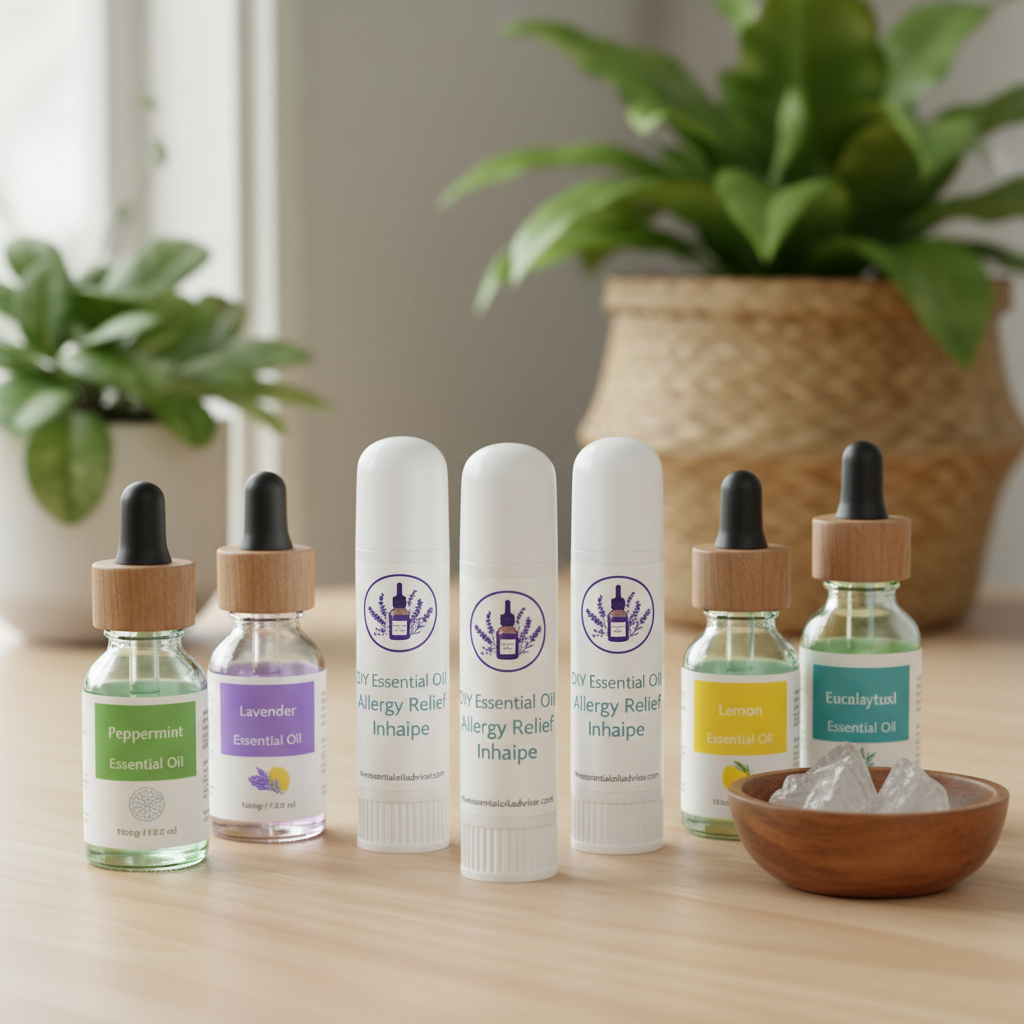
DIY Essential Oil Allergy Relief Inhaler Recipe
Discover this essential oil allergy relief recipe to make effective inhalers at home for natural symptom relief from allergies.

DIY Essential Oil Foaming Hand Soap Recipe
Craft your own moisturizing foaming hand soap using essential oils! This DIY recipe combines natural ingredients for clean, soft hands. Perfect for home use!
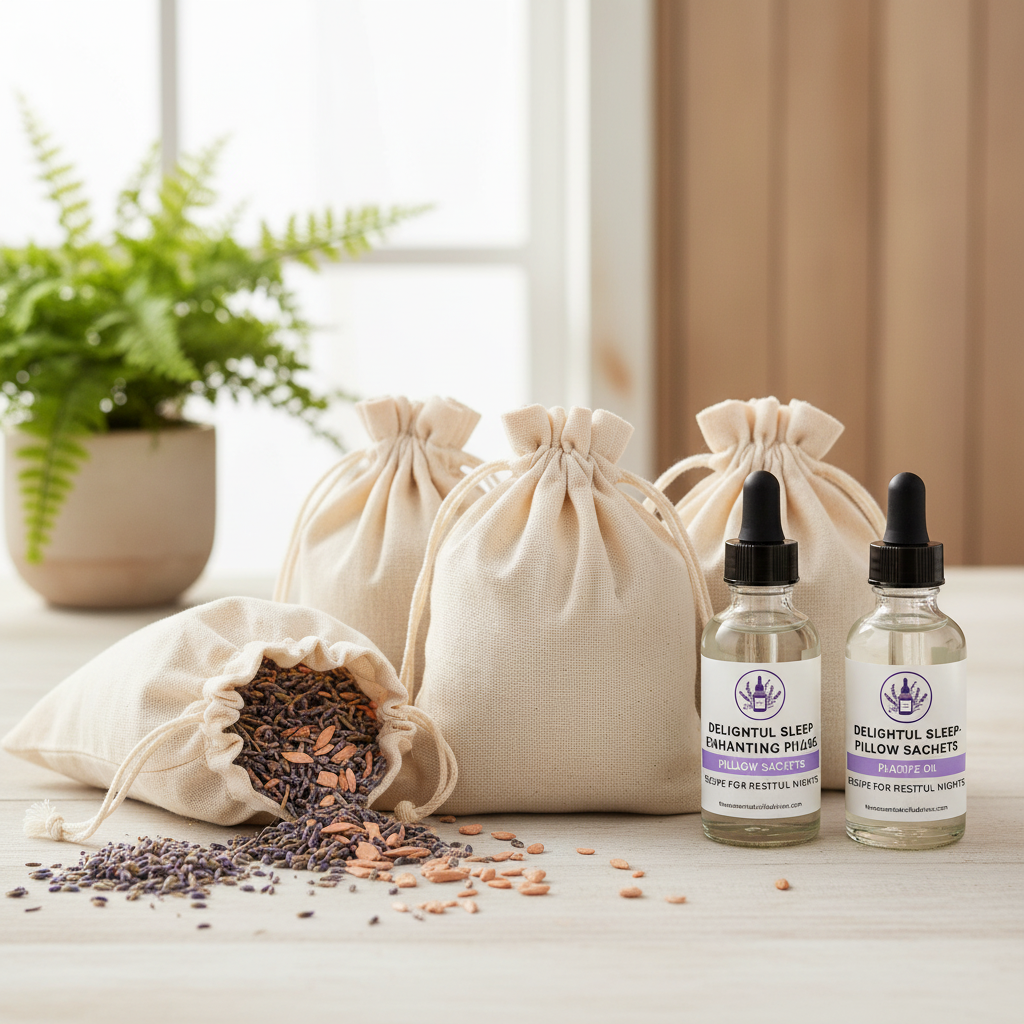
Delightful Sleep-Enhancing Pillow Sachets Recipe for Restful Nights
Discover how to create a calming sleep environment with this easy recipe for pillow sachets infused with soothing essential oils to improve your sleep quality.
Related Oils
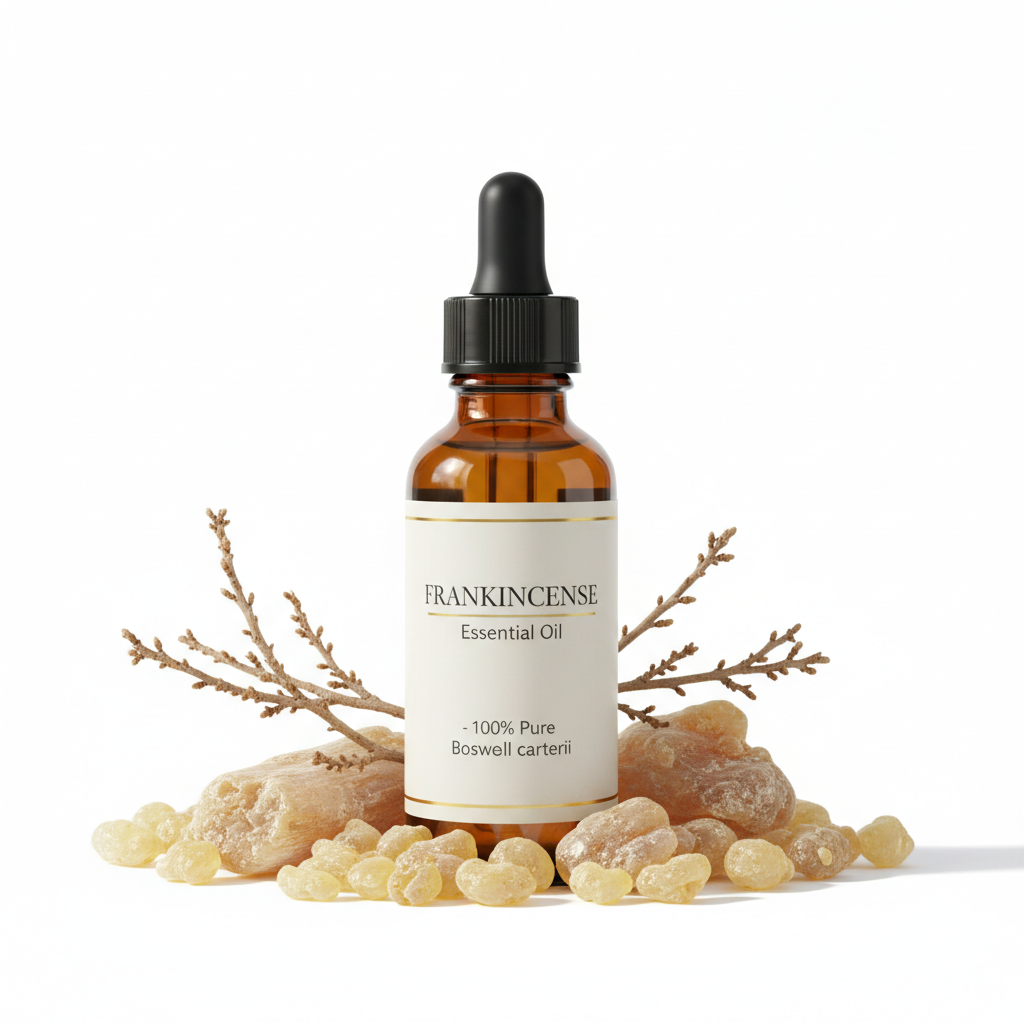
Frankincense Essential Oil
Boswellia carterii
**Frankincense Essential Oil: Origins, Benefits and Applications** Frankincense essential oil is derived from the resin of the Boswellia tree, primarily Boswellia serrata, which is native to the arid regions of Africa and the Arabian Peninsula. The extraction method typically involves steam distillation of the resin, capturing the rich, aromatic compounds that have been utilized by various cultures for thousands of years. ### **Botanical Information** The Boswellia tree is recognizable for its gnarled branches and waxy green leaves. Frankincense resin is harvested by making incisions in the tree’s bark, allowing the sap to ooze out and harden into tear-shaped lumps. This resin is then collected and subjected to distillation to produce the essential oil, known for its deep, woody, and slightly spicy aroma. ### **Therapeutic Properties and Benefits** Frankincense essential oil boasts a range of therapeutic properties that have made it a staple in traditional medicine. It is renowned for its: - **Anti-inflammatory effects**: Helps reduce inflammation and promote joint health. - **Calming properties**: Often used in aromatherapy to alleviate stress and anxiety, promoting a sense of peace. - **Immune support**: Research suggests frankincense may enhance the immune system by fighting off viruses and bacteria. - **Cellular health**: It has been linked to healthy cell regeneration and may support overall skin health, especially in reducing the appearance of scars and blemishes. ### **Historical and Traditional Uses** Historically, frankincense has been revered in many cultures. In ancient Egypt, it was used in the embalming process and as a sacred incense in religious rituals. The Three Wise Men famously brought it as a gift to the newborn Jesus, highlighting its value and significance. It has been used in traditional Chinese and Ayurvedic medicine for centuries, showcasing its global importance as a healing oil. ### **Scientific Facts and Research** Recent studies have delved into the science behind frankincense essential oil. One notable study published in "The Journal of Alternative and Complementary Medicine" found that frankincense oil may possess anti-cancer properties, particularly against certain types of tumors. Additionally, research indicates that the oil's active compounds, such as boswellic acids, may play a crucial role in reducing inflammation and pain, making it a potent ally in holistic health. ### **Aroma Profile and Characteristics** The aroma of frankincense essential oil is both grounding and uplifting. It’s often described as warm, spicy, and slightly sweet. This complex scent profile makes it an excellent choice for meditation and introspection, as it helps create an atmosphere of tranquility. ### **Common Applications and Methods** Frankincense essential oil can be used in various ways: - **Aromatherapy**: Diffuse the oil in your living space or add a few drops to a warm bath to unwind. - **Topical application**: Dilute with a carrier oil and apply directly to the skin to promote cellular health and rejuvenation. - **Massage**: Incorporate into your massage oil for an added relaxing effect. - **Skincare**: Use in lotions or creams to enhance skin appearance and support healing of blemishes. ### **Interesting Facts and Trivia** - Frankincense is often referred to as olibanum, derived from the Arabic term “al-lubān” meaning “that which produces milk,” referring to its milky white sap. - It takes approximately 10 years for a Boswellia tree to produce resin that is suitable for harvesting. - Frankincense essential oil can also be used in household cleaners due to its antibacterial properties, making it not only a fragrant addition to your home but also a beneficial one. ### **Conclusion** Frankincense essential oil is much more than just a fragrant oil; its rich heritage, combined with its extensive health benefits, lends it a significant place in both historical and modern wellness practices. By understanding its origins, uses, and benefits, you can seamlessly integrate frankincense essential oil into your daily routine, harnessing its powerful properties in a holistic manner.
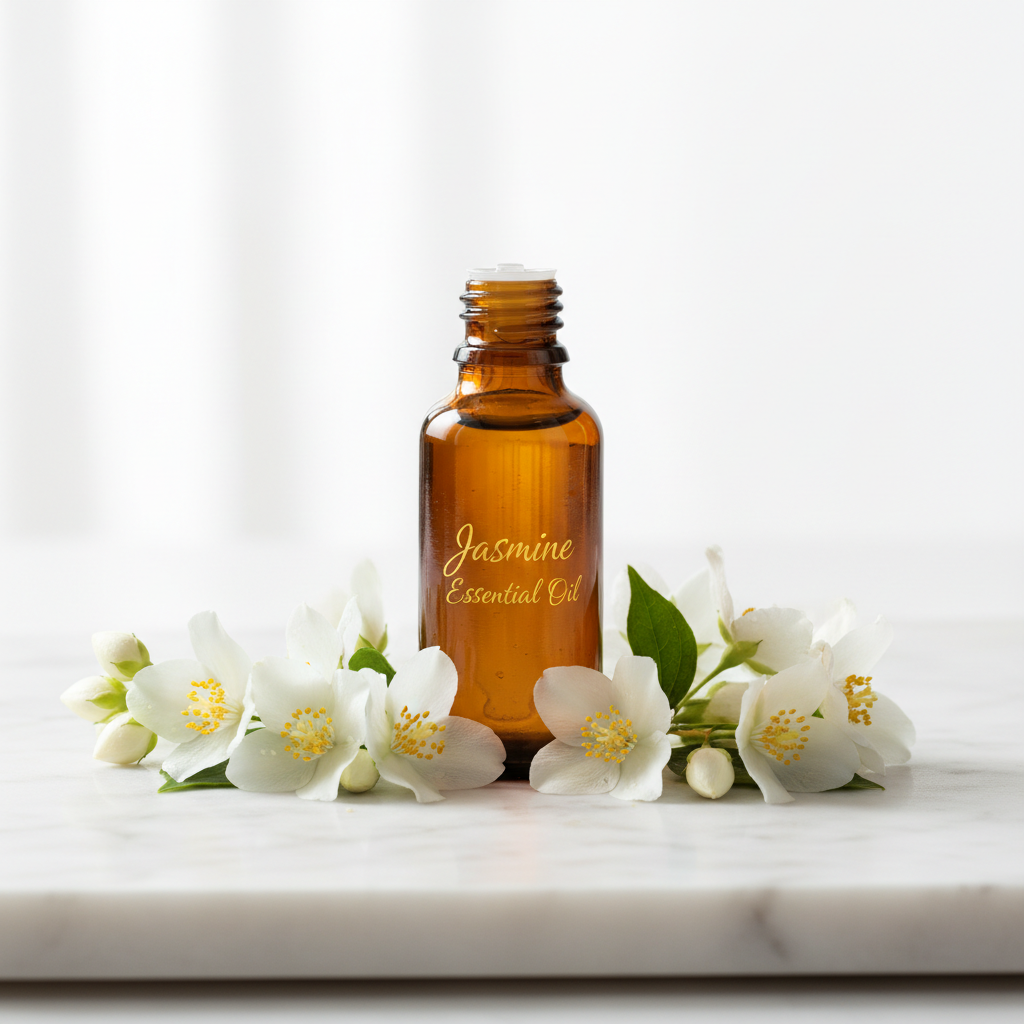
Jasmine Essential Oil
Jasminum grandiflorum
### Jasmine Essential Oil: An In-Depth Guide **Introduction** Jasmine Essential Oil is a captivating oil derived from the delicate flowers of **Jasminum grandiflorum**, often referred to simply as jasmine. Known for its enchanting aroma and rich, cultural history, jasmine oil is not only a favored ingredient in perfumery but also highly valued in traditional medicine and aromatherapy applications. This guide delves into the origins, therapeutic properties, and numerous uses of jasmine essential oil, aiming to provide a comprehensive understanding of this exquisite oil. **Origin and Extraction Method** The oil is extracted from the small white flowers of the jasmine plant through a meticulous process known as steam distillation. Jasmine plants thrive in warm, temperate climates, with significant production centers in countries like **Egypt**, **India**, and **Morocco**. The extraction of jasmine oil requires around 8000 flowers to produce just 1 ounce of oil, making it a precious commodity in the world of essential oils. **Botanical Information** Jasminum grandiflorum belongs to the Oleaceae family and is characterized by its star-shaped white flowers that emit a powerful, sweet fragrance, especially at night when the flowers are open. This unique botanical is also celebrated for its ability to attract pollinators, including moths, which play a critical role in its reproductive process. **Therapeutic Properties and Benefits** Jasmine Essential Oil is renowned for its myriad of therapeutic benefits: 1. **Emotional Well-being**: Often dubbed the 'King of Oils,' jasmine is famous for its uplifting qualities—promoting feelings of love, romance, and tranquility. It has the ability to reduce stress and anxiety, fostering a sense of inner peace. 2. **Mood Enhancer**: The oil can elevate mood, alleviate feelings of depression, and inspire confidence. Its soothing scent is perfect for creating a relaxing atmosphere during meditation or yoga practices. 3. **Menstrual Support**: Jasmine oil has been noted for its ability to alleviate menstrual discomfort and associated stress, making it a popular choice among women seeking natural relief. 4. **Skin Care**: With its anti-inflammatory properties, jasmine oil supports skin healing and regeneration. It is often integrated into skincare products to improve skin texture and promote a healthy glow. 5. **Libido Booster**: Known for enhancing libido and sexual stamina, jasmine oil is frequently included in romantic blends and diffusers to create an intimate environment. 6. **Respiratory Aid**: The fragrant properties of jasmine can also aid respiratory functions by soothing coughs and congestion, making it a versatile choice for different health concerns. 7. **Wound Healing**: Regular application of diluted jasmine oil can promote wound healing, helping to enhance skin health over time. **Historical and Traditional Uses** Jasmine has a rich history of use in various cultures. In **ancient Persia**, jasmine was a symbol of love and was often used in wedding ceremonies. The oil itself has been a key component of Arabian perfumery and traditional Ayurvedic medicine, where it was employed for treating a variety of ailments, from skin conditions to emotional disturbances. **Scientific Facts and Research** Recent studies have highlighted the anxiolytic (anxiety-reducing) properties of jasmine essential oil. Research indicates that inhaling jasmine aroma can lower anxiety levels and improve sleep quality. The oil's anti-inflammatory effects have also been documented in multiple scientific journals, affirming its role in skincare and therapeutic applications. **Aroma Profile and Characteristics** The aroma of jasmine essential oil is sweet, rich, and floral, with hints of exotic undertones often described as creamy or fruity. This complex scent profile makes it a favorite base note in perfumes, enabling it to blend seamlessly with other fragrance oils. **Common Applications and Methods** Jasmine Essential Oil can be utilized in various ways: - **Aromatherapy**: Use a diffuser to disperse jasmine oil into your living space. - **Topical Use**: Dilute jasmine oil with a carrier oil such as **coconut oil** or **jojoba oil** for application to skin. - **Baths**: Add a few drops to a warm bath for a calming experience. - **Massage**: Incorporate jasmine oil into massage oils to enhance relaxation and emotional well-being. **Interesting Facts and Trivia** - Jasmine flowers are handpicked during the night for optimal fragrance. - Due to its low yield of oil, jasmine is one of the more expensive essential oils available. - The oil is often used in luxury skincare and cosmetic products, reflecting its premium nature. **Conclusion** Jasmine Essential Oil is not only a fragrant delight but also a powerhouse of therapeutic benefits. By incorporating this precious oil into your wellness routines, you can experience its rich history and emotional balance, making it a staple in any essential oil collection.
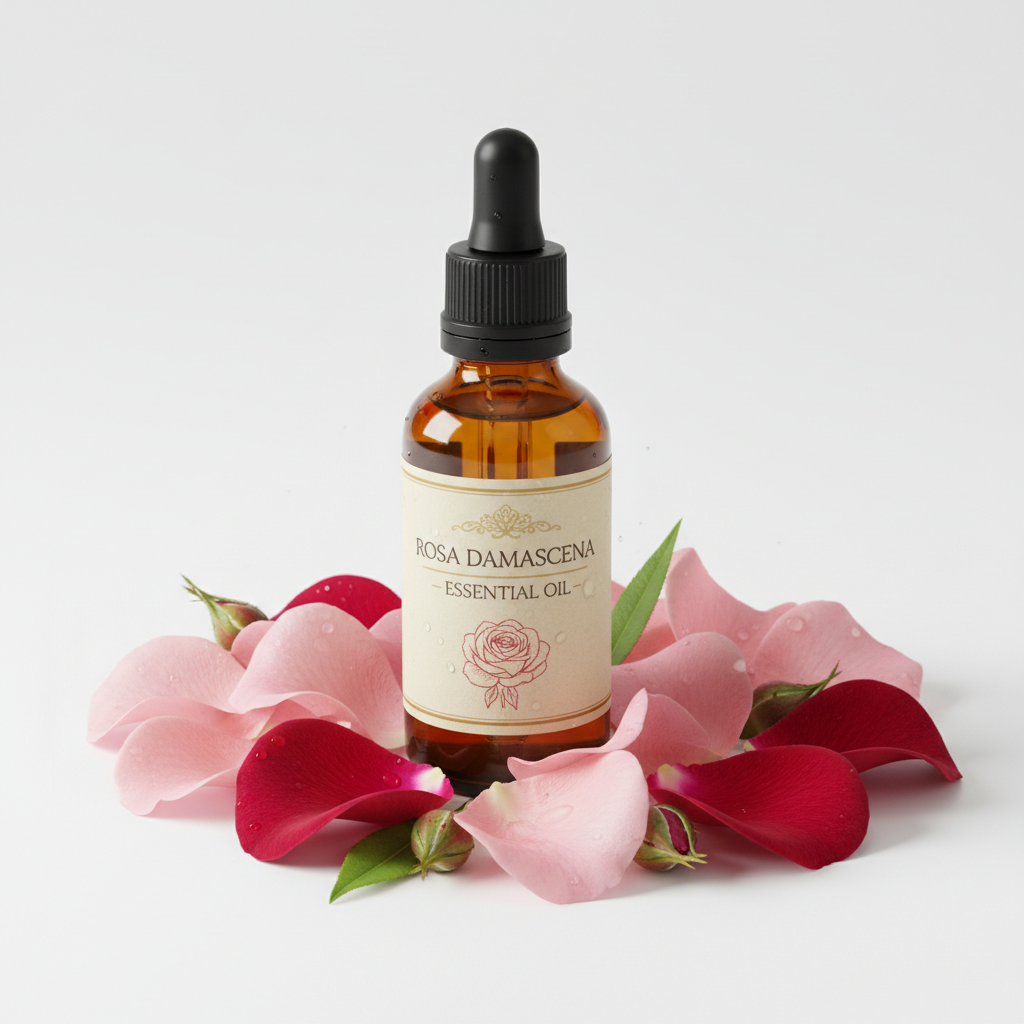
Rose Essential Oil
Rosa damascena
**Rose Essential Oil: A Comprehensive Guide** **Origin and Extraction Method** Rose Essential Oil is derived from the delicate petals of the Rosa damascena plant, commonly known as the Damask rose. This species flourishes in regions such as Bulgaria and Turkey, renowned for producing the highest quality rose oil. The extraction method employed is steam distillation, a technique that preserves the oil's potent aromatic and therapeutic properties. During the distillation process, steam permeates the rose petals, capturing their essential oils, which is then condensed back into liquid form. Approximately 2,000 to 4,000 pounds of rose petals are required to produce just one kilogram of rose oil, highlighting its luxurious and precious nature. **Botanical Information** The Rosa damascena is a multi-petaled flowering plant that flowers during the summer months. This perennial shrub can grow up to six feet tall and is characterized by its fragrant blooms, which can range from pale pink to deep crimson. The rich fragrance and therapeutic properties of rose oil have made it a favorite among essential oil enthusiasts and a staple in both traditional and modern medicine. **Therapeutic Properties and Benefits** Rose Essential Oil possesses numerous therapeutic properties. It is well-known for its emotional uplifting qualities, promoting a sense of well-being and tranquility. Here are some of its key benefits: - **Emotional Support**: Rose oil is often used in aromatherapy for its calming effects, helping to relieve stress, anxiety, and depression. It promotes feelings of self-worth and confidence, making it particularly beneficial during challenging times. - **Aphrodisiac Qualities**: The oil is traditionally regarded as an aphrodisiac, enhancing romantic experiences and fostering a deeper emotional connection with partners. - **Skin Care**: Rich in antioxidants, rose oil helps rejuvenate the skin, reducing signs of aging by diminishing wrinkles and fine lines. Additionally, it aids in soothing irritated or inflamed skin conditions such as eczema and dermatitis. - **Digestive Aid**: Rose oil can also support digestive health by alleviating discomfort and bloating, promoting better digestive processes. **Historical and Traditional Uses** Historically, rose oil has been treasured for centuries, dating back to ancient civilizations such as the Egyptians, who utilized it in cosmetics, perfumes, and religious ceremonies. It is mentioned in different ancient texts for its medicinal properties and has been used in traditional medicine practices worldwide. In Indian Ayurvedic medicine, rose oil is valued for balancing the doshas, promoting emotional stability, and detoxifying the body. **Scientific Facts and Research** Modern research has investigated the numerous benefits of rose oil. Studies suggest that the oil possesses anti-inflammatory, antimicrobial, and antioxidant properties, making it effective in treating various ailments. Its unique composition of aromatic compounds such as nerol, geraniol, and phenyl ethanol also contributes to its anti-anxiety effects. Scientists continue to explore rose oil’s effects on mental health, with promising results in reducing symptoms of depression and anxiety in controlled studies. **Aroma Profile and Characteristics** Rose Essential Oil has a distinct, sweet, and floral aroma that is incredibly rich and soothing. Its complex scent can evoke positive emotional responses and is often described as uplifting and balancing. When diffused or inhaled, its aromatic profile can help create a serene and calming environment. **Common Applications and Methods** Rose oil can be utilized in various applications, including: - **Aromatherapy**: Utilize a diffuser to disperse the scent throughout a room, promoting relaxation. - **Topical Use**: Dilute with a carrier oil, such as jojoba or coconut oil, for skin applications, targeting areas of irritation or signs of aging. - **Bath Soaks**: Add a few drops of rose oil to bathwater for a soothing spa-like experience. **Interesting Facts and Trivia** - **Symbolism**: Rose oil is often viewed as a symbol of love and purity, and its fragrance is used in many love potions. - **Cultural Significance**: In various cultures, the rose is celebrated during festivals and rituals, accentuating its importance in human connection and spirituality. - **Sustainability**: The rise in popularity has led to sustainable farming practices for rose cultivation, ensuring that the harvesting process remains environmentally friendly. In conclusion, Rose Essential Oil is not only a beautiful addition to the aromatherapy toolkit but also a multifaceted oil with an array of health benefits. Its rich history intertwined with its contemporary uses ensures that it remains a top choice for those seeking emotional and physical wellness.