Essential Oils Encyclopedia

Explore our complete collection of essential oils and discover their benefits

198 essential oils found

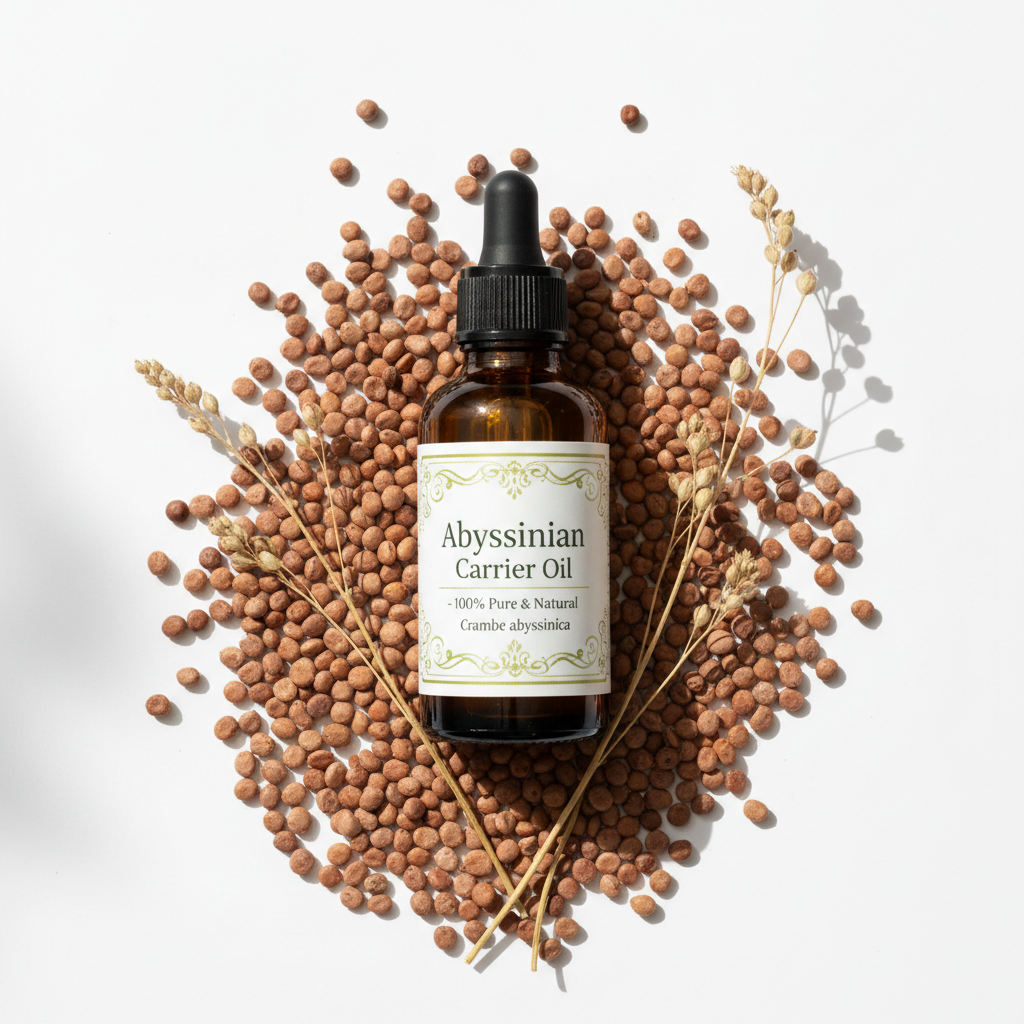
Abyssinian Carrier Oil

Abyssinian Carrier Oil

Crambe abyssinica

Abyssinian Carrier Oil Abyssinian Carrier Oil, extracted from the seeds of the Crambe abyssinica plant, is well-regarded for its moisturizing and therapeutic properties. It has gained popularity in skincare and aromatherapy, making it a favorite among formulators and beauty professionals. **Origin and Extraction Method** Crambe abyssinica flourishes in the highlands of East Africa, particularly Ethiopia. Producers use a cold-pressing method to extract the oil, which helps retain essential nutrients and maintains the oil’s quality. This gentle process ensures that the seeds offer maximum benefits, resulting in a top-notch product that the wellness community appreciates. **Botanical Information** Belonging to the Cruciferae family, the Abyssinian mustard plant features unique yellow to golden seeds. The oil is rich in erucic acid and fatty acids, contributing to its nourishing and restorative qualities for the skin. With its subtle, nutty scent, Abyssinian Carrier Oil blends well in aromatherapy mixes and skincare products, enhancing both sensory enjoyment and therapeutic benefits. **Therapeutic Properties and Benefits** Abyssinian Carrier Oil offers a range of helpful properties for the skin: - **Moisturization:** It excels at hydrating the skin and maintaining moisture, making it ideal for dry or sensitive skin. - **Skin Repair:** The oil aids in healing minor skin irritations, cuts, and abrasions, promoting quicker recovery. - **Anti-Aging Effects:** Abyssinian oil supports skin elasticity and may help reduce signs of aging, helping maintain a youthful appearance. - **Balancing Oily Skin:** Surprisingly, it can benefit oily skin types by regulating excess oil production. - **Inflammation Relief:** With soothing properties, the oil can reduce redness and inflammation, making it suitable for sensitive skin. **Historical and Traditional Uses** For many years, people in East Africa have relied on Abyssinian oil for its unique qualities. It hasn’t just been a staple in skincare; it's also played a role in herbal remedies aimed at improving physical and emotional well-being. Locally, this oil has been embraced in beauty rituals and therapies, highlighting its cultural importance in personal care. **Scientific Facts and Research** Research on Crambe abyssinica reveals that it contains omega-9 and omega-6 fatty acids, which promote skin regeneration and health. These fatty acids are crucial for cellular vitality and provide anti-inflammatory benefits that are essential for maintaining healthy skin. Studies suggest that Abyssinian oil can help reduce the appearance of fine lines and improve overall skin texture, reinforcing its status as a beneficial skincare ingredient. **Aroma Profile and Characteristics** Abyssinian Carrier Oil features a nuanced, nutty aroma that feels both uplifting and calming. This well-balanced scent blends seamlessly with other essential oils, enhancing the aromatherapy experience. Its subtle fragrance also supports emotional well-being, making it a popular choice for those looking to create a relaxing atmosphere during self-care routines. **Common Applications and Methods** You can use Abyssinian Carrier Oil in various ways: - **Skincare:** Use it on its own or blend it with essential oils to improve absorption of beneficial ingredients into the skin. - **Massage Oil:** Because of its excellent moisturizing properties, it works wonderfully as a base for massage oils, promoting relaxation and enhancing blood circulation. - **Hair Care:** It’s beneficial for hair, providing moisture, shine, and nourishment to dry or frizzy locks, making hair more manageable. **Interesting Facts and Trivia** - Often called 'Ethiopian mustard oil,' Abyssinian oil is named for its geographic origins and cultivation. - Its light absorption properties make it suitable for high-quality cosmetic formulations without leaving a greasy feel. - The unique composition of Abyssinian Carrier Oil can help stabilize other formulations, extending their shelf life, which is why it’s a prized ingredient among cosmetic formulators. Abyssinian Carrier Oil is celebrated not only for its many benefits in skincare and holistic health but also for its rich history and diverse uses. With its appealing aroma and practical applications, it’s a valuable addition to anyone exploring the potential of natural oils.

hydration
moisturizing
skin health
Learn more
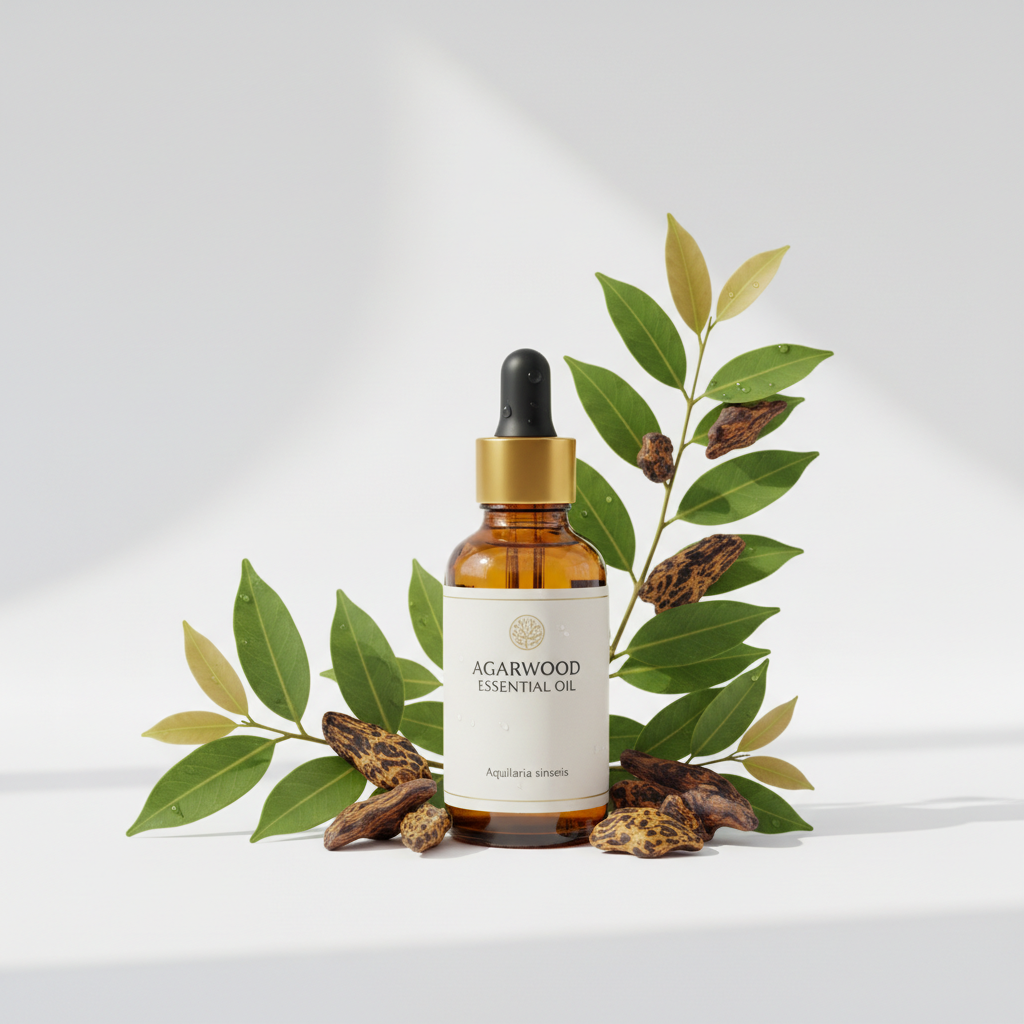
Agarwood Essential Oil

Agarwood Essential Oil

Aquilaria

### Introduction to Agarwood Essential Oil Agarwood essential oil, renowned as oud or aloeswood oil, is a highly coveted essential oil derived from the resinous heartwood of the Aquilaria tree. This luxurious oil has captivated the senses of perfumers, aromatherapists, and wellness advocates for centuries due to its deep, complex aroma and exceptional therapeutic properties. In this extensive guide, we delve into the origins, extraction methods, benefits, historical significance, and diverse applications of Agarwood essential oil. ### Origin and Extraction Method Agarwood is mainly sourced from the Aquilaria species, which thrive in the tropical regions of Southeast Asia, notably in countries such as Vietnam, India, Thailand, and Cambodia. The unique fragrance of agarwood is produced when the tree is infected by a specific type of fungus, resulting in the formation of resinous knots within the heartwood. The extraction methods for agarwood essential oil typically involve steam distillation and solvent extraction, both designed to retain the oil’s unique aromatic compounds and therapeutic efficacy. ### Botanical Information - **Botanical Name**: Aquilaria - **Family**: Thymelaeaceae - **Common Names**: Oud, Aloeswood, Agarwood - **Part Used**: Heartwood ### Therapeutic Properties and Benefits Agarwood essential oil is celebrated for its array of remarkable therapeutic properties. Here are some key benefits: - **Stress and Anxiety Relief**: The soothing aroma of agarwood can alleviate stress and anxiety, creating a serene environment that promotes relaxation and peace. - **Enhancement of Mindfulness**: Agarwood oil supports meditation by offering grounding effects, helping practitioners achieve a deeper state of mindfulness and tranquility. - **Emotional Stabilization**: This essential oil can assist in restoring emotional balance, fostering overall well-being and mental clarity. - **Respiratory Health Support**: Its properties may help alleviate respiratory issues, providing relief from colds and allergies. - **Muscle Tension Relief**: Agarwood oil is effective in easing muscle tension and discomfort, supporting physical recovery post-exercise. - **Immune System Boost**: The bioactive compounds within the oil may enhance immune function, supporting overall health and resilience. - **Contribution to Vital Energy**: Regular use of this oil can promote a heightened sense of vitality and well-being. ### Historical and Traditional Uses Throughout history, agarwood has been revered in various cultures for its aromatic and medicinal properties. Ancient civilizations employed agarwood for spiritual rituals, incense, and traditional medicine. In Ayurveda, agarwood is utilized to harmonize the body’s doshas and is famed for its calming effects. Additionally, in Middle Eastern cultures, agarwood is prized in perfumes and used during significant events, including weddings and religious ceremonies, symbolizing wealth and luxury. ### Scientific Facts and Research Modern research has begun to validate many of agarwood’s traditional uses. Studies have identified that the oil contains alkaloids and other beneficial compounds which may exhibit antioxidant, anti-inflammatory, and antimicrobial properties. This suggests that agarwood essential oil holds potential not only as a fragrant addition to lifestyle practices but also as a contributing factor to health enhancement. ### Aroma Profile and Characteristics The scent of agarwood essential oil is multifaceted, often described as deep, woody, and balsamic, intertwined with sweet, earthy undertones. The captivating fragrance can induce a sense of calm and grounding, making it a favored choice among high-end perfumes and incense creators. Variations in aroma may occur depending on the specific Aquilaria source and extraction methodology, but it consistently provides a warm and inviting essence that enriches any environment. ### Common Applications and Methods Agarwood essential oil can be utilized in various ways: - **Aromatherapy**: Diffuse the oil in living spaces or during meditation to cultivate a peaceful atmosphere. - **Massage Therapy**: Dilute the essential oil with a carrier oil for therapeutic massages, promoting relaxation and alleviating muscle pain. - **Skin Care**: Incorporate agarwood oil into your skincare routine—mix it into creams or lotions to benefit from its soothing effects. - **Bath Enhancer**: Add several drops to your bathwater for a sensory and calming experience that envelops you in tranquility. ### Interesting Facts and Trivia - Pure agarwood is among the most expensive woods globally, with prices surpassing gold due to its rarity. - The oil is often coined "liquid gold" in the fragrance realm, reflecting its high demand and precious nature. - The aging process required for agarwood to produce resin can take decades, with trees needing to be at least 15-20 years old for optimal resin formation. ### Conclusion Agarwood essential oil is not just an aromatic treasure but a wellspring of therapeutic benefits and cultural history. Whether you seek relaxation, emotional equilibrium, or enhancement of your meditation practices, integrating agarwood into your wellness regimen can unlock profound experiences. Unearth the captivating essence of agarwood and embrace its rich heritage, enhancing both your daily life and holistic practices.

calm
meditation
relaxation
Learn more
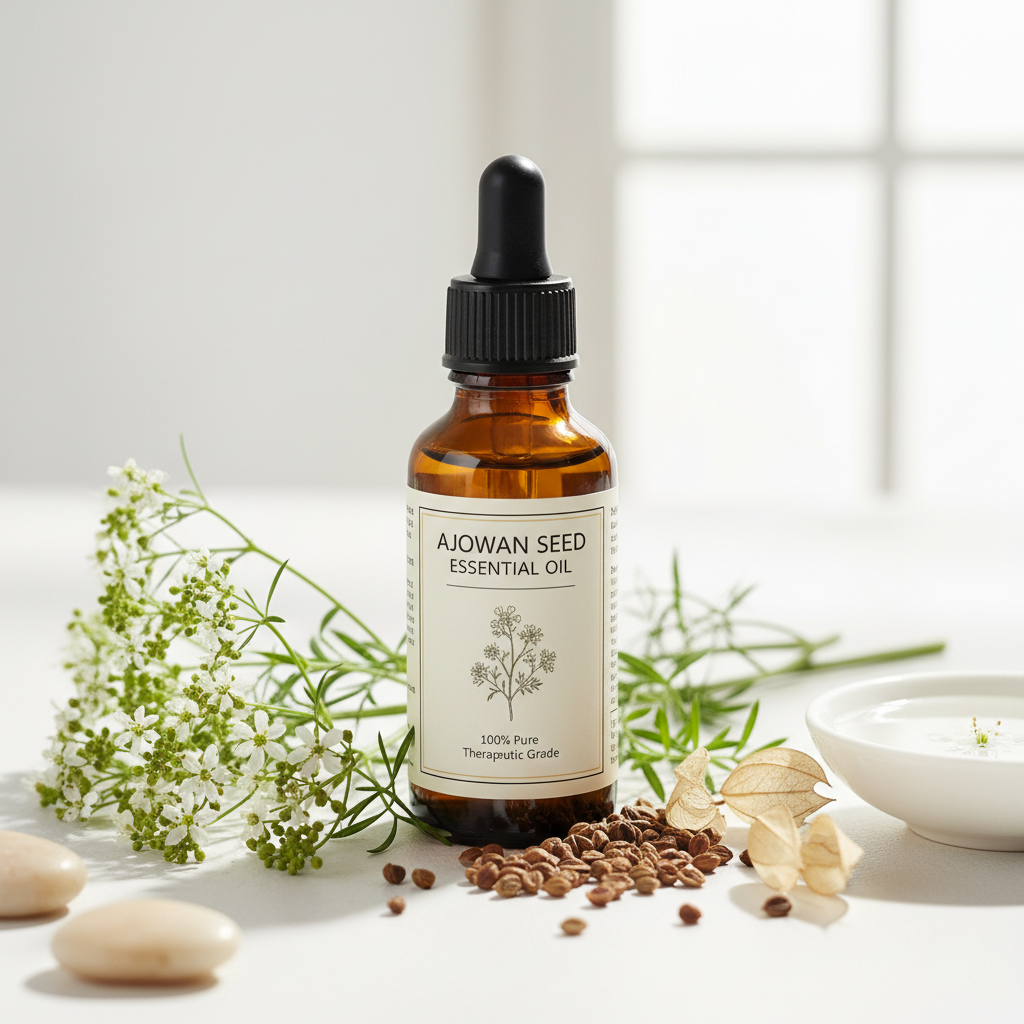
Ajowan Seed Essential Oil

Ajowan Seed Essential Oil

Trachyspermum ammi

**Ajowan Seed Essential Oil: Comprehensive Overview** Ajowan Seed Essential Oil, extracted from the seeds of the Ajowan plant (Trachyspermum ammi), is renowned for its distinct warm, herbaceous aroma, reminiscent of thyme and oregano. This essential oil, often referred to simply as ajowan oil, has deep roots in both culinary and medicinal traditions, making it a valuable component in aromatherapy and holistic health. **Origin and Extraction Method** The Ajowan plant is native to parts of India and the Middle East, thriving in warm, temperate climates. The seeds are typically harvested when fully matured, after which they undergo a steam distillation process to yield the essential oil. This method helps capture the volatile compounds within the seeds, ensuring a pure and potent oil that retains its therapeutic properties. **Botanical Information** Trachyspermum ammi is a member of the Apiaceae family, often categorized along with other herbs such as caraway and cumin. Its small, brown seeds are known for their high concentration of thymol, a powerful compound that contributes to both its aromatic profile and health benefits. Ajowan has been used historically not only as a spice but also for its medicinal qualities. **Therapeutic Properties and Benefits** Ajowan Seed Essential Oil offers a plethora of therapeutic benefits: - **Promotes Mental Clarity:** The stimulating properties of ajowan oil can help enhance concentration and focus. It is often used during meditation or study to clear mental fog. - **Reduces Stress and Anxiety:** The calming qualities of this oil promote emotional balance, making it an excellent choice for alleviating feelings of stress and tension. - **Supports Digestion:** Ajowan oil has a long history of traditional use as a digestive aid. It can help relieve bloating, gas, and other digestive discomforts. - **Boosts Immune System:** With its anti-inflammatory and antibacterial properties, ajowan oil can support overall immune health, helping the body fend off illnesses. - **Aids in Respiratory Health:** The oil's antiseptic qualities can provide relief from respiratory issues, helping to clear congestion and soothe coughs. **Historical and Traditional Uses** The use of Ajowan dates back thousands of years. In Ayurvedic medicine, it is highly valued for its ability to improve digestion and as a remedy for various ailments. Traditionally, ajowan seeds were utilized in cooking for flavor and preservation, but their health benefits were soon recognized, leading to the extraction of their essential oil for use in various alternative medicinal practices. **Scientific Facts and Research** Various studies have explored the health benefits of Ajowan Seed Essential Oil. Research highlights its potential as an antimicrobial agent, effective against multiple strains of bacteria. Other studies suggest its efficacy in promoting digestive health and managing stress levels. Ongoing research into the therapeutic uses of ajowan oil continues to uncover its valuable properties. **Aroma Profile and Characteristics** The aroma of Ajowan Seed Essential Oil is complex and rich, characterized by a warm, spicy, and slightly bitter scent. This captivating fragrance not only enhances any aromatherapy blend but also serves as a natural insect repellent, making it beneficial for pest control in the home. **Common Applications and Methods** Ajowan Seed Essential Oil can be utilized in various ways: - **Aromatherapy:** Use a diffuser to disperse the oil in your space, promoting relaxation and mental clarity. - **Topical Application:** Dilute ajowan oil with a carrier oil and apply to affected areas to relieve muscle soreness or digestive discomfort. - **Massage:** Incorporate ajowan oil into massage blends for rejuvenating effects on the body. - **Inhalation:** Direct inhalation of the oil can help relieve respiratory issues. **Interesting Facts and Trivia** - Ajowan is often referred to as "carom seeds" in many societies, reflecting its culinary importance. - This essential oil is sometimes used as a traditional remedy for both skin and hair care, helping to keep them healthy. - It is a popular ingredient in Indian cuisine, especially in pickle preparation, owing to its preservative properties. In conclusion, Ajowan Seed Essential Oil stands out not only for its distinct flavor profile but also for its extensive array of health benefits. Whether through aromatherapy, traditional medicine, or culinary applications, ajowan oil proves invaluable for enhancing wellness and nurturing the mind and body. Incorporating Ajowan Seed Essential Oil into your routine can offer both physical and emotional support.

aromatherapy
digestive support
mental clarity
Learn more
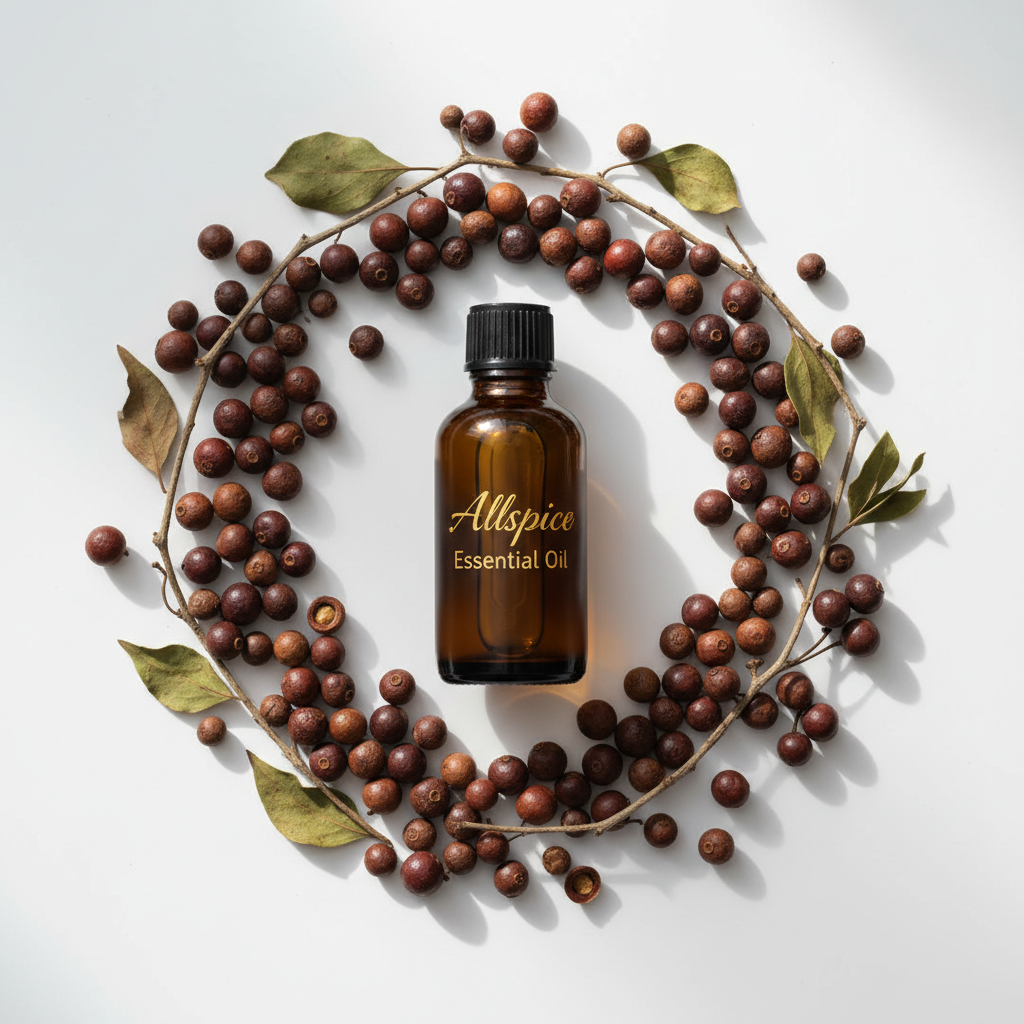
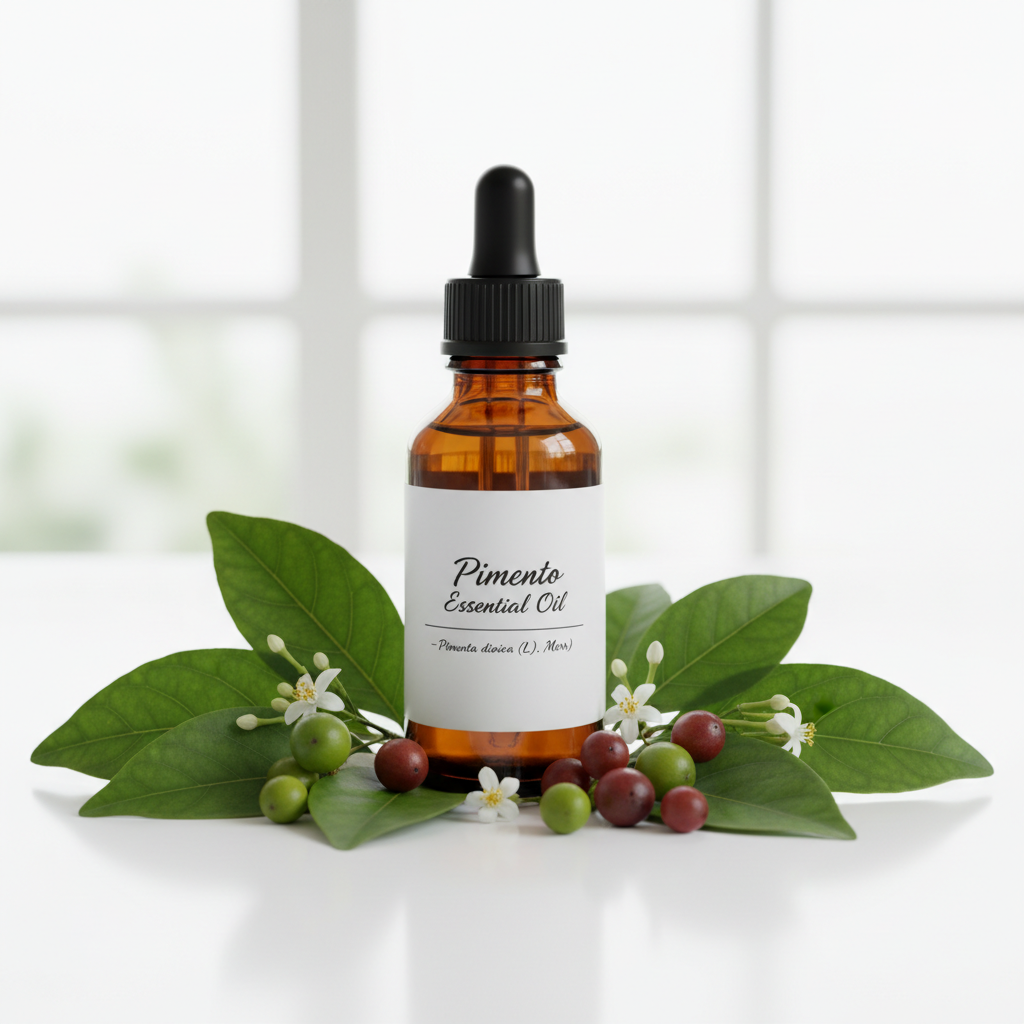
Allspice Essential Oil

Allspice Essential Oil

Pimenta dioica

Allspice essential oil, derived from the dried berries of the Pimenta dioica tree, offers a fascinating blend of therapeutic benefits and aromatic richness. This tropical evergreen tree thrives in the warm climates of the Caribbean and Central America, providing a unique essential oil that has captured the interest of aromatherapists and culinary enthusiasts alike. Its name reflects a remarkable aroma combining the scents of cinnamon, nutmeg, and cloves, making it a versatile ingredient both in the kitchen and in wellness routines. **Extraction Method** The extraction process utilizes steam distillation, where steam is introduced to the dried allspice berries, releasing the volatile compounds that contribute to its distinct scent and health benefits. This method maintains high purity and preserves the oil's natural properties, ensuring that users can maximize its efficacy in various applications. **Botanical Characteristics** Pimenta dioica, belonging to the Myrtaceae family, can grow up to 30 feet tall, featuring glossy, dark green leaves and small round berries that darken as they ripen. It thrives in rich, well-drained soils found in subtropical regions and is noted for its aromatic potential. **Therapeutic Properties** The therapeutic properties of allspice essential oil are extensive. It is particularly well-known for its ability to alleviate stress and enhance mood, making it perfect for emotional balance in a hectic world. The warm scent has a soothing quality, ideal for creating a peaceful atmosphere for relaxation and meditation. Furthermore, its anti-inflammatory properties can help relieve skin irritations, making it a valuable addition to personal care products. Research indicates that allspice essential oil may also promote digestive health by relieving discomfort and enhancing digestion. Additionally, this essential oil is recognized for improving mental focus and clarity, assisting those engaged in complex tasks. Topically, it can stimulate blood circulation, providing warmth and relief for sore muscles when diluted with a carrier oil. **Historical and Traditional Uses** Throughout history, allspice has been integral to Caribbean and Central American cultures. Indigenous peoples utilized it for both culinary and medicinal purposes, acknowledging the health benefits it offered. Over time, its use has expanded globally, inspiring a variety of culinary dishes and traditional medicines. **Scientific Research and Facts** Recent studies have validated the antimicrobial properties of allspice essential oil, highlighting its effectiveness as a natural preservative in food and personal care products. The antioxidant effects derived from its unique compounds further promote health and well-being, making it a subject of interest for further scientific investigation. **Aroma Profile** The aroma profile of allspice essential oil is a rich fusion of sweet, warm, and spicy notes. This complexity allows it to blend seamlessly in diffuser recipes with other essential oils, such as citrus, floral, or woodsy aromas, creating a robust and welcoming environment. **Common Applications** Allspice essential oil can be incorporated into various applications, including: - **Aromatherapy**: Used in diffusers or for inhalation to alleviate stress and uplift mood. - **Massage**: When combined with a carrier oil, it alleviates muscle soreness and engenders relaxation. - **Cosmetics**: Adding it to creams and lotions helps soothe irritated skin and enhances complexion. - **Culinary Infusion**: Though not ingested directly, the aroma can inspire spice blends and culinary creativity. - **Home Care**: Its antibacterial properties make it a great addition to natural cleaning products, providing both aroma and efficacy. **Interesting Facts and Trivia** - Allspice essential oil is often referred to as "pimento" and is also associated with promoting warmth and comfort. - It possesses properties that can help alleviate anxiety and enhance emotional balance. - It may support respiratory health, aiding ease of breathing. This unique essential oil serves numerous uses and offers a wonderful aromatic experience, making it an excellent addition to any wellness regimen.

stress
mood
digestion
Learn more
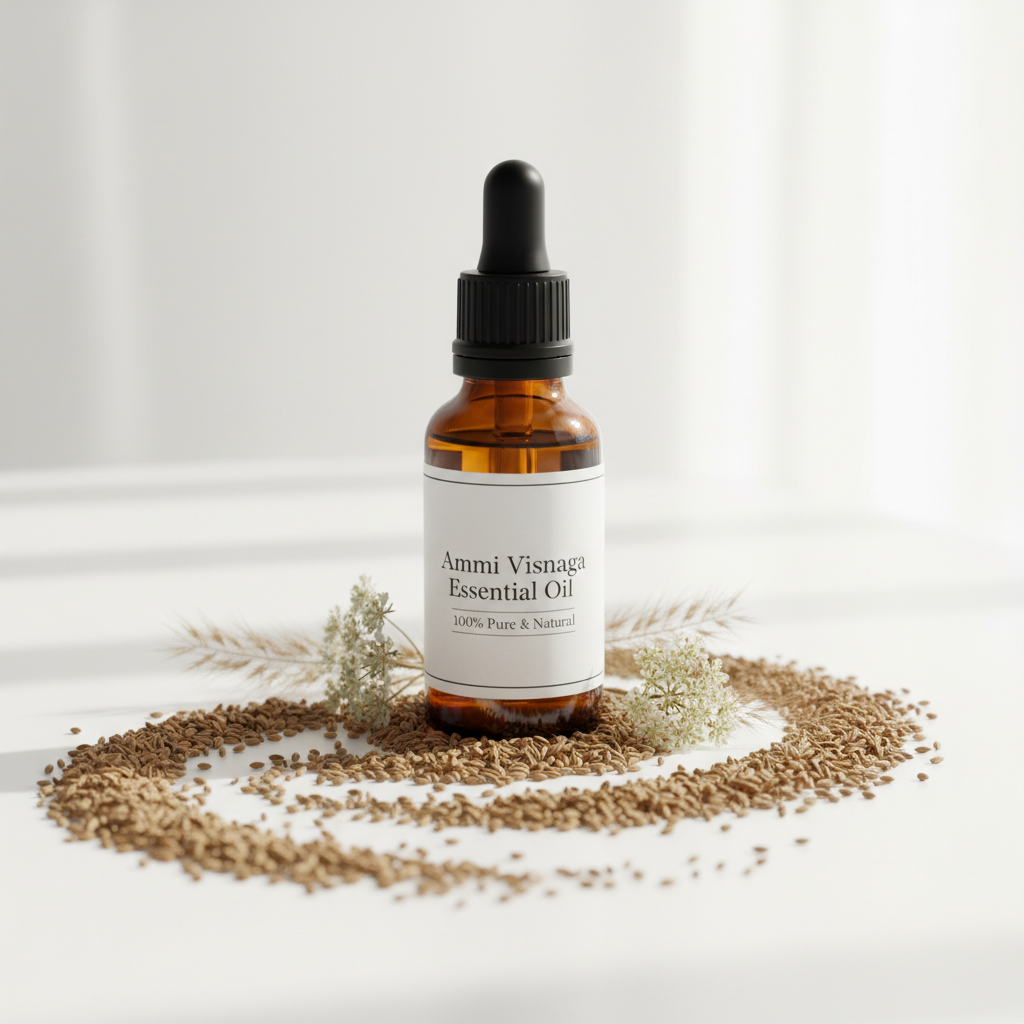
Ammi Visnaga Essential Oil

Ammi Visnaga Essential Oil

Ammi visnaga

### Ammi Visnaga Essential Oil: Comprehensive Guide to Benefits, Uses, and Properties Ammi Visnaga Essential Oil is a treasured natural product extracted from the seeds of the Ammi visnaga plant, commonly known as the toothpick plant or folk's carrot. This unique and aromatic essential oil has been celebrated for its extensive range of benefits and applications, particularly in the realm of natural health and aromatherapy. Originating from the Mediterranean region, primarily North Africa and parts of Southern Europe, this essential oil has a rich history steeped in traditional usage and therapeutic practices. #### Origin and Extraction Method The extraction of Ammi Visnaga Essential Oil is performed via steam distillation, a gentle method that effectively preserves the therapeutic compounds and aromatic qualities of the oil. This technique ensures the retention of the oil’s full profile, which is essential for both aromatherapy applications and natural health solutions. The seeds, which are the primary source of the oil, are carefully harvested to maintain their potency, making Ammi Visnaga Essential Oil a prized addition to any wellness toolkit. #### Botanical Information Ammi visnaga belongs to the Apiaceae family, which includes other renowned plants like carrots, parsley, and dill. The herb grows approximately three feet tall and displays finely dissected, feathery leaves with clusters of small white flowers. The seeds of this plant contain the essential oils that are extracted and concentrated during the distillation process, resulting in the distinct Ammi Visnaga Essential Oil. Its botanical characteristics reflect its adaptability and resilience, flourishing in a variety of soil types common in Mediterranean climates. #### Therapeutic Properties and Benefits Ammi Visnaga Essential Oil is known for its various therapeutic benefits, including: - **Relaxation and Stress Relief:** The warm, herbal aroma of this oil has calming properties that help alleviate tension and promote tranquility, making it an excellent choice for stress reduction. - **Skin Soothing:** This oil is particularly effective for addressing irritated or inflamed skin. Its anti-inflammatory properties can help soothe skin conditions, making it useful in skincare formulations. - **Respiratory Support:** The inhalation of Ammi Visnaga Essential Oil vapors can assist individuals facing respiratory difficulties, promoting unimpeded breathing. - **Digestive Aid:** Diffusing or applying the oil topically can support digestive health, easing discomfort related to indigestion or bloating. #### Historical and Traditional Uses For centuries, Ammi visnaga has held a significant place in traditional medicine, where it has been employed to support digestive health and alleviate respiratory ailments. Ancient healers relied on its healing qualities, utilizing it in various herbal formulations to promote overall well-being. The plant's historical roots in herbal folklore emphasize its esteemed status in various cultures as a natural healer, revered for its therapeutic attributes. #### Scientific Facts and Research Scientific research surrounding Ammi Visnaga Essential Oil has begun to uncover its potential health benefits. Studies have identified active compounds within the oil that exhibit antimicrobial and anti-inflammatory properties, sparking interest from both traditional herbalists and modern researchers. Ongoing studies aim to further explore its health implications and establish robust health claims associated with its use, including its possible roles in enhancing emotional well-being and mental clarity. #### Aroma Profile and Characteristics Ammi Visnaga Essential Oil features a captivating aroma profile characterized by its warm, herbal essence, complemented by subtle notes reminiscent of anise and coriander. This distinctive fragrance not only promotes calming atmospheres in meditation and relaxation practices but also infuses spaces with an uplifting, soothing scent. Its aromatic versatility allows it to be blended effectively with other essential oils for enhanced therapeutic effects. #### Common Applications and Methods Integrating Ammi Visnaga Essential Oil into daily routines can be achieved in numerous ways: - **Diffusion:** Adding the oil to a diffuser releases its calming aroma into the air, creating a serene and relaxing environment, particularly during stressful situations. - **Topical Use:** When diluted in a suitable carrier oil, it can be applied directly to the skin to enhance its calming and soothing properties, making it beneficial for redness or irritation. - **Massage:** Incorporating Ammi Visnaga Essential Oil into massage oils can assist in relieving muscle tension and enhancing relaxation, providing a holistic approach to self-care. #### Interesting Facts and Trivia - Besides its aromatic properties, Ammi Visnaga has historical significance and cultural relevance across various traditions, often used in folk medicine. - Research indicates that the oil may help improve mood and decrease feelings of anxiety, making it valuable in emotional wellness therapies. - The antimicrobial properties of Ammi Visnaga Essential Oil are being explored for potential applications in natural cleaning products, offering a user-friendly way to harness its benefits in everyday life. In summary, Ammi Visnaga Essential Oil is an exceptional essential oil celebrated for its extensive therapeutic properties, historical significance, and aromatic qualities. Whether utilized in aromatherapy, skincare routines, or traditional remedies, its multifaceted applications position it as an invaluable component of holistic health practices. Beyond promoting relaxation and stress relief, Ammi Visnaga Essential Oil enhances emotional balance, supports respiratory and digestive health, and contributes positively to overall wellness. This oil not only aids in easing tension but also supports mental clarity and focus, making it a must-have for anyone pursuing natural health.

stress
relaxation
skin care
Learn more
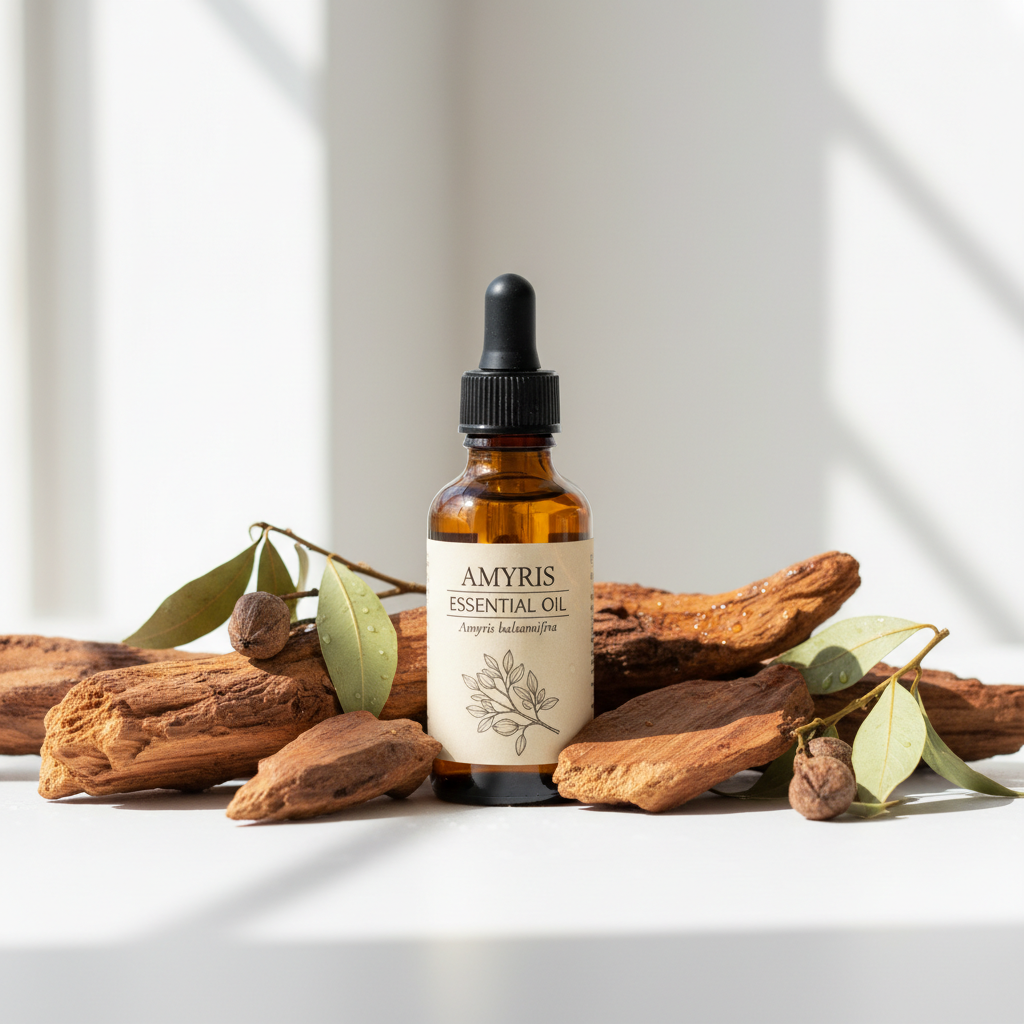
Amyris Essential Oil

Amyris Essential Oil

Amyris balsamifera

### Introduction to Amyris Essential Oil Amyris Essential Oil, commonly known as "West Indian Sandalwood," is extracted from the wood of the **Amyris balsamifera** tree. This beautiful tree is predominantly found in the Caribbean and parts of Central America. Renowned for its warm, woody aroma with subtle sweet undertones, Amyris Essential Oil presents a natural alternative to the traditional sandalwood oils, which have become increasingly rare due to over-harvesting. ### Origin and Extraction Method Amyris balsamifera thrives in tropical climates, flourishing in well-drained soil. The extraction method for Amyris Essential Oil typically involves **steam distillation** of the wood. This method not only preserves the oil's aromatic compounds but also ensures a pure and concentrated product that reflects the unique essence of this remarkable tree. The sustainable nature of the Amyris tree allows for continued harvesting without depleting its populations, making it an eco-friendly choice among essential oils. ### Botanical Information - **Scientific Name**: Amyris balsamifera - **Family**: Rutaceae (Rue Family) - **Plant Part Used**: Wood - **Extraction Method**: Steam distillation ### Therapeutic Properties and Benefits Amyris Essential Oil is celebrated for its numerous therapeutic benefits. It is particularly valued in aromatherapy for its calming and grounding effects: - **Promotes Relaxation**: Its soothing aroma helps alleviate feelings of stress and anxiety, promoting a sense of tranquility. - **Enhances Sleep**: Diffusing Amyris oil before bed may foster restful sleep and ease nighttime anxieties. - **Supports Emotional Balance**: This oil is known for its ability to stabilize emotions, particularly in stressful situations. - **Relieves Muscle Tension**: When used in massages, it may ease muscle discomfort and tension, aiding in stress relief. - **Moisturizing and Soothing for Skin**: Its emollient properties make it suitable for various skincare applications, helping to relieve dryness and enhance the skin's appearance. - **Respiratory Support**: Inhaling its vapors can assist with respiratory comfort and can be beneficial during colds or allergies. - **Natural Insect Repellent**: The rich aroma can help deter insects, making it a natural alternative to chemical repellents. ### Historical and Traditional Uses Historically, essential oils have been integral to various cultures for medicinal and spiritual practices. Indigenous peoples of the Caribbean utilized Amyris wood for various purposes, including ceremonial rituals. Its calming properties were recognized long ago, establishing its use in both traditional medicines and aromatic practices. ### Scientific Facts and Research Recent studies have explored the potential of Amyris Essential Oil in providing therapeutic benefits. Research indicates that the oil possesses anti-inflammatory and antimicrobial properties, making it a candidate for further exploration in natural health products and complementary therapies. The oil’s sedative effects have been documented, confirming its traditional use for inducing relaxation and improving sleep quality. ### Aroma Profile and Characteristics Amyris Essential Oil's fragrance profile is characterized by a deep, rich, and woody scent with nuanced hints of sweetness reminiscent of sandalwood. Upon diffusion, it brings a sense of warmth and grounding, ideal for creating calm environments. Its soothing aroma is often described as having a soft and creamy quality, making it harmonize beautifully with other essential oils such as cedarwood, lavender, and bergamot. ### Common Applications and Methods Amyris Essential Oil can be utilized in various ways: - **Aromatherapy**: Use in diffusers or inhalers to enjoy its calming effects. - **Massage**: Add to carrier oils and use for a relaxing massage. - **Skin Care**: Incorporate into creams and lotions for its moisturizing properties. - **Household Products**: Include in homemade cleaning solutions or room sprays to enhance ambiance with its pleasant aroma. ### Interesting Facts and Trivia - **Sustainability**: Unlike traditional sandalwood, the Amyris tree is abundant and harvested sustainably, making it a more environmentally friendly choice. - **Versatile Use**: Amyris Essential Oil is frequently used in the perfume industry for its fixative properties, enhancing the longevity of fragrances. - **Global Recognition**: As awareness of the benefits of essential oils grows, Amyris oil is becoming increasingly popular among holistic health practitioners and wellness enthusiasts. ### Conclusion Amyris Essential Oil is a versatile and valuable oil with a rich history and numerous applications. Whether you are looking to experience its calming effects, incorporate it into your skincare routine, or simply enjoy its beautiful aroma, Amyris Essential Oil is sure to be a wonderful addition to your collection.

relaxation
stress
sleep
Learn more
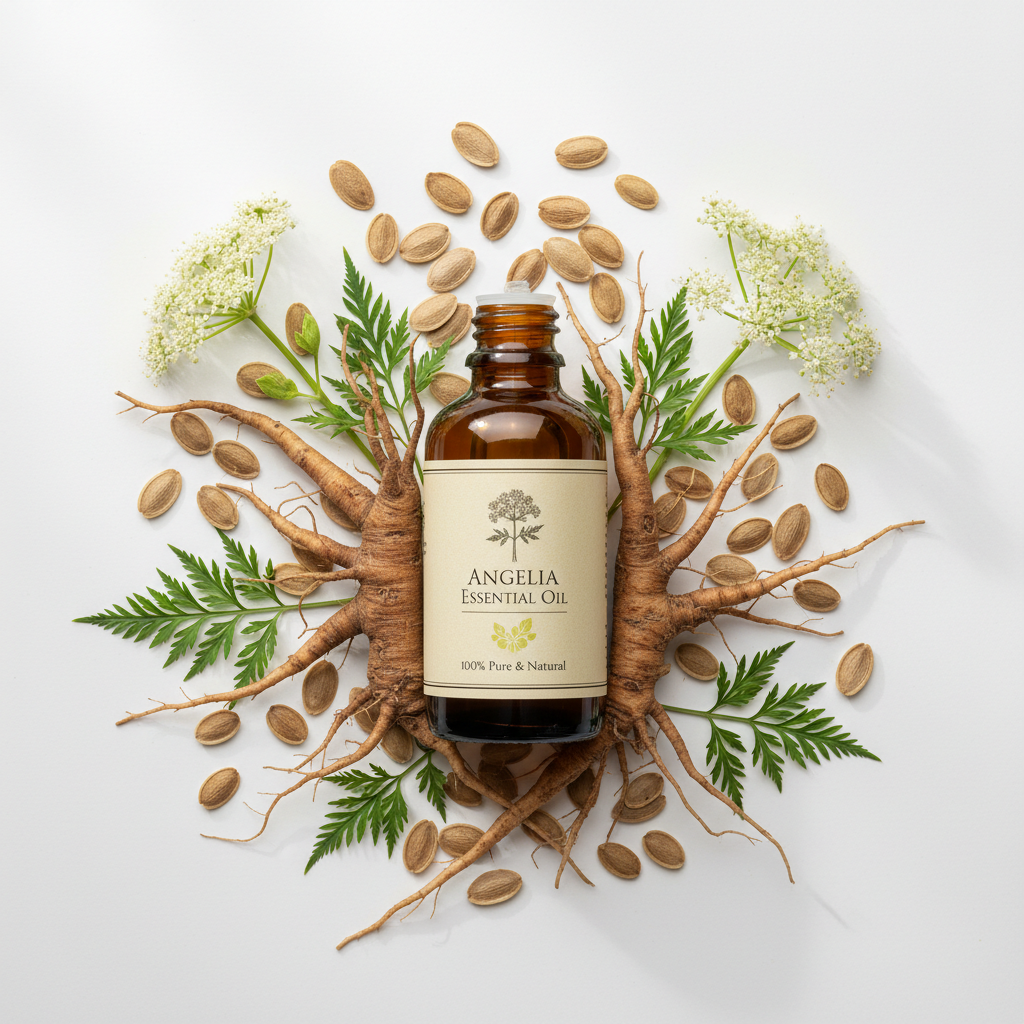
Angelica Essential Oil

Angelica Essential Oil

Angelica archangelica

**Introduction to Angelica Essential Oil** Angelica Essential Oil, extracted from the roots and seeds of the Angelica archangelica plant, is a remarkable oil known for its diverse therapeutic properties. This cherished herb belongs to the Apiaceae family and has historical ties to European herbal medicine, where it has been valued for centuries not just for culinary applications but also for its potent medicinal benefits. **Origin and Extraction Method** The essential oil is obtained through steam distillation, which is crucial for preserving its full therapeutic properties and intricate aroma. The process begins with harvesting the roots and seeds, ensuring that the oil maintains its vibrant qualities. The resulting oil exhibits a rich earthy scent with sweet and herbaceous undertones, making it a popular choice for aromatherapy and natural health products. **Botanical Information** The Angelica archangelica plant is a robust perennial herb that can reach heights of up to 2 meters. It features large, lobed leaves and produces clusters of small white flowers in umbrella-like formations during late summer, typically from July to September. Flourishing in moist, rich soils, Angelica commonly grows in shaded meadows across Europe, creating an ideal backdrop for its growth. **Therapeutic Properties and Benefits** Angelica Essential Oil is renowned for its extensive range of therapeutic properties: - **Emotional Well-Being:** The oil is believed to enhance emotional stability, reduce anxiety, and foster relaxation, making it an excellent companion for meditation and stress relief. - **Respiratory Support:** Its natural compounds may help to alleviate respiratory discomfort, promoting easier breathing. - **Digestive Aid:** Traditionally, Angelica has been credited with aiding digestion and supporting detoxification processes. - **Circulation Improvement:** Angelica Essential Oil is thought to stimulate blood circulation, enhancing overall vitality and health. Scientific research has identified various components in Angelica Essential Oil, such as terpenes and phenolic compounds, which may contribute to its mood-lifting properties and adaptogenic qualities that help the body better manage stress. **Historical and Traditional Uses** Throughout the ages, Angelica has played an essential role in herbal medicine across many cultures. It was often used as a remedy for digestive problems and was believed to carry protective qualities against negative energies and illnesses. In culinary applications, Angelica's roots have been infused into spirits and liquors, notably gin, showcasing its versatility beyond health. **Scientific Facts and Research** Recent studies have examined the antibacterial and anti-inflammatory properties of Angelica Essential Oil. Some research indicates its potential as a natural adaptogen, suggesting that compounds within the oil may help lower stress and bolster mental resilience. Further exploration into its health benefits continues to reveal new exciting potentials in holistic health practices. **Aroma Profile and Characteristics** The aroma of Angelica Essential Oil is uniquely warm, woody, and subtly sweet, imparting a grounding quality that is especially valued in therapeutic environments. It stirs creativity and provides tranquility for individuals engaged in meditation or relaxation techniques, making it a prized component within essential oil blends. **Common Applications and Methods** The versatility of Angelica Essential Oil allows for various applications: - **Aromatherapy:** Often used in diffusion to uplift mood and purify environments, it pairs well with oils like lavender and bergamot to amplify its calming effects. - **Topical Use:** Diluted with a carrier oil, it can be applied to the skin to relieve muscle tension and soothe skin conditions. - **Massage Therapy:** Combined with carrier oils for massage therapy, it aids in alleviating physical discomfort and promoting overall relaxation. **Interesting Facts and Trivia** 1. **Culinary Applications:** Angelica is used in Scandinavian cuisine, often being candied and included in desserts, showcasing its culinary versatility. 2. **Folklore Beliefs:** In medieval Europe, it served as a protective herb, thought to ward off disease and serve against malevolent forces. 3. **Nature's Adaptogen:** Classified as an adaptogen, Angelica promotes balance within the body, assisting it in adapting to stressors. **Conclusion** In summary, Angelica Essential Oil is more than just a fragrant botanical; it is a multifaceted tool for enhancing emotional and physical well-being. Its ability to promote relaxation, support digestion, and serve as an inspiration for creativity makes it an invaluable addition to any essential oil collection. Whether you seek stress relief, are looking to enrich your aromatherapy practice, or simply want to enjoy its beautiful scent, Angelica Essential Oil offers a plethora of benefits that cater to diverse needs.

stress
relaxation
skin
Learn more
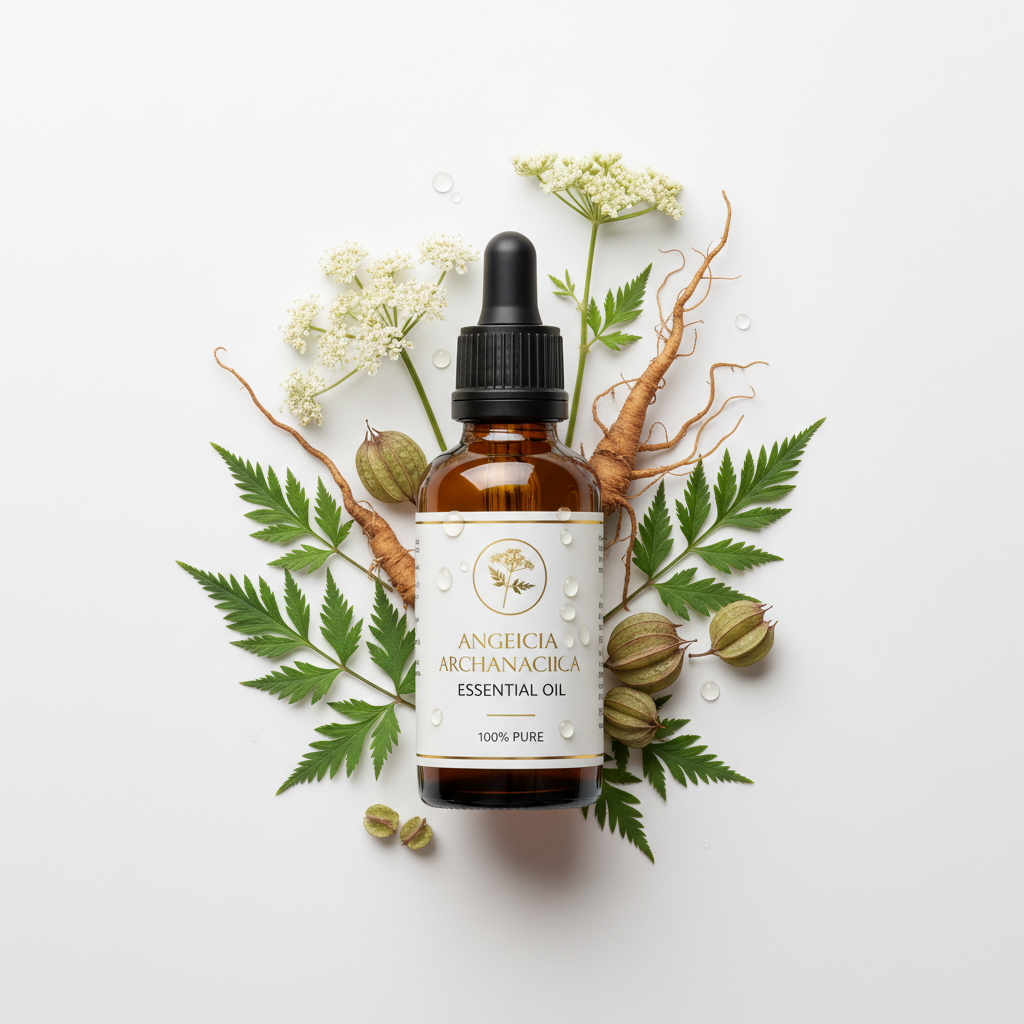
Angelica Root Essential Oil

Angelica Root Essential Oil

Angelica archangelica

### Introduction to Angelica Root Essential Oil Angelica Root Essential Oil is an aromatic oil obtained from the roots of the **Angelica archangelica** plant, often referred to as the 'Holy Ghost' plant due to its extensive historical usage in religious and medicinal practices. Originating from Europe, particularly Scandinavia, this plant thrives in moist, shady environments, contributing to the rich tapestry of traditional herbal medicine. The extraction of Angelica root oil typically involves **steam distillation**, a method that preserves its unique chemical constituents, making it highly sought after in aromatherapy and holistic healing. ### Botanical Information Botanically classified in the **Apiaceae** family (which includes carrots and parsley), Angelica archangelica can grow up to 2 meters tall, featuring broad, toothed leaves and blossoms that produce clusters of small, white flowers. The roots are the primary source of essential oil, famous for their complex chemical profile rich in **alpha-pinene, beta-pinene, and monoterpenes** which impart therapeutic properties. ### Therapeutic Properties and Benefits Angelica Root Essential Oil is renowned for its multitude of benefits, particularly its **anti-inflammatory, antimicrobial, and anti-anxiety** properties. Comprehensively, it: - **Supports Emotional Balance**: Its calming effects can help alleviate feelings of **stress and anxiety**, making it a favored choice for those seeking mental clarity and emotional stability. It encourages a sense of grounding, fostering compassion in interpersonal relationships. - **Aids Digestion**: Commonly used to soothe digestive discomforts, this oil can promote healthy digestion when used in massages or diffused. - **Enhances Respiratory Health**: The oil assists in relieving congestion and respiratory issues, making it helpful during the colder seasons. - **Boosts Circulation**: Enhancing blood circulation, it can support cardiovascular health, which is vital for overall well-being. - **Supports Women's Health**: When used topically or in massage, Angelica oil can provide relief from menstrual discomfort, showcasing its versatility. ### Historical and Traditional Uses Historically, Angelica Root has been revered in various cultures. In traditional Chinese medicine, it has been used as a remedy for respiratory ailments, while in European herbal practices, it was utilized for its warming properties as a digestive tonic and a means to increase vitality. ### Aroma Profile and Characteristics The essential oil boasts a distinctive aroma profile that can be described as **earthy, herbal, and slightly sweet**. It has a warm, inviting scent that’s often used in aromatherapy to create a serene and tranquil environment, making it an excellent addition to relaxation blends and meditation practices. ### Applications and Methods Angelica Root Essential Oil can be utilized in several ways: - **Diffusion**: Add a few drops to an essential oil diffuser to create a calming atmosphere. - **Topical Application**: Dilute with a carrier oil and apply to the skin for therapeutic effects. It's particularly beneficial for relieving tension and supporting circulation when massaged into sore areas. - **Bath**: Adding a few drops to a warm bath can enhance relaxation and soothe muscle tension. ### Interesting Facts and Trivia - The name "Angelica" derives from the Latin term for "angel", reflecting its historical association with **spirituality** and religious ceremonies. - Historically, Angelica was believed to ward off evil spirits and was used in protective amulets. - It has also found its place in culinary applications in certain cultures, often used to flavor spirits and liqueurs. ### Conclusion Angelica Root Essential Oil stands out not only for its delightful aroma but also for its remarkable range of therapeutic benefits. From promoting emotional well-being to aiding digestive issues and enhancing respiratory health, it offers a holistic approach to wellness. Embrace the soothing properties of **Angelica Root Essential Oil** and integrate it into your daily routine to experience its beneficial effects on the body, mind, and spirit.

stress
grounding
anxiety
Learn more
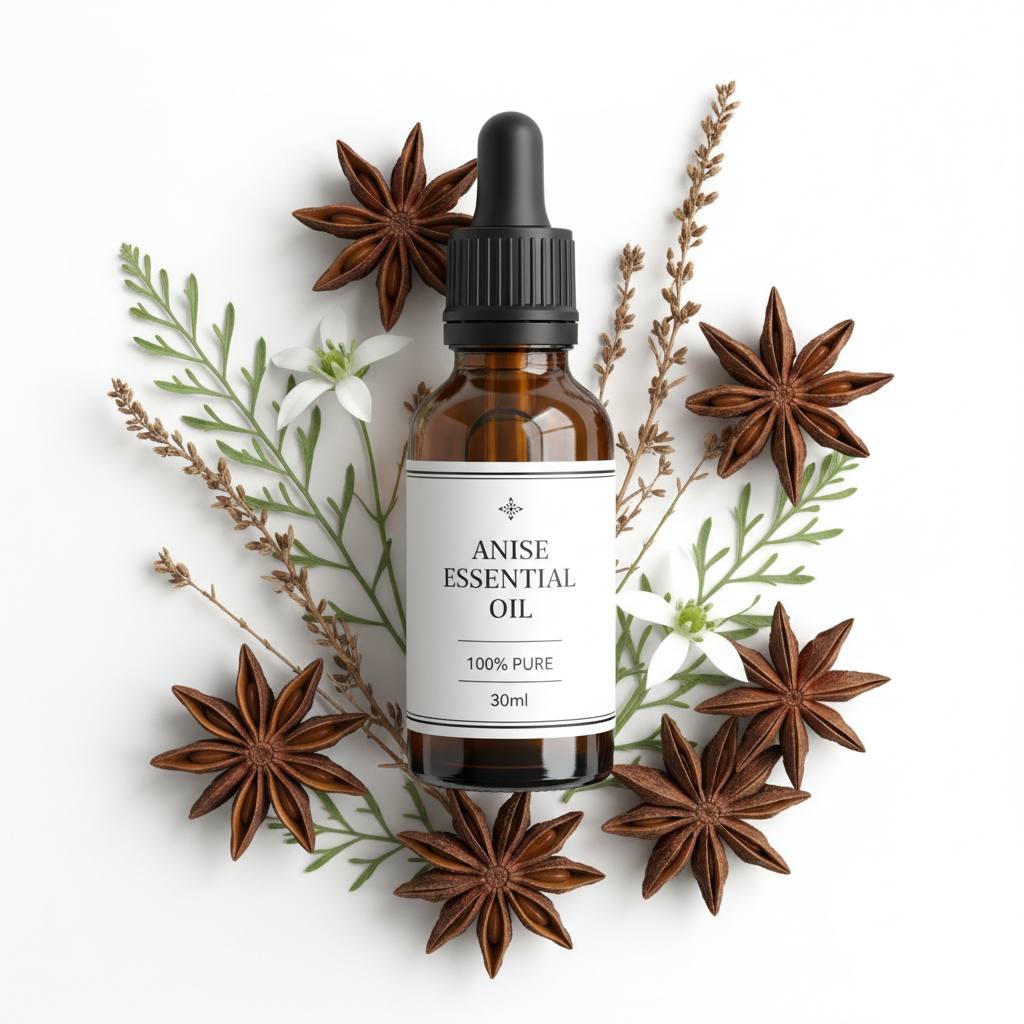
Anise Essential Oil

Anise Essential Oil

Pimpinella anisum

Anise Essential Oil is a captivating essential oil derived from the seeds of the Pimpinella anisum plant, which flourishes in the warm climates of the Mediterranean region. This remarkable oil is extracted through a meticulous process of steam distillation, capturing the essence of the seeds while preserving their potent properties. ### Botanical Information Pimpinella anisum, commonly known as anise, is a flowering plant in the Apiaceae family. It boasts delicate white flowers and feathery green leaves, resembling the popular dill herb. The seeds, which are small and brown, are the primary source of anise essential oil. Historically, anise seeds have been valued not only for their culinary uses but also for their medicinal properties. ### Therapeutic Properties and Benefits Anise essential oil is renowned for its therapeutic benefits, making it a favorite in aromatherapy and natural remedies. Here are some of its key benefits: 1. **Enhances Mood:** The sweet and spicy aroma of anise can uplift spirits, combating feelings of sadness and promoting a sense of well-being. 2. **Calming Effects:** Anise essential oil is known to reduce anxiety and stress levels, making it a useful addition to relaxation techniques and meditation practices. 3. **Mental Clarity:** Due to its stimulating properties, this oil can enhance focus and concentration, making it particularly beneficial during study or work sessions. 4. **Sleep Support:** Its mild sedative effects can help promote restful sleep and combat insomnia. 5. **Digestive Health:** Anise essential oil is well-known for its ability to relieve digestive discomfort, such as bloating, gas, and indigestion. 6. **Respiratory Relief:** It can aid in soothing coughs and easing bronchial congestion due to its expectorant properties. 7. **Anti-inflammatory Properties:** Anise oil has anti-inflammatory effects that can help relieve minor aches and pains, contributing to overall comfort. 8. **Supports Circulation:** Regular use may promote better blood circulation, beneficial for overall vitality. 9. **Menstrual Relief:** It can help alleviate symptoms associated with menstrual discomfort, making it a natural remedy for women. ### Historical and Traditional Uses The use of anise can be traced back to ancient civilizations, where it was prized not only for its aromatic qualities but also for its medicinal applications. Ancient Egyptians incorporated anise into their embalming processes, while the Greeks used it as a remedy for digestive problems and to freshen breath. Over the centuries, anise has been a staple in traditional medicine across various cultures, being used to treat coughs, digestive issues, and even as a sleeping aid. ### Scientific Facts and Research Recent studies have highlighted the numerous health benefits associated with anise essential oil. Research indicates that it possesses antimicrobial properties, which may make it effective in fighting infections and enhancing immunity. Additionally, the oil shows potential in alleviating symptoms of conditions like arthritis due to its anti-inflammatory capabilities. ### Aroma Profile and Characteristics Anise essential oil features a warm, sweet, and distinctly licorice-like aroma. This unique scent profile makes it a popular choice in both therapeutic applications and as a fragrant ingredient in perfumes and soaps. The oil's aroma can create a calming atmosphere, making it ideal for relaxation and meditation spaces. ### Common Applications Anise essential oil can be used in various ways: - **Aromatherapy:** Diffuse in essential oil diffusers or add a few drops to a bath for a soothing experience. - **Massage:** Dilute with a carrier oil for a calming massage blend, ideal for relieving stress and tension. - **Inhalation:** Inhale directly from the bottle or use in steam inhalation methods to promote respiratory health. - **Topical Use:** When diluted properly, it can be applied to areas of discomfort for pain relief or digestive support. ### Interesting Facts and Trivia - Anise is often confused with star anise, but they are from different plant families. Star anise is derived from the fruit of Illicium verum. - In culinary uses, anise seeds are often added to pastries and desserts for flavoring, especially in Mediterranean cuisines. - Anise has been used in traditional remedies across the world, including in Ayurvedic practices where it is considered a digestive aid. In summary, anise essential oil is not just a fragrant oil but a powerful ally in promoting health and well-being. Its versatility in applications, combined with its historical significance, makes it a must-have in any essential oil collection.

digestion
stress
focus
Learn more
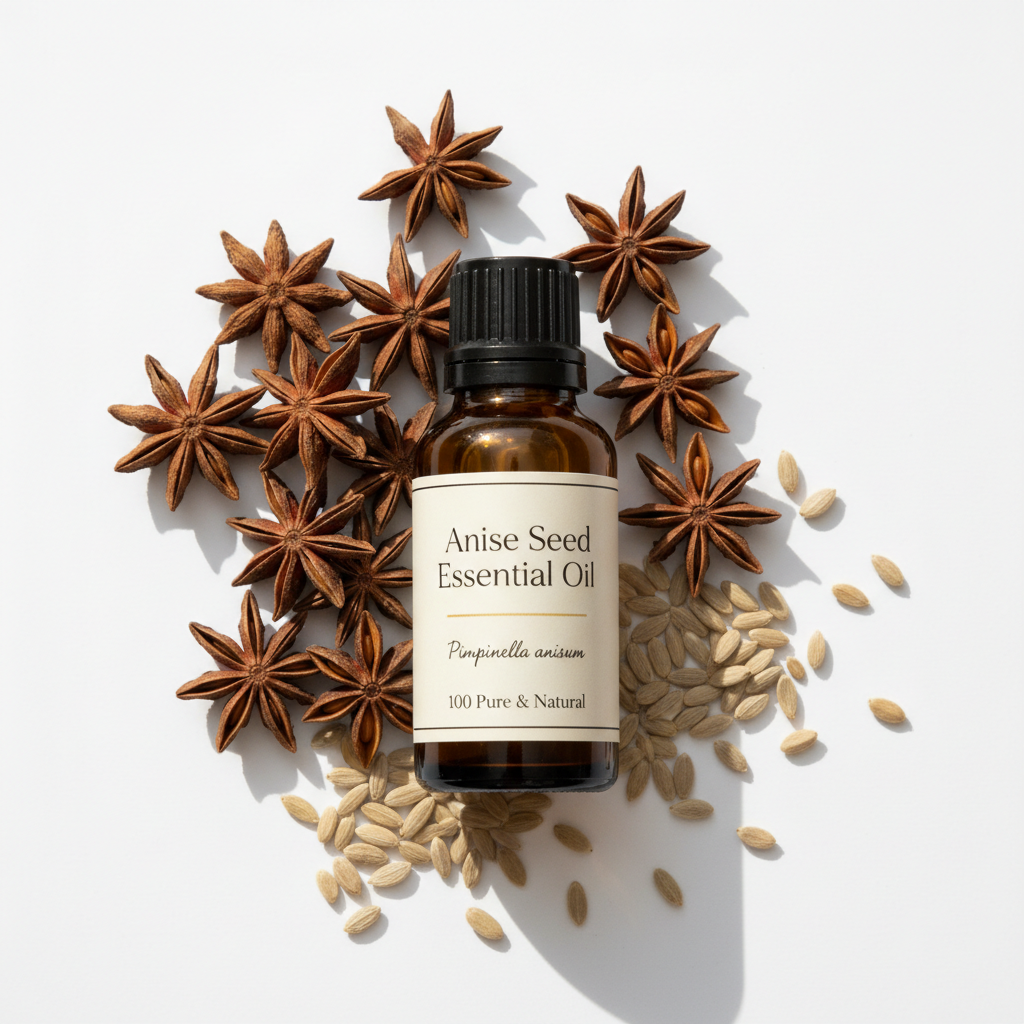
Anise Seed Essential Oil

Anise Seed Essential Oil

Pimpinella anisum

### Anise Seed Essential Oil: Overview and Benefits Anise Seed Essential Oil is extracted from the seeds of **Pimpinella anisum**, a plant native to the Eastern Mediterranean and Southwest Asia. Known for its exceptional culinary and medicinal properties, this essential oil has a rich history that dates back to ancient civilizations, where it was highly valued for its sweet, licorice-like flavor and therapeutic benefits. #### Origin and Extraction Method The oil is extracted through **steam distillation** of the dried seeds of the anise plant. This method preserves the delicate compounds that contribute to the oil's unique aroma and therapeutic properties. The resulting oil contains potent active compounds, such as anethole, which is responsible for its distinctive scent and many of its health benefits. #### Botanical Information - **Botanical Name:** Pimpinella anisum - **Family:** Apiaceae - **Common Names:** Anise, Sweet Cumin - **Plant Type:** Anise is an herbaceous annual plant that can grow up to 1 meter tall, with delicate feathery leaves and small white flowers that bloom in umbel clusters. #### Therapeutic Properties and Benefits Anise Seed Essential Oil is celebrated in aromatherapy for its wide range of therapeutic benefits, including: - **Calming and Relaxing:** The oil emits a soothing scent that promotes relaxation and calmness, making it ideal for use in stress-relief applications, especially during meditation or yoga. - **Mood Lifter:** Its sweet fragrance has uplifting properties that enhance overall mood and emotional wellbeing. Many users report feeling happier and more energized when diffusing this oil. - **Stress Relief:** Anise Seed Essential Oil is effective in reducing tension and anxiety, making it a great companion during stressful times. - **Mental Clarity:** The oil can enhance focus and concentration, making it beneficial for those needing to improve productivity during work or study sessions. - **Eases Discomfort:** Anise essential oil may provide relief from respiratory symptoms such as coughs and colds, thanks to its soothing properties. - **Supports Digestive Health:** It has been used traditionally to alleviate stomach discomfort, gas, and bloating, making it a great natural remedy after heavy meals. - **Menstrual Relief:** Its spasmolytic properties may help relieve menstrual cramps and discomfort, providing a natural alternative for women seeking relief. - **Warming Sensation:** When applied topically, it creates a warming sensation that can be soothing during colder weather or when experiencing muscle tension. #### Historical and Traditional Uses Throughout history, anise has been used for its flavoring and therapeutic properties in various cultures. Ancient Egyptians utilized it in their cooking and medicine, while in Roman times, it was often baked into bread to aid digestion during meals. Traditional herbalists recommend anise tea for promoting sleep and as a digestive aid, further cementing its long-standing reputation in natural remedies. #### Aroma Profile and Characteristics The aroma of Anise Seed Essential Oil is sweet, spicy, and reminiscent of licorice. Its rich scent makes it a popular choice for use in perfumery and candle-making, as it elicits feelings of warmth and comfort. The oil blends well with other essential oils such as fennel, cardamom, and citrus oils, and can enhance a variety of formulations. #### Common Applications and Methods Anise Seed Essential Oil can be used in several ways: - **Aromatherapy Diffusion:** Add a few drops to a diffuser to enjoy its uplifting aroma and therapeutic properties. - **Topical Use:** Dilute the oil with a carrier oil (like coconut or jojoba oil) before applying to the skin to relieve pain or discomfort. - **Baths:** Add to bath water for a soothing experience that promotes relaxation. - **Massage:** Incorporate it into massage oils for a calming impact on sore muscles. #### Interesting Facts and Trivia - Anise is often mistaken for star anise, but they are different plants with distinctive flavors and uses. - Anise seeds have been used in traditional medicine in many cultures, believed to possess various healing abilities. - The oil is a main ingredient in several global cuisines, particularly in Indian and Middle Eastern cooking, where it enhances dishes with its unique flavor. In conclusion, Anise Seed Essential Oil is a versatile and beneficial oil that offers a wealth of therapeutic properties, historical significance, and delightful aroma. Whether used in aromatherapy, cooking, or natural medicine, it continues to hold a special place in wellness practices around the world.

stress
digestion
mood
Learn more
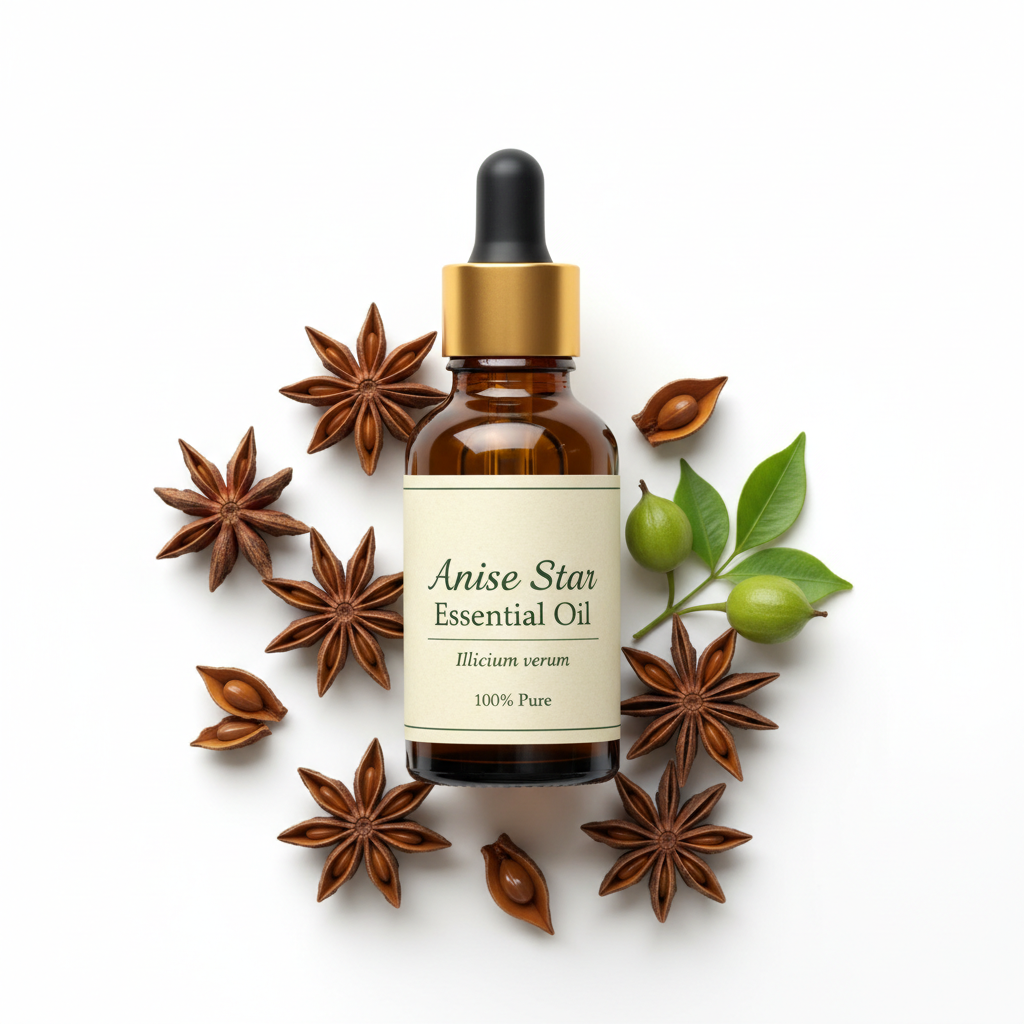
Anise Star Essential Oil

Anise Star Essential Oil

Illicium verum

### Anise Star Essential Oil: A Comprehensive Guide **Introduction** Anise Star Essential Oil, extracted from the fruit of the **Illicium verum** tree, is a versatile and cherished oil known for its unique fragrance and therapeutic benefits. This oil has been utilized in traditional medicine for centuries and continues to be revered for its calming, digestive, and overall wellness properties. **Origin and Extraction Method** Anise Star Essential Oil is derived primarily from the star-shaped fruits of the Illicium verum tree, which is native to northeast Asia, particularly China and Japan. The oil is extracted through a **steam distillation** process that captures its aromatic properties while retaining the health benefits associated with its chemical compounds. This method ensures the purity and potency of the essential oil, making it suitable for therapeutic use. **Botanical Information** Illicium verum is a plant in the magnolia family, known for its aromatic fruits. The plant typically grows in tropical and subtropical climates and can reach heights of up to 6 meters. Its star-shaped seed pods, each containing several seeds, have a distinct anise-like flavor, which is why they are widely used in culinary applications. **Therapeutic Properties and Benefits** Anise Star Essential Oil is renowned for a range of therapeutic properties: - **Digestive Health**: It is a powerful carminative, alleviating gas, bloating, and promoting overall digestive comfort. - **Calming Effects**: Known for its ability to promote relaxation, it can help reduce anxiety and tension, making it ideal for emotional balance. - **Cognitive Support**: The oil enhances focus and clarity of thought, making it beneficial for those seeking concentration during challenging tasks. - **Respiratory Support**: Its expectorant properties help clear congestion, making breathing easier, which can be particularly useful during cold seasons. - **Menstrual Comfort**: When diluted and massaged onto the abdomen, it may relieve menstrual cramps and discomfort. **Historical and Traditional Uses** Historically, Anise Star Essential Oil has played a crucial role in various traditional medicinal practices. In **Chinese medicine**, it has been used to aid digestion and soothe the stomach. In culinary traditions, it has been employed as a flavoring agent in various dishes, showcasing its versatility not only as an essential oil but also in enhancing food experience. **Scientific Facts and Research** Research has shown that components such as **anethole** in Anise Star Essential Oil are responsible for many of its health benefits. Studies indicate that anethole possesses significant anti-inflammatory and antibacterial properties, further supporting its use in therapeutic practices. **Aroma Profile and Characteristics** The aroma of Anise Star Essential Oil is warm, sweet, and spicy, with a strong resemblance to licorice. This unique scent profile makes it a favorite in aromatherapy and cosmetics, providing a comforting and soothing atmosphere when diffused. **Common Applications and Methods** - **Aromatherapy**: Add a few drops to a diffuser to fill your space with its calming scent. - **Massage**: Dilute with a carrier oil and use in massage for relaxation and pain relief. - **Topical Use**: May be applied to minor aches or digestive discomfort when properly diluted. - **Bath**: Incorporating it into a warm bath can enhance relaxation and provide comfort. **Interesting Facts and Trivia** - Anise Star is often confused with other types of anise, but they are botanically different. - The oil’s popularity spans across cultures, being used in various cuisines and traditional remedies around the world. - In addition to its culinary applications, Anise Star Essential Oil is a staple in natural perfumery due to its sweet, distinctive scent. **Conclusion** Anise Star Essential Oil offers a plethora of wellness benefits, making it a valuable addition to your essential oil collection. Whether you’re looking to enhance your emotional balance, support your digestive health, or simply enjoy its delightful aroma, Anise Star Essential Oil proves to be an excellent choice for health and well-being.

stress
sleep
digestion
Learn more
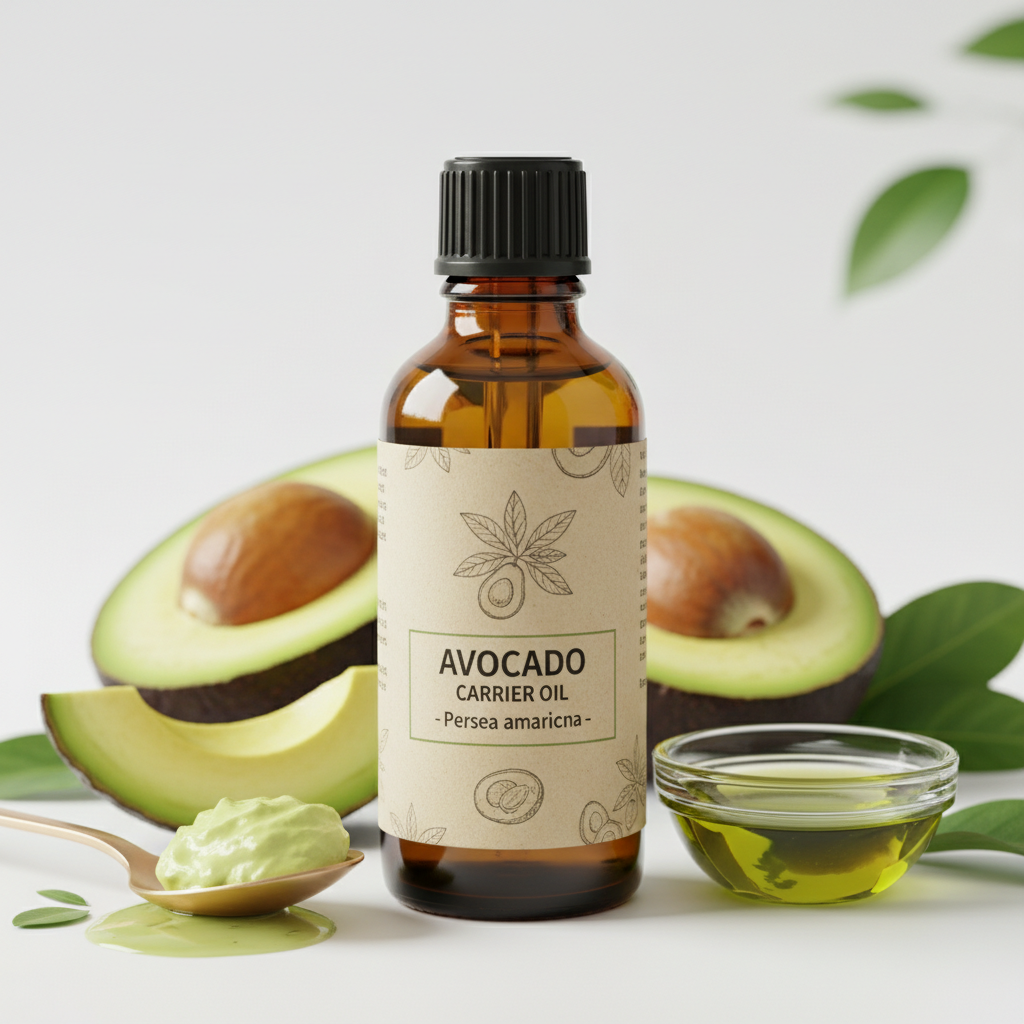
Avocado Carrier Oil

Avocado Carrier Oil

Persea americana

### Introduction to Avocado Essential Oil Avocado essential oil is extracted from the pulp of the Persea americana fruit, primarily through a cold-pressed method that preserves its nutritional integrity. Renowned for its numerous health benefits and versatility, avocado oil has gained popularity in both holistic and culinary practices. Its unique properties make it an excellent carrier oil, suitable for diluting essential oils for safe application on the skin. ### Origin and Extraction Method Avocado oil originates from the avocado tree, which is native to Central Mexico but is now grown in many tropical and Mediterranean climates around the world. The cold-pressed extraction method is highly efficient, providing a rich, dark green oil packed with vitamins and nutrients. This process ensures that the beneficial properties of the oil are preserved, making it a staple in various wellness and beauty regimens. ### Botanical Information The avocado tree belongs to the Lauraceae family, which also includes cinnamon and bay laurel. The oil is rich in oleic acid (a monounsaturated fat) and high in other beneficial compounds like vitamin E, vitamin K, and various phytosterols. These components contribute to the oil's moisturizing and healing properties, making it especially useful for skin and hair care. ### Therapeutic Properties and Benefits Avocado essential oil is celebrated for its extensive therapeutic properties. Here are some of the key benefits: 1. **Moisturization**: Avocado oil acts as a natural moisturizer, penetrating deep into the skin and providing lasting hydration, making it ideal for dry or aging skin. 2. **Skin Health**: It possesses anti-inflammatory properties that can help soothe skin irritations such as eczema and psoriasis, promoting a clearer complexion. 3. **Hair Care**: Rich in fatty acids, avocado oil helps to nourish hair, reduce frizz, and enhance shine. Regular application can strengthen strands and promote growth. 4. **Pain Relief**: When used in massage, its anti-inflammatory properties may alleviate muscle pain and joint discomfort, promoting overall body relaxation. 5. **Emotional Well-being**: The soothing fragrance of avocado essential oil may help calm the mind, reduce stress, and promote a sense of tranquility. ### Historical and Traditional Uses For centuries, various cultures have harnessed the benefits of avocado oil in traditional medicine and culinary practices. The Aztecs referred to avocados as “aguacate,” which means testicle, reflecting the fruit's shape and its reputed aphrodisiac properties. Avocado oil has been used in beauty regimens dating back to these ancient times, known for its skin-enhancing qualities. ### Scientific Facts and Research Recent studies have shown that the high levels of antioxidants in avocado oil can help protect against oxidative stress and may contribute to improved cardiovascular health. Additionally, research suggests that using avocado oil as part of a balanced diet may aid in lowering cholesterol levels, thanks to its monounsaturated fats. ### Aroma Profile and Characteristics Avocado essential oil boasts a mild, buttery aroma that is often described as earthy and smooth. Its unique scent makes it a pleasant addition to homemade skin care products, blending well with other essential oils such as lemon, lavender, or peppermint. ### Common Applications and Methods Avocado oil is incredibly versatile and can be used in various ways: - **Skin Care**: Apply it as a moisturizer or add a few drops to your favorite creams and lotions. - **Hair Treatments**: Use it as a hair mask or add it to your shampoo for added hydration. - **Massage Oil**: Blend with essential oils for effective massage treatments. - **Culinary Use**: Avocado oil is also a popular cooking oil due to its high smoke point and rich flavor, making it perfect for sautéing and baking. ### Interesting Facts and Trivia - Did you know that avocados are technically berries? In botanical terms, they meet the criteria for large berries with a single seed. - The avocado tree can grow up to 60 feet tall, and it takes about 10 years for an avocado tree to bear fruit! - Avocado's popularity has skyrocketed in recent years, becoming a staple in health-conscious diets and a favorite for vegan recipes. ### Conclusion In conclusion, avocado essential oil is not only a beneficial carrier oil for essential oils but also a powerful oil in its own right with numerous health benefits. From its origins in ancient cultures to modern wellness practices, its multifunctional uses make it a valuable addition to any oil collection. Whether used in skincare, haircare, or cooking, its nutritional and therapeutic properties are sure to enhance overall well-being.

skin
moisturizing
hydration
Learn more
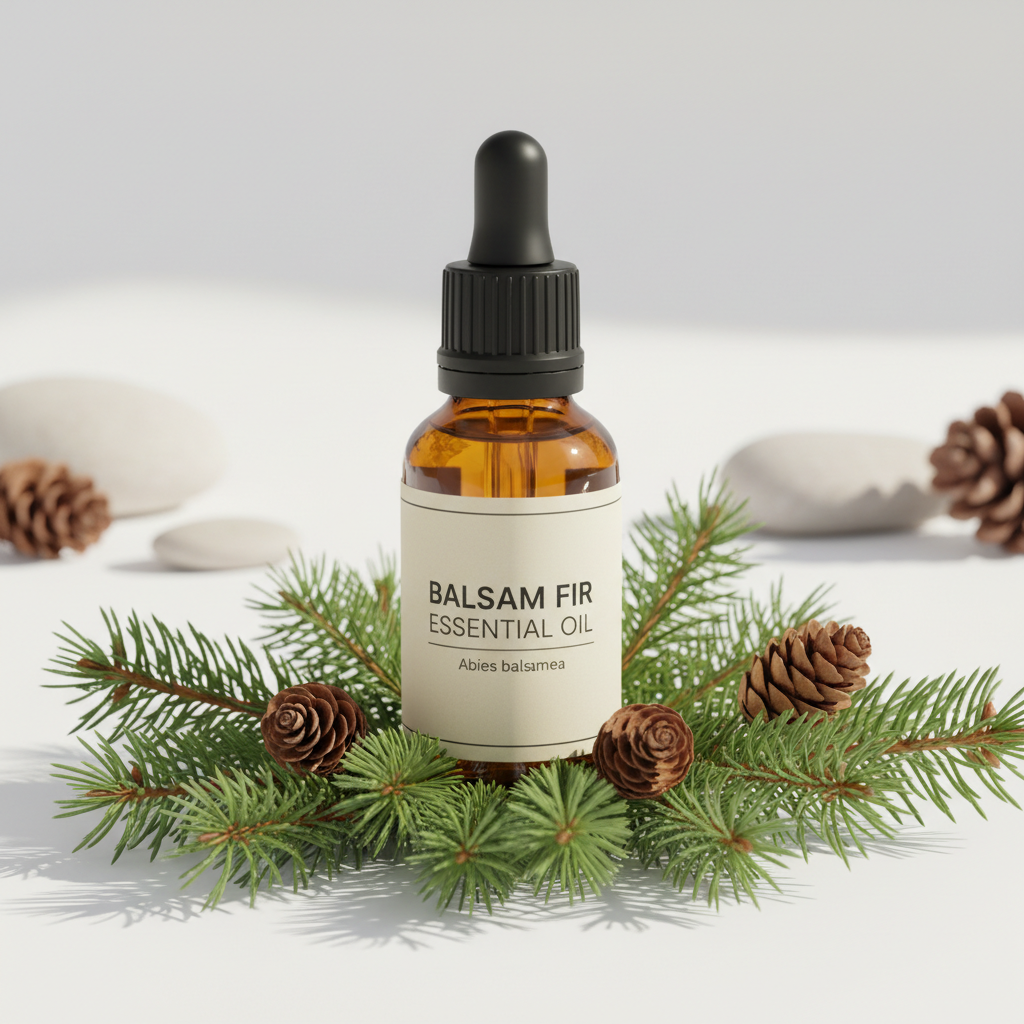
Balsam Fir Essential Oil

Balsam Fir Essential Oil

Abies balsamea

Balsam Fir Essential Oil, derived from the needles and resin of the Abies balsamea tree, is a treasured oil in the fields of aromatherapy and holistic health. This majestic evergreen, predominantly found in the cool, moist forests of North America—especially in the northeastern United States and Canada—has been celebrated for both its beauty and healing properties for many centuries. The oil is extracted through a meticulous steam distillation process, which captures the rich aromatic compounds from both the resinous bark and the evergreen needles. ### Origin and Extraction Method Balsam Fir Essential Oil has deep roots in numerous indigenous cultures, where it has long been recognized for its medicinal properties. The steam distillation process is vital as it preserves the oil's chemical integrity, ensuring that it retains its synergistic therapeutic potentials and aromatic characteristics. Upon extraction, the oil emanates a fresh, crisp scent that evokes the tranquility of serene forest landscapes, paving the way for relaxation and rejuvenation. ### Botanical Information Botanically classified under the Pinaceae family, the Balsam Fir tree can reach impressive heights of up to 80 feet and can live for over 200 years. Its dark green, needle-like leaves contribute to its distinctive aroma, which is integral to the oil’s profile. These towering evergreens play a crucial role in their ecosystems, providing vital habitats for wildlife, enhancing biodiversity, and contributing to the health of forest environments. ### Therapeutic Properties and Benefits Balsam Fir Essential Oil is revered for its extensive therapeutic benefits. Rich in compounds such as alpha-pinene and bornyl acetate, this oil offers a multitude of health advantages. It is notably effective in promoting respiratory health, making it a valuable ally for those struggling with colds or allergies. Users often find relief by inhaling its refreshing aroma, which helps to clear airways and alleviate congestion. Moreover, this essential oil is known for its calming properties that help soothe emotional distress, facilitating emotional stability and relaxation. The uplifting woody aroma can enhance mood and mental clarity, making Balsam Fir an excellent addition to meditation and mindfulness practices. ### Historical and Traditional Uses Historically, Native Americans utilized Balsam Fir for various medicinal applications, including wound healing. The resin was often used topically to prevent infections and promote healing due to its natural antiseptic qualities. Modern scientific research has supported many of these traditional applications, demonstrating its antibacterial and anti-inflammatory properties, validating its historical use. ### Scientific Facts and Research Recent studies have highlighted the potential health benefits of Balsam Fir Essential Oil. Research indicates that several compounds within the oil possess anti-inflammatory, analgesic (pain-relieving), and antioxidant properties. These findings underscore its relevance in contemporary herbal medicine and validate its use in treating various ailments. ### Aroma Profile and Characteristics The aroma profile of Balsam Fir Essential Oil is a refreshing blend of woodsy, slightly sweet notes reminiscent of a tranquil forest. This delightful scent makes it a popular choice for candles, diffusers, and personal care products, fostering a peaceful atmosphere conducive to relaxation and grounding. ### Common Applications and Methods Balsam Fir Essential Oil can be utilized in numerous ways: - **Aromatherapy:** Diffuse the oil to create a calming atmosphere, perfect for relaxation and focus. - **Topical Application:** When mixed with a carrier oil, it can be massaged onto sore muscles or joints, accessing its anti-inflammatory benefits. - **Cleaning Products:** Its natural antibacterial qualities make it an excellent choice for homemade cleaning products, imparting a fresh scent while effectively sanitizing surfaces. - **Baths and Saunas:** Adding a few drops of the oil to bath water or during sauna sessions creates a rejuvenating and aromatic experience, refreshing both body and spirit. ### Interesting Facts and Trivia Interestingly, Balsam Fir trees are often associated with Christmas, providing a nostalgic quality for many and evoking memories of festive celebrations. Furthermore, these trees contribute significantly to their ecosystems, offering shelter and food for various forms of wildlife. The invigorating scent of Balsam Fir Essential Oil is recognized for improving focus and boosting energy levels, making it a common choice in workplaces and study areas. In conclusion, Balsam Fir Essential Oil stands as a versatile and highly beneficial oil that brings the essence of nature into everyday life. Its multifaceted uses and rich historical background make it a valuable addition to any essential oil collection, fostering feelings of peace, tranquility, and connection to nature.

respiratory
stress
pain relief
Learn more
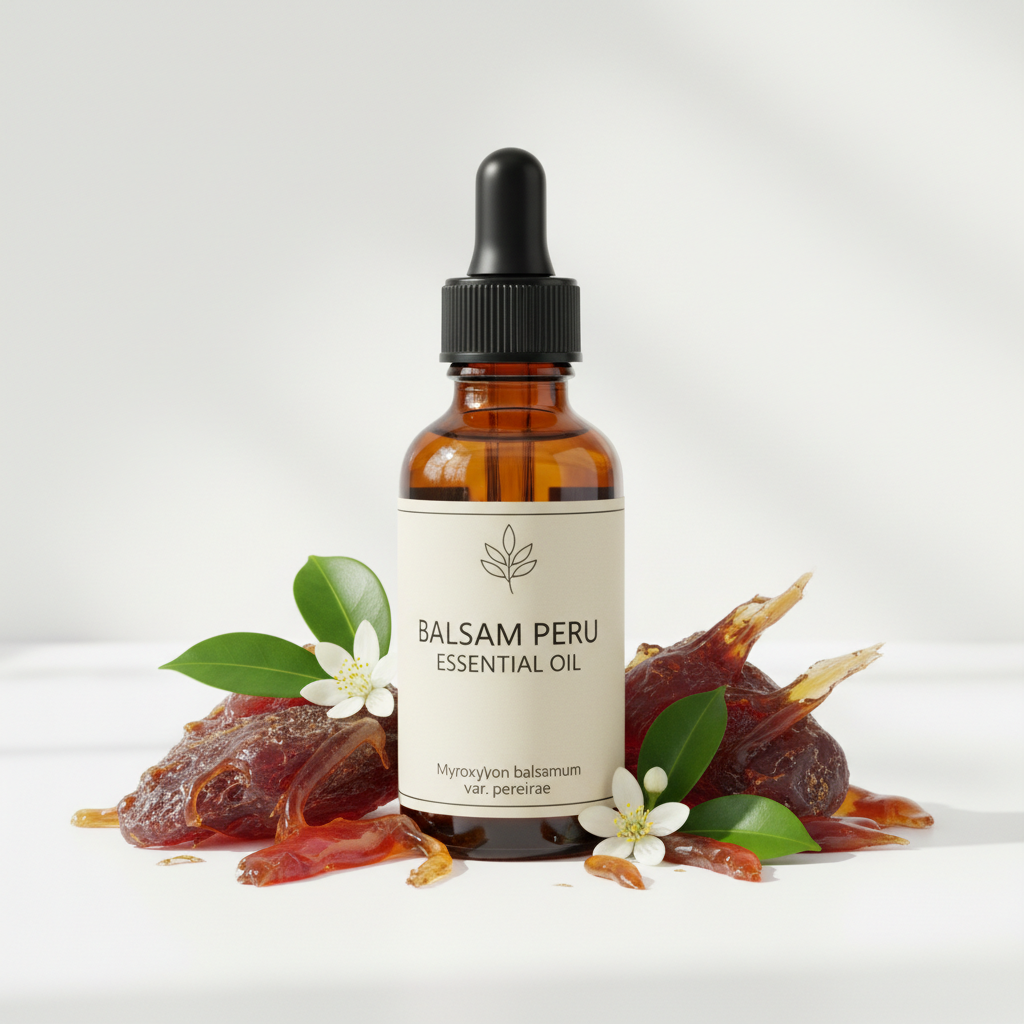
Balsam Peru Essential Oil

Balsam Peru Essential Oil

Myroxylon balsamum var. pereirae

Balsam Peru Essential Oil, scientifically referred to as *Myroxylon balsamum* var. *pereirae*, is derived from the resin of the Balsam Peru tree, which flourishes in the tropical regions of Central and South America. This essential oil is known for its rich, sweet, and balsamic aroma, combined with subtle hints of vanilla, cinnamon, and floral notes. The oil is highly valued in perfumery for its ability to enhance fragrance longevity and depth as a base note. ### Origin and Extraction Method The extraction of Balsam Peru Essential Oil involves a traditional method where V-shaped incisions are made into the tree bark. This technique allows the resin to ooze out and solidify into a semi-solid mass. The resin is then steam-distilled to create the essential oil, capturing the aromatic and therapeutic properties inherent in the resin. This ancient practice highlights the importance and respect for natural resources in traditional medicine. ### Botanical Information The Balsam Peru tree is a medium-sized tree, typically reaching heights of 10 to 15 meters. It has compound leaves and produces small, fragrant flowers, which can occasionally lead to the formation of pods containing seeds. The oil extracted from the tree's resin is not only appreciated for its fragrance but also for its diverse therapeutic applications. ### Therapeutic Properties and Benefits Balsam Peru Essential Oil has gained significant recognition for its therapeutic benefits. It is known to possess antimicrobial and anti-inflammatory properties, making it useful for treating skin conditions such as eczema, psoriasis, and minor cuts. When used topically, it can help soothe irritation and improve texture. Additionally, the oil has calming effects that assist in reducing stress and promoting relaxation, making it ideal for use in aromatherapy. Furthermore, the soothing nature of this essential oil can promote respiratory health by alleviating coughs and enhancing clear breathing. It is also believed to aid digestion, alleviating symptoms like bloating and gas when inhaled or diffused. ### Historical and Traditional Uses Historically, Balsam Peru has been utilized in various medicinal and cosmetic applications. Its use dates back to the 17th century, where it was included in many pharmacopoeias. Various cultures have valued it not just for fragrance but as a natural remedy, often used in traditional medicine systems to treat various ailments. It has played significant roles in both the perfume industry and in holistic practices. ### Scientific Facts and Research Research supports the many therapeutic claims regarding Balsam Peru essential oil. Studies have indicated its effectiveness as an antimicrobial agent, useful in combating certain bacteria and fungi. Its anti-inflammatory properties are evident in clinical studies, showing promise in soothing skin irritation and aiding wound healing. ### Aroma Profile and Characteristics The distinctive aroma profile of Balsam Peru Essential Oil is complex and multifaceted. It boasts a sweet, rich, and slightly woody scent with undertones of vanilla and spice, creating a warm and inviting atmosphere. This scent is effective in fostering relaxation and emotional balance, making it an excellent choice for stress relief and meditation practices. ### Common Applications and Methods Balsam Peru Essential Oil can be utilized in various ways: - **Aromatherapy:** Diffuse it in a diffuser to create a calming environment. - **Topical Application:** Dilute with a carrier oil and apply to the skin for soothing benefits. - **Massage:** Use in massage oils to relieve body aches and enhance relaxation. - **Baths:** Add to bath water for a fragrant and calming experience. ### Interesting Facts and Trivia - Balsam Peru is often used in the production of high-quality perfumes as a fixative, helping to anchor the scent. - Despite its benefits, it's crucial to note that Balsam Peru may cause allergic reactions in some people. Patch testing on the skin is advisable before extensive use. - Balsam Peru Essential Oil can evoke feelings of warmth and security and is often used to create a comforting atmosphere during social gatherings. Incorporating Balsam Peru Essential Oil into your wellness routine can yield significant benefits for both emotional health and physical wellbeing, providing a harmonious balance in daily life.

stress
pain relief
skin care
Learn more
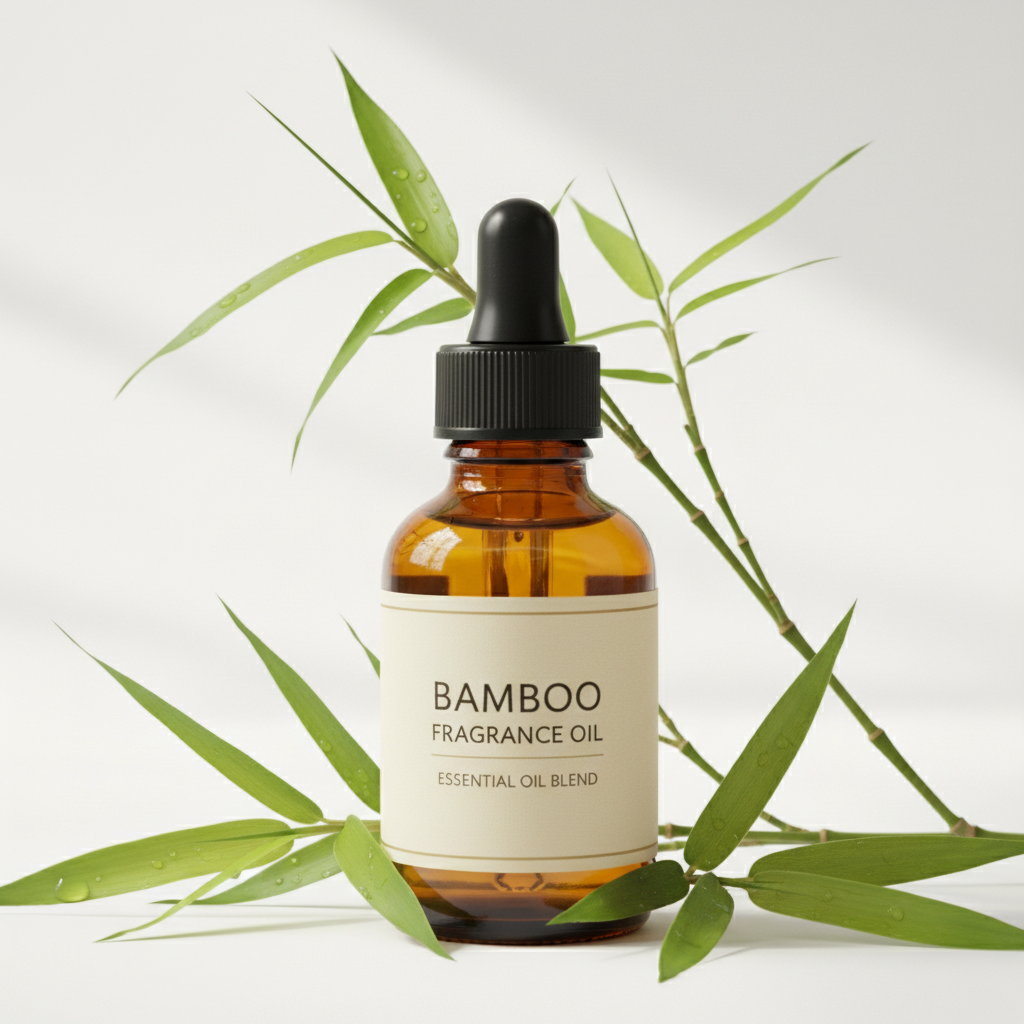
Bamboo Fragrance Oil

Bamboo Fragrance Oil

Bambusa vulgaris

Bamboo Essential Oil, derived from the leaves and stems of the Bambusa vulgaris plant, has captured the essence of tranquility and resilience. This incredible plant, known for its rapid growth and flexibility, is often celebrated in various cultures, particularly in Asia, where it symbolizes strength and purity. Through a meticulous steam distillation process, the oil captures the fresh, grassy aroma that embodies the essence of nature, making it a cherished ingredient in both aromatherapy and perfumery. ### Origin and Extraction Method Bamboo Essential Oil is extracted using the steam distillation method, which involves passing steam through the plant material. This process ensures that the delicate aromatic compounds are preserved while allowing for the purest form of the oil to be obtained. The result is a light, airy fragrance that evokes a feeling of being in a serene bamboo forest. ### Botanical Information The Bambusa vulgaris plant, commonly known as bamboo, is a perennial evergreen that belongs to the grass family. It is known for its towering height and rapid growth, making it one of the fastest-growing plants on Earth. Bamboo can reach up to 35 meters in height and can grow over three feet in a single day under optimal conditions. The versatility of bamboo is indisputable, as it is used for construction, textiles, and even in culinary applications, in addition to producing the essential oil. ### Therapeutic Properties and Benefits Bamboo Essential Oil is renowned for its various therapeutic benefits. It possesses anti-inflammatory, antimicrobial, and antioxidant properties, making it a valuable addition to skincare and wellness routines. Here are some of its notable benefits: 1. **Promotes Relaxation**: The fresh scent of bamboo oil enhances mood and promotes a sense of tranquility, making it an excellent choice for diffusing during meditation or yoga. 2. **Emotional Balance**: The oil aids in grounding scattered thoughts, reducing feelings of stress and tension, and supporting emotional well-being. 3. **Respiratory Health**: Bamboo oil can help expand lung function and ease breathing, making it beneficial for respiratory health. 4. **Skin Clarity**: Its astringent properties promote clearer skin, helping to minimize the appearance of blemishes and excess oil. 5. **Muscle Relaxation**: When diluted with a carrier oil and used in massage, bamboo essential oil can alleviate tight muscles and discomfort following exercise. ### Historical and Traditional Uses Historically, bamboo has been utilized in Asian traditions not only for its physical attributes but also for its spiritual significance. In Feng Shui, bamboo is believed to bring good luck and fortune. Its calming properties have made it a staple in many holistic practices, where it's used to create an atmosphere of peace and focus. ### Scientific Facts and Research Research has indicated that bamboo essential oil contains a variety of compounds, including phenolic acids and flavonoids, which contribute to its therapeutic effects. Studies have shown that these compounds possess strong antioxidant properties, which may help in combating oxidative stress in the body. ### Aroma Profile and Characteristics The aroma of Bamboo Essential Oil is often described as clean, fresh, and slightly sweet, reminiscent of a peaceful forest. This light fragrance can uplift the spirit, making it an ideal choice for aromatherapy, and is often blended with other essential oils to create harmonious synergies. ### Common Applications and Methods Bamboo Essential Oil can be used in multiple ways: - **Aromatherapy**: Add a few drops to a diffuser to fill your space with its calming aroma. - **Topical Use**: When diluted with a carrier oil, it can be applied to the skin for its soothing benefits. - **Cleaning Products**: Its natural deodorizing properties make it a great addition to homemade cleaning solutions. ### Interesting Facts and Trivia - Bamboo is one of the most environmentally friendly plants, known for its ability to absorb high levels of carbon dioxide and produce oxygen. - In some cultures, giving bamboo as a gift is considered to symbolize good luck and fortune. - Bamboo shoots are edible and are frequently used in Asian cuisines, highlighting the plant's versatility. In summary, Bamboo Essential Oil is not just a fragrant addition to your repertoire; it represents a holistic approach to wellbeing. Its diverse range of benefits, historical significance, and soothing aroma make it a must-have for anyone interested in the therapeutic properties of essential oils.

stress
calm
skin health
Learn more
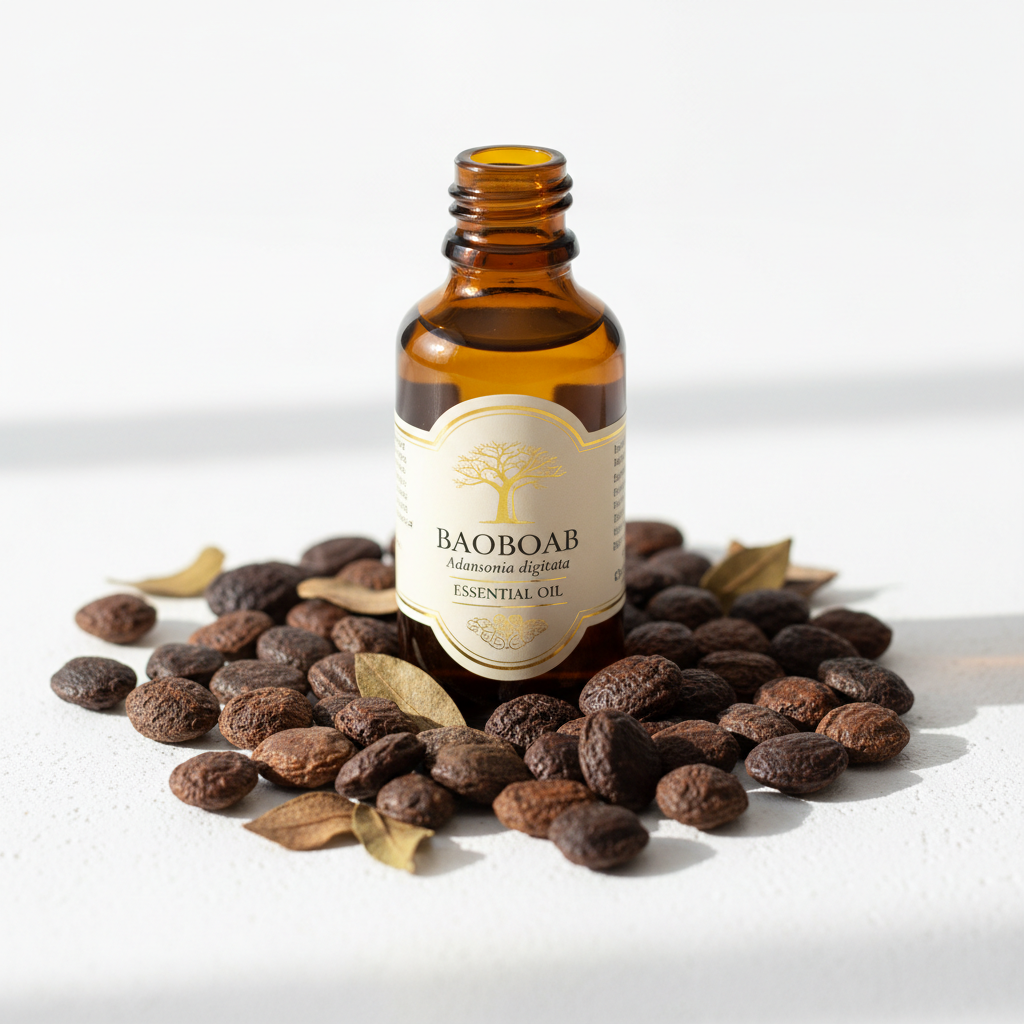
Baobab Seed Oil

Baobab Seed Oil

Adansonia digitata

**What is Baobab Seed Oil?** Baobab seed oil is a highly prized essential oil extracted from the seeds of the Baobab tree (Adansonia digitata), a majestic tree that flourishes in the dry savannas and semi-arid areas of Africa. Known for its extraordinary resilience and long lifespan—some trees can live for over a thousand years—Baobab is often referred to as the "Tree of Life" given its symbolic representation of sustenance and wellness in African cultures. The oil is obtained primarily through cold pressing the seeds, a method that preserves the oil’s natural nutrients, ensuring a rich and pure product that is beneficial for health and beauty applications. **Origin and Extraction Method** The Baobab tree is indigenous to Africa, specifically in regions of Madagascar, mainland Africa, and Australia. Its extraction method mainly involves cold pressing the seeds found within the large, pod-like fruits of the tree. This technique is critical, as it helps retain the natural properties of the oil, which is rich in essential fatty acids and vitamins. The seeds themselves are delicately harvested and processed to limit exposure to heat, thereby preserving their inherent nutritional value. **Botanical Information** Belonging to the Malvaceae family, the Baobab tree reaches heights of up to 30 meters with a distinctive bulging trunk and a broad, leafy crown. Its flowering season produces large, white flowers, which turn into the characteristic fruit pods that house the seeds. Each seed consists of about 50% oil, containing a unique profile packed with essential fatty acids such as omega-3, 6, and 9, vitamins A, D, E, and F, and a variety of antioxidants that contribute to its myriad health benefits. **Therapeutic Properties and Benefits** Baobab seed oil is celebrated for an array of therapeutic properties and benefits, including: - **Skin Nourishment**: Its rich composition makes Baobab oil an ideal moisturizer, improving skin hydration, elasticity, and texture, thus making it suitable for all skin types, especially dry and sensitive skin. - **Anti-Aging Properties**: The high antioxidant content combats free radical damage, which can accelerate skin aging. This protection helps reduce wrinkles, fine lines, and age spots, maintaining a youthful glow. - **Scar Healing**: This oil promotes the regeneration of skin cells and can significantly diminish the appearance of scars and dark spots, offering supportive care for healing skin. - **Hair Health**: Baobab seed oil provides nourishment, enhancing hair shine and manageability. It prevents dryness and reduces frizz, making it advantageous for damaged hair. **Historical and Traditional Uses** Historically, Baobab oil has been used across Africa for a variety of purposes—from nourishment to skincare remedies. Indigenous tribes have valued the fruits, seeds, and leaves for centuries, incorporating them into diets, medicinal practices, and beauty rituals. Traditionally, the oil is mixed with other essential oils in massage therapies to alleviate physical stress and promote emotional well-being. Its cultural importance is woven into various holistic health practices that emphasize the connection between nature and healing. **Scientific Facts and Research** Research has confirmed Baobab seed oil's beneficial effects on skin health. Studies indicate that its composition aids in stimulating collagen production, enhancing skin firmness and elasticity. Its richness in oleic acid renders it particularly beneficial for dry skin types, providing deep hydration. Various dermatological studies highlight how Baobab oil nourishes and protects skin integrity, further validating its traditional uses. **Aroma Profile and Characteristics** Baobab seed oil has a subtle, nutty aroma with light earthy tones that evoke a sense of calm. Its grounding scent is often utilized in aromatherapy for stress relief, promoting a balanced emotional state. When diffused, it can blend harmoniously with floral or citrus essential oils, elevating the overall sensory experience. **Common Applications and Methods** Baobab seed oil is versatile and can be incorporated in numerous ways: - **Cosmetic Products**: Enrich lotions, creams, and serums by adding Baobab oil, enhancing their moisturizing properties. - **Aromatherapy**: Utilize in essential oil blends for diffusing or mix with carrier oils for massage purposes, promoting relaxation and physical recovery. - **Hair Treatments**: Apply directly to hair as a leave-in conditioner or mix it into hair masks for enhanced nourishment. **Interesting Facts and Trivia** - The Baobab tree can conserve large amounts of water within its trunk, allowing it to endure harsh climatic conditions—making it an ecological wonder. - Often called "superfruit," the Baobab fruit is renowned for its high vitamin C content, leading to its use as a nutritional supplement. - Its unique shape and canopy give the Baobab tree an appearance that can often be interpreted as upside-down, adding to its mystical reputation. In conclusion, Baobab seed oil is not only a potent essential oil with numerous benefits for skin and hair but also a wellspring of historical and cultural significance. Its therapeutic properties are increasingly recognized in both holistic health and cosmetic applications, making it a valuable addition to anyone's natural wellness toolkit.
skin
moisturizer
hydration
Learn more
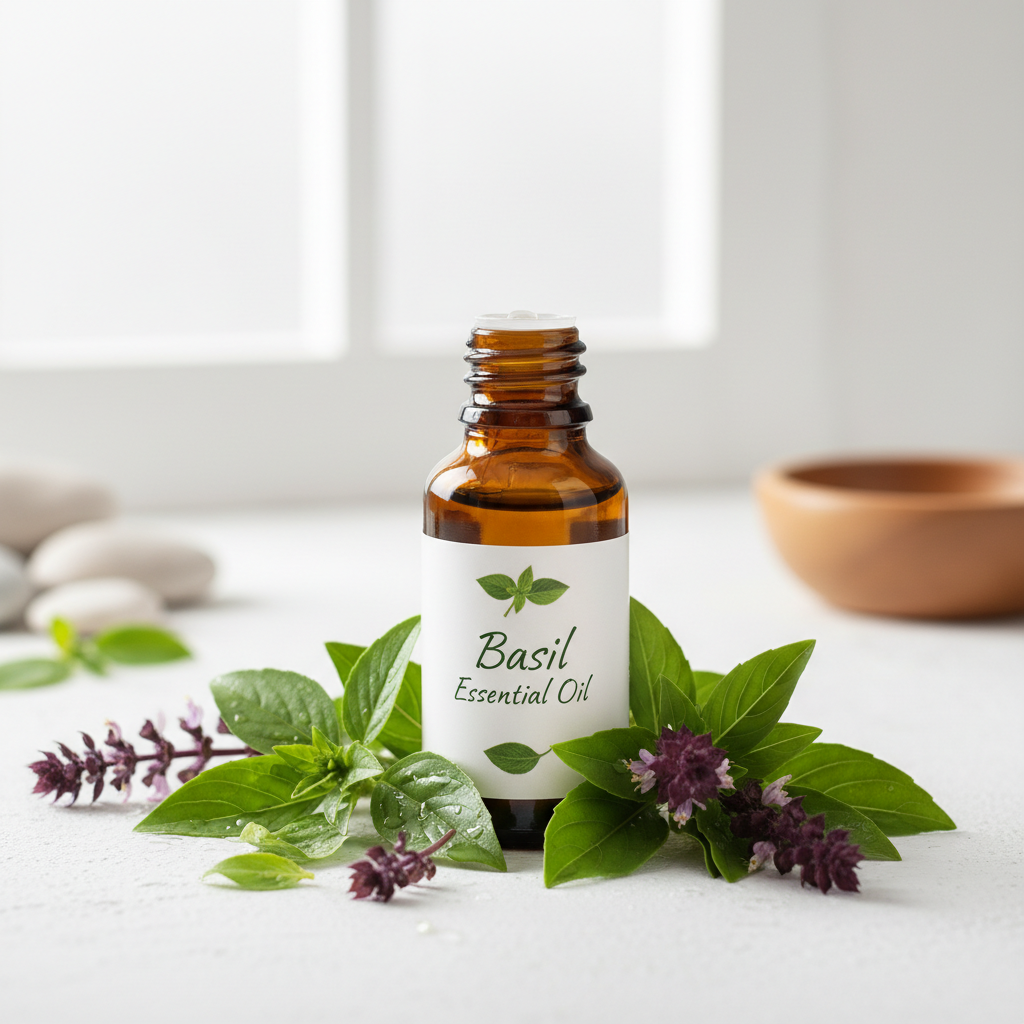
Basil Essential Oil

Basil Essential Oil

Ocimum basilicum

Basil essential oil, extracted from the leaves of the Ocimum basilicum plant, is a valuable oil with a rich history and a wide range of therapeutic properties. This aromatic oil has its roots in tropical regions of Asia and Africa, where it has been cultivated for thousands of years due to its culinary and medicinal uses. ### Origin and Extraction Method Basil essential oil is typically extracted through the steam distillation process. During this method, steam passes through the plant material, extracting the essential oil as it rises. The steam then condenses back into water, separating the oil from the hydrosol. This process preserves the delicate aroma and therapeutic properties of the oil. Traditionally, basil has been an important herb in various cultures, often associated with purity and protection. ### Botanical Information Ocimum basilicum is a member of the Lamiaceae (mint) family, characterized by its vibrant green leaves and small, white or purple flowers. There are various cultivars of basil, including sweet basil, Thai basil, and lemon basil, each with its unique aroma and taste. Each variety offers different profiles and benefits, making basil essential oil versatile and widely used. ### Therapeutic Properties and Benefits Basil essential oil is known for its numerous therapeutic properties, including: - **Mood Enhancement**: The invigorating aroma uplifts spirits and invigorates the mind, making it ideal for combating feelings of lethargy and promoting an overall sense of well-being. - **Stress Relief**: It assists in reducing stress levels, promoting relaxation, and alleviating tension. Users often find comfort in its calming abilities. - **Mental Clarity**: Known for enhancing focus and concentration, basil essential oil can be particularly beneficial during demanding mental tasks, helping to reduce distractions and foster clarity. - **Emotional Balance**: This oil can help stabilize emotions and alleviate mood swings, making it valuable for those dealing with emotional fluctuations. - **Muscle Relaxant**: Basil essential oil can soothe muscle tension and discomfort, making it a popular choice for massage therapists and aromatherapy practitioners. - **Respiratory Support**: It aids in clearing airways, making breathing easier, and is often used in diffusers during cold seasons to maintain respiratory wellness. - **Immune Booster**: Regular use of basil essential oil is believed to enhance overall immune function, keeping the body resilient against common ailments. - **Skin Soother**: Basil's properties may help alleviate minor skin irritations and promote a smooth complexion, making it a sought-after ingredient in skincare products. ### Historical and Traditional Uses Throughout history, basil has held a significant place not only in culinary practices but also in traditional medicine. Ancient Greeks and Egyptians revered basil, associating it with love and fertility. In Ayurvedic medicine, it is considered an adaptogen, helping the body manage stress and balance bodily functions. These historical applications demonstrate basil's longstanding importance across cultures. ### Scientific Facts and Research Recent studies have highlighted the antimicrobial, antifungal, and antioxidant properties of basil essential oil. Research suggests that it may help combat various pathogens, making it a valuable ally in natural health. Furthermore, its compounds, such as linalool and eugenol, have been studied for their health benefits, including anti-inflammatory effects and potential use in respiratory therapies. ### Aroma Profile and Characteristics The aroma of basil essential oil is fresh, sweet, and slightly spicy, reminiscent of warm summer breezes. Its distinct scent can energize a space and is often used in aromatherapy to promote positivity and mental clarity. ### Common Applications and Methods Basil essential oil can be used in various ways, such as: - **Diffusing**: Add a few drops to your diffuser to invigorate your home with its uplifting scent. - **Topical Application**: Dilute with a carrier oil for massage to soothe muscles or apply to the skin for minor irritations. - **Cooking**: Use sparingly in culinary dishes to enhance flavor while also benefiting from its therapeutic properties. - **Baths**: Add to bathwater for a relaxing, aromatic experience. ### Interesting Facts and Trivia - The name "basil" comes from the Greek word "basilikon," meaning "kingly," underscoring its esteemed position in ancient herbology. - Basil is considered a sacred herb in many cultures, often used in religious ceremonies and rituals. In summary, basil essential oil is a multifunctional oil with a diverse array of benefits. Its historical significance, therapeutic properties, and rich aroma make it a staple in homes and wellness practices around the world.

stress
focus
mood
Learn more
Basil Linalool Essential Oil

Basil Linalool Essential Oil

Ocimum basilicum

Basil Linalool Essential Oil, derived from the leaves and flowering tops of the Ocimum basilicum plant, boasts a sweet, herbaceous aroma and is celebrated for its numerous health benefits and applications in aromatherapy and holistic practices. Extracted through steam distillation, this essential oil retains the delicate compounds that contribute to its therapeutic properties, making it popular in wellness circles and natural medicine. ### Origin and Extraction Method Basil Linalool Essential Oil hails from the sweet basil plant, which is native to tropical regions but can be found worldwide. The extraction process for this essential oil employs steam distillation, which involves passing steam through the plant material. This preserves the essential oils within the plant and ensures a high-quality product. The ideal harvesting time is just before the plant flowers, as this is when the essential oil content is at its peak. ### Botanical Information Ocimum basilicum, commonly known as sweet basil, belongs to the Lamiaceae family. The name "basil" translates to "king" in Greek, indicating its revered status in ancient cultures. This plant thrives in warm climates and is often grown in gardens for culinary purposes. The essential oil is particularly rich in the linalool compound, making it distinctively aromatic and beneficial for various therapeutic uses. ### Therapeutic Properties and Benefits The therapeutic reputation of Basil Linalool Essential Oil is extensive. - **Promotes Relaxation**: One of its most recognized properties is its calming aroma, which effectively soothes feelings of stress and anxiety. Many use it in diffusers or add it to bathwater for a tranquil experience. - **Enhances Creativity**: Studies suggest that the aroma of basil can stimulate the mind, enhancing creative thinking and problem-solving abilities—ideal for artists and professionals alike. - **Fosters Positive Mood**: The uplifting scent brings feelings of happiness and well-being, helping combat negative emotions and fostering a positive environment. - **Supports Mental Clarity**: Many individuals find that basil essential oil aids in concentration and focus, making tasks feel less daunting. - **Reduces Emotional Fatigue**: For those experiencing emotional exhaustion, the energizing qualities of this oil can alleviate fatigue and increase vitality. - **Eases Muscle Tension**: Commonly suggested for massages, basil linalool has muscle-relaxing properties that relieve tension and soreness. - **Supports Respiratory Health**: The oil’s inhalation can help clear congestion and improve overall respiratory function, providing relief during colds or allergies. - **Aids Digestion**: When used in blends, basil linalool can support digestive health by alleviating discomfort and promoting gut function. - **Improves Skin Health**: When diluted properly for topical use, it promotes clearer skin and can help fight blemishes due to its antibacterial properties. - **Boosts Immune Response**: Its antibacterial and anti-inflammatory properties support immune function, making it a valuable asset during flu season. ### Historical and Traditional Uses Historically, basil has been revered in various cultures for its medicinal and culinary properties. In ancient Egypt, it was used in the mummification process, while in some Mediterranean cultures, it is considered a symbol of love, protection, and purity. Traditional practices include using basil oil in culinary dishes and for medicinal purposes, ranging from treating digestive disorders to enhancing emotional well-being. ### Scientific Facts and Research Research into the benefits of linalool indicates its potential role in reducing anxiety and improving mood. Several studies have highlighted its anti-inflammatory and antioxidant effects, which contribute to its broad spectrum of benefits. ### Aroma Profile and Characteristics Basil Linalool Essential Oil has a fresh, sweet, and slightly peppery aroma. Its vibrant scent not only lifts the spirit but also helps create a serene environment—making it a popular choice in aromatherapy practices. ### Common Applications and Methods - **Aromatherapy**: Diffuse or inhale to promote relaxation and clarity. - **Massage**: Dilute in a carrier oil to relieve muscle tension. - **Topical**: Use diluted in skincare routines for clearer skin. - **Culinary**: Add a drop to dishes for flavor enhancement (ensure it’s food-grade). ### Interesting Facts and Trivia - Basil is sometimes referred to as the "king of herbs" due to its royal history and extensive culinary use. - Linalool is also found in many other essential oils, including lavender and coriander, highlighting the cross-properties between different plant essential oils. - The sweet basil plant has been used in traditional medicine for centuries, showcasing its long-lasting relevance in holistic health. In conclusion, Basil Linalool Essential Oil is not only fragrant but also a powerhouse of therapeutic benefits. Its versatility, rich history, and extensive uses make it a must-have in any essential oil collection.

stress
mood
skin
Learn more
Basil Sweet Essential Oil

Basil Sweet Essential Oil

Ocimum basilicum

**Basil Sweet Essential Oil: An In-Depth Exploration** Basil Sweet Essential Oil, scientifically known as Ocimum basilicum, is derived from the lush green leaves of the basil plant, a cherished member of the mint family. This aromatic oil is primarily harvested in tropical and warm regions, where the climate encourages the plant's growth. Basil is not only a key ingredient in culinary traditions, particularly in Italian and Mediterranean cuisines, but it also holds a significant place in the world of essential oils. **Origin and Extraction Method** The extraction of Basil Sweet Essential Oil is typically performed through steam distillation. This method preserves the oil's delicate aroma and therapeutic properties while ensuring purity. The leaves are carefully harvested, and steam is passed through them, vaporizing the volatile oil components, which are then condensed and collected. This process ensures that the oil retains its natural essence and beneficial compounds, making it an ideal choice for therapeutic use. **Botanical Information** Botanically, the basil plant belongs to the genus Ocimum and is commonly known for its vibrant green leaves and fragrant aroma. It is an annual herb, growing approximately 12 to 24 inches tall, featuring small white flowers that bloom in summer. Aside from its culinary significance, the basil plant has a long-standing history in traditional medicine and spiritual practices around the world. **Therapeutic Properties and Benefits** Basil Sweet Essential Oil is renowned for its numerous therapeutic properties. It is an excellent oil for promoting mental clarity, helping individuals focus and stay motivated in their tasks. Its uplifting scent makes it a popular choice for diffusing during studying, working, or any activity where concentration is key. Furthermore, it can significantly reduce feelings of stress and anxiety, contributing to an overall sense of peace and tranquility. This essential oil supports emotional balance, making it effective for those experiencing mood swings or emotional turbulence. In addition to mental benefits, Basil Sweet Essential Oil also has physical benefits. It supports respiratory health, which can be particularly useful during cold and allergy seasons—its aroma aids in easing breathing difficulties. Furthermore, it has been known to provide relief from headaches and migraines when diffused or applied in diluted form to pulse points. **Historical and Traditional Uses** Historically, basil has been valued not only for its culinary applications but also for its use in traditional practices. In various cultures, basil is known as a sacred herb. In some traditions, it is used for purification rituals, while in others, it is associated with love and protection. Ancient Egyptians utilized basil in the mummification process, believing that it had protective properties for the afterlife. **Scientific Facts and Research** Research into the benefits of Basil Sweet Essential Oil confirms its effectiveness in promoting relaxation and reducing anxiety levels. Studies suggest that inhaling basil oil may lower cortisol levels in the body, further supporting its role as a stress-reliever. Additionally, its antioxidant properties have been noted, making it a valuable asset in holistic health practices. **Aroma Profile and Characteristics** The aroma of Basil Sweet Essential Oil is fresh, herbaceous, and slightly sweet, reminiscent of the plant itself. Its scent is invigorating, with a hint of spiciness, making it widely appealing in aromatherapy. Users often describe the fragrance as uplifting and energizing, perfect for enhancing mood and creating a revitalizing atmosphere. **Common Applications and Methods** Basil Sweet Essential Oil can be used in a variety of ways. Here are some common methods of application: - **Aromatherapy Diffusion:** Add a few drops to your diffuser for a calming and motivating ambiance. - **Topical Application:** Dilute with a carrier oil and apply to pulse points or massage into temples for headache relief. - **Bath Soak:** Add a few drops to your bathwater for a relaxing experience. - **Cleaning:** Add to homemade cleaning products for its antibacterial properties and refreshing scent. **Interesting Facts and Trivia** - Spiritual Significance: In Hindu culture, basil (or Tulsi) is considered a sacred herb and is often grown in homes as a symbol of purity and goodwill. - Culinary Use: Basil Sweet Essential Oil can be used in cooking; however, it should be added in moderation due to its concentrated nature. - Versatile Benefits: It's not just for adults; uses extend into pet care as well, as it can help repel insects when diluted properly. In conclusion, Basil Sweet Essential Oil is more than just a fragrant oil; it's a versatile and beneficial addition to your wellness regimen. Its unique properties make it suitable for emotional support, creating a tranquil environment, and promoting physical well-being. Whether you're looking to enhance concentration, relieve stress, or simply enjoy its refreshing aroma, Basil Sweet Essential Oil is a valuable resource in natural health.

stress
focus
digestion
Learn more
Bay Laurel Leaf Essential Oil

Bay Laurel Leaf Essential Oil

Laurus nobilis

**Bay Laurel Leaf Essential Oil: A Comprehensive Guide** Bay Laurel essential oil, derived from the leaves of the Laurus nobilis tree, is steeped in history and tradition, with roots tracing back to ancient Greece, where it symbolized victory, honor, and status. Traditionally, laurel wreaths were awarded to victors of ancient athletic competitions, and this fragrant oil has retained its revered status through the ages. **Origin and Extraction Method** Bay Laurel essential oil is extracted through steam distillation from the leaves of the Laurus nobilis tree, a native of the Mediterranean region. The extraction process is crucial, as it ensures that the oil retains its aromatic and therapeutic properties. **Botanical Information** The Laurus nobilis tree can grow up to 10-18 meters in height and features dark green, aromatic leaves that are oval in shape. The tree blooms with small yellow flowers and produces berries that transform from green to black as they ripen. **Therapeutic Properties and Benefits** Bay Laurel essential oil is renowned for its wide range of therapeutic properties: - **Enhances Mental Clarity**: The oil's warm, spicy, and slightly herbaceous aroma is known to clear mental fog, bolstering focus and concentration. It is often utilized for studying and creative tasks. - **Promotes Confidence**: Inhaling Bay Laurel oil may instill a sense of empowerment and self-assurance, making it beneficial in situations requiring courage and decisiveness. - **Reduces Stress**: The calming fragrance of Bay Laurel can help relieve feelings of stress and tension, making it an excellent choice for relaxation and stress management. - **Supports Respiratory Health**: Traditionally used to alleviate coughs and support respiratory function, Bay Laurel essential oil can be helpful to those seeking relief from respiratory discomfort. - **Improves Circulation**: The oil may encourage better blood flow, enhancing overall vitality and wellness. - **Eases Muscle Tension**: When used in massage, Bay Laurel oil can help relax tense muscles, making it ideal for post-exercise recovery. - **Encourages Detoxification**: It is believed to support the body’s natural detox pathways, promoting overall health. **Historical and Traditional Uses** Beyond its aromatic appeal, Bay Laurel has a storied past in traditional medicine. Ancient Greeks and Romans utilized Bay for its antiseptic and anti-inflammatory properties. Herbalists throughout history have relied on Bay Laurel to boost digestion, relieve headaches, and soothe muscle pain, cementing its place in various herbal remedies. **Scientific Facts and Research** Contemporary studies have begun to examine the efficacy of Bay Laurel essential oil. Research indicates its potential antimicrobial properties, suggesting that it may inhibit the growth of certain bacteria and fungi. Additional studies point to its role in enhancing mental clarity, with some suggesting that it may improve cognitive function when inhaled. **Aroma Profile and Characteristics** The aroma of Bay Laurel essential oil is complex—warm, slightly spicy, and herbaceous, with a hint of sweet undertone. This unique scent profile makes it a beloved choice for both therapeutic and aromatherapy applications, providing an inviting atmosphere in any space. **Common Applications and Methods** Bay Laurel essential oil can be used in various ways: - **Aromatherapy**: Diffusing Bay Laurel oil can create a calming environment, fostering focus and clarity. - **Massage**: When diluted with a carrier oil, it can serve as an effective massage oil, particularly for sore muscles and joints. - **Bath**: Adding a few drops to bath water can enhance relaxation and provide a soothing experience. - **Topical Application**: Due to its potential benefits for skin health, Bay Laurel oil is sometimes used in skin care products. **Interesting Facts and Trivia** - In ancient Greece, the laurel was considered sacred to the god Apollo. - The term "baccalaureate" comes from the Latin phrase for laurel, signifying honor and academic achievement. - Bay Laurel is not just cherished for its oil; the leaves are a common culinary herb, adding flavor to dishes. In summary, Bay Laurel essential oil is a versatile, aromatic oil rooted in history, offering a plethora of benefits from enhancing mental clarity to promoting emotional well-being. Its rich profile and myriad uses make it a valuable addition to your essential oil collection.

clarity
confidence
stress
Learn more
Benzoin Resinoid Essential Oil

Benzoin Resinoid Essential Oil

Styrax benzoin

## Benzoin Resinoid Essential Oil: Uses and Benefits Explained Benzoin Resinoid Essential Oil is a captivating and versatile essential oil derived from the resin of the Styrax benzoin tree, predominantly found in Southeast Asia, particularly in regions like Indonesia and Thailand. This remarkable oil has gained popularity in aromatherapy, perfumery, and holistic health due to its warm, sweet aroma and myriad therapeutic properties. ### Origin and Extraction Method Benzoin oil is extracted using a process known as solvent extraction, which carefully preserves the delicate compounds found within the resin. This method results in a viscous, sweet aromatic oil that retains the essence of its botanical origins. The extraction process ensures a high-quality product, rich in aromatic and therapeutic ingredients, making it a favorable choice for essential oil enthusiasts. ### Botanical Information The Styrax benzoin tree is a deciduous tree that can grow up to 25 meters in height. Its bark is punctured to allow the resin to ooze out, which is collected, dried, and then processed to make the essential oil. The tree's natural habitat in tropical regions contributes to its unique chemical composition and aromatic profile, which are characteristic of high-quality Benzoin Resinoid Essential Oil. ### Therapeutic Properties and Benefits 1. **Stress Relief:** Benzoin essential oil is renowned for its calming properties, helping to reduce tension and promote a sense of safety and comfort. The warm aroma can soothe nerves, making it a perfect companion during stressful periods. 2. **Anxiety Reduction:** The grounding effects of Benzoin oil help calm anxious thoughts, facilitating emotional balance and stability. It is often used in meditation and yoga practices, enhancing tranquility. 3. **Mood Enhancement:** This oil is recognized for its mood-lifting qualities, promoting positivity and supporting emotional well-being. Its sweet scent can create a soothing atmosphere, ideal for uplifting spirits. 4. **Grounding Effect:** The oil is known for its ability to anchor the mind and body, enhancing feelings of stability and connection to the present moment, making it effective during mindfulness sessions. 5. **Meditative Support:** Benzoin is favored in meditation, as it enhances focus and mental clarity, helping practitioners to deeper states of relaxation and awareness. 6. **Respiratory Aid:** The oil can aid breathing by clearing airways, making it useful during colds or in helping to relieve congestion. 7. **Skin Nourishment:** Benzoin essential oil is beneficial for the skin, often incorporated into skincare routines to improve complexion and texture. Its properties can help soothe irritation and promote healing. 8. **Antiseptic Properties:** With natural antiseptic qualities, Benzoin can be effective in treating minor cuts, scrapes, and wounds, promoting faster recovery. 9. **Tissue Regeneration:** Benzoin supports the body’s healing processes, aiding in the regeneration of skin tissue and cellular repair. 10. **Muscle Relaxation:** When diluted and applied topically, Benzoin oil can assist in relieving minor muscle tension, making it popular in massage blends. ### Aroma Profile and Characteristics Benzoin Resinoid Essential Oil possesses a rich, creamy, and sweet aroma with a hint of vanilla. Its warm scent is often described as comforting and inviting, making it a favorite in perfumery and wellness practices. The aroma helps create a serene atmosphere conducive to relaxation and inner peace. ### Common Applications and Methods - **Aromatherapy:** Use in diffusers to promote relaxation and enhance mood. - **Massage Therapy:** Blend with carrier oils for soothing massages. - **Skin Care:** Add a few drops to skincare creams or lotions for nourishment. - **Inhalation:** Use in steam inhalation for respiratory support. - **Incense:** Incorporated in incense for spiritual and meditative practices. ### Interesting Facts and Trivia - Benzoin resin has a long history in traditional medicine and was used in ancient Egypt for embalming and in perfumes. - It is often used in cosmetic formulations for its lovely fragrance and skin-enhancing properties. - Indigenous cultures have utilized Benzoin in rituals and spiritual practices, celebrating its protective qualities. In conclusion, Benzoin Resinoid Essential Oil is not just a fragrant oil but a multi-faceted essential oil with numerous benefits for overall well-being. Whether used for relaxation, skincare, or spiritual practices, Benzoin remains a cherished aromatic substance in many cultures.

stress
anxiety
skin
Learn more
Bergamot Essential Oil

Bergamot Essential Oil

Citrus bergamia

### Introduction to Bergamot Essential Oil Bergamot essential oil is extracted from the peel of the Citrus bergamia fruit, a small citrus fruit primarily grown in the Mediterranean region, particularly in Calabria, Italy. Known for its bright, uplifting, and soothing scent, this essential oil has garnered a reputation beyond just aromatherapy; it's widely utilized in the perfume industry and wellness practices alike. ### Origin and Extraction Method The extraction of bergamot essential oil is primarily performed through cold pressing, a method that involves mechanically pressing the fruit peel without heat. This process preserves the oil's vibrant and fresh aroma along with its therapeutic characteristics. The cold-pressed technique allows for a pure and potent oil that retains the natural qualities of the bergamot fruit. ### Botanical Information Botanically, bergamot belongs to the Rutaceae family and is classified as Citrus bergamia. The plant typically grows to about 3 to 4 meters tall and features glossy green leaves and fragrant white or pale yellow flowers. The fruit itself resembles a lime or small orange, and its unique scent profile is a blend of citrusy and floral notes. ### Therapeutic Properties and Benefits Bergamot essential oil is celebrated for an array of therapeutic properties, including: - **Mood Enhancement:** One of the primary benefits of bergamot essential oil is its ability to uplift and enhance mood. When diffused or applied topically, it is known for creating a sense of calm and well-being, particularly valuable for those experiencing anxiety or stress. - **Stress Relief:** The soothing scent of bergamot is often used in aromatherapy practices to alleviate stress and promote relaxation. It helps reduce cortisol levels, making it an excellent addition to any stress-relief routine. - **Emotional Balance:** Bergamot supports emotional health, assisting with feelings of grief or sadness. It fosters a sense of emotional stability, making it beneficial for individuals experiencing mood swings or emotional turmoil. - **Facilitates Meditation:** Incorporating bergamot into meditation or yoga practices enhances the overall mindfulness experience. Its calming aroma can create a serene environment conducive to deeper relaxation and focus. ### Historical and Traditional Uses Historically, bergamot has been used in various traditional practices, particularly in Italian folk medicine. The oil was often employed to help with digestive issues, reduce fever, and as a remedy for skin ailments. Additionally, it is famously used to flavor Earl Grey tea, imparting its unique taste and aroma to this popular beverage. ### Scientific Facts and Research Research supports the many benefits of bergamot essential oil. Studies indicate that bergamot can reduce anxiety and stress levels, with some focusing on its ability to lower heart rate and blood pressure. Its antibacterial and antifungal properties have also been recognized, making it useful in skincare regimens and for overall skin health. ### Aroma Profile and Characteristics The aroma of bergamot essential oil is often described as fresh, citrusy, and slightly floral. This inviting scent profile makes it a popular choice for perfumers and aromatherapists alike. Its versatility allows it to blend beautifully with other essential oils, such as lavender, cedarwood, and geranium, enhancing their collective aroma and benefits. ### Common Applications and Methods Bergamot essential oil is versatile and can be used in numerous applications: - **Aromatherapy:** Diffuse in an essential oil diffuser or inhale directly from the bottle for an instant mood boost. - **Topical Application:** Dilute with carrier oils and apply to pulse points or problematic skin areas for therapeutic effects. - **Baths:** Add a few drops to a warm bath for a calming soak that relieves stress and promotes relaxation. - **DIY Products:** Use in homemade lotions, creams, or candles to enjoy its delightful scent while reaping its benefits. ### Interesting Facts and Trivia - Bergamot essential oil is prized for its use in creating perfumes, with its scent being a key ingredient in the iconic Eau de Cologne. - The oil is often used in culinary dishes as well, especially in desserts, to add a unique citrus flavor. - Bergamot trees can produce fruit for over 50 years, making them a sustainable source of essential oil. ### Conclusion With its enchanting aroma and array of therapeutic benefits, bergamot essential oil proves to be a valuable addition to any essential oil collection. Whether you're seeking mood enhancement, emotional support, or simply wish to enjoy its delightful scent, bergamot offers a rich history and robust health benefits that make it a must-try essential oil.

mood
stress
anxiety
Learn more
Bergamot Mint Essential Oil

Bergamot Mint Essential Oil

Mentha citrata

**Bergamot Mint Essential Oil: An In-Depth Overview** **Introduction to Bergamot Mint Oil** Bergamot Mint essential oil, derived from the leaves of the Mentha citrata plant, offers an enticing scent that marries minty freshness with citrusy undertones. This unique fragrance not only pleases the senses but also provides numerous health benefits, making it a sought-after oil in aromatherapy and holistic practices. **Origin and Extraction Method** The Mentha citrata plant, native to Italy, is where Bergamot Mint essential oil is sourced. The oil is extracted using steam distillation, a method that preserves the aromatic compounds while eliminating impurities. This process involves steaming the plant material, where the heat causes the essential oils to evaporate. The steam is then cooled, and the oil is collected, resulting in a high-quality, pure essential oil. **Botanical Information** Bergamot Mint is part of the Lamiaceae family, which includes mint and other aromatic herbs. This plant can be identified by its distinctive bright green leaves and its small lavender flowers. The botanical characteristics contribute to its vibrant and invigorating scent profile that distinctly combines elements of mint and bergamot, hence its name. **Therapeutic Properties and Benefits** Bergamot Mint essential oil is renowned for its wide array of therapeutic properties. Here are key benefits: 1. **Mood Enhancement**: The uplifting aroma of Bergamot Mint can alleviate feelings of anxiety and stress, acting as a natural mood booster. 2. **Cognitive Support**: It has been shown to enhance mental clarity and focus, making it ideal for promoting concentration during work or study sessions. 3. **Relaxation Aid**: This oil is celebrated for its calming properties, effectively helping to manage stress and promote relaxation. 4. **Digestive Health**: It may support digestive functions, alleviating symptoms such as bloating and discomfort. 5. **Respiratory Relief**: The oil aids in easing breathing difficulties and clearing the airways, making it beneficial for respiratory health. 6. **Pain Relief**: When diluted and applied to sore muscles, it may offer relief from tension and aches. **Historical and Traditional Uses** Traditionally, Bergamot Mint has been utilized in folk medicine as a remedy for various ailments. Ancient cultures revered the oil for its calming effects and often employed it in rituals meant to promote relaxation and balance. Additionally, its refreshing aroma made it a popular choice for use in personal fragrances and natural body care products. **Scientific Facts and Research** Recent studies have shown that the olfactory qualities of Bergamot Mint can lead to neurological benefits. Research indicates that the scent can have a stimulating effect on the brain, improving cognitive function and reducing levels of cortisol, a stress hormone. **Aroma Profile and Characteristics** The aroma of Bergamot Mint essential oil is a unique blend that balances the sharpness of mint with the sweet, citrusy notes characteristic of bergamot. This delightful combination makes it particularly popular in aromatherapy, as it provides both invigorating and soothing qualities. **Common Applications and Methods** - **Diffusion**: Utilize a diffuser to disperse the oil throughout your living space, promoting an uplifting atmosphere. - **Topical Use**: Mix with a carrier oil for application on the skin, especially for muscular relief or as part of a massage blend. - **Inhalation**: Inhaling the aroma directly from the bottle or via steam inhalation can provide quick relief from stress and enhance mental clarity. - **Bath Additive**: Adding a few drops to a warm bath can amplify relaxation and support overall well-being. **Interesting Facts and Trivia** - Bergamot Mint's unique fragrance has made it a popular ingredient in perfumery and cosmetics. - It is often used in tea blends for its refreshing flavor and potential health benefits. - The plant's association with relaxation has led it to be favored in spa treatments and wellness retreats. **Conclusion** Bergamot Mint essential oil is a versatile and beneficial oil that offers numerous advantages. Whether used for therapeutic purposes, in personal care, or as a natural fragrance, its unique aroma and properties make it a valuable addition to any essential oil collection. By integrating this essential oil into daily life, you can experience its wonderful scent and significant health benefits.

stress
mood
digestion
Learn more
Birch Essential Oil

Birch Essential Oil

Betula alba

### Birch Essential Oil: A Comprehensive Guide **Origin and Extraction Method** Birch essential oil is derived from the bark of the *Betula alba* tree, commonly referred to as the white birch. This tree is native to Europe and parts of Asia, where it thrives in temperate climates. The oil is extracted through a method called steam distillation, which involves passing steam through the plant material, effectively separating the essential oil from the biomass without applying heat that could alter its properties. This method helps preserve the potent qualities of the oil, ensuring that it retains its invigorating and robust characteristics. **Botanical Information** *Betula alba* belongs to the family Betulaceae and is characterized by its white, peeling bark and serrated leaves. The tree can grow up to 30 meters tall and typically flourishes in mixed forests. Birch trees are known for their resilience and adaptability, making them an integral aspect of many ecosystems. **Therapeutic Properties and Benefits** Birch essential oil is renowned for its wide-ranging therapeutic benefits. Here are some of the primary properties: - **Anti-inflammatory**: The oil is effective in reducing inflammation, making it a helpful aid in treating conditions like arthritis. - **Analgesic**: Known for its pain-relief properties, birch oil can help alleviate muscle aches and soreness. - **Antiseptic**: Birch oil has antiseptic qualities, useful for treating minor wounds and skin irritations. - **Diuretic**: The oil can promote urination and detoxification, assisting in cleansing the body of toxins and excess fluids. **Historical and Traditional Uses** Birch has a rich history of use in traditional medicine and folklore. For centuries, indigenous peoples have utilized the tree for its restorative and cleansing properties. Birch oil has been employed in various cultures for rituals of purification and renewal. Its therapeutic application dates back to ancient times, and it is often associated with renewal, rebirth, and protection in folklore. **Scientific Facts and Research** Recent studies have begun to validate many of the traditional uses of birch essential oil. Research indicates that the oil contains significant amounts of compounds like methyl salicylate, which is well-known for its analgesic and anti-inflammatory effects. Ongoing research continues to explore the broader implications of its use in modern holistic practices. **Aroma Profile and Characteristics** The aroma of birch essential oil is distinctly woody and sweet, with a subtle minty undertone reminiscent of wintergreen. This delightful scent not only energizes but also instills a sense of grounding, making it a favorite in various aromatherapy applications. Its refreshing scent can uplift the mood while promoting focus and mental clarity. **Common Applications and Methods** Birch essential oil can be used in various ways: - **Diffusion**: Adding a few drops to a diffuser can fill a room with its uplifting aroma, making it perfect for improving mood and mental clarity. - **Topical Application**: Mixed with a carrier oil, it can be applied directly to the skin to relieve muscle soreness or inflammation. Always perform a patch test before first use. - **Bath Soak**: A few drops added to a warm bath can enhance relaxation and provide skin benefits. - **Massage**: Incorporating birch essential oil into massage oils can enhance the effectiveness of massages by promoting blood circulation and easing muscle tension. **Interesting Facts and Trivia** - Birch trees are often called the "tree of the people" due to their diverse uses in various cultures. - The bark of the birch tree is also known for its traditional use in making canoes and baskets. - Birch sap, which can be tapped in spring, is a natural sweetener and has been consumed for centuries. In conclusion, birch essential oil is not only a powerful addition to aromatherapy but also boasts a variety of health benefits promoted through centuries of traditional use. Its invigorating aroma and therapeutic properties underscore its value in natural health practices. Whether utilized for mood enhancement, physical relief, or simply to enjoy its pleasant scent, birch essential oil is a remarkable gift of nature.

pain relief
inflammation
skin health
Learn more
Bitter Orange Essential Oil

Bitter Orange Essential Oil

Citrus aurantium var. amara

**Bitter Orange Essential Oil: Comprehensive Overview** Bitter Orange Essential Oil, scientifically known as *Citrus aurantium var. amara*, is derived from the bright orange fruit peel of the bitter orange tree. This essential oil has a long-standing history, with its medicinal properties tracing back to ancient times. Traditionally, it has been utilized in various remedies, culinary practices, and perfumery, making it a versatile addition to both holistic healing and modern aromatherapy. **Origin and Extraction Method** The extraction of Bitter Orange Essential Oil is accomplished through a cold pressing technique, where the outer rind of the orange is mechanically pressed to release its natural oils. This method is favored as it preserves the delicate aroma and therapeutic properties of the oil. The bitter orange tree itself thrives in tropical and subtropical climates, particularly in regions like the Mediterranean, South America, and parts of Asia. **Botanical Information** The botanical anatomy of the bitter orange tree reveals its leaves are dark green, glossy, and aromatic. The small, fragrant white flowers bloom in spring and develop into round, bitter fruits throughout the year. The word 'bitter' signifies the unique taste of the fruit, which contrasts with the sweetness of its cousin, the sweet orange (*Citrus sinensis*). **Therapeutic Properties and Benefits** Bitter Orange Essential Oil is renowned for its numerous therapeutic benefits, making it a staple in aromatherapy. - **Mood Enhancer**: Known for uplifting the spirit, this oil can elevate mood and promote feelings of happiness, making it ideal for those experiencing emotional lows. - **Stress Relief**: Its calming properties relieve tension and stress, providing comfort in challenging situations. - **Improvements in Focus and Clarity**: Bitter Orange Oil can enhance mental clarity, aiding concentration when diffused in workspaces. - **Emotional Balance**: The oil serves to promote emotional stability, helping users find harmony and reducing feelings of anxiety. - **Antiseptic Properties**: It possesses antibacterial and antifungal qualities that can be beneficial for cleansing minor cuts and scrapes. - **Respiratory Support**: Inhaling the vapors can help alleviate respiratory problems, making it useful during cold and flu seasons. - **Skin Care Benefits**: Bitter Orange Oil assists in regulating sebum production, thereby helping to balance oily skin. - **Muscle Relaxation**: When used in massage blends, it can help relax tight muscles for stress relief. - **Weight Management**: It has been suggested in weight management protocols for its uplifting effects. **Historical and Traditional Uses** Historically, bitter orange has held a significant place in various cultures. It was used in traditional Chinese medicine (TCM) to relieve digestive issues, while in European herbal medicine, it has been employed to aid in calming anxiety and improving digestion. The essential oil has also found its way into culinary arts, being a popular flavoring agent for liqueurs and desserts, especially in Mediterranean cuisine. **Scientific Facts and Research** Research has indicated several beneficial compounds present in Bitter Orange Essential Oil, including Limonene, which has been recognized for its uplifting aromatherapy effects. Studies suggest that the inhalation of its aroma can stimulate the limbic system, which plays a critical role in emotions and behaviors. **Aroma Profile and Characteristics** The aroma of Bitter Orange Essential Oil is distinctly bright and cheerful, characterized by zesty and refreshing notes. Users often describe the scent as uplifting, with a slightly sweet undertone that can invigorate both the mind and spirit. This refreshing aroma makes it a favorite in candle making, natural perfumes, and body care products. **Common Applications and Methods** Bitter Orange Essential Oil can be used in various ways: - **Aromatherapy Diffusion**: Diffusing the oil in spaces can enhance mood and stimulate productivity. - **Topical Application**: Diluting with a carrier oil and applying to skin can provide localized benefits, especially in massage. - **Bath Soaks**: Adding to bath water can create a relaxing atmosphere, transforming bath time into an aromatic experience. - **Natural Cleaning Products**: Its antiseptic properties make it a perfect ingredient for homemade cleaners. **Interesting Facts and Trivia** - Bitter Orange is the primary orange used in the production of Seville orange marmalade. - The essential oil has been traditionally used in Mediterranean folk medicine for enhancing digestion and relieving discomfort. - Bitter Orange Essential Oil is sometimes utilized in the fragrance industry as a fixative, helping scents last longer in perfumes.' In conclusion, Bitter Orange Essential Oil is a powerful multifunctional oil that offers a wide range of health benefits, from uplifting mood to supporting skin care. With its historical roots, therapeutic properties, and delightful aroma, it continues to be a favored choice among essential oil enthusiasts.

stress
mood
energy
Learn more
Black Cherry Fragrance Oil

Black Cherry Fragrance Oil

Prunus serotina

### Black Cherry Essential Oil: An In-Depth Exploration Black Cherry Essential Oil, extracted from the seeds of the Prunus serotina, or black cherry tree, is a treasure trove of wellness benefits, heritage, and aromatic wonder. This oil has been celebrated for centuries, especially among Indigenous peoples who recognized its potent medicinal properties. Through a process known as cold pressing, the oil is extracted while preserving its valuable nutrients and rich aroma. #### Origin and Extraction Method The black cherry tree, native to North America, grows primarily in the eastern United States. The seeds contain the essential oil, which is extracted through cold pressing—a method that uses mechanical pressure without heat. This technique preserves the integrity of the oil’s beneficial compounds, resulting in a product that is rich in antioxidants and vitamins, making it favorable not only for fragrance but also for therapeutic applications. #### Botanical Information The Prunus serotina tree can reach heights of 60 to 90 feet and produces clusters of white flowers in the spring, followed by dark red to black fruit in late summer. The seeds of these fruits are carefully collected for oil extraction. Rich in bioactive compounds, Black Cherry Essential Oil is noted for its antioxidant properties and contains compounds such as flavonoids and phenolic acids, which are known to support overall health. #### Therapeutic Properties and Benefits Black Cherry Essential Oil is revered for its multiple health benefits, including: - **Antioxidant Support**: It significantly helps combat oxidative stress in the body, contributing to overall health and wellness. - **Mood Enhancement**: The oil has calming properties that help reduce stress and anxiety, promoting a peaceful mental state. - **Relaxation Aid**: Known for its soothing effects, Black Cherry Oil can help in releasing tension, enhancing mental clarity, and fostering a serene environment. - **Sleep Support**: Incorporating it into a bedtime routine may help establish a calming atmosphere conducive to restful sleep. - **Joint and Muscle Relief**: The oil has been found useful in alleviating discomfort associated with sore joints and muscles, making it a great addition to post-exercise recovery. - **Digestive Health**: It may also support digestive functions, providing relief from discomfort and encouraging regularity. - **Respiratory Relief**: The aroma of Black Cherry Oil can assist in easing symptoms of colds and congestion, lending a refreshing scent to the air. - **Skin Hydration**: With moisturizing properties, it helps improve skin texture and hydration, making it popular in skincare formulations. #### Historical and Traditional Uses Historically, Indigenous tribes in North America have utilized various parts of the black cherry tree for its medicinal properties. Traditionally, it was used to soothe ailments such as coughs and colds, and the bark was also used in teas to support overall wellness. The oil's graceful aroma evokes a sense of nostalgia, making it a favored choice in both traditional and modern herbal remedies. #### Aroma Profile and Characteristics The aroma of Black Cherry Essential Oil is sweet, fruity, and rich, making it a delightful choice for aromatherapy. It evokes images of summer orchards and is often used to uplift spirits in homes and wellness centers. Its unique scent profile blends well with other essential oils like sweet orange, bergamot, and vanilla, creating an enticing and harmonious atmosphere. #### Common Applications and Methods Black Cherry Essential Oil can be used in various applications: - **Aromatherapy**: Diffuse in your home or add to personal inhalers for a fragrant pick-me-up. - **Topical Application**: Dilute in a carrier oil and massage onto sore muscles or joints for relief. - **Skincare**: Add a few drops to moisturizers or lotions for enhanced skin hydration. - **Baths**: A few drops in a warm bath can create a soothing and relaxing experience. #### Interesting Facts and Trivia - Black Cherry trees can live for over 100 years, showcasing their resilience and longevity. - The fruit was historically used to create flavorful preserves and cherry-related foods, showcasing its cultural significance. - The oil also has potential as a flavoring agent in culinary applications, although it's mostly known for its wellness properties. In summary, Black Cherry Essential Oil is more than just a fragrant oil; it is a powerful ally in the realm of holistic health. Whether used for its therapeutic properties, delightful aroma, or historical significance, this oil is a must-have for any essential oil enthusiast.

stress
relaxation
mood
Learn more
Black Pepper Essential Oil

Black Pepper Essential Oil

Piper nigrum

### Black Pepper Essential Oil: Comprehensive Guide **Origin and Extraction Method** Black Pepper Essential Oil is derived from the dried fruit of the *Piper nigrum* plant, which is predominantly found in India, Indonesia, and Brazil. The extraction method involves steam distillation, a process that captures the volatile compounds of the peppercorn while preserving its therapeutic properties. This oil has been a staple in both culinary and medicinal practices for centuries, revered not only for its flavor but also for its health benefits. **Botanical Information** *Piper nigrum* is a flowering vine that produces clusters of small, round fruits known as peppercorns. The oil contains numerous active components, primarily piperine, which is responsible for its distinctive sharpness and therapeutic qualities. Black pepper plants thrive in tropical, humid environments, requiring specific conditions to flourish. **Therapeutic Properties and Benefits** Black Pepper Essential Oil is known for its warming characteristics and its ability to enhance overall wellness. Some notable therapeutic properties include: - **Digestive Health:** Black Pepper Oil promotes digestive function, alleviating symptoms such as bloating and discomfort. It supports the secretion of digestive enzymes and stimulates appetite, making it beneficial for those experiencing digestive issues. - **Muscle Relief:** The oil is often praised for its ability to relieve muscular tension and soreness. It aids in post-workout recovery by enhancing circulation and reducing inflammation in the body. - **Mental Clarity and Focus:** Its stimulating aroma can enhance concentration and mental clarity, making it helpful during periods of intense work or study. It may also uplift the spirit and ward off feelings of lethargy. - **Emotional Support:** Black Pepper Oil encourages emotional balance and helps to ground excessive energy, making it an excellent ally for managing mood swings and anxiety. It can invigorate during moments of heaviness and inspire motivation. **Historical and Traditional Uses** Historically, black pepper was coveted as a spice and currency, often considered the “king of spices.” Its use in traditional medicine, particularly in Ayurveda, is well-documented, where it has been utilized to treat various ailments, from respiratory illnesses to digestive concerns. The ancient Greeks and Romans prized black pepper, integrating it into their diets and medicinal remedies, showcasing its longevity in human culture. **Scientific Facts and Research** Recent studies have highlighted the health benefits of piperine, the primary component of black pepper oil. Research suggests that it may have anti-inflammatory effects and can enhance the bioavailability of other nutrients, making it a powerful addition to a holistic lifestyle. Its potential role in weight loss and metabolic support is also being explored. **Aroma Profile and Characteristics** Black Pepper Essential Oil has a warm, sharp, and spicy aroma with woody undertones. It can invigorate and stimulate the senses, making it a popular choice in aromatherapy blends. Its distinctive scent not only enhances inhalation experiences but also complements culinary creations. **Common Applications and Methods** This versatile oil can be used in various ways: - **Aromatherapy:** Inhale directly from the bottle or diffuse it in your space for mental clarity and emotional balance. - **Topical Use:** Dilute with a carrier oil for massage to relieve muscle tension and pain. - **Cooking:** A drop or two can enhance flavor when used carefully in culinary applications; however, consult guidelines on safe use. - **Bathing:** Add to a warm bath for relaxation and to uplift the mood. **Interesting Facts and Trivia** - Black pepper has been used for centuries and is still one of the most traded spices in the world. - Did you know that black pepper was once used as a form of currency? It was worth its weight in gold in some cultures. - The oil can be added to skin products as it promotes circulation and can have a warming effect. In conclusion, Black Pepper Essential Oil is a remarkable natural remedy with extensive uses and benefits, making it an essential addition to your wellness toolkit. Whether used for therapeutic, culinary, or aromatic purposes, its rich history and remarkable properties continue to benefit people around the globe.
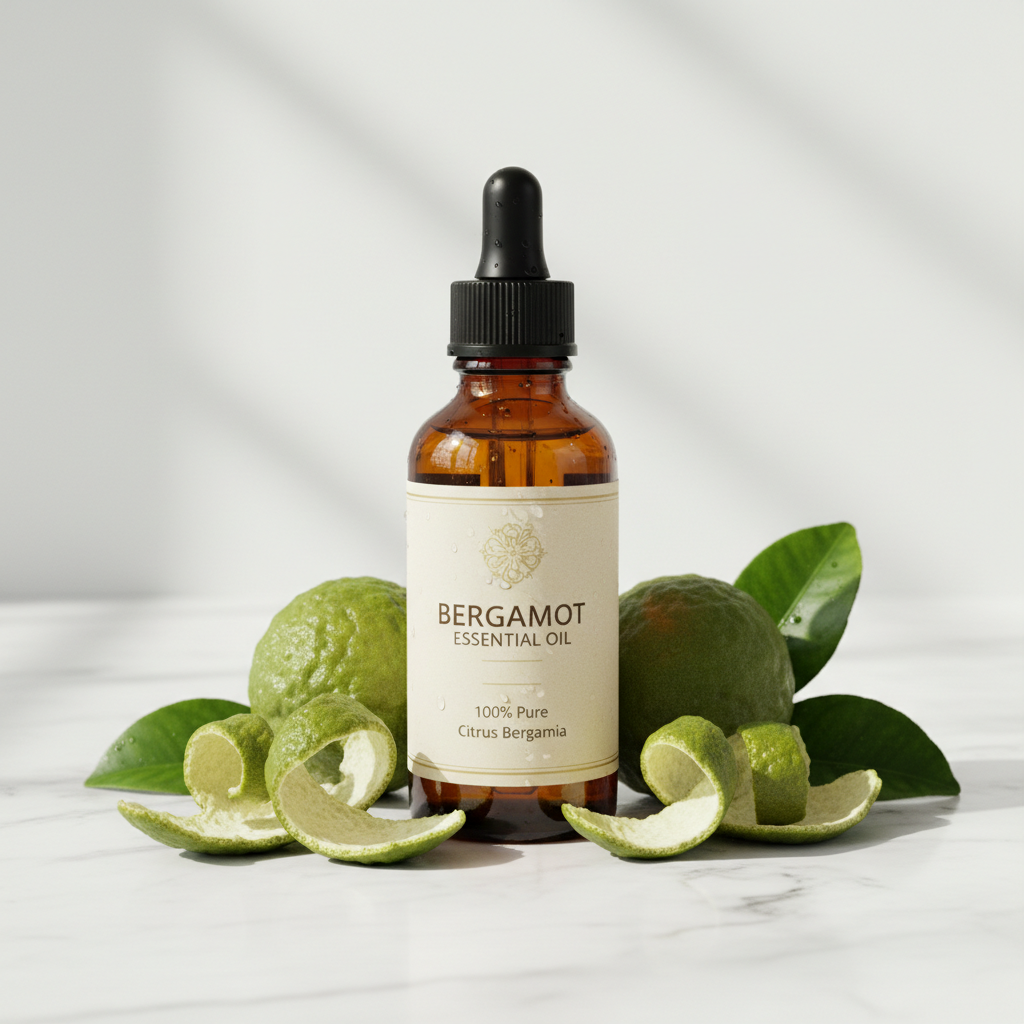
digestion
pain relief
energy
Learn more
Blood Orange Essential Oil

Blood Orange Essential Oil

Citrus sinensis

**Blood Orange Essential Oil: Comprehensive Guide** Blood Orange Essential Oil, scientifically known as *Citrus sinensis*, is an aromatic oil derived from the vibrant peel of the blood orange fruit. This unique fruit, recognized for its stunning color and sweet, tangy flavor, has captured the hearts of many across the world. In this guide, we will delve into the numerous aspects of Blood Orange Essential Oil, covering its origin, extraction methods, therapeutic properties, and applications in various domains. **Origin and Extraction Method** Blood Orange Essential Oil is primarily sourced from Mediterranean regions, notably Italy, where the climate provides ideal growing conditions for citrus fruits. The extraction method used for obtaining this essential oil is cold pressing, a process that preserves the oil's natural fragrance and therapeutic properties. During cold pressing, the outer peel of the fruit is mechanically pressed to extract the essential oil, ensuring that no heat is applied which could degrade the oil's quality. **Botanical Information** The blood orange tree belongs to the Rutaceae family and is a variety of the common orange. Unlike the standard orange, blood oranges have a deep crimson hue on the inside, resulting from high anthocyanin levels, a type of antioxidant. **Therapeutic Properties and Benefits** Blood Orange Essential Oil is renowned for its uplifting aroma and therapeutic benefits. Here are some of the key properties associated with this oil: - **Mood Booster**: The lively, cheerful scent is commonly used in aromatherapy to uplift spirits, enhance mood, and create a positive atmosphere. - **Stress Relief**: Its calming properties can help alleviate stress and anxiety, promoting relaxation and tranquility. - **Energizing**: Many people use this oil to boost energy levels and combat feelings of fatigue, making it an excellent choice for midday pick-me-ups. - **Emotional Balance**: It can support emotional stability, especially during challenging times, by helping to dispel negative emotions. - **Digestive Aid**: When used in massages or diluted in carrier oils, it may aid digestion and alleviate stomach discomfort. - **Immunity Support**: Blood Orange Essential Oil possesses immune-boosting qualities that can help the body fend off illnesses and infections. - **Skin Soother**: With its brightening and soothing properties, this oil is often added to skincare products for its benefits on skin health and appearance. - **Circulation Enhancer**: It may also promote healthy blood circulation, which is essential for overall vitality and wellness. **Historical and Traditional Uses** Historically, blood oranges have been valued not only for their unique taste but also for their medicinal properties. Ancient Egyptians used citrus oils in their health practices, and Mediterranean cultures have long incorporated blood oranges into their culinary delights and wellness rituals. **Aroma Profile and Characteristics** Blood Orange Essential Oil boasts a sweet, citrus aroma that is both refreshing and invigorating. It has warm, fruity notes, making it a popular choice in diffusers, personal care products, and culinary applications. The delightful scent lends itself well to enhancing the ambiance of spaces, making it a preferred choice for relaxation and revitalization. **Common Applications and Methods** 1. **Aromatherapy**: Use in a diffuser to create an uplifting atmosphere in your home or workspace. 2. **Massage**: Dilute with a carrier oil like jojoba or coconut oil for a therapeutic massage. 3. **Skincare**: Add a few drops to lotions or creams to enhance your skincare routine. 4. **Cooking**: Blood Orange Essential Oil can be used in minimal amounts for flavoring dishes, desserts, or beverages, though it is essential to ensure its food-grade quality. **Interesting Facts and Trivia** - The vibrant color of blood oranges makes them not only a healthful fruit but also an aesthetically appealing ingredient for culinary presentations. - Blood Orange Essential Oil's refreshing properties make it a favorite among essential oil enthusiasts seeking a natural way to elevate their mood. - In ancient cultures, citrus fruits were often linked to prosperity and protection, believed to ward off evil spirits. **Conclusion** Blood Orange Essential Oil proves to be much more than just a fragrant addition to essential oil collections; its benefits extend to emotional well-being, digestive health, and skincare applications. Whether used in aromatherapy, personal care products, or culinary dishes, it's a versatile oil with a rich history and numerous therapeutic properties. Dive into the world of Blood Orange Essential Oil, and experience firsthand the uplifting essence it can bring to your life!

mood
stress
energy
Learn more
Blue Lotus Essential Oil

Blue Lotus Essential Oil

Nymphaea caerulea

## Blue Lotus Essential Oil: An In-Depth Exploration Blue Lotus Essential Oil, derived from the exquisite Nymphaea caerulea plant, is renowned for its captivating fragrance and myriad therapeutic properties. This unique essential oil is extracted through a meticulous steam distillation process that captures the delicate essence of the vibrant blue flowers. Historically, the Blue Lotus has been revered in ancient Egyptian culture, symbolizing purity, rebirth, and spiritual enlightenment, making it a powerful oil in both personal and spiritual realms. ### Origin and Extraction Method The Nymphaea caerulea, commonly known as Blue Lotus or Blue Water Lily, flourishes in shallow waters across Africa and the Nile River. The oil is extracted from the petals and flowers of the plant, through steam distillation, preserving its delicate and uplifting fragrance. This process ensures that the therapeutic properties remain intact, providing users with a high-quality essential oil that’s rich in beneficial compounds. ### Botanical Information The Blue Lotus belongs to the family Nymphaeaceae and is characterized by its stunning aquatic flowers that bloom during the day. The plant’s striking blue petals and yellow stamens make it a visual marvel, revered not only for its beauty but also for its medicinal benefits. The oil contains various bioactive compounds, including flavonoids and alkaloids, which contribute to its unique properties. ### Therapeutic Properties and Benefits Blue Lotus Essential Oil is acclaimed for a range of therapeutic effects: - **Calming Effects**: Renowned for its ability to promote relaxation and provide mental clarity, making it an ideal choice for meditation and yoga practices. - **Emotional Support**: The oil may enhance emotional resilience, uplifting mood and alleviating feelings of stress and anxiety. - **Pain Relief**: It offers natural relief for headaches and menstrual discomfort, thanks to its analgesic properties. - **Skin Care**: Renowned for hydrating and soothing, Blue Lotus oil supports healthy skin by reducing irritation and promoting a healthy complexion. - **Respiratory Aid**: It may also aid respiratory function by helping to clear airways, supporting deeper and more relaxed breathing. ### Historical and Traditional Uses In ancient Egyptian culture, the Blue Lotus was revered for its spiritual symbolism and healing qualities. Used in rituals and as a psychoactive substance, it was believed to facilitate connections with the divine and enhance one’s meditative state. Over centuries, it has been incorporated into traditional medicine systems for its calming and restorative properties. ### Scientific Facts and Research Research on Nymphaea caerulea continues to uncover more about its active compounds and their benefits. Studies suggest potential anti-anxiety effects and positive impacts on cognitive function, further validating its historical uses. The presence of alkaloids in the oil suggests additional therapeutic potentials that researchers are still exploring. ### Aroma Profile and Characteristics The aroma of Blue Lotus Essential Oil is often described as floral, sweet, and slightly earthy. Its enchanting scent is soothing and calming, making it a popular choice in aromatherapy and personal care products. The delightful fragrance not only elevates spaces when diffused but also enhances meditation practices. ### Common Applications and Methods - **Aromatherapy**: Use in a diffuser to promote relaxation. - **Massage**: Blend with a carrier oil for calming massage treatments. - **Bath**: Add to bathwater for enhanced relaxation and skin nourishment. - **Skincare**: Incorporate into creams or serums for beneficial skin effects. ### Interesting Facts and Trivia - The Blue Lotus is often associated with rebirth due to its ability to bloom anew each day, symbolizing the cycle of life. - In ancient texts, it is said that the fragrance of the Blue Lotus could affect dreams, promoting vivid visualizations and spiritual insights. ### Conclusion Blue Lotus Essential Oil stands out not only for its beautiful aroma and historical significance but also for its wide array of therapeutic benefits. Whether used for its calming effects, skin benefits, or spiritual properties, it remains a cherished oil with a rich legacy in holistic wellness.

calm
meditation
skin
Learn more
Blue Tansy Essential Oil

Blue Tansy Essential Oil

Tanacetum annuum

**Blue Tansy Essential Oil: Origin, Benefits, and Uses** Blue Tansy Essential Oil, scientifically known as *Tanacetum annuum*, is a unique and vibrant oil extracted from the flowers and leaves of the blue tansy plant, renowned for its striking blue hue. This deep blue color is due to the presence of a compound called chamazulene, which is formed during the steam distillation process. The oil is primarily sourced from Morocco and is deeply rooted in traditional herbal remedies, celebrated for its extensive therapeutic properties. ### **Origin and Extraction Method** Blue Tansy is native to Morocco, where it thrives in the wild. The extraction of this oil involves a meticulous steam distillation process of the plant's flowers and leaves, ensuring that the potent properties are retained. This delicate process is crucial for producing high-quality essential oil that possesses all the beneficial compounds of the plant. ### **Botanical Information** The blue tansy plant belongs to the Asteraceae family. It is characterized by its distinctive blue flowers and aromatic foliage. Understanding the botany of this plant provides insight into its health properties. The oil contains multiple active components, including chamazulene, β-caryophyllene, and matricin, each contributing to its therapeutic effects. ### **Therapeutic Properties and Benefits** 1. **Calming and Soothing**: Blue Tansy Essential Oil is best known for its calming properties. The oil is often used in aromatherapy to help reduce feelings of stress and anxiety, making it an excellent choice for those seeking emotional balance. 2. **Anti-inflammatory**: It has strong anti-inflammatory properties, making it beneficial for soothing irritated skin. This oil can be diluted and used topically to alleviate conditions like eczema and psoriasis. 3. **Muscle Recovery**: After intense workouts, blue tansy can aid muscle recovery. Massaging the oil into sore muscles can promote relaxation and relief from discomfort. 4. **Respiratory Support**: When inhaled, its therapeutic vapors may ease respiratory issues, including coughs and congestion, providing relief from sinus discomfort. 5. **Emotional Well-being**: By promoting a sense of well-being, blue tansy can help stabilize emotions and reduce mood swings, supporting mental clarity and a positive outlook. ### **Historical and Traditional Uses** Historically, blue tansy essential oil has been used in various cultures for centuries. In Moroccan traditional medicine, the oil was employed for a range of ailments, including respiratory issues and skin conditions. Its use in modern aromatherapy has only heightened interest in its historical applications, with practitioners often recommending it as a remedy for stress relief and emotional disbalance. ### **Aroma Profile and Characteristics** Blue Tansy Essential Oil has a unique aroma that blends herbaceous notes with a sweet, honey-like scent. This appealing fragrance makes it a delightful addition to any essential oil collection, often used in diffusers, personal care products, and skincare formulations. ### **Common Applications and Methods** Blue Tansy Essential Oil can be utilized in numerous ways: - **Aromatherapy**: Add a few drops to a diffuser to create a calming environment. - **Topical Applications**: Dilute with a carrier oil such as jojoba or coconut oil before applying to the skin. - **Massage Oil**: Incorporate into a massage blend for additional muscle relief benefits. - **Bathing**: Add a few drops to a warm bath for a relaxing soak. ### **Interesting Facts and Trivia** - Blue Tansy is often confused with other tansy species, but *Tanacetum annuum* is unique for its blue color. - The compound chamazulene, responsible for the oil's color, is a powerful anti-inflammatory agent found in few essential oils. - Blue Tansy is not just popular in aromatherapy; it also finds its place in high-end cosmetics due to its skin-soothing capabilities. ### **Final Thoughts** Blue Tansy Essential Oil is a remarkable oil that embodies both beauty and benefits. Its calming properties, coupled with rich historical usage, make it a must-have in the collection of essential oil enthusiasts. Embrace the relaxing nature of this beautiful blue oil and discover its potential benefits for your emotional and physical well-being.

stress
anxiety
sleep
Learn more
Blue Yarrow Essential Oil

Blue Yarrow Essential Oil

Achillea millefolium

### Introduction to Blue Yarrow Essential Oil Blue Yarrow Essential Oil, extracted from the flowering tops of the Achillea millefolium plant, is a powerful and versatile oil in the world of aromatherapy and holistic health. Known for its vibrant blue color and rich therapeutic properties, this essential oil has been celebrated for centuries for its healing abilities. In this guide, we will delve into the origin, extraction methods, benefits, and applications of Blue Yarrow Essential Oil, providing a comprehensive understanding for those looking to incorporate it into their wellness routine. ### Origin and Extraction Method The plant Achillea millefolium, commonly known as yarrow, is native to Europe and Asia but is now found in many temperate regions worldwide. Blue Yarrow Essential Oil is derived through the steam distillation method, which involves passing steam through the plant material to vaporize the volatile compounds. This not only preserves the oil's beneficial properties but also captures its unique aroma. The result is a potent and aromatic essential oil that retains the essence of this remarkable plant. ### Botanical Information Blue Yarrow belongs to the Asteraceae family and features finely dissected leaves and clustered flower heads, typically appearing in shades of yellow, pink, and white. The essential oil’s characteristic blue color is due to the presence of chamazulene, a compound that contributes to its anti-inflammatory and soothing properties. Botanical studies indicate that yarrow has been used since antiquity, with references found in ancient texts by Hippocrates and Dioscorides. ### Therapeutic Properties and Benefits Blue Yarrow Essential Oil is renowned for its numerous therapeutic benefits, including: - **Anti-inflammatory**: Helps reduce inflammation in the body, making it useful for various inflammatory conditions. - **Antiseptic**: Possesses natural antiseptic properties, promoting wound healing and preventing infection when applied topically. - **Relaxant**: Acts as a natural relaxant, helping to soothe anxiety, stress, and emotional tension. - **Circulatory Aid**: Improves circulation, making it beneficial for those suffering from cold hands and feet or circulatory issues. - **Digestive Support**: Traditionally used to ease digestive complaints and enhance appetite. ### Historical and Traditional Uses Historically, Blue Yarrow was employed by various cultures for its impressive healing capabilities. Native Americans utilized it as a protective herb and for treating wounds, while soldiers carried it into battle as a wound herb. In ancient times, yarrow leaves were often used to treat fevers and intestinal issues, reflecting its historical significance in herbal medicine. ### Scientific Facts and Research Recent studies have confirmed many of the traditional uses of Blue Yarrow Essential Oil. Research highlights its potential as an anti-inflammatory agent, demonstrating its efficacy against inflammatory cytokines in vitro. Additionally, its antioxidant properties are gaining attention, showcasing the oil's ability to combat oxidative stress in cells. ### Aroma Profile and Characteristics Blue Yarrow Essential Oil has a unique and complex aroma, featuring herbal, floral, and slightly sweet notes. Its taste is often described as fresh and green, which makes it an appealing choice for those looking to enhance their home environment with uplifting scents. Its aroma profile can contribute to mood enhancement and create a calming atmosphere during meditation or yoga practices. ### Common Applications and Methods There are numerous ways to use Blue Yarrow Essential Oil effectively: - **Aromatherapy**: Diffuse the oil in your home to create a soothing environment. - **Topical Use**: Dilute with a carrier oil and apply to affected areas for skin issues or muscle tension. - **Bathing**: Add a few drops to your bathwater for an invigorating and relaxing experience. - **Massage**: Blend with a carrier oil for a calming massage that helps relieve stress and muscle tightness. ### Interesting Facts and Trivia - Blue Yarrow is often called "soldier's woundwort" due to its historical use in treating injuries on the battlefield. - Chamazulene, the component responsible for the blue color, also contributes to its powerful anti-inflammatory effects. ### Conclusion Blue Yarrow Essential Oil is not just another essential oil; it is a multifaceted tool for emotional and physical wellness. With its rich history, therapeutic properties, and diverse applications, it deserves a place in every holistic health toolkit. Whether used in aromatherapy, topical treatments, or baths, Blue Yarrow connects us to herbal traditions while offering modern-day benefits.

skin
stress
pain
Learn more
Brazilian Orange Essential Oil

Brazilian Orange Essential Oil

Citrus sinensis

Brazilian Orange Essential Oil, also known as Citrus sinensis, is highly esteemed for its refreshing and uplifting aroma. This essential oil is extracted meticulously from the bright orange peels of oranges that thrive in the warm Brazilian climate. The extraction method primarily employed is cold-pressing, which helps to maintain the oil's vibrant scent and beneficial properties, ensuring a high-quality product for aromatherapy and holistic health applications. ### Origin and Extraction Method Brazilian oranges are native to Brazil and have been cultivated there for centuries, celebrated for their delicious sweetness and juiciness. The essential oil is obtained through a cold-press process that mechanically presses the peels to release their essential oils without the application of heat, thus preserving the oil’s natural characteristics and potency. This careful extraction process guarantees that the extracted oil captures the fruit’s fresh essence and therapeutic benefits. ### Botanical Information Citrus sinensis belongs to the Rutaceae family, which is known for its citrus fruits. These oranges are not only enjoyed fresh but also contribute significantly to the production of delicious, aromatic essential oil. The plant features glossy leaves and fragrant white flowers, which are a delight to the senses. ### Therapeutic Properties and Benefits Brazilian Orange Essential Oil is renowned for its myriad of benefits, particularly in the realm of emotional and mental well-being. Here are some of the major therapeutic properties: 1. **Mood Booster**: The sweet, citrus scent is uplifting and can help improve your mood, making it an excellent choice for combating feelings of sadness or fatigue. 2. **Stress Relief**: Inhaling the aroma of Brazilian orange oil can significantly lower stress and anxiety levels, promoting a sense of tranquility and calmness. 3. **Mental Clarity**: This essential oil aids in improving mental clarity and focus. It is particularly useful for those needing to concentrate or enhance cognitive function. 4. **Emotional Balance**: The oil’s ability to harmonize emotions makes it an effective tool for those dealing with mood swings or emotional turbulence. 5. **Increased Energy**: The invigorating scent acts as a natural energizer, helping to fight off fatigue and boost overall vitality. 6. **Supports Respiratory Health**: Brazilian Orange Essential Oil can help clear airways and promote easier breathing, making it an ideal addition to various respiratory remedies. 7. **Skin Rejuvenation**: When diluted properly, this oil can help enhance the appearance of skin by improving skin tone and reducing blemishes. 8. **Eliminates Odors**: As a natural deodorizer, it effectively neutralizes unpleasant smells, making it perfect for home and personal care uses. 9. **Promotes Digestive Comfort**: Brazilian orange oil can soothe occasional digestive discomfort when applied correctly in diluted forms. 10. **Acts as a Natural Insect Repellent**: Its fragrant aroma is not only delightfully appealing to humans but is also effective in deterring bugs and insects. ### Historical and Traditional Uses Historically, Brazilian Orange Essential Oil has been used in various traditional medicinal practices in Brazil. The bright aroma was employed for its therapeutic effects in traditional healing, with practitioners using it to promote emotional and physical well-being. ### Scientific Facts and Research Research has shown that essential oils like Brazilian orange possess active properties that can positively impact human health. Studies highlight their ability to reduce cortisol levels, thereby enhancing mood and alleviating stress, which is a significant breakthrough in aromatherapy practices. ### Aroma Profile and Characteristics The aroma profile of Brazilian Orange Essential Oil is characterized by its sweet, fresh, and tangy scent. The euphoric fragrance fills the space with warmth and positivity, making it a popular choice in diffusers and personal perfumes. ### Common Applications and Methods Brazilian Orange Essential Oil is widely used in various applications, including: - **Aromatherapy**: Used in diffusers or inhaled directly for mood enhancement. - **Topical Use**: Must be diluted with carrier oils for skincare applications. - **Home Fragrance**: A few drops in cleaning products or air fresheners. - **Massage Therapy**: Added to massage oils for relaxation and rejuvenation during therapies. ### Interesting Facts and Trivia - Brazilian Orange is often referred to as "sweet orange" due to the health benefits and palatable fruit. - The vibrant color of oranges is not just beautiful; it is chemically indicative of its rich vitamin C content, making the oil not only aromatic but also nutritionally beneficial. In conclusion, Brazilian Orange Essential Oil (Citrus sinensis) is a remarkable oil known for its range of therapeutic benefits, uplifting aroma, and extensive applications in health and wellness. Incorporating it into your daily routine can enhance not only emotional balance and mental well-being but also offer practical benefits in your home.

mood
stress
energy
Learn more
Cacao Absolute Essential Oil

Cacao Absolute Essential Oil

Theobroma cacao

Cacao Essential Oil, derived from the seeds of the Theobroma cacao tree, is an aromatic oil celebrated for its rich history and numerous therapeutic benefits. This oil, extracted through the solvent extraction method from cacao beans, captures the essence of chocolate, a substance that has been cherished by various cultures for centuries, especially in Mesoamerica. The use of cacao can be traced back to the ancient Maya and Aztec civilizations, where it held a revered position not only as a food source but also as a key element in religious and ceremonial rituals. **Botanical Information**: Cacao is scientifically classified under the family Malvaceae. Its botanical name, Theobroma cacao, translates to "food of the gods," reflecting the high esteem in which it was held by ancient civilizations. Cacao trees prefer humid, tropical climates and can reach heights of up to 15-25 feet. The seeds, or cocoa beans, are extracted from the pods of the cacao tree after fermentation and drying processes. **Extraction Method**: The essential oil of cacao is commonly extracted using a solvent extraction method. This technique involves using a solvent to dissolve the various components of the cacao beans, allowing for the isolation of the aromatic compounds. The resulting oil is thick, dark, and has a deep chocolate aroma that is both soothing and invigorating. **Therapeutic Properties and Benefits**: Cacao Essential Oil is rich in antioxidants, flavonoids, and essential fatty acids, making it a valuable asset in holistic wellness practices. Here are some of its well-known benefits: 1. **Mood Elevation**: The aroma of cacao is known to uplift spirits and alleviate feelings of sadness, making it a popular choice in aromatherapy for enhancing positivity. 2. **Stress Relief**: Its comforting and warm scent can provide a sense of solace, helping to ease stress and promote relaxation after a long day. 3. **Cognitive Focus**: Cacao Essential Oil is believed to enhance mental clarity and concentration, ideal for use while studying or tackling challenging tasks. 4. **Nostalgia Inducer**: The sweet, chocolatey aroma often evokes pleasant memories, creating a connection with the past and enhancing emotional well-being. 5. **Skin Nourishment**: Rich in antioxidants and essential fatty acids, cacao oil can nourish the skin, providing hydration and protection against environmental damage. It may also support overall skin health by improving elasticity and smoothness. 6. **Immune Boosting**: Some studies suggest that cacao contains compounds that could enhance immune response and provide a gentle boost to the body’s defense mechanisms. **Historical and Traditional Uses**: Historically, cacao was used to create drinks that were believed to have aphrodisiac properties and were often enjoyed during communal gatherings or rituals. The Aztecs often used cacao beans as currency and considered it a divine gift. In modern times, women use cacao oil in skincare products for its rejuvenating properties and its ability to enhance emotional well-being through its aromatic qualities. **Aroma Profile**: The distinct scent of cacao essential oil is characterized by a rich, sweet, and warm chocolate aroma. This scent can create a cozy atmosphere, perfect for relaxation and meditation sessions. It blends well with other essential oils like orange, peppermint, or jasmine, creating an uplifting and refreshing fragrance blend. **Common Applications and Methods**: Cacao Essential Oil can be used in various ways, including: - **Aromatherapy Diffusers**: Add a few drops to a diffuser to fill your space with its rich aroma and create a calming environment. - **Massage Oil**: Dilute in a carrier oil and use for massage, promoting relaxation and skin hydration. - **Skincare Products**: Incorporate into homemade lotions or creams to take advantage of its moisturizing properties. - **Bath Soak**: A few drops in a warm bath can enhance relaxation and sensory enjoyment. **Interesting Facts and Trivia**: Did you know that cacao is not only the basis for chocolate but also serves as a source of vital nutrients for health? The high antioxidant content found in cacao may play a role in reducing inflammation and promoting heart health. Additionally, cacao is often associated with feelings of pleasure due to the presence of compounds that stimulate the release of endorphins and serotonin, the "feel-good" hormones, making it a popular choice in both culinary delights and wellness practices. In summary, Cacao Essential Oil is a versatile and multi-beneficial oil, rich in historical significance and therapeutic properties. Its delightful aroma can provide emotional uplift and comfort while promoting physical well-being. Whether used in beauty routines or enjoyed during moments of self-care, cacao essential oil continues to enrich our lives with its extraordinary qualities.

mood
stress
skin
Learn more
Cajeput Essential Oil

Cajeput Essential Oil

Melaleuca cajuputi

**Cajeput Essential Oil: Comprehensive Guide** Cajeput essential oil is a highly valued aromatic oil derived from the leaves and twigs of the **Melaleuca cajuputi** tree, a member of the Myrtaceae family, native to Southeast Asia and Australia. This essential oil has been cherished for centuries due to its numerous therapeutic properties and applications. ### Origin and Extraction Method Cajeput essential oil is extracted through a meticulous steam distillation process that preserves the oil's natural compounds. The Melaleuca cajuputi tree flourishes in wetlands and is often found in the coastal areas of Indonesia, Malaysia, and Australia. The leaves, rich in essential oils, are harvested and distilled, resulting in a clear to pale yellow liquid with a distinctive camphorous aroma. ### Botanical Information The cajeput tree grows up to 20 meters tall, characterized by its fragrant leaves and smooth bark. The botanical name, *Melaleuca cajuputi*, originates from the Malay words meaning 'white tree,' reflecting the tree's pale bark. It thrives in tropical climates, making it a resilient plant in its natural habitat. ### Therapeutic Properties and Benefits Cajeput oil is renowned for its antiseptic, analgesic, and anti-inflammatory properties. It has been traditionally used to combat respiratory issues by acting as a decongestant and has shown effectiveness in relieving symptoms of colds and flu. In addition to its respiratory benefits, cajeput essential oil is also known for promoting overall wellness. - **Respiratory Support**: Cajeput oil can be diffused or inhaled to alleviate nasal congestion and support respiratory function. Its stimulating effect encourages clearer breathing and may help ease conditions like sinusitis. - **Muscle Relief**: When diluted with a carrier oil and used topically, cajeput oil provides relief from sore muscles and joint pain, making it a popular choice for athletes and those seeking natural pain relief. - **Emotional Well-being**: The calming properties of cajeput oil can help reduce stress and anxiety, promoting relaxation and emotional balance. This oil can uplift the mood and is beneficial during periods of mental fatigue. ### Historical and Traditional Uses Historically, Cajeput essential oil was used by indigenous populations for its healing qualities. Practitioners of traditional medicine utilized cajeput oil in various formulations to treat ailments ranging from respiratory infections to skin irritations. The oil's applications in folk medicine have paved the way for its modern use in aromatherapy and holistic health practices. ### Scientific Facts and Research Scientific studies affirm the medicinal benefits of cajeput essential oil. Research indicates its effectiveness as an antimicrobial agent, highlighting its applications in skin care formulations. The oil’s primary compounds, such as 1,8-cineole, have been studied for their ability to promote respiratory health and provide relief from inflammation. ### Aroma Profile and Characteristics Cajeput essential oil has a fresh, medicinal, and slightly sweet aroma, reminiscent of eucalyptus. Its distinctive scent is invigorating, making it particularly suitable for energizing the environment when diffused. The chemical constituents contribute to its recognizable fragrance and therapeutic properties. ### Common Applications and Methods Cajeput oil can be used in various ways, including: - **Aromatherapy**: Add a few drops to a diffuser or inhale directly from the bottle to promote relaxation and clarity. - **Topical Application**: Mix with a carrier oil, like coconut or jojoba oil, for a soothing massage or to relieve muscle pain. - **Inhalation**: Place a few drops on a tissue or handkerchief and inhale during colds or allergies for respiratory support. ### Interesting Facts and Trivia - Cajeput oil is sometimes referred to as "white tea tree oil" due to its botanical classification and similarities with tea tree oil. - This essential oil is often a component in natural insect repellents due to its insecticidal properties, offering an eco-friendly alternative to synthetic repellents. - Traditionally, cajeput was also used for its diuretic properties, supporting kidney health and aiding in detoxification. ### Conclusion Cajeput essential oil is a versatile and beneficial oil that has stood the test of time. With its rich history and potent therapeutic properties, it remains a popular choice for holistic practitioners and individuals seeking natural remedies. By incorporating cajeput oil into daily routines, users can harness its potential for promoting health, wellness, and emotional stability.

respiratory
pain relief
stress
Learn more
Calamus Essential Oil

Calamus Essential Oil

Acorus calamus

Calamus essential oil, extracted from the rhizome of the Acorus calamus plant, has a storied history and numerous benefits that have made it a cherished component in both traditional healing practices and modern aromatherapy. This oil is primarily harvested through steam distillation, which effectively preserves the plant's potent therapeutic properties and aromatic profile. ### Origin and Extraction Method The Acorus calamus, also known as sweet flag, is native to marshy regions across Europe, Asia, and North America. The essential oil is derived from the rhizome, the underground stem of the plant, which is rich in various beneficial compounds. The steam distillation method used to extract Calamus essential oil ensures that its natural compounds remain intact, thus maintaining its effectiveness and aroma. This method efficiently separates oil from water, yielding a high-quality essential oil that is both aromatic and therapeutic. ### Botanical Information Calamus belongs to the family Acoraceae. The plant typically grows up to 1 meter tall, featuring sword-like leaves and a distinctive flowering spike. Its history dates back to ancient civilizations, where it was revered for its fragrant properties and utilized as a herbal remedy. The thick rhizome has been a part of Ayurvedic medicine, revered for promoting mental clarity and balance. ### Therapeutic Properties and Benefits Calamus essential oil is celebrated for its wide range of therapeutic properties: - **Mood Enhancer**: The oil is renowned for its uplifting aroma that can invigorate the senses and elevate mood, making it an excellent choice for aromatherapy sessions. - **Stress Relief**: Many users report a calming effect during stressful times, finding solace in the soothing properties of Calamus oil that help promote tranquility. - **Mental Clarity**: Calamus is known to support cognitive functions, enhancing focus and concentration—ideal for those needing a mental boost. - **Emotional Balance**: Traditionally, Calamus has been used as an emotional stabilizer, helping alleviate feelings of anxiety and fostering a sense of inner peace. - **Courage Booster**: Frequently utilized in rituals, this oil is believed to enhance one's courage and diminish fears. - **Respiratory Support**: It's known to assist in relieving congestion and promoting easier breathing, especially during colds and allergic reactions. - **Pain Relief**: When used in massage, Calamus oil can help relieve muscle tension and discomfort, promoting relief through its analgesic properties. - **Skin Tonic**: Calamus essential oil can be applied to the skin to aid in healing minor irritations, acting as a toner that may promote healthier skin overall. - **Detoxifying Agent**: This oil is credited with aiding the body in detoxification processes, potentially helping eliminate toxins. - **Menstrual Support**: Some studies suggest that Calamus essential oil may help regulate menstrual cycles and alleviate discomfort associated with menstruation. ### Historical and Traditional Uses Historically, Calamus has been used in various cultures for ceremonial purposes and traditional medicine. In Ayurveda, it has been prescribed for enhancing mental capabilities and emotional well-being. Ancient Egyptians also valued it highly, using it in their rituals and as a therapeutic herb in their healing practices. Its varied applications showcase its versatility as both a fragrance and a therapeutic oil. ### Aroma Profile and Characteristics The aroma of Calamus essential oil is warm, spicy, and somewhat sweet, with a hint of earthiness. This unique scent profile makes it suitable for combination with other essential oils in blends, enhancing the overall aromatic experience. It is often favored for its ability to ground and center the mind during meditation practices. ### Common Applications and Methods Calamus essential oil can be used in several ways: - **Aromatherapy Diffusion**: Add a few drops to a diffuser to fill your space with its uplifting scent. - **Massage Oil**: It can be blended with a carrier oil, such as jojoba or sweet almond oil, for a soothing massage experience. - **Topical Application**: Dilute it with a carrier oil before applying to the skin for targeted relief and benefits. - **Bath Soak**: A few drops in a warm bath can help alleviate stress and relax the body. ### Interesting Facts and Trivia - Calamus is often referred to as sweet flag and has been mentioned in various ancient texts for its aromatic and health benefits. - Its rhizome can be chewed or used in teas as a flavoring agent and digestion aid. - The oil has made its way into certain culinary traditions, although usage is less common in modern cuisine. In summary, Calamus essential oil is not only a fragrant addition to aromatherapy practices but also brings a host of therapeutic benefits deeply rooted in historical and medicinal traditions. Its versatility makes it a valuable addition to essential oil collections, promoting both physical and emotional well-being.

stress
mood
skin
Learn more
Calendula Carrier Oil

Calendula Carrier Oil

Calendula officinalis

**Calendula Carrier Oil: Origin, Benefits & Uses** **Introduction to Calendula Carrier Oil** Calendula Carrier Oil, extracted from the vibrant flowers of *Calendula officinalis*, also known as marigold, is a highly esteemed oil in herbal medicine and aromatherapy. This oil has gained popularity due to its myriad therapeutic properties, making it an essential ingredient in skin-care products, soaps, and wellness formulations. Its soft golden hue and subtle aroma contribute to its appeal. **Origin and Extraction Method** Calendula Carrier Oil is derived through a gentle cold-press extraction process, which helps preserve the oil's potent nutrients and therapeutic qualities. The calendula plant thrives in various climates, particularly in Europe, the Mediterranean, and North America. It is cultivated for ornamental purposes as well as for its medicinal properties. The flowers are harvested at peak bloom, carefully dried, and then subjected to the extraction process to create the pure oil loved by many. **Botanical Information** *Calendula officinalis* is a flowering plant in the Asteraceae family. Known for its bright yellow to orange petals, calendula has been used for centuries for its healing properties. Historically, calendula flowers have been utilized in various cultures as a remedy for skin ailments, digestive issues, and even as a dye ingredient. **Therapeutic Properties and Benefits** Calendula Carrier Oil is renowned for its anti-inflammatory, antimicrobial, and skin-repairing abilities. It is particularly effective in treating a range of skin conditions including eczema, dermatitis, and psoriasis. The oil aids in healing wounds, reducing inflammation, and speeding up the recovery process thanks to its rich composition of flavonoids and antioxidants. Additionally, it promotes skin hydration, making it an excellent option for dry or sensitive skin types. Beyond its skin benefits, calendula oil is also used to alleviate anxiety and promote relaxation. Its calming aroma can uplift moods, creating a sense of well-being and emotional balance. This dual functionality makes it a revered oil in both cosmetic and mental health applications. **Historical and Traditional Uses** Historically, calendula has been used in traditional medicine practices such as Ayurveda and European herbalism. Its therapeutic qualities are well documented, with ancient civilizations using it to ward off infections and promote skin healing. Herbalists often formulated ointments and tonics from calendula to treat wounds during battles or after surgery. **Scientific Facts and Research** Numerous scientific studies have validated the benefits of calendula oil. Research highlights its potential to reduce inflammation and improve skin health. One study published in the Journal of Ethnopharmacology found that calendula exhibited significant antifungal activity, proving its efficacy against common skin irritants. Other studies show that topical application can enhance wound healing and skin barrier function, making it instrumental in formulations for sensitive and damaged skin. **Aroma Profile and Characteristics** Calendula Carrier Oil carries a mildly sweet, earthy aroma that is soothing and comforting. Its fragrance profile contributes to a calming environment, ideal for relaxation during aromatherapy sessions. The oil's soothing scent also pairs well with various essential oils for a holistic approach to wellness. **Common Applications and Methods** Calendula Carrier Oil can be used in several ways, including: - **Massage Oil**: Combine with other carrier oils or essential oils to create a relaxing massage blend. - **Skincare**: Apply directly to skin irritations or mix with creams for enhanced benefits. - **Aromatherapy**: Use in diffusers to promote a calming atmosphere or add to bathwater for indulgent self-care. - **Hair Care**: Incorporate into conditioning treatments for moisturizing benefits. **Interesting Facts and Trivia** - Calendula flowers are often referred to as "the joy of the garden" for their vibrant colors. - The oil is non-toxic and considered safe for use on children, making it a favorite among natural parenting communities. - Aside from skincare, calendula’s edible flowers have been used to add color and flavor to food dishes in various cuisines. **Conclusion** Calendula Carrier Oil is a versatile and valuable oil with rich history and multitude of uses. From its therapeutic properties to its role in promoting relaxation and skin health, it truly is a testament to nature's gifts. Whether you are exploring natural remedies or enhancing your skincare routine, calendula carrier oil is a fantastic addition to your wellness arsenal.

skin
healing
anti-inflammatory
Learn more
Camelia Carrier Oil

Camelia Carrier Oil

Camellia oleifera

## Understanding Camelia Carrier Oil Camelia Carrier Oil, sourced from the seeds of the *Camellia oleifera* plant, has been a cherished oil in both culinary and cosmetic industries, primarily hailing from East Asia, particularly China, Japan, and Korea. ### Origin and Extraction Method The oil is typically extracted using a cold-press method, which not only preserves its nutritional qualities but also allows for a high yield. The cold-pressing technique involves mechanically pressing the seeds without using heat, ensuring that the oil retains its essential nutrients, flavor, and aroma. This method is advantageous because heat can degrade certain beneficial compounds, rendering the oil less effective. ### Botanical Information *Camellia oleifera* is a flowering plant in the family Theaceae, known for its glossy leaves and small, fragrant white flowers. The seeds of this plant contain a high oil content, making them perfect for extracting carrier oils that are used extensively in beauty products, cooking, and traditional medicine. ### Therapeutic Properties and Benefits Camelia Carrier Oil is rich in essential fatty acids, particularly oleic acid, which constitutes approximately 80-90% of its composition. This makes it an excellent emollient, providing intense hydration and nourishment. The oil is celebrated for its skin benefits, such as: - **Moisturization:** Deeply hydrates the skin, preventing moisture loss and improving skin barrier function. - **Antioxidant Properties:** Contains polyphenols and vitamins, which help protect the skin from free radical damage and slow the signs of aging. - **Skin Nourishment:** Promotes collagen production, enhancing skin elasticity and firmness, making it beneficial for reducing the appearance of fine lines and wrinkles. - **Hair Health:** Camelia Oil enhances hair shine and softness. It penetrates the hair shaft, providing moisture and preventing dryness and split ends. ### Historical and Traditional Uses For centuries, Camelia Oil has been utilized in traditional Chinese beauty rituals. Ancient Chinese emperors valued it for its skin-enhancing properties, often applying it as a moisturizer and hair shine enhancer. Moreover, Japanese geishas incorporated it into their skincare regimens to maintain their youthful appearance. Its historical significance continues to influence its current popularity in beauty and skincare products worldwide. ### Scientific Facts and Research Recent scientific research has begun to validate the traditional claims associated with Camelia Oil. Studies have demonstrated its efficacy in improving skin hydration significantly and reducing transepidermal water loss (TEWL). Moreover, the oil's anti-inflammatory properties can help soothe irritated skin, making it suitable for sensitive skin types. Research also suggests that regular application of Camelia Oil can aid in the recovery from minor skin injuries, as it fosters healing and rejuvenation. ### Aroma Profile and Characteristics Camelia Carrier Oil has a light, slightly nutty aroma, which is soft and not overpowering. Its scent makes it an excellent base for essential oil blends, providing a pleasant sensory experience in aromatherapy settings. Due to its non-greasy texture, it absorbs quickly into the skin, leaving no residue behind, which enhances its appeal in cosmetic formulations. ### Common Applications and Methods Camelia Carrier Oil can be used in numerous applications, including: - **Skincare**: As a standalone moisturizer or as part of a blend with essential oils for massage and aromatherapy. - **Haircare**: Added to shampoos and conditioners or used as a leave-in treatment. - **Culinary**: Used in dressings and marinades due to its mild flavor and health benefits. - **Massage**: Acts as a luxurious massage oil, providing smooth application and nourishment to the skin. ### Interesting Facts and Trivia - Camelia Oil is sometimes referred to as "tea seed oil" because it is derived from the seeds of the *Camellia* plant, which is also used to produce tea. - The oil is known to have a high smoke point, making it suitable for various cooking methods, including frying and baking. - Its light texture has led to its popularity in the formulation of high-end beauty products, valued for the luxurious feel it imparts on the skin. In conclusion, Camelia Carrier Oil is an exemplary oil that boasts numerous benefits, from its skin-nourishing properties to its historic significance in beauty rituals. This versatile oil, with its impressive array of applications in skincare, haircare, and culinary uses, continues to be a favored choice among many seeking natural beauty solutions.

moisturizer
skin care
hydration
Learn more
Camphor Essential Oil

Camphor Essential Oil

Cinnamomum camphora

### Introduction to Camphor Essential Oil Camphor essential oil is an aromatic oil extracted from the wood of the **Cinnamomum camphora** tree. This evergreen species is native to Asia, particularly in Taiwan and Japan, and has been valued for centuries, not only for its fragrance but for its numerous therapeutic properties. Typically achieved through steam distillation, the process of extracting camphor essential oil ensures that it retains its invigorating qualities, making it a popular choice in both holistic and modern medicine. ### Botanical Information Camphor is classified botanically in the Lauraceae family, the same family that includes bay laurel and cinnamon. The Cinnamomum camphora tree can grow up to 100 feet tall, characterized by its shiny green leaves and small white flowers. The camphor extracted from the tree trunk has a distinctive and potent aroma, often described as a penetrating, woody scent with hints of menthol. ### Therapeutic Properties and Benefits One of the most remarkable aspects of camphor essential oil is its diverse array of therapeutic properties. Some of the key benefits include: - **Respiratory Health**: Camphor oil is well-known for its ability to support respiratory function. Inhaling its vapors can help clear congestion, making it a common ingredient in cough syrups and chest rubs. - **Pain Relief**: When blended with carrier oils and applied to the skin, camphor acts as a natural analgesic, effectively relieving minor aches, sore muscles, and joint pain. - **Anti-inflammatory Action**: Its anti-inflammatory properties make camphor oil beneficial for conditions like arthritis and muscle strains. - **Stress Relief**: The calming effect of camphor can help alleviate stress and anxiety, promoting relaxation and a sense of tranquility. ### Historical and Traditional Uses Historically, camphor has been used in various cultures for medicinal purposes and rituals. In traditional Chinese medicine, it has been utilized for its capacity to ward off illnesses alongside its medicinal benefits. In Ayurveda, camphor is considered to balance the three doshas and is often recommended for its potential to increase vitality. ### Scientific Research and Facts Research on camphor essential oil has demonstrated its potential in a range of applications. Studies indicate its efficacy as an antimicrobial agent, which may help fight infections. Moreover, preliminary research suggests its effectiveness in improving circulation, making it a favored choice in massage therapy and sports recovery practices. ### Aroma Profile and Characteristics The distinct aroma of camphor essential oil is sharp and penetrating. When diffused, it creates an invigorating atmosphere that can energize any space. The scent is often associated with clarity and freshness, making it a popular choice for enhancing focus during study or work sessions. ### Common Applications and Methods Camphor essential oil can be applied in several ways: - **Aromatherapy**: Used in diffusers to promote respiratory health and alleviate stress. - **Topical Application**: When diluted with a carrier oil, it can be massaged into sore muscles and joints. - **Bath Additive**: A few drops in a warm bath can provide a soothing experience. - **Incense and Candles**: Creates a calming atmosphere, enhancing spatial energy during meditation or relaxation routines. ### Interesting Facts and Trivia - **Insect Repellent**: Camphor is often included in formulations aimed at repelling insects. - **Culinary Uses**: In some cultures, small amounts of camphor are used in culinary dishes, though it should always be used cautiously. - **Preservation**: Camphor has been used historically to preserve clothing and wood due to its fungicidal properties. ### Conclusion Overall, camphor essential oil stands out not only for its invigorating aroma but also for its broad spectrum of health benefits and traditional significance. Whether used in aromatherapy, massage, or traditional medicine, camphor continues to be a valuable addition to wellness practices, embodying a rich history that spans thousands of years. Its potent properties make it a staple not just for health enthusiasts but also for those seeking natural alternatives for a variety of ailments.

respiratory
pain
energy
Learn more
Cananga Java Essential Oil

Cananga Java Essential Oil

Cananga odorata

**Cananga Java Essential Oil: Overview** Cananga Java Essential Oil, extracted from the flowers of the Cananga odorata tree, holds a special place in the world of essential oils due to its rich, sweet, and floral aroma, often likened to ylang-ylang. This unique essential oil is revered not just for its delightful fragrance but also for its therapeutic properties and versatile applications. **Origin and Extraction Method** Originating from Southeast Asia, particularly Indonesia, the Cananga odorata tree thrives in tropical climates. The essential oil is extracted through steam distillation, a method that effectively captures the delicate floral notes and preserves the oil's numerous therapeutic properties. This extraction process allows for a high-quality product that is potent and beneficial for various applications. **Botanical Information** Botanically classified under the family Annonaceae, the Cananga odorata tree can grow up to 20 meters tall, featuring large, fragrant yellow flowers. These flowers bloom primarily in the rainy season, contributing to the enchanting aroma that is characteristic of Cananga Java Essential Oil. **Therapeutic Properties and Benefits** 1. **Calming Effects**: One of the most well-documented benefits of Cananga Java Essential Oil is its ability to promote relaxation and calmness. The oil acts as a natural anxiolytic, reducing stress and tension, making it a great addition to aromatherapy practices. 2. **Emotional Balance**: Cananga Java Essential Oil enhances emotional balance and clarity, enabling individuals to process feelings deeply and promote emotional resilience. Its uplifting properties can create an atmosphere of love and compassion, beneficial for relationship healing. 3. **Cognitive Clarity**: Inhaling or diffusing the oil can aid in improving mental clarity and focus. This essential oil encourages mindfulness, allowing users to be present in the moment, effectively contributing to overall mental health. 4. **Health Support**: The oil supports cardiovascular health by promoting healthy circulation and may also assist in alleviating symptoms of headaches and tension. When diluted and used in massage, Cananga Java Essential Oil enhances relaxation and relieves muscle discomfort. 5. **Skincare Benefits**: Cananga Java Essential Oil can aid in reducing skin blemishes and promoting a clear, glowing complexion. It may also provide relief from PMS and menopausal symptoms due to its balancing effects on hormones. **Historical and Traditional Uses** Historically, Cananga Java Essential Oil has been used in traditional Southeast Asian ceremonies and rituals, where its calming effects are believed to promote emotional healing and spiritual connection. In some cultures, it is considered a symbol of love and affection and is used in perfumes and personal care products for its attractive scent and properties. **Scientific Facts and Research** Research into the properties of Cananga Java Essential Oil has revealed its rich composition of aromatic compounds, including linalool and benzyl acetate, which are credited with its calming and uplifting effects. Studies have shown that these compounds can impact mood regulation and emotional well-being, making this oil a subject of interest in psychological and botanical research. **Aroma Profile and Characteristics** Cananga Java Essential Oil presents a rich, sweet floral aroma with subtle earthy undertones. It is this captivating scent profile that makes it widely used in perfumery and as a fragrance oil in various personal care products. Its pleasing scent is known to evoke feelings of happiness and tranquility, making it a popular choice for creating peaceful environments. **Common Applications and Methods** 1. **Aromatherapy Diffusion**: Add a few drops to a diffuser to envelop your space in a soothing fragrance that encourages relaxation. 2. **Massage**: When blended with a carrier oil, Cananga Java Essential Oil is ideal for massage therapies to relieve muscle tension and promote emotional balance. 3. **Bathing**: A few drops added to a warm bath can transform your bathing experience into a luxurious, calming ritual. 4. **Skincare**: Incorporating this oil into skincare routines can help balance oil production and enhance skin appearance. 5. **Inhalation**: Direct inhalation of this essential oil helps clear the mind and reduce anxiety levels. **Interesting Facts and Trivia** - Cananga Java Essential Oil is sometimes referred to as "Java Ylang-Ylang" due to its similarities with ylang-ylang oil. - It is often used in the production of perfumes, particularly in floral and oriental blends, showcasing its versatility as a fragrance oil. - The Cananga odorata tree is also known for its picturesque flowers that are often used in ornamental landscaping in tropical regions. In conclusion, Cananga Java Essential Oil is a fascinating essential oil with a myriad of uses and benefits. From its delightful aroma to its significant therapeutic properties, it’s an essential addition to any aromatherapy kit or natural wellness regimen.

relaxation
stress
mood
Learn more
Cannabis Flower Fragrance Oil

Cannabis Flower Fragrance Oil

Cannabis sativa

### Cannabis Sativa Oil: An Overview Cannabis Sativa Oil, derived from the flowers and upper leaves of the Cannabis sativa plant, is renowned for its rich and complex aromatic profile. This fragrant oil has captured the attention of both traditional and modern wellness practices. It is commonly extracted through methods such as steam distillation or solvent extraction, ensuring the preservation of its aromatic and therapeutic properties. With roots deeply embedded in various cultures, Cannabis Sativa Oil has a historical significance that spans centuries, where it has been valued not just for its unique scent but also for its calming effects on the mind and body. ### Origin and Extraction Method The Cannabis sativa plant, native to Central Asia, has been cultivated for thousands of years for both its fibers and seeds. The extraction of Cannabis Sativa Oil focuses primarily on the flowers and upper leaves, where the aromatic compounds are most concentrated. Steam distillation stands out as the preferred extraction method due to its ability to retain the oil's integrity, allowing for the capture of its nuanced fragrance. In contrast, solvent extraction is utilized for its efficiency in producing a more concentrated oil, albeit sometimes at the cost of certain volatile compounds. ### Botanical Information Botanically classified as a member of the Cannabaceae family, Cannabis sativa is an annual herbaceous plant. The plant can reach a height of 5 meters and exhibits serrated leaflets and a distinctive flowering structure. The cannabinoids and terpenes produced in the flowers are primarily responsible for their therapeutic properties, including relaxation and stress relief. ### Therapeutic Properties and Benefits The therapeutic potential of Cannabis Sativa Oil is significant, with research suggesting various benefits: - **Anxiety Reduction**: The oil's calming properties can help manage stress and promote a serene mental state. - **Mood Enhancement**: Users often report increased feelings of happiness and well-being when using this oil. - **Relaxation Promotion**: The soothing fragrance can ease tension, creating a tranquil environment conducive to relaxation. - **Support for Focus**: Many users find that the oil assists in maintaining concentration, especially during stressful tasks. - **Creativity Boost**: Anecdotal evidence suggests that the oil can inspire creative thinking and artistic expression. - **Pain Relief**: Cannabis Sativa Oil has been noted to help alleviate discomfort related to headaches, muscle soreness, and chronic pain. - **Sleep Improvement**: With its calming effects, users often find it easier to fall asleep and enjoy deeper, restorative sleep. - **Muscle Tension Relief**: After intense workouts, the oil is used to ease tightness in the muscles, promoting recovery. - **Respiratory Support**: The oil may assist in relieving congestion and promoting easier breathing, which can be beneficial for respiratory health. ### Historical and Traditional Uses Historically, Cannabis sativa has been utilized in various forms and cultures. Ancient Chinese medicine incorporated Cannabis into various remedies. In Ayurvedic traditions, the plant is revered for its ability to balance the mind and body. Its aromatic oil has been used in rituals and ceremonies, enhancing spiritual experiences and promoting mental clarity. ### Aroma Profile and Characteristics Cannabis Sativa Oil boasts a deep, earthy, and herbaceous scent that can be both refreshing and calming. Users often describe the aroma as having complex layers, with hints of sweetness against a backdrop of natural greenery. This distinctive scent profile lends itself well to aromatherapy, perfumery, and household fragrance applications. ### Common Applications and Methods Cannabis Sativa Oil can be utilized in various forms: - **Aromatherapy**: Diffusing the oil can create a calming atmosphere, promoting relaxation and stress relief. - **Massage Oil**: When blended with carrier oils, it can be used in therapeutic massage to alleviate muscle tension. - **Inhalation**: Breathing in the vapor can enhance mood and promote a sense of calmness. - **Skin Care**: With its anti-inflammatory properties, it can be incorporated into skincare products to soothe and nourish the skin. ### Interesting Facts and Trivia - Cannabis has been used for over 5,000 years in medicinal practices across various cultures. - The oil is often mistaken with CBD oil, but they differ in composition and properties. - Cannabinoids and terpenes influence not only the fragrance but also the therapeutic effects. In summary, Cannabis Sativa Oil is not only a fragrant delight but also a holistic companion for physical and mental wellness. Its rich historical background, along with its numerous health benefits, makes it a valuable addition to any essential oil collection.

calm
relaxation
pain relief
Learn more
Caraway Essential Oil

Caraway Essential Oil

Carum carvi

Caraway essential oil, derived from the seeds of the Carum carvi plant, has a rich history of use in culinary and medicinal applications. This aromatic oil is obtained through a steam distillation process, which efficiently extracts the oil’s natural compounds while preserving its unique spicy and woody aroma. In culinary traditions, caraway seeds are often used to flavor breads, meats, and stews, making it a staple spice in many kitchens. ## Origin and Extraction Method The caraway plant is native to Europe and Western Asia, having been cultivated since ancient times. The steam distillation method involves using steam to extract essential oils from plant materials. The steam vaporizes the volatile compounds in the seeds, which then cool and condense back into liquid form, allowing for the collection of the pure essential oil. This method not only ensures the purity of the oil but also retains the essential characteristics that have been celebrated for centuries. ## Botanical Information Carum carvi is a biennial or perennial herb that can grow up to 60 centimeters in height. Its foliage is feathery and its flowers are small and white, forming in an umbrella-shaped structure called an umbel. The seeds, which are harvested for essential oil production, have a distinct flavor and are often mistaken for cumin seeds. ## Therapeutic Properties and Benefits Caraway essential oil boasts a variety of therapeutic benefits, making it a valuable addition to any natural health toolkit. Here are some notable properties: - **Mood Enhancer**: Known for uplifting the mood, caraway essential oil can create a positive atmosphere, promoting a sense of well-being. - **Mental Clarity**: This oil may enhance focus and concentration, making it beneficial during study sessions or work-related tasks, helping to boost productivity. - **Stress Relief**: With its calming properties, caraway oil can soothe anxiety symptoms and help create a tranquil environment for relaxation. - **Emotional Balance**: It is believed to support emotional stability during stressful life events, contributing to a sense of calmness and clarity. - **Digestive Comfort**: Caraway oil is traditionally used in aromatherapy and topical applications to alleviate digestive discomfort, particularly when massaged into the abdominal area. - **Respiratory Support**: The oil may assist in clear breathing, especially during colds and allergies, providing relief from congestion. - **Menstrual Relief**: It is often used to help ease menstrual discomfort, making it a natural choice for women's health. - **Skin Health**: Owing to its antimicrobial properties, caraway essential oil can be applied to minor skin irritations for soothing relief. ## Historical and Traditional Uses Historically, caraway has been used for its medicinal properties in various cultures. Ancient Egyptians valued caraway seeds for both culinary uses and their supposed powers to ward off evil spirits. In medieval Europe, the seeds were commonly included in love potions and remedies to promote fertility. Traditional herbalists have recommended caraway for digestive ailments, and its use in folk medicine continues today. ## Aroma Profile and Characteristics Caraway essential oil has a warm, spicy, and slightly sweet aroma with hints of earthiness. This unique scent profile makes it an excellent choice for use in aromatherapy, diffusers, or as a component in natural perfumes. Its characteristic scent stimulates the senses, making it a popular addition to personal care products. ## Common Applications and Methods Caraway essential oil can be used in various ways: - **Diffusion**: Use a few drops in a diffuser to enjoy its uplifting aroma. - **Topical Application**: Dilute with a carrier oil and apply to the abdomen for digestive support or to pulse points for emotional balance. - **Massage Oil**: Incorporate caraway oil into a massage blend to promote relaxation and relieve tension. ## Interesting Facts and Trivia - Caraway seeds have been found in the tombs of ancient Egyptian pharaohs, indicating their historical significance. - Some studies suggest that caraway oil has antifungal activity, adding to its array of therapeutic properties. By harnessing the benefits of caraway essential oil, individuals can incorporate its rich history and healing properties into their daily wellness routine, making it an essential addition to their collection of natural remedies.

digestion
anxiety
stress
Learn more
Cardamom Essential Oil

Cardamom Essential Oil

Elettaria cardamomum

### Cardamom Essential Oil: Origin, Extraction, and Uses Cardamom essential oil, scientifically known as *Elettaria cardamomum*, is derived from the seeds of the cardamom plant, which belongs to the ginger family (Zingiberaceae). This aromatic oil has gained a prominent place not just in kitchens as a spice but also in the world of aromatherapy and natural remedies. #### Origin and Extraction Method Cardamom is indigenous to the forests of India and the western Himalayas, though it is cultivated in many tropical regions worldwide, including Guatemala, Sri Lanka, and Tanzania. The essential oil is primarily extracted through **steam distillation** of the plant's seeds, which captures its unique aromatic qualities and preserves its therapeutic properties. #### Botanical Information The cardamom plant can reach heights of about 3 to 4 meters, featuring large leaves and elegant white flowers. The tiny seed pods that follow these flowers are what are harvested and distilled into essential oil. Cardamom is often called the “Queen of Spices” due to its rich flavor profile and historical prestige in culinary and medicinal applications. #### Therapeutic Properties and Benefits Cardamom essential oil is renowned for its multiple health benefits. It provides a range of therapeutic effects, including: - **Mood Enhancement**: This oil is celebrated for uplifting the spirit and promoting positive emotions. Its warm and spicy aroma can help combat feelings of sadness or negativity, fostering a cheerful mindset. - **Stress Reduction**: Known for its calming properties, cardamom oil supports the nervous system and helps induce relaxation and well-being. - **Mental Clarity**: Many users report enhanced focus and concentration, making it a valuable addition to work or study environments. - **Boosting Creativity**: The stimulating effects of this oil can inspire innovative thinking, making it a favorite among artists and writers seeking to break through creative blocks. - **Digestive Aid**: Cardamom essential oil supports digestive health by easing gastrointestinal discomfort and promoting healthy digestion. It is also known for alleviating nausea, especially during travel or in morning sickness cases. - **Energy Booster**: A quick energizer, cardamom oil can help combat lethargy, providing a natural lift during moments of fatigue. - **Detoxification Aid**: This oil encourages natural detox processes within the body, contributing to overall wellness. - **Muscle Relaxant**: With natural analgesic properties, cardamom oil can soothe muscle tension and discomfort, providing relief from aches and strains. #### Historical and Traditional Uses Historically, cardamom was prized not just for its culinary uses but also for its medicinal properties. In Ayurvedic medicine, it has been used to balance bodily systems and enhance overall health. Ancient cultures believed that it had aphrodisiac effects and used it in rituals and traditional remedies. #### Aroma Profile and Characteristics Cardamom essential oil has a sweet, spicy, and slightly herbaceous aroma, making it unique and multifaceted. Its fragrance is both warming and uplifting, attributed to its high concentration of cineole and terpinyl acetate. This distinct scent profile makes it a popular choice in perfumery and personal care products. #### Common Applications and Methods Cardamom oil can be used in various ways: - **Aromatherapy**: Diffuse in the air to create a positive environment, or add a few drops to your bath for a luxurious experience. - **Topical Applications**: Dilute with a carrier oil, such as coconut or jojoba oil, and apply to sore muscles or the abdomen for digestive support. - **Culinary Uses**: Add a drop or two to recipes for an exotic flavor twist or use it in spice blends. #### Interesting Facts and Trivia - Cardamom is one of the most expensive spices by weight, often used as a benchmark for the value of other spices. - It is sometimes referred to as “the spice of the rich” due to its historical significance in trade among the wealthy. - In some cultures, cardamom pods are chewed after meals to freshen breath and aid digestion. In conclusion, cardamom essential oil is a versatile and potent oil with a rich history and manifold benefits. Its unique combination of aromatic properties and therapeutic effects makes it a valuable asset in wellness practices and daily life, enhancing both culinary delights and holistic health.

stress
digestion
energy
Learn more
Cardamom Seed Essential Oil

Cardamom Seed Essential Oil

Elettaria cardamomum

### Introduction to Cardamom Seed Essential Oil Cardamom Seed Essential Oil, derived from the seeds of the plant *Elettaria cardamomum*, offers a unique and captivating warm, spicy aroma. This essential oil not only enhances fragrances but also boasts numerous therapeutic benefits, making it a popular choice in aromatherapy and holistic health practices. ### Origin and Extraction Method Cardamom is native to the Indian subcontinent and has been cherished for centuries in various cultures. The essential oil is extracted through steam distillation of the seeds, which retains the oil’s potent aromatic characteristics and therapeutic properties. With a rich aromatic profile, cardamom oil is categorized as a top note, making it an ideal component in many fragrance blends. ### Botanical Information The *Elettaria cardamomum* plant is a perennial herb that can grow up to 4 meters tall and features lush green foliage and white to pale purple flowers. The seeds are collected and dried before distillation. This herbaceous plant is part of the ginger family, Zingiberaceae, and has been used traditionally in recipes and remedies alike. ### Therapeutic Properties and Benefits Cardamom Seed Essential Oil is renowned for its extensive therapeutic benefits: - **Digestive Support:** It has carminative properties that help ease digestive discomfort, particularly bloating and gas. - **Mood Enhancement:** The uplifting aroma of cardamom oil is known to alleviate feelings of stress, anxiety, and sadness, contributing to emotional balance. - **Respiratory Relief:** Inhalation or diffusion of cardamom oil can ease symptoms of respiratory discomfort, including coughs and colds. - **Pain Relief:** When diluted and applied topically, cardamom oil may relieve tension headaches and muscle aches due to its anti-inflammatory properties. - **Cognitive Boost:** The stimulating aroma can enhance mental clarity and focus, making it beneficial during studying or work. - **Circulatory Health:** Cardamom seed essential oil is believed to support healthy blood circulation and digestion, promoting overall wellness. ### Historical and Traditional Uses Historically, cardamom has been utilized in Ayurvedic and traditional medicine for its healing properties. Ancient cultures regarded cardamom as a symbol of prosperity, often included in rituals and festivities. It has been used not only in health practices but also as a spice in food, enhancing flavor and aroma. ### Scientific Facts and Research Recent studies have explored the range of benefits associated with cardamom seed oil. Research has highlighted its antioxidant properties, which can protect the body from oxidative stress. Additionally, its antimicrobial characteristics make it effective against certain pathogens, adding to its value as a natural remedy. ### Aroma Profile and Characteristics Cardamom Seed Essential Oil features a sweet, spicy aroma that can be described as warm and slightly balsamic. This unique scent profile makes it a harmonious addition to both sweet and savory blends in perfumery and culinary uses. The scent's complexity brings a sense of warmth and comfort, often reminding users of childhood memories or traditional festivities. ### Common Applications and Methods Cardamom Seed Essential Oil can be utilized in various ways: - **Aromatherapy:** Diffuse the oil in your space or inhale directly from the bottle to enjoy its uplifting properties. - **Topical Use:** Dilute with a carrier oil to apply on the skin for pain relief or to enhance relaxation during massage. - **Culinary Use:** A small amount can be added to recipes, teas, or desserts for a spicy twist and digestive benefits. ### Interesting Facts and Trivia - In ancient times, cardamom was considered so valuable that it was used as currency in trade. - It is sometimes referred to as the "Queen of Spices" after black pepper, emphasizing its importance and value in cooking and healing. - Cardamom oil is often included in traditional chai tea, enhancing the aromatic and flavor profile of this popular beverage. ### Conclusion Incorporating Cardamom Seed Essential Oil into your wellness routine can offer numerous benefits, from emotional balance to physical health. Whether used in aromatherapy, for cooking, or as part of a holistic practice, this essential oil serves as a versatile and beneficial staple in natural health.

stress
mood
digestion
Learn more
Carrot Seed Essential Oil

Carrot Seed Essential Oil

Daucus carota

**Carrot Seed Essential Oil: Benefits, Uses, and Properties** Carrot Seed Essential Oil, derived from the seeds of the Daucus carota plant, is a remarkable oil celebrated for its various therapeutic and aromatic properties. This essential oil is extracted through steam distillation, a method that ensures the preservation of its beneficial components. Carrot Seed Essential Oil boasts a rich history, having been utilized in natural remedies since ancient times. ### Origin and Extraction Method Carrot Seed Oil is primarily cultivated in regions with temperate climates, including Europe, Asia, and North America. The oil is extracted from the seeds of the wild carrot plant, commonly known as Queen Anne’s Lace. The steam distillation process involves steaming the seeds, which releases the oil from the plant's cellular structures while preserving its aromatic and therapeutic qualities. This method of extraction helps to retain the oil's natural components, ensuring a high-quality product. ### Botanical Information The botanical name of the carrot seed plant is Daucus carota, a biennial plant belonging to the Apiaceae family. This plant produces small white flowers that attract various pollinators, and its seeds are harvested for oil extraction. Carrot Seed Oil carries a variety of constituents, including carotol, geranylcitrate, and beta-carotene, contributing to its unique properties and aroma. ### Therapeutic Properties and Benefits Carrot Seed Essential Oil is praised for its extensive range of therapeutic effects. Here are some key benefits: - **Skin Rejuvenation:** Carrot Seed Oil is renowned for its skin-rejuvenating properties, often used in skincare formulations to promote a youthful glow. It revitalizes tired skin, reduces the appearance of fine lines, and helps to even out skin tone. - **Scar Treatment:** It is effective in diminishing the visibility of scars and blemishes, making it a favorite among those seeking to improve their skin's texture. - **Grounding Effects:** Known for its earthy and woody aroma, carrot seed oil promotes feelings of stability and balance, helping to center the mind during stressful times. - **Stress Relief:** The oil is also known to alleviate mental tension and emotional distress, enhancing feelings of calmness and tranquility. - **Respiratory Health:** When diffused or inhaled, Carrot Seed Essential Oil can support respiratory function, making it a great addition to any wellness routine. - **Menstrual Comfort:** Topical application of this oil may assist in relieving menstrual discomfort and promote relaxation during difficult times. ### Historical and Traditional Uses Historically, Carrot Seed Oil has been used in various cultures for its health benefits. Ancient civilizations utilized it as a remedy for skin ailments, digestive issues, and even to enhance fertility. In Ayurvedic practices, carrot seeds are valued for their ability to balance the body and support overall health. ### Scientific Facts and Research Recent scientific studies have validated many traditional claims regarding the benefits of Carrot Seed Essential Oil. Research suggests that its antioxidant properties can protect skin cells from oxidative stress, while its anti-inflammatory effects may aid in soothing various skin conditions. More studies are emerging that explore its potential in aromatherapy and emotional healing. ### Aroma Profile and Characteristics Carrot Seed Essential Oil has a distinct earthy and woody aroma that can be invigorating yet grounding. Its profile pairs well with other essential oils like lavender, sandalwood, and frankincense, making it versatile for aromatherapy blends. The aroma is known to create a soothing environment, promoting relaxation and emotional balance. ### Common Applications and Methods - **Aromatherapy:** Add a few drops to a diffuser to create a calming environment. - **Skincare:** Dilute in a carrier oil and apply topically to rejuvenate the skin and enhance its health. - **Massage:** Add to massage oils for a soothing, nurturing experience. - **Bathing:** Include in bath water for an aromatherapeutic soak that relaxes the body and mind. ### Interesting Facts and Trivia - Carrot Seed Oil is often recommended for mature skin due to its regenerative properties. - The color of carrot seed oil ranges from pale yellow to amber, depending on its purity and extraction method. - Its distinct aroma is indicative of its high carotol content, which is beneficial for skin health. In conclusion, Carrot Seed Essential Oil is more than just a fragrant oil; it is a potent tool in skincare and holistic health practices. With its myriad of benefits and rich historical significance, this essential oil continues to be a treasured ingredient in wellness and beauty routines.

skin
stress
healing
Learn more
Cedarwood Atlas Essential Oil

Cedarwood Atlas Essential Oil

Cedrus atlantica

### Cedarwood Atlas Essential Oil: A Comprehensive Guide Cedarwood Atlas Essential Oil, extracted from the wood of the **Cedrus atlantica** tree, is a beloved essence with a rich history and a wide array of benefits. This aromatic oil is not only celebrated for its enticing woody fragrance but also for its therapeutic properties that have been utilized for centuries across different cultures. #### Origin and Extraction Method Cedarwood Atlas is native to the Atlas Mountains of Morocco. The oil is obtained through **steam distillation**, a meticulous process that involves passing steam through the wood to release its highly concentrated volatile compounds. This method effectively preserves the oil’s rich properties, ensuring that each drop is potent and aromatic. #### Botanical Information The **Cedrus atlantica** tree falls under the Pine family and can grow up to 40 meters tall. Its bark is thick and furrowed, and the tree’s evergreen needles lend it a majestic appearance. The oil extracted from the tree is known for its deep amber color and robust woody scent, which can evoke a sense of tranquility and connection to nature. #### Therapeutic Properties and Benefits Cedarwood Atlas Essential Oil offers numerous therapeutic benefits: - **Aromatherapy Uses**: It creates a calming atmosphere, ideal for meditation and mindfulness practices. Its grounding scent can ease stress and anxiety, promoting a sense of relaxation. - **Emotional Healing**: This oil is widely regarded for its ability to enhance emotional balance, alleviate feelings of sadness, and boost self-confidence. It helps in developing a deeper connection with oneself, fostering introspection and emotional clarity. - **Respiratory Health**: Cedarwood oil may assist in respiratory functions; its properties can help clear congestion and promote easier breathing. - **Skin Care**: When diluted appropriately for topical use, Cedarwood Atlas can manage minor skin irritations and balance oily skin conditions due to its astringent qualities. - **Muscle Relaxation**: The oil is known to aid in muscle relaxation after intense physical activity, making it a useful addition to post-workout routines. #### Historical and Traditional Uses Historically, Cedarwood has been utilized in ancient civilizations for its durability and aromatic properties. Egyptians used cedar oil in the embalming process, and it has been an integral part of various religious ceremonies. In traditional medicine, it was used to treat respiratory disorders and skin conditions due to its antimicrobial properties. #### Scientific Facts and Research Research has indicated that **Cedarwood Atlas Essential Oil** contains ingredients like **cedrol and thujopsene**, which are responsible for its calming effects. Studies have shown that inhalation of cedarwood scent may promote increased feelings of calm and stability. Furthermore, its antimicrobial nature suggests potential in supporting skin health and preserving products in natural formulations. #### Aroma Profile and Characteristics Cedarwood Atlas has an earthy, woody aroma with sweet undertones, making it a versatile essential oil. It blends well with other oils such as lavender, bergamot, and frankincense, enhancing both the scent and therapeutic properties of blends. Its versatile aroma is suitable for various applications, from personal care products to home fragrance. #### Common Applications and Methods There are multiple ways to incorporate Cedarwood Atlas Essential Oil: - **Diffusion**: Adding a few drops to an essential oil diffuser can create a peaceful environment in your home or workspace. - **Topical Use**: When diluted with a carrier oil like jojoba or coconut oil, it can be applied to the skin for its calming and antimicrobial benefits. - **Baths**: A few drops added to bathwater can enhance relaxation and relieve body tension. - **Inhalation**: Direct inhalation or using it in steam inhalation can promote respiratory health. #### Interesting Facts and Trivia - Cedarwood Atlas is often referred to as the “tree of life” in many cultures, symbolizing longevity and wisdom. - This essential oil not only benefits humans but is believed to have positive effects on animals, particularly for calming pets during stressful situations. In conclusion, Cedarwood Atlas Essential Oil is more than just a pleasing scent; it is a powerful therapeutic oil with a rich history and numerous health benefits. Whether you are seeking emotional balance, respiratory support, or simply looking to add a beautiful aroma to your space, Cedarwood Atlas is a superb choice. Always ensure you’re using high-quality oil and following proper guidelines for use.

stress
sleep
relaxation
Learn more
Cedarwood Essential Oil

Cedarwood Essential Oil

Juniperus virginiana

Cedarwood essential oil, derived from the wood of the Juniperus virginiana tree, is a revered fragrance with deep historical roots and a multitude of therapeutic benefits. Known for its warm, woody aroma, this essential oil has been used for centuries across various cultures, valued for its grounding and calming properties. In this comprehensive guide, we will explore the origins, benefits, scientific facts, and uses of Cedarwood essential oil. ### Origin and Extraction Method Cedarwood essential oil is extracted through steam distillation, a method that preserves the delicate compounds and aroma of the cedar tree. The Juniperus virginiana, commonly known as Eastern Red Cedar, is native to North America, and its wood has been used historically by Native American tribes for various purposes, including ceremonial practices and medicinal applications. The steam distillation process not only captures the scent but also concentrates its therapeutic properties, making it a valuable addition to aromatherapy and natural health. ### Botanical Information Cedarwood trees can grow to be quite large, reaching heights of up to 50 feet. They are evergreen conifers, with needle-like leaves and distinctive bark. The essential oil extracted from the wood contains a rich blend of compounds, including cedrol and thujopsene, contributing to its unique fragrance and properties. ### Therapeutic Properties and Benefits Cedarwood essential oil is renowned for its numerous therapeutic benefits: - **Calming Effects**: The warm scent of Cedarwood is effective in promoting relaxation and reducing stress. It is often used in meditation practices to create a serene environment. - **Emotional Clarity**: By enhancing emotional grounding, this oil helps users navigate transitions in life, alleviating feelings of loneliness and promoting a sense of safety. - **Focus and Concentration**: Its aroma is believed to boost mental clarity and focus, making it beneficial in creative and intellectual pursuits. - **Skin Health**: When diluted with a carrier oil, Cedarwood can alleviate skin irritations, support clearer skin, and help maintain a healthy scalp and hair ecosystem. - **Muscle Relaxation**: Used in massage therapy, Cedarwood essential oil may help reduce muscle stiffness and soreness. - **Support for Circulation**: Some studies suggest that Cedarwood oil can enhance healthy circulation, contributing to overall cardiovascular health. - **Headache Relief**: Its relaxing properties can also assist in alleviating tension headaches by promoting overall relaxation. ### Historical and Traditional Uses Historically, Cedarwood has been employed in many cultures for both practical and spiritual purposes. Ancient Egyptians used it in their embalming processes, while Indian Ayurvedic traditions recognize Cedarwood for its balancing and calming effects on the mind and body. In North America, Indigenous peoples utilized Cedarwood in ceremonies and as a natural remedy for various ailments, highlighting its importance in cultural practices. ### Scientific Facts and Research Recent research has begun to explore the potential health benefits of Cedarwood essential oil more extensively. Studies have indicated that compounds in Cedarwood can have anti-inflammatory and antimicrobial properties, supporting its use in skincare and overall wellness. Additionally, the calming effects of Cedarwood have garnered interest in the fields of psychology and holistic health, prompting further investigation into its efficacy for stress management and emotional well-being. ### Aroma Profile and Characteristics Cedarwood essential oil offers a rich, woody aroma that evokes feelings of nature and tranquility. The scent is grounding, providing a sense of comfort and stability, making it a popular choice for those looking to create a peaceful sanctuary in their home or workspace. Its fragrance blends well with other essential oils such as lavender, bergamot, and eucalyptus, enhancing its calming effects and creating harmonious blends. ### Common Applications and Methods Cedarwood essential oil can be used in various ways: - **Diffusion**: Add a few drops of Cedarwood oil to a diffuser to create an uplifting and calming atmosphere. - **Topical Applications**: Dilute with a carrier oil for massage or skincare treatments, targeting areas of discomfort or irritation. - **Hair Care**: Incorporate a few drops into your shampoo or conditioner to promote a healthy scalp and strong hair. - **Candle and Soap Making**: Its delightful aroma makes it ideal for natural candles and soaps, adding a luxurious touch to homemade products. ### Interesting Facts and Trivia - Cedarwood has been considered sacred in many cultures, often associated with purification and protection. - The wood of the Cedar tree is naturally resistant to decay, which is why it has been used for centuries in construction and carvings. - In addition to its aromatic qualities, Cedarwood essential oil is also valued in the fragrance industry, used in perfumes and scented products for its warm, enticing notes. In conclusion, Cedarwood essential oil is not only a fragrant addition to any essential oil collection but also a powerhouse of therapeutic benefits, deeply rooted in history and tradition. Whether used for emotional support, skincare, or simply to enhance your home atmosphere, Cedarwood offers a myriad of applications that can enrich your well-being.

relaxation
skin
hair
Learn more
Cedarwood Himalayan Essential Oil

Cedarwood Himalayan Essential Oil

Cedrus deodara

Cedarwood Himalayan Essential Oil is extracted from the wood of the Cedrus deodara tree, which is native to the majestic Himalayan mountains. The extraction process employs steam distillation, a method that ensures the preservation of the oil's aromatic and therapeutic properties. With its warm, woody aroma, Cedarwood essential oil stands out for its grounding effects, making it a favorite among aromatherapy enthusiasts. ### Origin and Extraction Cedrus deodara, also known as Himalayan Cedar, is revered for its durability and aromatic qualities. The trees can reach heights of up to 200 feet and are known for their beautiful, straight trunks. These trees thrive in the high altitudes of the Himalayas, where the cool, moist climate fosters the growth of robust wood. The steam distillation process involves extracting the essential oil from the wood chips, capturing the multifaceted aroma while retaining the plant’s beneficial compounds. ### Botanical Information Botanically, Cedrus deodara belongs to the Pinaceae family and is an evergreen conifer. Its fragrant wood has both aesthetic and practical uses, historically being used in construction and the creation of religious artifacts. The essential oil, derived from the heartwood, is rich in compounds such as alpha-cedrene and cedrol, which contribute to its distinctive scent and therapeutic properties. ### Therapeutic Properties and Benefits Cedarwood Himalayan Essential Oil is celebrated for numerous therapeutic benefits: - **Grounding and Calming Effects**: Its rich, woody scent promotes relaxation and emotional balance, making it an excellent choice during stressful moments. - **Mental Clarity**: The oil can enhance focus and support cognitive function, making it ideal for those practicing meditation or studying. - **Respiratory Support**: Cedarwood oil may alleviate symptoms of cough and congestion, promoting clear airways and easier breathing. - **Anti-inflammatory Properties**: Its ability to reduce muscle tension and pain makes it useful for physical post-exercise recovery. - **Skin Rejuvenation**: Cedarwood oil can help cleanse and nourish the skin, making it a popular choice in skincare formulations. - **Detoxification Support**: This oil aids in the body's natural detox processes, acting as a natural diuretic. ### Historical and Traditional Uses Historically, Cedarwood was used in ancient cultures for various sacred rituals. It was often burned as incense in temples, symbolizing purification and protection. As far back as the Egyptians, Cedarwood was utilized in embalming due to its preservative properties. Today, it continues to be a staple in essential oil blends for promoting tranquility and emotional wellness. ### Aroma Profile and Characteristics The aroma of Cedarwood Himalayan Essential Oil is warm, woody, and slightly sweet, reflecting the serene environment of the highlands it originates from. This captivating scent not only adds depth to aromatherapy blends but also has the power to create a tranquil atmosphere in any space. ### Common Applications and Methods To maximize the benefits of Cedarwood Himalaya Essential Oil, consider the following applications: - **Diffusion**: Add a few drops to a diffuser to create a calming environment during meditation or yoga. - **Topical Use**: Dilute with a carrier oil and apply to your skin to enjoy its rejuvenating properties. Perform a patch test prior to widespread use. - **Bath Soaks**: A few drops in your bath can help soothe sore muscles and promote relaxation. ### Interesting Facts and Trivia - Cedarwood essential oil has been featured in various cultures for its spiritual significance. - The wood from Cedarwood trees is naturally resistant to decay, making it valuable in the construction industry. - Many ancient civilizations believed that the scent of Cedarwood could ward off negative energies. In conclusion, Cedarwood Himalayan Essential Oil is not only cherished for its soothing aroma but also for its multifaceted therapeutic benefits. From emotional balance to physical well-being, this essential oil is a powerful ally in enhancing your overall health. Whether you’re seeking relaxation, mental clarity, or skin rejuvenation, Cedarwood essential oil can play a vital role in your wellness journey.

sleep
stress
pain
Learn more
Cedarwood Texas Essential Oil

Cedarwood Texas Essential Oil

Juniperus mexicana

Cedarwood Texas Essential Oil is derived from the wood of the Juniperus mexicana tree, a species indigenous to North America. This essential oil, valued for its rich aroma and numerous therapeutic properties, has deep roots in the traditions of Native American cultures, where it was often used in rituals and for natural healing. ### Origin and Extraction Method Cedarwood essential oil is extracted through steam distillation, a process that preserves the oil's aromatic profile and therapeutic benefits. This technique involves steaming the wood, which prompts the release of the oil contained within the cedarwood. The result is a deeply aromatic oil that captures the essence of the cedar tree's earthy, woody scent, making it a favorite in aromatherapy and natural wellness practices. ### Botanical Information Botanical Name: Juniperus mexicana Family: Cupressaceae Plant Part: Wood Extraction Method: Steam Distillation Cedarwood Texas Essential Oil is often identified by its warm and comforting aroma, reminiscent of a wooded forest. The oil has a pale yellow to golden color and a viscous texture, desirable qualities that make it valuable in the production of fragrance oils and natural body products. ### Therapeutic Properties and Benefits Cedarwood essential oil is lauded for its numerous benefits, which include: - **Promotes Relaxation**: Known for its calming and grounding properties, cedarwood can help soothe the mind during meditation and provide emotional support amidst life's stresses. - **Enhances Focus**: The oil's ability to promote mental clarity makes it beneficial for maintaining concentration, especially during demanding tasks. - **Supports Emotional Wellness**: Cedarwood encourages emotional release, assisting individuals in overcoming negative emotions like anger, fear, and anxiety. It acts as an anchor during periods of emotional turmoil. - **Aid in Relaxation**: Often used in massage therapy, Cedarwood oil can help relax muscles and alleviate tension after physical exertion, promoting overall well-being. - **Skin Care**: Cedarwood is useful in skincare routines due to its soothing properties. It can help reduce irritations, blemishes, and support healthy skin appearance. - **Respiratory Support**: This oil can alleviate respiratory congestion, making it a great addition to blends used in diffusers or topical applications for supporting clear airways. - **Metabolic Support**: When used appropriately, cedarwood may assist with metabolic functions, contributing positively to holistic wellness routines. ### Historical and Traditional Uses Cedarwood has been used for centuries by various Native American tribes, revered not only for its aromatic properties but also for its spiritual significance. The oil was often used in purification ceremonies, helping to create a sacred space for meditation and reflection. Beyond its spiritual applications, cedarwood has been appreciated for its protective qualities, thought to ward off negative energies and promote harmony in one’s surroundings. ### Aroma Profile and Characteristics The aroma of Cedarwood Texas Essential Oil is warm, woody, and slightly sweet, evoking a sense of being in the heart of nature. This complex scent profile makes it an excellent base note in perfumery, providing depth and richness to various fragrance blends. ### Common Applications and Methods Cedarwood oil can be used in several effective methods: - **Diffusion**: Add a few drops to a diffuser to create a calming atmosphere. - **Topical Application**: Blend with carrier oils for massages or apply diluted to the skin for its soothing benefits. - **Inhalation**: Inhaling the scent directly from the bottle can provide immediate grounding effects. - **Bath**: Adding a few drops to a warm bath can enhance relaxation and promote a tranquil state. ### Interesting Facts and Trivia - Cedarwood oil is believed to resonate with the root chakra, encouraging grounding and emotional balance. - The enduring aroma of cedarwood is often used in incense and sacred rituals, symbolizing protection and healing. - It can blend beautifully with other essential oils, such as lavender, bergamot, and frankincense, enhancing their collective benefits while creating harmonizing scents. In conclusion, Cedarwood Texas Essential Oil is not just a delightful fragrance; it embodies a wealth of history, tradition, and therapeutic properties that make it a staple in natural wellness practices. Whether you're seeking tranquility in your day-to-day life or looking for a natural skincare solution, this essential oil provides a multitude of uses that are deeply rooted in both tradition and modern wellness.

stress
relaxation
anxiety
Learn more
Cedarwood Virginian Essential Oil

Cedarwood Virginian Essential Oil

Juniperus virginiana

Cedarwood Virginian Essential Oil, derived from the heartwood of the Juniperus virginiana tree, is a highly valued essential oil known for its rich earthy and woody aroma. This species is native to North America, predominantly found in the eastern United States. The extraction of this fragrant oil occurs through steam distillation, a method that preserves the oil’s potent properties and aromatic qualities, making it a sought-after ingredient in aromatherapy and natural wellness practices. **Origin and Extraction Method** Juniperus virginiana, commonly known as the Eastern Red Cedar, flourishes in various environments ranging from dry to moist forests. The wood used for essential oil production is sourced from sustainably harvested trees, ensuring minimal environmental impact. The steam distillation method allows for a high yield of oil while maintaining the integrity of its beneficial compounds, making Cedarwood oil a pure and effective choice for various applications. **Botanical Information** Cedarwood Virginian Essential Oil falls under the Cupressaceae family. It contains a range of chemical constituents, with the primary components being cedrol, cedrene, and thujopsene. These compounds contribute significantly to its unique aroma and therapeutic effects. The oil is characterized by its yellow-brown hue and a thick consistency, often used in perfumery, cosmetics, and aromatherapy. **Therapeutic Properties and Benefits** Cedarwood essential oil is esteemed for its numerous therapeutic properties. It is well-known for promoting emotional balance and relaxation, reducing feelings of anxiety, stress, and restlessness. The calming effects of Cedarwood make it an excellent support for meditation and enhancing deeper spiritual practices. When inhaled or diffused, it can ease nervous energy and promote a serene atmosphere. In addition to its psychological benefits, Cedarwood oil has physical health advantages. It has been shown to help clear respiratory issues by acting as an expectorant, aiding in cough relief and respiratory tract health when used in inhalation therapies. As a natural antiseptic, it can also assist in treating minor cuts and skin irritations, making it ideal for skincare applications. Furthermore, Cedarwood oil can help reduce oily skin and alleviate conditions like acne due to its astringent properties. **Historical and Traditional Uses** Historically, Cedarwood has been utilized by various civilizations for its healing properties. The ancient Egyptians used cedarwood oil in the embalming process and for cosmetics, recognizing its preservative and aromatic qualities. Native American tribes also valued the wood and oil for their spiritual significance and medicinal properties, often utilizing it in rituals and natural remedies. **Scientific Facts and Research** Recent studies on Cedarwood oil have highlighted its anti-inflammatory and antimicrobial properties. Research suggests that cedrol, one of the main components, can exhibit anxiolytic effects, promoting relaxation and reducing stress levels. Additionally, Cedarwood oil has been examined for its potential in enhancing cognitive function and improving memory performance, indicating its versatility in supporting overall well-being. **Aroma Profile and Characteristics** Cedarwood Virginian Essential Oil has a warm, woodsy fragrance that evokes a sense of tranquility and grounding. The scent is often described as rich and balsamic, with a hint of sweetness. This compelling aroma makes it popular in aromatherapy blends and perfumery, often used to evoke feelings of strength, comfort, and connection to nature. **Common Applications and Methods** Cedarwood essential oil can be used in various ways, including: 1. **Diffusion:** Add a few drops to a diffuser or vaporizer to create a calming environment. 2. **Massage:** Dilute with a carrier oil and use it in massage for muscle tension relief. 3. **Skincare:** Combine with carrier oils for topical applications aimed at treating acne or oily skin. 4. **Bathing:** Add drops to bathwater for a relaxing soak. 5. **Inhalation:** Use in steam inhalation to help with respiratory issues. **Interesting Facts and Trivia** - Cedarwood has been used in traditional medicine for centuries across various cultures. - The oil’s insect-repelling qualities make it a natural pest deterrent, often sought for use in closets and storage. - Cedarwood is often found in blends for emotional support, as it pairs well with other essential oils like lavender and frankincense. In conclusion, Cedarwood Virginian Essential Oil is a powerful and multifaceted oil with origin stories, diverse applications, and a rich history. Its numerous therapeutic benefits and pleasant aroma make it a valuable addition to any essential oil collection, cementing its status as a beloved staple in both holistic healing and everyday wellness routines.

sleep
stress
skin
Learn more
Celery Seed Essential Oil

Celery Seed Essential Oil

Apium graveolens

### Celery Seed Essential Oil: Benefits and Uses Explained Celery Seed Essential Oil is a captivating oil derived from the seeds of the **Apium graveolens** plant, commonly known for its use in culinary dishes as well as in traditional medicine. Understanding the origins, extraction methods, and myriad benefits of this oil provides insight into its value in both holistic health and aromatherapy. #### Origin and Extraction Method The **Apium graveolens** plant, from which Celery Seed Essential Oil is extracted, thrives in temperate zones around the world. The oil is distilled through a process called steam distillation, which captures the aromatic compounds embedded in the seeds while retaining their potent properties. This method ensures that the resulting oil is both pure and concentrated, making it ideal for various applications. #### Botanical Information In botanical terms, **Apium graveolens** belongs to the **Apiaceae** family, which includes various herbs and vegetables. Beyond its culinary uses, celery seeds have garnered attention for their essential oil, characterized by a warm, spicy, and slightly woody aroma. The complexities of this scent profile arise from its rich composition, including phthalides, which contribute to both its fragrance and therapeutic effects. #### Therapeutic Properties and Benefits Celery Seed Essential Oil is celebrated for its extensive therapeutic properties: - **Stress Relief:** Known for its calming effects, it is often utilized in aromatherapy to alleviate stress and promote relaxation. - **Mood Enhancer:** The uplifting properties of this oil can enhance the overall mood and create feelings of happiness. - **Mental Clarity:** This oil supports focus and concentration, making it ideal for use in meditation practices. - **Grounding Effect:** Its stabilizing aroma is beneficial for fostering emotional resilience during challenging times. - **Supports Healthy Digestion:** Traditionally, celery seeds have been used to support digestive health, helping to soothe issues such as gas and bloating. - **Pain Relief:** Topical applications can help mitigate muscle and joint discomfort, making it a natural alternative for pain management. - **Enhances Circulation:** Celery Seed Essential Oil may stimulate blood flow, contributing to overall vitality and wellness. - **Reduces Water Retention:** It is also known to alleviate the discomfort associated with fluid retention in the body. - **Skin Health:** With its purifying properties, this oil can assist in maintaining clear skin and reducing blemishes. #### Historical and Traditional Uses Historically, celery seeds have been utilized in various cultures for their health benefits. Ancient civilizations recognized their potential not only as a food source but as a medicinal herb. In folk medicine, celery seeds were often employed to treat a variety of ailments, from digestive issues to inflammation. #### Scientific Facts and Research Numerous studies highlight the health benefits associated with Celery Seed Essential Oil. Phthalides present in the oil have been scrutinized for their anti-inflammatory and antioxidant properties. Research suggests that they might support cardiovascular health and assist in managing conditions like hypertension due to their ability to relax blood vessels. #### Aroma Profile and Characteristics The aroma of Celery Seed Essential Oil is complex yet inviting, with a sweet and herbaceous note complemented by earthy undertones. This unique scent can transform any space, making it a popular choice in diffusers and aromatherapy blends. #### Common Applications and Methods Celery Seed Essential Oil is versatile, finding its way into various applications: - **Aromatherapy:** Diffusing the oil can create a calming environment, ideal for promoting relaxation. - **Topical Use:** It’s often diluted with a carrier oil for massage or skincare routines, providing both physical and emotional support. - **Bath Blends:** Adding a few drops to a warm bath can enhance the experience with its soothing aroma. #### Interesting Facts and Trivia - Celery was once considered a sacred herb by the ancient Greeks and Romans. - The oil has been gaining popularity for its ability to mix well with other essential oils, enhancing blends with its unique aroma. - Celery Seed Essential Oil is often used in natural perfumes and cosmetic products due to its pleasant scent and beneficial properties. In conclusion, Celery Seed Essential Oil offers a range of benefits, from its use in culinary applications to its therapeutic effects in holistic health practices. Its rich history and evolving applications make it a fascinating oil worthy of exploration in any essential oil collection.

stress
digestion
skin
Learn more
Chamomile Blue Essential Oil

Chamomile Blue Essential Oil

Matricaria chamomilla

Chamomile Blue Essential Oil is a highly regarded essential oil derived from the flowers of the plant Matricaria chamomilla, commonly known as Roman chamomile. This aromatic oil, known for its vibrant deep blue hue, is extracted through the steam distillation method, stunningly capturing the essence of chamomile. The distinctive color comes from the presence of chamazulene, a compound renowned for its soothing and calming effects. ### Origin and Extraction Method Chamomile has a long-standing reputation in the world of aromatherapy and holistic health. Originating from Europe, Chamomile plants flourish in warm climates and are often cultivated in gardens for both ornamental and medicinal purposes. The steam distillation process used to extract Chamomile Blue Essential Oil ensures that the beneficial properties of the plant are maintained. This careful extraction method captures essential phytochemicals like bisabolol, alpha-bisabolol oxide, and chamazulene, which contribute to the oil's calming and therapeutic effects. ### Botanical Information Botanically, Matricaria chamomilla belongs to the Asteraceae family, which includes a variety of flowering plants. Chamomile flowers are characterized by their white petals and yellow centers and have been used since ancient times in herbal medicine. Rich in antioxidants and other therapeutic compounds, Chamomile has been a staple in herbal remedies across various cultures. ### Therapeutic Properties and Benefits Chamomile Blue Essential Oil is lauded for its numerous therapeutic properties. Some of its key benefits include: - **Anxiolytic Effects**: Many users find this oil effective at reducing anxiety and promoting a sense of peace. - **Anti-inflammatory**: Its ability to reduce inflammation makes it beneficial for skin irritations and conditions such as eczema or dermatitis. - **Digestive Aid**: Traditionally, chamomile has been used to soothe digestive issues like bloating and discomfort. - **Sleep Aid**: By promoting relaxation, it can help individuals struggling with insomnia or sleep disturbances. - **Menstrual Relief**: Chamomile is often used to alleviate menstrual cramps and discomfort. ### Historical and Traditional Uses Historically, chamomile has been utilized in various cultures for its medicinal properties. Ancient Egyptians revered the flower for its healing capabilities, frequently using it in remedies. The Greeks and Romans also valued its calming and restorative qualities, ensuring its place in traditional medicine. In herbalism, chamomile has been utilized to remedy ailments from digestive troubles to skin conditions, establishing its importance in holistic health practices. ### Scientific Facts and Research Recent studies have delved into the compounds present in Chamomile Blue Essential Oil, revealing its potential health benefits. Research indicates that chamazulene and bisabolol possess anti-inflammatory and analgesic properties. Furthermore, various studies have highlighted the efficacy of chamomile extracts in reducing symptoms of anxiety and improving sleep quality, affirming its historical use in promoting tranquility and emotional well-being. ### Aroma Profile and Characteristics Chamomile Blue Essential Oil has a rich, sweet, and fruity aroma, with herbaceous undertones. Its distinctive scent can evoke feelings of warmth and comfort, making it a favorite in aromatherapy. Whether used in diffusers or massage oils, its calming fragrance is an asset for relaxation practices. ### Common Applications and Methods Chamomile Blue Essential Oil can be used in various ways: - **Aromatherapy**: Use in a diffuser or inhale directly for stress relief. - **Topical Application**: Dilute with a carrier oil for application to the skin to reduce irritation and inflammation. - **Bathing**: Add to bathwater for a soothing and relaxing experience. - **Massage**: Incorporate in massage oils to enhance relaxation. ### Interesting Facts and Trivia - Chamomile was once considered a sacred flower by the Egyptians and is still celebrated for its medicinal properties in modern herbal medicine. - The blue color of chamomile oil is a unique trait, influenced by the extraction method, and is evidence of the quality of the oil produced. - In folklore, chamomile is referred to as a symbol of ‘strength’ and ‘patience,’ often associated with emotional resilience. In conclusion, Chamomile Blue Essential Oil not only offers a range of soothing and restorative benefits but also carries a rich history that enhances its appeal in the world of essential oils. Whether used for relaxation, skin care, or emotional healing, its comprehensive benefits make it an essential component of holistic health practices.

sleep
stress
skin
Learn more
Chamomile Essential Oil

Chamomile Essential Oil

Chamaemelum nobile

### Chamomile Essential Oil: A Comprehensive Guide Chamomile essential oil, derived from the flowers of the **Chamaemelum nobile** plant, is one of the most revered essential oils, celebrated for its extensive range of therapeutic properties. This oil, commonly referred to as Roman chamomile, is extracted primarily through steam distillation, ensuring that the delicate constituents of the flowers are preserved in the oil. The history of chamomile use can be traced back to ancient Egypt, where it was prized not only for its medicinal benefits but also for its association with the sun and its reputed ability to bring protection and wellness. #### Origin and Extraction Method The **Chamaemelum nobile** plant is native to Europe and North Africa. Its flowers are small, daisy-like, and widespread in temperate habitats. The extraction of chamomile essential oil via steam distillation involves passing steam through the plant material, which carries the volatile compounds with it. When the steam is cooled, the oil condenses and separates, resulting in the fragrant essential oil we commonly use today. #### Botanical Information Chamomile belongs to the Asteraceae family and is characterized by its white petals and yellow disc florets. The plant typically grows to about 15–30 cm in height and has a sweet, apple-like scent which is a defining characteristic of its essential oil. #### Therapeutic Properties and Benefits Chamomile essential oil is known for its myriad therapeutic properties: - **Promotes relaxation:** The oil has potent calming effects, making it an excellent choice for use in evening routines to help ease tension and stress. - **Reduces emotional stress:** Chamomile is known to relieve feelings of anxiety and overwhelming emotions, providing comfort in times of emotional distress. - **Boosts mood:** Its sweet aroma can uplift your spirit, fostering a more positive and serene mindset. - **Enhances sleep quality:** Known for inducing a tranquil state, chamomile essential oil is often used in diffusers before bedtime to create a calming environment. - **Supports emotional balance:** It helps ground emotions, addressing irritability and mood swings effectively. Chamomile oil is also beneficial for physical ailments: - **Soothes skin irritations:** Effective against conditions like eczema and dermatitis, it can help reduce inflammation and promote skin health. - **Alleviates headaches:** Its anti-inflammatory properties make it useful in easing tension headaches when used in aromatherapy. - **Relieves menstrual discomfort:** Chamomile oil can help ease the pain and discomfort associated with menstrual cramps. - **Promotes digestive health:** It is also known to assist with digestive issues, alleviating symptoms like bloating and indigestion. #### Historical and Traditional Uses Historically, chamomile was used extensively in traditional medicine across various cultures. The Egyptians, for instance, revered it as a sacred herb, often utilizing it in herbal teas and remedies. In ancient Greece, it was used to treat fevers and inflammatory conditions, appreciating its healing properties. #### Scientific Facts and Research Scientific studies have revealed that chamomile essential oil contains potent compounds such as **bisabolol** and **chamazulene**, which are responsible for its anti-inflammatory and calming effects. This has garnered interest in its use within modern herbal medicine and aromatherapy practices. #### Aroma Profile and Characteristics The aroma of chamomile essential oil is sweet, floral, and somewhat fruity, providing a gentle and soothing scent profile. It is commonly used in personal care products due to its pleasant fragrance and skin-soothing qualities. #### Common Applications and Methods Chamomile essential oil can be utilized in various ways: - **Aromatherapy:** Diffuse the oil in a room to promote relaxation. - **Topical application:** Dilute the oil with a carrier oil and apply to affected skin areas or use in massages. - **Baths:** Add a few drops to a warm bath for a soothing experience. #### Interesting Facts and Trivia - Chamomile tea, made from the same flowers, is one of the most popular herbal teas worldwide. - The name chamomile is derived from the Greek word ‘chamaimelon’, meaning ‘earth apple’ due to its apple-like scent. - Chamomile is often referred to as the ‘plant’s physician’ because it is thought to have properties that support the healing of other plants when grown nearby. In conclusion, chamomile essential oil is a versatile and beneficial oil that has found its place in modern health and wellness practices as well as traditional uses. Its calming properties and extensive historical background make it a staple in any essential oil collection.

sleep
stress
pain
Learn more
Chamomile Roman Essential Oil

Chamomile Roman Essential Oil

Chamaemelum nobile

Chamomile Roman Essential Oil: A Comprehensive Guide Chamomile Roman Essential Oil, scientifically known as Chamaemelum nobile, is a highly prized essential oil derived from the delicate white flowers of this perennial herb. This essential oil is renowned for its soothing properties and has been utilized in both traditional and modern aromatherapy practices for centuries. In this guide, we will delve into the origin, extraction methods, therapeutic benefits, and a variety of uses for this versatile oil. **Origin and Extraction Method** Chamomile has its origins in Europe, where it has been cultivated for various medicinal and aromatic purposes. The essential oil is commonly extracted through a process of steam distillation, which helps preserve its distinct floral aroma and beneficial properties. This method involves passing steam through the plant material, causing the essential oils to evaporate and subsequently condensing them back into liquid form, ensuring a high-quality oil rich in beneficial compounds. **Botanical Information** The Chamomile plant belongs to the Asteraceae family and can reach a height of 30-60 cm. It features feathery, fern-like leaves and small daisy-like flowers that bloom during the summer months. The aromatic profile of Chamomile Roman essential oil is sweet, fruity, and herbaceous, making it popular not only in therapeutic uses but also in perfumery and cosmetic formulations. **Therapeutic Properties and Benefits** Chamomile Roman Essential Oil is celebrated for its wide range of therapeutic benefits. Some of the notable properties include: 1. **Relaxation**: It is widely recognized for its ability to promote relaxation and ease tension in the body and mind. This oil is often used in diffusers, baths, and massage oils to create a soothing atmosphere. 2. **Emotional Balance**: The calming effects of chamomile help stabilize mood swings and combat feelings of irritability, making it an excellent choice for individuals dealing with stress or emotional discomfort. 3. **Restful Sleep**: Including chamomile in your nighttime routine can enhance sleep quality and support deeper restfulness, assisting those who struggle with insomnia or restless nights. 4. **Mental Clarity**: Chamomile can also support cognitive function by clearing mental fog and fostering sharper focus, ideal for study or work environments. 5. **Skin Care**: This essential oil is gentle yet potent, effectively soothing skin irritations, burns, and rashes. It can be blended with carrier oils for topical application. 6. **Headache Relief**: When used in massage or diffused into the air, chamomile can alleviate tension headaches and migraines, offering a natural remedy for discomfort. 7. **Oral Health**: Chamomile essential oil can be diluted and used in mouth rinses to reduce inflammation and promote healthy gums. 8. **Menstrual Discomfort**: Women often utilize chamomile oil to ease cramps and discomfort associated with menstruation. 9. **Digestive Support**: This oil can aid digestion, reducing bloating and discomfort when inhaled or diffused before meals. **Historical and Traditional Uses** Chamomile has been used for thousands of years in various cultures. The ancient Egyptians valued chamomile for its medicinal properties, using it to treat fevers and inflammation. It was also an important herbal remedy in Greek and Roman societies. In Medieval Europe, it was commonly grown in monastery gardens for medicinal consultations. Today, its uses have evolved, but the essential oil is still celebrated for its calming influence. **Scientific Facts and Research** Scientific studies continue to explore the potential health benefits of chamomile essential oil. Research indicates that chamomile may contain anti-inflammatory, antibacterial, and antifungal properties, making it a multifaceted oil for various applications. Studies also suggest its effectiveness in promoting calmness and reducing anxiety levels in users. **Aroma Profile and Characteristics** Chamomile Roman essential oil possesses a sweet, floral aroma with fruity undertones. Its fragrance is not only pleasing but also contributes to its calming effects, making it a favorite for use in aromatherapy blends, candles, and personal fragrances. **Common Applications and Methods** Chamomile essential oil can be applied in numerous ways: - **Aromatherapy Diffusion**: Add a few drops to a diffuser to create a soothing environment. - **Topical Use**: Mix with a carrier oil (like jojoba or coconut oil) for massage or to treat skin irritations. - **Baths**: Combine with Epsom salts for a relaxing bath experience. - **Inhalation**: Add a few drops to a bowl of hot water and inhale for respiratory support. - **Hair Care**: Mix with shampoo or conditioner to soothe the scalp and enhance shine. **Interesting Facts and Trivia** - Chamomile is often referred to as the "plant's physician," as it is known to promote plant health when grown alongside them. - The oil is often used in combination with other essential oils, such as lavender and ylang-ylang, in therapeutic blends for enhanced effects. - Chamomile tea is one of the most popular herbal teas around the world, reflecting its long-standing reputation for calmness and healing. In conclusion, Chamomile Roman Essential Oil serves as an essential component of holistic wellness, offering a wealth of benefits for mental, emotional, and physical health, making it an invaluable addition to any essential oil collection.

sleep
stress
pain
Learn more
Chili Essential Oil

Chili Essential Oil

Capsicum annuum L.

### Chili Essential Oil: An In-Depth Exploration Chili essential oil, extracted from the seeds of the Capsicum annuum L. plant, is celebrated for its vibrant and spicy aroma, along with its multitude of therapeutic benefits. Known for its stimulating properties, this essential oil has been utilized in various cultures for centuries, particularly within traditional medicine practices. In this article, we will delve deeply into the origin, extraction methods, benefits, traditional uses, and interesting facts about chili essential oil. #### Origin and Extraction Method Chili essential oil originates from the Capsicum annuum L. species, which is a widely cultivated pepper plant. The extraction process primarily employed is cold pressing, where the seeds or fruit are mechanically pressed to release their oils without the use of heat or chemicals. This method preserves the oil’s natural properties and active compounds, resulting in a high-quality product that retains its beneficial characteristics. #### Botanical Information Chili, belonging to the Solanaceae family, is not only known for its vibrant flavor but also its remarkable health benefits. The Capsicum annuum plant exhibits various forms ranging from sweet bell peppers to hot chili varieties. The active compound responsible for the characteristic heat is capsaicin, which is prominent in chili essential oil. This compound is renowned for its therapeutic properties, making chili oil a valuable addition to aromatherapy and natural healing. #### Therapeutic Properties and Benefits Chili essential oil is rich in several therapeutic properties: - **Anti-inflammatory**: It may relieve inflammation, making it beneficial for pain relief and various skin conditions. - **Analgesic**: Known for its soothing properties, it can alleviate muscle soreness and joint pain. - **Antimicrobial**: Its potent antimicrobial effects can aid in wound healing by preventing infection. - **Circulatory stimulant**: The oil is known to improve blood circulation, which can be beneficial for individuals suffering from poor blood flow. These properties make chili essential oil a popular choice in aromatherapy and herbal remedies. #### Historical and Traditional Uses Historically, chili peppers, and their derived oils have been used in various traditional medicine systems around the world, notably in cultures such as South Asian and Latin American. The ancient healing practices often involved applying chili oil topically for joint pain and inflammation, as well as incorporating it into rituals for its invigorating effects, believed to energize both body and spirit. #### Scientific Facts and Research Research on chili essential oil has demonstrated its potential health benefits, with studies supporting its analgesic and anti-inflammatory properties. Capsaicin has been extensively studied for its use in managing pain, particularly in conditions such as arthritis or muscle strains. Additionally, ongoing research into its antimicrobial activities continues to highlight its potential use in natural healing practices. #### Aroma Profile and Characteristics Chili essential oil has a distinctly spicy and warm aroma that can invigorate and uplift the spirit. Its bold scent can inspire motivation and enhance focus, making it an excellent choice for the workspace or during physical activities. Although it possesses a strong odor, its warm and stimulating nature can evoke feelings of comfort and safety. #### Common Applications and Methods Chili essential oil can be utilized in various ways: 1. **Aromatherapy**: Diffuse the oil in your personal space to uplift and energize. 2. **Massage Blends**: Dilute it with a carrier oil and use it for muscle tension relief during massages. 3. **Bath Integrations**: Add a few drops to a warm bath to promote relaxation and soothe sore muscles. 4. **Skincare**: Incorporate it into skincare routines to leverage its antimicrobial properties, dilute appropriately to avoid irritation. #### Interesting Facts and Trivia - Capsaicin is so potent that it can cause a burning sensation on the skin and mucous membranes, which is why careful handling and dilution are essential. - The heat level of chili oil varies depending on the concentration of capsaicin and the type of chili used in extraction. - In culinary applications, the oil adds depth to dishes, enhancing the flavor profile with its spicy kick. Chili essential oil stands out not only for its stimulating aroma and flavor-enhancing properties but also for its remarkable therapeutic benefits that have been recognized through centuries of use. By incorporating this vibrant oil into your daily routine, you can enjoy the myriad of wellness benefits it offers.

pain
energy
skin
Learn more
Cilantro Essential Oil

Cilantro Essential Oil

Coriandrum sativum

Cilantro essential oil is derived from the leaves of the Coriandrum sativum plant, a herb that has been cherished for centuries in various cultures around the world. The oil is extracted primarily through a process called steam distillation, which involves capturing the volatile compounds of the fresh leaves to create a potent aromatic oil that embodies the plant's essence. This extraction method not only preserves the oil’s therapeutic properties but also enhances its aromatic characteristics. ### Botanical Information Coriandrum sativum, commonly known as cilantro or coriander, belongs to the Apiaceae (carrot) family. This annual herb is native to regions spanning Southern Europe, Northern Africa, and Western Asia. The plant grows to about 20 to 60 cm in height and produces delicate white or pink flowers which eventually yield the seeds that are also used as a spice. ### Therapeutic Properties and Benefits Cilantro essential oil is celebrated for its multiple health benefits. It is known to promote feelings of comfort and security, helping to alleviate stress and anxiety. Its refreshing aroma is invigorating and uplifting, often used in aromatherapy to enhance mental clarity and concentration. In terms of emotional support, cilantro oil encourages a sense of calmness and helps in releasing negative emotions, making it an excellent choice for emotional balance. Many individuals have found cilantro essential oil beneficial for physical health as well. Some studies suggest that it may support liver health by aiding in detoxification processes, which are crucial for overall wellness. Additionally, cilantro oil has anti-inflammatory properties that can help alleviate joint pain and discomfort, particularly for those suffering from inflammatory conditions. Moreover, cilantro essential oil can assist in digestive health. It is reputed to alleviate symptoms of nausea—especially useful during travel—and may enhance appetite, making it a great addition to culinary applications. ### Historical and Traditional Uses Historically, cilantro has been used not only as a culinary herb but also in traditional medicine across different cultures. Ancient Egyptians used coriander for various ailments, and it was noted in the writings of Hippocrates for its medicinal properties. In many cultures, cilantro is viewed as a digestive aid, helping to refresh the palate and stimulate digestion. ### Aroma Profile and Characteristics The aroma of cilantro essential oil is often described as fresh, green, and slightly herbaceous with a spicy undertone. This distinct aroma makes it unique among essential oils, with many finding it invigorating and energizing. The scent is uplifting, which explains its popularity in perfumery and fragrance applications, where it adds a lively note to blends. ### Common Applications and Methods Cilantro essential oil can be used in various ways. In aromatherapy, it can be diffused to create an uplifting environment or inhaled directly from the bottle for immediate effects. It can also be blended with carrier oils for topical applications, making it suitable for massage therapies aimed at relieving muscle tension and pain. In culinary uses, just a few drops of cilantro oil can add a burst of flavor to dressings, marinades, and dishes, enhancing the overall taste experience. However, caution is advised in using essential oils in food: it is crucial to ensure that the oil is food-grade. ### Interesting Facts and Trivia Did you know that cilantro and coriander are two different parts of the same plant? While cilantro refers to the fresh leaves, coriander typically refers to the seeds. Interestingly, perception of cilantro can vary widely; many people find it delicious, while others perceive its flavor as soapy due to genetic differences! In summary, cilantro essential oil is not just a flavorful addition to meals; it is a versatile oil packed with emotional and physical health benefits. Its rich history, combined with scientific research into its properties, makes cilantro essential oil a valuable component of both traditional and modern wellness practices. Embrace the benefits of this unique oil and incorporate it into your everyday life to enhance both well-being and culinary delights.

digestion
stress
mood
Learn more
Cinnamon Bark Essential Oil

Cinnamon Bark Essential Oil

Cinnamomum verum

Cinnamon Bark Essential Oil is a highly valued essential oil known for its sweet, warm, and spicy fragrance, derived from the bark of the Cinnamomum verum tree, commonly known as true cinnamon or Ceylon cinnamon. This delightful oil has been a cherished commodity for centuries, its origins steeped in rich history and tradition. Let’s delve deeper into various aspects of Cinnamon Bark Essential Oil, spread across its historical background, extraction methods, therapeutic benefits, aroma characteristics, and practical applications in daily life. **Origin and Extraction Method** The origin of Cinnamon Bark Essential Oil traces back to Sri Lanka, where the Cinnamomum verum tree flourishes in the tropical climate. The extraction method typically utilized for capturing this oil is steam distillation. During this process, steam passes through the bark, releasing volatile compounds essential to the oil, and producing a concentrated, aromatic essence that contains many health-benefiting properties. The quality of the oil is significantly influenced by the age of the tree and the time of harvest, ensuring that only the most aromatic bark is utilized. **Botanical Information** Cinnamomum verum is a member of the Lauraceae family, characterized by its evergreen nature, glossy leaves, and small, yellowish flowers. The essential oil from cinnamon is complex, rich in cinnamaldehyde and eugenol, which contribute to its distinctive aroma and therapeutic properties. It is crucial to distinguish Cinnamomum verum from Cinnamomum cassia, commonly known as cassia cinnamon, which has a different flavor profile and therapeutic benefits. **Therapeutic Properties and Benefits** Cinnamon Bark Essential Oil is celebrated for its array of therapeutic properties. - **Antimicrobial and Antifungal**: Research indicates that cinnamon oil possesses strong antimicrobial properties, making it effective against bacteria and mold, which is beneficial for purifying the air when diffused. - **Digestive Aid**: It enhances digestive health by stimulating the production of digestive enzymes, which can alleviate issues like bloating and discomfort after meals. - **Mood Enhancer**: The warm aroma is known to promote emotional well-being, helping to elevate mood, reduce feelings of sadness, and enhance motivation. - **Supports Circulation**: Its warming properties can promote healthy blood circulation, beneficial in relieving cold hands and feet in winter. **Historical and Traditional Uses** Historically, cinnamon was regarded as a precious spice, thought to be a gift from the gods. In ancient Egypt, cinnamon was used in embalming and religious rituals due to its aromatic qualities. Traditional medicine practices across cultures utilized cinnamon for ailments like colds and digestive discomfort, reflecting its long-standing esteemed position in wellness practices. **Aroma Profile and Characteristics** The scent of Cinnamon Bark Essential Oil is warm, sweet, and spicy with a slightly woody undertone. This comforting aroma is not only inviting but is also recognized for its ability to create a cozy atmosphere, making it popular in aromatherapy and home fragrance products. **Common Applications and Methods** Cinnamon Bark Essential Oil can be integrated into daily routines in various ways: - **Diffusing**: Adding several drops to a diffuser can quickly spread its essential oils throughout a room, creating a warm and welcoming space. - **Topical Use**: Diluting cinnamon oil with a carrier oil can allow it to be applied to targeted areas for muscle relief, especially after exercise. - **DIY Products**: Incorporating this oil into homemade candles, soaps, or body lotions can elevate your crafting projects, adding both scent and therapeutic benefits. - **Culinary Uses**: While it should be used cautiously, a drop of cinnamon essential oil can enhance the flavor of beverages, desserts, and savory dishes. **Interesting Facts and Trivia** - Cinnamon Bark Essential Oil was once considered so valuable that it was used as a form of currency in trading. - It is not uncommon for ancient civilizations to use cinnamon for more than just flavor—its preservation qualities made it an important ingredient in food storage practices. - The essential oil can serve as a natural insect repellent, offering a non-toxic alternative to chemical repellents. In conclusion, Cinnamon Bark Essential Oil is not just a fragrant treasure but also a powerful ally in promoting overall health and well-being. Its rich history, combined with its diverse applications and therapeutic benefits, makes it a must-have in any essential oil collection. Embrace its warm, sweet aroma and explore how it can enhance your life in various ways!

comfort
mood
focus
Learn more
Cinnamon Essential Oil

Cinnamon Essential Oil

Cinnamomum zeylanicum

Cinnamon essential oil is a captivating and versatile oil derived from the bark of the Cinnamomum zeylanicum tree, also known as Ceylon cinnamon. This oil has been treasured for centuries not only for its invigorating warm and spicy aroma but also for its comprehensive therapeutic properties. ### Origin and Extraction Method Cinnamon essential oil originates from the Cinnamomum zeylanicum, a tree native to Sri Lanka and a few other regions in Southeast Asia. The essential oil is extracted through the steam distillation of the tree's bark, a process that preserves its natural aroma and therapeutic properties. The extraction process is crucial, as it must be done carefully to maintain the integrity of the oil and maximize its health benefits. The resulting oil is rich in compounds like cinnamaldehyde, eugenol, and linalool, which contribute to its unique smell and health benefits. ### Botanical Information The botanical family of cinnamon is Lauraceae. Cinnamomum zeylanicum grows up to 10 meters tall and has thick, ovate leaves and small, yellow flowers. The bark has a fragrant aroma and is typically harvested when the tree is about two years old. The thin, curled pieces of bark used for extraction are a staple in both culinary and medicinal applications, revered for their contribution to flavor and health. ### Therapeutic Properties and Benefits Cinnamon essential oil is known for its extraordinary therapeutic properties. It possesses strong **antimicrobial** and **anti-inflammatory** effects, making it an excellent choice for various health applications: - **Enhances Mood:** The warm scent of cinnamon lifts spirits and creates a relaxing environment, making it a popular choice in aromatherapy. - **Reduces Stress:** Its comforting aroma can alleviate feelings of anxiety and stress, paving the way for relaxation. - **Cognitive Clarity:** Cinnamon oil stimulates mental clarity and focus. It is often used in workspaces or study environments to enhance concentration and productivity. - **Supports Respiratory Health:** Its expectorant properties help relieve coughs and clear airways, making it beneficial during cold seasons. - **Encourages Healthy Circulation:** Regular use can promote better blood flow and warmth throughout the body. - **Menstrual Comfort:** Traditionally, it has been used to alleviate menstrual cramps and discomfort, adding to its reputation as a supportive oil during that time. - **Immune System Support:** Cinnamon oil is known to boost the immune system, helping the body fend off infections more effectively. ### Historical and Traditional Uses Cinnamon has a rich history, dating back to ancient Egyptian times, where it was used in embalming and as a spice. In Traditional Chinese Medicine and Ayurvedic practices, cinnamon has been utilized for thousands of years, valued for its warming properties and ability to stimulate circulation. Its significance in various cultures symbolizes prosperity, warmth, and friendship. ### Scientific Facts and Research Research indicates that the active compounds in cinnamon essential oil possess potential antioxidant and antimicrobial effects. A study published in the *Journal of Medicinal Plants Research* found cinnamon oil effective against various pathogens, indicating its usefulness in natural remedies. Other studies highlight its effectiveness in treating respiratory issues and enhancing metabolic health. ### Aroma Profile and Characteristics Cinnamon essential oil has a rich, warm, and spicy aroma, reminiscent of fresh cinnamon bark. Its intense scent is immediately recognizable and invokes feelings of warmth and comfort, making it a beloved choice for holiday blends and seasonal products. ### Common Applications and Methods Cinnamon essential oil can be used in several ways: - **Aromatherapy:** Diffusing cinnamon oil is a favorite method for creating a warm and inviting atmosphere. - **Massage:** When diluted with a carrier oil, it can be used in massage to relieve sore muscles and create a sense of warmth. - **Household Products:** Adding cinnamon oil to homemade cleaning solutions can provide antimicrobial properties and a pleasant scent. - **Culinary Uses:** In small amounts, it can enhance the flavor of various dishes, from baked goods to savory meals. ### Interesting Facts and Trivia - Cinnamon is commonly referred to as the "spice of life" due to its extensive uses. - The ancient Romans considered cinnamon to be a gift fit for emperors. - The use of cinnamon oil in incense is believed to promote a sense of purity and spiritual wellness. In conclusion, cinnamon essential oil is not just a delightful fragrance; it is a powerhouse of therapeutic benefits, rich historical significance, and diverse applications. Whether used for its aroma, health benefits, or culinary enhancements, this oil stands out as an essential addition to any wellness or aromatherapy toolkit.

warmth
stimulation
immune
Learn more
Cinnamon Leaf Essential Oil

Cinnamon Leaf Essential Oil

Cinnamomum zeylanicum

Cinnamon Leaf Essential Oil is indispensable in aromatherapy and natural health circles, celebrated for its numerous therapeutic applications and warm, spicy aroma. This essential oil is extracted from the leaves of the Cinnamomum zeylanicum tree, which originates from Sri Lanka and other warm regions. The oil is typically obtained through steam distillation, a method that preserves the integrity of the oil’s natural compounds, ensuring richness in flavor and efficacy. ### Origin and Extraction Method Cinnamomum zeylanicum, known colloquially as Ceylon cinnamon, is prized for its high-quality essential oil. The steam distillation process involves harvesting and drying the leaves, which are then subjected to steam in order to extract the essential oil. The result is a yellow to brown liquid with a unique aromatic profile that can vary depending on the region and the specific plant variety. ### Botanical Information Cinnamon Leaf Essential Oil is rich in compounds such as eugenol, which is responsible for its distinct spicy scent and is often associated with its therapeutic benefits. Other constituents include cinnamaldehyde and various antioxidants that contribute to its potency and versatility. ### Therapeutic Properties and Benefits Cinnamon Leaf Essential Oil is known for its wide range of health benefits. - **Mood Enhancer**: Its warming qualities promote feelings of comfort and joy, making it effective in reducing stress and anxiety levels. - **Anxiolytic Properties**: The oil has calming effects on the nervous system, bolstering emotional support for those experiencing anxiety. - **Focus Booster**: Users often report increased concentration and mental clarity, enhancing productivity whether at work or while studying. - **Muscle Relief**: When diluted and used topically, it can alleviate muscle soreness and pain, making it a favorite among athletes and those with chronic pain. - **Digestion Aid**: Many use it in blends aimed at promoting digestive health, helping to soothe discomfort and stimulate healthy digestion. - **Respiratory Support**: Its spicy scent can help alleviate congestion, making it valuable for respiratory health, especially during cold seasons. - **Skin Health**: With its astringent properties, it improves skin conditions by balancing oiliness and combating acne. ### Historical and Traditional Uses Historically, cinnamon has been valued not just as a spice, but as a medicine. In ancient Egypt, cinnamon was used in embalming and was a luxury item highly prized by royalty. Traditional Chinese medicine often utilized cinnamon for its warming properties to aid digestion and improve circulation. The herbal traditions across various cultures emphasize its effectiveness in treating a range of ailments, marking its importance through the ages. ### Scientific Facts and Research Modern studies validate many traditional claims about Cinnamon Leaf Essential Oil. Research highlights its antimicrobial properties, showing potential in fighting against various bacteria and fungi. Additionally, studies suggest it may help in managing blood sugar levels and supporting heart health, though further research is needed to substantiate these claims. ### Aroma Profile and Characteristics The aroma of Cinnamon Leaf Essential Oil is warm, spicy, and slightly sweet, creating an inviting atmosphere when diffused. Its intense scent can evoke feelings of warmth and nostalgia, commonly associated with the holiday season, making it perfect for creating a cozy home environment. ### Common Applications and Methods Cinnamon Leaf Essential Oil is versatile in its application. It can be diffused to uplift mood, added to bath water for relaxation, or mixed with a carrier oil for topical application. It is also popular in homemade cleaning products due to its antiseptic properties. Incorporating it into DIY beauty recipes can enhance skin vitality, while adding it to culinary dishes (in small quantities) can offer both flavor and health benefits. ### Interesting Facts and Trivia - Cinnamon has been a staple in ancient trade routes; its value was often compared to gold. - The essential oil of cinnamon is distinct from the more commonly known cinnamon bark oil, which has a different aroma and applications. - It is said that the scent of cinnamon can also evoke feelings of warmth and nostalgia, which is why many people cherish it during the holiday season. In conclusion, Cinnamon Leaf Essential Oil is a multifaceted oil that offers diverse applications and benefits, making it a valuable addition to any aromatherapy toolkit. Its rich history, combined with modern applications and scientific research, showcases its enduring importance in holistic health.

mood
stress
energy
Learn more
Cistus Essential Oil

Cistus Essential Oil

Cistus ladaniferus

Cistus essential oil is derived from the leaves and branches of the Cistus ladaniferus plant, a member of the Cistaceae family. Known for its rich, resinous scent, this essential oil has held significant importance in aromatherapy and traditional medicine throughout history. Extracted predominantly through steam distillation, Cistus essential oil is cherished for its unique fragrance and myriad benefits. ### Origin and Extraction Method The Cistus ladaniferus plant, commonly known as the labdanum plant, thrives in the Mediterranean region, particularly in southern Europe. The extraction process involves steam distillation of the plant's leaves and branches, yielding a thick, amber-colored oil that captures the essence of its source. ### Botanical Information Cistus ladaniferus is a flowering shrub that grows up to 1.5 meters tall, with greyish-green leaves and charming white or pink flowers. The plant is largely recognized for its resilience and ability to thrive in harsh, rocky soils, which adds to the mystical allure of its oil. ### Therapeutic Properties and Benefits Cistus essential oil is renowned for its diverse therapeutic properties: - **Grounding**: Its soothing aroma promotes a sense of balance and emotional stability, making it particularly valuable during times of personal turmoil. - **Cleansing**: The oil is often used in spiritual practices for its ability to facilitate emotional release, helping individuals cope with grief and emotional pain. - **Stress Relief**: Cistus essential oil is effective in easing tension and anxiety, providing comfort during challenging times. - **Enhancing Meditation**: Its grounding nature supports deeper states of relaxation and mindfulness, making it an excellent companion for meditation practices. - **Mood Booster**: This essential oil can uplift spirits, inspiring feelings of happiness and well-being. - **Supports Respiratory Health**: It aids in clearing congestion and promoting better breathing, essential during cold seasons. - **Skin Regeneration**: Cistus essential oil promotes healing of scars and blemishes, enhancing overall skin appearance when applied topically. - **Muscle Relief**: It can ease sore muscles, providing relaxation and relief after physical exertion. - **Immune System Support**: With potential antimicrobial properties, Cistus essential oil may enhance the body’s natural defenses against illness. - **Pain Relief**: A topical application can relieve minor aches and pains, offering comfort when needed most. ### Historical and Traditional Uses Historically, Cistus essential oil has been utilized for centuries across various cultures. Ancient Egyptians cherished it for its perfume and medicinal properties, often applying it in their embalming processes. In traditional medicine, Cistus has been used to treat respiratory issues and skin conditions, reflecting its deep-rooted presence in healing practices. ### Scientific Facts and Research Scientific studies have highlighted the potential benefits of Cistus essential oil, showcasing its antimicrobial, anti-inflammatory, and antioxidant properties. Research suggests that its compounds can significantly contribute to overall well-being and may play a role in enhancing emotional health. ### Aroma Profile and Characteristics The aroma of Cistus essential oil is complex and multifaceted. It presents a warm, resinous scent with earthy undertones, often described as meditative and grounding. This unique sensory profile makes it a popular choice in perfumery and aromatherapy, where it blends well with other essential oils such as lavender, frankincense, and sandalwood. ### Common Applications and Methods Cistus essential oil can be utilized in a variety of ways: - **Diffusion**: Adding a few drops to an essential oil diffuser allows its calming scent to fill the space, creating a tranquil environment. - **Topical Application**: When diluted with a carrier oil, such as jojoba or sweet almond oil, it can be applied directly to the skin for healing benefits. - **Inhalation**: Direct inhalation from the bottle or through a tissue can provide immediate stress relief and emotional support. - **Baths**: Adding a few drops to bathwater can enhance relaxation and rejuvenate the spirit. ### Interesting Facts and Trivia - Cistus essential oil was historically known as 'labdanum,' which was used as incense in ancient rituals. - The Cistus plant itself is often referred to as the 'rock rose' due to its resilient nature and beautiful blooms. In conclusion, Cistus essential oil is a powerful natural remedy with extensive benefits. Embracing its rich heritage and diverse applications makes it an essential addition to any aromatherapy collection.

stress
grounding
skin
Learn more
Clary Sage Essential Oil

Clary Sage Essential Oil

Salvia sclarea

**Clary Sage Essential Oil: Origins and Properties** Clary Sage Essential Oil, scientifically known as *Salvia sclarea*, is a remarkable oil derived from the leaves and flowers of the Clary Sage plant, which is native to the Mediterranean region, particularly in Southern Europe. The extraction method used for this precious oil is steam distillation, a process that captures the aromatic characteristics while preserving the therapeutic properties. **Botanical Information** The Clary Sage plant is an herbaceous perennial that can grow up to 3 feet tall with large, soft leaves and striking blue or purple flowers. This plant thrives in well-drained soils and is often found growing wild in its native habitats. The essential oil extracted from the leaves and flowering tops is rich in various beneficial compounds, including linalyl acetate and linalool, which contribute to its soothing and uplifting properties. **Therapeutic Properties and Benefits** Clary Sage Essential Oil has a long history of therapeutic applications. Historically, it was known in ancient Roman times for its health benefits. It is celebrated for its calming effects on the mind and body, making it a popular choice for aromatherapy to relieve stress and promote relaxation. Users often report enhanced emotional stability, which can be bolstered by its ability to reduce symptoms of anxiety. The oil is also lauded for its potential to encourage creativity and clarity of thought, allowing individuals to harness their creative energies. Additionally, Clary Sage Essential Oil supports self-acceptance and promotes a positive body image, making it a valuable tool in personal wellness routines. **Health Benefits and Applications** In terms of physical health, Clary Sage Essential Oil has several notable benefits. It is recognized for its ability to alleviate menstrual cramps and regulate menstrual cycles due to its natural hormone-balancing properties. Furthermore, it supports digestive health by reducing bloating and discomfort. Users may also find relief from migraines and tension headaches as the oil can relieve muscle tension and improve circulation. The respiratory system may benefit from Clary Sage through its potential to ease breathing-related issues. Its soothing aroma can support deeper breathing, making it beneficial for individuals with respiratory concerns. In skin care, it is often used in formulations to enhance skin health, promoting a clearer and more radiant complexion. Its antimicrobial properties may help combat skin irritations and infections, making it a versatile addition to natural beauty products. **How to Use Clary Sage Essential Oil** Clary Sage Essential Oil can be incorporated into a variety of applications. In aromatherapy, it can be diffused with other calming oils like lavender to create a serene atmosphere. For topical applications, it should be diluted with a carrier oil to ensure safe skin contact. This oil can also be included in massage blends to relieve muscle tension and stress. When added to bathwater, Clary Sage Essential Oil provides a fragrant experience, promoting relaxation. Many also use it in homemade body products, such as lotions or body scrubs, to enhance mood and skin vitality. **Interesting Facts and Trivia** Did you know that Clary Sage was once referred to as ‘clear eye’ due to its historical use in treating eye-related ailments? It was also commonly used in medieval Europe to flavor wines and foods, highlighting its versatility not just as an essential oil but also as an herb. Furthermore, its naturally sweet and herbaceous aroma has made it a favorite for perfumers looking to create warm, rich fragrances. In conclusion, Clary Sage Essential Oil is not just a fragrant addition to your collection; it embodies a rich history of therapeutic use and wellness benefits. From its historical roots to modern applications, this essential oil has proven to be a powerful ally in promoting emotional, mental, and physical health.

stress
anxiety
hormonal balance
Learn more
Clementine Essential Oil

Clementine Essential Oil

Citrus clementina

Clementine Essential Oil is derived from the vibrant, aromatic fruit peel of the Citrus clementina tree, recognized for its sweet, easy-to-peel characteristics. This essential oil is extracted using a cold-press method that preserves its enchanting fragrance and remarkable therapeutic properties. ### Origin and Extraction Method Clementines are believed to originate from the Mediterranean region and have become popular worldwide for their juicy, sweet segments. The oil is extracted from the peel through a cold-pressing technique, which involves mechanically pressing the rinds to release the oil without using heat. This method maintains the essential oil's integrity and ensures that its beneficial compounds remain intact for maximum efficacy. ### Botanical Information The botanical name of clementine is Citrus clementina, making it a member of the Rutaceae family. It is a hybrid of the mandarin orange and is characterized by its small size, bright orange color, and delightful fragrance. The tree typically reaches a height of around 20 feet, with dark green leaves that complement the bright fruit. ### Therapeutic Properties and Benefits Clementine essential oil is renowned for its numerous therapeutic properties, which include: - **Uplifting Mood**: It is known to elevate the spirits, bringing a sense of joy and positivity, making it ideal for aromatherapy sessions. - **Stress Reduction**: The soothing aroma of clementine oil helps in calming the mind, allowing users to cope effectively with daily stressors. - **Increased Focus**: Its refreshing scent can enhance clarity and concentration, providing support during tasks or study. - **Promotes Relaxation**: Perfect for bedtime use, this oil can help unwind and relax after a hectic day. - **Emotional Balance**: It aids in stabilizing emotions, which is beneficial during mood fluctuations. - **Respiratory Support**: Some users find that clementine oil can assist in clearing the sinuses and easing breathing during cold seasons. - **Skin Health**: It may reduce blemishes and promote clearer skin when blended into skincare formulations. - **Supports Digestive Health**: Known to aid digestion, this oil can help soothe occasional stomach discomfort. - **Muscle Relaxation**: When used in massage oils, it can alleviate muscle tension and discomfort. - **Immune System Support**: Clementine oil has properties that may assist in strengthening the body's natural defenses against illnesses. ### Historical and Traditional Uses Historically, clementines have been appreciated not only for their culinary benefits but also for their refreshing properties in traditional herbal practices. Clementine oil has been used in aromatherapy and holistic therapies to promote balance and emotional peace. ### Scientific Facts and Research Research into essential oils, including clementine oil, highlights their therapeutic potential, particularly in emotional wellness. Studies indicate that citrus oils can positively affect mood by interacting with neurotransmitters, contributing to overall mental well-being. While empirical studies on clementine oil specifically are limited, the properties associated with other citrus oils suggest promising benefits. ### Aroma Profile and Characteristics Clementine essential oil boasts a sweet, bright, and tangy aroma that is both uplifting and refreshing. The fragrance is reminiscent of fresh clementine peel, evoking feelings of warmth and cheerfulness. This makes it a popular choice not just for aromatherapy but also in creating vibrant and appealing perfumes and natural cosmetic products. ### Common Applications and Methods Clementine essential oil can be utilized in several ways: - **Diffusion**: Utilize a diffuser to disperse the uplifting aroma into your living space. - **Topical Application**: Dilute with a carrier oil for topical use, focusing on pulse points for emotional balance. - **Bath**: Add a few drops to warm bath water for a soothing and aromatic escape. - **DIY Products**: Incorporate into homemade candles, lotions, and cleaning products for a refreshing scent. ### Interesting Facts and Trivia - Clementine is often celebrated for its incredible versatility, both in kitchen and home applications. - It is often referred to as the "Christmas orange" due to its popularity during the holiday season. - The clementine tree is known for being hardy and easy to grow, making it a favorite in home gardens. In summary, clementine essential oil is a valuable addition to any aromatherapy collection, offering a wide range of benefits and uses—from uplifting moods to supporting overall health. Embrace the sweet scent of clementine oil and enhance your wellness journey today!

mood
stress
energy
Learn more
Clove Bud Essential Oil

Clove Bud Essential Oil

Syzygium aromaticum

### Introduction to Clove Bud Essential Oil Clove Bud Essential Oil is derived from the flower buds of the **Syzygium aromaticum**, a tropical evergreen tree native to the Maluku Islands in Indonesia, also known as the Spice Islands. This essential oil is renowned for its rich, warm, and spicy aroma, making it highly valued in aromatherapy and natural health practices. Through steam distillation, the oil captures the essence of the clove buds, giving it potent therapeutic properties that have been cherished for centuries. ### Origin and Extraction Method The extraction of Clove Bud Essential Oil involves the meticulous process of harvesting the flower buds from the Syzygium aromaticum tree. Once harvested, these buds are dried and then subjected to steam distillation, a gentle method that preserves the oil’s potent aroma and benefits. This method has been practiced since ancient times, highlighting the historical significance of clove in the spice trade. ### Botanical Information Clove trees can grow up to 8-12 meters tall and have large leaves that are waxy and oval-shaped. The flower buds are small, pale green, and turn bright red when they bloom. Clove oil’s primary active component is **eugenol**, which constitutes around 80-90% of its chemical composition. Eugenol is responsible for many of the oil's therapeutic properties, including its anti-inflammatory and analgesic effects. ### Therapeutic Properties and Benefits Clove Bud Essential Oil is known for its impressive array of therapeutic benefits, making it a staple in holistic health: - **Stress Relief**: The warm, spicy aroma of clove oil can help soothe anxiety, promoting a calming effect on the mind and body. - **Cognitive Enhancement**: Clove oil has been shown to enhance focus and mental clarity, making it beneficial for studying or during tasks requiring concentration. - **Pain Relief**: The analgesic properties of clove oil make it effective for alleviating headaches, joint pain, and muscle discomfort when used in massage oils or compresses. - **Respiratory Health**: Clove oil can help clear the airways and is often included in blends for treating colds and respiratory issues due to its expectorant properties. - **Oral Health**: It is widely used in dental products because of its ability to combat oral infections, reduce inflammation, and freshen breath. - **Digestive Support**: Clove oil supports healthy digestion and can help alleviate nausea and gastrointestinal discomfort. ### Historical and Traditional Uses Historically, clove oil has played a significant role in various cultures. Ancient Egyptians used it in the embalming process, and it was highly sought-after during the Middle Ages, traded at a premium price. The essence of clove was also utilized in Traditional Chinese Medicine and Ayurveda for its medicinal properties, emphasizing its long-standing importance in health practices. ### Aroma Profile and Characteristics The aroma profile of Clove Bud Essential Oil is warm, spicy, and sweet, with a slightly woody undertone. Its scent is invigorating yet grounding, making it suitable for use in meditation and relaxation practices. In perfumery, it is often blended with other essential oils such as lavender, rosemary, and citrus oils to create balanced fragrances. ### Common Applications and Methods Clove oil can be used in various applications, including: - **Aromatherapy**: Diffusing clove oil in a diffuser can elevate mood and provide relaxation. - **Massage**: When diluted with a carrier oil, it can be used for therapeutic massages, targeting areas of pain or tension. - **Skincare**: As a natural antimicrobial, it can be added to skincare formulations targeting acne or inflammation. Always dilute before use on the skin to avoid irritation. - **Cleaning Products**: Its antimicrobial properties make clove oil a natural disinfectant, perfect for homemade cleaning solutions. ### Interesting Facts and Trivia 1. Clove oil has a long shelf life, making it a stable choice for long-term storage of essential oils. 2. The clove tree can take up to six years to produce its first flower buds, but once established, it continues to yield for many years. 3. Eugenol, the primary compound in clove oil, is also used in dentistry as a temporary analgesic and antiseptic. ### Conclusion Clove Bud Essential Oil is a remarkable oil that not only has a rich history and captivating aroma but also a multitude of health benefits. Whether utilized for therapeutic purposes, in skincare routines, or simply enjoyed for its scent, clove oil offers a versatile addition to any natural wellness practice.

pain
stress
immunity
Learn more
Clove Essential Oil

Clove Essential Oil

Syzygium aromaticum

### Introduction to Clove Essential Oil Clove essential oil, derived from the dried flower buds of the Syzygium aromaticum tree, is celebrated for its rich, warm, and spicy aroma. This essential oil has been a staple in various traditional practices for centuries, known for its therapeutic properties and versatility in both wellness and culinary applications. ### Origin and Extraction Method The extraction method plays a crucial role in preserving the quality of essential oils. Clove essential oil is obtained through steam distillation of the flower buds, which allows for the retention of its potent compounds such as eugenol, the oil's primary constituent. Clove trees are native to the Spice Islands in Indonesia, but today, they are cultivated in various tropical regions around the world, including Madagascar and Sri Lanka, where the ideal climate conditions support their growth. ### Botanical Information Syzygium aromaticum, commonly known as the clove tree, can grow up to 20 meters tall. The tree produces aromatic flower buds that are harvested just before they bloom. These buds are hand-picked and dried in the sun, before being processed for oil extraction. The primary bioactive ingredient in clove oil is eugenol, which is responsible for much of its health benefits and characteristic scent. ### Therapeutic Properties and Benefits Clove essential oil is renowned for its numerous health benefits, which include: 1. **Analgesic Properties**: Clove oil is often used for relieving pain, particularly for toothaches and muscular soreness. 2. **Antimicrobial Effects**: Its strong antimicrobial properties contribute to fighting off bacteria and viruses, making it beneficial for oral health and overall immunity. 3. **Stress Relief**: The warm aroma of clove oil can help reduce feelings of stress and anxiety, promoting a sense of calmness. 4. **Mood Enhancement**: Clove oil is known to help uplift mood and promote emotional well-being. 5. **Enhanced Focus**: Its stimulating scent can improve concentration and clarity of thought. 6. **Improved Circulation**: Clove oil can help improve blood circulation, which is vital for overall health and energy levels. 7. **Digestive Aid**: It can alleviate digestive issues, including nausea and discomfort. ### Historical and Traditional Uses Historically, clove oil has been utilized across cultures for medicinal purposes. Ancient civilizations, including the Greeks and Romans, utilized clove for its unique flavor and antiseptic properties. In traditional Chinese and Ayurvedic medicine, clove has been recommended for its warming qualities and is often used to treat digestive issues. ### Scientific Facts and Research Recent scientific studies have begun to validate the traditional uses of clove oil. Research has shown that eugenol possesses significant anti-inflammatory and antioxidant properties, which can contribute to overall health. Studies suggest that clove oil can also play a role in reducing oxidative stress in the body. ### Aroma Profile and Characteristics Clove essential oil has a complex and rich aroma profile. Its scent can be described as warm, spicy, and slightly sweet, making it a popular ingredient in perfumery and aromatherapy. The oil’s strong fragrance is not only comforting but can also evoke feelings of nostalgia, often associated with holiday seasons and spice blends. ### Common Applications and Methods of Use Clove essential oil can be used in various ways for maximum benefit: - **Aromatherapy**: Diffuse in a room to enhance mood and mental clarity. - **Massage Oil**: Dilute with a carrier oil like coconut or jojoba oil for application to sore muscles or tense areas. - **Dental Care**: Mix with a carrier oil for a natural remedy to relieve tooth pain and promote oral health. - **Skin Care**: Dilute appropriately for application to troubled skin areas, but always conduct a patch test first. ### Interesting Facts and Trivia - The clove tree can live up to 100 years, providing a sustainable source of essential oil. - Clove oil is often used in food preservation due to its antimicrobial properties. - In some cultures, clove has represented wealth and prosperity, often gifted during festivals and celebrations. ### Conclusion Clove essential oil is not just a fragrant addition to your wellness toolkit; it is a powerhouse of benefits backed by tradition and science. From pain relief to mood enhancement, this oil is a must-have for anyone interested in the natural healing properties of essential oils.

pain
stress
immune support
Learn more
Cocoa Bean Essential Oil

Cocoa Bean Essential Oil

Theobroma cacao

Cocoa Bean Essential Oil, derived from the seeds of Theobroma cacao, is renowned not only for its delightful aroma but also for its extensive range of therapeutic benefits. This essential oil has a rich history that dates back to the ancient civilizations of South America, where it held significant cultural and ceremonial importance. In this article, we’ll explore the origin, properties, and diverse applications of Cocoa Bean Essential Oil. ### Origin and Extraction Method Cocoa Bean Essential Oil is primarily extracted from the seeds of the cacao tree, Theobroma cacao, which translates to "food of the gods" in Greek. The extraction process often involves solvent extraction to preserve the oil’s complex aroma profile and beneficial properties. This method is preferred to retain the fullest essence of cacao, unlike steam distillation, which can alter the oil's characteristics. The result is a rich, dark oil with a potent scent that evokes the sweet and comforting aroma of chocolate. ### Botanical Information Theobroma cacao is a small evergreen tree native to the tropical regions of Central and South America. The tree produces pods that house the cocoa seeds, which are then processed to create Cocoa Bean Essential Oil. Botanically classified, the oil is rich in fatty acids, antioxidants, and phytochemicals, making it highly valuable in aromatherapy and natural skincare. ### Therapeutic Properties and Benefits Cocoa Bean Essential Oil is celebrated in aromatherapy for its uplifting and grounding effects. Its rich profile of antioxidants, including flavonoids, can help support cardiovascular health by improving blood circulation. Additionally, the oil is known to promote emotional well-being, alleviating feelings of sadness and anxiety. Its aroma is often linked to the release of serotonin, which may enhance mood and foster a sense of joy. ### Historical and Traditional Uses Historically, Cocoa Bean Essential Oil has been used by the Mayans and Aztecs in ceremonial rituals and as a health elixir. They valued cacao not only as a source of pleasure but also for its nourishing properties believed to promote vitality and longevity. In many cultures, chocolate was used as a currency and a sacred gift, highlighting its significance. ### Scientific Facts and Research Recent studies have shown that Cocoa Bean contains natural antioxidants that combat free radicals in the body. These compounds are thought to have anti-inflammatory effects and may contribute to improved skin health, helping to balance moisture levels in dry or oily skin. Research also highlights the potential of cacao’s aroma in increasing energy and motivation, making it an excellent choice for aromatherapy. ### Aroma Profile and Characteristics Cocoa Bean Essential Oil has a rich, warm, and inviting aroma that captures the essence of chocolate. The fragrance is both indulgent and comforting, often stirring fond memories and emotions related to treats and celebrations. Its scent can evoke thoughts of warmth and comfort, contributing positively to the emotional atmosphere of any space. ### Common Applications and Methods This versatile essential oil can be utilized in a variety of ways: - **Aromatherapy:** Diffusing Cocoa Bean Oil can create a nurturing environment, especially during meditation or quiet reflection, helping to release tension and anxiety. - **Massage Oils:** When blended with carrier oils, it can soothe sore muscles after physical activity, promoting relaxation and well-being. - **Skincare Products:** Cocoa oil balances skin's moisture, making it ideal for formulations aimed at hydration or as a nourishing oil for dry patches. - **Candles and Bath Products:** Adding Cocoa Bean Oil to candles or bath products can enhance the sensory experience, providing not just a pleasant aroma but also therapeutic benefits. ### Interesting Facts and Trivia - The word "cocoa" originally comes from the Spanish word "cacao," which is derived from the Olmec language. - Cocoa beans were once used as currency in ancient Mesoamerica. - Cocoa Bean Oil is not only used in aromatherapy and cosmetics but is also finding its place in culinary arts, paired with various dishes to enhance flavor. In conclusion, Cocoa Bean Essential Oil is a treasured component in aromatherapy and natural health, offering a myriad of benefits and a rich history that enhances its appeal. Whether you seek its uplifting aroma for emotional support or its antioxidant properties for skin care, this essential oil is a delightful addition to your wellness routine.

mood
stress
energy
Learn more
Coconut Fragrance Oil

Coconut Fragrance Oil

Cocos nucifera

**Coconut Fragrance Oil: Benefits, Uses, and Aroma Profile** Coconut Fragrance Oil, derived from the pulp of the coconut fruit (Cocos nucifera), is renowned for its sweet, tropical aroma that conjures images of sunny beaches and exotic landscapes. This beloved oil is used extensively in aromatherapy, cosmetics, and personal care products, making it a staple in both homes and wellness practices worldwide. ### **Origin and Extraction Method** Coconut oil is typically extracted either through a cold-pressing method or via solvent extraction. Cold-pressing involves mechanically pressing the coconut meat to release the oil, ensuring that its natural scent and properties are retained. Conversely, solvent extraction uses chemical solvents to extract oil, which may result in different scent profiles and purity levels. The high-quality coconut fragrance oil is usually derived from the organic, fresh pulp sourced from mature coconuts grown in tropical regions, primarily in Southeast Asia. ### **Botanical Information** The coconut tree (Cocos nucifera) is often referred to as the 'tree of life' in many cultures. Its fruit, the coconut, is not only valued for its oil but also for its water and meat. Coconuts thrive in sandy soils near coastal areas and require a warm tropical climate for optimum growth. The oil extracted from their pulp is rich in healthy fatty acids, particularly lauric acid, which is known for its antimicrobial properties. ### **Therapeutic Properties and Benefits** Coconut Fragrance Oil is more than just a sweet scent; it is celebrated for its myriad therapeutic benefits: - **Stress Relief**: The warm, comforting aroma of coconut oil promotes relaxation, making it ideal for aromatherapy sessions. - **Mood Enhancer**: Inhaling its fragrance can uplift spirits and foster a sense of well-being by stimulating positive emotions. - **Grounding Properties**: The calming scent provides stability and a sense of peace, particularly beneficial in times of emotional chaos. - **Comforting Aroma**: Many find it evokes feelings of nostalgia and warmth, adding to its emotional resilience properties. - **Energizing Effects**: Coconut fragrance can invigorate the senses, aiding mental clarity and focus, especially during fatigue. - **Skin Nourishment**: Coconut oil is excellent for moisturizing dry skin, providing deep hydration without greasy residue. - **Hair Conditioner**: It’s known to add shine and softness to hair, promoting manageability and overall hair health. - **Deep Moisturization**: Creates a protective barrier on the skin, helping to lock in moisture and protect against environmental damage. - **Improved Circulation**: When used in massages, it can enhance blood flow, promoting skin health and relaxation. - **Natural Cleanser**: Coconut oil can cleanse the skin significantly, removing dirt without stripping away natural oils. ### **Historical and Traditional Uses** Historically, coconut oil has been used across cultures for cooking, medicinal, and cosmetic purposes. In communities where coconuts are abundant, such as in Polynesia, it has been used in rituals and traditional medicine. Its reputation as a skin conditioner dates back centuries, and it is commonly used in various formulations, from Ayurvedic practices to modern skincare products. ### **Scientific Facts and Research** Research into the benefits of coconut oil continues to provide insights into its diverse properties. Studies indicate that its high lauric acid content contributes to its antibacterial, antiviral, and antifungal abilities. Additionally, coconut oil has been linked to improved skin conditions due to its moisturizing effects and ability to heal wounds. ### **Aroma Profile and Characteristics** Coconut Fragrance Oil has a unique aroma profile that is sweet, creamy, and a bit nutty. The scent is often described as uplifting and tropical, making it a favorite in cocktails and paradise-themed products. It blends well with other essential oils like vanilla, lime, and jasmine, creating delightful concoctions for various applications. ### **Common Applications and Methods** Coconut Fragrance Oil is versatile, used in various products: - **Candles and Diffusers**: Popular for home ambiance, providing a lasting scent. - **Soaps and Lotions**: Used in cosmetics for its moisturizing and soothing properties. - **Hair Care Products**: Added to shampoos and conditioners for added shine and softness. - **Cooking and Baking**: Its flavor can enhance many dishes, though it is regarded more for scent in fragrance applications. ### **Interesting Facts and Trivia** - Did you know that coconut water can be used as an emergency intravenous hydration fluid? This is due to its sterile nature and electrolyte composition. - Coconuts can float on water, which allows them to travel miles across oceans and sprout on distant beaches. - In the beauty industry, coconut oil has become synonymous with the 'tropical' aesthetic, often paired with packaging featuring palm trees and beach imagery. Coconut Fragrance Oil embodies the essence of tropical paradises and offers numerous benefits, making it a must-have for aromatherapy enthusiasts and beauty aficionados alike. With its rich history, versatile applications, and therapeutic properties, embracing coconut oil in your daily routine can enhance well-being and promote a sense of tranquility.

stress
skin
mood
Learn more
Coffee Essential Oil

Coffee Essential Oil

Coffea arabica

### Coffee Essential Oil: A Deep Dive into Coffea arabica Coffee essential oil, derived from the roasted beans of Coffea arabica, encapsulates the rich aroma and invigorating essence that coffee lovers cherish. This oil is typically extracted through a process called steam distillation, capturing the complex fragrance profile of the coffee beans while preserving their potent therapeutic properties. #### Origin and Extraction Method The Coffea arabica plant is native to the highlands of Ethiopia and is known for producing some of the highest quality coffee beans globally. Coffee essential oil extraction involves carefully roasting the beans to enhance their aromatic compounds, followed by steam distillation. The result is a concentrated oil that embodies the full-bodied, robust fragrance of freshly brewed coffee, making it a popular choice in both aromatherapy and cosmetic applications. #### Botanical Information Coffea arabica belongs to the Rubiaceae family and is a small evergreen shrub, typically growing between 3 to 6 meters tall. It produces fragrant white flowers and cherry-like fruits that contain two coffee beans. Arabica coffee accounts for about 60-70% of the world’s coffee production, noted for its smooth and complex flavor profile compared to other coffee species. #### Therapeutic Properties and Benefits Coffee essential oil is celebrated not only for its captivating aroma but also for its numerous health benefits: 1. **Mood Enhancement**: The scent of coffee is reported to elevate mood, often helping to combat feelings of sadness. Aromatherapy sessions using coffee oil can provide a sense of happiness and comfort. 2. **Cognitive Boost**: Many users find that the stimulating properties of coffee essential oil enhance focus, alertness, and cognitive clarity. It’s a popular choice for those needing support during intense study sessions or demanding work tasks. 3. **Stress Relief**: Coffee's familiar aroma can act as a balm for stress and anxiety, providing a sense of familiarity and comfort. 4. **Energy and Motivation**: Inhaling the aroma can invigorate the spirit, inspiring motivation and reducing feelings of lethargy—ideal for moments when energy is low. 5. **Respiratory Health**: The essential oil may also assist with respiratory function, promoting clearer breathing and potentially aiding in lung capacity. 6. **Muscle Relaxation**: When blended into massage oils, coffee essential oil can help alleviate muscle tension and soreness due to its warming properties. 7. **Circulation Booster**: Enhanced circulation is another benefit attributed to coffee essential oil. Improved blood flow can contribute to overall physical health and vitality. #### Historical and Traditional Uses Historically, coffee has transcended mere enjoyment as a beverage. Various cultures have leveraged its invigorating properties for medicinal purposes. Traditional uses of coffee in folk medicine include remedies for fatigue and headaches, as well as various cosmetic applications to revitalize the skin and reduce the appearance of cellulite. #### Scientific Facts and Research Research into coffee essential oil has highlighted its rich profile of antioxidants and active compounds such as caffeine, eugenol, and various terpenes. These compounds are believed to contribute to its therapeutic properties, including anti-inflammatory and antimicrobial effects. Studies suggest that these properties may help in reducing oxidative stress, promoting mental alertness, and even enhancing mood. #### Aroma Profile and Characteristics Coffee essential oil boasts a unique aroma—a deep, rich, and warm scent that is both grounding and invigorating. It tends to have sweet and slightly nutty undertones, making it an excellent choice for blending with other essential oils such as vanilla, cocoa, or citrus oils to create uplifting and comforting aromatic blends. #### Common Applications and Methods Coffee essential oil can be utilized in various applications: - **Aromatherapy**: Diffusing coffee oil in your space can create a cozy and inspiring environment. - **Massage**: Blending it with a carrier oil for massages can relieve muscular tension while providing comfort. - **Skincare**: Including coffee oil in skincare routines can offer revitalizing effects and promote healthy-looking skin. - **Candles and lotions**: Integrating coffee oil into homemade candles or beauty products can impart a pleasing fragrance and therapeutic benefits. #### Interesting Facts and Trivia - Coffee is one of the most popular beverages worldwide, attributing to its cultural significance in various societies. - The caffeine in coffee contributes to its stimulating effects; however, the essential oil offers a gentler impact, delivering aroma-based benefits without the jitters. - In aromatherapy, coffee essential oil is often paired with oils like lavender or chamomile for balance and tranquility. In summary, coffee essential oil derived from Coffea arabica is a treasured oil that not only pleases the senses but also offers numerous emotional and physical benefits, making it a valuable addition to any essential oil collection.

energy
focus
mood
Learn more
Copaiba Balsam Oleoresin Essential Oil

Copaiba Balsam Oleoresin Essential Oil

Copaifera officinalis

Copaiba Essential Oil, derived from the resin of the Copaifera officinalis tree, thrives in the lush rainforests of South America. This remarkable tree has been revered for centuries, not only for its ecological significance but also for its diverse therapeutic properties. The oil is extracted using steam distillation, a method that preserves the rich constituents of the resin, yielding a pure oil that embodies the essence of the Copaiba tree. ### Origin and Extraction Method The Copaifera officinalis tree is predominantly found in Brazil, Peru, and other parts of South America. The indigenous peoples have utilized this tree for generations, recognizing its potential for promoting health and wellness. During the extraction process, the resin is collected from the tree’s bark, where it has been created as a natural defense against injury. The collected resin is then subjected to steam distillation, a gentle technique that prevents the loss of volatile compounds, ensuring the oil retains its therapeutic properties. ### Botanical Information Copaiba Essential Oil is characterized by a unique chemical composition, featuring high levels of beta-caryophyllene, a compound known for its anti-inflammatory benefits. Other components include alpha-humulene and other monoterpenes, contributing to its potential therapeutic effects. This botanical profile makes copaiba oil not only valuable in aromatherapy but also attractive in various holistic practices. ### Therapeutic Properties and Benefits Copaiba Essential Oil is celebrated for its myriad of health benefits. Its anti-inflammatory and analgesic properties make it a go-to oil for alleviating discomfort, ranging from muscle soreness to joint pain. Additionally, it has been shown to promote emotional stability, helping to ease feelings of anxiety and fostering a sense of calm. Users often report enhanced mental clarity and focus, attributing this to its grounding effects, making it an excellent addition to meditation practices. Furthermore, copaiba oil is known for its capacity to support skin health. It can soothe irritated skin and promote healing, especially when diluted with carrier oils. Individuals experiencing minor skin irritations can find relief through topical application. Its anti-inflammatory properties also benefit respiratory health, easing congestion and promoting smoother breathing. ### Historical and Traditional Uses Historically, Copaiba has been utilized by indigenous cultures for various medicinal purposes. From treating skin ailments to utilizing it in rituals for mental clarity and protection, the cultural significance of this oil runs deep. Traditional healing practices often include copaiba in poultices and infusions, showcasing its versatility as a natural remedy. ### Scientific Facts and Research Modern studies have begun to explore the potential applications of Copaiba Essential Oil. Research indicates its effectiveness in modulating inflammation and promoting pain relief. Compounds within copaiba have shown promise in scientific literature for their role in supporting overall health and wellness, leading to increased incorporation into alternative medicine. ### Aroma Profile and Characteristics Copaiba Essential Oil has a warm, woody aroma with earthy undertones, making it a harmonious addition to diffusers and personal care products. Its subtle scent allows it to blend well with other essential oils, such as lavender and frankincense, enhancing the overall aromatic experience while providing synergistic benefits. ### Common Applications and Methods This essential oil can be used in various ways, such as: - **Aromatherapy:** Diffusing copaiba oil in the home or workspace can promote emotional balance and clarity. - **Topical Application:** When diluted with a carrier oil, it can be applied to sore muscles, inflamed skin, or used in massage therapies to relieve tension. - **Skincare:** Added to lotions or creams, copaiba supports skin health and aids healing. - **Inhalation:** Inhaling directly or through a steamer can help diminish respiratory distress and boost mood. ### Interesting Facts and Trivia - Copaiba oil is often referred to as a "miracle oil" due to its extensive range of benefits and versatility. - Unlike many essential oils, copaiba is unique in that it is derived from tree resin rather than leaves, flowers, or seeds, highlighting its distinctive extraction process. - Copaiba’s benefits have transcended generations, continuing to play a significant role in contemporary holistic health practices. In conclusion, Copaiba Essential Oil is a powerful ally in promoting physical and emotional well-being. Its rich history, diverse therapeutic properties, and aromatic qualities make it a cherished essential oil in both traditional and modern contexts.

stress
pain
mood
Learn more
Copaiba Essential Oil

Copaiba Essential Oil

Copaifera officinalis

Copaiba essential oil, derived from the resin of the Copaifera officinalis tree, is a remarkable natural remedy indigenous to South America's Amazon Rainforest. Known for its therapeutic properties, this oil has become increasingly popular in aromatherapy and natural health practices. In this comprehensive guide, we will explore its origins, extraction methods, therapeutic benefits, and much more. **Origin and Extraction Method** Copaiba oil is extracted from the resin of the Copaifera officinalis tree, commonly found in Brazil, Peru, and Colombia. The extraction process involves drilling into the tree to collect the resin, which is then distilled to produce the essential oil. This method not only preserves the oil's beneficial properties but also ensures that the extraction process does not harm the tree, allowing for sustainable harvesting practices. **Botanical Information** Copaifera officinalis is a tall tree that can reach heights of over 150 feet. It features large, oval leaves that can grow up to 10 inches long, and its flowers are small, yellowish or white, blooming in clusters. The resin, which is the primary source of copaiba oil, is collected without killing the tree, making it a sustainable resource. **Therapeutic Properties and Benefits** Copaiba essential oil boasts a variety of therapeutic properties that make it a powerhouse in natural remedies. Some of its primary benefits include: - **Anti-inflammatory**: Copaiba oil is known to reduce inflammation, making it valuable for conditions such as arthritis and other chronic pain syndromes. - **Antimicrobial**: Research suggests that copaiba oil may possess antimicrobial qualities that help combat various pathogens. - **Analgesic**: This oil can alleviate pain when applied topically, providing relief for sore muscles and joints. - **Skin Healing**: Copaiba oil has properties that can soothe skin irritations, such as eczema and dermatitis, promoting overall skin health. **Historical and Traditional Uses** Historically, the indigenous peoples of the Amazon relied on copaiba oil for its healing properties, using it in traditional medicine for centuries. It was often employed to treat wounds, infections, and digestive issues. The oil was also used in rituals and ceremonies, highlighting its cultural significance. **Scientific Facts and Research** Recent studies have begun to validate the traditional uses of copaiba essential oil. Research indicates that the oil's active compounds, such as beta-caryophyllene, may have anti-inflammatory and analgesic effects. These findings support its employment in modern wellness practices and encourage further exploration into its medicinal uses. **Aroma Profile and Characteristics** Copaiba essential oil has a unique aroma, often described as warm, woody, and slightly sweet. It has a calming scent, making it an excellent choice for aromatherapy, particularly in calming blends aimed at promoting relaxation and reducing stress. **Common Applications and Methods** Copaiba oil can be used in various ways: - **Aromatherapy**: Diffuse the oil to create a serene environment or blend it with other essential oils, such as lavender, for enhanced relaxation. - **Topical Application**: Dilute copaiba oil with a carrier oil, like coconut or jojoba oil, before applying it to sore muscles, inflamed skin, or as part of your skincare routine. - **Inhalation**: Inhale directly from the bottle or add a few drops to a bowl of steaming water for respiratory benefits. **Interesting Facts and Trivia** - Copaiba oil is sometimes categorized with other tree resins, such as frankincense and myrrh, all known for their healing properties. - It is a non-toxic essential oil, making it safe for use in various applications. - The oil does not have the psychoactive effects associated with cannabis, even though it shares compounds such as beta-caryophyllene, making it a safe alternative for those seeking natural relief. In summary, copaiba essential oil is a profound natural remedy with a wealth of benefits. Its historical significance, combined with modern scientific validation and diverse applications, makes it an essential addition to any natural health enthusiast's collection. Whether used for its anti-inflammatory properties or simply enjoyed for its calming aroma, copaiba oil holds a vital place in the world of essential oils.

pain
stress
sleep
Learn more
Copal Essential Oil

Copal Essential Oil

Bursera cuneata

### Copal Essential Oil: Overview and Extraction Copal essential oil is a fragrant oil derived from the resin of the **Bursera cuneata** tree, native to Mesoamerica. This aromatic resin is famously harvested through a process that involves making incisions in the bark of the tree, which allows the sap to ooze out and eventually harden into chunks of resin. The Copper-rich regions of Central America, particularly in Mexico and Guatemala, have historically been the primary sources of Copal. The extraction process involves steam distillation, which preserves the essential properties of the resin and allows for the production of a pure and aromatic oil. ### Botanical Information Botanically, the Bursera cuneata is a member of the family **Burseraceae**. It is recognized for its aromatic resin, which has been traditionally utilized in various spiritual and healing practices. The tree can grow up to 20 feet tall, featuring elliptical leaves and small flowers that develop into resin-filled pods essential for future harvests. The unique climate and soil conditions of its native habitat contribute significantly to the quality and aromatic profile of the resin. ### Therapeutic Properties Copal essential oil is highly esteemed in both traditional and modern herbalism for its numerous health benefits. Here are some of its therapeutic properties: - **Grounding Effect**: The oil is well-known for its grounding qualities, making it ideal for those seeking emotional stability, particularly in times of anxiety or stress. Using it during meditation can help individuals feel more present and connected. - **Mood Enhancer**: Its warm, resinous scent has uplifting properties, which may elevate mood and create a sense of well-being, aiding in alleviating feelings of sadness and enhancing overall happiness. - **Stress Relief**: Copal essential oil is recognized for its ability to combat stress levels. The oil may help foster a sense of calm and relaxation, making it an excellent addition to any self-care routine. - **Mental Clarity**: The oil is said to increase focus and improve clarity of thought. This can be beneficial for individuals seeking assistance with concentration during tasks or meditation. - **Spiritual Connection**: Traditionally, Copal has been used in various spiritual practices to promote a deeper connection to oneself and enhance meditation experiences. - **Respiratory Health**: Copal essential oil might help clear respiratory pathways, making it beneficial for individuals experiencing colds or allergies. Inhalation can provide relief from symptoms associated with congestion. - **Skin Healing Properties**: When diluted and applied topically, this oil may aid in healing minor cuts and irritations, thanks to its antimicrobial properties. - **Immune Support**: Using Copal essential oil in aromatherapy may help bolster the immune system, providing support during cold and flu seasons. - **Joint and Muscle Relief**: It can impart soothing properties when massaged into sore joints or muscles, potentially easing discomfort. - **Digestive Health**: Some practitioners use Copal to help soothe digestive discomfort, enhancing overall gut health when used in blends. ### Historical and Traditional Uses For centuries, the indigenous cultures of Mesoamerica have revered Copal not just for its aromatic properties but for its spiritual significance. It has been extensively used in religious ceremonies, often burned as incense to purify spaces, invoke spiritual connections, and as offerings to deities. Its use in traditional medicine highlights the cultural importance placed on natural remedies. ### Aroma Profile The aroma of Copal essential oil is warm, resinous, and slightly sweet, with a hint of earthiness. This complex fragrance profile makes it an alluring addition to blends in aromatherapy practices, often used to create grounding and meditative atmospheres. ### Common Applications - **Aromatherapy**: Diffusing Copal oil can enhance your space’s ambiance, promoting relaxation and mood elevation. - **Massage Oils**: When blended with carrier oils, Copal can be used in massages for both relaxation and joint relief. - **Emotional Support**: Apply a few drops to your wrists or neck to carry its benefits throughout the day. - **Meditation and Ritual**: Use Copal incense or oil in spiritual rituals to deepen your meditative state and enhance focus. ### Interesting Facts - Copal’s use dates back over 2,000 years in ancient civilizations, making it a significant part of cultural heritage. - In some regions, it is used as a natural pesticide due to its antimicrobial properties. With Copal essential oil, individuals can explore a natural remedy that not only connects to ancient traditions but also enhances modern holistic practices.

stress
mood
relaxation
Learn more
Coriander Essential Oil

Coriander Essential Oil

Coriandrum sativum

Coriander essential oil, extracted from the seeds of the coriander plant (Coriandrum sativum), is a versatile and aromatic oil with a rich history of culinary and medicinal uses. The extraction process typically involves steam distillation, which captures the warm, spicy aroma characteristic of coriander. This essential oil is not only valued for its delightful scent but also for its array of therapeutic properties that promote physical and emotional well-being. ### Origin and Extraction Method Coriander originates from regions in Europe, Asia, and North Africa, with a long history of cultivation in both culinary and traditional medicine. The essential oil is obtained through steam distillation of dried seeds, preserving its natural aroma and healing qualities. This method ensures that the essential oil maintains its integrity and efficacy for various applications. ### Botanical Information Coriandrum sativum is an annual herb belonging to the Apiaceae family, which also includes other culinary herbs such as parsley, dill, and fennel. The plant can reach up to 50 cm in height and bears small white or pink flowers. Both the leaves and seeds are used in cooking; however, the essential oil is specifically derived from the seeds, which contain high levels of aromatic compounds that contribute to its therapeutic benefits. ### Therapeutic Properties and Benefits The essential oil of coriander is renowned for its diverse range of therapeutic properties: - **Mood Enhancement:** The warm, spicy scent of coriander essential oil has uplifting qualities that can help reduce feelings of depression and promote a positive mood. - **Relaxation and Stress Relief:** Known for its calming effects, coriander oil helps soothe the mind and reduce anxiety levels, making it an excellent choice for aromatherapy sessions aimed at stress relief. - **Cognitive Focus:** The invigorating aroma can enhance concentration and mental clarity, making it beneficial during tasks that require focus and attention. - **Emotional Balance:** Coriander essential oil may assist in alleviating anxiety and promoting emotional well-being through its balancing effects on the mind. - **Creativity Booster:** The energizing scent is often utilized to stimulate creativity and enhance inspiration in artistic pursuits. - **Muscle Tension Relief:** When used in massages, coriander oil can alleviate muscle soreness and tension, offering relief after strenuous activities. - **Respiratory Support:** Inhaling this oil may help clear the airways and support respiratory health, especially during cold seasons. - **Skin Health:** Coriander oil can soothe irritated skin and may assist in reducing the appearance of blemishes and promoting an even complexion. - **Immune System Support:** Traditionally, coriander essential oil has been thought to bolster the immune system, helping the body ward off illness. - **Detoxification Aid:** It is believed to aid liver function, promoting the elimination of toxins from the body. ### Historical and Traditional Uses Coriander has been used throughout history not only as a spice but also for its medicinal properties. Ancient cultures valued it for its ability to alleviate digestive issues and were recognized for its restorative properties. In traditional medicine, it has been used to treat various ailments, from skin irritations to digestive disorders. ### Scientific Facts and Research Recent studies have explored the antimicrobial and antioxidant properties of coriander essential oil, highlighting its potential in food preservation and health applications. Research has shown that the oil contains compounds such as linalool and geranyl acetate, which contribute to its therapeutic benefits. ### Aroma Profile and Characteristics Coriander essential oil has a warm, spicy, and slightly sweet aroma that is both comforting and invigorating. Its unique scent profile can enhance blends with other essential oils, making it a popular choice in the fragrance industry. ### Common Applications and Methods - **Aromatherapy:** Add a few drops to a diffuser or oil burner to uplift the mood and create a relaxing atmosphere. - **Topical Use:** Dilute coriander essential oil with a carrier oil for massages or to support skin health. - **Culinary Uses:** Although not common, a few drops of this oil can enhance dishes when used sparingly, particularly in savory recipes. ### Interesting Facts and Trivia - Coriander seeds have been found in ancient Egyptian tombs, indicating its historical significance. - In some cultures, coriander is associated with love and fertility. In conclusion, coriander essential oil is an invaluable addition to both wellness and beauty routines, offering a myriad of benefits and applications. Its delightful aroma, coupled with its therapeutic properties, makes it a popular choice for those looking to incorporate natural remedies and fragrances into their lives.

digestion
anxiety
antimicrobial
Learn more
Coriander Seed Essential Oil

Coriander Seed Essential Oil

Coriandrum sativum

## Coriander Seed Essential Oil: A Comprehensive Guide Coriander Seed Essential Oil, derived from the dried seeds of the *Coriandrum sativum* plant, has been treasured for centuries for its culinary and medicinal potential. This oil is distinctively recognized not only for its flavor-enhancing qualities in cooking but also for its therapeutic properties. ### Origin and Extraction Method The *Coriandrum sativum*, commonly known as coriander, is a herbaceous plant that thrives in the warm climates of southern Europe, North Africa, and parts of Asia. The essential oil is typically extracted using steam distillation, a method that involves passing steam through the plant material to vaporize the volatile compounds. Once cooled, the steam condenses back into liquid, separating the oil from the water. This meticulous process ensures that the essence of the oil is preserved, capturing its warm, sweet, and spicy aromatic profile. ### Botanical Information Coriander, belonging to the Apiaceae family, is an annual herb that reaches about 20-60 cm in height. It produces delicate white to pale pink flowers that bloom in umbels, followed by the distinctive seeds that are harvested for oil extraction. Each seed contains various compounds such as linalool, decanal, and other organic substances that contribute to its unique smell and health benefits. ### Therapeutic Properties and Benefits Coriander Seed Essential Oil is renowned for its various therapeutic properties. It is frequently utilized in aromatherapy for its calming effects, helping to alleviate stress and anxiety while enhancing overall mood. Furthermore, it is thought to support digestion and enhance appetite regulation, making it a popular choice for those experiencing bloating or discomfort after meals. The oil is also believed to support respiratory health, assisting in the alleviation of congestion due to colds and allergies. Additionally, users have reported that coriander oil helps relieve headaches and tension when used in massage blends. Its calming properties may also contribute to improved sleep quality for those struggling with insomnia. ### Historical and Traditional Uses Historically, coriander has been a staple in culinary tradition across various cultures, utilized in dishes from Asian to Mediterranean cuisines. In traditional medicine, it has been used to promote digestion and relaxing effects. Ancient Egyptians utilized coriander not only for its flavor but also for its supposed medicinal properties, and its seeds were even found in ancient tombs. ### Aroma Profile and Characteristics Coriander Seed Essential Oil has a warm, spicy, and slightly sweet aroma. It carries a complex profile, characterized by herbaceous notes mixed with a hint of nutty sweetness. This aromatic quality makes it an excellent addition to personal care products, enhancing both their scent and therapeutic qualities. ### Common Applications and Methods This versatile essential oil offers numerous applications. In aromatherapy, it can be diffused to enhance mood and focus or diluted with a carrier oil for topical applications on pulse points. When added to massage oils, it aids in relaxation and relieves muscle tension. In cooking, the oil can be used sparingly to enhance dishes, but it is essential to note that essential oils are much more concentrated than their herbal counterparts. Always consult with an expert when using essential oils for culinary purposes. ### Interesting Facts and Trivia 1. Coriander is native to regions spanning from southern Europe to southwestern Asia, which is why it is often found in Mediterranean cuisine. 2. The plant has a dual purpose; both the leaves (often called cilantro) and the seeds are used in culinary applications. 3. Its essential oil is often blended with other oils including lemon, lavender, and cedarwood for enhanced therapeutic benefits. 4. Coriander Seed Essential Oil is not only known for its physical health benefits but also for its emotional lifting properties, deemed essential in holistic healing practices. In summary, Coriander Seed Essential Oil is not only beneficial for culinary uses but is also a powerful ally in aromatherapy and natural wellness. Its rich history and diverse applications make it a valuable addition to any essential oil collection.

digestion
stress
immune support
Learn more
Cornmint Essential Oil

Cornmint Essential Oil

Mentha arvensis

### Cornmint Essential Oil: An In-Depth Overview Cornmint essential oil, scientifically known as **Mentha arvensis**, is extracted from the leaves of the cornmint plant through a process called **steam distillation**. This invigorating oil is renowned for its unique properties and extensive applications in traditional medicine and aromatherapy, making it a staple in various wellness routines. #### Origin and Extraction Method The cornmint plant is native to Asia and parts of Europe, thriving in moist, shady environments. The steam distillation extraction method not only preserves the oil's therapeutic properties but also enhances its fresh, menthol-rich aroma. The leaves are harvested and subjected to steam, allowing the essential oil to be captured and separated from the plant matter. #### Botanical Information Cornmint is part of the mint family (Lamiaceae), which includes other well-known mints like peppermint and spearmint. The plant grows to about 30-100 cm tall and features slender, square stems with lanceolate leaves that emit a strong mint fragrance. Its high menthol content is what sets cornmint apart, providing a cooling sensation that is widely appreciated in various applications. #### Therapeutic Properties and Benefits Cornmint essential oil boasts a variety of therapeutic benefits: - **Energizing Effects**: The uplifting aroma invigorates the mind and body, making it a perfect oil for enhancing focus and mental clarity. - **Stress Relief**: Known for its calming properties, it helps alleviate anxiety and promotes relaxation. - **Mood Booster**: Its refreshing scent can uplift spirits and enhance overall mood, making it beneficial during times of emotional strain. - **Mental Clarity**: Cornmint aids in cognitive function, serving as a great aromatic companion while studying or working on intensive tasks. - **Fatigue Reduction**: It combats mental fatigue, revitalizing the mind and refreshing the senses. - **Muscle Relaxation**: When diluted and used in massage, cornmint oil effectively eases muscle tension and soreness, providing relief after exercise. - **Respiratory Relief**: The menthol in cornmint oil helps clear congested airways, making it beneficial for respiratory issues like colds and allergies. - **Skin Soothing**: Properly diluted cornmint can soothe minor skin irritations and provide a cooling effect on inflamed skin. - **Headache Relief**: Inhaling the oil or applying it topically to the temples may reduce headache symptoms, thanks to its pain-relieving properties. - **Digestive Comfort**: It supports healthy digestion and can ease stomach discomfort when taken in moderation, often used in herbal teas. #### Historical and Traditional Uses Historically, cornmint has been used in various cultures for its health benefits. Traditional medicine practitioners utilized this oil for digestive issues, respiratory ailments, and skin irritations. Its invigorating scent has also made it a popular choice in traditional herbal formulations and teas. #### Scientific Facts and Research The therapeutic properties of cornmint are supported by various studies emphasizing its efficacy in combating headaches, reducing stress levels, and boosting respiratory and digestive health. Research indicates that the menthol in cornmint possesses anti-inflammatory and analgesic properties, contributing to its wide-ranging applications in natural medicine. #### Aroma Profile and Characteristics The aroma of cornmint essential oil is described as fresh, minty, and slightly sweet, with a pronounced menthol character. This distinctive scent not only makes it a favorite in aromatherapy but also in the flavor and fragrance industries, where it is used to flavor foods and oral care products. #### Common Applications and Methods Cornmint oil is versatile and can be utilized in various ways: - **Diffusion**: Add a few drops to a diffuser to enjoy its uplifting aroma, promoting mental clarity and reducing stress. - **Topical Application**: Always dilute with a carrier oil before applying to the skin to prevent irritation. It can be effective for muscle soreness, headaches, and minor skin issues. - **Inhalation**: Inhale directly from the bottle or add to a steam inhalation for respiratory relief. - **Baths**: Add a few drops to a warm bath for relaxation and relief of muscle tension. #### Interesting Facts and Trivia - **Culinary Use**: Cornmint oil is often used as a flavoring agent in candies, gums, and beverages, especially in peppermint-flavored products. - **Environmental Adaptation**: The cornmint plant is remarkably resilient and can thrive in a variety of environments, contributing to its widespread cultivation. - **Combining Scents**: It pairs well with other essential oils, such as lavender, eucalyptus, and rosemary, enhancing both aromatherapy benefits and fragrance profiles. In conclusion, cornmint essential oil is a powerful and versatile oil with a myriad of applications in both health and wellness. Whether utilized for its invigorating aroma, health benefits, or as a natural remedy, cornmint stands out as a remarkable essential oil worth incorporating into your holistic practices.

energy
stress
pain
Learn more
Cucumber Seed Carrier Oil

Cucumber Seed Carrier Oil

Cucumis sativus

**Cucumber Seed Carrier Oil: Benefits, Uses, and Properties** Cucumber Seed Carrier Oil, sourced from the seeds of the Cucumis sativus plant, has grown in popularity due to its remarkable properties and versatile applications. This lightweight oil is primarily extracted using the cold-press method, which preserves its delicate nutrients, botanical scent, and several beneficial compounds, making it a treasure in the realm of skincare and holistic wellness. ### Origin and Extraction Method The Cucumis sativus, commonly known as cucumber, is a widely cultivated plant in Asia for its refreshing fruit. To obtain the seed oil, seeds are carefully extracted from ripe cucumbers and subjected to cold pressing. This method retains the oil’s intrinsic qualities, ensuring a rich source of essential fatty acids, vitamins, and minerals. ### Botanical Information Cucumber Seed Carrier Oil is rich in linoleic acid, omega-6 fatty acids, and vitamins A, C, and E. These nutrients contribute to its emollient properties, providing a moisturizing effect on the skin. The light texture makes it ideal for topical applications, allowing for easy absorption without an oily residue. ### Therapeutic Properties and Benefits This oil offers numerous therapeutic benefits, including: - **Calming:** The subtle, fresh scent of cucumber oil promotes relaxation and may help manage stress levels in aromatherapy settings. - **Skin Repair:** Known for its healing properties, it can be effective in treating minor cuts, abrasions, and skin irritation, by enhancing the skin's natural repair mechanisms. - **Hydration:** Its hydrating qualities are excellent for dry and dehydrated skin, as it penetrates deeply to provide moisture and improve skin texture. - **Anti-Aging:** Antioxidants present in this oil can help combat the signs of aging, providing a youthfulness boost to the skin while preventing oxidative stress. ### Historical and Traditional Uses Traditionally, cucumber oil has been utilized in various cultures for both culinary and medicinal purposes. Ancient Egyptians, known for their significant use of herbs and oils, applied cucumber oil for its soothing effects on the skin and overall health-enhancing properties. ### Scientific Facts and Research Recent studies highlight the nutritional profile of Cucumis sativus, indicating that it provides essential fatty acids that are crucial for maintaining healthy skin. Research shows that linoleic acid, in particular, can improve skin barrier function and decrease transepidermal water loss, making Cucumber Seed Carrier Oil an excellent choice for dry skin conditions. ### Aroma Profile and Characteristics Cucumber Seed Oil boasts a refreshing, crisp aroma reminiscent of a freshly sliced cucumber. This invigorating scent is not only delightful but also contributes to its calming attributes when used in aromatherapy and during massage. Its clean scent makes it an excellent carrier oil for blending with other essential oils. ### Common Applications and Methods Cucumber Seed Carrier Oil can be used in various ways: - **Topical Application:** Use it directly on the skin to moisturize and calm irritation or mix with other oils for enhanced therapeutic effects. - **Massage Oil:** Blend with essential oils to create a soothing massage blend that can relieve muscle tension and enhance relaxation. - **Hair Treatment:** Apply it as a hair oil to nourish and provide shine to dry hair. It can help in taming frizz and adding moisture. - **Culinary Uses:** Enrich your salads with its light flavor as a dressing or use in dips for a nutritious addition. ### Interesting Facts and Trivia - Cucumbers are over 90% water, making the oil an ideal refreshing substance for hydration. - Popular in the skincare industry, it’s common to find cucumber seed oil in high-end products due to its unique properties and benefits. - The oil is often used in formulations intended for sensitive skin, given its gentle and non-irritating nature. In conclusion, Cucumber Seed Carrier Oil is a versatile and beneficial oil that can significantly enhance skincare, haircare, and wellness routines. With its rich nutrient profile and historical significance, it's a must-have in any natural beauty regimen.

skin
hydration
stress
Learn more
Cypress Blue Essential Oil

Cypress Blue Essential Oil

Callitris intratropica

**Cypress Blue Essential Oil: Understanding Its Properties and Uses** Cypress Blue Essential Oil, scientifically known as *Callitris intratropica*, is an aromatic oil extracted from the wood and bark of the cypress tree indigenous to northern Australia, particularly the arid regions. This essential oil, cherished for its unique fragrance and therapeutic benefits, is traditionally extracted through steam distillation, preserving the oil's potency and preserving its unique aromatic qualities. **Botanical Information** *Callitris intratropica*, commonly referred to as Blue Cypress, is a coniferous tree belonging to the Cupressaceae family. It typically flourishes in dry, sandy soils and is characterized by its needle-like leaves and distinctive blue-hued wood. The tree can grow up to 30 meters tall and can live for over a century, contributing to its rich and storied use in indigenous cultures. **Therapeutic Properties and Benefits** Cypress Blue Essential Oil boasts a wide range of therapeutic properties that have been recognized both traditionally and in modern aromatherapy practices. Some of the key benefits include: - **Calming Effects:** The refreshing scent of Cypress Blue is known to promote feelings of tranquility and relaxation, making it a popular choice for meditation and stress relief. - **Emotional Support:** This essential oil is often used to help individuals navigate times of emotional difficulty, offering grounding effects that foster resilience and courage during transitions such as loss or grief. - **Focus and Clarity:** Users frequently turn to Cypress Blue for its mental clarity benefits; it can aid concentration and uplift spirits during moments of fatigue, making it ideal for study or work environments. - **Respiratory Support:** Cypress Blue has been noted for its ability to support respiratory health, helping in the relief of colds and allergies by easing discomfort and promoting better breathing. - **Skin Benefits:** Its astringent properties make Cypress Blue beneficial for the skin, helping to reduce oily skin and acne flare-ups, while also promoting hydration and nourishment, thus being a great addition to skincare routines. - **Muscle Relief:** When incorporated into massages, it can soothe muscle tension and relieve discomfort, enhancing the overall massage experience. **Historical and Traditional Uses** Indigenous Australian cultures have long embraced Cypress Blue Essential Oil for its soothing and protective qualities, integrating it into their traditional wellness practices. It was traditionally used in rituals, for healing wounds, and as a natural remedy for various ailments. The oil has deep roots in spirituality and is considered a powerful ally in achieving emotional and physical balance. **Scientific Insights** Recent scientific studies on essential oils have explored the aromatic compounds that give Cypress Blue its therapeutic efficacy. Research has indicated that the oil contains a high concentration of alpha-pinene, which is associated with anti-inflammatory and antioxidant properties. Other compounds found in the oil contribute to its uplifting aroma that can influence mood positively, further supporting traditional claims of its emotional benefits. **Aroma Profile and Characteristics** Cypress Blue Essential Oil is appreciated for its unique fragrance profile, which is often described as woody, refreshing, and slightly sweet with a hint of earthiness. This multifaceted aroma makes it suitable for a variety of applications, whether in diffusers, skincare, or massage oils. Its scent can evoke feelings of calmness and connection to nature, making it a favorite among aromatherapy enthusiasts. **Common Applications and Methods of Use** - **Diffusion:** Add a few drops to a diffuser to create a grounding and calming atmosphere in your space. - **Massage:** Dilute with a carrier oil and use it in massage to relieve muscle tension and uplift your mood. - **Skincare:** Incorporate into homemade skincare formulations or add a drop to your moisturizer for added benefits. - **Baths:** Create a relaxing bath experience by adding a few drops to warm bathwater. **Interesting Facts and Trivia** Cypress Blue Essential Oil not only serves as a tool for wellness but also plays a significant role in Australia's cultural heritage. It is known as a sacred tree to some Indigenous communities and was historically used in various ceremonial practices. In addition, modern users appreciate its contributions to the natural fragrance industry, often incorporating it into perfumes and scented candles. In conclusion, Cypress Blue Essential Oil is a versatile and profound essential oil that offers a range of emotional and physical health benefits. Whether used in aromatherapy, skincare, or as a natural remedy, this oil continues to be an invaluable resource, bridging traditional practices with contemporary wellness.

stress
relaxation
focus
Learn more
Cypress Essential Oil

Cypress Essential Oil

Cupressus sempervirens

Cypress Essential Oil is an aromatic oil derived from the evergreen tree known scientifically as Cupressus sempervirens. This oil is extracted through the steam distillation of the tree's needles and twigs, resulting in a fresh, woody fragrance that's both invigorating and calming. With a long history steeped in traditional use, cypress oil has been celebrated for its numerous therapeutic properties, making it a versatile addition to any essential oil collection. **Origin and Extraction Method** Cypress trees are native to Mediterranean regions, thriving in warm climates. The essential oil is obtained through a meticulous steam distillation process, which involves producing steam that passes through the plant material, extracting the essential oil while preserving its therapeutic qualities. The quality of cypress oil can vary significantly depending on factors such as the region of cultivation and the distillation process used. **Botanical Information** Belonging to the Cupressaceae family, cypress trees can reach heights of up to 25 meters and have a characteristic conical shape. Their needle-like leaves and small round cones make them easily recognizable. Their longevity—some trees live for over 100 years—adds to the symbolic significance in various cultures, where they represent resilience and everlasting life. **Therapeutic Properties and Benefits** Cypress Essential Oil is renowned for its wide range of therapeutic benefits: 1. **Grounding**: One of the primary benefits of cypress oil is its grounding effect. It fosters a sense of stability and calm, making it an excellent choice during emotional upheaval or stressful situations. 2. **Confidence Booster**: It has properties that can enhance self-confidence and mental clarity, promoting a positive mindset. 3. **Stress Relief**: The oil aids in reducing tension and anxiety, encouraging emotional balance and tranquility. 4. **Mood Enhancer**: Cypress oil is known to uplift the spirit, helping alleviate feelings of sadness and enhancing emotional wellness. 5. **Mindfulness Support**: Used in meditation, cypress can help achieve a state of mindfulness, enhancing spiritual practices. 6. **Respiratory Health**: When inhaled, cypress oil can soothe coughs and promote clear breathing, making it a favorite for respiratory support. 7. **Skin Health**: Its antiseptic properties make it useful for treating minor wounds, cuts, and skin inflammation. 8. **Muscle Relief**: Cypress oil can provide relief from muscle aches when massaged into the skin, making it popular among athletes and active individuals. 9. **Menstrual Comfort**: It can assist in easing menstrual cramps and may help regulate menstrual flow. 10. **Detoxifying**: Cypress oil is believed to aid in detoxifying the body by enhancing lymphatic circulation and eliminating toxins. **Historical and Traditional Uses** The use of cypress dates back to ancient civilizations. Egyptians utilized cypress wood in mummification due to its preservative qualities, while Greeks and Romans associated it with health and regeneration. Traditionally, cypress oil has been used in various cultures for healing rituals and spiritual practices, especially in grounding ceremonies. **Scientific Facts and Research** Research has shown that cypress oil contains prominent compounds such as alpha-pinene and camphene, which contribute to its therapeutic effects. Studies highlight its antibacterial and antifungal properties, making it a valuable oil in holistic practices. Furthermore, its potential in stress relief has been documented in aromatherapy studies exploring the psychological benefits of essential oils. **Aroma Profile and Characteristics** Cypress Essential Oil exhibits a crisp, fresh scent that is both uplifting and calming. Its unique aroma is often described as woodsy with hints of spiciness. This combination makes it popular in diffusers and personal care products, offering a clean and invigorating fragrance that enhances the atmosphere of any space. **Common Applications and Methods** Cypress oil can be used in various ways, including: - **Aromatherapy**: Add a few drops to your diffuser to promote relaxation and mental clarity. - **Topical Application**: Dilute with a carrier oil and apply to areas of discomfort or to support skin health. - **Bath Additive**: Add a few drops to your bath for a soothing experience, helping to relieve muscle tension. - **Massage Oil**: Blend with other essential oils for a refreshing massage experience. **Interesting Facts and Trivia** - Cypress wood is thought to be resistant to decay, contributing to its historical use in building structures meant to last, including temples and tombs. - The oil has been used in traditional medicine for its diuretic properties, promoting kidney function. - Cypress trees are often planted in cemeteries and are considered symbols of mourning in some cultures. In conclusion, Cypress Essential Oil is more than just a fragrant oil; it is a powerful essential oil with a rich history and numerous benefits that can enhance mental, emotional, and physical well-being. Whether for practical applications or spiritual practices, its versatility makes it an invaluable oil in the wellness toolkit.
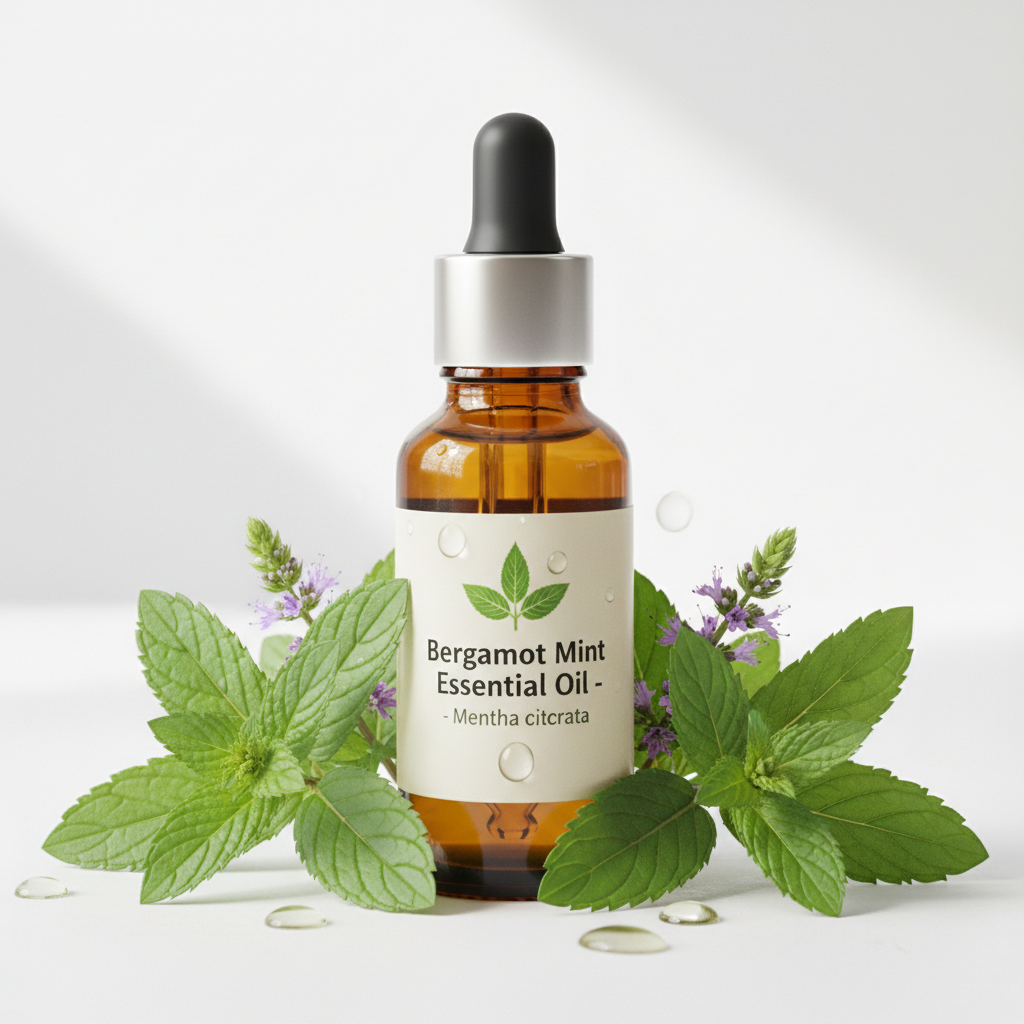
stress
skin
mood
Learn more
Cypress Italian Essential Oil

Cypress Italian Essential Oil

Cupressus sempervirens

Cypress Essential Oil, from the *Cupressus sempervirens* tree, is a remarkable aromatic oil renowned for its various therapeutic benefits and uses in aromatherapy. Native to the Mediterranean region, this essential oil has been cherished since ancient times for its purifying qualities and emotional support. ### Origin and Extraction Method Cypress oil is primarily extracted through steam distillation, a method that preserves its natural properties and benefits. The oil is derived from the fresh twigs and foliage of the cypress tree, which can grow up to 25 meters in height. These trees flourish in Mediterranean climates, thriving in sandy and rocky soils. The extraction process results in a high-quality essential oil, rich in medicinal properties. ### Botanical Information Cypress trees belong to the *Cupressaceae* family and are characterized by their tall, columnar shape and vibrant green foliage. The tree produces a unique woody aroma that lends itself well to therapeutic applications. This oil is distinguished by its versatility in both emotional and physical healing, making it a staple in natural remedies and aromatherapy. ### Therapeutic Properties and Benefits Cypress Essential Oil is celebrated for its myriad therapeutic effects. Below are some significant benefits: - **Emotional Balance**: Its grounding aroma is said to instill a sense of stability and security, relieving anxiety and fostering emotional resilience. - **Stress Reduction**: Cypress oil helps reduce stress and tension, making it a popular choice for improving mental clarity during meditation. - **Meditative Atmosphere**: The calming properties of cypress create an ideal environment for mindfulness and meditation practices. - **Emotional Release**: Known for helping individuals process grief and release emotional blockages, this oil aids in emotional healing. - **Respiratory Support**: It is beneficial for respiratory issues, aiding in clearer breathing and alleviating symptoms of cough or bronchitis. - **Detoxification**: Cypress oil promotes lymphatic flow, enhancing the body's ability to detoxify and eliminate waste naturally. - **Varicose Vein Relief**: Due to its circulatory properties, it helps alleviate discomfort associated with varicose veins. - **Sweating Regulation**: Cypress oil’s astringent qualities assist in managing excessive sweating, making it a popular ingredient in natural skincare products. - **Muscle Relief**: This oil can soothe muscle tension and discomfort after exercise, promoting faster recovery. ### Historical and Traditional Uses Historically, cypress wood has symbolized longevity. Ancient cultures, including the Egyptians, used cypress oil for medicinal and spiritual purposes, such as embalming and purification. Today, its significance extends into modern aromatherapy practices, providing holistic wellness solutions across various cultures. ### Aroma Profile and Characteristics The aroma of Cypress Essential Oil is refreshing and herbaceous, with distinct woody undertones. This duality not only invigorates the senses but also offers calmness. Its unique scent profile makes it a favored ingredient in blends aimed at stress relief and spiritual cleansing. ### Common Applications and Methods Cypress oil can be utilized in various ways: - **Aromatherapy Diffusion**: A few drops in a diffuser fill any space with its grounding aroma, promoting a serene atmosphere. - **Topical Application**: Always dilute with a carrier oil like coconut or jojoba before applying to the skin to avoid irritation. - **Relaxing Bath Soak**: Add a few drops to bathwater for a calming soak that soothes body and mind. - **Massage Oil**: Incorporating cypress oil into massage blends magnifies the therapeutic benefits, enhancing overall relaxation. ### Interesting Facts and Trivia - Cypress trees can live for hundreds of years, making them symbols of strength and endurance. - In Chinese medicine, the cypress tree is revered for its longevity and healing properties. - Beyond aromatherapy, cypress oil is utilized in perfumery for its delightful scent and fixative attributes. ### Conclusion In summary, Cypress Essential Oil is a multifaceted oil that provides a wide array of health benefits, from emotional stability to respiratory health. Understanding its origins, therapeutic properties, and applications can empower individuals to incorporate Cypress oil effectively into their wellness routines.

stress
mood
skin
Learn more
Cypress Spanish Essential Oil

Cypress Spanish Essential Oil

Cupressus sempervirens

Cypress Spanish Essential Oil, derived from the branches of the Cupressus sempervirens tree, holds a revered place within essential oil collections, particularly due to its myriad of therapeutic properties and uplifting aroma. This evergreen tree is native to the Mediterranean region, and its oil has been extracted for centuries through careful steam distillation, preserving its fresh, woody scent with hints of spice. The botanical name Cupressus sempervirens translates to ‘evergreen cypress,’ a fitting title for a symbol of longevity and resilience within various cultures. The extraction involves a meticulous process where high-pressure steam is passed through the ground plant material, allowing the essential oil to be captured efficiently. This method ensures the preservation of the oil's natural constituents, resulting in a pure and potent product vital for aromatherapy and various applications. ### Therapeutic Properties and Benefits Cypress essential oil is renowned for its calming and grounding properties, making it a popular choice in aromatherapy. Its earthy aroma promotes feelings of stability, helping to ease emotional stress and improve mental clarity. This oil can be particularly beneficial for individuals dealing with anxiety or feelings of sadness; the invigorating scent is said to uplift and enhance mood, allowing for a more positive outlook. Additionally, Cypress oil supports healthy circulation, which may aid those suffering from swelling or discomfort in their limbs. It is often incorporated into massage blends to soothe sore muscles and provide relief from overexertion. Beyond muscular benefits, Cypress essential oil also lends itself to respiratory wellness. Its properties may help alleviate discomfort associated with colds or allergies, making it a valuable addition to your wellness toolkit. The oil is also known to support skin health. Many users appreciate its toning effect, which can help minimize the appearance of cellulite and improve overall skin texture. ### Historical and Traditional Uses Historically, Cypress oil has been cherished for its spiritual significance. Used in ancient rituals, it symbolized strength and protection, often employed in ceremonies for purification and healing. In traditional medicine, its calming properties were leveraged to treat emotional imbalance and stress-related conditions, showcasing its long-standing importance across cultures. ### Aroma Profile and Characteristics Cypress essential oil possesses a distinctive aroma that blends fresh, woody notes with a slight spiciness. This unique scent is often described as refreshing and invigorating, making it an excellent choice for enhancing atmosphere in personal spaces or during meditative practices. When diffused, Cypress oil can create an ambiance that fosters tranquility and grounding. ### Common Applications and Methods of Use Cypress oil can be utilized in several ways. For aromatherapy, a few drops added to a diffuser can purify the air, creating a peaceful environment. It’s also a fantastic addition to personal care products; combining Cypress oil with a carrier oil can enhance massage experiences. For those interested in skin care, a diluted mixture may be applied for toning effects. ### Interesting Facts and Trivia Did you know that Cypress trees have been used for centuries as a symbol of immortality? In many cultures, their resilience represents eternal life, highlighting the oil's deep connection to life and vitality. Its ability to stretch beyond mere fragrance to embrace spiritual healing reflects the cypress tree's significance across various civilizations. In conclusion, Cypress Spanish Essential Oil is not only versatile and beneficial for physical health but is also steeped in history and culture, making it an invaluable addition to any essential oil collection. Whether you’re looking to boost your mood, elevate your meditation practice, or enhance your skin care routine, Cypress oil proves to be a multifaceted companion for well-being.
stress
anxiety
skin
Learn more
Davana Essential Oil

Davana Essential Oil

Artemisia pallens

### Davana Essential Oil: Comprehensive Guide #### Introduction to Davana Essential Oil Davana essential oil is derived from the flowers and leaves of the **Artemisia pallens** plant, a perennial herbaceous plant found primarily in India. Known for its rich aromatic profile and numerous therapeutic benefits, this essential oil has been cherished for centuries in traditional practices and modern wellness routines alike. #### Origin and Extraction Method The rich history of Davana essential oil dates back to **ancient India**, where it was revered for both its aromatic properties and its applications in Ayurveda. The oil is extracted through a **steam distillation** process, which ensures that the delicate aromatic compounds are preserved. This method involves passing steam through the plant material, which extracts the essential oils without compromising their integrity, resulting in a high-quality oil that embodies the essence of Davana. #### Botanical Information - **Botanical Name**: Artemisia pallens - **Family**: Asteraceae - **Common Names**: Davana, Artemisia, Sweet Davana - **Plant Characteristics**: Davana is characterized by its slender stems and small yellow flowers, which bloom in clusters. The plant thrives in tropical and subtropical regions, showcasing its resilience and adaptability. #### Therapeutic Properties and Benefits Davana essential oil is celebrated for its wide array of therapeutic properties, including: - **Emotional Support**: The oil possesses uplifting qualities that help alleviate feelings of anxiety and stress. Users often report an enhanced mood and a sense of emotional balance after use. - **Mental Clarity**: Davana oil can aid in mental focus and clarity, making it a favorite among those seeking to improve concentration in chaotic environments. - **Muscle Relief**: The soothing properties of this essential oil may assist in easing muscle tension and discomfort, making it a beneficial addition to relaxation routines. - **Skin Health**: Davana essential oil promotes healthy skin by reducing irritation and nurturing overall skin balance, making it suitable for topical applications. - **Respiratory Support**: Its soothing properties also extend to respiratory issues, where Davana can help ease discomfort and promote a calming breathing experience. #### Historical and Traditional Uses In traditional practices, Davana essential oil has been used in religious rituals, perfumery, and incense burning. It is often included in blends designed to enhance meditation and promote spiritual clarity. **Ayurvedic medicine** utilizes Davana for its properties in balancing the doshas and enhancing overall health and well-being. #### Scientific Facts and Research Research into the properties of Davana has highlighted its **antioxidant** and **anti-inflammatory** characteristics. Studies have shown that the components found in Davana essential oil can positively impact mood and emotional health, reinforcing its traditional uses in aromatherapy and holistic health. #### Aroma Profile and Characteristics Davana essential oil features a **sweet, floral, and herbaceous aroma** that is both uplifting and calming. Its unique scent profile makes it a popular choice in the fragrance industry, often used in perfumes, soaps, and other scented products. The complex aroma can evoke feelings of peace and tranquility, inviting a sense of relaxation and comfort. #### Common Applications and Methods Davana essential oil can be used in various ways, including: - **Aromatherapy Diffusion**: Adding several drops to a diffuser can create a soothing environment. - **Massage**: Diluting with a carrier oil for massage can help relieve muscle tension and enhance relaxation. - **Skin Care**: A few drops added to carrier oils or lotions can further promote skin health. - **Baths**: A few drops in a warm bath can elevate the bathing experience, promoting emotional well-being. #### Interesting Facts and Trivia - In ancient times, Davana was considered a sacred herb, integral to various spiritual practices. - The oil has been a symbol of love and affection, often gifted during festivals and celebrations in India. #### Conclusion In conclusion, Davana essential oil is not just a fragrant product; it embodies centuries of tradition and therapeutic benefits. With its exceptional aroma and impactful properties, it has established a significant place in both historical and modern wellness practices. Whether used for emotional support, relaxation, or skin health, Davana essential oil remains a beloved choice among enthusiasts of essential oils and natural remedies.

stress
mood
relaxation
Learn more
Dill Seed Essential Oil

Dill Seed Essential Oil

Anethum graveolens

Dill Seed Essential Oil is derived from the seeds of the Anethum graveolens plant, a member of the celery family, which is native to the Mediterranean and Western Asia. This essential oil is well-known for its warm, herbaceous aroma that evokes a sense of comfort and nostalgia. Extracted primarily through steam distillation, dill seed oil has been utilized for centuries, both in culinary practices and for its medicinal properties. **Origin and Extraction Method** The Anethum graveolens plant, commonly known as dill, is cultivated in various parts of the world, including Europe, Asia, and North America. The essential oil is extracted from the seeds, which are known for their rich aromatic profile. The steam distillation process preserves the essential constituents of the oil, ensuring that it retains its potent therapeutic properties. Dill seed oil is typically pale yellow to amber in color and has a sweet, fresh scent that is reminiscent of the herb. **Botanical Information** Dill is a biennial herb that can grow up to 1 meter tall. Its leaves are feathery and finely divided, providing an anise-like aroma that is often associated with culinary applications. The plant's flowering occurs in small, yellowish-green clusters, which eventually produce the seeds from which the essential oil is extracted. The primary active components found in dill seed oil include carvone, limonene, and other terpenes, contributing to its unique properties. **Therapeutic Properties and Benefits** Dill Seed Essential Oil is recognized for its various therapeutic effects. Some of the notable benefits include: - **Calming Effect**: Dill seed oil is known for its ability to calm the mind, making it beneficial for reducing stress and anxiety. This quality can be particularly useful during moments of emotional turmoil, helping to promote relaxation and a sense of peace. - **Mood Elevating**: The oil has uplifting properties that can enhance mood and induce feelings of well-being, especially in challenging situations. - **Enhancement of Focus**: Dill seed oil may help improve concentration and mental clarity, making it a good companion during extended work or study sessions. - **Support for Digestive Health**: Traditionally, dill seed oil has been used to aid digestion, alleviating symptoms like bloating and discomfort after meals. It acts by promoting the secretion of digestive juices. - **Anti-inflammatory Effects**: The oil can also provide relief from sore muscles and inflammation when applied topically in diluted form. - **Respiratory Support**: It can assist in alleviating respiratory discomfort related to seasonal congestion, colds, or allergies. **Historical and Traditional Uses** Historically, dill has held significant importance in various cultures. Ancient Greeks valued dill for its culinary usage and believed it brought good fortune. In traditional medicine, dill seed oil was used as a digestive aid and a remedy for anxiety. Its use extends to folk customs where it was thought to ward off evil spirits. **Scientific Facts and Research** Research into dill seed oil has revealed its potential benefits beyond tradition. Studies suggest that its anti-inflammatory and antioxidant properties can aid in protecting cells from oxidative stress. The presence of carvone has been linked to its calming effects, with some studies indicating its potential in combating anxiety disorders. **Aroma Profile and Characteristics** The aroma profile of dill seed oil is distinctively warm and slightly sweet, with herbaceous notes that can uplift the spirit. Its refreshing scent is perfect for diffusing in the home or adding to personal care products. The oil's bold and fresh characteristics make it a popular choice for aromatherapy. **Common Applications and Methods** Dill Seed Essential Oil can be used in several ways: - **Aromatherapy**: Diffusing the oil can create a relaxing atmosphere, helping enhance mood and focus. - **Topical Application**: When diluted with a carrier oil, it can be applied to the skin to alleviate minor aches, relieve digestive discomfort, or support respiratory health. - **Culinary Uses**: In small amounts, it can be incorporated into various dishes to enhance flavor and add health benefits. **Interesting Facts and Trivia** - Dill is often associated with luck and protection, and its seeds have been used in various rituals throughout history. - In ancient Rome and Greece, dill was considered a sign of wealth and glory. In conclusion, Dill Seed Essential Oil offers a wealth of benefits, both therapeutic and culinary. Its unique aroma, combined with its historical usage and modern scientific backing, make it a valuable addition to any essential oil collection.

stress
digestion
skin
Learn more
Dill Weed Essential Oil

Dill Weed Essential Oil

Anethum graveolens

### Dill Weed Essential Oil: Overview and Benefits Dill Weed Essential Oil, extracted from the leaves, stems, and seeds of the **Anethum graveolens** plant, is recognized not just for its culinary applications, but also for its extensive use in traditional medicine. This oil is typically extracted via **steam distillation**, a method that helps retain the oil's potent properties. Dill has a rich history of use, dating back to ancient civilizations where it was valued for both its flavor and therapeutic benefits. ### Origin and Extraction Method The **Anethum graveolens** plant, commonly known as dill, is native to the Mediterranean region but is now widely cultivated in various parts of the world. The essential oil is derived from various parts of the plant, predominantly the seeds and leaves. The steam distillation process captures the aromatic compounds, resulting in a fragrant oil that contains various monoterpenes, which are responsible for its therapeutic and aromatic qualities. ### Botanical Information Dill is a biennial herb that can reach a height of about 1 meter. Its feathery green leaves are delicate and the plant produces small yellow flowers that attract beneficial insects. Dill’s botanical family is **Apiaceae**, which also includes other herbs like parsley and coriander. Its scientific classification is: - **Kingdom**: Plantae - **Family**: Apiaceae - **Genus**: Anethum - **Species**: A. graveolens ### Therapeutic Properties and Benefits Dill Weed Essential Oil offers a plethora of therapeutic properties that make it a sought-after oil in both aromatherapy and natural health. Here are some notable benefits: - **Digestive Aid**: Dill oil supports digestive health by relieving symptoms such as bloating, gas, and indigestion. It can be used in diluted form or in a diffuser to enhance digestive comfort. - **Relaxation and Stress Relief**: The oil is noted for its calming effects. Inhaling its aroma can help soothe stress and anxiety, promoting emotional balance and tranquility. - **Mental Clarity and Focus**: Dill oil is often used to enhance concentration and mental clarity. Its refreshing aroma can stimulate the mind, making it a great addition to study environments. - **Muscle Relaxation**: When diluted with a carrier oil and massaged into the skin, dill oil provides relief from muscle tension and cramps. - **Respiratory Health**: Inhalation of dill oil can help alleviate respiratory congestion and support overall respiratory function. - **Headache Relief**: The oil is effective in providing relief from tension-type headaches when applied to the temples. ### Historical and Traditional Uses Historically, dill has been used not only as a flavoring agent in cooking but also for numerous medicinal purposes. Ancient Egyptians used dill seeds to treat digestive disorders, while Greek athletes consumed it to enhance physical endurance. In folk medicine, dill was often recommended for treating insomnia and digestive complaints, showcasing its versatile nature. ### Aroma Profile and Characteristics Dill Weed Essential Oil has a unique aroma that can be characterized as **herbaceous, fresh, and slightly sweet**, with an underlying warm spice note. This distinctive scent makes it a popular choice not only in aromatherapy but also in the creation of natural perfumes and blends. ### Common Applications Dill essential oil can be applied in various ways including: - **Aromatherapy**: Using an oil diffuser or mixing with other essential oils for enhanced relaxation. - **Topical Application**: Diluting with a carrier oil (like coconut or jojoba) for massage or skin care. - **Culinary Uses**: Using diluted oil to flavor foods or as a garnish (note: use caution and consult expert resources for safe food application). ### Interesting Facts and Trivia - Dill is often associated with protection and good fortune in various cultures. - In medieval Europe, dill was considered a powerful herb that brought good luck and was often used in love potions. - The seeds of dill are quite nutritious, containing high amounts of essential vitamins and minerals. In conclusion, Dill Weed Essential Oil is a versatile oil that not only enhances flavors in your kitchen but also provides profound health benefits. Its rich history, therapeutic properties, and pleasant aroma make it a staple in any essential oil collection. Incorporating this oil into your daily routine can enhance well-being and happiness.

stress
digestion
calm
Learn more
Douglas Fir Essential Oil

Douglas Fir Essential Oil

Pseudotsuga menziesii

Douglas Fir essential oil, scientifically known as Pseudotsuga menziesii, is an aromatic oil that captures the fresh and invigorating essence of nature. This oil is extracted through a process called steam distillation, which involves passing steam through the needles and small branches of the Douglas Fir tree. This method not only preserves the aromatic qualities of the oil but also retains its potent therapeutic properties. **Origin and Extraction** Douglas Fir is native to North America and is primarily found in the western regions, including the United States and Canada. The extraction of Douglas Fir essential oil takes place during the peak growing season, ensuring that the needles are packed with essential nutrients and aromatic compounds. The steam distillation method separates the oil from plant materials efficiently, yielding a high-quality product that is sought after in both aromatherapy and the cosmetic industry. **Botanical Information** The Douglas Fir tree can grow to a height of up to 330 feet, and it is characterized by its tall, straight trunk and distinctive conical shape. Its needles are green and flat with a soft texture, contributing to the signature woodsy aroma of the oil. The oil is rich in monoterpenes, particularly alpha-pinene, which is responsible for many of its therapeutic benefits. **Therapeutic Properties and Benefits** Douglas Fir essential oil is renowned for its numerous therapeutic properties. It is celebrated for its calming effects, making it an excellent choice for those seeking relaxation and stress relief. In aromatherapy, it is often diffused to create a peaceful atmosphere that encourages emotional balance. The oil’s soothing qualities are also beneficial during meditation, helping to ground the individual and enhance their connection with nature. Many individuals turn to Douglas Fir essential oil for its potential respiratory benefits. It is believed to support lung health and clear airways, making it an effective remedy during allergy season or when dealing with respiratory discomfort. Additionally, its anti-inflammatory properties make it a great option for soothing sore muscles and joints when diluted in a carrier oil and applied topically. **Historical and Traditional Uses** Historically, Douglas Fir has been used by various Native American tribes for its medicinal properties. They utilized it for its calming effects and as a remedy for respiratory issues. The wood was also used to construct homes and canoes, showcasing the versatility and value of this remarkable tree. **Scientific Facts and Research** Recent studies have highlighted the antimicrobial properties of Douglas Fir essential oil. Research has demonstrated its effectiveness against certain bacterial strains, making it a great choice for natural cleaning products. Additionally, the oil is believed to have antioxidant properties, supporting overall health and immunity when used in daily wellness routines. **Aroma Profile and Characteristics** The aroma of Douglas Fir essential oil is fresh, woodsy, and uplifting, reminiscent of a walk through a lush forest. This scent is not only invigorating but also grounding, making it a popular choice in spa and wellness settings. The oil can be used in various formulations, from candles and room sprays to topical applications and bath products. **Common Applications and Methods** Douglas Fir essential oil can be used in numerous ways: - **Aromatherapy**: Diffuse in your home to promote relaxation and a fresh scent. - **Topical Use**: Mix with a carrier oil for massage or apply to sore muscles. - **Skincare**: Add to your skincare routine to benefit from its potential to improve skin health. - **Air Purification**: Use in DIY cleaning products to harness its antimicrobial properties. **Interesting Facts and Trivia** - Douglas Fir essential oil is not a true fir; it belongs to the pine family, which explains its unique characteristics. - The trees can live for over 1,000 years, making them some of the oldest living organisms on the planet. - The oil's fresh scent can evoke feelings of nostalgia for many, reminiscent of outdoor adventures and peaceful forest hikes. In conclusion, Douglas Fir essential oil offers a wealth of benefits ranging from its soothing aroma and calming properties to its potential for supporting respiratory health and boosting overall well-being. Whether used in aromatherapy, personal care products, or simply enjoyed for its fragrance, it is a versatile oil that enhances any holistic wellness routine.

stress
relaxation
respiratory
Learn more
Dragon Fruit Essential Oil

Dragon Fruit Essential Oil

Hylocereus undatus

**Dragon Fruit Essential Oil: A Comprehensive Guide** **Introduction** Dragon fruit essential oil, derived from the vibrant fruit of the Hylocereus cactus, has emerged as a favorite in the realm of aromatherapy and natural wellness. Known for its stunning pink exterior and speckled flesh, the dragon fruit, also known as pitaya, is not just visually appealing but also beneficial in various forms, including its essential oil variant. **Origin and Extraction Method** The essential oil is extracted through a meticulous cold-press extraction method. This process involves pressing the fresh fruit to obtain the oil, ensuring that its nutritional properties and potent antioxidants are preserved. Originating from tropical and subtropical regions of Central America, dragon fruit is now cultivated in various parts of the world, including Southeast Asia, where it is enjoyed for both its taste and health benefits. **Botanical Information** Scientifically classified as Hylocereus undatus, this cactus brings a wealth of nutrients. The plant thrives in arid conditions, making it resilient and easy to grow in various climates. Hylocereus species are characterized by their climbing habit and unique, large flowers that bloom only at night. **Therapeutic Properties and Benefits** Angled towards wellness, dragon fruit essential oil is renowned for its versatile therapeutic properties. Here are some key benefits: 1. **Hydrating Qualities:** Its oil is a rich source of moisture, making it an excellent choice for skincare formulations tailored to parched skin. 2. **Antioxidant Power:** With high levels of vitamin C and other antioxidants, it aids in combating free radicals, promoting a youthful glow and healthy complexion. 3. **Mood Enhancer:** The uplifting aroma can help brighten your spirits, making it beneficial during stressful times. 4. **Anxiety Relief:** Inhalation has been shown to soothe the mind and body, reducing feelings of anxiety and tension. 5. **Mental Clarity:** Enhances focus and supports concentration, particularly useful during intellectual tasks or meditation. 6. **Emotional Balance:** Assists in stabilizing emotions, making it a great resource for maintaining mental health. 7. **Skin Health:** Regular application can improve skin texture and aid in the revitalization of dull complexions, as well as soothe minor irritations. 8. **Digestive Support:** Its aromatic properties can help ease digestive discomfort when diffused or inhaled. **Historical and Traditional Uses** Historically, dragon fruit has been celebrated in various cultures. In addition to being a popular food, its replenishing properties were utilized in traditional medicine. Indigenous peoples have used dragon fruit not only for its nutrition but also as a remedy for various ailments due to its bioactive compounds. **Scientific Facts and Research** Recent studies have highlighted the essential oil's potential in supporting skin health due to its antibacterial and soothing properties. Research indicates that dragon fruit essential oil possesses significant antioxidant activity, which can help delay the signs of aging. Furthermore, its ability to promote hydration can be attributed to its unique chemical composition. **Aroma Profile and Characteristics** Dragon fruit essential oil has a sweet, tropical aroma with subtle floral undertones, making it a refreshing addition to any aromatherapy session. The scent is light yet uplifting, evoking feelings of joy and tranquility, thereby creating a peaceful environment. **Common Applications and Methods** There are numerous ways to incorporate dragon fruit essential oil into your routine: - **Diffusion:** Use in a diffuser to create a calming atmosphere in your space. - **Topical Application:** Dilute with a carrier oil and apply directly to the skin to enjoy its moisturizing benefits. - **Bathing:** Add a few drops into bathwater for a relaxing, aromatic experience. - **Skincare Products:** Incorporate into lotions or creams for enhanced skin nourishment. **Interesting Facts and Trivia** - Dragon fruit is often referred to as the “superfruit” due to its exceptional nutritional profile, rich in vitamins and minerals. - The stunning appearance of the fruit has earned it popularity not only for consumption but also as a decorative element in culinary presentations. - Dragon fruit cultivation has become widespread in many countries, elevating its status in the global market. **Conclusion** Incorporating dragon fruit essential oil into your wellness routine can provide a multitude of benefits. From its rich botanical heritage to its uplifting aroma and therapeutic uses, this essential oil is a unique addition for anyone interested in enhancing their emotional and physical well-being.

skin
stress
energy
Learn more
Elderflower Essential Oil

Elderflower Essential Oil

Sambucus nigra

Elderflower essential oil, derived from the lovely blossoms of the Sambucus nigra tree, also known as the European elder, is celebrated not only for its exquisite aroma but also for its historical significance in herbal medicine. The extraction of this precious oil typically occurs through steam distillation, a process that captures the flower's delicate essence while ensuring purity and potency. This essential oil has become increasingly popular in aromatherapy and natural healing, touted for its diverse therapeutic uses and unique benefits for emotional and physical well-being. ### Botanical Information The Sambucus nigra tree is a small tree or shrub commonly found throughout Europe and North America. Its flowers bloom in late spring and are characterized by small white to cream-colored clusters that have a pleasantly sweet fragrance. The oil extracted from these flowers is often referred to as elderflower oil, and it contains numerous active compounds, including flavonoids, tannins, and essential oils, which contribute to its health benefits. ### Therapeutic Properties and Benefits Elderflower essential oil is packed with therapeutic properties that are beneficial for both the mind and body: - **Calming**: The soothing aroma promotes a sense of peace and tranquility, making it ideal for stress relief and anxiety reduction. - **Mood Enhancer**: Its uplifting scent can help enhance mood during challenging times, assisting in emotional balance. - **Comforting**: The sweet floral fragrance carries connotations of warmth and nostalgia, providing emotional support through difficult moments. - **Mental Clarity**: The oil is believed to facilitate mental clarity, aiding concentration and cognitive function. - **Grounding**: It encourages mindfulness, helping individuals reconnect with the present moment and reducing feelings of overwhelm. - **Skin Rejuvenation**: Known for its skin-nourishing properties, elderflower oil can soothe irritations, promote hydration, and contribute to a radiant complexion. - **Respiratory Support**: Elderflower essential oil is often used during colder months to aid in respiratory health, alleviating discomfort associated with colds or allergies. - **Joint Relief**: The anti-inflammatory properties can provide relief to sore muscles and joints, making it useful for athletes or those with chronic pain. - **Enhancer of General Wellness**: This versatile oil can contribute to overall wellness by supporting various bodily functions. ### Historical and Traditional Uses Historically, elderflower has been used for centuries in traditional medicine, particularly by communities in Europe and North America. Ancient civilizations valued elderflower for its healing properties, using it in herbal remedies for ailments ranging from respiratory issues to skin irritations. It has also found its place in culinary traditions, flavoring syrups, teas, and desserts, showcasing its versatility. ### Aroma Profile and Characteristics The aroma of elderflower essential oil is characteristically light, sweet, and floral, with a hint of herbal undertones. Its delightful scent makes it a popular choice in perfumes and scented products, allowing users to indulge in a soft, inviting experience while reaping the oil's therapeutic benefits. The aroma can enhance emotional well-being and create a calming atmosphere, making it a favorite in aromatherapy. ### Common Applications and Methods Elderflower essential oil can be used in various ways, including: - **Diffusion**: Add a few drops to a diffuser to create a calming environment in your home or workspace. - **Topical Application**: Dilute with a carrier oil and apply to the skin to enjoy its soothing properties. - **Bathing**: Add a few drops to bathwater for a relaxing and rejuvenating soak. - **Inhalation**: Inhale directly from the bottle or add a few drops to a handkerchief for on-the-go relief. ### Interesting Facts and Trivia - Elderflower has historically been associated with folklore and mythology, often regarded as a protective plant that brings good luck. - The flowers of the elder tree are not only used for oil extraction but also have culinary uses—elderflower cordial is a popular beverage in many countries. - Sambucus nigra is known to produce berries that are also high in antioxidants and often utilized in health products. As you explore the benefits and uses of elderflower essential oil, you'll discover its potential to enhance your physical and emotional wellness. With its pleasant scent and numerous applications, this oil embodies the harmony of nature and wellness.

relaxation
stress
skin
Learn more
Elemi Essential Oil

Elemi Essential Oil

Canarium luzonicum

### Introduction to Elemi Essential Oil Elemi essential oil is derived from the gum of the **Canarium luzonicum** tree, which is native to the Philippines. This essential oil has a rich and captivating history, intertwined with various cultures and healing traditions. Its extraction method, primarily through steam distillation, ensures that the potent aromatic and therapeutic properties are preserved, making it a popular choice in both aromatherapy and perfumery. ### Origin and Extraction Method The **Canarium luzonicum**, also known as the elemi tree, thrives in the tropical climate of the Philippines. The process of tapping this tree to obtain the resin is labor-intensive, requiring skilled hands to collect the gum without damaging the bark. After collection, the gum is distilled using steam, which helps to release the aromatic compounds, yielding a pale yellow to colorless oil with unique scent profiles. ### Botanical Information Elemi belongs to the **Burseraceae** family, which is also home to other well-known resins like frankincense and myrrh. **Canarium luzonicum** can grow up to 40 meters tall, with its trunk covered by a rough bark. The leaves are compound and arranged spirally, giving them a distinctive appearance. Its flowers are small and yellowish-green, eventually leading to the production of small fruits containing seeds that can also be used for various purposes. ### Therapeutic Properties and Benefits Elemi essential oil is packed with a range of therapeutic benefits that can enhance both physical and emotional well-being: 1. **Eases Anxiety**: Known for its calming properties, elemi promotes relaxation during stressful situations, making it an effective tool in anxiety management. 2. **Enhances Mood**: Its uplifting aroma invigorates the mind and helps to alleviate feelings of depression, promoting a more positive mental state. 3. **Encourages Clarity**: The oil aids in mental focus and concentration, making it a valuable assistant in creative endeavors and productivity. 4. **Promotes Grounding**: Elemi can stabilize emotional fluctuations, providing support during periods of uncertainty and transitions. 5. **Improves Respiratory Function**: It is believed to help ease breathing difficulties, soothe irritation in the respiratory tract, and promote overall lung health. 6. **Supports Healthy Digestion**: The oil can alleviate symptoms of indigestion, contributing to better gut health. 7. **Enhances Physical Recovery**: When used in massages, elemi essential oil can relieve sore muscles and joint pain due to its anti-inflammatory properties. 8. **Aids in Skin Health**: Used correctly, it can aid skin rejuvenation and regeneration, making it a sought-after ingredient in topical applications. ### Historical and Traditional Uses Historically, elemi has been utilized in various cultures for its aromatic properties. It was commonly incorporated into varnishes and incense. Ancient civilizations prized elemi for its resin in temple rituals. Today, it holds a respected position in holistic health practices, particularly in aromatherapy for its ability to balance emotions and clear the airways. ### Scientific Facts and Research Recent studies on elemi essential oil have begun to unveil its potential health benefits. Research indicates its antimicrobial properties could be effective against certain pathogens, supporting its use in natural remedies. Further investigation is being conducted to better understand its effects on mood regulation and cognitive support. ### Aroma Profile and Characteristics The aroma of elemi essential oil is often described as warm, spicy, and slightly citrusy, providing both uplifting and grounding qualities. This unique scent makes it a versatile addition to blends used in diffusers, personal fragrances, and topical applications. ### Common Applications and Methods Elemi essential oil can be used in various ways: - **Aromatherapy**: Add a few drops to a diffuser during meditation or yoga to promote relaxation and focus. - **Massage**: Dilute with a carrier oil and use for soothing massage to relieve muscle tension. - **Topical Use**: Incorporate in skincare products (always diluted) for benefits in skin regeneration. - **Natural Cleaning**: Utilize its antimicrobial properties in homemade cleaning solutions. ### Interesting Facts and Trivia - Elemi oil is sometimes referred to as **“the oil of renewal”** due to its rejuvenating properties. - It is often compared with other resins like frankincense and myrrh due to its aromatic qualities, yet it stands out for its unique profile. - The Filipino word **"elemi"** comes from the Arabic **"halm",** which means to be sweet or pleasant, reflecting its aromatic allure. - Elemi has been used in traditional Filipino healing practices for centuries, showcasing its long-standing cultural significance. ### Conclusion In summary, elemi essential oil is a powerful natural remedy with a multitude of therapeutic benefits. Its rich history, varied applications, and aromatic properties make it a valuable addition to anyone's holistic health toolkit.

stress
pain
skin
Learn more
Eucalyptus Essential Oil
Featured

Eucalyptus Essential Oil

Eucalyptus globulus

Eucalyptus essential oil is a powerful and refreshing oil known for its wide range of therapeutic properties. This aromatic oil is extracted from the leaves of the eucalyptus tree, specifically from the species Eucalyptus globulus, which is native to Australia. The leaves are typically steam distilled to capture the pure essence of the plant, resulting in an oil that is both invigorating and beneficial for various health issues. ### Origin and Extraction Method The eucalyptus tree, often referred to as the "blue gum tree," thrives in warm climates and can grow up to 50 meters tall. The oil is extracted from fresh leaves through a process called steam distillation, where steam passes through the plant material, vaporizing the essential oil. Once cooled, the resulting liquid separates into water and oil, with the essential oil floating on top due to its lighter density. ### Botanical Information Eucalyptus is part of the Myrtaceae family and has over 700 species, but the most commonly used for essential oil production is the Eucalyptus globulus. This evergreen tree has a distinctive aroma, and its leaves contain a significant amount of cineole (also known as eucalyptol), which is responsible for many of its therapeutic properties. ### Therapeutic Properties and Benefits Eucalyptus essential oil is known for its impressive therapeutic attributes. It is often used in aromatherapy to promote respiratory health. The oil's expectorant properties help clear mucus and phlegm from the airways, making it particularly helpful for conditions such as colds, coughs, and sinusitis. Furthermore, the refreshing scent can help boost mental clarity and focus, making it an excellent oil for those needing an extra mental boost during stressful situations. In addition to respiratory benefits, eucalyptus oil has anti-inflammatory properties, which can soothe sore muscles and relieve tension when used in topical applications or massage blends. Many athletes and fitness enthusiasts incorporate it into their post-workout routines to promote muscle recovery. ### Historical and Traditional Uses Historically, eucalyptus has been used by Indigenous Australians for its healing properties. The leaves were used to treat wounds and fevers due to their antibacterial qualities. In traditional medicine, eucalyptus oil was often utilized for its analgesic (pain-relieving) and antipyretic (fever-reducing) effects. ### Scientific Facts and Research Research has shown that eucalyptus essential oil possesses antimicrobial properties, making it effective against certain bacteria and fungi. Scientific studies have also highlighted its potential benefits for respiratory health, showcasing its ability to improve lung function and reduce inflammation in the airways. As more research is conducted, the therapeutic applications of eucalyptus oil continue to expand, confirming its place as a staple in natural health remedies. ### Aroma Profile and Characteristics Eucalyptus essential oil has a fresh, medicinal, and slightly sweet aroma that invigorates the senses. The distinctive scent is often described as clean and crisp, resembling that of menthol, which can provide a cooling sensation when inhaled. ### Common Applications and Methods Eucalyptus oil can be used in various ways: - **Aromatherapy**: Diffuse a few drops in a diffuser to clean the air and promote respiratory health. - **Topical Use**: Dilute with a carrier oil (such as coconut or jojoba oil) for massage or to relieve muscle soreness. - **Bath Additive**: Add a few drops to bathwater for a refreshing, invigorating soak. - **Steam Inhalation**: Add a few drops to a bowl of hot water, cover your head with a towel, and inhale the steam for congestion relief. ### Interesting Facts and Trivia - The eucalyptus tree is not only valued for its oil; its wood is also used in construction and furniture making due to its durability. - Eucalyptus oil is a common ingredient in many over-the-counter cough and cold preparations. - In Australia, the leaves of the eucalyptus tree are the primary food source for koalas, which have an incredible ability to digest the tough eucalypt leaves. In conclusion, eucalyptus essential oil is a remarkable oil with a rich history and a variety of applications in health and wellness. Its benefits for respiratory health, combined with its invigorating aroma, make it a favorite among essential oil users. Whether you are new to essential oils or an experienced user, adding eucalyptus essential oil to your collection can enhance your natural health and well-being.

respiratory
breathing
immunity
Learn more
Eucalyptus Globulus Essential Oil

Eucalyptus Globulus Essential Oil

Eucalyptus globulus

### Eucalyptus Globulus Essential Oil: A Comprehensive Guide Eucalyptus Globulus essential oil, extracted from the leaves and twigs of the Eucalyptus tree (Eucalyptus globulus), is well-known for its refreshing and invigorating aroma. This potent essential oil is obtained through steam distillation, a method that preserves its therapeutic properties and aromatic qualities. The Eucalyptus tree, native to Australia, has been used for centuries in traditional medicine by Indigenous Australians, who utilized the leaves for their remarkable antiseptic and healing properties. #### Botanical Information Eucalyptus globulus belongs to the Myrtaceae family, which includes many aromatic plants. The tree can grow up to 60 meters tall and is characterized by its smooth bark and lance-shaped leaves that are rich in essential oils. The main chemical components of Eucalyptus Globulus essential oil are eucalyptol (roughly 70% concentration), alpha-pinene, and beta-pinene, contributing to its therapeutic effectiveness and distinctive scent. #### Therapeutic Properties and Benefits Eucalyptus essential oil is celebrated for its various health benefits: 1. **Respiratory Aid**: Known for aiding respiratory issues, eucalyptus oil helps clear airways and soothes coughs. Its expectorant properties make it ideal for relieving symptoms of colds or allergies. 2. **Antiseptic Qualities**: With powerful antibacterial properties, it can be used to cleanse minor cuts and wounds, promoting healing and preventing infections. 3. **Mental Clarity**: The invigorating scent is uplifting, often used in aromatherapy to enhance concentration and mental clarity, battling feelings of fatigue and lethargy. 4. **Stress Relief**: Eucalyptus oil can reduce stress, anxiety, and physical tension, promoting relaxation when diffused or added to bath water. 5. **Insect Repellent**: Its strong aroma repels common insects, making it beneficial when used in natural repellents for outdoor activities. 6. **Muscle Relief**: It can ease muscle pain and soreness due to its anti-inflammatory properties, often utilized in massage oils. 7. **Improved Circulation**: Regular use can enhance blood circulation, supporting overall vitality and wellness. #### Historical and Traditional Uses Historically, eucalyptus leaves were used by Indigenous Australians for their medicinal properties. Eucalyptus oil was also recognized by 19th-century surgeons for its ability to cleanse wounds and prevent infections during the Crimean War. Today, it continues to be integrated into modern medicine and alternative therapies. #### Aroma Profile and Characteristics The aroma of Eucalyptus Globulus essential oil is fresh, clean, and slightly sweet, with hints of woody and earthy notes. Its invigorating scent is often described as crisp and refreshing, making it a popular choice in aromatherapy and personal care products. #### Common Applications and Methods 1. **Aromatherapy**: Used in diffusers, eucalyptus oil can purify the air and energize the atmosphere. 2. **Topical Applications**: Diluted eucalyptus oil can be applied to the skin (always diluted in a carrier oil) to relieve muscle tension, soothe sore spots, and even cleanse minor cuts. 3. **Bath Soaks**: Added to bath water, it can transform your bathing experience, helping to relieve stress and muscle soreness. 4. **Household Cleaner**: Its antiseptic properties make it a popular ingredient in DIY cleaning products for a fresh scent and effective cleaning. #### Interesting Facts and Trivia - Eucalyptus trees are known to be fast-growing and can absorb vast amounts of carbon dioxide, promoting a healthier environment. - There are over 700 species of eucalyptus, but only a few are used for essential oil extraction. - Eucalyptus oil has made its way into various products, including candies, soaps, and even toothpaste, due to its antimicrobial properties. In conclusion, Eucalyptus Globulus essential oil is not only a popular choice for its invigorating aroma but also for its extensive range of health benefits. Incorporating this essential oil into your routine can enhance mental clarity, promote relaxation, and provide numerous therapeutic effects, making it a versatile addition to any essential oil collection.

respiratory
energy
cleaning
Learn more
Eucalyptus Radiata Essential Oil

Eucalyptus Radiata Essential Oil

Eucalyptus radiata

### Eucalyptus Radiata Essential Oil: Benefits & Uses Explained Eucalyptus Radiata Essential Oil is a highly valued oil derived from the leaves and twigs of the Eucalyptus radiata tree, predominantly found in Australia. This essential oil has long been cherished by Indigenous Australians for its diverse therapeutic applications, particularly in supporting respiratory health and enhancing overall well-being. #### Origin and Extraction Method Eucalyptus radiata is a species of Eucalyptus that thrives in the highlands of southeastern Australia. The essential oil is extracted through a process known as steam distillation. During this process, steam passes through the plant material, releasing the oil, which is then condensed into liquid form. This method preserves the oil's beneficial compounds, making it ideal for aromatherapy and therapeutic uses. #### Botanical Information - **Botanical Name**: Eucalyptus radiata - **Family**: Myrtaceae - **Common Names**: Narrow-leafed peppermint, Eucalyptus oil - **Plant Part Used**: Leaves and twigs - **Appearance**: Colorless to pale yellow oil - **Aroma Profile**: Fresh, herbaceous, and slightly camphorous scent that invigorates the senses. #### Therapeutic Properties and Benefits Eucalyptus Radiata essential oil is renowned for its numerous therapeutic properties. Some of the key benefits include: - **Respiratory Relief**: Known for its ability to relieve congestion, this oil can help manage respiratory infections and allergies by promoting clearer airways. - **Mental Clarity and Focus**: Its invigorating scent revitalizes the mind, helping improve concentration and cognitive function, making it an excellent choice for study or work environments. - **Stress Relief**: Eucalyptus Radiata promotes relaxation and helps reduce anxiety, making it beneficial during stressful times. - **Muscle Relaxation**: When diluted and used in massage, it can soothe sore muscles and joint pain, helping athletes and fitness enthusiasts recover. - **Wound Healing**: With its antiseptic properties, Eucalyptus Radiata can assist in the natural healing of minor cuts and abrasions. - **Immune Support**: Regular use may support the immune system, particularly during changes in the season when respiratory issues may arise. #### Historical and Traditional Uses Eucalyptus radiata has a rich history of use among Indigenous Australians, who utilized it for its medicinal properties. Historically, the leaves were used in poultices and steam inhalations to relieve coughs and colds. Its reputation as a natural remedy for respiratory ailments has led to its integration into various traditional practices in many cultures. #### Scientific Facts and Research Recent studies have bolstered the understanding of eucalyptus essential oils, including Eucalyptus radiata. Research has indicated that compounds such as 1,8-cineole are responsible for many of its therapeutic effects, particularly in alleviating respiratory issues. Its antimicrobial properties have also been explored, showcasing potential in fighting various pathogens. #### Aroma Profile and Characteristics Eucalyptus Radiata essential oil has a light, fresh, and camphorous aroma, distinguished by its slightly sweeter, milder scent compared to other eucalyptus species, such as Eucalyptus globulus. This makes it a preferred choice for those sensitive to stronger aromas, allowing for a refreshing and uplifting environment without overwhelming the senses. #### Common Applications and Methods 1. **Diffusion**: Add a few drops to a diffuser to create a refreshing atmosphere. It can help with focus during work or create a calm space for relaxation. 2. **Inhalation**: For respiratory support, inhale directly from the bottle or add drops to a bowl of hot water for steam inhalation. 3. **Massage**: Blend with a carrier oil and use for muscle relaxation and relief. 4. **Skin Care**: Dilute properly for use in skincare to support wound care or to promote clearer skin. Always conduct a patch test prior to full application. #### Interesting Facts and Trivia - Eucalyptus trees are among the tallest trees in the world, often reaching heights of over 300 feet. - Eucalyptus oil's main component, 1,8-cineole, is prevalent in various mint oils and has been used for centuries in herbal medicine. - Eucalyptus Radiata oil not only uplifts mood but is also known to repel insects, making it a natural alternative for insect control. In conclusion, Eucalyptus Radiata Essential Oil is a versatile oil with a myriad of benefits, herbal traditions, and scientific backing. Incorporating this essential oil into your wellness routine can offer refreshing and therapeutic results in your daily life.

respiratory
immune support
focus
Learn more
Fennel Essential Oil

Fennel Essential Oil

Foeniculum vulgare

Fennel Essential Oil, derived from the seeds of the Foeniculum vulgare plant, is a highly aromatic oil known for its numerous health benefits and applications. This oil offers a sweet, anise-like aroma that is both uplifting and soothing, making it a popular choice in aromatherapy, culinary uses, and traditional medicine. ### Origin and Extraction Method Foeniculum vulgare, commonly known as fennel, is a flowering plant belonging to the carrot family, Apiaceae. It is native to the Mediterranean regions but has become widespread globally. Fennel essential oil is typically extracted through steam distillation of the seeds, a method that helps retain its potent aromatic and therapeutic properties. The steam distillation process ensures that the delicate components of the oil are preserved, resulting in a high-quality product noted for both its fragrance and health-enhancing attributes. ### Botanical Information Fennel is characterized by its feathery leaves, tall stature, and distinctive bulb, which is often used in cooking. The seeds—a small, oval-shaped brown seed—are particularly valued for their essential oil content. Rich in anethole, the primary compound in fennel essential oil, this oil exhibits properties similar to those of anise, making it a versatile ingredient in various applications. ### Therapeutic Properties and Benefits Fennel essential oil is heralded for its extensive therapeutic benefits. Some of the primary benefits include: 1. **Digestive Support**: Fennel oil is widely recognized for alleviating bloating, gas, and indigestion. Its carminative properties help ease digestive discomfort and promote overall gut health. 2. **Hormonal Balance**: Traditionally, fennel oil has been used to support women's health, particularly in regulating menstrual cycles and alleviating symptoms of hormonal imbalance. 3. **Respiratory Relief**: Its expectorant qualities make it beneficial for respiratory health, aiding in the relief of coughs and bronchitis. 4. **Mental Clarity**: Fennel essential oil may enhance cognitive function, helping improve focus and concentration during challenging tasks. 5. **Emotional Balance**: The uplifting scent is known to promote relaxation and reduce stress, making it a valuable oil for emotional well-being and mental clarity. 6. **Support Lactation**: Fennel oil has historically been recommended for nursing mothers to encourage milk production, further establishing its value in maternal health. ### Historical and Traditional Uses Fennel has a rich history of use dating back to ancient civilizations. In Ancient Rome, fennel was seen as a symbol of strength and was used to enhance endurance. Traditionally, it has been used in herbal medicine to treat a variety of ailments, from digestive issues to respiratory discomfort. Many cultures also incorporate fennel into their culinary practices, using it to enhance flavors in various dishes. ### Scientific Facts and Research Scientific studies are beginning to support the benefits of fennel essential oil. Research indicates that anethole, the major component, possesses anti-inflammatory and antimicrobial properties, which can contribute to its calming effects on the digestive system and respiratory tract. Future studies may continue to explore the extent of these health benefits and expand our understanding of fennel's potential in natural medicine. ### Aroma Profile and Characteristics Fennel essential oil exudes a warm, sweet, and slightly spicy aroma, reminiscent of licorice. Its unique scent profile makes it an excellent choice for use in diffusers, personal fragrances, and even culinary applications. When diffused, it can create an inviting and cheerful atmosphere in any space. ### Common Applications and Methods Fennel essential oil can be used in various ways: - **Aromatherapy**: Add a few drops to a diffuser for an uplifting environment. - **Topical Application**: Dilute with a carrier oil and apply to the abdomen for digestive discomfort. - **Culinary Uses**: Incorporate into recipes sparingly, either for flavor or medicinal benefits. - **Bath Salts**: Add to bath salts for a soothing and relaxing soak. ### Interesting Facts and Trivia - Fennel is often considered a symbol of strength and is linked to various ancient folklore around courage and resilience. - The oil is prized not just for its aroma but also for its role in traditional cooking and natural healing. - Fennel has been used in various herbal traditions, including Chinese medicine and Ayurveda, due to its versatile health benefits. In conclusion, fennel essential oil is not just an aromatic delight; it is a powerhouse of therapeutic benefits. Embracing fennel oil in your wellness routine can offer significant advantages, supporting both physical and emotional health. Whether you are looking to enhance your culinary creations or delve into the depths of aromatherapy, fennel essential oil can play a vital role in your journey.

digestion
stress
hormonal balance
Learn more
Fennel Sweet Essential Oil

Fennel Sweet Essential Oil

Foeniculum vulgare

## Fennel Sweet Essential Oil: A Comprehensive Guide Fennel Sweet Essential Oil, derived from the seeds of the Foeniculum vulgare plant, has been cherished throughout history for its numerous benefits and unique qualities. This essential oil, known for its warm, sweet, and slightly spicy aroma, is a staple in many holistic health practices today. In this article, we will explore the origin, extraction method, therapeutic properties, historical uses, scientific facts, aroma profile, applications, and some intriguing trivia about Fennel Sweet Essential Oil. ### Origin and Extraction Method Fennel is a flowering plant belonging to the carrot family, Apiaceae, and is native to the Mediterranean region. The essential oil is typically extracted through steam distillation from the seeds, which contain a wealth of aromatic compounds. The extraction method ensures that the oil retains its aromatic profile and beneficial properties, making it highly sought after in aromatherapy and natural wellness. ### Botanical Information The scientific name, Foeniculum vulgare, translates to "fennel" in Latin. The plant can grow up to 1.5 meters tall and features bright green feathery leaves with yellow flowers. It has been used not only for its essential oil but also as a culinary herb and spice, highlighting its versatility in both health and gastronomy. ### Therapeutic Properties and Benefits Fennel Sweet Essential Oil is renowned for its therapeutic properties, which include: - **Soothing**: Helps alleviate nervous tension and anxiety, promoting a sense of calm. - **Uplifting**: Enhances mood and vitality, combating dips in energy levels. - **Balancing**: Aids in emotional stability, particularly useful during hormonal fluctuations. - **Clear Thinking**: Supports mental clarity and focus, especially in stressful situations. - **Digestive Relief**: Effective in alleviating symptoms of gas and bloating, supporting the digestive system. - **Menstrual Support**: May ease menstrual discomfort and help regulate cycles. - **Breathing Ease**: Assists in respiratory function and helps reduce cough symptoms. - **Skin Health**: Contains antiseptic properties, beneficial for treating minor skin irritations. ### Historical and Traditional Uses Fennel has a rich history of use that dates back to ancient civilizations, including the Greeks and Romans. It was often used by ancient physicians for its digestive support and appetite-suppressing properties. Traditionally, fennel has been added to meals for flavor and health benefits; it was believed to ward off evil spirits and ensure prosperity. Its use in folk medicine continues today, especially in Europe and Asia, where it is incorporated into herbal remedies and teas. ### Scientific Facts and Research Recent scientific research has highlighted the potential health benefits of Fennel Sweet Essential Oil, particularly concerning its anti-inflammatory and antioxidant properties. Studies have shown that compounds within fennel, such as anethole, may have antimicrobial effects, potentially offering protective benefits against various pathogens. Further exploration is ongoing to fully understand and validate its many potential therapeutic applications. ### Aroma Profile and Characteristics The aroma of Fennel Sweet Essential Oil is distinct, characterized by a sweet and slightly spicy scent reminiscent of licorice. It is often described as warm and comforting, making it an excellent choice for relaxing environments. In aromatherapy, it is typically blended with citrus oils for a refreshing experience or with grounding oils such as cedarwood for a more balanced atmosphere. ### Common Applications and Methods Fennel Sweet Essential Oil can be used in various ways: 1. **Aromatherapy**: Add a few drops to a diffuser to promote relaxation. 2. **Topical Use**: Dilute with a carrier oil and apply to the abdomen for digestive support or to pulse points for emotional balance. 3. **Baths**: Mix with bath oils for a soothing and aromatic experience. 4. **Massage**: Incorporate into massage blends for its calming effects. 5. **Culinary Use**: Use sparingly in cooking to impart unique flavor qualities. ### Interesting Facts and Trivia - Fennel seeds are often included in traditional spice blends and are commonly chewed after meals in many cultures to freshen breath. - In folklore, fennel was historically used as a protective charm against negativity. - The essential oil was featured in the medicinal practices of ancient Egypt, where it was believed to have healing properties. ### Conclusion Fennel Sweet Essential Oil is a versatile and beneficial oil with a long-standing history of use. Whether in aromatherapy, culinary applications, or holistic health practices, its soothing and uplifting characteristics make it a valuable addition to any essential oil collection. By exploring its various properties and uses, you can enhance your wellness routine and enjoy the many benefits that Fennel Sweet Essential Oil has to offer.

stress
digestion
mood
Learn more
Fir Needle Essential Oil

Fir Needle Essential Oil

Abies balsamea

### Fir Needle Essential Oil: Origins, Benefits & Uses Explained Fir Needle Essential Oil is a remarkable oil extracted from the evergreen tree known as Abies balsamea, commonly referred to as the balsam fir. Renowned for its refreshing, crisp aroma that evokes the essence of deep conifer forests, this essential oil is not only a fragrant delight but also offers a wealth of therapeutic benefits. #### Origin and Extraction Method Fir Needle Essential Oil is derived from the needles and twigs of the balsam fir tree, which is native to North America and is commonly found in Canada and the northern United States. The extraction of this essential oil is carried out using steam distillation, a method that ensures the preservation of its potent properties and unique scent. The steaming process allows the volatile compounds within the plant materials to be released and collected, resulting in a pure and concentrated oil. #### Botanical Information The Abies balsamea is a tall tree that can grow up to 20-25 meters high, featuring needle-like leaves arranged spirally and producing cones that mature in the summer. The fresh, pine-like scent of fir needle oil captures the very essence of its majestic surroundings, making it popular in perfumes and wellness products. #### Therapeutic Properties and Benefits Fir Needle Essential Oil is revered for its multitude of therapeutic properties: - **Respiratory Health:** One of the most notable benefits is its ability to support respiratory function. When inhaled, fir needle oil can help clear the airways, making it useful during cold seasons. - **Relaxation and Stress Reduction:** Its uplifting aroma can enhance relaxation, promote calmness, and diminish feelings of stress and anxiety, making it a great choice for diffusing or during massage therapy. - **Emotional Balance:** Fir Needle oil helps stabilize emotions and can promote an overall sense of emotional well-being. It's often used in meditation practices for this purpose. - **Improved Circulation:** The oil is known to enhance blood circulation, providing relief to tired muscles and supporting recovery after intensive physical activities. - **Detoxification and Immune Support:** Fir Needle Essential Oil aids in detoxification and supports the immune system, especially during cold and flu season, enhancing the body's natural defenses. #### Historical and Traditional Uses Historically, Fir Needle oil has been utilized by Indigenous peoples for its numerous healing properties. They often used it for its antiseptic qualities and as an herbal remedy for respiratory ailments and skin infections. The oil was also a common ingredient in traditional practices, promoting physical and emotional well-being. #### Scientific Facts and Research Research has shown that Fir Needle Essential Oil contains numerous beneficial compounds, including α-pinene and limonene, which have been studied for their anti-inflammatory and antioxidant properties. These components contribute to its therapeutic effects and overall efficacy in promoting health. #### Aroma Profile and Characteristics The aroma profile of Fir Needle Essential Oil is crisp, fresh, and energizing, reminiscent of a forest after the rain. Its earthy scent can uplift the spirit and enhance mental clarity, making it ideal for use in workplaces or study areas where focus and productivity are essential. #### Common Applications and Methods Fir Needle essential oil can be used in a variety of ways, including: - **Aromatherapy:** Diffuse it in a diffuser to fill your space with its invigorating scent, or inhale directly from the bottle to benefit from its mood-lifting properties. - **Massage:** Combine with a carrier oil for a soothing massage that can relieve muscle tension and promote relaxation. - **Homemade Cleaning Products:** Thanks to its antibacterial properties, it can be added to homemade cleaners, providing a natural and pleasant fragrance while ensuring a clean environment. - **Bath Additive:** A few drops in your bath can help you unwind and enjoy the aroma's calming effects. #### Interesting Facts and Trivia - Fir Needle Essential Oil can also be used in natural pest repellent recipes, taking advantage of its smell to deter insects. - It’s often included in holiday-themed fragrances, evoking the spirit of Christmas with its pine-like scent. In conclusion, Fir Needle Essential Oil is a multifaceted oil that brings not only a refreshing aroma but also a wide array of health benefits. Whether you're looking to enhance your wellness routine, improve relaxation, or simply enjoy its delightful scent, Fir Needle Essential Oil is an excellent addition to any essential oil collection.

respiratory
stress
focus
Learn more
Frankincense Essential Oil
Featured

Frankincense Essential Oil

Boswellia carterii

**Frankincense Essential Oil: Origins, Benefits and Applications** Frankincense essential oil is derived from the resin of the Boswellia tree, primarily Boswellia serrata, which is native to the arid regions of Africa and the Arabian Peninsula. The extraction method typically involves steam distillation of the resin, capturing the rich, aromatic compounds that have been utilized by various cultures for thousands of years. ### **Botanical Information** The Boswellia tree is recognizable for its gnarled branches and waxy green leaves. Frankincense resin is harvested by making incisions in the tree’s bark, allowing the sap to ooze out and harden into tear-shaped lumps. This resin is then collected and subjected to distillation to produce the essential oil, known for its deep, woody, and slightly spicy aroma. ### **Therapeutic Properties and Benefits** Frankincense essential oil boasts a range of therapeutic properties that have made it a staple in traditional medicine. It is renowned for its: - **Anti-inflammatory effects**: Helps reduce inflammation and promote joint health. - **Calming properties**: Often used in aromatherapy to alleviate stress and anxiety, promoting a sense of peace. - **Immune support**: Research suggests frankincense may enhance the immune system by fighting off viruses and bacteria. - **Cellular health**: It has been linked to healthy cell regeneration and may support overall skin health, especially in reducing the appearance of scars and blemishes. ### **Historical and Traditional Uses** Historically, frankincense has been revered in many cultures. In ancient Egypt, it was used in the embalming process and as a sacred incense in religious rituals. The Three Wise Men famously brought it as a gift to the newborn Jesus, highlighting its value and significance. It has been used in traditional Chinese and Ayurvedic medicine for centuries, showcasing its global importance as a healing oil. ### **Scientific Facts and Research** Recent studies have delved into the science behind frankincense essential oil. One notable study published in "The Journal of Alternative and Complementary Medicine" found that frankincense oil may possess anti-cancer properties, particularly against certain types of tumors. Additionally, research indicates that the oil's active compounds, such as boswellic acids, may play a crucial role in reducing inflammation and pain, making it a potent ally in holistic health. ### **Aroma Profile and Characteristics** The aroma of frankincense essential oil is both grounding and uplifting. It’s often described as warm, spicy, and slightly sweet. This complex scent profile makes it an excellent choice for meditation and introspection, as it helps create an atmosphere of tranquility. ### **Common Applications and Methods** Frankincense essential oil can be used in various ways: - **Aromatherapy**: Diffuse the oil in your living space or add a few drops to a warm bath to unwind. - **Topical application**: Dilute with a carrier oil and apply directly to the skin to promote cellular health and rejuvenation. - **Massage**: Incorporate into your massage oil for an added relaxing effect. - **Skincare**: Use in lotions or creams to enhance skin appearance and support healing of blemishes. ### **Interesting Facts and Trivia** - Frankincense is often referred to as olibanum, derived from the Arabic term “al-lubān” meaning “that which produces milk,” referring to its milky white sap. - It takes approximately 10 years for a Boswellia tree to produce resin that is suitable for harvesting. - Frankincense essential oil can also be used in household cleaners due to its antibacterial properties, making it not only a fragrant addition to your home but also a beneficial one. ### **Conclusion** Frankincense essential oil is much more than just a fragrant oil; its rich heritage, combined with its extensive health benefits, lends it a significant place in both historical and modern wellness practices. By understanding its origins, uses, and benefits, you can seamlessly integrate frankincense essential oil into your daily routine, harnessing its powerful properties in a holistic manner.

meditation
skin
relaxation
Learn more
Freesia Oil Essential Oil

Freesia Oil Essential Oil

Freesia refracta (Jacq.) Klatt

### Introduction to Freesia Essential Oil Freesia Essential Oil is derived from the stunning blooms of the **Freesia refracta** plant, a vibrant flower with a captivating fragrance. Known for its delightful aroma and soothing properties, Freesia Oil is obtained through the process of steam distillation, which preserves the delicate compounds found in its petals. This essential oil has become increasingly popular in aromatherapy and wellness practices due to its mood-enhancing capabilities and various health benefits. ### Origin and Extraction Method The Freesia plant is native to South Africa, flourishing in a warm climate that allows its flowers to bloom beautifully. The oil is extracted specifically from the plant’s blossoms, which are harvested at the peak of their fragrance. The steam distillation process ensures that the oil maintains the integrity of its natural aroma and beneficial properties, making it ideal for therapeutic use. ### Botanical Information Freesia belongs to the Iridaceae family, which contains over 50 species. Freesia refracta, the primary species used for extracting essential oil, typically blooms in bright colors such as yellow, white, and purple. Each bloom emits a unique and potent floral scent that contributes to the oil's overall aromatic profile. Botanically, Freesia is characterized by its slender leaves and tubular flowers that attract pollinators with their sweet fragrance. ### Therapeutic Properties and Benefits Freesia Essential Oil is revered for its therapeutic properties that promote emotional balance and mental well-being. The essential oil is commonly used for: - **Reducing Stress:** The floral aroma interacts positively with brain receptors, helping to alleviate feelings of anxiety and promoting relaxation. - **Enhancing Mood:** It can uplift spirits and evoke feelings of happiness, making it beneficial during periods of emotional distress or sadness. - **Supporting Meditation and Yoga:** Freesia Oil is a popular choice for enhancing mindfulness practices, allowing users to deepen their focus and connection. - **Promoting Self-Esteem:** By improving emotional health, it supports self-acceptance and confidence. - **Respiratory Support:** When diffused, the oil can help clear the airways, making breathing easier and relieving respiratory tension. - **Headache Relief:** Its soothing scent can help ease tension headaches caused by stress. - **Improving Sleep Quality:** Utilizing Freesia Oil in a diffuser before bedtime can enhance sleep quality, leading to more restorative rest. ### Historical and Traditional Uses Historically, Freesia has been celebrated not only for its aesthetic appeal but also for its floral fragrance, often used in perfumes and sacred rituals. In many cultures, Freesia is associated with friendship, trust, and childhood innocence, making it a popular flower in botanical art and scented offerings. Traditional uses of Freesia include employing its fragrance in ceremonies to promote communal harmony and joy. ### Scientific Facts and Research Research into essential oils, including Freesia, is an expanding field. Studies suggest that the aromatic compounds in Freesia can influence mood and emotional health through the limbic system connection. The calming properties of floral aromas are often highlighted in studies focusing on reducing stress and anxiety in various populations. While specific studies on Freesia Oil are limited, its constituents align with known benefits of other floral essential oils. ### Aroma Profile and Characteristics Freesia Essential Oil is characterized by a **sweet, floral aroma** that is both uplifting and calming. It has a light and refreshing scent, making it an excellent addition to any blend or standalone application. The aroma is often described as ethereal and soft, creating a serene atmosphere suitable for relaxation and emotional healing. ### Common Applications and Methods Freesia Oil can be utilized in various ways: - **Aromatherapy Diffusion:** Add a few drops of Freesia Oil to a diffuser to create a calming ambiance. - **Topical Application:** Dilute Freesia Oil with a carrier oil (such as jojoba or sweet almond oil) and apply it to pulse points for emotional support. - **Bath Soak:** Add several drops to a warm bath to enhance relaxation. - **Massage:** Incorporate Freesia Oil into massage oils for added emotional balance during treatments. ### Interesting Facts and Trivia - Freesia is often used in floral arrangements and is a favorite among florists due to its vibrant colors and delightful fragrance. - The name "Freesia" originates from the German botanist Friedrich Freese. - Freesia blooms symbolize friendship and trust, often being gifted to friends and loved ones. ### Conclusion Freesia Essential Oil is more than just a delightful floral scent. Its therapeutic properties, coupled with its historical significance and practicality, make it a valuable addition to any essential oil collection. Whether you seek emotional balance, respiratory support, or simply want to enhance your environment’s aroma, Freesia Oil offers a world of benefits waiting to be explored.

stress
mood
relaxation
Learn more
Galbanum Essential Oil

Galbanum Essential Oil

Ferula galbaniflua

Galbanum essential oil, derived from the resin of the Ferula galbaniflua plant, is a captivating aroma with a rich history that dates back to ancient civilizations. This unique essential oil is renowned for its calming and grounding properties, making it a popular choice in aromatherapy and natural health practices. ### Origin and Extraction Method Galbanum oil is extracted from the resin of the Ferula galbaniflua plant, which predominantly grows in the Middle East, particularly in regions such as Iran and Iraq. The extraction process commonly involves steam distillation, a technique that preserves the therapeutic constituents of the oil while ensuring a high-quality product. This method captures the essence of the plant, maintaining its natural aroma and beneficial properties. ### Botanical Information The Ferula galbaniflua plant belongs to the Apiaceae family. It is characterized by its tall stature and large green leaves, which produce a resinous sap that is collected and distilled to create galbanum essential oil. The oil possesses a greenish-yellow hue and a viscosity that complements its robust profile. ### Therapeutic Properties and Benefits Galbanum essential oil is celebrated for its myriad therapeutic benefits, including: - **Calming Effects:** The oil is known to promote a sense of tranquility and deep relaxation, making it ideal for meditation and stress relief. - **Emotional Healing:** Its grounding properties support emotional balance and self-reflection, helping to alleviate anxiety and nervousness. - **Mental Clarity:** Galbanum oil can enhance focus and mental clarity, reducing fatigue and confusion, thereby fostering a productive mindset. - **Anti-Inflammatory:** The oil has natural anti-inflammatory properties, making it beneficial for soothing sore muscles and joints. - **Skin Care:** Galbanum essential oil can support healthy skin by reducing irritation and promoting a clearer complexion. - **Menstrual Relief:** It may assist in relieving menstrual discomfort and regulating cycles, providing support to women’s health. - **Circulation Support:** The oil is believed to encourage circulation, enhancing overall vitality and well-being. - **Respiratory Aid:** Galbanum can help maintain respiratory health and may alleviate coughs and congestion, further supporting wellness. ### Historical and Traditional Uses Historically, galbanum essential oil was used in ancient Egypt for religious rituals and as an ingredient in perfumes. The oil was prized for its aromatic qualities as well as its therapeutic effects. In ancient texts, it was noted for its use in sacred ceremonies and was considered a gift from the gods. It has also found its place in traditional medicine systems, where it was used for various ailments and holistic healing practices. ### Scientific Facts and Research Recent studies have indicated the presence of several bioactive compounds in galbanum oil, such as terpenes, which contribute to its therapeutic efficacy. Research suggests that these compounds may exert anti-inflammatory, analgesic, and mood-enhancing effects, supporting the oil’s long-standing reputation in natural healing practices. ### Aroma Profile and Characteristics Galbanum essential oil possesses a distinctive aroma that is often described as green, woody, and somewhat earthy. This unique scent profile makes it a favored choice for formulators looking to add depth and complexity to their blends. Its aroma can uplift and refresh the mind while also providing grounding effects, allowing for a balanced sensory experience. ### Common Applications and Methods Galbanum essential oil can be used in various ways, including: - **Diffusion:** Add a few drops to an essential oil diffuser or vaporizer to enjoy its calming aroma throughout the home or workplace. - **Topical Application:** Dilute galbanum oil with a carrier oil such as jojoba or almond oil and apply it to the skin to benefit from its soothing properties. - **Bath Infusion:** Add several drops to warm bath water for a luxurious and relaxing soak. - **Massage Therapy:** Incorporate into massage oils for a grounding experience that promotes relaxation and relief from tension. ### Interesting Facts and Trivia - Galbanum oil is often associated with balance and tranquility in aromatherapy, making it a staple in holistic health practices. - It has a historical significance as one of the ingredients in the ancient Egyptian incense called ‘kykeon’ used in rituals. - The versatility of galbanum makes it an excellent ingredient in natural perfumes and cosmetics, thanks to its ability to enhance and fix other scents. In conclusion, galbanum essential oil stands out for its rich heritage and diverse applications. Its potent therapeutic properties and delightful aroma make it an essential addition to any essential oil collection.

stress
anxiety
skin
Learn more
Geranium Essential Oil

Geranium Essential Oil

Pelargonium graveolens

### Geranium Essential Oil: Benefits, Uses, and History **Origin and Extraction Method** Geranium Essential Oil is derived from the leaves and flowers of the *Pelargonium graveolens*, a plant native to South Africa. It is extracted using the steam distillation method, which preserves the oil's potent aroma and its myriad of beneficial compounds. This process involves passing steam through the plant material, vaporizing the volatile compounds, which are then condensed back into liquid form. The steam distillation method is esteemed for its ability to capture the plant’s essence without the use of chemical additives, making it a pure and natural oil. **Botanical Information** The botanical classification places Geranium within the Geraniaceae family. The plant typically grows up to 1 meter in height and features round, serrated, green leaves that release a sweet, floral scent when crushed. The small, pink or white flowers bloom in clusters and provide a lively appearance that reflects the vibrancy of the oil itself. Besides its ornamental value, the plant's fragrant leaves are what make the oil sought after in aromatherapy and perfumery. **Therapeutic Properties and Benefits** Geranium Essential Oil is renowned for its diverse therapeutic properties, making it a staple in aromatherapy. Here are some notable benefits associated with its use: - **Promotes Relaxation**: Known for its calming properties, Geranium oil can help ease feelings of stress and tension, fostering a peaceful mindset. - **Mood Enhancement**: The uplifting properties of Geranium oil can elevate spirits, making it an effective remedy for combating feelings of sadness and anxiety. - **Grounding Effect**: It provides a sense of stability during emotional turmoil, making it an excellent companion during times of uncertainty. - **Emotional Release**: Many users find that this oil assists in processing complex emotions, offering support during challenging periods. - **Skin Rejuvenation**: Geranium oil is celebrated for its ability to support skin health, helping with rejuvenation and healing, thus enhancing overall skin appearance. - **Balancing Oil Production**: This oil is particularly beneficial for individuals with oily or acne-prone skin as it helps regulate sebum production. - **Enhancing Circulation**: Geranium oil stimulates blood circulation, which is beneficial for the delivery of nutrients to skin and tissues. - **Supporting Respiratory Health**: The oil can assist in clearing airways and may improve breathing, making it useful in cases of respiratory distress. **Historical and Traditional Uses** Historically, Geranium Essential Oil has been prized in various cultures for its medicinal properties. It was used in traditional medicine to address various ailments, from skin issues to anxiety. In ancient Egypt, it was applied for skincare and beauty treatments, while in traditional European herbal medicine, it was often used to alleviate digestive problems. Moreover, due to its pleasant aroma, it quickly became a favorite in perfumery, bridging the gap between therapeutic and aesthetic uses. **Scientific Facts and Research** Modern research into Geranium Essential Oil has reaffirmed many traditional beliefs about its effectiveness. Studies highlight its anti-inflammatory properties, along with its role as an antimicrobial agent, making it particularly useful for skincare. Research also supports its emotional benefits, suggesting it can reduce anxiety and improve feelings of emotional well-being when used in aromatherapy. **Aroma Profile and Characteristics** Geranium Essential Oil has a sweet, floral, and slightly minty aroma that is refreshing and uplifting. Its scent is often described as rosy, with herbaceous undertones, making it a popular choice in perfume formulations and as a scent additive in various cosmetic products. **Common Applications and Methods** Geranium oil can be used in several ways: - **Aromatherapy**: Diffusing the oil in a room can help elevate mood and reduce stress. - **Topical Application**: Diluting with a carrier oil allows it to be used directly on the skin, making it beneficial for various skin types. - **Bathing**: Adding a few drops to bath water can create a soothing, aromatic experience, promoting relaxation. - **Massage**: Used in massage oils, it provides both aromatic pleasure and skin benefits. **Interesting Facts and Trivia** - Despite its name, Geranium Essential Oil is primarily derived from *Pelargonium* plants and not true geraniums, which belong to a different genus. - It has been used in traditional perfumes for centuries, appreciated for its balancing properties, both physically and emotionally. In conclusion, Geranium Essential Oil is a versatile and valuable oil, characterized by its rich history and numerous benefits. Whether you seek emotional support or skincare solutions, incorporating this essential oil into your routine may provide holistic advantages.

stress
anxiety
skin
Learn more
Ginger Essential Oil

Ginger Essential Oil

Zingiber officinale

Ginger Essential Oil: Uses, Benefits, and Properties Explained Ginger Essential Oil, extracted from the rhizome of the Zingiber officinale plant, is a powerful and versatile oil with a history deeply rooted in traditional medicine and culinary arts across Asia. With its warm, spicy aroma, Ginger Essential Oil is not only valued in kitchens but also in holistic health practices worldwide. Let's delve into the various aspects of this amazing essential oil. ### Origin and Extraction Method Ginger Essential Oil originates from the Zingiber officinale plant, which thrives in tropical climates. The essential oil is meticulously extracted through steam distillation from its fresh or dried rhizomes. This method preserves the oil's beneficial compounds while capturing its distinct aromatic profile, leading to a high-quality essential oil that carries the essence of ginger. ### Botanical Information Ginger, as a flowering plant, belongs to the family Zingiberaceae and is closely related to other spices like turmeric and cardamom. Known for its knobby, root-like rhizomes, Ginger has been cultivated for over 5,000 years across Asia. The plant typically grows to about 3-4 feet in height, displaying narrow green leaves and white or yellow flowers. The essential oil, rich in active compounds like gingerol, zingerone, and essential fatty acids, is known for its therapeutic properties. ### Therapeutic Properties and Benefits Ginger Essential Oil boasts a wide array of therapeutic benefits: - **Digestive Health:** It aids digestion, relieves nausea, and alleviates discomfort caused by indigestion or bloating. - **Anti-inflammatory:** The oil possesses anti-inflammatory properties that may help reduce symptoms of arthritis and muscle pain. - **Mood Enhancement:** The warm, invigorating scent can uplift moods, reduce stress, and combat anxiety, making it a popular choice for aromatherapy. - **Mental Clarity:** By improving focus and concentration, Ginger Essential Oil can support cognitive function and mental performance. - **Wellness Support:** It is believed to bolster the immune system and enhance resilience against seasonal colds and flu. ### Historical and Traditional Uses Historically, Ginger has been utilized for its medicinal properties for centuries. Traditional Chinese Medicine often employs Ginger to combat nausea and improve digestive health. Ayurveda, the ancient Indian healing system, also values Ginger for its warming qualities and ability to balance the body’s doshas, particularly during the cold seasons. Ginger tea, a staple in many cultures, is commonly consumed to promote health and wellness. ### Scientific Facts and Research Numerous studies have highlighted the potential health benefits of Ginger Essential Oil. Research indicates that gingerol, its primary bioactive compound, can significantly reduce markers of inflammation in the body. Other studies suggest that ginger extracts can aid in reducing motion sickness and improving digestive issues. While further research is needed, existing studies support its role as a natural remedy. ### Aroma Profile and Characteristics Ginger Essential Oil features a warm, spicy, and slightly sweet scent, reminiscent of fresh ginger. This unique aroma is uplifting and energizing, making it ideal for diffusing or blending with other essential oils. Its stimulating fragrance can invigorate the mind and body, enhancing overall wellness. ### Common Applications and Methods Ginger Essential Oil can be used in various ways: - **Aromatherapy:** Add a few drops to a diffuser for mood enhancement and mental clarity. - **Topical Use:** Dilute with a carrier oil to massage sore muscles or alleviate menstrual discomfort. - **Baths:** Add to a warm bath for relaxation and skin benefits. - **Homemade Products:** Incorporate into personal care items like lotions or creams for added scent and therapeutic properties. ### Interesting Facts and Trivia - Ginger is one of the oldest spices known to mankind, dating back over 5,000 years. - It was traditionally believed that Ginger could dispel evil spirits. - Ginger is often referred to as the 'universal medicine' in many cultures. - The aromatic oil of Ginger is used in perfumery and culinary applications. In conclusion, Ginger Essential Oil is a remarkable gift from nature, offering a multitude of benefits that promote physical and emotional well-being. Whether used aromatically, topically, or in culinary dishes, this essential oil is a cherished addition to any wellness regimen. As always, remember to consult with a healthcare provider for personalized advice regarding essential oil use.

digestion
energy
mood
Learn more
Ginger Root Essential Oil

Ginger Root Essential Oil

Zingiber officinale

### Introduction to Ginger Root Essential Oil Ginger Root Essential Oil, extracted from the rhizomes of the Zingiber officinale plant, is known for its rich and vibrant aroma as well as its numerous health benefits. This oil is cherished in both traditional medicine and culinary applications worldwide. Its extraction primarily involves steam distillation, which captures the oil's natural essence while preserving its therapeutic qualities. ### Origin and Extraction Method The Zingiber officinale plant, native to Southeast Asia, has been utilized for thousands of years, not only for its culinary uses but also for its medicinal properties. The essential oil is derived from the ginger rhizomes, which are the underground stems of the plant. The steam distillation process draws out the natural oils, yielding a warm, spicy fragrance that evokes feelings of comfort and invigoration. ### Botanical Information Ginger belongs to the family Zingiberaceae. The plant can grow up to 3 feet tall, producing narrow green leaves and yellowish flowers. Its rhizome is thick, fleshy, and highly aromatic. Ginger is commonly found in tropical to subtropical climates, thriving in rich, moist, and well-draining soil. ### Therapeutic Properties and Benefits Ginger Root Essential Oil is renowned for its wide array of therapeutic properties: - **Digestive Health:** Ginger oil supports digestive function and alleviates symptoms of nausea, making it highly beneficial during travel or pregnancy. - **Anti-inflammatory Effects:** The compounds in ginger possess anti-inflammatory properties that can soothe muscle and joint pain. - **Mood Enhancement:** Its uplifting scent can elevate mood, reduce feelings of stress, and promote emotional balance. - **Immune Support:** Ginger oil may bolster the immune system, helping to ward off colds and flu, thanks to its antimicrobial properties. ### Historical and Traditional Uses Historically, ginger has been utilized in various cultures for its health-boosting properties. Ancient Chinese medicine praises ginger for its warming qualities and digestive support. It has also been a staple in Ayurvedic practices, focusing on balancing bodily energies and promoting overall wellness. In culinary traditions, ginger enhances flavor while serving as a natural remedy for digestive discomforts. ### Scientific Facts and Research Numerous studies highlight the effectiveness of ginger oil. Research has shown that compounds like gingerol and shogaol are key players in its therapeutic qualities. These components have been studied for their ability to mitigate nausea and improve digestive health, especially in cases of motion sickness and morning sickness. Additionally, ginger oil has demonstrated antioxidant properties, making it effective in combatting oxidative stress in the body. ### Aroma Profile and Characteristics The aroma of Ginger Root Essential Oil is warm, spicy, and invigorating. This scent is often associated with freshness and vitality, making it a popular choice in aromatherapy. When diffused, it not only energizes the atmosphere but also alleviates feelings of anxiety and stress. ### Common Applications and Methods Ginger Root Essential Oil can be used in various ways: - **Aromatherapy:** Diffusing ginger oil in your home promotes a sense of warmth and comfort, encouraging a positive and uplifting environment. - **Topical Use:** When diluted with a carrier oil, ginger oil can be applied to sore muscles and joints to help relieve inflammation and pain. - **Bath Additive:** Adding a few drops to bathwater can enhance relaxation and provide relief from tension and stress. - **Digestive Aid:** Inhaling the oil or using it in a comforting tea or body rub can provide relief from digestive issues. ### Interesting Facts and Trivia - Ginger is often referred to as a 'super spice' due to its potent health benefits. - It is one of the oldest spices known to mankind, dating back over 5,000 years! - The essential oil can also act as a natural insect repellent, making it useful in DIY home remedies. - In traditional folklore, ginger was believed to bring good luck and prosperity. ### Conclusion Ginger Root Essential Oil stands out as a versatile and beneficial essential oil, offering a multitude of health benefits while also enhancing mood and providing comfort. Embracing this oil in your wellness routine can lead to a more balanced and enriched lifestyle.

digestion
energy
muscle relief
Learn more
Gingergrass Essential Oil

Gingergrass Essential Oil

Cymbopogon martinii var. sofia

**Gingergrass Essential Oil: Benefits, Uses, and Properties** Gingergrass Essential Oil is an aromatic and versatile oil extracted from the grasses of the *Cymbopogon martinii var. sofia*, a plant native to regions of India. Known for its vibrant, fresh, and grassy scent, this essential oil carries warm undertones that invigorate the senses and promote a sense of calm. ### Origin and Extraction Method The extraction of Gingergrass Essential Oil is done through steam distillation of the leaves of the Gingergrass plant. This method not only preserves its delicate aroma but also retains the therapeutic properties for which it is cherished. The oil extraction process ensures a high-quality product, rich in beneficial constituents such as geraniol, citronellol, and other monoterpenes that contribute to its distinct scent and effects. ### Botanical Information *Gingergrass* belongs to the Poaceae family, commonly recognized as the grass family. The botanical name *Cymbopogon martinii var. sofia* refers to a specific variety of lemongrass, which differs from other varieties due to its unique chemical profile and scent. The plant typically grows in warm, tropical climates and reaches a height of 3-4 feet, featuring long, slender blades. ### Therapeutic Properties and Benefits Gingergrass Essential Oil is celebrated for its multitude of therapeutic benefits, including: - **Stress Relief:** Its calming aroma alleviates stress and promotes relaxation, making it ideal for use in diffusers or during massage. - **Emotional Stability:** Users often report a grounding effect, enhancing emotional balance during difficult times. - **Mood Lifter:** This oil serves as a natural mood enhancer, with its uplifting scent helping combat daily stressors. - **Mental Clarity:** Many use Gingergrass oil to boost focus, making it particularly beneficial for study or work environments. - **Anxiolytic Effects:** It helps reduce feelings of anxiousness and nervousness, promoting a peaceful state of mind. - **Digestive Health Support:** Gingergrass can soothe symptoms of indigestion and help balance digestive issues. - **Pain Relief:** Known for its discomfort-relieving properties, it can alleviate muscle soreness and joint pain. - **Enhanced Circulation:** It can support improved blood circulation, aiding in overall physical health. - **Immune System Boost:** Gingergrass oil may contribute to strengthening the body’s immunity against common ailments. - **Respiratory Support:** Its expectorant properties can help clear nasal passages and ease respiratory discomfort. ### Historical and Traditional Uses Historically, Gingergrass has been used in Ayurvedic medicine for centuries, valued for its holistic properties. Traditionally, it was employed not just as a healing agent but also as a culinary spice and fragrance component in various rituals and practices. In some cultures, the oil is still used in traditional ceremonies due to its beneficial associations. ### Scientific Facts and Research Recent studies highlight the potential benefits of Gingergrass Essential Oil, particularly in aromatherapy settings. Research has pointed to its effectiveness in reducing anxiety levels and improving overall mood during stress-inducing scenarios. Its constituents, like geraniol, have been the focus of various scientific inquiries due to their natural therapeutic properties. ### Aroma Profile and Characteristics The aroma of Gingergrass Essential Oil is uniquely fresh, reminiscent of grassy fields with hints of warmth. Users frequently describe it as invigorating yet soothing, making it an excellent addition to aromatherapy blends, personal care products, and fragrance applications. ### Common Applications and Methods Gingergrass oil can be used in various ways: - **Aromatherapy Diffusion:** Add a few drops to a diffuser to fill the room with its refreshing scent. - **Topical Application:** Mixed with a carrier oil, it can be applied to the skin to help relieve tension. - **Massage Oil:** Great for use in massage therapy due to its calming and pain-relieving properties. - **Bath Additive:** A few drops in bath water can enhance relaxation and mood. ### Interesting Facts and Trivia - Gingergrass is sometimes confused with lemongrass, but they are different in aroma and applications. - The oil is also used in perfumery for its sweet, herbaceous scent and is often a component of insect repellents. - Its uplifting properties extend not just to mood enhancement but can also lead to a more productive atmosphere in workspaces. In conclusion, Gingergrass Essential Oil is an extraordinary oil with a variety of applications and benefits. Its unique aroma and therapeutic properties make it a treasured component in both wellness and beauty routines. As the popularity of essential oils continues to grow, Gingergrass stands out as an essential oil that is both unique and beneficial.

stress
mood
digestion
Learn more
Grapefruit Essential Oil

Grapefruit Essential Oil

Citrus × paradisi

Grapefruit essential oil, derived from the peel of the grapefruit fruit (Citrus × paradisi), is celebrated for its refreshing, zesty aroma and multitude of therapeutic benefits. This essential oil is extracted using a cold pressing method, which preserves the vibrant qualities and integrity of the oil. The grapefruit tree is native to the Caribbean but has spread in cultivation throughout subtropical regions worldwide, including parts of the United States, Mediterranean regions, and South America. ### Botanical Information Grapefruit (Citrus × paradisi) is a hybrid fruit that originated from the cross-pollination of the sweet orange (Citrus sinensis) and the pomelo (Citrus maxima). The botanical composition includes various compounds primarily limonene, which accounts for its delightful scent and many of its effects. Grapefruit essential oil is a bright pale yellow to a nearly clear liquid that possesses a fresh, tangy fragrance that can energize and uplift those who experience it. ### Therapeutic Properties and Benefits Grapefruit essential oil is renowned for its wide array of therapeutic properties: - **Uplifting Mood:** The oil is known to have a positive effect on emotional well-being, often helping to reduce feelings of depression and anxiety, thanks to its invigorating aroma. - **Energy Booster:** Many use grapefruit essential oil to enhance physical energy, making it a preferred choice to include in morning routines or during a mid-afternoon slump. - **Mental Clarity:** Its stimulating aroma improves focus and cognitive function, making it beneficial during studies or work sessions. - **Circulation Support:** Grapefruit oil encourages better blood circulation, contributing to a healthy, vibrant body and can help alleviate fatigue. - **Weight Management Aid:** Often found in massage blends, many people believe that grapefruit essential oil can support efforts to manage weight and reduce the appearance of cellulite. ### Historical and Traditional Uses Historically, grapefruit was first documented in the 18th century. Indigenous Caribbean populations utilized the fruit for various purposes, including as a food source and for its health benefits. Over time, grapefruit essential oil began to gain recognition in the realms of aromatherapy and natural medicine, becoming a staple in tension-relieving massage blends and refreshingly scented home products. ### Scientific Facts and Research Research studies have indicated that grapefruit essential oil may offer several health benefits due to its active constituents. For instance, a study published in the *Journal of Clinical Psychiatry* discovered that the aroma of grapefruit essential oil could positively affect mood and reduce stress by enhancing serotonin levels in the brain. ### Aroma Profile and Characteristics The aroma of grapefruit essential oil is fresh, bright, and juicy, characterized by its tangy, citrus notes. Many describe it as a revitalizing scent that evokes a sense of joy and cleanliness. Its light and refreshing scent make it a popular choice for diffusers, personal care products, and candles. ### Common Applications and Methods Grapefruit essential oil can be used in various ways: - **Aromatherapy:** Perfect for diffusing to enhance mood, boost energy, and improve mental clarity. - **Topical Applications:** Often blended with carrier oils for massage to aid in weight management and enhance skin appearance. For skin use, perform a patch test to ensure no allergic reactions occur. - **Household Products:** Due to its natural antibacterial properties, it’s often included in cleaner formulations, promoting not only cleanliness but also a citrusy aroma. ### Interesting Facts and Trivia - Grapefruit is technically a "forbidden fruit" due to the way it was cultivated by crossing two citrus species. - The name "grapefruit" is derived from the way the fruits grow in clusters on the tree, resembling grapes. - Grapefruit essential oil is often utilized in natural perfumes due to its fresh scent, paired well with other citrus and floral oils. In conclusion, grapefruit essential oil is more than just a delightful fragrance; it is a versatile oil with numerous benefits and applications, rooted deeply in history, science, and holistic wellness. Whether you are looking to enhance your mood or explore its many uses, grapefruit essential oil remains an excellent addition to any essential oil collection.

energy
mood
skin
Learn more
Grapefruit Pink Essential Oil

Grapefruit Pink Essential Oil

Citrus paradisi

### Grapefruit Pink Essential Oil: An In-Depth Exploration Grapefruit Pink Essential Oil, scientifically known as **Citrus paradisi**, is an invigorating and aromatic oil derived from the fresh peels of the grapefruit fruit. This essential oil is celebrated not only for its refreshing fragrance but also for its many therapeutic properties. Extracted through a process called **cold pressing**, the oil maintains the vibrant scent and potent qualities of the fresh fruit, ensuring its efficacy in various applications. #### Origin and Extraction Method The grapefruit originated in the Caribbean, resulting from the natural hybridization of the pomelo and sweet orange. Its essential oil is predominantly extracted from the zest of the fruit, with cold pressing being the favored method as it preserves the oil’s unique properties. This technique involves mechanically squeezing the peels to release the essential oils, ensuring maximum purity and aroma integrity. #### Botanical Information **Citrus paradisi** is a member of the Rutaceae family, which includes other citrus fruits like oranges and lemons. The grapefruit tree can grow up to 15 feet tall and bears large, round fruits with a variety of skin colors, from yellow to pink. The pink variety is particularly prized for its sweeter taste and more palatable aroma, making it a popular choice for essential oil production. #### Therapeutic Properties and Benefits Grapefruit Pink Essential Oil boasts an array of therapeutic benefits: - **Mood Enhancement:** Its bright, citrus scent is known to elevate mood, reduce feelings of despair, and promote an overall sense of well-being. - **Stress Relief:** Grapefruit oil promotes relaxation and can help alleviate anxiety and mental fatigue, making it a great addition to a stressful workday. - **Mental Clarity:** It sharpens focus and concentration, especially useful during demanding tasks or study sessions. - **Cheerfulness and Confidence:** The invigorating aroma can uplift your spirits, foster joy, and enhance self-confidence. - **Cleansing Properties:** Known for its natural cleansing abilities, grapefruit oil can purify the skin and environment, acting as a detoxifying agent. - **Digestive Aid:** Grapefruit essential oil can reduce bloating and support digestive health by stimulating enzyme production. - **Weight Management:** This oil may assist in weight loss efforts by boosting metabolism and curbing cravings. - **Energy Booster:** Grapefruit oil fights fatigue, revitalizing energy levels and improving overall vitality. - **Skin Purification:** It effectively addresses oily skin and acne breakouts, promoting a clearer complexion. #### Historical and Traditional Uses Historically, grapefruit has been utilized for its medicinal properties. Ancient cultures recognized its potential in treating ailments and enhancing mood. In Aromatherapy, grapefruit oil has been cherished since the early days for its refreshing aroma, often used to invigorate spaces and elevate mood in holistic practices. #### Scientific Facts and Research Recent studies have highlighted the psychological impacts of grapefruit essential oil. Research indicates that the aroma can reduce stress levels, enhance mood, and improve cognitive function. It’s also explored in research regarding its anti-obesity effects, suggesting that its scent may help balance metabolism and support weight management. #### Aroma Profile and Characteristics The aroma of Grapefruit Pink Essential Oil is characterized as sharp, zesty, and refreshing with a slightly sweet undertone. This unique blend makes it a popular choice in both aromatherapy and perfumery. It blends well with other essential oils such as lemon, lime, and peppermint, allowing for versatile formulations. #### Common Applications and Methods There are various ways to incorporate Grapefruit Pink Essential Oil into your routine: - **Diffusion:** Add a few drops to your essential oil diffuser for an uplifting atmosphere in your home or office. - **Topical Use:** Dilute with a carrier oil for a refreshing massage or for application on the skin to harness its cleansing properties. Always perform a patch test first! - **Bath Additive:** Add a few drops to your bath for a refreshing and uplifting soak. - **Culinary Uses:** In small amounts, grapefruit essential oil is a popular flavoring agent in food and beverages, enhancing both taste and aroma. #### Interesting Facts and Trivia 1. Grapefruit is often referred to as the “forbidden fruit” due to its discovery coinciding with the biblical era. 2. The essential oil is a natural insect repellent, making it useful for home cleaning solutions. 3. Grapefruit essential oil is a popular ingredient in many commercial beauty products for its natural scent and detoxifying properties. In conclusion, Grapefruit Pink Essential Oil not only offers a refreshing aroma but also a plethora of benefits that can enhance your physical and emotional well-being. Whether you are looking to uplift your spirits, enhance your skin's appearance, or simply enjoy its zesty fragrance, this essential oil is a worthy addition to your wellness repertoire.

energy
mood
skin
Learn more
Grapeseed Carrier Oil

Grapeseed Carrier Oil

Vitis vinifera

### Grapeseed Carrier Oil: Uses, Benefits, and Properties Grapeseed carrier oil is a versatile oil derived from the seeds of the Vitis vinifera plant. Known for its light, non-greasy texture, it has become a favorite among beauty enthusiasts and aromatherapy practitioners alike. This oil offers a myriad of benefits, making it an essential oil for anyone interested in natural health and beauty. #### Origin and Extraction Method Grapeseed oil is primarily extracted through a process called cold pressing. This method involves applying pressure to the seeds without the use of heat, preserving its natural nutrients and beneficial compounds. The seeds of Vitis vinifera, commonly known as grape vines, are abundant in many regions worldwide, especially in countries with a strong wine production industry, such as France, Italy, and the United States. #### Botanical Information The Vitis vinifera plant is a climbing vine that can grow up to 30 meters tall. It produces small green flowers and grapes, which are cultivated primarily for wine production. The extraction of oil from grape seeds is a by-product of winemaking, emphasizing the sustainable use of these agricultural resources. #### Therapeutic Properties and Benefits Grapeseed carrier oil is celebrated for its numerous therapeutic benefits: - **Rich in Nutrients**: It contains high levels of vitamins E and C, antioxidants, and essential fatty acids, making it a great choice for skin and hair care. - **Moisturizing**: Its emollient properties help to hydrate and prevent moisture loss from the skin. It’s an excellent option for those with dry or sensitive skin. - **Anti-inflammatory and Antioxidant**: Grapeseed oil has anti-inflammatory properties that can help reduce redness and irritation. The antioxidants present combat free radicals, potentially reducing the signs of aging. - **Supports Healthy Skin**: This oil can improve the skin’s elasticity and is beneficial for treating conditions like acne, as it does not clog pores. #### Historical and Traditional Uses Historically, grapeseed oil has been used for centuries in both cooking and cosmetic applications. Ancient cultures utilized it for skincare due to its hydrating properties, and it has a long-standing reputation in traditional medicine as a soothing agent for various skin conditions. #### Scientific Facts and Research Research has demonstrated grapeseed oil's effectiveness in supporting heart health due to its high content of polyunsaturated fatty acids. Studies have shown that incorporating grapeseed oil into a diet can help lower cholesterol levels. Additionally, the oil’s rich antioxidant profile has been linked to improved overall health and wellness. #### Aroma Profile and Characteristics Grapeseed oil has a neutral scent, which makes it an excellent carrier oil for blending with essential oils. Its light consistency allows essential oils to diffuse properly without overwhelming the blend's intended scent. This quality makes it ideal for use in aromatherapy, where a subtle, non-intrusive base is desired. #### Common Applications and Methods Grapeseed oil is incredibly versatile, with applications in various areas: - **Skincare**: Widely used in lotions, creams, and serums to nourish and hydrate the skin. It is particularly popular in DIY skincare recipes. - **Aromatherapy**: It serves as a carrier oil, diluting essential oils for safe topical application or diffusion. - **Cooking**: With a high smoke point, grapeseed oil is suitable for sautéing, baking, and salad dressings, imparting a mild flavor. - **Massage Oil**: Its glide and absorptive qualities make it perfect for therapeutic massage blends. #### Interesting Facts and Trivia - Grapeseed oil is often regarded as a by-product of the wine industry, highlighting the sustainability of utilizing grape seeds which might otherwise be discarded. - This oil is rich in linoleic acid, which is essential for maintaining healthy skin and hair. - Grapeseed oil can also aid in reducing the appearance of scars and stretch marks when applied consistently. In conclusion, grapeseed carrier oil is not just a light and non-greasy option for moisturizing; it encompasses a plethora of benefits that can enhance both health and beauty. Its rich nutrient profile, gentle characteristics, and versatility make it a standout choice in the realm of essential oils.

skin
moisturizer
massage
Learn more
Helichrysum Essential Oil

Helichrysum Essential Oil

Helichrysum italicum

## Understanding Helichrysum Essential Oil ### Origin and Extraction Method Helichrysum essential oil is derived from the bright yellow flowers of the Helichrysum italicum plant, commonly known as "immortelle" or "everlasting." This plant is native to the Mediterranean regions, thriving in sunny, dry environments. The extraction of the oil is performed through a method called steam distillation, which preserves the delicate properties of the plant while yielding a potent essential oil that is highly valued in both aromatherapy and holistic health practices. ### Botanical Information The Helichrysum italicum plant belongs to the Asteraceae family, characterized by its small, daisy-like flowers. The botanical profile of this plant reveals a wealth of healing compounds, including various flavonoids, monoterpenes, and sesquiterpenes, making it a powerful ally in natural healing. ### Therapeutic Properties and Benefits Helichrysum essential oil is renowned for its exceptional healing qualities and is a staple in aromatherapy. Its therapeutic properties include: - **Anti-Inflammatory**: It is effective in reducing inflammation, making it beneficial for conditions such as arthritis, muscle soreness, and bruising. - **Regenerative**: Known for promoting skin health, it aids in wound healing, reduces the appearance of scars, and soothes skin irritations like eczema and psoriasis. - **Calming Effects**: The oil promotes relaxation and helps reduce stress and anxiety, making it ideal for soothing the mind during meditation practices. - **Uplifting**: The uplifting aroma can elevate mood and foster emotional well-being, often used to alleviate sadness and feelings of discouragement. - **Respiratory Support**: Helichrysum essential oil can ease respiratory congestion, providing relief during cold spells and promoting clearer breathing. ### Historical and Traditional Uses Historically, Helichrysum has been used by ancient civilizations in Europe and the Mediterranean for its restorative properties. Traditional healers utilized it to treat various ailments, including wounds and skin issues, and it was often applied to the skin for its regenerative benefits. Its lasting nature and potent aroma made it a treasured component in perfumery and rituals. ### Scientific Facts and Research Recent scientific studies have begun to explore the medicinal properties of Helichrysum essential oil. Research has highlighted its potential in combating inflammation and supporting skin regeneration. For instance, a study published in the *Journal of Ethnopharmacology* discussed its ability to stimulate skin cell regeneration, making it a promising candidate for cosmetic applications. ### Aroma Profile and Characteristics Helichrysum essential oil has a unique and complex aroma, combining sweet, herbaceous, and slightly floral notes. This multifaceted scent profile makes it a favored ingredient in aromatherapy blends, enhancing emotional balance and creating a serene atmosphere for relaxation. ### Common Applications and Methods There are various ways to use Helichrysum essential oil: - **Topical Applications**: Dilute the essential oil with a carrier oil and apply it to the skin to help with healing, inflammation, or skin rejuvenation. - **Aromatherapy**: Use in a diffuser to benefit from its calming and mood-lifting properties. - **Massage**: Incorporate into massage oils for relieving muscle soreness and enhancing relaxation. ### Interesting Facts and Trivia 1. Helichrysum is nicknamed "immortelle" due to its long-lasting flowers that retain their vibrant color even when dried. 2. The oil is extremely concentrated, and only a small amount is needed for effective results—making it a cost-effective addition to your essential oil collection. 3. Helichrysum oil's regenerative properties have earned it a prominent place in skincare formulations, often promoted for anti-aging benefits. ### Conclusion Helichrysum essential oil is a remarkable natural remedy with a rich history and a broad spectrum of benefits. From skincare to emotional wellness, its versatility makes it a valuable addition to any aromatherapy collection. Whether you're looking to heal your skin or ground your spirit, this essential oil offers potent, natural solutions.

anti-inflammatory
skin
stress
Learn more
Helichrysum Gymnocephalum Essential Oil

Helichrysum Gymnocephalum Essential Oil

Helichrysum gymnocephalum

### Introduction to Helichrysum Gymnocephalum Essential Oil Helichrysum Gymnocephalum essential oil is derived from the vibrant flowers and leaves of the Helichrysum gymnocephalum plant. This plant is predominantly found in several regions of Africa, especially in Madagascar and the Comoros Islands. Known for its remarkable aromatic qualities and therapeutic benefits, this essential oil is gaining popularity in aromatherapy and holistic health practices. ### Origin and Extraction Method The extraction of Helichrysum Gymnocephalum essential oil is achieved through steam distillation, a method that ensures the preservation of its potent attributes and unique scent profile. This process involves passing steam through the plant material, which vaporizes the volatile compounds that are then condensed back into liquid form. The result is a pure, high-quality essential oil that retains the essence of the Helichrysum gymnocephalum plant. ### Botanical Information Helichrysum gymnocephalum belongs to the Asteraceae family, commonly known as the daisy family. It is characterized by its yellow flowers and distinct leaves that are similar to other species within the Helichrysum genus. Botanically, the plant is valued not just for its oil but for its beautiful appearance, often attracting pollinators and contributing to local ecosystems. ### Therapeutic Properties and Benefits Helichrysum Gymnocephalum essential oil is renowned for its diverse therapeutic properties: - **Anti-inflammatory:** The oil possesses strong anti-inflammatory effects, making it beneficial for soothing skin irritations, reducing redness, and alleviating discomfort. - **Antimicrobial:** It has been shown to combat various pathogens, helping to purify the skin and promote healing. - **Emotionally Balancing:** The oil is revered for enhancing emotional well-being. It promotes relaxation, eases stress, and can be extremely helpful in meditation practices. - **Skin Rejuvenation:** Due to its regenerative properties, it is effective in reducing the appearance of scars, stretch marks, and blemishes, leading to healthier-looking skin overall. ### Historical and Traditional Uses Historically, cultures in Africa have utilized Helichrysum Gymnocephalum not only for its aromatic properties but also as a traditional medicine. It has been used to treat various ailments, including respiratory issues and skin conditions. The oil’s calming aroma has also made it a staple in spiritual practices, where it is used to center the mind and promote clarity. ### Scientific Facts and Research Recent studies highlight the potency of Helichrysum Gymnocephalum essential oil. Research indicates that its compounds may possess antioxidant properties, helping to protect the skin from environmental damage. More studies are underway to confirm and expand upon these findings, underscoring the oil’s potential as a significant natural remedy. ### Aroma Profile and Characteristics The aroma of Helichrysum Gymnocephalum essential oil is rich, warm, and subtly sweet, embodying a floral yet earthy profile. It is often described as being invigorating and calming at the same time, making it a versatile choice for various applications in aromatherapy. ### Common Applications and Methods Helichrysum Gymnocephalum essential oil can be used in numerous ways: - **Aromatherapy Diffusion:** Add a few drops to a diffuser to create a calming ambiance. - **Topical Application:** Dilute with a carrier oil (like jojoba or coconut oil) and apply directly to areas of concern on the skin. - **Massage Therapy:** Incorporating this oil into massages can promote relaxation and enhance emotional well-being. ### Interesting Facts and Trivia - Helichrysum Gymnocephalum is sometimes referred to as the "everlasting" flower due to its long-lasting blooms and potent essential oil. - This essential oil has gained traction in the cosmetics industry due to its skin-enhancing properties, appearing in various skincare formulations. - The rich tradition surrounding Helichrysum Gymnocephalum essential oil reflects the deep connection between nature and cultural practices in Africa, highlighting its importance beyond mere utility. ### Conclusion Helichrysum Gymnocephalum essential oil is a powerful addition to the world of essential oils, renowned for its therapeutic benefits, aromatic qualities, and rich historical significance. Whether used for emotional balance, skin health, or spiritual practices, its versatility makes it a must-have in any essential oil collection.

skin
stress
pain
Learn more
Helichrysum Italicum Essential Oil

Helichrysum Italicum Essential Oil

Helichrysum italicum

Helichrysum italicum, commonly known as Immortelle or Everlasting, is a flowering plant native to the Mediterranean region, particularly in Corsica and Southern France. This exquisite plant not only captivates users with its beauty but also boasts a wealth of therapeutic properties that have made it a cherished ingredient in the world of essential oils. The essential oil of Helichrysum italicum is extracted through steam distillation from its flowering tops, yielding a potent oil celebrated for its myriad health benefits and its unique aromatic characteristics. ### Origin and Extraction Method The Helichrysum italicum plant thrives in rocky, dry soils, often found in sunny coastal areas. To extract the essential oil, the fresh tops of the flowers are meticulously harvested and subjected to steam distillation. This careful process preserves the delicate constituents of the oil, resulting in a rich and vibrant product. The yield tends to be low, which adds to the oil's value and allure in the market. ### Botanical Information Belonging to the Asteraceae family, Helichrysum italicum is characterized by its yellow, papery flowers that retain their color even after drying, hence the common names "Everlasting" or "Immortelle." The plant can grow up to 50 centimeters tall and can be recognized by its narrow, silvery-green leaves that possess a distinctive fragrance. ### Therapeutic Properties and Benefits Helichrysum essential oil is revered for its therapeutic qualities, primarily due to its anti-inflammatory and antioxidant properties. It is highly regarded in aromatherapy for several reasons: - **Calming Effects**: The oil promotes a profound sense of calm and relaxation, which can be particularly beneficial in reducing stress and anxiety. - **Emotional Healing**: It aids in emotional release, supporting individuals dealing with trauma or grief. - **Mental Clarity and Focus**: The stimulating aroma of Helichrysum oil enhances concentration and promotes mental clarity, making it useful for combating fatigue and mental overload. - **Uplifting Mood**: Users often report mood enhancement and emotional upliftment, contributing to its popularity in emotional support blends. ### Historical and Traditional Uses Historically, Helichrysum has been used by various cultures as a remedy for wounds and skin conditions. It was traditionally believed to have swift healing properties, evident in the nickname "Everlasting" due to its longevity in dried arrangements. Ancient civilizations utilized this oil for both medicinal and ceremonial purposes, recognizing its remarkable healing abilities. ### Scientific Facts and Research Recent studies have begun to validate some of the traditional uses of Helichrysum italicum. Research indicates that Helichrysum essential oil has significant anti-inflammatory effects, making it a promising choice for treating skin conditions like eczema and psoriasis. Additionally, its antioxidant properties help protect skin against oxidative stress, reinforcing its use in natural skincare products. ### Aroma Profile and Characteristics The aroma of Helichrysum italicum is unique and complex, often described as sweet, honey-like, with earthy undertones. This multifaceted scent can enhance the olfactory experience in blends and is popular in both personal fragrances and therapeutic applications. ### Common Applications and Methods There are numerous ways to incorporate Helichrysum essential oil into your wellness routine: - **Aromatherapy Diffusion**: Use in diffusers to promote relaxation and mental clarity. - **Topical Application**: Dilute with a carrier oil and apply to the skin for healing properties. - **Massage**: Add to massage oils to relief muscle tension and enhance relaxation during the massage. - **Skin Care**: Include in creams or lotions for its skin-repairing benefits. ### Interesting Facts and Trivia - Helichrysum oil is sometimes referred to as "the oil of immortality" due to its rejuvenating properties and applications in anti-aging products. - This essential oil is not only popular among aromatherapists but is also extensively used in perfumes and cosmetics for its unique scent and skin benefits. In conclusion, Helichrysum italicum essential oil stands out as a powerful oil with a rich history and myriad applications. Its anti-inflammatory, calming, and skin-repairing properties make it an essential addition to both natural health regimens and skincare routines, positioning it as a beloved staple among essential oil enthusiasts. Whether you seek emotional healing, skin rejuvenation, or simply want to enhance your overall wellness, Helichrysum essential oil is a remarkable tool in your health arsenal.

sleep
stress
pain
Learn more
Hemp Seed Essential Oil

Hemp Seed Essential Oil

Cannabis sativa L.

### Hemp Seed Essential Oil: Benefits, Uses, and Origins Hemp Seed Essential Oil, derived from the seeds of the Cannabis sativa L. plant, has garnered attention for its impressive array of benefits and uses in both modern and traditional holistic practices. Unlike other oils in the hemp family, hemp seed oil is extracted from the seeds, not the flowers, making it a non-psychoactive carrier oil that is rich in essential fatty acids. #### Origin and Extraction Method Hemp has been cultivated for thousands of years, with its origins tracing back to Central Asia. It is one of the earliest domesticated plants, prized for its versatile uses. The oil is extracted from hemp seeds using a cold-pressing method, which preserves the integrity of the nutrients within. This method not only maintains the oil's beneficial properties but also ensures that it remains free from harmful chemicals or solvents. #### Botanical Information Botanically, Cannabis sativa L. belongs to the Cannabaceae family. The seeds used for oil extraction contain high levels of omega-3 and omega-6 fatty acids, alongside other vital nutrients such as proteins, vitamins, and antioxidants. This unique composition contributes to the oil's nourishing and moisturizing properties, making it a popular choice for skin and hair care products. #### Therapeutic Properties and Benefits Hemp Seed Essential Oil is widely reputed for its therapeutic benefits: - **Hydration & Nourishment**: The oil deeply hydrates, helping to restore moisture to dry skin and preventing moisture loss. - **Skin Repair**: It promotes cellular regeneration, making it beneficial for damaged, aging skin or conditions like eczema and psoriasis. - **Joint and Muscle Support**: Known for its anti-inflammatory properties, it may alleviate discomfort from joint and muscle soreness. - **Stress Relief**: The anti-anxiety properties promote a calming effect on both the body and mind, enhancing relaxation and reducing stress levels. - **Immunity Boosting**: Interestingly, hemp seed oil can support the immune system due to its rich nutrient profile. #### Historical and Traditional Uses Historically, hemp has been recognized not just for its oil but also for its fibers used in textiles. Ancient cultures utilized hemp seeds for their nutritional benefits, considering them a source of energy and healing. In traditional medicine, it has been employed as a remedy for various ailments, including skin diseases and inflammation. #### Scientific Facts and Research Recent scientific studies have explored the vast potential of hemp oil, highlighting its role in skin health and inflammation reduction. For instance, research published in the Journal of Dermatological Treatment confirms that hemp seed oil's composition makes it effective for treating atopic dermatitis. Furthermore, its rich omega-3 and omega-6 fatty acids can help maintain skin's elasticity and mitigate signs of aging. #### Aroma Profile and Characteristics Hemp Seed Essential Oil has a subtle, nutty aroma that is not overpowering. This makes it an excellent base for blending with other essential oils, enhancing therapeutic applications (like calming blends). Its lightweight texture allows for easy absorption, making it suitable for topical applications. #### Common Applications and Methods Hemp seed oil can be utilized in various ways: - **Topical Use**: Apply directly to the skin for hydration or use it in massage to relieve muscle tension. - **Cosmetics & Skincare**: Incorporate it into lotions, creams, and serums for enhanced moisturizing properties. - **Aromatherapy**: When diffused with other essential oils, it can elevate mood and promote a sense of well-being. #### Interesting Facts and Trivia - Did you know that hemp seed oil is sometimes referred to as a “superfood” due to its rich profile of nutrients? - Cannabis sativa L. has been used in traditional medicine for over 5000 years, proving its long-standing reputation as a valuable plant. - Unlike other cannabis oils, hemp seed oil will not cause psychoactive effects, making it suitable for those looking to benefit from the plant without high-induced effects. In conclusion, Hemp Seed Essential Oil blends ancient wisdom with modern wellness, making it a valuable addition to any holistic health routine. Whether used for skin nourishment, emotional support, or general well-being, this nutritious oil deserves a spot in your wellness kit.

moisturizing
stress relief
skin health
Learn more
Hibiscus Carrier Oil

Hibiscus Carrier Oil

Hibiscus sabdariffa

Hibiscus Carrier Oil is derived from the seeds of the Hibiscus sabdariffa plant, a species that has captured the hearts of many through its delicate floral beauty and various health benefits. The oil is extracted using a cold-press method, which preserves its rich nutrients and vital properties, ensuring a high-quality carrier oil suitable for both cosmetic and aromatherapy applications. ### Origin and Extraction Method Hibiscus sabdariffa, commonly known as roselle, is native to tropical regions such as Africa, Asia, and the Caribbean. The cold-press extraction technique involves mechanically pressing the seeds to yield a vibrant oil without the use of heat or harsh chemicals, maintaining the oil's natural integrity and richness. This method is preferred for its ability to retain essential fatty acids and vitamins that are beneficial for skin and hair. ### Botanical Information From a botanical perspective, Hibiscus sabdariffa belongs to the Malvaceae family. The plant is recognized for its striking red calyces, which are often used to make teas and herbal remedies. The seeds, small but potent, pack a nutritional punch which translates into the health benefits observed in hibiscus carrier oil. ### Therapeutic Properties and Benefits 1. **Hydration**: Hibiscus oil is renowned for its ability to deeply hydrate skin and hair. It contains fatty acids that nourish and maintain moisture balance, making it perfect for dry or brittle conditions. 2. **Soothing**: The oil's anti-inflammatory properties can provide relief from skin irritations, sunburns, and redness, promoting faster healing and comfort. 3. **Antimicrobial**: The natural compounds in hibiscus oil exhibit antimicrobial properties, which can help in managing acne and preventing breakouts. 4. **Aging**: Rich in antioxidants, hibiscus oil helps combat oxidative stress that leads to premature aging, supporting skin elasticity and reducing fine lines. 5. **Hair Health**: Using hibiscus oil in hair care routines can strengthen hair, adding shine and reducing split ends, while also promoting scalp health by addressing dandruff and itchiness. ### Historical and Traditional Uses Historically, hibiscus has been valued not only for its beauty but also for its cooling properties. In traditional medicine practices, especially within Asian and African cultures, hibiscus has been used to reduce fever, hydrate the body, and soothe digestive ailments. Its roots have been harnessed for teas and tinctures believed to uplift mood and promote overall wellness. Moreover, hibiscus flowers have long been used in beauty rituals for their hydrating and skin-enhancing effects. ### Scientific Facts and Research Recent studies have highlighted the benefits of hibiscus oil. Research indicates that the antioxidants present can help in reducing oxidative damage in cells, while the oil's anti-inflammatory properties have been recognized in studies for improving skin conditions like eczema and psoriasis. Additionally, its aroma is reported in aromatherapy circles to positively affect mood and stress levels, making it a dual-purpose oil for both physical and emotional wellness. ### Aroma Profile and Characteristics Hibiscus Carrier Oil has a unique and delicate floral aroma that is both uplifting and calming. The scent is often described as sweet and herbaceous, making it an excellent addition to blends aiming for mood enhancement and relaxation. The pleasing scent can invigorate the senses, grounding the mind while simultaneously elevating emotional states. ### Common Applications and Methods Hibiscus Carrier Oil is incredibly versatile. In skin care, it can be mixed with other essential oils for massage, added to lotions, or used as a hair treatment. To utilize its aromatherapy benefits, it can be diffused in a room or added to bathwater for a soothing experience. Additionally, using hibiscus oil in DIY cosmetics, such as scrubs or masks, provides an extra layer of nourishment and aromatherapeutic benefits. ### Interesting Facts and Trivia - **Culinary Uses**: Besides its cosmetic applications, hibiscus is popular in culinary dishes, especially in teas and beverages, renowned for its tart flavor. - **Cultural Significance**: In many cultures, hibiscus flowers are a symbol of beauty and refinement, often used in garlands and ceremonial adornments. - **Vitamins**: The oil is rich in vitamins A, C, and E, which are crucial for maintaining healthy skin and cellular repair. In conclusion, Hibiscus Carrier Oil is not only a beautiful addition to your holistic health routine but also a powerhouse for your skin and hair's overall well-being. With its rich history and multifaceted uses, incorporating hibiscus oil into your wellness practices can lead to nourishing results.

skin
hydration
stress
Learn more
Hinoki Essential Oil

Hinoki Essential Oil

Chamaecyparis obtusa

### Introduction to Hinoki Essential Oil Hinoki essential oil, extracted from the heartwood of the **Chamaecyparis obtusa** tree, is renowned for its soothing and grounding properties. This oil is treasured in traditional Japanese culture, often referred to as 'Japanese cypress.' Its warm, woody aroma is not only comforting but also has a rich history embedded in Japanese spirituality and wellness practices. ### Origin and Extraction Method Hinoki trees are native to Japan and thrive in the mountainous regions, where they have been cherished for centuries. The essential oil is obtained through the process of **steam distillation**, where steam is passed through the wood to extract the aromatic compounds. This method preserves the oil's natural integrity and potency, resulting in a high-quality essential oil that embodies the essence of the Hinoki tree. ### Botanical Information The **Chamaecyparis obtusa** tree is a member of the cypress family, and it can grow up to 35 meters tall. The wood is pale yellow or pale brown, with a fine and straight grain. Its longevity and resistance to decay make it a popular choice in architecture, particularly in constructing temples and shrines, highlighting its significance in Japanese culture. ### Therapeutic Properties and Benefits Hinoki essential oil is celebrated for its myriad of therapeutic properties, including: - **Stress Relief**: The calming aroma of Hinoki promotes relaxation and tranquility, beneficial for meditation or yoga practices. - **Respiratory Support**: This oil may help clear congestion and enhance respiratory function, making it ideal during seasonal changes. - **Antimicrobial Properties**: Its natural antiseptic characteristics aid in protecting against germs and bacteria, enhancing overall immunity. - **Skin Health**: Hinoki oil can soothe skin irritations and reduce inflammation, providing support for skin conditions such as acne. - **Muscle Recovery**: Its soothing properties are also effective in alleviating soreness and tension in muscles post-exercise. ### Historical and Traditional Uses Historically, Hinoki wood has played a crucial role in Japanese tradition, used in the construction of **temples**, **shrines**, and **hot springs** (onsen), valued for its sensory qualities and structural integrity. The essential oil was traditionally incorporated into bath rituals, promoting relaxation and purification. It was also utilized in aromatherapy practices to foster emotional stability and clarity. ### Scientific Facts and Research Research has indicated that the components of Hinoki essential oil, such as **phytochemicals**, possess anti-inflammatory and antimicrobial activities. Studies have shown that the inhalation of its aroma can positively affect mood and reduce anxiety levels. Continuous research is ongoing to explore its broader health benefits and potential applications in modern medicine. ### Aroma Profile and Characteristics Hinoki essential oil has a distinctive fragrance profile, characterized by its **woody**, **earthy**, and slightly **sweet** notes. Its rich scent can evoke feelings of being in an ancient Japanese forest, making it an excellent choice for creating serene environments in spas, meditation spaces, or even at home. ### Common Applications and Methods Hinoki essential oil can be incorporated into various practices: - **Diffusion**: Add a few drops to an essential oil diffuser to enjoy its calming aroma throughout the space. - **Topical Use**: Dilute with a carrier oil to apply it to the skin for its therapeutic effects. - **Baths**: Add a few drops to bathwater for a relaxing experience. - **Inhalation**: Deep breathing of the oil can help reduce feelings of anxiety and promote mental clarity. ### Interesting Facts and Trivia - Hinoki is often nicknamed the **"Tree of Life"** in Japan due to its many beneficial uses. - The scent of Hinoki is known to be calming, which contributes to its use in temples to enhance meditation practices. - The wood's buoyant quality allows it to be used in constructing boats and other watercraft in Japan. ### Conclusion Hinoki essential oil is more than just a fragrant addition to aromatherapy; it is a holistic remedy with deep cultural roots and a plethora of health benefits. Whether it’s for relaxation, improving skin health, or enhancing overall well-being, incorporating Hinoki essential oil into your routine can be a transformative experience.

relaxation
stress
anxiety
Learn more
Ho Wood Essential Oil

Ho Wood Essential Oil

Cinnamomum camphora

### Ho Wood Essential Oil: An In-Depth Exploration Ho Wood Essential Oil, derived from the leaves and branches of the **Cinnamomum camphora** tree, is renowned for its sweet, floral aroma that closely resembles rosewood. This oil is not only appreciated for its delightful scent but also for its myriad of therapeutic properties that have been utilized in various cultures for centuries. In this comprehensive guide, we will delve into the origin, extraction methods, benefits, and applications of this remarkable oil. #### Origin and Extraction Method Cinnamomum camphora is a large evergreen tree native to Asia, particularly found in China, Taiwan, and Japan. The Ho Wood Essential Oil is obtained through **steam distillation**, a method that preserves the oil’s delicate components and aromatic profile. This sustainable extraction process contributes to the tree's longevity, promoting conservation practices, especially as rosewood has become endangered due to overharvesting. #### Botanical Information Botanically, the Ho Wood tree can reach heights of 30 meters. The leaves are rich in essential oils, which are the primary source of the Ho Wood Essential Oil. The tree is characterized by its smooth, grayish bark and glossy green leaves. In contrast to rosewood, which is subject to stringent conservation regulations, Ho Wood offers a sustainable alternative for essential oil production. #### Therapeutic Properties and Benefits Ho Wood Essential Oil is celebrated for its calming effects on both the mind and body. Some of its notable therapeutic benefits include: - **Stress Relief**: The oil is known to help alleviate anxiety and promote a sense of tranquility, making it ideal for meditation practices. - **Emotional Balance**: Using this oil can enhance emotional stability, providing grounding and support during times of mental tension or anxiety. - **Skin Care**: With its moisturizing effects, it is beneficial for treating dry skin conditions and supports skin regeneration. - **Muscle Relaxation**: It can relieve muscle tension and discomfort when diluted and used in massages. - **Respiratory Health**: Its natural decongestant properties can ease respiratory discomfort and support overall respiratory function, especially during cold seasons. #### Historical and Traditional Uses Traditionally, Ho Wood Essential Oil has been used in **Chinese medicine** for its calming properties. Practitioners have utilized it in various therapeutic practices, including massage, perfumery, and skincare formulations. Its popularity has grown in modern aromatherapy as awareness of its benefits spreads. #### Scientific Facts and Research Research surrounding Ho Wood Essential Oil has highlighted its many positive effects on well-being. Studies suggest it might have anti-inflammatory properties, which could contribute to its effectiveness in treating various ailments. Some findings indicate its potential in enhancing respiratory health and its antimicrobial properties, making it useful in natural cleaning products. #### Aroma Profile and Characteristics The aroma of Ho Wood Essential Oil is characterized by its soft, sweet, and floral notes. It has a lighter scent compared to rosewood and is often described as more delicate and uplifting. This versatile scent makes it suitable for a variety of essential oil blends, especially those aimed at promoting relaxation and mental clarity. #### Common Applications and Methods Ho Wood Essential Oil can be used in several ways: - **Diffusion**: Add a few drops to a diffuser to enjoy its calming effects in your environment. - **Topical Application**: Dilute with a carrier oil and apply it to the skin for therapeutic benefits. It’s particularly beneficial when massaged into tense areas. - **Baths**: Combine it with bath salts or carrier oils for a soothing bath experience. - **Emotional Support**: Use it during meditation or yoga practices to enhance emotional balance and mindfulness. #### Interesting Facts and Trivia 1. Despite its name, Ho Wood is not related to rosewood and is considered a sustainable and ethical alternative due to its rapid growth. 2. The oil is often used in the perfume industry for its pleasing fragrance, serving as an affordable way to impart floral scents without depleting endangered resources. 3. Due to its pleasant aroma and therapeutic benefits, Ho Wood Essential Oil has gained popularity not just in holistic practices but also in modern wellness trends. In conclusion, Ho Wood Essential Oil presents a sustainable and effective alternative for individuals seeking natural remedies for emotional and physical well-being. With its rich history, versatile uses, and therapeutic properties, it remains a valuable addition to aromatherapy and wellness practices.

Learn more
Holy Basil Essential Oil

Holy Basil Essential Oil

Ocimum tenuiflorum

Holy Basil Essential Oil, known scientifically as Ocimum tenuiflorum, is a revered essential oil that has been celebrated in Ayurvedic medicine for centuries. This aromatic oil is derived from the leaves and flowering tops of the Holy Basil plant, also called Tulsi, which holds significant cultural value in India, where it symbolizes purity and spiritual healing. ### Origin and Extraction Method Holy Basil essential oil is extracted through a meticulous steam distillation process. This method ensures that the oil retains its complete aroma and therapeutic properties, providing a rich and fragrant oil that captures the essence of the plant. The Holy Basil plant thrives in tropical climates and is mainly cultivated in India and Southeast Asia. ### Botanical Information Holy Basil belongs to the Lamiaceae family and is characterized by its green, serrated leaves and purplish flowers. There are various varieties of Holy Basil, including Rama Tulsi, Krishna Tulsi, and Vana Tulsi, each having slight variations in aroma and therapeutic benefits. The botanical classification of this plant enhances our understanding of its traditional and modern uses in herbal medicine. ### Therapeutic Properties and Benefits Holy Basil Essential Oil is touted for its impressive range of therapeutic properties. Among its primary benefits are: - **Adaptogenic properties**: This oil helps the body adapt to stress and promotes overall balance in physical and emotional aspects of well-being. - **Mental clarity and focus**: In aromatherapy, inhaling Holy Basil oil can enhance cognitive performance, encouraging better concentration during tasks. - **Stress reduction**: Its calming scent can effectively manage daily stressors, creating a soothing environment for relaxation. - **Mood enhancement**: The uplifting aroma of Holy Basil essential oil can foster feelings of happiness and contentment. - **Emotional resilience**: It supports individuals dealing with emotional challenges by encouraging a positive mindset and resilience to stress. - **Mindfulness promotion**: The oil is frequently used in meditation practices, aiding individuals in achieving inner peace and tranquility. - **Immune function support**: Rich in antioxidants, it may help bolster the body's defenses against ailments and maintain overall health. - **Respiratory benefits**: Holy Basil oil can assist in relieving symptoms of respiratory distress, making it beneficial for individuals suffering from colds or allergies. - **Headache relief**: Its calming effects can help alleviate tension headaches and migraines. - **Skin health enhancement**: With its antimicrobial properties, this essential oil can be used in skincare to promote a healthier complexion. - **Digestive support**: Holy Basil oil can aid digestion and ease gastrointestinal discomfort, making it a useful addition to digestive wellness. ### Historical and Traditional Uses In traditional Ayurvedic practices, Holy Basil has been utilized for its holistic healing properties, often consumed as a tea or used in poultices. Ancient texts refer to the plant as "the elixir of life", underlining its significance in promoting health and longevity. It is often included in rituals and spiritual practices as a means to purify the environment and uplift the spirit. ### Scientific Facts and Research Recent studies have looked into the phytochemical constituents of Holy Basil essential oil, finding that it contains eugenol, a compound known for its anti-inflammatory and antioxidant properties. Research suggests that these compounds may contribute to improved mental health and stress recovery, further validating its use in holistic therapies. ### Aroma Profile and Characteristics Holy Basil Essential Oil has a warm, spicy, and slightly sweet aroma with fresh, herbaceous undertones. Its scent not only uplifts the spirit but also invigorates the mind, making it a favorite in both personal care products and wellness practices. ### Common Applications and Methods This versatile oil can be used in several ways: - **Diffusion**: Add a few drops to a diffuser to enjoy its aromatic benefits throughout your home or workspace. - **Topical application**: Dilute it with a carrier oil, such as coconut or jojoba oil, for use on skin or during massage. - **Aromatherapy**: Inhale directly from the bottle or add to a personal inhaler for on-the-go stress relief. - **Baths**: Add a few drops to a warm bath for a calming and soothing experience. ### Interesting Facts and Trivia - Holy Basil is often referred to as the "Queen of Herbs" due to its esteemed place in Ayurvedic medicine. - In India, it is customary to have a Tulsi plant in every household, believed to protect family health and spiritual well-being. - The leaves are often offered to deities in Hindu rituals, further emphasizing its sacred status. In conclusion, Holy Basil Essential Oil is not only a fragrant addition to your essential oil collection but also a multifaceted oil with numerous health benefits and a rich cultural heritage. Whether you seek to enhance your emotional well-being, support your immune system, or simply enjoy its beautiful scent, Holy Basil essential oil remains an invaluable asset for holistic health.

stress
mind
emotional balance
Learn more
Honeysuckle Essential Oil

Honeysuckle Essential Oil

Lonicera caprifolium

### Honeysuckle Essential Oil: Benefits, Uses, and Properties Honeysuckle Essential Oil, derived from the delicate blossoms of **Lonicera caprifolium** (also known as the Common Honeysuckle), is gaining popularity in both aromatherapy and holistic practices. This enchanting oil is cherished not only for its sweet, floral aroma but also for its vast therapeutic benefits, which make it a valuable addition to any essential oil collection. #### Origin and Extraction Method Honeysuckle Essential Oil is primarily extracted through the **steam distillation** process. This method carefully captures the fragrant essence of the flowers, ensuring that the oil retains its potent properties. **Lonicera caprifolium** is native to Europe but has spread to various regions, making it widely accessible. The blossoms are typically harvested during the peak blooming period when they are most fragrant and potent. #### Botanical Information The Honeysuckle plant is characterized by climbing vines and clusters of tubular flowers that range in color from white to yellow and sometimes orange. The plant can grow in various environments, thriving in woodlands, gardens, and even as ground cover. **Botanically**, the species belongs to the Caprifoliaceae family, making it part of a larger group of flowering plants known for their aromatic qualities. #### Therapeutic Properties and Benefits Honeysuckle Essential Oil is esteemed for its **therapeutic properties**, which include: - **Mood Enhancement**: The sweet aroma of honeysuckle is known to uplift spirits and help alleviate feelings of sadness or stress. It's often used in aromatherapy blends designed to promote emotional well-being. - **Calming Effects**: Its soothing properties can aid in reducing anxiety, making it a popular choice for meditation practices. It encourages a grounding sensation, which helps individuals feel safe and secure. - **Respiratory Support**: This essential oil can assist in soothing throat irritation and promoting clear breathing. It’s often included in blends aimed at easing respiratory discomfort. - **Digestive Aid**: When diluted and applied topically, honeysuckle oil may ease digestive discomfort, potentially providing relief from symptoms of indigestion. - **Muscle Relaxation**: The oil is beneficial in massages where it can be used to alleviate muscle tension and soreness, promoting overall relaxation. #### Historical and Traditional Uses Historically, honeysuckle has been revered in various cultures. In **traditional Chinese medicine**, it has been used for centuries for its anti-inflammatory and detoxifying effects. Native American tribes also valued honeysuckle for its potential healing properties, using it in poultices and teas. Its long history as a natural remedy underscores its valued place in wellness practices. #### Scientific Facts and Research Although more research is needed to fully understand its therapeutic potential, preliminary studies suggest that honeysuckle extracts exhibit **antioxidant** and **anti-inflammatory** properties. Some studies point towards the presence of beneficial compounds that may support skin health and overall wellness. #### Aroma Profile and Characteristics Honeysuckle Essential Oil boasts a sweet, floral, and honey-like aroma. This delightful scent is refreshing and uplifting, making it an ideal ingredient in perfumes, candles, and personal care products. Its fragrance can fill a room with warmth, evoking feelings of happiness and nostalgia. #### Common Applications and Methods Honeysuckle Essential Oil can be used in various ways, including: - **Diffusion**: Add a few drops to a diffuser to fill your space with its soothing aroma. - **Topical Use**: When diluted with a carrier oil, it can be massaged into the skin to relieve tension, improve circulation, or hydrate the skin. - **Bath Additive**: Adding a few drops to bathwater can enhance relaxation and provide a soothing experience. - **Inhalation**: Inhale directly from the bottle or a cotton ball for immediate uplifting effects. #### Interesting Facts and Trivia - Honeysuckle is often associated with **love and devotion** in various cultures, making it a popular wedding flower. - The sweet nectar of honeysuckle flowers attracts hummingbirds and butterflies, highlighting its ecological importance. - Honeysuckle is sometimes used in **culinary applications**, with flower syrups being a unique addition to beverages or desserts. In conclusion, Honeysuckle Essential Oil is not just a fragrant delight; it offers a myriad of benefits ranging from emotional support to physical health improvement. Whether used in aromatherapy, personal care, or holistic health practices, it’s a versatile and valuable essential oil that deserves a place in your wellness regimen.

relaxation
skin
mood
Learn more
Hops Flower Essential Oil

Hops Flower Essential Oil

Humulus lupulus

### Hops Flower Essential Oil: Origins, Extraction, and Uses **Introduction** Hops Flower Essential Oil, derived from the flowers of the Humulus lupulus plant, is well-known primarily for its role in brewing beer. However, its therapeutic potential extends far beyond the brewery. This oil is harnessed for its calming, soothing properties and is a cherished item in the realm of aromatherapy. **Origin and Extraction Method** The Humulus lupulus plant, commonly known as hops, is native to Europe, Asia, and North America. The aromatic essential oil is obtained through steam distillation of the flowering part, or strobiles, of the plant. This method effectively captures the volatile compounds responsible for the oil’s unique aroma and therapeutic properties. **Botanical Information** Hops are climbing plants that belong to the Cannabaceae family. These vigorous perennials can grow up to 25 feet tall in ideal conditions. The essential oil is produced mainly during the blooming season, which occurs in late summer. Distillation of the flowers yields a yellowish-green oil with a characteristic earthy, slightly sweet scent. **Therapeutic Properties and Benefits** Hops Flower Essential Oil is renowned for its numerous therapeutic benefits. Its calming and soothing properties make it a powerful ally in promoting relaxation and sleep. Here are some key therapeutic benefits: - **Promotes Relaxation**: The oil creates a serene atmosphere that can ease mental tension and anxiety. - **Supports Sleep**: Hops oil has long been used as a natural sleep aid, helping to enhance the quality and duration of sleep. - **Reduces Anxiety**: Its anxiolytic properties help in reducing feelings of stress and irritability, contributing to an uplifted mood. - **Eases Muscle Tension**: The oil's anti-inflammatory qualities help in relieving muscle tightness and discomfort. - **Soothes Digestive Issues**: Hops oil may alleviate symptoms like bloating or digestive spasms. - **Enhances Respiratory Function**: Inhaling the oil can aid in clearing respiratory pathways, providing relief from congestion. **Historical and Traditional Uses** Historically, hops have been utilized for centuries not just in beer brewing but also in herbal medicine. Traditional use of hops includes incorporating them into pillows and sachets to promote restful sleep, along with herbal teas to calm anxiety. **Scientific Facts and Research** Research has demonstrated the efficacy of Hops Flower Essential Oil in promoting relaxation and improving sleep quality. Studies note that hops contain various compounds, such as aroma-active constituents, which interact with our brain's neurotransmitters to exert calming effects. Further research highlights its potential in treating insomnia and reducing stress-related symptoms. **Aroma Profile and Characteristics** The aroma of Hops Flower Essential Oil is distinct and complex. Many describe its scent as earthy, floral, and somewhat herbal, evoking feelings of tranquility and peace. This inviting fragrance makes it an excellent choice for diffusers, massage oils, and bath products. **Common Applications and Methods** - **Aromatherapy**: Diffuse Hops oil in your living space to create a calming environment. - **Topical Application**: Dilute with a carrier oil and apply to the skin to relieve tension and enhance relaxation. - **Bath**: Add a few drops to your bathwater for a soothing, aromatic escape. - **Sleep Aid**: Place a few drops on your pillow or use in a sleep spray to aid sleep. **Interesting Facts and Trivia** - Hops are not only used in beer but also in some sodas and other beverages for their aromatic qualities. - Some cultures use hops in sleep pillows, a tradition that dates back many centuries, believing it promotes serene sleep patterns. **Conclusion** Whether you are looking to improve your sleep, ease anxiety, or simply enjoy a beautiful fragrance in your home, Hops Flower Essential Oil offers a rich history and valuable therapeutic properties. With its distinct aroma and various applications, it is a versatile addition to any essential oil collection.

sleep
stress
relaxation
Learn more
Hyssop Essential Oil

Hyssop Essential Oil

Hyssopus officinalis

Hyssop essential oil, derived from the leaves and flowering tops of the Hyssopus officinalis plant, is a powerful oil known for its myriad of therapeutic benefits and deeply rooted historical significance. Native to the Mediterranean region, Hyssop has been celebrated for centuries for its culinary and medicinal values. The essential oil is extracted through steam distillation, a method that maintains the integrity of its delicate aromatic compounds, resulting in a high-quality oil with a fresh, sweet, and slightly herbaceous scent. **Origin and Extraction Method** Hyssop essential oil’s history can be traced back to ancient civilizations, including the Egyptians, who utilized it for both culinary enhancements and medicinal purposes. The steam distillation process used to extract Hyssop essential oil is key to capturing its aromatic properties, allowing for the preservation and potent delivery of essential compounds, which are central to its various uses. **Botanical Information** Hyssopus officinalis is a member of the Lamiaceae family, distinguished by its small purple flowers and linear green leaves. Rich in bioactive compounds such as pinocamphone and camphor, Hyssop essential oil stands out for its therapeutic and aromatic qualities. Due to its wide-ranging applications, Hyssop oil is frequently confused with other botanical oils, underscoring its remarkable versatility. **Therapeutic Properties and Benefits** Hyssop essential oil is renowned for its extensive range of therapeutic benefits, making it a crucial component in both traditional herbal medicine and contemporary aromatherapy practices. Some of its most notable benefits include: - **Respiratory Support**: Hyssop oil enhances respiratory health by easing symptoms associated with coughs and colds, providing soothing effects for throat irritation and improving breathing when diffused or inhaled. - **Emotional Balance**: Frequently used in meditation, it promotes emotional well-being and clarity, helping individuals combat feelings of anxiety and promoting tranquility. - **Digestive Health**: This essential oil can aid digestion, alleviate discomfort, and may stimulate appetite, making it beneficial for various digestive issues. - **Immune Support**: Hyssop essential oil provides immune system support, particularly useful during seasonal illnesses. **Historical and Traditional Uses** Hyssop is steeped in folklore and historical significance. It is referenced in biblical texts for its purification properties, highlighting its importance across various cultures as a healing herb. This long-standing use underscores Hyssop’s effectiveness in addressing diverse ailments, establishing its credibility in herbal medicine. **Scientific Facts and Research** Recent scientific research has validated many of Hyssop essential oil’s traditional uses by exploring its antimicrobial and antioxidant properties. Ongoing studies aim to further investigate its impacts on mental clarity and emotional health, bridging the gap between ancient practices and modern scientific understanding. **Aroma Profile and Characteristics** With a fresh, sweet, and herbaceous aroma, Hyssop essential oil provides an uplifting yet grounding scent, making it perfect for enhancing focus and mental clarity. The oil’s unique aroma properties make it favored in both aromatherapy and natural perfumery. **Common Applications and Methods**: Hyssop essential oil can be incorporated into daily wellness practices through various methods: - **Aromatherapy**: Use a diffuser with a few drops to promote emotional balance and clarity. - **Topical Use**: Dilute with a carrier oil for localized application to sore muscles or skin issues, ensuring a patch test is performed first. - **Bathing**: Add a few drops to a warm bath for a soothing and relaxing experience. - **Steam Inhalation**: Great for respiratory support, inhale the steam by adding a few drops to hot water. - **Skin Care**: Incorporate in small amounts into skincare routines for clearer skin due to its antimicrobial properties. **Interesting Facts and Trivia** Despite being less popular than some essential oils, Hyssop essential oil is a treasure for its diverse applications in holistic wellness. It’s often noted in herbal medicine texts for its rich legacy and versatility, which continues to matter in modern wellness practices around the world. Its historical context and practical benefits make Hyssop a compelling addition to any essential oil collection. In summary, Hyssop essential oil is a remarkable and adaptable oil worth considering for anyone interested in the therapeutic qualities of essential oils. Whether for respiratory support, emotional stability, or as part of traditional health practices, exploring Hyssop essential oil can significantly enhance your overall well-being.

respiratory
emotional balance
digestive health
Learn more
Jasmine Essential Oil

Jasmine Essential Oil

Jasminum grandiflorum

### Jasmine Essential Oil: An In-Depth Guide **Introduction** Jasmine Essential Oil is a captivating oil derived from the delicate flowers of **Jasminum grandiflorum**, often referred to simply as jasmine. Known for its enchanting aroma and rich, cultural history, jasmine oil is not only a favored ingredient in perfumery but also highly valued in traditional medicine and aromatherapy applications. This guide delves into the origins, therapeutic properties, and numerous uses of jasmine essential oil, aiming to provide a comprehensive understanding of this exquisite oil. **Origin and Extraction Method** The oil is extracted from the small white flowers of the jasmine plant through a meticulous process known as steam distillation. Jasmine plants thrive in warm, temperate climates, with significant production centers in countries like **Egypt**, **India**, and **Morocco**. The extraction of jasmine oil requires around 8000 flowers to produce just 1 ounce of oil, making it a precious commodity in the world of essential oils. **Botanical Information** Jasminum grandiflorum belongs to the Oleaceae family and is characterized by its star-shaped white flowers that emit a powerful, sweet fragrance, especially at night when the flowers are open. This unique botanical is also celebrated for its ability to attract pollinators, including moths, which play a critical role in its reproductive process. **Therapeutic Properties and Benefits** Jasmine Essential Oil is renowned for its myriad of therapeutic benefits: 1. **Emotional Well-being**: Often dubbed the 'King of Oils,' jasmine is famous for its uplifting qualities—promoting feelings of love, romance, and tranquility. It has the ability to reduce stress and anxiety, fostering a sense of inner peace. 2. **Mood Enhancer**: The oil can elevate mood, alleviate feelings of depression, and inspire confidence. Its soothing scent is perfect for creating a relaxing atmosphere during meditation or yoga practices. 3. **Menstrual Support**: Jasmine oil has been noted for its ability to alleviate menstrual discomfort and associated stress, making it a popular choice among women seeking natural relief. 4. **Skin Care**: With its anti-inflammatory properties, jasmine oil supports skin healing and regeneration. It is often integrated into skincare products to improve skin texture and promote a healthy glow. 5. **Libido Booster**: Known for enhancing libido and sexual stamina, jasmine oil is frequently included in romantic blends and diffusers to create an intimate environment. 6. **Respiratory Aid**: The fragrant properties of jasmine can also aid respiratory functions by soothing coughs and congestion, making it a versatile choice for different health concerns. 7. **Wound Healing**: Regular application of diluted jasmine oil can promote wound healing, helping to enhance skin health over time. **Historical and Traditional Uses** Jasmine has a rich history of use in various cultures. In **ancient Persia**, jasmine was a symbol of love and was often used in wedding ceremonies. The oil itself has been a key component of Arabian perfumery and traditional Ayurvedic medicine, where it was employed for treating a variety of ailments, from skin conditions to emotional disturbances. **Scientific Facts and Research** Recent studies have highlighted the anxiolytic (anxiety-reducing) properties of jasmine essential oil. Research indicates that inhaling jasmine aroma can lower anxiety levels and improve sleep quality. The oil's anti-inflammatory effects have also been documented in multiple scientific journals, affirming its role in skincare and therapeutic applications. **Aroma Profile and Characteristics** The aroma of jasmine essential oil is sweet, rich, and floral, with hints of exotic undertones often described as creamy or fruity. This complex scent profile makes it a favorite base note in perfumes, enabling it to blend seamlessly with other fragrance oils. **Common Applications and Methods** Jasmine Essential Oil can be utilized in various ways: - **Aromatherapy**: Use a diffuser to disperse jasmine oil into your living space. - **Topical Use**: Dilute jasmine oil with a carrier oil such as **coconut oil** or **jojoba oil** for application to skin. - **Baths**: Add a few drops to a warm bath for a calming experience. - **Massage**: Incorporate jasmine oil into massage oils to enhance relaxation and emotional well-being. **Interesting Facts and Trivia** - Jasmine flowers are handpicked during the night for optimal fragrance. - Due to its low yield of oil, jasmine is one of the more expensive essential oils available. - The oil is often used in luxury skincare and cosmetic products, reflecting its premium nature. **Conclusion** Jasmine Essential Oil is not only a fragrant delight but also a powerhouse of therapeutic benefits. By incorporating this precious oil into your wellness routines, you can experience its rich history and emotional balance, making it a staple in any essential oil collection.

emotion
stress
romance
Learn more
Jatamansi Essential Oil

Jatamansi Essential Oil

Nardostachys jatamansi

### Introduction to Jatamansi Essential Oil Jatamansi essential oil, derived from the rhizomes and roots of the *Nardostachys jatamansi* plant, is a powerful oil celebrated in traditional Ayurvedic medicine for centuries. This oil, known for its unique aroma and therapeutic benefits, represents a key natural remedy for promoting overall well-being and balance in life. ### Origin and Extraction Method Originating from the Himalayan region, particularly found in Nepal and India, Jatamansi essential oil is extracted using the steam distillation method. This involves steaming the plant material to produce vapors that are then condensed back into liquid, capturing the essential oil’s potent therapeutic properties. The careful collection and processing of this plant ensure that the resulting oil retains its rich essence and benefits. ### Botanical Information The *Nardostachys jatamansi* plant belongs to the Valerianaceae family and features leafy stems and fragrant rhizomes that are the primary source of its essential oil. It typically grows at high altitudes in the Himalayas, thriving in rocky, mountainous terrains. Its rich aromatic profile is largely attributed to the unique compounds present in the rhizomes, which are harvested for their exquisite scent and properties. ### Therapeutic Properties and Benefits Jatamansi essential oil is renowned for its calming and grounding effects. Its main therapeutic properties include: - **Stress Relief**: Known to alleviate stress and anxiety, it enhances emotional well-being. The oil calms the nervous system, making it ideal for those experiencing tension. - **Mood Enhancement**: Its soothing aroma uplifts the spirit, often used in aromatherapy to enhance overall mood and promote happiness. - **Grounding**: Particularly beneficial during meditation practices, Jatamansi essential oil fosters a sense of stability and connection to the earth. - **Emotional Clarity**: Many find that the oil facilitates deeper meditative states, increasing emotional clarity and insight during introspective practices. - **Sleep Aid**: The calming properties of Jatamansi can significantly improve sleep quality, making it a natural solution for insomnia and sleep disturbances. - **Respiratory Health Support**: When inhaled, this oil provides relief from respiratory issues, which can be particularly comforting during cold seasons. - **Concentration Aid**: Often used to enhance focus and mental clarity, making it a favorite among students and professionals alike. - **Circulation Improvement**: The oil is believed to enhance circulation, which may help reduce muscle tension and promote relaxation. - **Skin Benefits**: Traditionally used for soothing properties, Jatamansi oil can be applied to irritated skin to provide relief and promote healing. ### Historical and Traditional Uses Jatamansi has a rich history in Ayurvedic practices, where it is often referred to as "the spikenard." Historically, it has been used in various spiritual rituals and healing practices, symbolizing peace and purification in many cultures. It has also played a significant role in Ayurvedic formulations that aim to balance the mind and body, reflecting its long-standing significance in holistic health. ### Aroma Profile and Characteristics The aroma of Jatamansi essential oil is warm, earthy, and slightly spicy, characterized by its deep, rich notes that create a calming atmosphere. This unique scent is what makes it a staple in aromatherapy and natural perfumery, allowing users to experience its benefits through various methods of application. ### Common Applications and Methods Jatamansi essential oil is commonly used in several ways: - **Diffusion**: Add a few drops to a diffuser to disperse its calming aroma into the air, ideal for creating a serene environment. - **Massage**: It can be blended with carrier oils for massage therapy, deeply relaxing muscles and alleviating tension. - **Bathing**: Including it in bath water can create a tranquil experience, enhancing the overall mood and relaxation. - **Skincare**: When diluted, it can be applied topically to soothe and rejuvenate the skin. ### Interesting Facts and Trivia - Jatamansi oil is sometimes referred to as the "root of tranquility" due to its profound calming effects. - Its use is not only limited to physical health; it has a strong spiritual significance in various cultures, often used in sacred rituals. - In ancient texts, the oil was praised for its ability to promote mental clarity and emotional stability, emphasizing its holistic approach to health. ### Conclusion Jatamansi essential oil embodies a holistic approach to health and wellness, making it a valuable addition to any essential oil collection. Whether for spiritual practices, stress relief, or skincare, its versatile nature appeals to a wide range of users. Experience the tranquility and grounding energy of Jatamansi essential oil, and enrich your well-being naturally.

sleep
stress
anxiety
Learn more
Jojoba Carrier Oil

Jojoba Carrier Oil

Simmondsia chinensis

**Jojoba Oil: A Comprehensive Guide** Jojoba oil, derived from the seeds of the Simmondsia chinensis plant, is a unique liquid wax that has gained substantial popularity in the skincare and wellness industries. This oil's remarkable properties make it an essential ingredient in many beauty products, but its benefits extend far beyond just skincare. ### Origin and Extraction Method Originating from the arid regions of North America, particularly the deserts of Arizona and California, jojoba oil is cold-pressed from the seeds of the jojoba plant. This extraction method preserves the oil's beneficial components and ensures its stability and quality. Unlike many oils, jojoba oil does not go rancid due to its long shelf life, making it an ideal carrier oil for various applications. ### Botanical Information The Simmondsia chinensis plant is a shrub that can grow up to 12 feet tall and produces seeds encased in a hard shell. The seeds are the source of the oil, which is rich in fatty acids and esters that closely resemble human sebum. This unique characteristic allows jojoba oil to penetrate the skin effortlessly, making it a versatile ingredient across multiple domains. ### Therapeutic Properties and Benefits Rich in vitamins E and B, as well as minerals like zinc and copper, jojoba oil offers numerous benefits: - **Moisturization:** Jojoba oil is an outstanding emollient that locks in moisture, making it perfect for dry skin. - **Non-comedogenic:** Its similarity to sebum means it won't clog pores, making it beneficial for oily and acne-prone skin. - **Anti-inflammatory:** It has soothing properties that can calm skin irritations and conditions such as eczema and psoriasis. - **Antioxidant:** The oil's vitamin E content helps combat oxidative stress and reduce signs of aging. - **Scalp Health:** When massaged into the scalp, jojoba oil can alleviate dryness and flakiness, promoting healthier hair growth. ### Historical and Traditional Uses For centuries, jojoba oil has been revered by Native American tribes for its skin-healing properties. They used it to treat various skin ailments, including burns and dry skin, and as a protective barrier against harsh environmental conditions. Over time, jojoba oil became a staple in traditional medicine and is still recognized today for its therapeutic uses. ### Scientific Facts and Research Numerous scientific studies have confirmed jojoba oil's benefits. Research indicates that its anti-inflammatory properties can help alleviate skin conditions, and its composition makes it an effective moisturizer that mimics natural skin oils. This has led to increasing interest in studies investigating jojoba oil’s potential applications in dermatology and cosmetic formulations. ### Aroma Profile and Characteristics Jojoba oil is largely odorless, which makes it an excellent base for essential oil blending. Its light texture allows for easy mixing, ensuring that the aroma of added oils remains distinct. The oil absorbs quickly without leaving a greasy residue, making it pleasant for topical use. ### Common Applications and Methods Jojoba oil can be used in numerous ways: - **Skincare:** Applied directly to the skin as a moisturizer or as part of a facial serum. - **Haircare:** Used as a pre-shampoo treatment, conditioner, or to tame frizz and add shine. - **Massage oil:** Its smooth texture makes it ideal for massage, providing relaxation and skin nourishment. - **Cosmetic formulations:** Incorporated into lotions, creams, and DIY skincare products. ### Interesting Facts and Trivia - Jojoba oil is often referred to as a liquid wax due to its unique chemical structure. - It is hypoallergenic, making it suitable for sensitive skin. - The jojoba plant is drought-resistant, making its cultivation sustainable in arid environments. - Jojoba oil has been recognized as an ingredient that may help balance the skin's oil production, thus aiding in the treatment of acne without harsh chemicals. In conclusion, jojoba oil is not just a carrier oil; it is a powerful botanical oil with a rich history and a multitude of benefits. Whether you’re a skincare enthusiast or looking for natural solutions for your wellness routine, jojoba oil is a remarkable addition to any natural health toolkit.

skin
moisturizing
hair
Learn more
Juniper Berry Essential Oil

Juniper Berry Essential Oil

Juniperus communis

### Juniper Berry Essential Oil: Origin and Extraction Juniper Berry essential oil is derived from the berries of the **Juniperus communis** plant, a perennial shrub that is native to various regions of Europe, North America, and parts of Asia. The oil extraction method typically used is **steam distillation**, a process that ensures the capture of the oil's volatile compounds, resulting in a high-quality essential oil that possesses a refreshing and crisp aroma. This technique involves steaming the plant materials, which helps to release essential oils without degrading their beneficial properties. ### Botanical Information Scientifically classified within the **Cupressaceae** family, Juniperus communis is an evergreen shrub or tree that can grow up to 10 meters tall. It produces small, fleshy berries that transition from green to deep blue as they mature. These berries not only contribute to the distinctive scent profile of the oil but also embody medicinal properties that have been utilized since ancient civilizations. ### Therapeutic Properties and Benefits Juniper Berry essential oil is celebrated for its **therapeutic** attributes, making it a popular choice in aromatherapy and natural health remedies. Some of its notable benefits include: - **Stress Relief**: The oil is known for its calming effects, helping to alleviate tension and anxiety, thus promoting emotional well-being. - **Mood Enhancement**: Known to uplift the spirit, it may help reduce feelings of sadness or gloominess, making it ideal for use in diffuse blends. - **Mental Clarity**: Users often report improved focus and clarity, enhancing cognitive function and concentration. - **Grounding Effect**: Juniper Berry is particularly beneficial during meditation, fostering a sense of connection with the present moment. - **Emotional Release**: Assists in unblocking and releasing pent-up emotions, aiding in emotional healing. - **Detoxification**: With its diuretic properties, it supports the body in eliminating toxins and excess fluids. - **Skin Health**: Its anti-inflammatory and antiseptic properties make it effective in addressing skin issues like acne and eczema. - **Pain Relief**: Juniper oil can alleviate muscular and joint pain when incorporated into massage oils or blends. - **Respiratory Support**: When diffused, it may help clear the airways and support easier breathing. - **Circulation Boost**: It promotes better circulation, enhancing physical vitality and rejuvenation. ### Historical and Traditional Uses Historically, **juniper berries** have been utilized in various cultures for their protective and purifying qualities. Ancient civilizations often employed juniper smoke in rituals to cleanse spaces or to drive away negative spirits. In traditional medicine, juniper has been utilized as a diuretic and as a remedy for ailments such as digestion issues and respiratory disorders. ### Scientific Facts and Research Research on Juniper Berry essential oil confirms its numerous health-promoting properties. Studies have pointed to its **antimicrobial** and **antioxidant** effects, suggesting it can help in fighting infections and oxidative damage in the body. Furthermore, some scientific inquiries have explored its potential role in supporting metabolic functions, indicating the oil’s importance in maintaining overall health. ### Aroma Profile and Characteristics The aroma of Juniper Berry essential oil is often described as **fresh**, **woody**, and **slightly spicy**. It encapsulates a clean scent that can invigorate a space, making it a popular choice in various scent blends for homes and personal care products. Its uplifting aroma is also known to heighten feelings of tranquility and relaxation. ### Common Applications and Methods Juniper Berry essential oil can be utilized in numerous ways including: - **Diffusion**: Adding a few drops to a diffuser to fill a room with its uplifting scent. - **Topical Application**: Diluting with a carrier oil for massages or skin applications. - **Inhalation**: Direct inhalation from the bottle for immediate stress relief. - **Bathing**: Incorporating into bathwater for a soothing and enjoyable experience. ### Interesting Facts and Trivia - Juniper is one of the primary flavorings in **gin**, which derives its distinctive taste from juniper berries. - In Native American traditions, juniper was often used to purify people and spaces, reinforcing its role as a cleansing agent throughout history. - The oils from juniper berries are not only beneficial for humans but can also be used in veterinary practices for the treatment of animal ailments. ### Final Thoughts Juniper Berry essential oil is a powerhouse of benefits, steeped in history and traditional use. Its versatile applications and soothing properties make it a valuable addition to any natural health regimen. Whether you’re looking to alleviate stress, enhance your mood, or promote skin health, Juniper Berry essential oil is an excellent choice for its multifaceted benefits.

detox
stress
pain relief
Learn more
Kaffir Lime Oil Essential Oil

Kaffir Lime Oil Essential Oil

Citrus hystrix

### Introduction to Kaffir Lime Essential Oil Kaffir Lime Essential Oil, derived from the fruit and leaves of the *Citrus hystrix* tree, is an aromatic oil cherished for its captivating, zesty scent. This oil, primarily native to Southeast Asia, has deep cultural roots and is widely used in culinary dishes and traditional medicine within these regions. ### Origin and Extraction Method The extraction of Kaffir Lime Oil is commonly achieved through a process called cold pressing, which preserves the oil's natural properties and aromatic intensity. The fruit's peel and leaves are expertly harvested and pressed to extract the vibrant essential oil, known for its invigorating and uplifting fragrance. ### Botanical Insights Kaffir lime trees thrive in tropical and subtropical climates, producing distinctive dimorphous leaves—one being an ovate leaf from young branches, and the other a smaller leaf from mature growth. The tree can grow up to 10 feet tall and is recognizable by its knobby, bumpy fruit, which is green when immature and turns yellow when ripe. ### Therapeutic Properties and Benefits Kaffir Lime Essential Oil is renowned for its multiple therapeutic applications. Here are some of the key benefits: - **Uplifting Mood**: The bright, citrusy aroma is known to induce feelings of joy and positivity, making it a wonderful addition to aromatherapy sessions. - **Stress Relief**: Inhaling Kaffir Lime Oil can significantly help reduce stress and anxiety levels, promoting relaxation during challenging times. - **Mental Clarity**: This essential oil enhances focus and concentration, counteracting mental fatigue, especially beneficial when studying or working on challenging tasks. - **Emotional Stability**: The oil supports emotional resilience, making it helpful for those experiencing feelings of sadness or overwhelming stress. - **Skin Health**: With its revitalizing properties, Kaffir Lime Oil can improve skin appearance and help treat certain skin conditions, including acne, due to its antibacterial effects. - **Digestive Aid**: This oil is beneficial for alleviating digestive discomforts such as bloating and can promote overall gut health. - **Pain Relief**: It may also offer soothing effects for muscle aches and joint pain when applied topically with a carrier oil. - **Insect Repellent**: Kaffir Lime Oil serves as a natural deterrent against insects, making it useful when diffused outdoors for a more pleasant environment. - **Respiratory Support**: When diffused, it helps clear airways, supporting easier breathing, especially beneficial during colds or allergies. ### Historical and Traditional Uses For centuries, Kaffir lime has been steeped in the cultures of Southeast Asia. Traditionally, it has been used not only in culinary arts—like enhancing the flavor of soups and curries—but also in folk medicine. Leaves are often used in herbal remedies and rituals, reflecting the significance of this plant beyond just its culinary applications. ### Aroma Profile Kaffir Lime Essential Oil has a crisp, vibrant aroma characterized by zesty, citrus notes, making it a fantastic choice in aromatherapy. It's often mixed with other essential oils like eucalyptus and peppermint for synergistic blends that enhance its therapeutic properties. ### Common Applications and Methods - **Aromatherapy Diffusion**: Use a diffuser to disperse its aromatic molecules into the air, promoting an uplifting environment. - **Topical Application**: Blend with a carrier oil and apply to pulse points or where tension is felt for a soothing effect. - **In Skincare**: Incorporate into homemade skin products for revitalizing properties. - **Household Cleaning**: Its antibacterial properties make it effective in natural cleaning solutions. ### Interesting Facts and Trivia - Kaffir lime trees are often grown for ornamental purposes due to their striking foliage and aromatic leaves. - The oil not only serves as a fragrant addition to dishes but also plays a role in traditional purification rituals. ### Conclusion Kaffir Lime Essential Oil is more than just a fragrant oil; it embodies a multitude of benefits, cultural significance, and therapeutic properties that enhance wellness. Whether used in aromatherapy, skincare routines, or culinary practices, its vibrant aroma and diverse applications make it a valuable addition to any holistic lifestyle.

mood
stress
energy
Learn more
Kumquat Fragrance Oil

Kumquat Fragrance Oil

Citrus japonica

**Kumquat Essential Oil: Benefits, Uses, and Extraction Details** Kumquat essential oil, derived from the peels of the Citrus japonica fruit, is a vibrant and uplifting oil known for its refreshing scent and numerous therapeutic properties. This oil is renowned not only for its delightful aroma but also for its rich history and various applications in aromatherapy and holistic practices. ### Origin and Extraction Method Kumquat, native to southeast Asia, is a small citrus fruit that resembles an orange but is typically smaller and oval-shaped. The essential oil is primarily extracted through cold-pressing the peels, a method that helps retain its invigorating aroma and valuable therapeutic properties. This extraction process ensures that the oil remains fresh and potent, capturing the fruit's bright essence in every drop. ### Botanical Information The botanical name for the kumquat is **Citrus japonica**. It belongs to the Rutaceae family, which includes other citrus fruits such as oranges and lemons. The kumquat tree is small and hardy, with glossy green leaves and fragrant white flowers, which give way to the small, yellow-orange fruits that are harvested for oil extraction. ### Therapeutic Properties and Benefits Kumquat essential oil is celebrated in aromatherapy for its multifaceted therapeutic properties: - **Uplifting**: This oil revitalizes the spirit and encourages feelings of joy and positivity, making it ideal for diffusing during challenging times. - **Calming**: Its soothing properties can alleviate anxiety and promote a sense of peace, making it a great companion during stress-inducing situations. - **Focus-enhancing**: Kumquat oil can help improve concentration and mental clarity, making it a helpful addition to study or work environments. - **Mood Stabilizing**: Many believe kumquat essential oil assists in balancing emotions and improving overall wellbeing, making it a valuable support for emotional health. - **Skin Revitalization**: Known for promoting a youthful glow, kumquat oil may help improve the appearance of dull skin, making it a popular ingredient in skincare formulations. - **Fatigue Reduction**: This essential oil can alleviate both physical and mental fatigue, providing a boost to energy levels and vitality. - **Cleansing Properties**: Kumquat essential oil supports detoxification processes and may help clear the respiratory tract, making it beneficial during cold and flu seasons. - **Appetite Stimulation**: Historically, kumquat oil has been used to stimulate appetite in individuals struggling with a lack of desire to eat. ### Historical and Traditional Uses The kumquat fruit and its essential oil have been utilized for centuries in traditional medicinal practices throughout Asia. Historically, kumquats were consumed not only for their sweet-and-sour flavor but also for their perceived health benefits. In Chinese culture, kumquats symbolize prosperity and good fortune, leading to their use during celebrations and festivals. ### Scientific Facts and Research Recent studies have begun to explore the psychophysiological effects of citrus essential oils, including kumquat. These studies suggest that citrus scents might improve mood and cognitive performance, supporting the use of kumquat oil in aromatherapy. ### Aroma Profile and Characteristics Kumquat essential oil possesses a vibrant, tangy aroma with sweet and citrusy undertones. Its lively scent can refresh any room, creating an inviting atmosphere and enhancing emotional wellbeing. ### Common Applications and Methods Kumquat essential oil can be used in various ways: - **Aromatherapy**: Add a few drops to a diffuser for an uplifting environment. - **Topical Use**: Dilute with a carrier oil and apply to the skin for its revitalizing effects. - **Skincare Products**: Incorporate into homemade lotions and creams for its skin benefits. - **Cooking and Flavoring**: Use sparingly in culinary applications for a unique citrus flavor. ### Interesting Facts and Trivia - Kumquats are unique among citrus fruits because they can be eaten whole, skin and all. - They are often used in marmalades and can be preserved for later use. - Kumquat trees can also serve as ornamental plants due to their attractive foliage and small, fragrant flowers. In conclusion, kumquat essential oil is more than just a delightful fragrance; it offers a range of benefits that can enhance emotional and physical wellbeing. With its rich history, cheerful aroma, and versatile applications, it's a must-have addition to any essential oil collection.

focus
mood
energy
Learn more
Labdanum Essential Oil

Labdanum Essential Oil

Cistus ladaniferus

Labdanum essential oil is a remarkable oil derived from the Cistus ladaniferus shrub, a plant that is native to the Mediterranean region. This essential oil is extracted primarily from its leaves and twigs through a process known as steam distillation. Historically, labdanum resin was highly valued in ancient civilizations, particularly in the realm of incense and perfumery due to its rich, warm, and earthy aroma. This oil has found its place in both aromatherapy practices and cosmetic applications, making it a versatile choice for users. ### Origin and Extraction Method Cistus ladaniferus grows abundantly in Mediterranean climates, especially in areas such as Spain, Portugal, and southern France. The extraction of labdanum essential oil takes place through steam distillation of the plant’s leaves and twigs, which captures the essence of the plant while preserving its potent therapeutic compounds. This method ensures that the oil retains its aromatic and beneficial qualities, which are essential for therapeutic applications and fragrances. ### Botanical Information Labdanum is part of the Cistaceae family, known for its hardy nature and fragrant resins. The Cistus plants are low-growing shrubs with leathery leaves and white or pink flowers. The resinous exudate that the plant produces is not only the source of the essential oil but also a critical component in perfumes and incense, valued for adding depth and complexity to fragrance blends. ### Therapeutic Properties and Benefits Labdanum essential oil is celebrated for its calming and grounding properties. Users have reported various therapeutic benefits including: - **Emotional Balance**: The calming aroma supports emotional stability, helping individuals navigate periods of stress, anxiety, or mood fluctuations. This makes it ideal for enhancing meditation practices and achieving a serene state of mind. - **Wound Healing**: Thanks to its antimicrobial properties, labdanum oil can assist in wound healing, promote skin rejuvenation, and help treat minor cuts and abrasions. Its ability to promote tissue growth is an added benefit in the healing process. - **Respiratory Health**: The oil may help relieve discomfort associated with coughs and colds, promoting clear airways and supporting overall respiratory function. - **Muscle Relaxation**: Labdanum’s relaxing qualities also extend to physical relief, with potential benefits in alleviating muscle tension and soreness. ### Historical and Traditional Uses Historically, labdanum was used not only in perfumery but also in traditional medicine. Ancient Egyptians utilized labdanum in their embalming processes and as a fragrance in rituals. The oil was commonly employed in various cultural practices, signaling its importance in both spiritual and physical wellness contexts. ### Scientific Facts and Research Research into labdanum essential oil has revealed its rich composition, containing significant amounts of caryophyllene, which contributes to its anti-inflammatory effects. Other constituents like alpha-terpineol offer therapeutic benefits, particularly in aromatherapy, where the oil is used to create calming atmospheres. ### Aroma Profile and Characteristics The aroma of labdanum essential oil is often described as warm, balsamic, and slightly sweet with rich undertones reminiscent of amber. This complex profile makes it a popular choice in high-quality perfumes and essential oil blends, as it provides an unexpected depth and richness that can enhance other fragrance notes. ### Common Applications and Methods Labdanum essential oil can be applied in various ways, including: - **Aromatherapy**: Diffusing the oil can help create a tranquil environment, perfect for relaxation or meditation sessions. - **Massage**: When combined with a carrier oil, labdanum can be used in therapeutic massages to promote relaxation and relieve muscle tension. - **Skin Care**: Incorporating a few drops into skin care formulations can enhance skin health, assist in healing, and maintain a youthful appearance. ### Interesting Facts and Trivia Few people know that during ancient times, labdanum was often harvested from goats, as they would collect the sticky resin on their coats as they roamed among the plants. This resin was then gathered by shepherds, an unconventional yet fascinating method of collection. In conclusion, labdanum essential oil is more than just a fragrant oil; it embodies centuries of history, diverse applications, and numerous therapeutic benefits. Its unique properties make it a valuable addition to any essential oil collection.

stress
grounding
relaxation
Learn more
Lavender Bulgarian Essential Oil

Lavender Bulgarian Essential Oil

Lavandula angustifolia

Lavender Bulgarian Essential Oil, scientifically known as Lavandula angustifolia, is a highly esteemed oil renowned for its multifaceted benefits and exquisite aroma. Extracted from the flowering tops of the lavender plant through a meticulous steam distillation process, this essential oil is often celebrated for its therapeutic properties and versatility. Originating from the picturesque fields of Bulgaria, this oil captures the essence of the lavender flower, evoking a sense of peace and tranquility. **Botanical Information** Lavender Bulgarica is a small shrub that thrives in mountainous regions, providing an ideal climate for cultivating high-quality lavender. The plant features slender, green stems and vibrant purple flowers, which are carefully harvested to produce the oil. This essential oil has a complex chemical composition, rich in linalool and linalyl acetate, which contribute to its calming effects and delightful scent. **Therapeutic Properties** Lavender essential oil is revered for its wide array of therapeutic benefits, making it a staple in aromatherapy. Known for promoting emotional balance, it helps reduce feelings of anxiety and tension, enhancing overall mood and well-being. Many people find that lavender oil aids in relaxation and is particularly effective in combating insomnia, making it an excellent choice for nighttime routines. Additionally, lavender oil is known to support emotional healing, making it beneficial during meditation and mindfulness practices. **Historical and Traditional Uses** Historically, essential oils have been used for various healing practices. Lavender has been utilized since ancient times, from the Romans who used it in baths for its relaxing properties to medieval times when it was employed for warding off illness and pestilence. Today, it continues to be used widely in traditional medicine, promoting physical and emotional healing. **Scientific Research and Facts** Numerous studies have validated the therapeutic claims associated with lavender oil. Research highlights its anxiolytic (anxiety-reducing) effects and its role in improving sleep quality. Evidence supports its use in alleviating headaches and muscle tension, demonstrating its significance in holistic health. **Aroma Profile and Characteristics** The aroma of Lavender Bulgarian Essential Oil is sweet, floral, and herbaceous, creating an inviting and soothing environment. Known for its calming scent, it is often used in diffusers or as a component of massage oils, providing both aromatic pleasure and health benefits. **Common Applications** Lavender oil can be utilized in various ways, including: - **Aromatherapy Diffusion**: Add a few drops to a diffuser for a calming atmosphere. - **Massage**: Dilute with a carrier oil for therapeutic massages. - **Skincare**: Incorporate into lotions and creams for its skin-soothing properties, particularly for minor burns, cuts, and insect bites. - **Bath**: Add to bathwater for relaxation and muscle relief. - **Sleep Aid**: Apply to pillows or use in a bedtime routine to foster a peaceful night’s sleep. - **Hair Care**: Mix with oils for a hair treatment that promotes scalp health and hair vitality. - **Homemade Crafts**: Use in DIY candles, soaps, and potpourri for added fragrance and benefits. **Interesting Facts and Trivia** - Lavender is often referred to as the ‘Swiss Army Knife of Essential Oils’ due to its multiple uses across various domains, from health to home care. - The name "Lavender" is derived from the Latin word "lavare," meaning to wash, reflecting its historical use in bathing and purification rituals. - Bulgaria is one of the largest producers of lavender essential oil, known for its rich soil and ideal growing conditions that yield high-quality lavender. In summary, Lavender Bulgarian Essential Oil is not just a fragrance; it is a multifaceted essential oil with a rich history, numerous health benefits, and a delightful aroma that has earned its place in homes and wellness routines around the world.

stress
sleep
pain
Learn more
Lavender Essential Oil
Featured

Lavender Essential Oil

Lavandula angustifolia

## Lavender Essential Oil: A Comprehensive Guide Lavender essential oil, extracted from the lavender plant (Lavandula angustifolia), is one of the most well-known and widely used essential oils today. It is celebrated for its relaxing properties and a range of therapeutic benefits that promote mental, emotional, and physical well-being. ### Origin and Extraction Method Lavender is native to the Mediterranean region, especially in areas of France, Italy, and Spain, where it flourishes in dry, sunny climates. The oil is obtained through steam distillation of the delicate flowering tops of the lavender plant. This method preserves the oil's delicate chemical composition, fostering its aromatic and therapeutic qualities, making it a staple in aromatherapy and natural health practices. ### Botanical Information Lavandula angustifolia, commonly known as true lavender, belongs to the Lamiaceae (mint) family. The plant typically reaches about 1 meter in height and has slender, greenish-gray leaves adorned with vibrant purple flowers. The distinctive aroma emanates from the plant's essential oil, which comprises various aromatic compounds such as linalool, linalyl acetate, and camphor, recognized for their calming effects. ### Therapeutic Properties and Benefits Lavender essential oil offers a myriad of therapeutic benefits, including: - **Promoting Relaxation:** Known as an anxiolytic, lavender oil effectively reduces anxiety and stress, helping to promote a sense of calm and tranquility. - **Improving Sleep Quality:** It is widely recommended as a natural remedy for insomnia and sleep disturbances. Adding a few drops to a diffuser or pillow can help induce restful sleep. - **Enhancing Mood and Emotional Balance:** Lavender oil can uplift mood and support emotional stability, making it beneficial for those experiencing sadness or irritability. - **Alleviating Headaches and Migraines:** Inhaling lavender oil or applying diluted oil to the temples may provide relief from headaches and migraines. - **Soothing Muscle Tension:** The anti-inflammatory properties of lavender oil make it effective for soothing sore muscles and reducing tension. - **Supporting Respiratory Health:** With its antiseptic properties, lavender oil may alleviate symptoms associated with colds, allergies, and respiratory infections. ### Historical and Traditional Uses Historically, lavender has been treasured for its medicinal and aromatic properties for centuries. Ancient Egyptians utilized lavender for mummification and as a cosmetic fragrance. Romans added it to their baths to relieve stress and enhance mood. In the Middle Ages, lavender symbolized purity, often used in perfumes and sachets, and its presence was common in homes to ward off pests. ### Scientific Facts and Research Numerous scientific studies have validated the benefits of lavender essential oil. Research published in *Evidence-Based Complementary and Alternative Medicine* confirmed that individuals who inhaled lavender experienced significant reductions in anxiety and improved sleep quality compared to placebo groups. Furthermore, studies indicate that lavender oil may influence neurotransmitter systems, enhancing its sedative effects. ### Aroma Profile and Characteristics Lavender essential oil possesses a sweet, floral, and herbaceous aroma that is both uplifting and calming. Its scent, often described as fresh and clean, makes it a popular choice in aromatherapy blends, personal care products, and home fragrances. The calming aroma can cultivate a serene environment, ideal for meditation and relaxation practices. ### Common Applications and Methods Lavender essential oil's versatility allows for a variety of applications: - **Aromatherapy:** Diffusing lavender oil in your home purifies the air and creates a relaxing atmosphere, beneficial for stress relief. - **Topical Use:** Diluting lavender oil with a carrier oil for massages or targeted skin applications helps alleviate pain and supports skin health. - **Baths:** Adding lavender oil to bathwater not only promotes relaxation but also eases muscle tension and soothes the mind. - **Culinary Uses:** When used in moderation, lavender adds a unique flavor to culinary dishes, commonly included in herbal teas, desserts, and infused syrups. ### Interesting Facts and Trivia - Lavender is often regarded as the “universal oil” due to its myriad benefits and applications across different practices. - It takes approximately 250 pounds of lavender flowers to produce about 1 pound of essential oil, demonstrating its value and potency. - The color purple, associated with lavender, symbolizes tranquility and peace, reflecting its effects on the mind and body. - Additionally, lavender is renowned for attracting pollinators like bees and butterflies, contributing positively to local biodiversity. In conclusion, lavender essential oil is not only remarkable with its profound history but also offers extensive benefits and versatile applications. Whether used to promote relaxation, enhance mood, or enjoy aromatic qualities, it plays an essential role in holistic health. Incorporate lavender essential oil into your daily routine for a touch of serenity and a pathway to balance your emotional and physical well-being.

sleep
stress
relaxation
Learn more
Lavender Spike Essential Oil

Lavender Spike Essential Oil

Lavandula latifolia

### Lavender Spike Essential Oil: An In-Depth Exploration #### Origin and Extraction Method Lavender Spike Essential Oil is derived from the flowering tops of the Lavandula latifolia plant, commonly known as spike lavender. This fragrant oil is extracted through a meticulous steam distillation process, which captures its potent therapeutic components while preserving its fresh, crisp scent. Lavandula latifolia is native to the Mediterranean region, particularly Spain, where it flourishes in sandy soils at higher altitudes, producing oil that is distinctively different from traditional lavender oils, such as Lavandula angustifolia. #### Botanical Information Lavender Spike falls under the Lamiaceae family, which includes various aromatic herbs known for their culinary and medicinal applications. The plant can grow up to 1 meter tall, characterized by long, narrow leaves and beautiful purple flower spikes that bloom in late summer. The oil contains a high percentage of camphor, making it less sweet and more refreshing, setting it apart in the essential oil spectrum. #### Therapeutic Properties and Benefits Lavender Spike Essential Oil is celebrated not only for its delightful aroma but also for its wide array of therapeutic benefits. Here are some key properties: - **Stress Relief**: The calming aroma of Lavender Spike helps lower stress and anxiety levels, making it a popular choice among those looking to unwind after a hectic day. - **Mood Enhancer**: This essential oil is known to uplift spirits and promote emotional well-being, especially useful during emotional turmoil or sadness. - **Mental Clarity**: With its invigorating scent, Lavender Spike aids in enhancing focus and mental clarity, making it an excellent companion for studying or during work. - **Emotional Balance**: It fosters a sense of balance and tranquility, essential for emotional stability during challenging times. - **Muscle Relaxation**: When diluted and applied topically, this oil can help relieve muscle tension and discomfort. - **Respiratory Support**: Its expectorant properties make it ideal for easing respiratory issues, colds, or sinusitis when inhaled. - **Skin Healing**: Lavender Spike has antiseptic qualities that support skin health, aiding in healing minor burns, cuts, and irritations. - **Pain Relief**: Known for its analgesic properties, it can alleviate headaches and joint pain through massage or topical application. #### Historical and Traditional Uses Historically, spike lavender has been used extensively in traditional medicine across various cultures. Ancient Greeks and Romans incorporated lavender into their baths to promote relaxation. It was also used to ward off pests and was believed to possess purifying properties. Furthermore, lavender oil has found its way into ancient medicinal practices in China and India, emphasizing its widespread appeal. #### Scientific Facts and Research Recent studies have revealed that Lavender Spike Essential Oil contains active compounds such as 1,8-cineole, camphor, and linalool, which contribute to its therapeutic effects. Research has shown its efficacy in reducing stress levels in clinical settings, enhancing mood in participants, and providing relief for headaches and migraines when used through aromatherapy. #### Aroma Profile and Characteristics The aroma profile of Lavender Spike is bright and invigorating, with a distinctly camphoraceous note that sets it apart from sweet lavender. This refreshing scent is crisp yet soothing, making it a favorite for aromatherapy and natural perfumery. Its ability to provide an uplifting yet calming atmosphere makes it ideal for creating a serene environment. #### Common Applications and Methods Lavender Spike Essential Oil can be utilized in various ways: - **Aromatherapy**: Use in diffusers, humidifiers, or simply inhale directly from the bottle to experience its calming effects. - **Topical Application**: Always dilute in a carrier oil before massaging onto sore muscles or applying to skin irritations. - **Bathing**: Add a few drops to your bath for a soothing experience that relaxes both body and mind. - **Skincare**: Incorporate into skincare routines to help combat blemishes and promote healthier skin. #### Interesting Facts and Trivia - Unlike its sweeter counterpart, Lavender angustifolia, Lavender Spike thrives in sandy, dry climates and can tolerate harsher conditions. - The oil has long been popular in the European perfume industry due to its unique scent profile. In conclusion, Lavender Spike Essential Oil is a versatile and beneficial oil that offers an array of therapeutic uses, from promoting relaxation to supporting skin health. Whether used in aromatherapy or applied topically, its invigorating properties make it a valuable addition to any essential oil collection. Embrace the power of Lavender Spike to enhance your wellness routine!

relaxation
stress
anxiety
Learn more
Lemon Essential Oil
Featured

Lemon Essential Oil

Citrus limon

Lemon Essential Oil, derived from the peel of the Citrus limon tree, is celebrated for its bright and invigorating scent. This essential oil is extracted through a cold-press method, which preserves the oil's potency and vibrant aroma. Known for its wide array of therapeutic properties, Lemon Essential Oil is a staple in aromatherapy and wellness practices. ### Origin and Extraction Lemon trees are thought to have originated in Southeast Asia, particularly in regions such as India and China. Today, they are cultivated in various countries, including Italy, Spain, and the United States. The essential oil is extracted from the fruit’s outer peels through a process called cold-pressing. This technique involves mechanically pressing the lemon peels to release the oil without using any heat, ensuring that the natural properties of the oil are retained. ### Botanical Information Citrus limon, the botanical name for lemon, belongs to the Rutaceae family. The lemon tree can grow up to 6-20 feet tall and thrives in citrus-friendly climates. Its glossy leaves and fragrant flowers contribute to its popularity not just for its fruit but also for its essential oil. ### Therapeutic Properties and Benefits Lemon Essential Oil is renowned for its numerous therapeutic benefits. Its invigorating aroma can uplift mood and promote feelings of positivity and energy. Research has shown that Lemon Oil may reduce feelings of stress and anxiety, making it a great addition to your daily routine. Additionally, it supports the immune system, aids in digestion, and exhibits antibacterial and antiviral properties. ### Historical and Traditional Uses Historically, lemons have been utilized since ancient Rome and Egypt, both for culinary and medicinal purposes. The essential oil has been used in traditional medicine for its various health benefits, including its capacity to alleviate respiratory issues and improve overall vitality. In folk medicine, lemon oil was often used to purify and detoxify, believed to cleanse the body of harmful toxins. ### Scientific Facts and Research Studies have indicated the efficacy of Lemon Essential Oil in improving mood and cognitive function. A study published in the Journal of Essential Oil Research highlighted its anti-stress properties, while others have noted its potential for enhancing the immune response. This research supports the traditional claim of lemon as a health-promoting fruit. ### Aroma Profile and Characteristics Lemon Essential Oil has a sharp, zesty scent that is both fresh and invigorating. Its aroma is often described as uplifting and is used in many fragrances and cleaning products, reflecting its versatile application. The top notes of Lemon Oil are bright and citrusy, making it a highly sought-after fragrance in aromatherapy. ### Common Applications and Methods Lemon Essential Oil is incredibly versatile and can be used in a variety of ways. In aromatherapy, it can be diffused to enhance mood and stimulate the senses. For topical application, it should always be diluted with a carrier oil to prevent skin irritation. Lemon Oil can also be added to water or beverages for a refreshing drink, providing internal benefits and enhancing taste. ### Interesting Facts and Trivia - Lemon Essential Oil is often referred to as the ‘Oil of Purity’ due to its cleansing properties. - It is known for its ability to naturally deodorize and purify the air. - In cosmetics, lemon oil is a popular ingredient for its astringent properties, often included in face washes and toners. - Due to its phototoxic nature, it is important to avoid direct sunlight after applying lemon oil to the skin. In conclusion, Lemon Essential Oil is a dynamic and beneficial addition to any wellness routine. Its unique properties and delightful scent make it an excellent choice for enhancing both physical and emotional well-being. Whether you use it for cleaning, cooking, or relaxation, lemon oil offers a multitude of benefits that can enrich your daily life.

energy
mood
cleaning
Learn more
Lemon Myrtle Essential Oil

Lemon Myrtle Essential Oil

Backhousia citriodora

Lemon Myrtle Essential Oil, scientifically known as Backhousia citriodora, is derived from the leaves of a tree native to the rich rainforests of Australia. This aromatic essential oil is prized for its refreshing, lemon-like scent, making it a favorite among aromatherapy enthusiasts and in the world of natural fragrance. ### Origin and Extraction Method The extraction of Lemon Myrtle Essential Oil is achieved through a process called steam distillation, where steam passes through the plant material, leading to the release of essential oil droplets, which are subsequently collected. This method preserves the oil's potent qualities and aromatic characteristics. The Lemon Myrtle tree flourishes in subtropical climates and can reach up to 30 meters in height, featuring small, white flowers and lush green leaves that exude the unmistakable citrus aroma when crushed. ### Botanical Information Backhousia citriodora belongs to the Myrtaceae family, which also includes other notable essential oils like eucalyptus and tea tree oil. The leaves contain high levels of citral, up to 90%, making it one of the richest sources of this compound among essential oils. This is key to its invigorating aroma and therapeutic benefits. ### Therapeutic Properties and Benefits Lemon Myrtle Essential Oil is known for its impressive therapeutic properties that encompass a range of physical and emotional benefits: - **Mood Elevation**: Its uplifting properties can significantly enhance one's mood and instill a sense of wellbeing. - **Stress Relief**: It is often used to relieve stress and mental fatigue, fostering mental clarity and tranquility. - **Confidence Booster**: The bright scent is said to create an energizing atmosphere, enhancing self-esteem and overall confidence. - **Cognitive Enhancement**: Users often report sharpened focus and cognitive abilities, making it a popular choice during study or work sessions. - **Relaxation and Calm**: It promotes a relaxing environment, optimal for meditation and unwinding. In the realm of physical health, Lemon Myrtle is renowned for its antibacterial and antifungal properties: - **Skin Care**: The oil can help reduce acne and skin blemishes thanks to its natural antibacterial effects. - **Fever Reducer**: Traditionally, it has been used to manage fever symptoms, potentially helping to lower body temperature. - **Respiratory Health**: It is beneficial in soothing coughs and clearing mucus, making breathing easier. - **Muscle Relief**: When blended with a carrier oil for massage, it alleviates muscle soreness and tension. - **Immune Support**: Regular use may bolster the immune response, contributing to overall health. ### Historical and Traditional Uses Indigenous Australians have utilized Lemon Myrtle for centuries, recognizing its antiseptic and medicinal properties long before it gained popularity in modern aromatherapy. Traditionally, the leaves were used for culinary purposes and steeped into teas or infused into balms for healing treatments. ### Aroma Profile and Characteristics Lemon Myrtle's aroma is characterized by its fresh, invigorating citrus scent, often described as more potent and sweeter than that of lemon or lemongrass. The aroma profile provides a refreshing, clean, and energizing environment, making it a sought-after fragrance in products ranging from diffusers to skincare lines. ### Common Applications and Methods Lemon Myrtle Essential Oil is versatile in its application: - **Aromatherapy**: Use in diffusers or oil burners to fill spaces with its uplifting scent. - **Topical Application**: Dilute with a carrier oil for massages or skincare applications. - **Household Uses**: Incorporate a few drops into cleaning products for added antibacterial benefits and a fresh scent. - **Culinary Uses**: In limited quantities, it can enhance dishes with its bright flavor profile. ### Interesting Facts and Trivia - Lemon Myrtle was officially recognized as a native Australian plant in the 19th century by botanist Ferdinand von Mueller. - It is often categorized as a superfood due to its high antioxidant levels and essential nutrients. - The oil is vegan and cruelty-free, making it an ethical choice for aromatherapy practices. In summary, Lemon Myrtle Essential Oil is not only a fragrant delight but also a potent natural remedy. Its extensive benefits extend from mental clarity and mood elevation to providing skin health and respiratory support. With its rich historical significance and robust therapeutic properties, Lemon Myrtle is an essential addition to any wellness routine.

energy
stress
skin
Learn more
Lemon Verbena Essential Oil

Lemon Verbena Essential Oil

Aloysia citriodora

### Introduction Lemon Verbena essential oil, extracted from the leaves of the *Aloysia citriodora* plant, is highly valued for its refreshing lemon-like aroma and numerous therapeutic benefits. This fragrant oil, often used in aromatherapy and holistic practices, has captivated users with its revitalizing properties for centuries. ### Origin and Extraction Method The *Aloysia citriodora*, commonly known as Lemon Verbena, is native to South America and has been cultivated since ancient times for its aromatic and medicinal qualities. The essential oil is primarily obtained through the steam distillation of its fragrant leaves, a method that captures the essence of the plant without compromising its delicate fragrance profile. This process produces a high-quality oil that retains the plant's natural benefits. ### Botanical Information Lemon Verbena belongs to the Verbenaceae family and can grow up to 2 meters high. The plant features long, slender leaves that are highly aromatic, releasing a strong citrus scent when bruised. Botanically, it is known for its beautiful small purple flowers that attract pollinators, further emphasizing its ecological importance. ### Therapeutic Properties and Benefits Lemon Verbena essential oil is celebrated for its wide range of therapeutic properties: - **Enhances Mood**: Often used to uplift the spirit, it helps reduce feelings of anxiety and promotes a sense of well-being. Its bright and fresh aroma can clear mental fog and invigorate the senses. - **Stress Relief**: The calming properties of this essential oil have made it a natural remedy for stress and tension. Inhaling its aroma can promote relaxation and reduce stress levels. - **Mental Clarity**: Lemon Verbena is known for enhancing focus and mental sharpness, making it an excellent companion during study or work sessions. - **Emotional Balance**: The oil can help stabilize emotional fluctuations, providing comfort during periods of emotional turmoil. - **Inspires Creativity**: The refreshing scent of Lemon Verbena often encourages creative thinking, making it a favorite among artists and writers. - **Relieves Headaches**: Its invigorating aroma can reduce the severity of headaches, providing a natural alternative for headache relief. - **Supports Respiratory Health**: The oil assists in easing respiratory discomfort and promoting easier breathing. - **Aids Digestion**: Known for its digestive benefits, Lemon Verbena oil may help relieve bloating and indigestion. - **Soothes Muscle Tension**: The oil's relaxing effects can alleviate tension in muscles, making it beneficial post-workout. - **Improves Circulation**: Lemon Verbena can enhance blood flow, promoting overall vitality and well-being. ### Historical and Traditional Uses Historically, Lemon Verbena has been used as a traditional remedy in various cultures. In South America, it has been employed for its digestive and calming properties, while in Europe, it was often used in folk medicine to treat ailments like fever, digestive issues, and even anxiety. The Victorians prized it for its enchanting fragrance, using it in potpourris and perfumes. ### Scientific Facts and Research Recent studies have explored Lemon Verbena essential oil’s potential health benefits. Research suggests that compounds in the oil possess anti-inflammatory and antioxidant properties, contributing to various health aspects, including skin health and stress reduction. ### Aroma Profile and Characteristics The aroma of Lemon Verbena essential oil is often described as bright, fresh, and uplifting, resembling freshly squeezed lemons with herbal undertones. This distinctive scent makes it a popular choice in various applications, from scented candles to skincare products. ### Common Applications and Methods Lemon Verbena essential oil can be used in multiple ways, including: - **Aromatherapy**: Diffusing the essential oil in a space to create an uplifting and refreshing atmosphere. - **Topical Use**: Diluting with a carrier oil for massage or applying to pulse points to inspire focus and relaxation. - **Culinary Uses**: A few drops can be added to dishes or beverages to impart a citrusy flavor. - **Bath**: Adding the oil to baths can enhance relaxation and provide a refreshing experience. ### Interesting Facts and Trivia - Lemon Verbena essential oil is often used in natural cleaning products due to its invigorating scent and antibacterial properties. - It is sometimes referred to as "Aloysia" or "Verbena" in herbal traditions. - The leaves can also be used to make herbal teas, further tapping into its medicinal properties. ### Conclusion Lemon Verbena essential oil is more than just a fragrant oil; it embodies an array of therapeutic benefits rooted in historical traditions and modern-day applications. From enhancing mood to supporting digestive health, this essential oil is a versatile addition to any wellness regimen.

stress
mood
focus
Learn more
Lemongrass Essential Oil

Lemongrass Essential Oil

Cymbopogon citratus

**Lemongrass Essential Oil: Comprehensive Guide** Lemongrass essential oil is derived from the leaves of the **Cymbopogon citratus** plant, a tropical grass native to Asia. Renowned for its refreshing, citrusy aroma and multiple therapeutic applications, this essential oil is gaining popularity in aromatherapy, skincare, and traditional medicine worldwide. **Origin and Extraction Method** Lemongrass essential oil is typically extracted through steam distillation of the leaves and stems of the lemongrass plant. This method ensures that the oil retains its potent beneficial properties and characteristic fragrance. The oil is just one of the many products derived from lemongrass, which is also popular in cuisines, particularly in Asian cooking. **Botanical Information** The scientific family of lemongrass essential oil belongs to the **Poaceae** family. Commonly found in tropical and subtropical regions, lemongrass grows best in well-drained soil and is an important agricultural product in countries such as India, Vietnam, and Thailand. It typically reaches heights of 1 to 2 meters, showcasing long, slender, and vibrant green leaves. **Therapeutic Properties and Benefits** Lemongrass essential oil is widely recognized for its numerous health benefits. Some of its therapeutic properties include: - **Antimicrobial and Antifungal:** Effective against a variety of pathogens, making it useful in purifying environments and personal care products. - **Uplifting and Energizing:** Its fresh aroma can help alleviate feelings of stress and anxiety, promoting happiness and mental clarity. - **Cleansing:** Often used in aromatherapy to clear negative energies and foster emotional clarity. - **Calming:** Provides a sense of serenity, helping to reduce feelings of anxiety and encourage relaxation. - **Circulation Booster:** Promotes blood circulation, which can enhance energy levels and overall vitality. - **Respiratory Support:** Provides relief from colds, coughs, and other respiratory issues by opening up the airways. - **Skin Benefits:** Great for oily skin due to its ability to balance sebum production, and can treat acne and blemishes. - **Headache Relief:** Known to alleviate headache intensity and frequency. **Historical and Traditional Uses** Historically, lemongrass has been used by various cultures for its therapeutic properties. In traditional Asian medicine, it is considered a detoxifying agent and has been used to alleviate digestive issues. In herbal folklore, it has also been utilized for its ability to repel insects and improve mood. **Scientific Facts and Research** Recent studies support many traditional claims about lemongrass essential oil. Research has shown that compounds found in lemongrass, such as citral, have antimicrobial properties and may play a role in preventing infections. Additionally, clinical trials indicate its effectiveness in reducing anxiety and improving quality of life for individuals experiencing emotional distress. **Aroma Profile and Characteristics** Lemongrass essential oil is characterized by its strong, fresh, citrusy aroma, reminiscent of lemon. The scent is invigorating and refreshing, making it an excellent choice for diffusing during work or social settings to enhance mood and focus. **Common Applications and Methods** Lemongrass essential oil can be used in various ways: - **Aromatherapy:** Diffusing in a room or adding to a bath to enjoy its calming benefits. - **Topical Use:** Diluting with a carrier oil and applying to the skin can help manage oily skin or muscular pain. - **Household Cleaner:** Its antimicrobial properties make it a natural addition to homemade cleaning products. **Interesting Facts and Trivia** - Lemongrass is also used in cooking, contributing to savory dishes and teas, making it a staple in many households. - The oil's pleasant scent serves as a natural insect repellent, making it beneficial for outdoor activities. - Its high citral content gives it a unique ability to effectively combat stress and fatigue. In conclusion, lemongrass essential oil is a versatile and powerful oil that offers numerous health benefits, historical uses, and practical applications. Whether you're looking to enhance your wellness routine or simply enjoy its uplifting fragrance, lemongrass essential oil is a valuable addition to your essential oil collection.

stress
anxiety
mood
Learn more
Lime Essential Oil

Lime Essential Oil

Citrus aurantifolia

Lime Essential Oil, derived from the fresh peels of the Citrus aurantifolia fruit, offers a multitude of health benefits and applications. Known for its vibrant and uplifting aroma, lime oil has been a staple in both traditional medicine and modern wellness practices. This essential oil is not just a fragrant addition to your space; it has therapeutic properties that promote overall well-being. ### Origin and Extraction Methods The extraction of Lime Essential Oil typically follows the cold-press method. This technique involves mechanically pressing the fresh lime peels to release the aromatic oils without the application of heat. This method preserves the oil's natural properties, ensuring a potent aroma that captures the essence of fresh limes. The primary regions producing lime oil include Mexico, the West Indies, and various parts of North America, with the key variety being the Persian or Tahiti lime. ### Botanical Information Lime belongs to the family Rutaceae and is a small citrus tree that produces small, round fruits filled with juicy, acidic flesh surrounded by a fragrant peel. The scientific classification of lime is Citrus aurantifolia, with the essential oil extracted primarily from the fruit's peel. ### Therapeutic Properties and Benefits Lime Essential Oil is well-regarded for its numerous health benefits. It possesses antifungal, antibacterial, and antiviral properties, making it helpful in combating infections. Its uplifting aroma is known to elevate mood and reduce feelings of anxiety and stress. In aromatherapy, lime oil is often used to stimulate the mind, boost energy, and increase alertness. Additionally, it can be effective in digestion support, as traditional uses suggest its capability to alleviate digestive discomfort. ### Historical and Traditional Uses Historically, lime oil has enjoyed a prominent place in both culinary and medicinal uses. Ancient cultures utilized lime for its stabilizing properties and flavor enhancement in dishes, particularly in Middle Eastern and Mediterranean cuisines. Additionally, it was used in traditional medicine to treat colds and flu symptoms, positioning it as a natural remedy across various cultures. ### Scientific Facts and Research Research highlights lime oil’s potential benefits, particularly its high antioxidant content and antimicrobial properties. Studies have indicated that components such as limonene and beta-pinene contribute significantly to these effects. Furthermore, aromatherapy studies demonstrate lime oil's effectiveness in reducing emotional distress and enhancing cognitive processing, solidifying its role in holistic health practices. ### Aroma Profile and Characteristics Lime Essential Oil features a bright, zesty, and fresh scent that invigorates the senses. Its citrusy aroma is sharp and crisp, making it highly sought after in fragrances and air fresheners. This oil pairs wonderfully with complementary scents like peppermint, eucalyptus, or orange, enhancing its refreshing quality. ### Common Applications and Methods Lime Essential Oil is versatile and can be used in various ways. In aromatherapy, it is commonly diffused to create an uplifting atmosphere. For topical applications, it can be combined with carrier oils for massage or added to skincare products. Additionally, lime oil can enhance culinary dishes or beverages, providing a refreshing twist. When using lime oil on the skin, it is essential to dilute it properly and perform a patch test to avoid potential irritation, especially since citrus oils can cause photosensitivity. ### Interesting Facts and Trivia Did you know lime is not just an ingredient in cocktails? It has been a favorite in aromatherapy and natural skincare for its cleansing and invigorating qualities. In traditional culture, limes were considered a source of vitality and youth, often referred to as a symbol of prosperity. The vibrant green hue of the fruit is also linked to freshness and rejuvenation. In conclusion, Lime Essential Oil is more than just a fragrant oil; it is a powerful ally in promoting health and well-being. From its captivating aroma to its numerous therapeutic benefits, lime oil is a must-have in any essential oil collection.

energy
mood
anxiety
Learn more
Litsea Cubeba Essential Oil

Litsea Cubeba Essential Oil

Litsea cubeba

**Introduction to Litsea Cubeba Essential Oil** Litsea cubeba essential oil, also known as May Chang oil, is derived from the fruit of the *Litsea cubeba* tree, which is native to Eastern Asia. This oil is particularly known for its refreshing and uplifting citrus aroma, often reminiscent of lemon, which makes it a popular choice in aromatherapy and personal care products. **Origin and Extraction Method** The extraction of Litsea cubeba essential oil is primarily achieved through the process of steam distillation. This method involves passing steam through the plant material, which extracts the volatile compounds responsible for the oil's characteristic scent and therapeutic properties. The Litsea cubeba tree thrives in the warm, humid climates of countries like China, Taiwan, and Indonesia, where it is cultivated mainly for its fragrant fruit. **Botanical Information** The *Litsea cubeba* tree belongs to the Lauraceae family, which includes other aromatic plants like bay laurel and cinnamon. It can grow up to 10 meters tall and produces small, yellowish-green flowers, which eventually bear small fruits that contain the essential oil. The oil is commonly used in perfumery, cosmetics, and food flavoring due to its pleasing fragrance and multiple benefits. **Therapeutic Properties and Benefits** Litsea cubeba essential oil is renowned for its diverse therapeutic properties, making it a staple in holistic health practices. Some of its key benefits include: - **Mood Enhancement**: The uplifting qualities of Litsea cubeba oil can help elevate mood and combat feelings of stress and anxiety, making it a wonderful addition to meditation and relaxation routines. - **Mental Clarity**: Its invigorating scent can enhance focus and cognitive function, ideal for improving productivity during work or study sessions. - **Stress Relief**: Known for its calming effects, the oil can reduce tension and promote relaxation, assisting in the management of anxiety and stress-related conditions. - **Emotional Balance**: Litsea cubeba plays a role in stabilizing emotions, making it beneficial during times of emotional turmoil or mood swings. - **Confidence Booster**: The oil can promote feelings of self-esteem and confidence, helping users feel more empowered in their daily lives. - **Digestive Aid**: It may help soothe digestive discomfort, gas, and bloating while improving bowel regularity. - **Skin Health**: The antiseptic properties of Litsea cubeba make it effective in supporting skin health, helping to reduce blemishes and promoting a clearer complexion. - **Respiratory Support**: With its expectorant properties, the oil may assist in alleviating respiratory issues, including coughs and colds. - **Energizing Properties**: As a natural stimulant, Litsea cubeba essential oil combats fatigue and lethargy, providing a burst of energy throughout the day. - **Muscle Relief**: Post-exercise, it can ease muscle tension and discomfort, making it a useful addition to muscle rubs and bath products. **Historical and Traditional Uses** Historically, Litsea cubeba has been used in traditional Chinese medicine for centuries. Its reputation as a medicinal plant stems from its wide array of health benefits, primarily focused on emotional and physical wellness. In various cultures, it has been employed for its digestive, respiratory, and skin health properties. **Scientific Research and Studies** Recent scientific studies have explored the phytochemical composition of Litsea cubeba essential oil, confirming its antibacterial and antifungal properties, which contribute to its therapeutic effectiveness. Ongoing research continues to unveil the potential health benefits associated with this versatile oil. **Aroma Profile and Characteristics** The aroma of Litsea cubeba essential oil is bright, sweet, and citrusy, making it a delightful addition to diffusers and personal care products. Its fresh scent can invigorate the atmosphere of any space, creating an uplifting environment that promotes relaxation and clarity. **Common Applications and Methods** Litsea cubeba essential oil can be utilized in various ways, including: - **Aromatherapy**: Diffusing the oil in your home or workspace can enhance mood and promote mental clarity. - **Topical Applications**: Diluting the oil with a carrier oil allows for safe application on the skin to support skin health and relieve muscle tension. - **Bath Products**: Adding a few drops to bathwater can create a relaxing, energizing bath experience. - **Natural Cleaning Products**: Its antimicrobial properties make it a great inclusion in homemade cleaning solutions. **Interesting Facts and Trivia** - Litsea cubeba oil is prized in the perfume industry for its unique scent profile, often replacing lemon oil due to its stability and longevity in formulations. - The *Litsea cubeba* tree is also referred to as the "wild pepper" tree, highlighting its culinary uses in traditional dishes. **Conclusion** Litsea cubeba essential oil is a versatile and immensely beneficial oil that should have a place in everyone's wellness toolkit. Whether for its uplifting aroma, its various health benefits, or its historical significance, exploring the uses of this essential oil can lead to a more balanced and happy life.
mood
stress
energy
Learn more
Lotus Essential Oil

Lotus Essential Oil

Nelumbo nucifera

**Lotus Essential Oil: Comprehensive Guide to Benefits, Uses, and Properties** **Introduction to Lotus Essential Oil** Lotus Essential Oil is an aromatic oil derived from the flowers of the Nelumbo nucifera plant, commonly known as the lotus flower. This oil is celebrated for its rich history in various cultures, particularly in traditional medicine and spiritual practices. The extraction process involves steam distillation, capturing not only the delicate floral scent but also the therapeutic properties that have been revered for centuries. **Origin and Extraction Method** The Nelumbo nucifera, primarily found in Asia, is famed for its stunning blooms that rise above the water's surface. The essential oil is extracted from the petals through a careful steam distillation process. This method ensures that the potent aroma and beneficial compounds are preserved, resulting in a high-quality essential oil that embodies the essence of the lotus flower. **Botanical Information** - **Botanical Name:** Nelumbo nucifera - **Family:** Nymphaeaceae - **Common Names:** Lotus flower, Sacred Lotus, Indian Lotus - **Plant Part Used:** Flower petals **Therapeutic Properties and Benefits** Lotus Essential Oil is renowned for its numerous therapeutic benefits, including: 1. **Stress Relief:** Known for its calming properties, this oil helps ease tension and promotes relaxation, making it ideal for stressful situations. 2. **Emotional Stability:** The oil is effective in stabilizing mood fluctuations, fostering emotional balance and support during turbulent times. 3. **Enhanced Meditation:** Lotus oil is often used in meditation practices, facilitating a deeper connection to the self and enhancing spiritual experiences. 4. **Self-Acceptance:** It encourages feelings of self-love and acceptance, contributing positively to self-esteem and personal growth. 5. **Calmness:** With its soothing aroma, it instills a profound sense of peace, beneficial for individuals in high-pressure environments. 6. **Supports Respiratory Health:** Lotus oil may help clear the airways, contributing to better breathing and respiratory health. 7. **Promotes Healthy Skin:** The oil is recognized for its rejuvenating properties, improving skin complexion, and promoting a youthful appearance. 8. **Aids in Digestion:** When used appropriately, it may support digestive health, alleviating discomfort related to digestion. 9. **Encourages Circulation:** It has properties that may enhance blood flow, thus supporting overall vitality and energy levels. 10. **Relief from Stress-Related Symptoms:** The oil can alleviate physical discomfort associated with stress, promoting a sense of well-being. **Historical and Traditional Uses** Lotus Essential Oil has a rich history, particularly in Asian cultures where it is regarded as a symbol of purity and spiritual enlightenment. In ancient Egyptian culture, the lotus was associated with rebirth and renewal. Its use in ceremonies and spiritual practices highlights its importance as a contemplative and healing oil. In Ayurveda, the oil is often employed to balance the mind and body, promoting harmony. **Scientific Facts and Research** Recent studies have explored the potential effects of lotus essential oil on emotional well-being and mental health. Research indicates that the oil has anxiolytic properties, helping to reduce anxiety and improve mood. Additionally, the oil contains unique compounds that may contribute to increased relaxation and improved skin health, aligning with traditional uses. **Aroma Profile and Characteristics** The aroma of Lotus Essential Oil is light, floral, and slightly sweet, often described as ethereal. Its scent is uplifting yet calming, making it an excellent choice for both personal use and in aromatherapy settings. The delicate nature of its fragrance makes it a popular ingredient in perfumes, candles, and personal care products. **Common Applications and Methods** Lotus Essential Oil can be utilized in various ways: - **Aromatherapy:** Diffusing the oil or using it in a personal inhaler for stress relief and emotional balance. - **Topical Use:** Diluting with a carrier oil and applying to pulse points for emotional support and skin benefits. - **Bath:** Adding a few drops to bathwater for a relaxing and calming experience. - **Massage:** Incorporating into massage oil to enhance relaxation and emotional stability during sessions. **Interesting Facts and Trivia** - The lotus flower can bloom in muddy waters, symbolizing purity rising above imperfections. - In Buddhism, the lotus flower represents enlightenment and the spiritual journey. - Lotus Essential Oil is often considered a luxury oil and can be used in high-end skincare products. **Conclusion** Lotus Essential Oil is not only a fragrant addition to your essential oil collection but also a powerful ally in promoting emotional well-being and spiritual growth. Its rich history, combined with its therapeutic benefits, makes it a treasured oil in both traditional and modern practices. Whether used in meditation, skincare, or aromatherapy, Lotus Essential Oil offers a myriad of benefits that can enhance your daily life.

stress
calm
mood
Learn more
Magnolia Essential Oil

Magnolia Essential Oil

Michelia alba

**Magnolia Essential Oil: Comprehensive Guide** **Origin and Extraction Method** Magnolia essential oil is derived from the delicate flowers of the *Michelia alba* tree, commonly known as the white magnolia. This tree is native to Southeast Asia, particularly China, where it holds a significant place in traditional medicine. The extraction of magnolia oil is primarily performed through steam distillation, a method that captures the fragrant compounds of the flowers while preserving their therapeutic properties. The result is a pure, high-quality essential oil that embodies the rich, floral aroma of the magnolia blossom. **Botanical Information** The magnolia tree belongs to the Magnoliaceae family, which encompasses over 200 species. *Michelia alba* is particularly prized for its large, fragrant, creamy-white flowers that bloom in the spring. The flowers are often harvested in the early morning to ensure maximum potency of fragrance. Magnolia is not only loved for its ornamental beauty but is also cultivated for its essential oil, which has numerous health benefits. **Therapeutic Properties and Benefits** The therapeutic properties of magnolia essential oil are extensive. This oil is known for its powerful calming and soothing effects on the mind and body. Some of the key benefits include: - **Stress Reduction:** Magnolia oil helps alleviate stress and anxiety, making it a popular choice for aromatherapy. Its soothing aroma promotes relaxation and a sense of tranquility, ideal after a busy day. - **Emotional Support:** It enhances mood and encourages positive emotional states, providing comfort during challenging times. Many individuals use it to help ground themselves during meditation, promoting mindfulness and spiritual connection. - **Physical Wellness:** This essential oil also supports physical wellness, known for assisting with headaches and tension headaches, particularly those related to stress. - **Respiratory Health:** Magnolia essential oil may ease respiratory discomfort; its properties can help relieve tension in the airways, supporting more effective breathing. - **Menstrual Comfort:** Women also find it beneficial for alleviating menstrual discomfort, promoting overall reproductive health. **Historical and Traditional Uses** Magnolia has a long history of use in traditional Chinese medicine, where it has been used to treat various ailments, including digestive issues, respiratory problems, and stress-related conditions. Its calming properties are believed to promote emotional balance, making it a favored oil for supporting mental health. Ancient cultures also utilized magnolia in spiritual practices, where its scent was thought to foster a sense of peace and clarity. **Scientific Facts and Research** Recent studies into magnolia essential oil have uncovered its potential health benefits, particularly in stress reduction and emotional healing. Components such as honokiol and magnolol found in magnolia oil have been linked to anti-anxiety effects, supporting its use in aromatherapy and holistic wellness. These compounds exhibit calming effects on the nervous system, and research suggests that inhaling the aroma may help reduce levels of the stress hormone cortisol. **Aroma Profile and Characteristics** The aroma of magnolia essential oil is often described as sweet, floral, and exotic, with a hint of earthiness. This distinctive scent is uplifting and refreshing, making it popular in perfumes and cosmetics as well as in diffusers for creating a serene atmosphere. The essential oil can also be blended with other oils such as sandalwood, bergamot, and jasmine to create unique fragrance blends that enhance its calming properties. **Common Applications and Methods** Magnolia essential oil can be utilized in several ways: - **Aromatherapy:** Use in a diffuser to fill your living space with its calming aroma. - **Topical Application:** Dilute with a carrier oil and apply on pulse points for its therapeutic benefits. - **Bathing:** Add a few drops to a warm bath to enhance relaxation and relieve tension. - **Massage:** Incorporate into massage blends for added benefits to emotional well-being and stress relief. **Interesting Facts and Trivia** - Magnolia oil is often considered a symbol of purity and nobility. - The magnolia flower is one of the oldest flowering plants, with fossils dating back around 95 million years. - In traditional Asian culture, the magnolia flower is revered as a symbol of dignity and perseverance. In conclusion, magnolia essential oil not only enhances emotional well-being but also contributes to physical health. Its rich history, combined with modern research supporting its benefits, makes it a powerful addition to anyone’s essential oil collection. Embrace the calming and healing properties of magnolia oil and discover its place in your wellness routine.

calm
sleep
stress
Learn more
Mandarin Essential Oil

Mandarin Essential Oil

Citrus reticulata

Mandarin Essential Oil is a precious oil derived from the peels of the Citrus reticulata fruit, commonly referred to as the mandarin orange. This essential oil is celebrated for its delightful, sweet aroma and its numerous therapeutic properties, making it a favorite in both aromatherapy and natural health practices. With a rich history and numerous applications, Mandarin essential oil is a staple in many essential oil collections. **Origin and Extraction Method** Mandarin oil originates from citrus fruits, which are largely cultivated in tropical and subtropical regions, including parts of Asia, Europe, and the Americas. The oil is extracted through a cold-pressing method that involves mechanically pressing the peels of ripe mandarins. This extraction process retains the oil’s natural aroma and properties, resulting in the oil that is refreshing, bright, and uplifting. **Botanical Information** The botanical classification of Mandarin is as follows: - **Botanical Name**: Citrus reticulata - **Family**: Rutaceae - **Part Used**: Peel This information is crucial for identifying the oil and its quality and ensuring that users are acquiring authentic Mandarin essential oil. **Therapeutic Properties and Benefits** Mandarin essential oil is renowned for its uplifting and calming properties. It is known to: - Promote relaxation and reduce tension and anxiety by creating a soothing atmosphere - Enhance mood and alleviate symptoms of depression - Support emotional balance, fostering positivity and reducing irritability - Improve skin health, particularly for oily and acne-prone skin - Aid in digestion, easing symptoms like bloating and discomfort - Boost immune system function while promoting overall vitality - Soothe respiratory issues by relieving congestion when inhaled **Historical and Traditional Uses** Historically, Mandarin essential oil has been used in various cultures for its beneficial properties. In ancient China, it symbolized tranquility and was often used in rituals and ceremonies to promote peace and harmony. Ayurvedic practices in India have incorporated Mandarin oil for its uplifting effects on mood. Furthermore, it has been used in traditional medicine for its digestive and skin health benefits, showing the oil’s versatility throughout history. **Scientific Facts and Research** Recent studies have explored the benefits of Mandarin essential oil, confirming its antidepressant and anxiolytic properties. Research indicates the oil can help reduce the levels of stress hormones in the body while enhancing mood and emotional well-being. These findings further underline the oil's significance in aromatherapy and natural health practices. **Aroma Profile and Characteristics** Mandarin essential oil is characterized by its sweet and fruity aroma, reminiscent of fresh mandarin oranges. Known for its refreshing scent, it can create a cheerful and invigorating environment when diffused. This oil is often noted for its uplifting effects that can brighten any space and improve emotional state. **Common Applications and Methods** Mandarin essential oil can be used in various ways: - **Aromatherapy**: Diffusing the oil in your home can promote relaxation and enhance mood. - **Topical Applications**: When diluted with a carrier oil, it can be massaged into the skin to improve complexion and soothe irritation. Always conduct a patch test before applying to ensure no adverse reactions occur. - **Personal Care Products**: It is a popular ingredient in lotions, creams, and soaps for its skin benefits and delightful scent. - **Household Cleaner**: Its antibacterial properties make it an excellent addition to homemade cleaners, adding fragrance while providing a level of disinfection. **Interesting Facts and Trivia** - Many people find Mandarin essential oil to be a favorite for children due to its gentle nature and pleasant aroma, which helps calm children during stressful situations. - It’s often used in beauty and skincare products and can aid in reducing stretch marks and scars. - Mandarin essential oil is one of the safest essential oils for use in kids and can be beneficial in helping to ease separation anxiety. In summary, Mandarin essential oil is not just a delightful addition to any essential oil collection but also a powerful ally in promoting emotional and physical well-being. By incorporating this oil into your daily routine, you can enjoy its diverse range of therapeutic benefits while embracing the joy of its enchanting fragrance.

mood
stress
skin
Learn more
Mandarin Green Essential Oil

Mandarin Green Essential Oil

Citrus reticulata

### Overview of Mandarin Green Essential Oil Mandarin Green Essential Oil, extracted from the peel of the Citrus reticulata fruit, is celebrated for its sweet, uplifting aroma reminiscent of sunny citrus groves. Known for its cheerful scent, this essential oil has become a beloved addition to many homes and wellness practices. Its bright fragrance not only serves as a delightful aromatherapy tool but also as a potential remedy for various physical and emotional ailments. ### Origin and Extraction Method Mandarin Green Essential Oil is derived from the bright orange peels of the mandarin fruit, predominantly found in regions like Brazil and Italy. The extraction method used is cold-pressing, which effectively captures the essential oils from the peel while preserving their natural properties. This method is preferred over others due to its ability to retain the oil’s aroma and therapeutic benefits without the use of heat or chemicals. ### Botanical Information The botanical name of mandarin is *Citrus reticulata*. This citrus fruit is a hybrid, likely originating from Southeast Asia. The mandarin tree is characterized by its small, slender branches, aromatic leaves, and fiery orange fruit. The essential oil extracted from its peel is revered in both therapeutic applications and culinary uses, enhancing flavors in various dishes. ### Therapeutic Properties and Benefits **1. Calming Effects:** Mandarin Green Essential Oil is well-known for its calming and soothing properties. It is often used in aromatherapy blends to reduce anxiety and promote relaxation. The gentle scent is believed to activate the limbic system in the brain, which plays a crucial role in regulating emotions. **2. Mood Enhancement:** This oil is recognized for its mood-lifting abilities. The delightful fragrance can uplift spirits and invoke feelings of joy and happiness. Users commonly diffuse it during meditation or stressful times to bolster emotional stability. **3. Skin Health:** Mandarin essential oil is recognized for its topical applications. It can soothe minor skin irritations and promote a clear complexion. However, sunlight exposure after application can lead to photosensitivity, so caution is advised when using it on the skin. **4. Digestive Support:** The oil has been associated with aiding digestion. It may help alleviate discomfort associated with indigestion and bloating, making it a favorite in herbal remedies. **5. Immune Boosting:** Mandarin Green Essential Oil can support the immune system. Its antioxidant properties are believed to enhance the body's natural defenses against common illnesses. ### Historical and Traditional Uses Historically, mandarin has been used in Chinese culture not only for its flavor but also for its health benefits. It has been included in various traditional medicines, where it was believed to balance vital energies and promote health. In aromatherapy, it has been used to invoke a sense of peace and harmony within oneself. ### Aroma Profile and Characteristics The aroma of Mandarin Green Essential Oil is light, sweet, and fruity, evoking feelings of warmth and sunny days. It is a preferred choice in perfumery for its bright and joyful scent, which integrates well with other citrus and floral oils. ### Common Applications and Methods Mandarin Green Essential Oil can be utilized in several ways, including: - **Diffusion:** Add a few drops to an essential oil diffuser to fill your space with its uplifting scent. - **Topical Applications:** Dilute with a carrier oil such as jojoba or sweet almond oil for skin applications. - **Baths:** Add to bath water for a luxurious and soothing experience. - **Inhalation:** Inhale directly from the bottle or use a cotton ball to feel its calming effects instantly. ### Interesting Facts and Trivia - Mandarin oranges were once known as ‘Noble Fruits’ in ancient China, making them a symbol of good fortune. - The cold-pressing technique used to extract the oil ensures that it retains its vibrant fragrance, making it a popular choice among aromatherapists and perfumers alike. - Research has shown that citrus oils, including mandarin, can positively impact mental well-being and have potential anti-stress effects. ### Conclusion Mandarin Green Essential Oil stands out not only for its enchanting aroma but also for its diverse applications and impressive therapeutic properties. By integrating this essential oil into your daily routine, you can enjoy its mood-enhancing benefits and embrace a naturally uplifting lifestyle. Whether used in aromatherapy, skin care, or simply to infuse your home with a cheerful scent, Mandarin Green Essential Oil is a versatile addition to any essential oils collection.

mood
stress
sleep
Learn more
Mandarin Red Essential Oil

Mandarin Red Essential Oil

Citrus reticulata

### Introduction to Mandarin Red Essential Oil Mandarin Red Essential Oil, extracted from the peel of the Citrus reticulata fruit, is renowned for its bright, uplifting scent and diverse applications across aromatherapy and wellness practices. With its warm, sweet aroma, this essential oil is not just a delightful fragrance but also a powerhouse of therapeutic benefits. ### Origin and Extraction Method Originating from tropical regions, Mandarin Red Essential Oil is derived through a meticulous cold-pressing method. This process involves mechanically squeezing the outer peels of the ripe mandarin fruit, allowing the oil to retain its vibrant properties without the application of heat. As a result, the essential oil preserves the natural essence and integrity of the fruit, making it a high-quality aroma for various uses. ### Botanical Information Botanically, the mandarin orange belongs to the Rutaceae family and is a hybrid of several species, such as the orange and the tangerine. The Citrus reticulata plant is characterized by its aromatic leaves and small white flowers. The fruit ripens to a bright orange color, making it visually appealing and inviting. Known for its juicy sweetness, the mandarin fruit contributes to the essential oil's distinctive fragrance. ### Therapeutic Properties and Benefits Mandarin Red Essential Oil exhibits numerous therapeutic properties that contribute to physical and emotional well-being. It is well-known for its calming and relaxing effects, as it promotes a sense of tranquility, making it an excellent choice for stress relief. - **Emotional Benefits**: The oil's uplifting aroma encourages feelings of joy and positivity. It is effective in combating fatigue and promoting a sense of emotional balance, especially during challenging times. - **Skin Care**: Mandarin oil can support clear and healthy skin, as it may reduce the appearance of blemishes and improve skin tone. Its gentle anti-inflammatory properties also help soothe minor irritations. - **Respiratory Health**: When diffused, Mandarin Red Essential Oil can help clear the airways and facilitate easier breathing, making it beneficial during cold seasons or allergy flare-ups. - **Digestive Support**: Used sparingly in inhalation blends, it can assist in easing occasional digestive discomfort. ### Historical and Traditional Uses Historically, Mandarin Red Essential Oil has been utilized in traditional Chinese medicine for its calming properties. It has been favored in herbal practices for its ability to promote a harmonious environment, encouraging relaxation and healing. Its use dates back centuries, where it was a beloved remedy for various ailments, including anxiety and digestive issues. ### Scientific Facts and Research Recent studies have substantiated many of the traditional claims surrounding Mandarin Red Essential Oil's benefits. Research highlights its potential antidepressant and anxiolytic properties, affirming its effectiveness in enhancing mood and reducing anxiety levels. Furthermore, scientific investigations into its antimicrobial effects suggest it may help purify the air and bolster immunity, making it a desirable addition to wellness practices. ### Aroma Profile and Characteristics The aroma of Mandarin Red Essential Oil is often described as sweet, fresh, and citrusy, with a slight floral undertone. This delightful scent makes it a popular oil in perfumery and aromatherapy settings. The olfactory notes awaken the senses and uplift the spirit, contributing to its widespread appeal. ### Common Applications and Methods Mandarin Red Essential Oil is versatile and can be employed in various ways: - **Aromatherapy**: Use in diffusers to fill the room with its invigorating scent, promoting a cheerful atmosphere. - **Topical Applications**: Dilute with a carrier oil and apply to the skin to enjoy its soothing benefits. Ideal for massages or skincare formulations. - **Household Cleaning**: Including a few drops in cleaning solutions can enhance the effectiveness of your natural cleaning routine and leave a refreshing aroma. ### Interesting Facts and Trivia 1. The mandarin orange is considered a symbol of good fortune in Chinese culture, frequently associated with prosperity and happiness. 2. Due to its high vitamin C content, mandarin fruit and its oil have long been valued for their health benefits. 3. Essential oils like Mandarin Red are often used in culinary applications for flavoring, showcasing their versatility beyond aromatherapy. ### Conclusion Mandarin Red Essential Oil is more than just a fragrant addition to your essential oil collection; it is a valuable tool for enhancing emotional and physical health. Understanding its origins, benefits, and applications allows you to harness its potential fully, making it a staple in any wellness regimen.

mood
stress
sleep
Learn more
Manuka Essential Oil

Manuka Essential Oil

Leptospermum scoparium

### Manuka Essential Oil: Comprehensive Overview Manuka essential oil is an aromatic oil extracted from the leaves and twigs of the Leptospermum scoparium plant, primarily found in New Zealand and Australia. This remarkable plant belongs to the Myrtaceae family and features small, white, or pink flowers, along with leathery leaves that contain potent essential oil. #### Origin and Extraction Method The extraction of Manuka essential oil is achieved through steam distillation, a method that captures its fragrant compounds while preserving its therapeutic properties. The process yields a rich, multifaceted oil that embodies the essence of the lush, natural landscapes from where the plant originates. Known for its distinctive earthy, herbaceous aroma, Manuka oil is celebrated not only for its olfactory appeal but also for its myriad of health benefits. #### Botanical Information Leptospermum scoparium, commonly known as Manuka, is a small tree that grows up to 5 meters tall, primarily thriving in coastal regions. The plant is evergreen and is well-known for its resilience and adaptability to various soil conditions. The leaves are narrow and aromatic, and the flowers attract pollinators, particularly bees, which contribute to the unique characteristics of Manuka honey, another product celebrated for its health benefits. #### Therapeutic Properties and Benefits Manuka essential oil is packed with beneficial compounds, including triketones, which give it strong antimicrobial properties. Here are some of the oil’s key therapeutic effects: - **Antibacterial and Antifungal**: Manuka oil is renowned for its powerful ability to combat harmful bacteria and fungi, making it an excellent choice for treating minor wounds, cuts, and skin irritations. - **Anti-inflammatory**: It helps reduce inflammation and discomfort, making it suitable for conditions such as arthritis and general aches and pains. - **Emotional Wellbeing**: The calming and grounding properties of Manuka oil can help reduce anxiety, promote emotional balance, and foster a sense of stability in stressful environments. - **Respiratory Support**: Inhalation of this oil can provide relief from respiratory issues, helping to clear congestion and alleviate cough symptoms. - **Digestive Aid**: Manuka oil may assist in digestive issues, including bloating and upset stomachs, enhancing overall gastrointestinal health. #### Historical and Traditional Uses Historically, the indigenous Maori people of New Zealand have utilized Manuka for centuries. It played a vital role in their traditional medicine, used for its antiseptic and healing properties. The leaves were often infused in hot water to make herbal tea, which was used for various ailments. Today, the oil continues to be a staple in natural health and alternative medicine practices. #### Scientific Facts and Research Recent studies have reinforced Manuka essential oil's antibacterial qualities, showcasing its effectiveness against various pathogens, including Staphylococcus aureus and Escherichia coli. The presence of unique compounds, such as leptospermone, has been recognized for contributing significantly to its therapeutic efficacy, offering a scientific basis for its traditional uses. #### Aroma Profile and Characteristics Manuka essential oil possesses a warm, sweet, and slightly herbaceous scent with undertones of wood and earthy notes. This complex aroma makes it an excellent choice for use in diffusers, as a natural fragrance, or blended in massage oils and skin care products. Its balancing properties make it particularly popular in aromatherapy and wellness practices, promoting a calming atmosphere. #### Common Applications and Methods - **Topical Use**: Dilute Manuka oil with a carrier oil and apply it directly to the skin to address irritations, cuts, and blemishes. - **Inhalation**: Use a diffuser to disperse the calming aroma throughout your space, or add a few drops to a bowl of hot water for steam inhalation to support respiratory health. - **Bath Soaks**: Add Manuka oil to a warm bath to enhance relaxation and soothe muscles. - **Cleaning Products**: Incorporate the oil into homemade cleaning solutions for its powerful antibacterial properties. - **Hair Care**: Add to shampoo or conditioner to promote scalp health and address dandruff issues. #### Interesting Facts and Trivia - **Honey Connection**: Manuka oil is often associated with Manuka honey, both products reputed for their natural health benefits. - **Sustainability**: The sustainable harvesting practices of Manuka support biodiversity and protect the native ecosystems of New Zealand. - **Popularity Surge**: The recent growth in the essential oil market has seen Manuka oil gaining traction for its unique benefits, pushing it into the spotlight of natural wellness. In conclusion, Manuka essential oil is a remarkable and multifaceted oil, rooted deeply in tradition and bolstered by modern science. By incorporating this essential oil into your wellness routine, you can harness its therapeutic benefits for both body and mind.

skin
anti-inflammatory
antibacterial
Learn more
Marjoram Essential Oil

Marjoram Essential Oil

Origanum majorana

Marjoram Essential Oil is a fragrant and versatile oil derived from the Origanum majorana plant, a member of the mint family. This oil is extracted through a meticulous steam distillation process from the plant’s leaves and flowers. Marjoram has a rich history, celebrated since ancient times by the Greeks and Romans, who considered it a symbol of happiness and love. ### Origin and Extraction Method The Origanum majorana plant, native to Mediterranean regions, thrives in sunny, warm climates and grows up to 2 feet tall. The leaves are green, oval, and aromatic, which enhances the oil's quality. To extract marjoram essential oil, the leaves and flowering tops are vaporized with steam, capturing volatile compounds without losing their beneficial properties. This method guarantees a high-quality product, maintaining the oil’s potency and aroma. ### Botanical Information The botanical name, Origanum majorana, gives insight into the plant's classification, which is important for those interested in the science behind essential oils. It is commonly referred to as sweet marjoram to distinguish it from oregano, which is from a different species. The oil contains a variety of active compounds, including terpenes, phenols, and aldehydes, the most prominent being sabinene, terpinen-4-ol, and gamma-terpinene. ### Therapeutic Properties and Benefits Marjoram Essential Oil is renowned for its soothing and calming properties. It is extensively used in aromatherapy thanks to its ability to: - **Reduce Stress:** Known to help alleviate feelings of stress and anxiety, marjoram oil promotes relaxation, making it ideal for use at the end of a long day. - **Enhance Mood:** It can uplift spirits and fight feelings of sadness, making it valuable during times of emotional turmoil or depressive episodes. - **Aid in Sleep:** When inhaled or used in a diffuser before bedtime, marjoram oil encourages restful sleep by calming the mind and body. ### Historical and Traditional Uses Historically, marjoram was considered sacred by the ancient Greeks and Romans, who used it in rituals, as well as for culinary purposes. It was believed to bring good fortune and was often presented to brides as a part of wedding ceremonies to symbolize happiness. In traditional medicine, marjoram has been used for centuries to treat various ailments, including digestive issues, respiratory conditions, and muscle aches. ### Scientific Facts and Research Recent studies have highlighted the oil's antimicrobial properties, suggesting that it can combat certain bacteria and fungi, making it useful for household cleaning and natural remedies. Its anti-inflammatory effects have also gained attention, showing potential benefit for chronic pain management and inflammation-related disorders. ### Aroma Profile and Characteristics The aroma of marjoram essential oil is warm, sweet, and herbaceous, with a hint of spiciness. This characteristic scent makes it a popular choice for blends aimed at promoting relaxation and comfort. It blends beautifully with other essential oils, such as lavender, chamomile, and citrus oils, enhancing their soothing properties. ### Common Applications and Methods Marjoram oil can be used in various ways: - **Diffusion:** Add a few drops to a diffuser to create a peaceful atmosphere. - **Massage:** Dilute with a carrier oil and use for massage to relieve muscle tension. - **Inhalation:** Inhale directly from the bottle or use in steam inhalation for respiratory support. - **Skincare:** Incorporate into skincare routines to support healthy skin and minimize blemishes. ### Interesting Facts and Trivia - Marjoram is often referred to as the "herb of happiness" in culinary contexts, especially in Mediterranean cooking, where its flavor enhances numerous dishes. - This essential oil is also used in perfumery, contributing to sweet and spicy fragrance notes in various products. - While marjoram essential oil can support overall wellness, it should always be used properly and diluted to avoid skin irritation. Overall, Marjoram Essential Oil offers a myriad of benefits, is rich in tradition, and provides a comforting addition to your wellness collection. With its calming properties, it is a must-have for anyone seeking to enhance their physical and emotional well-being.

sleep
stress
pain
Learn more
Melissa Essential Oil

Melissa Essential Oil

Melissa officinalis

**Melissa Essential Oil: Benefits, Uses, and Properties** Melissa essential oil, extracted from the leaves of the *Melissa officinalis* plant, is commonly known as lemon balm. This aromatic oil has captivated not only the senses but also the hearts of many due to its versatility and therapeutic properties. It is produced through steam distillation, a method that preserves its delicate compounds, resulting in an oil that embodies a fresh, citrusy aroma. ### Origin and Extraction Method Melissa officinalis, a member of the mint family, is native to Europe, particularly around the Mediterranean region. The oil is derived from its vibrant green leaves, which are known for their invigorating scent. The steam distillation process ensures that the essential oils are carefully extracted while maintaining the integrity of the plant's natural aroma and chemical profile. This method involves passing steam through the plant material, which vaporizes the volatile compounds. Once cooled, the steam condenses back into liquid form, separating the essential oil from the water, which is often used for hydrosols. ### Botanical Information The botanical classification of lemon balm is as follows: - **Family**: Lamiaceae - **Genus**: Melissa - **Species**: *Melissa officinalis* This plant typically grows to about 70-150 cm in height and produces small, white to pale pink flowers that attract bees, hence the name "Melissa," which comes from the Greek word for honeybee. The leaves are serrated, slightly hairy, and possess a strong citrus scent when crushed. ### Therapeutic Properties and Benefits Melissa essential oil has a long-standing reputation for its therapeutic properties. It's primarily known for the following benefits: - **Anxiolytic Effects**: Known for its calming properties, Melissa oil can help alleviate anxiety and stress, making it a popular choice for relaxation. - **Mood Enhancer**: Regular use of this essential oil may improve mood and reduce feelings of sadness or despair, encouraging emotional balance. - **Mental Clarity**: The oil aids in improving focus and mental clarity, helping to dispel brain fog and enhance cognitive function. - **Digestive Support**: It may also aid digestive health by alleviating discomfort such as bloating and gas. - **Respiratory Health**: Melissa oil supports a healthy respiratory system, promoting clearer breathing and potentially alleviating symptoms of respiratory issues. - **Pain Relief**: The soothing properties can help relieve tension headaches, muscle soreness, and provide a comforting effect on overworked muscles. - **Skin Health**: Known for its skin-soothing properties, it can be beneficial for minor irritations, and when diluted in a carrier oil, may help with skin conditions. ### Historical and Traditional Uses Historically, lemon balm has been revered since ancient times. The Greeks and Romans used it for a variety of ailments, including digestion problems and anxiety. In medieval Europe, it was often regarded as a "happy herb," believed to bring joy and peace when consumed as a tea or used in herbal remedies. ### Scientific Facts and Research Recent studies have highlighted the efficacy of Melissa essential oil in promoting mental health and cognitive function. Research indicates that inhalation of Melissa oil may significantly reduce anxiety and stress-related symptoms, corroborating its traditional use as a calming agent. Additionally, studies have shown potential antimicrobial properties, suggesting future uses in natural healthcare. ### Aroma Profile and Characteristics Melissa essential oil possesses a fresh, sweet, and lemony scent, with a hint of herbal undertones. The aromatic profile is uplifting and calming, making it ideal for diffusion. When used in aromatherapy, it helps create a tranquil environment conducive to relaxation and stress relief. ### Common Applications and Methods Melissa essential oil can be used in various ways: - **Aromatherapy**: Diffuse a few drops of Melissa oil in a vaporizer to enjoy its calming effects. - **Topical Application**: Dilute in a carrier oil for massage or direct application to the skin. - **Bathing**: Add a few drops to your bathwater for an invigorating and soothing experience. - **Inhalation**: Inhale from the bottle or add to a tissue for on-the-go stress relief. ### Interesting Facts and Trivia - Melissa oil is often used in perfumes due to its pleasant fragrance. - The plant attracts bees, which are essential for pollination and biodiversity. - In ancient medicine, it was often infused into wines for its calming effects. In summary, Melissa essential oil is a multifaceted oil with a rich history, impressive benefits, and charming aroma, making it a valuable addition to any essential oil collection.

stress
relaxation
anxiety
Learn more
Mugwort Essential Oil

Mugwort Essential Oil

Artemisia vulgaris

## Mugwort Essential Oil: Properties, Uses, and Benefits Mugwort essential oil, derived from the leaves and flowering tops of the **Artemisia vulgaris** plant, is steeped in history, with roots in both culinary and medicinal traditions. Known for its calming and soothing properties, this essential oil has been utilized for centuries across various cultures, celebrated not just for its health benefits but also for its enchanting aroma and intriguing qualities. ### Origin and Extraction Method Mugwort essential oil is primarily extracted through **steam distillation**. The leaves and flowering tops of the plant are harvested at peak oil concentration, usually just before flowering. Artemisia vulgaris is native to Europe, Asia, and North Africa, and it grows abundantly in various climates. This aromatic plant has long been associated with divination, protection, and even culinary uses in European dishes. ### Botanical Information Mugwort is a perennial herb that showcases feathery, dark green leaves and small, clustered flowers that bloom in late summer. Its botanical family is Asteraceae, which includes many well-known herbs. Known by various names globally, including **wormwood** and **common mugwort**, this plant carries a rich tradition in herbal medicine and folklore. ### Therapeutic Properties and Benefits Mugwort essential oil is renowned for its therapeutic qualities: - **Enhances Dream Recall**: Many enthusiasts use Mugwort oil in dreamwork, claiming it aids in vivid dreams and supports lucid dreaming. - **Reduces Stress**: Known for its calming effects, the oil may promote relaxation and alleviate stress and tension. - **Supports Emotional Balance**: This oil can assist in achieving emotional clarity and stability, making it a favorite among individuals seeking mental well-being. - **Encourages Creativity**: Users often report that Mugwort opens the mind to new ideas and inspirations, beneficial for artists and creatives. - **Fosters a Sense of Grounding**: It is believed to help individuals feel centered and connected, enhancing mindfulness practices. - **Headache Relief**: Inhalation of Mugwort oil may alleviate headaches and migraines. - **Respiratory Support**: The oil can promote easier breathing, benefiting those with respiratory issues. - **Gynecological Health**: It's also noted for relieving menstrual discomfort and issues related to women's reproductive health. - **Nausea Relief**: Inhalation can help reduce feelings of nausea. - **Improves Circulation**: Enhancing blood circulation can lead to elevated energy levels, vital for overall health. ### Historical and Traditional Uses Traditionally, Mugwort has been used in various cultures, from ancient Rome where it was considered a sacred herb, to its role in Chinese medicine for its potent healing properties. Throughout the Middle Ages, it was often used as a protective charm and was believed to ward off evil spirits. In culinary traditions, it has been used to flavor beers and dishes, showcasing its versatility. ### Aroma Profile and Characteristics Mugwort essential oil possesses a unique **aroma profile** that is often described as warm, herbaceous, and slightly sweet, with earthy undertones. The complexity of its scent makes it a cherished addition to aromatherapy practices, often blended with other oils to enhance the experience. Users enjoy its grounding qualities, which contribute to a calming atmosphere during meditation or relaxation sessions. ### Common Applications and Methods Mugwort essential oil can be utilized in various ways: - **Diffusion**: Add a few drops to an essential oil diffuser to create a calming environment. This can be particularly effective before sleep. - **Topical Application**: Diluted with a carrier oil, it can be applied to the skin to alleviate localized discomfort. - **Baths**: A drop or two in your bathwater can provide relaxation and enhance the bathing experience. - **Inhalation**: Inhale directly or use a steam inhalation to enjoy its therapeutic benefits. ### Interesting Facts and Trivia - Historically, Mugwort was called "dream herb" due to its association with dreams. Some cultures even used it during rituals to enhance prophetic dreams. - Its name, "mugwort," derives from the Old English "mucgwyrt," which means "mugwort," emphasizing its culinary uses. - Archaeological studies indicate that Mugwort may have been used in ancient brewing processes, hinting at its lengthy history in herbal applications. In conclusion, Mugwort essential oil is an excellent addition to any essential oil collection, offering multiple therapeutic benefits and a fascinating history. Whether you're seeking relaxation, emotional balance, or creative inspiration, this oil is a powerful ally in promoting overall wellness.

calm
dream
stress relief
Learn more
Myrrh Essential Oil

Myrrh Essential Oil

Commiphora myrrha

Myrrh essential oil is a powerful and aromatic oil derived from the resin of the Commiphora myrrha tree, also known as myrrh. This ancient oil has been revered for centuries, celebrated for its numerous therapeutic properties and versatility in various applications. ### Origin and Extraction Method The Commiphora myrrha tree, native to the arid regions of East Africa and the Arabian Peninsula, produces myrrh resin when its bark is cut. This resin is then harvested and subjected to steam distillation to create myrrh essential oil, capturing its potent benefits and aromatic qualities. ### Botanical Information Myrrh belongs to the family Burseraceae, which encompasses various aromatic resins. The tree can grow up to 4 meters tall and has distinctive, gnarled branches and small yellow flowers. Myrrh resin’s sticky sap has a rich, earthy scent which plays a crucial role in its therapeutic appeal. ### Therapeutic Properties and Benefits The therapeutic benefits of myrrh essential oil are vast. Here are some notable properties: - **Anti-inflammatory:** Myrrh helps reduce inflammation in the body, which can alleviate symptoms of various conditions, providing comfort and easing discomfort. - **Anxiolytic:** With its calming properties, myrrh can help alleviate anxiety and promote emotional stability, assisting individuals during stressful times. - **Meditative:** Used for centuries in spiritual practices, myrrh enhances meditation and mindfulness, fostering a deeper connection to one’s inner self. - **Emotional Healing:** It is often used in therapeutic settings to help individuals process grief and trauma, promoting emotional clearing and healing. - **Skin Rejuvenation:** Myrrh essential oil is beneficial for skin care; it can reduce the appearance of scars and fine lines due to its regenerative properties. - **Immune System Support:** It strengthens the immune system, helping the body defend against infections and illnesses. - **Respiratory Health:** Known for its beneficial effects on the respiratory system, myrrh can support respiratory health during colds or infections. - **Oral Health:** Its antimicrobial properties may assist in promoting healthy gums and maintaining oral hygiene. - **Anti-aging:** The antioxidants found in myrrh oil contribute to reducing the signs of aging. ### Historical and Traditional Uses Myrrh has a rich history, celebrated not only for its aromatic qualities but also for its use in ancient medicine and religious rituals. In ancient Egypt, it was used in the embalming process, symbolizing preservation for the afterlife. Myrrh also has a significant presence in various religious texts, often symbolizing sacrifice and healing. Its use in traditional medicine spans several cultures, where it has been employed to treat wounds and ailments, further demonstrating its therapeutic prowess. ### Scientific Facts and Research Recent studies have validated many traditional claims regarding myrrh essential oil. Research indicates its effectiveness in combating inflammation, fighting pathogens, and even its potential role in cancer prevention. Ongoing studies delve into its biochemical properties and how they may benefit modern health practices. ### Aroma Profile and Characteristics Myrrh essential oil has a warm, earthy aroma that is both calming and grounding. The scent is often described as rich and slightly sweet, making it a captivating addition to various aromatic blends and therapeutic formulations. ### Common Applications and Methods - **Aromatherapy:** Use myrrh in diffusers or oil burners to create a calming atmosphere. - **Topical Uses:** Dilute in carrier oils for application on the skin, particularly for skincare routines or massage blends. - **Meditation Practices:** Add a few drops to your meditation space to enhance your spiritual practices. - **Baths:** Incorporate into bathwater for a relaxing and rejuvenating soaking experience. ### Interesting Facts and Trivia - Myrrh was one of the gifts brought by the Magi to the infant Jesus, emphasizing its historical significance. - It was used as a medicinal treatment in ancient India, highlighting its global recognition for healing. - Myrrh is still used today in various forms, such as in perfumes, herbal remedies, and even as a flavoring agent. In conclusion, myrrh essential oil is a remarkable oil with a rich history and immense therapeutic benefits. Its applications are diverse, ranging from emotional support to skin care, solidifying its place in holistic and aromatherapeutic practices. Whether you’re exploring essential oils for the first time or are a seasoned enthusiast, myrrh's unique properties make it a valuable addition to your collection.

stress
mood
skin
Learn more
Myrtle Essential Oil

Myrtle Essential Oil

Myrtus communis

Myrtle essential oil is an aromatic extract derived from the leaves and twigs of the Myrtus communis plant, known for its historical significance and versatile applications. This evergreen shrub is native to the Mediterranean region, flourishing in warm climates and symbolizing love and protection across various cultures. The oil is most commonly extracted through a process called steam distillation, which captures the volatile compounds responsible for its distinct aroma and therapeutic benefits. ### Origin and Extraction Method The Myrtus communis plant grows up to 3 meters tall and features glossy green leaves and aromatic white or pink flowers. The process of steam distillation involves passing steam through the plant material, which vaporizes the essential oil. As the steam cools, the oil condenses and separates, resulting in a potent liquid that can be used in various applications. This method preserves the integrity of the oil's natural compounds. ### Botanical Information Myrtle essential oil is rich in a variety of phytochemicals, including cineole, myrtenol, and α-pinene. These components contribute to its therapeutic properties, making it an esteemed oil in both traditional and modern herbal medicine. While the oil is primarily associated with the Myrtus communis species, variations such as Myrtus tarentina are also utilized in different regions. ### Therapeutic Properties and Benefits Myrtle essential oil boasts numerous health benefits, ranging from mental well-being to physical healing. Some of its key therapeutic properties include: - **Calming Effect**: The aromatic profile of myrtle essential oil helps alleviate stress and anxiety, making it ideal for diffusing during meditation or relaxation practices. - **Respiratory Support**: Inhaling the oil can support respiratory health, easing symptoms of colds, allergies, or asthma. - **Mood Stabilization**: Myrtle is known for its ability to promote emotional balance, particularly beneficial for those experiencing mood swings or emotional upheaval. - **Skin Health**: The antiseptic and astringent properties make it effective for treating skin imperfections and promoting a clearer complexion. - **Digestive Aid**: Myrtle essential oil can assist in digestion, alleviating bloating and other digestive discomforts. - **Muscle Relaxation**: Incorporating myrtle oil into massage blends can relieve muscle tension and soreness. ### Historical and Traditional Uses The use of myrtle in traditional medicine dates back to ancient civilizations, including the Greeks and Romans, who valued its healing properties. In Ancient Rome, myrtle was intertwined with rituals and often used in wedding ceremonies, symbolizing love and fidelity. It has also been used to create potent herbal remedies for various ailments, establishing its place in herbal lore. ### Scientific Facts and Research Research on myrtle essential oil continues to unfold, revealing its potential health benefits. Studies suggest that its antioxidant properties may protect cells against oxidative stress, and its anti-inflammatory effects are under investigation for various therapeutic applications. While anecdotal evidence supports many claims, ongoing scientific studies aim to provide a deeper understanding of the benefits of myrtle essential oil. ### Aroma Profile and Characteristics The aroma of myrtle essential oil is fresh, earthy, and slightly sweet, with a delightful herbal undertone. This unique scent profile makes it suitable for use in perfumes, skincare products, and aromatherapy diffusers. Its uplifting yet calming nature creates an ideal atmosphere for relaxation and reflection. ### Common Applications and Methods Myrtle essential oil can be used in several ways, including: - **Aromatherapy**: Diffuse in your home or add a few drops to a hot bath to create a tranquil environment. - **Massage Oils**: Blend with a carrier oil for massage to promote relaxation and muscle relief. - **Topical Applications**: Dilute with a carrier oil to treat minor skin issues or promote healing for cuts and abrasions. - **Inhalation**: Inhale directly from the bottle or place a few drops in a bowl of hot water for steam inhalation. ### Interesting Facts and Trivia - Myrtle is often associated with the goddess Venus in mythology, symbolizing love and beauty. - The oil has been traditionally used in rituals for purification and protection in various cultures. - Its calming properties make it an excellent choice for creating harmonious environments during yoga or meditation sessions. In conclusion, myrtle essential oil is a versatile and historically significant oil celebrated for its many benefits. From promoting emotional well-being to supporting physical health, it holds a valuable place in the world of essential oils and natural remedies.

stress
relaxation
respiratory
Learn more
Neem Carrier Oil

Neem Carrier Oil

Azadirachta indica

**Neem Carrier Oil: Comprehensive Benefits and Uses Explained** **Origin and Extraction Method** Neem Carrier Oil is extracted from the seeds of the Azadirachta indica tree, commonly known as the Neem tree, which is native to India and other parts of Southeast Asia. The extraction process used for Neem oil is cold pressing. This method ensures that the oil retains its essential compounds, including fatty acids, antioxidants, and various bioactive components that contribute to its therapeutic properties. **Botanical Information** The Neem tree belongs to the Meliaceae family and is a fast-growing, evergreen tree that can reach heights of up to 20 meters. The leaves, bark, and seeds of the Neem tree have been used in traditional medicine, but the oil derived from the seeds is especially prized for its nutritional and medicinal benefits. **Therapeutic Properties and Benefits** Neem Carrier Oil is packed with numerous therapeutic benefits. Its natural anti-inflammatory properties help to soothe inflamed skin, making it effective against conditions like acne, eczema, and psoriasis. Additionally, its antimicrobial qualities make it beneficial for combating bacterial, fungal, and viral infections. Furthermore, Neem oil is known for its ability to moisturize and nourish the skin, enhancing its overall health and appearance. Some of the key benefits include: - **Calmness:** The oil can help soothe anxiety, creating a relaxing atmosphere. - **Grounding:** It encourages a sense of stability and self-connection. - **Stress Relief:** Perfect for unwinding after a hectic day, this oil aids in relaxation and tension relief. - **Skin Nourishment:** It effectively moisturizes dry skin and improves texture. - **Wound Healing:** Neem oil supports the healing of minor cuts and abrasions with its regenerative properties. - **Scalp Health:** It helps maintain a healthy scalp, alleviating dryness and irritation. **Historical and Traditional Uses** Historically, Neem oil has been used for thousands of years in Ayurvedic medicine. Traditional practices often employed Neem oil for its healing properties, using it to treat various ailments such as malaria, skin infections, and dental issues. The leaves and oil were also used for pest control in agriculture, making Neem an essential part of sustainable farming practices in India. **Scientific Facts and Research** Recent scientific research reinforces many of the traditional uses of Neem oil. Studies have demonstrated its effectiveness in reducing inflammation and inhibiting microbial growth. Research published in journals like the *Journal of Ethnopharmacology* highlights Neem's potential in treating diabetes and its antioxidant properties that help fight free radicals, promoting overall health and longevity. **Aroma Profile and Characteristics** Neem Carrier Oil has a distinct earthy aroma that can be slightly bitter. While it may not be the most pleasant scent for some, it is often combined with other essential oils to enhance its fragrance and therapeutic effects. The oily consistency allows it to spread easily on the skin, making it an excellent base for creating custom blends. **Common Applications and Methods** There are numerous ways to incorporate Neem Carrier Oil into your daily routine: - **Skincare:** Use it as a moisturizer, either on its own or as a base for your favorite essential oils. - **Haircare:** Mix it with shampoos or conditioners to promote scalp health and hair nourishment. - **Massage:** Utilize it as a massage oil to relieve muscle tension and promote relaxation. - **Aromatherapy:** Combine it with essential oils in a diffuser or as part of a topical blend. **Interesting Facts and Trivia** - Neem trees can live for over 200 years and are often referred to as "the tree of the 21st century" due to their numerous benefits. - The use of Neem oil in agriculture has gained popularity as an organic pest control solution, being both safe for the environment and effective against pests. - In traditional Indian weddings, Neem leaves are commonly used to ward off evil spirits, showcasing the cultural significance of this remarkable tree. In conclusion, Neem Carrier Oil is a versatile and powerful oil that not only offers extensive therapeutic benefits but also has a rich history and application in various health and beauty practices. By integrating Neem oil into your routine, you can tap into nature’s healing power and promote holistic wellness.

skin
insect repellent
moisturizer
Learn more
Neroli Essential Oil

Neroli Essential Oil

Citrus aurantium var. amara

Neroli essential oil is a fragrant and versatile oil derived from the delicate blossoms of the bitter orange tree (Citrus aurantium var. amara). This treasured oil is extracted through steam distillation, a method that preserves its aromatic qualities and therapeutic properties effectively. Featured prominently in the world of perfumery and traditional medicine, Neroli has become increasingly valued for its rich history and numerous benefits, particularly in Mediterranean cultures. ### Origin and Extraction Method Neroli essential oil originated from the bitter orange tree, which is native to Southeast Asia and was cultivated in the Mediterranean region. The extraction process involves collecting the fresh orange blossoms, which bloom intensely fragrant and are harvested at dawn for optimal oil yield. The delicate flowers undergo steam distillation, a gentle process that extracts the essential oil while retaining its unique characteristics. This oil has captivated users for centuries due to its calming scent and multiple uses in aromatherapy and skincare. ### Botanical Information In the botanical sphere, Neroli essential oil is recognized for its distinct aroma and beneficial properties. The bitter orange tree, from which it is sourced, belongs to the Rutaceae family, known for its citrus fruits. The scientific name for this tree is Citrus aurantium var. amara. The oil gleams a light golden hue, encapsulating the essence of the flowers and their aromatic properties that have been revered across different cultures. ### Therapeutic Properties and Benefits Neroli essential oil is renowned for its vast array of therapeutic benefits. Research suggests that it can significantly reduce anxiety levels by promoting emotional stability and overall well-being. Its uplifting citrus scent is linked to mood enhancement, making it an excellent choice for relieving stress and restlessness. Incorporating Neroli into meditation practices can foster a sense of peace, tranquility, and emotional resilience, particularly during challenging times. Additionally, its benefits extend to physical health; it is believed to promote skin elasticity and improve overall texture, making it an essential component in anti-aging skincare routines. Furthermore, Neroli oil aids in muscle relaxation and is often used in massage blends. ### Historical and Traditional Uses Historically, Neroli essential oil has played a significant role in both perfumery and traditional medicine since the 17th century when it was favored by European nobility. It has been used for centuries as a fragrance component in perfumes and cosmetics. Traditionally, it was also used to help alleviate symptoms of depression and anxiety, showcasing its long-standing reputation in holistic wellness practices. ### Scientific Facts and Research Numerous studies underscore the calming effects of Neroli essential oil. One notable research study highlighted its efficacy in reducing cortisol levels in saliva, demonstrating its potential to alleviate stress. Another investigation discovered that inhaling Neroli essential oil can promote relaxation and improve mood, significantly reducing anxiety levels when used in aromatherapy. The scientific community continues to explore the numerous benefits and applications of this remarkable oil. ### Aroma Profile and Characteristics The aroma profile of Neroli essential oil is characterized by its fresh, sweet, and slightly floral scent. This enticing fragrance carries a hint of bitterness, reminiscent of its citrus origins. Its calming scent can uplift and invigorate the senses, making it popular in aromatherapy diffusers and personal care products. The essential oil blends beautifully with other oils such as lavender, bergamot, and sandalwood, enhancing its aromatic profile and therapeutic benefits. ### Common Applications and Methods Neroli essential oil finds a multitude of applications. It can be diffused for therapeutic benefits, applied topically in diluted forms for skincare, or used in massage oils to promote relaxation. When incorporating Neroli into a skincare routine, it is often added to serums and creams to enhance their effectiveness in anti-aging and skin rejuvenation. Moreover, it can also be combined with carrier oils like jojoba or sweet almond oil for a nourishing massage experience. Additionally, when properly diluted, it may ease respiratory issues and promote digestive health. ### Interesting Facts and Trivia 1. **Symbol of Love**: Neroli flowers have historically symbolized love and fertility, particularly in wedding ceremonies in some Mediterranean cultures. 2. **Costly Production**: Due to the labor-intensive process of harvesting the delicate orange blossoms, Neroli essential oil is often considered a luxury oil in the market. 3. **Versatile Use**: Besides its therapeutic benefits, Neroli essential oil is commonly used in premium perfumes, toiletries, and luxury skincare lines. Neroli essential oil continues to enchant users globally due to its numerous benefits and captivating fragrance. Whether incorporated into daily wellness routines or utilized for its mood-enhancing properties, Neroli essential oil remains an invaluable addition to holistic practices.

sleep
stress
mood
Learn more
Nerolina Essential Oil

Nerolina Essential Oil

Melaleuca quinquenervia

Nerolina essential oil, derived from the leaves and twigs of the Melaleuca quinquenervia tree, is gaining popularity in aromatherapy and holistic wellness. This remarkable oil possesses a subtly sweet and floral aroma that can uplift the spirit and enhance emotional well-being. Extracted through steam distillation, Nerolina essential oil showcases its therapeutic properties, making it a valuable addition to any essential oil collection. ### Origin and Extraction Method Nerolina essential oil hails from the Melaleuca quinquenervia tree, also known as the Gidgee tree, which is native to Australia. This tree thrives in the coastal regions and is well-known for its adaptability to various environmental conditions. The extraction of Nerolina essential oil utilizes steam distillation, a method that captures the essence of the plant without compromising its therapeutic qualities. ### Botanical Information The botanical name for Nerolina is Melaleuca quinquenervia, which belongs to the Myrtaceae family. This evergreen tree can grow up to 15 meters tall and produces thin, needle-like leaves. The flowers are small and white or yellow, adding to the tree's aesthetic value. The essential oil's potent aroma comes from the plant's volatile compounds, including terpenes such as 1,8-cineole, which contribute to its refreshing scent and healing properties. ### Therapeutic Properties and Benefits Nerolina essential oil is packed with numerous therapeutic benefits: - **Calming Effects**: It has been used to promote relaxation and tranquility, making it a great choice for those looking to alleviate stress or anxiety. - **Mood Enhancement**: The sweet fragrance of Nerolina can uplift the mood, creating a positive atmosphere and helping to combat sadness. - **Emotional Balance**: Whether dealing with mood swings or emotional volatility, Nerolina supports emotional stability and resilience. - **Cognitive Clarity**: It can enhance focus and reduce brain fog, encouraging clear and organized thinking. - **Muscle Relief**: Known for its muscle-relaxing properties, it can help soothe sore muscles and tension after physical activity. ### Historical and Traditional Uses Nerolina essential oil has a rich history, particularly among Indigenous Australian cultures who have utilized the Melaleuca tree for centuries in traditional medicine. They believed in its healing properties for both physical and emotional ailments. The oil is often integrated into rituals that promote healing and wellness, highlighting its longstanding role in holistic health. ### Scientific Facts and Research Research into the properties of Nerolina essential oil continues to reveal new therapeutic potential. Scientific studies highlight its anti-inflammatory, antiseptic, and analgesic properties, further establishing its reputation in modern aromatherapy. The presence of terpenes, such as alpha-terpineol and 1,8-cineole, contributes to its efficacy in various health applications. ### Aroma Profile and Characteristics The aroma of Nerolina essential oil is distinctive, characterized by its sweet, floral scent with hints of earthy undertones. This unique fragrance appeals to many individuals and makes it a favored choice in diffusers, perfumes, and personal care products. Its complexity makes it suitable for both calming and uplifting purposes in various blends. ### Common Applications and Methods - **Aromatherapy**: Simply add a few drops of Nerolina essential oil to a diffuser to fill your space with calmness. - **Topical Use**: Dilute with a carrier oil (such as jojoba or coconut oil) for application on the skin, providing relief from irritation and promoting healing. - **Massage Oil**: Incorporate Nerolina oil into massage therapy for enhanced relaxation and muscle relief. - **Bath Soaks**: Add it to bath water for a luxurious and soothing bathing experience. ### Interesting Facts and Trivia - Nerolina essential oil is sometimes referred to as "the gentle oil" due to its mild properties, making it suitable for sensitive skin. - The Melaleuca quinquenervia tree can produce a high yield of essential oil, making it a sustainable option for sourcing - Its unique scent profile allows it to blend well with other essential oils, enhancing the overall aromatic experience. In summary, Nerolina essential oil is an exceptional extract with numerous benefits for both emotional and physical well-being. Its rich history, coupled with scientific backing, positions this oil as a versatile tool for enhancing your wellness routine.

stress
skin
anxiety
Learn more
Niaouli Essential Oil

Niaouli Essential Oil

Melaleuca quinquenervia

### Niaouli Essential Oil: Benefits, Uses & Properties Explained Niaouli essential oil is a well-regarded oil in the world of aromatherapy and natural remedies. Extracted from the leaves and twigs of the **Melaleuca quinquenervia** tree, this essential oil originates from Australia and the South Pacific islands, where the tree flourishes in warm, humid coastal regions. The extraction process is usually carried out by **steam distillation**, which ensures that the oil retains its therapeutic properties and aromatic qualities. #### Botanical Information **Melaleuca quinquenervia**, commonly known as the niaouli tree, is a member of the myrtle family. It features long, narrow leaves and produces clusters of small, white or yellow flowers. This tree has been revered not only for its beauty but also for the potent essential oil derived from it, which has a long history of traditional use in Indigenous Australian cultures. #### Therapeutic Properties and Benefits Niaouli essential oil is celebrated for its extensive health benefits, owing to its rich chemical composition, which includes **1,8-cineole** (also known as eucalyptol), a compound known for its therapeutic properties. Some key benefits include: - **Respiratory Support**: Niaouli oil is excellent for enhancing respiratory function. It is often used for easing symptoms of colds, coughs, and allergies. The oil acts as an expectorant, helping to clear congestion and soothe the mucous membranes. - **Antiseptic and Antimicrobial**: Due to its potent antiseptic properties, niaouli oil can combat bacteria and fungi, making it a popular choice for treating small cuts and skin infections. It also helps with acne due to its antibacterial effects. - **Anti-inflammatory**: Niaouli essential oil is soothing for inflamed skin and other inflammatory conditions, helping to reduce redness and irritation. - **Mental Clarity and Focus**: The refreshing aroma of niaouli oil is known to enhance mental clarity, focus, and concentration, making it an excellent choice for studying or working. - **Calming Properties**: The oil provides a calming effect on the nervous system, alleviating stress and anxiety, and promoting emotional balance. - **Muscle Relief**: When used in massages, niaouli oil can relieve muscle tension and improve circulation, making it popular among athletes. #### Historical and Traditional Uses In historical practices, Indigenous peoples of Australia used niaouli for various medicinal purposes, taking advantage of its antiseptic and anti-inflammatory qualities for treating wounds, respiratory ailments, and skin issues. Niaouli was a staple in traditional medicine and continues to be incorporated into modern natural healing practices. #### Aroma Profile and Characteristics Niaouli essential oil has a fresh, clean, and slightly sweet aroma, reminiscent of eucalyptus and tea tree due to its botanical lineage. This invigorating scent makes it a cherished ingredient in aromatherapy blends aimed at relieving tension and promoting a refreshed atmosphere. #### Common Applications and Methods - **Aromatherapy**: Add a few drops of niaouli oil to a diffuser for respiratory support and mood enhancement. - **Topical Application**: Dilute niaouli essential oil with a carrier oil and apply it to areas of concern for localized treatment. - **Massage**: Incorporate it into massage oils to help alleviate muscle tension and promote relaxation. - **Bath Additive**: Add a few drops to a warm bath to create a therapeutic experience that calms the mind and body. #### Interesting Facts and Trivia - Niaouli trees can grow up to 30 meters high and are fast-growing, making them a sustainable source of essential oil. - The oil is often compared to tea tree oil for its antimicrobial properties and is sometimes used as a substitute in formulations. - Despite its many benefits, one should always perform a patch test before using any essential oil topically, as individual reactions can vary. In summary, Niaouli essential oil is a versatile and powerful oil that offers numerous health benefits. With its rich history and extensive applications, it continues to be a valuable addition to the toolkit of natural health enthusiasts and aromatherapy practitioners alike.

respiratory
skin
stress
Learn more
Nutmeg Essential Oil

Nutmeg Essential Oil

Myristica fragrans

### Nutmeg Essential Oil: An In-Depth Exploration Nutmeg essential oil, derived from the seeds of the **Myristica fragrans** tree, boasts a fascinating history and a unique, warm aroma that captivates the senses. This highly valued essential oil is not only popular in culinary traditions but also revered for its wide array of therapeutic properties. In this comprehensive guide, we will explore the origins, extraction methods, benefits, and applications of nutmeg essential oil in detail. #### Origin and Extraction Method The nutmeg tree is native to the tropical regions of Indonesia, particularly the Banda Islands. It thrives in warm, humid climates, and its seeds are the source of the essential oil. The extraction of nutmeg oil is primarily achieved through **steam distillation** of the whole nutmeg seeds. This method is crucial for preserving the oil's potent healing properties and distinctive aroma. #### Botanical Information **Myristica fragrans** is an evergreen tree that can grow up to 20 meters in height. The tree flowers and produces fruit, which contains the nutmeg seed. The oil itself is golden yellow in color and has a warm, spicy, and slightly sweet fragrance, making it a favorite in perfumery and wellness applications. #### Therapeutic Properties and Benefits Nutmeg essential oil is celebrated for its numerous therapeutic properties: - **Stress Relief**: Known for its calming effects, it helps relieve tension and anxiety, promoting emotional stability. - **Digestive Support**: Nutmeg oil aids digestion by alleviating gas and bloating and can be beneficial for upset stomachs. - **Menstrual Comfort**: It has antispasmodic properties, offering relief from menstrual cramps and discomfort. - **Circulatory Booster**: Enhances blood circulation, contributing to overall vitality and wellness. - **Muscle Relaxant**: Its warming properties make it effective in easing muscle tension and aches when used in massages. #### Historical and Traditional Uses Historically, nutmeg was a prized commodity in the spice trade and was believed to offer protective qualities against diseases. Ancient cultures used it in various forms for medicinal and culinary purposes. Nutmeg is traditionally associated with promoting relaxation and social harmony, often used in rituals and festive occasions across numerous cultures. #### Scientific Facts and Research Recent scientific studies have explored the benefits of nutmeg essential oil. Research indicates its potential anti-inflammatory and antioxidant properties, contributing to pain relief and improved overall health. #### Aroma Profile and Characteristics Nutmeg essential oil has a warm, sweet-spicy scent with hints of nutty undertones. This rich aroma makes it a favorite in aromatherapy and scent blends, ideal for creating a calming atmosphere in homes, spas, and during meditation practices. #### Common Applications and Methods Nutmeg essential oil can be used in various ways: 1. **Aromatherapy Diffusion**: Add a few drops to a diffuser to create a soothing environment. 2. **Massage Blends**: Combine with a carrier oil for a relaxing massage to relieve muscle tension. 3. **Bath Soaks**: Incorporate into bathwater for a luxurious, stress-relieving soak. 4. **Culinary Uses**: While primarily used for its essential oil, it can also flavor dishes when used sparingly in cooking or baking. #### Interesting Facts and Trivia - Nutmeg is one of the few spices derived from seeds, with the whole nut being the seed of the fruit produced by the nutmeg tree. - In the 19th century, nutmeg was considered so valuable that it was used as currency in some regions! - In small amounts, nutmeg can induce hallucinations, so it is essential to use it judiciously. #### Conclusion Nutmeg essential oil is more than just a sweet spice; it embodies a rich heritage of aromatic and therapeutic benefits. With its ability to promote relaxation, support digestive health, and enhance emotional balance, nutmeg oil is a versatile addition to any essential oil collection. Whether used in aromatherapy, massage, or cooking, nutmeg oil can provide both soothing comfort and health benefits, making it a must-have oil for anyone looking to enhance their well-being.

stress
pain
sleep
Learn more
Ocotea Essential Oil

Ocotea Essential Oil

Ocotea quixos

### Ocotea Essential Oil: Origins, Benefits, and Uses Explained #### Introduction to Ocotea Essential Oil Ocotea essential oil, derived from the leaves of the Ocotea quixos tree, is a lesser-known yet highly valued essential oil. Esteemed for its unique aromatic profile and therapeutic benefits, Ocotea has a long history of use, particularly among indigenous peoples in the Ecuadorian Amazon. Understanding the nuances of this oil can enhance its application in aromatherapy and holistic wellness practices. #### Origin and Extraction Method Ocotea quixos is a tree native to the Amazon rainforest, notably in Ecuador. The essential oil is obtained through steam distillation of the leaves, a method that preserves the potent compounds within the botanicals. This careful extraction process ensures that the oil retains its therapeutic benefits and aromatic richness, making it a sought-after ingredient in aromatherapy and natural healing. #### Botanical Information The Ocotea quixos tree can grow up to 30 meters tall, and its leaves are elongated and leathery, offering a unique appearance. It thrives in the humid Amazonian environment, where the rich biodiversity contributes to the oil's complex aromatic characteristics. #### Therapeutic Properties and Benefits Ocotea essential oil boasts a variety of therapeutic properties, making it versatile in its applications: - **Emotional Balance**: Known for its calming properties, Ocotea can help stabilize mood swings, promoting a sense of tranquility and balance in emotional well-being. - **Stress Relief**: The oil has been shown to significantly reduce feelings of stress and tension when inhaled, making it an excellent choice for those seeking relief from daily pressures. - **Clarity of Thought**: Enhancing mental clarity and focus, Ocotea can be beneficial in situations requiring cognitive performance, especially during stressful moments. - **Enhanced Meditation**: Its soothing qualities create a serene environment ideal for meditation and mindfulness practices, helping to anchor the mind in the present. - **Encourages Rest**: By promoting relaxation, Ocotea may assist with improving sleep quality and providing a restful night's sleep. - **Relief from Headaches**: Inhalation of Ocotea essential oil can alleviate tension headaches, promoting relaxation and comfort. - **Support for Respiratory Health**: When diffused or inhaled, Ocotea oil may help clear respiratory passages, easing breathing and supporting overall respiratory wellness. - **Skin Support**: When diluted properly, Ocotea can help address various skin issues, including infections or irritations, due to its anti-inflammatory properties. - **Muscle Relaxation**: Topical application after dilution can relieve muscle soreness, providing comfort after physical activity. - **Gut Soothing**: The oil is also noted for its potential in relieving bloating and discomfort in the digestive system when used appropriately. #### Historical and Traditional Uses Ocotea essential oil has been used for centuries by the indigenous tribes of the Ecuadorian Amazon, who value it for both its physical and spiritual properties. Traditionally, it has been integrated into various cultural rituals and healing practices, showcasing its significance in ancient healing traditions. #### Scientific Facts and Research Recent studies have begun to explore the scientific basis for the therapeutic claims surrounding Ocotea essential oil. Research indicates that its active compounds may possess anti-inflammatory, antibacterial, and antimicrobial properties. Understanding these benefits highlights the oil's value beyond traditional use, bridging ancient practices with modern scientific inquiry. #### Aroma Profile and Characteristics The aroma of Ocotea essential oil is captivating; it carries a rich, earthy scent with sweet and spicy undertones. Its aroma can uplift mood, enhance any space, and serve as an excellent base for blends with other essential oils. #### Common Applications and Methods Ocotea can be used in various ways: - **Diffusion**: Adding a few drops of Ocotea oil to a diffuser can fill a room with its calming scent, promoting relaxation and peace. - **Topical Use**: When mixed with carrier oils, it can be applied to the skin for localized benefits, such as muscle relaxation or skin support. - **Inhalation**: Simply inhaling directly from the bottle or adding a drop to a handkerchief can help with stress relief and mental clarity. #### Interesting Facts and Trivia - Many essential oil enthusiasts are discovering Ocotea as a suitable substitute for some of the more commonly used oils due to its unique benefits and pleasant aromatic profile. - The Ocotea quixos tree is often referred to as the "healing tree" among local communities, reflecting the deep respect for its properties and uses over generations. #### Conclusion Ocotea essential oil is more than just a fragrance; it is a powerful tool for emotional and physical well-being. Its rich history, combined with its versatile applications and therapeutic benefits, makes it a valuable addition to any essential oil collection. By incorporating Ocotea into your wellness routine, you can experience its profound effects on both mind and body.

stress
anxiety
pain relief
Learn more
Opoponax Essential Oil

Opoponax Essential Oil

Commiphora erythraea

Opoponax essential oil is a unique and versatile oil, extracted from the resin of the Commiphora erythraea tree, which primarily grows in Somalia and parts of the Arabian Peninsula. Known for its warm and resinous aroma, Opoponax has garnered attention for both its historical significance and therapeutic benefits. In this article, we will explore the origin, extraction methods, benefits, and various applications of Opoponax essential oil. ### Origin and Extraction Method The essential oil of Opoponax is derived through steam distillation of the resin obtained from the bark of the Commiphora erythraea tree. This tree, often referred to as the "myrrh tree," thrives in arid climates and has been a part of traditional medicine and perfumery for centuries. The process of harvesting the resin involves making incisions in the tree bark, allowing the resin to seep out and harden before being collected for distillation. This meticulous harvesting method ensures the quality and potency of the essential oil. ### Botanical Information Botanically classified under the family Burseraceae, Commiphora erythraea is noted for its thorns and bushy structure. The resin produced by this tree has been used since ancient times, including in the tombs of Egyptian pharaohs, as it was believed to have divine properties. Notably, the resin’s deep historical roots in various cultures bolster its appeal in contemporary aromatherapy practices. ### Therapeutic Properties and Benefits Opoponax essential oil is revered for its grounding and calming properties. Here are some benefits: - **Emotional Stability:** Often used in aromatherapy to help stabilize emotions and induce a sense of peace, making it ideal during stressful periods. - **Aromatherapy:** Its soothing aroma helps reduce anxiety and promote mental clarity, making it a beneficial oil for meditation and reflection. - **Spiritual Connection:** Historically used in religious ceremonies as incense, Opoponax encourages introspection and emotional release. - **Physical Health Benefits:** It may enhance respiratory function, alleviate symptoms of colds, and support healthy digestion by easing gastrointestinal discomfort. - **Skin Care:** When diluted with a carrier oil, it can help improve the appearance of blemishes and dry skin, promoting skin health. - **Muscle Relief:** Opoponax may aid in reducing muscle tension and discomfort when applied topically. ### Historical and Traditional Uses The use of Opoponax dates back to ancient civilizations. In ancient Egypt, it was utilized in the embalming process to preserve bodies for the afterlife. Additionally, it was a key ingredient in religious rituals and was considered a gift for the gods. This rich tradition continues today, as many individuals use Opoponax in spiritual practices to enhance their connection to their surroundings and to foster a more profound meditative experience. ### Scientific Facts and Research Although scientific research on Opoponax is not as extensive as other essential oils, preliminary studies suggest its potential therapeutic benefits, particularly in stress reduction and emotional well-being. Its anti-inflammatory properties may also contribute to its efficacy in supporting skin health and overall wellness. Ongoing research into essential oils continues to unlock their myriad benefits, and Opoponax is likely to be included in future studies. ### Aroma Profile and Characteristics Opoponax essential oil has a sweet, balsamic, and slightly woody scent, which is often likened to a warm and inviting hug. Its diverse aroma makes it a popular choice in perfumery, where it adds depth and richness to fragrances. Rich in sesquiterpenes, Opoponax has a heavy, resinous texture that lingers in the air, promoting an environment of tranquility. ### Common Applications and Methods Opoponax essential oil can be used in various ways: - **Diffusion:** Add a few drops to a diffuser to fill your space with its calming aroma, perfect for meditation or relaxation. - **Topical Application:** Dilute with a carrier oil and massage onto areas of tension or use in skincare routines. - **Bathing:** Add it to a warm bath for a soothing soak that calms the mind and rejuvenates the body. - **Inhalation:** Inhale directly from the bottle or add a drop to your palms, rub together, and breathe deeply to experience its grounding effects. ### Interesting Facts and Trivia - Opoponax was once referred to as "The Tears of the Gods" due to its soothing and precious attributes. - Its historic use in incense made it essential in various spiritual practices across cultures, particularly within the Hindu and Christian traditions. In conclusion, Opoponax essential oil is much more than a fragrant addition to your essential oil collection; it carries a legacy of healing and spiritual significance. Whether you are looking for emotional support or a new aromatic experience, Opoponax’s rich historical background combined with its profound benefits make it a unique essential oil worth exploring.

stress
relaxation
skin
Learn more
Orange Blossom Fragrance Oil

Orange Blossom Fragrance Oil

Citrus aurantium var. amara

### Orange Blossom Essential Oil: Origins and Extraction Orange Blossom Essential Oil, derived from the delicate blossoms of the bitter orange tree (Citrus aurantium var. amara), is revered for its captivating sweet and floral aroma. This oil is primarily extracted through steam distillation, a method that effectively preserves the essential compounds of the flowers. The process involves passing steam through the plant material, capturing the volatile oils, and then condensing them into liquid form. This extraction technique not only maintains the integrity of the fragrant elements but also ensures the oil retains its therapeutic properties. ### Botanical Information Citrus aurantium var. amara, commonly known as the orange blossom or bitter orange, is a medium-sized tree that thrives in subtropical climates. The tree produces small, white, fragrant flowers, which are the source of the essential oil. The scent is often described as uplifting, balancing, and calming, making it a favored choice in the world of aromatherapy. ### Therapeutic Properties and Benefits Orange Blossom Essential Oil is celebrated for its wide range of therapeutic benefits. It is known to: - **Promote Relaxation**: The calming properties of orange blossom oil make it beneficial in reducing stress and anxiety levels, creating a soothing atmosphere during meditative practices. - **Enhance Mood**: Inhaling the fragrance can elevate mood, alleviate feelings of sadness, and foster a sense of emotional well-being. - **Support Mental Clarity**: This oil can help clear mental fatigue, allowing for increased focus and clarity during tasks. - **Aid Sleep**: Its tranquil characteristics promote restful sleep, making it a common ingredient in nighttime rituals. - **Benefit Skin Health**: Orange blossom oil is often used in skincare regimens to soothe irritations and hydrate the skin. ### Historical and Traditional Uses Historically, orange blossom oil has held significant cultural and symbolic meaning. In ancient Mediterranean cultures, orange blossoms were associated with purity and chastity, often used in wedding ceremonies and rituals. They symbolize love and intimacy, making the oil a popular choice for romantic settings. The sweet floral aroma has been used for centuries in perfumes, adding depth and complexity to fragrance compositions. ### Scientific Facts and Research Research on the properties of orange blossom has shown potential health benefits. Studies indicate that the essential oil may possess anti-inflammatory and analgesic properties, contributing to its effectiveness in alleviating tension headaches when inhaled or applied topically. Additionally, its calming effects on the nervous system have sparked interest in studies exploring its usage in managing anxiety and stress-related disorders. ### Aroma Profile and Characteristics The aroma of orange blossom essential oil is vibrant, sweet, and slightly exotic, characterized by its floral and fruity notes. This unique scent profile makes it a versatile ingredient in various applications, from perfumes to scented candles. ### Common Applications and Methods Orange blossom essential oil can be utilized in numerous ways: - **Aromatherapy**: Diffusing the oil in an essential oil diffuser to create a calming environment. - **Massage**: Diluting with a carrier oil and applying it to the skin during a massage to soothe and relax the body. - **Skincare**: Incorporating the oil into lotions or creams to benefit from its moisturizing and soothing properties. - **Bath**: Adding a few drops to a bath can create a luxurious and soothing experience. ### Interesting Facts and Trivia - Orange blossoms are the national floral emblem of China, signifying good fortune and prosperity. - In some cultures, the bitter orange tree is referred to as the "tree of the heavens" due to its beauty and fragrant flowers. - The essential oil is commonly used in Mediterranean countries for its aphrodisiac qualities, often featured in love potions and romantic blends. ### Conclusion In conclusion, Orange Blossom Essential Oil is more than just a fragrant addition to your essential oil collection; it embodies a rich history and a myriad of therapeutic benefits. From its aromatic allure to its soothing properties, this essential oil is a valuable resource for anyone looking to enhance their emotional and physical well-being.

stress
mood
sleep
Learn more
Orange Essential Oil

Orange Essential Oil

Citrus sinensis

**Orange Essential Oil: Comprehensive Guide to Benefits, Uses, and Properties** **Introduction** Orange essential oil is derived from the peel of the Citrus sinensis fruit, commonly known as the sweet orange. This delightful oil is celebrated worldwide for its bright, uplifting aroma and extensive therapeutic properties. Extracted through cold-pressing, orange essential oil has been used since ancient times for various applications in aromatherapy and traditional medicine. **Origin and Extraction Method** The history of orange essential oil dates back to thousands of years, originating from Southeast Asia. It is primarily extracted from the peels of ripe oranges through a method called cold-pressing. This technique involves mechanically pressing the peels to release the essential oils, preserving their aromatic compounds without the use of heat or chemicals. This method ensures a high-quality oil that retains the natural fragrance and therapeutic benefits. **Botanical Information** Citrus sinensis, belonging to the Rutaceae family, is a subtropical fruit tree. This evergreen tree can grow up to 30 feet tall and produces fragrant white flowers. The fruit, characterized by its round shape and vibrant orange color, is the source of the essential oil. The essential oil is often used in both personal care and household products due to its refreshing scent and antibacterial properties. **Therapeutic Properties and Benefits** Orange essential oil boasts numerous therapeutic properties that contribute to its popularity in aromatherapy: 1. **Mood Enhancer**: The cheerful scent of orange essential oil can inspire feelings of happiness and positivity, making it an excellent choice for combating feelings of sadness or anxiety. 2. **Stress Reliever**: Its calming properties help alleviate stress and tension, contributing to a peaceful environment in homes and workplaces. 3. **Cognitive Support**: The invigorating aroma enhances concentration and focus, making it a favorite among students and professionals alike. 4. **Emotional Balance**: The oil can assist in easing irritability, frustration, and emotional instability, supporting overall emotional well-being. 5. **Calming Influence**: Known for its ability to promote a sense of calm, orange essential oil is beneficial during stressful times, providing comfort and relaxation. 6. **Immune Support**: Orange essential oil may possess immune-boosting qualities, helping to strengthen the body's defense mechanisms. 7. **Improved Circulation**: The stimulating properties of the oil can enhance blood circulation, increasing energy levels and vitality. 8. **Digestive Aid**: It can soothe digestive discomforts like bloating and nausea, making it useful during periods of digestive distress. 9. **Detoxifying Agent**: Orange oil contributes to the detoxification processes, helping cleanse the lymphatic system. **Historical and Traditional Uses** Historically, orange essential oil has been utilized in various cultures for medicinal and culinary purposes. In ancient Greece, oranges were considered symbols of prosperity and good fortune. In traditional Chinese medicine, orange peel has been used to help with digestion and respiratory issues. Over time, the oil has gained prominence in modern aromatherapy as a key oil for promoting mental clarity and emotional stability. **Scientific Facts and Research** Research shows that orange essential oil contains compounds such as limonene, which are known for their potential antioxidant and anti-inflammatory capabilities. Studies have indicated that inhaling orange essential oil can reduce stress levels and improve mood, further validating its effectiveness in aromatherapy and mental wellness practices. **Aroma Profile and Characteristics** Orange essential oil has a bright, sweet, and citrusy aroma that is instantly uplifting. Its refreshing scent is often associated with summertime freshness, evoking feelings of joy and warmth. The oil can be used in diffusers, blends, or as a natural air freshener to enhance the ambiance of any space. **Common Applications and Methods** Orange essential oil can be used in numerous ways, including: - **Aromatherapy**: Add a few drops to a diffuser or an oil burner to fill your space with its uplifting aroma. - **Topical Use**: Mix with a carrier oil and apply to the skin for its benefits, keeping in mind to avoid sun exposure after application as it can be phototoxic. - **Household Cleaner**: Its antibacterial properties make it a great addition to homemade cleaning solutions. - **Culinary Uses**: A few drops can enhance the flavor of various dishes and desserts, embodying a delightful citrus flavor. **Interesting Facts and Trivia** - Did you know that orange essential oil is one of the most widely used essential oils in the world? - It's also utilized in the food industry not only for its flavor but for its fragrant essence in beverages and confections. - The oil has become a popular ingredient in personal care products such as shampoos, soaps, and lotions due to its invigorating scent and skin benefits. In summary, orange essential oil is not only a delightful fragrance but also offers a plethora of health benefits. Its versatility in applications makes it a must-have in any essential oil collection.

mood
stress
energy
Learn more
Orange Sweet Essential Oil

Orange Sweet Essential Oil

Citrus sinensis

**Orange Sweet Essential Oil: Comprehensive Guide** Orange Sweet Essential Oil, scientifically known as Citrus sinensis, provides both a captivating aroma and numerous therapeutic benefits. Extracted primarily through the cold pressing of orange peels, this essential oil captures the vibrant essence of the fruit, ensuring that its uplifting properties are maintained without the degradation that heat can cause. ### Origin and Extraction Method The Zest of Citrus sinensis has been appreciated since ancient times, with origins tracing back to Southeast Asia. The oil is extracted using a process known as cold pressing, where the outer peel of the orange is mechanically pressed to release the oil. This method is preferred as it preserves the essential nutrients and aromatic compounds, providing a pure and potent oil. ### Botanical Information Citrus sinensis is a species of orange tree that belongs to the Rutaceae family. This evergreen tree can reach heights of up to 30 feet and is characterized by glossy, dark green leaves and fragrant white flowers. The fruit is cultivated worldwide, contributing not only to the essential oil industry, but also to the culinary and beverage industries. ### Therapeutic Properties and Benefits Orange Sweet Essential Oil is revered for its impressive array of therapeutic properties. Here are some of its key benefits: - **Mood Enhancer**: The sweet, tangy scent is widely recognized for its ability to uplift spirits and promote feelings of happiness and joy. - **Calming Effects**: Incorporating this oil into your routine can help alleviate stress and anxiety, fostering a peaceful atmosphere conducive to relaxation. - **Mood Stabilizer**: Known for its potential to balance emotions, the oil can be particularly beneficial for those experiencing mood swings. - **Energizing Properties**: The bright aroma is invigorating, enhancing focus and concentration, making it an excellent companion for work or study sessions. - **Comforting Presence**: Many find solace in the warm scent during challenging times, utilizing it in diffusers or personal care products for added comfort. - **Physical Benefits**: Orange oil is also credited with improving circulation, easing muscle tension, and supporting detoxification processes in the body. ### Historical and Traditional Uses Historically, Orange Sweet Essential Oil has been utilized not only for its fragrance but also for its medicinal properties. Ancient cultures valued the oil for purification and were known to use it in ceremonial rituals. In traditional remedies, it was employed to combat various ailments, ranging from digestive issues to mental fatigue. ### Aroma Profile and Characteristics The aroma of Orange Sweet Essential Oil is distinctly fresh and fruity, often associated with feelings of warmth and cheer. Its natural sweetness can be likened to biting into a juicy orange, making it a delightful scent for both personal enjoyment and holistic applications. ### Common Applications and Methods Orange Sweet Essential Oil can be used in various ways, including: - **Aromatherapy**: Using a diffuser, the oil can be dispersed throughout the room, creating an uplifting space. - **Topical Application**: When diluted with a carrier oil, it can be applied to the skin to enhance mood during massages. - **Natural Cleaning**: Its antibacterial properties make it effective in homemade cleaning products. - **Culinary Uses**: The oil is also used in cooking and baking, adding a unique citrus flavor to dishes. ### Interesting Facts and Trivia - **Cultural Significance**: In some cultures, the orange tree is considered a symbol of prosperity and good luck. - **Versatile Use**: It is one of the most popular essential oils used in perfumes and cosmetics due to its appealing fragrance. - **Mood-Boosting Science**: Studies suggest that citrus scents can help reduce feelings of stress and promote a general sense of well-being. In conclusion, Orange Sweet Essential Oil is not only a fragrant addition to any home but also serves as a powerful tool for enhancing emotional and physical well-being. Whether used in aromatherapy or personal care, its benefits extend far beyond its delightful scent.

stress
mood
energy
Learn more
Oregano Essential Oil

Oregano Essential Oil

Origanum vulgare

### Oregano Essential Oil: Extraction, Benefits, and Uses Oregano Essential Oil, derived from the leaves and flowering tops of the **Origanum vulgare** plant, has been cherished for centuries due to its extensive therapeutic properties and culinary uses, particularly within Mediterranean cuisine. This oil carries with it a rich history, having been utilized in traditional medicine for its remarkable health benefits. #### Origin and Extraction Method The **Origanum vulgare** plant, belonging to the mint family, is native to Europe but is now cultivated in various parts of the world, including the Mediterranean, Asia, and North America. The extraction of Oregano Essential Oil is achieved through **steam distillation** of the plant material, which effectively captures the oil's potent aroma and therapeutic benefits. During this process, the heat and steam help to release the oil from the plant's cells, resulting in a high-quality essential oil that retains its natural constituents. #### Botanical Information Botanically, Oregano is categorized under the **Lamiaceae** family, which includes other aromatic herbs like mint, basil, and thyme. The active compounds in oregano oil include **carvacrol** and **thymol**, which contribute to its impressive antimicrobial and antioxidant properties. With a warm, herbaceous, and slightly spicy aroma, Oregano Essential Oil is both invigorating and comforting, enhancing its appeal for various applications. #### Therapeutic Properties and Benefits Oregano Essential Oil is renowned for its numerous health benefits, which are supported by both historical applications and recent scientific research. Here are some of the key therapeutic properties: - **Antimicrobial**: Oregano oil has been found to combat bacteria, fungi, and viruses, making it a natural choice for maintaining health and preventing infections. - **Antioxidant**: The oil is rich in antioxidants, which help to neutralize free radicals in the body, thereby supporting overall health and wellness. - **Anti-inflammatory**: Oregano Essential Oil has potent anti-inflammatory effects that can assist in reducing inflammation and pain within the body. #### Historical and Traditional Uses Historically, Oregano was used by ancient Greeks and Romans not only for culinary purposes but also for its medicinal properties. It was believed to promote good health and was commonly used in herbal remedies. Ancient cultures often used oregano for its digestive benefits, and it was applied to wounds for its antimicrobial effects. #### Scientific Facts and Research Recent studies have validated many of the traditional uses of Oregano Essential Oil. Research has shown that the oil's constituent, **carvacrol**, exhibits potent antibacterial properties against various pathogens. Additionally, studies indicate that oregano oil may enhance respiratory function, offering relief from colds and respiratory infections. #### Aroma Profile and Characteristics With its warm, spicy, and herbaceous scent, Oregano Essential Oil provides an uplifting aroma that can invigorate the environment. The scent is not only pleasing but also possesses emotional benefits, including improved focus and stress relief. #### Common Applications and Methods Oregano Essential Oil can be utilized in a variety of ways: - **Aromatherapy**: Diffusing oregano oil in the air can enhance mood and promote emotional well-being. - **Topical Application**: Diluted with a carrier oil, Oregano Essential Oil can be applied to the skin for muscle relief or to support skin health, especially in treating acne or minor infections. - **Culinary Uses**: Oregano oil can be added to meals for flavor as well as its health benefits, although its strong potency necessitates caution in usage. #### Interesting Facts and Trivia - Oregano means "joy of the mountain" in Greek, reflecting its native habitat. - Ancient Greeks used oregano in their bath to promote relaxation and seduction. - Oregano is also a natural pesticide due to its antimicrobial properties, helping to protect gardens from harmful insects. In conclusion, Oregano Essential Oil is a multifaceted oil that serves not only culinary enthusiasts but also those seeking natural remedies for health and well-being. Its impressive array of benefits, along with its delightful aroma, makes it a staple in both households and medicine cabinets alike.

immunity
respiratory
skin
Learn more
Osmanthus Essential Oil

Osmanthus Essential Oil

Osmanthus fragrans

### Introduction to Osmanthus Essential Oil Osmanthus essential oil, derived from the delicate flowers of *Osmanthus fragrans*, is a cherished treasure in aromatherapy and perfumery. Native to Asia, particularly China, this flowering plant boasts a sweet, floral scent that evokes the aroma of apricots and is highly regarded for its therapeutic benefits. The oil is primarily extracted through a method known as steam distillation, a technique that preserves the oil's intoxicating fragrance and beneficial properties, making it a popular choice among essential oil enthusiasts. ### Origin and Extraction Method Osmanthus essential oil is obtained from the small, fragrant flowers of the *Osmanthus fragrans* plant. This plant thrives in subtropical climates and is celebrated for its beauty and fragrance in gardens and parks. The extraction process involves steam distillation, a gentle method that uses steam to vaporize the essential oils, which are then condensed back into liquid form. This method not only captures the oil's aromatic profile but also retains its beneficial compounds, making it both potent and pure. ### Botanical Information *Osmanthus fragrans* is a flowering shrub in the olive family, Oleaceae. The plant can reach a height of 3 to 10 meters and blooms in clusters of small, creamy-white to yellow flowers, typically from late summer to autumn. The flowers are the primary source of the essential oil, and they are often harvested during peak blooming periods to ensure maximum potency and fragrance. ### Therapeutic Properties and Benefits The therapeutic properties of osmanthus essential oil are extensive, making it a versatile addition to holistic health and wellness practices. Its benefits include: - **Emotional Balance**: The soothing scent of osmanthus can enhance mood, alleviate stress, and promote feelings of joy. - **Romantic Enhancement**: Often linked to romantic settings, the floral aroma is known to stimulate emotional connections and improve intimacy. - **Mindfulness**: The calming properties encourage a meditative state, helping users to focus and attain clarity. - **Skin Hydration**: With moisturizing qualities, the essential oil can provide nourishment to the skin, leaving it soft and supple. - **Minor Skin Irritation Relief**: Due to its anti-inflammatory nature, osmanthus oil can reduce redness and soothe minor skin irritations. - **Respiratory Support**: The oil may aid in easing breathing difficulties through its comforting aroma. - **Menstrual Discomfort Relief**: Its analgesic properties can help ease menstrual cramping and discomfort. - **Natural Deodorizer**: The pleasant scent serves as an effective deodorizer, neutralizing unpleasant odors in the environment. ### Historical and Traditional Uses Historically, osmanthus has been revered in Chinese culture as a symbol of love and beauty. The flowers have been used in traditional teas and culinary dishes, along with their inclusion in perfumes. In ancient Chinese literature, osmanthus is often associated with sweetness and romantic themes, making it a popular gift during the Moon Festival, symbolizing reunion and harmony. ### Scientific Facts and Research Recent studies have explored the essential oil's potential health benefits, particularly focusing on its antidepressant and anxiolytic (anxiety-reducing) effects. Research indicates that inhaling osmanthus essential oil may lead to a decrease in anxiety levels, highlighting its usefulness in aromatherapy practices. Its antioxidant properties also suggest potential skin benefits, fostering a deeper interest in its application in skincare formulations. ### Aroma Profile and Characteristics The aroma profile of osmanthus essential oil is complex and captivating. It is characterized by a sweet, floral fragrance intertwined with fruity and honey-like notes. This rich scent can elevate the ambiance of any space, making it a favorite for diffusers and personal fragrances alike. The uplifting notes are appreciated in both personal and commercial products, from candles to skincare lines. ### Common Applications and Methods Osmanthus essential oil can be used in various ways: - **Aromatherapy Diffusion**: Add a few drops to a diffuser to fill your space with its uplifting aroma and reap its emotional benefits. - **Topical Application**: Dilute with a carrier oil and apply to the skin for moisturizing and soothing effects. - **Bath Additive**: Add to bathwater for a luxurious and fragrant experience that can enhance both mind and body relaxation. - **Natural Perfume**: Use it in custom fragrance blends to add depth and sweetness. ### Interesting Facts and Trivia - The name “osmanthus” comes from the Greek words ‘osme’ meaning fragrance and ‘anthos’ meaning flower. - Osmanthus flowers bloom in late summer and can remain fragrant even after they fall from the tree. - This oil is often included in high-end perfumes due to its unique and alluring scent. ### Conclusion Osmanthus essential oil is not just a beautiful fragrance; it's a powerful tool for emotional and physical well-being. Incorporating this oil into your daily routine can enhance mood, support skin health, and promote relaxation, making it a worthy addition to any essential oil collection.

stress
mood
skin
Learn more
Palmarosa Essential Oil

Palmarosa Essential Oil

Cymbopogon martinii

### Palmarosa Essential Oil: Complete Guide Palmarosa essential oil, also known as Cymbopogon martinii oil, is an exquisite natural extract derived from the leaves of the Palmarosa grass, a member of the Poaceae family. This essential oil is well-loved in the aromatherapy and wellness communities for its versatile applications and therapeutic properties. In this comprehensive guide, we will explore the origins, benefits, and various uses of Palmarosa essential oil. #### Origin and Extraction Method Palmarosa essential oil originates from India, where its vibrant green grass grows in abundance. The leaves are harvested and undergo steam distillation, a method known for preserving the oil's beneficial properties and aromatic profile. This meticulous extraction process yields a sweet, rosy fragrance that is both uplifting and soothing, ideal for various applications. #### Botanical Information The botanical name of Palmarosa, Cymbopogon martinii, gives a nod to its relatives in the Cymbopogon genus, which encompasses other notable grasses, including lemongrass and citronella. Palmarosa thrives in tropical climates and is characterized by its tall, slender stalks that can grow up to 1.5 meters in height. Its abundant essential oil content makes it a valuable crop for farmers and enthusiasts alike. #### Therapeutic Properties and Benefits Palmarosa essential oil boasts numerous health benefits, making it a staple in holistic practices: 1. **Calming and Balancing**: Palmarosa is renowned for its calming properties, assisting in reducing stress, anxiety, and emotional instability. 2. **Skin Health**: With its antimicrobial and anti-inflammatory qualities, this essential oil is excellent for treating minor cuts, irritations, and promoting overall skin health. 3. **Enhanced Mood**: The uplifting aroma of Palmarosa can significantly improve mood, helping to combat feelings of sadness and hopelessness. 4. **Mental Clarity and Focus**: It is also thought to enhance mental clarity and concentration, making it a great addition to study spaces or workplaces. 5. **Support Immune Function**: Palmarosa essential oil is believed to bolster immune response, aiding the body in fighting off illnesses. 6. **Muscle Relaxation**: When used in massages, Palmarosa can help relieve muscle tension, making it a soothing addition to massage oils. #### Historical and Traditional Uses Historically, Palmarosa has been a treasured asset in Ayurvedic medicine, where its use dates back centuries. Traditionally, it has been employed not only for its soothing emotional effects but also for its application in skin health and rejuvenation. In perfumery, Palmarosa is a favored ingredient for imparting a fresh, rosy scent and has been used extensively in fragrant formulations worldwide. #### Scientific Facts and Research Scientific studies have begun to uncover the essential oil’s unique compositions and potential health benefits. Palmarosa essential oil contains high levels of geraniol and geranyl acetate, compounds recognized for their therapeutic actions. Research indicates its potential in combating bacterial infections, due to its natural antibacterial properties. Further studies are exploring its applications in skin care and mental wellness. #### Aroma Profile and Characteristics The scent of Palmarosa essential oil is described as sweet, floral, and rosy, with grassy undertones. This delicate aroma resonates deeply with the senses, making it a popular choice for diffusion in homes and therapeutic practices. #### Common Applications and Methods Palmarosa essential oil is versatile and can be used in various ways: - **Diffusion**: Add a few drops to a diffuser to create a calming atmosphere. - **Topical Applications**: Always dilute with a carrier oil before applying to the skin. This oil can promote healing, hydration, and rejuvenation of the skin. - **Massage**: Mix with a carrier oil for a soothing massage experience that can help relieve tension. - **Skincare Products**: Incorporate into lotions and creams for enhanced skin benefits. #### Interesting Facts and Trivia - Palmarosa essential oil is often referred to as "Indian geranium" due to its rosy scent, although it is not related to geraniums. - It is extensively used in the fragrance industry due to its unique and appealing aroma profile. - The oil is also known for its use in creating high-quality natural perfumes, competing with synthetic fragrances. ### Conclusion In summary, Palmarosa essential oil is a remarkable oil with diverse applications in aromatherapy, skincare, and emotional wellness. Its soothing properties and delightful fragrance make it an essential addition to any oil collection. Whether you are looking for relaxation, improved mood, or skin health, Palmarosa essential oil provides a natural and effective solution.

stress
skin
mood
Learn more
Palo Santo Essential Oil

Palo Santo Essential Oil

Bursera graveolens

**Palo Santo Essential Oil: Comprehensive Guide to Benefits and Uses** Palo Santo essential oil is extracted from the wood of the Bursera graveolens tree, a tree native to the coastal regions of South America. Revered for centuries by indigenous cultures, Palo Santo, which translates to "holy wood" in Spanish, has a rich history intertwined with spirituality, healing, and tradition. ### **Origin and Extraction Method** The Bursera graveolens tree grows in dry tropical forests and is known for its sweet, woody scent. The essential oil is extracted through a careful steam distillation process, which preserves its potent properties and aromatic qualities. This method not only ensures the purity of the oil but also respects the ecological balance of its source, as the tree is allowed to grow and thrive in its natural habitat. ### **Botanical Information** Belonging to the Burseraceae family, Palo Santo is a small tree that can reach up to 20 feet tall. Its oil contains numerous beneficial compounds such as limonene, terpineol, and alpha-terpineol, each contributing to its therapeutic effects and pleasant aroma. The trees typically must die naturally and age for several years before the oil can be sustainably harvested. This practice underscores the sacred nature of Palo Santo and its environmental significance. ### **Therapeutic Properties and Benefits** Palo Santo essential oil is celebrated for its multitude of therapeutic properties, making it a valuable addition to holistic health practices. Key benefits include: - **Calming and Grounding**: The distinct aroma helps to reduce stress and anxiety, promoting a calm and balanced state of mind. - **Emotional Support**: Known to enhance emotional resilience, Palo Santo assists in dispelling negativity, encouraging positive thoughts and feelings. - **Spiritual Practices**: Traditionally used in rituals and meditation, it aids in maintaining focus, enhancing mindfulness, and connecting users to nature's energies. - **Antimicrobial Effects**: Its antimicrobial and antifungal properties make it useful for supporting immune function, warding off illness, and promoting respiratory health. - **Natural Insect Repellent**: The oil serves as a natural deterrent against insects, protecting users during outdoor activities. - **Muscle Relaxation**: When diluted and applied topically, it may provide relief from muscle tension and aches. - **Promoting Sleep**: Its calming effects can help to improve sleep quality by fostering relaxation before bedtime. ### **Historical and Traditional Uses** Throughout history, Palo Santo has played a significant role in various rituals and practices among South American communities. Shamans often used the wood and oil in cleansing ceremonies, believing it could purify negative energy and invoke healing. Today, its use has expanded globally, with people embracing its calming and grounding properties in various wellness routines. ### **Scientific Facts and Research** Numerous studies have been conducted on the properties of Palo Santo essential oil, revealing its active compounds as potential tools for enhancing emotional well-being and mental clarity. For example, preliminary research supports its use in alleviating symptoms of stress and anxiety, making it an ideal choice for aromatherapy and holistic health applications. ### **Aroma Profile and Characteristics** The aroma of Palo Santo essential oil is warm, woody, and slightly sweet, characterized by rich notes that evoke a sense of peace and tranquility. Its uniqueness makes it a fantastic base note in various blends, harmonizing well with other essential oils such as lavender, eucalyptus, and frankincense. ### **Common Applications and Methods** Palo Santo essential oil can be used in various ways: - **Diffusion**: Add a few drops to a diffuser to create a calming atmosphere in your home or workspace. - **Topical Use**: Dilute with a carrier oil for topical applications, especially on sore muscles or during meditation. - **Inhalation**: Inhale directly from the bottle or add to a handkerchief for instant stress relief. - **Bathing**: Incorporate a few drops into bathwater for a soothing and relaxing experience. ### **Interesting Facts and Trivia** - Palo Santo trees are considered sacred by many cultures and are often planted as part of spiritual practices. - The sustainable harvesting practices for Palo Santo help replenish the ecosystem and are critical in environmental conservation efforts. In conclusion, Palo Santo essential oil is a remarkable and multifaceted oil that offers a plethora of benefits for emotional, physical, and spiritual well-being. Whether used in meditation, aromatherapy, or as a natural remedy, it showcases the deep connection between nature and healing.

grounding
relaxation
spirituality
Learn more
Patchouli Essential Oil

Patchouli Essential Oil

Pogostemon cablin

Patchouli essential oil, scientifically known as Pogostemon cablin, is an essential oil that has captured the interest of both the aromatherapy community and the fragrance industry. Its extraction is primarily through steam distillation of the leaves, a method that preserves the potent aromatic profiles and therapeutic properties, resulting in a deep, earthy fragrance that is instantly recognizable. ### Origin and Extraction Method Originating from tropical regions of Asia, especially countries like Indonesia and the Philippines, patchouli is a perennial herb that grows up to 1 meter tall. The steam distillation process involves harvesting the leaves, wilting them for a few days, and then passing steam through the plant material, which extracts the essential oil. This oil is beloved not just for its scent but also for its historical significance in ancient trade routes. ### Botanical Information Patchouli belongs to the mint family, Lamiaceae, and has broad, oval-shaped leaves that emit a distinct aroma when crushed. The plant thrives in warm, humid climates, which contribute to its high-quality oil yield. The unique composition of patchouli oil, featuring notable constituents such as patchoulol, contributes to its rich fragrance and numerous health benefits. ### Therapeutic Properties and Benefits Patchouli essential oil is celebrated in aromatherapy for its wide range of therapeutic properties: - **Stress Relief:** Known to reduce feelings of anxiety and promote a sense of calm. - **Mood Enhancement:** Commonly used to uplift spirits and improve emotional balance. - **Emotional Grounding:** Helps foster stability during turbulent emotional times, making it a favorite among those seeking mental clarity. - **Skin Care:** Often incorporated in skincare for its antifungal properties and ability to rejuvenate the skin, making it ideal for treating acne and improving mature skin's appearance. - **Digestive Aid:** Can soothe digestive issues and promote healthy digestion. - **Pain Relief:** Known for its analgesic properties, it may help alleviate mild aches and pains. ### Historical and Traditional Uses The use of patchouli can be traced back to ancient civilizations. It was popular in the perfume trade, particularly in conjunction with silk production. Traders would often use patchouli to protect fabrics from insects and add an exotic aroma. In addition to its use in perfumes, patchouli has significant cultural significance in various traditions, particularly in Hinduism and Ayurveda, where it is believed to enhance spiritual practices and rituals. ### Scientific Facts and Research Numerous studies have been conducted on the benefits of patchouli essential oil. Research indicates that the oil has significant anti-inflammatory and antibacterial properties, contributing to its effectiveness in treating skin conditions. Furthermore, the calming effect of patchouli oil has been backed by scientific understanding of how aromatherapy impacts the limbic system, the part of the brain responsible for emotions. ### Aroma Profile and Characteristics Patchouli essential oil possesses a unique aroma—deep, musky, and earthy—making it a versatile base note in perfumery. Its scent can be described as both robust and calming, often evoking a sense of tranquility which is why it pairs beautifully with other essential oils such as lavender, cedarwood, and bergamot. ### Common Applications and Methods Patchouli essential oil is widely used in various applications: - **Aromatherapy:** Often used in diffusers, inhalation practices, and mixed with carriers for topical applications. - **Home Fragrance:** Added to candles, incense, and potpourri for its rich, soothing aroma. - **Skin Care Products:** Incorporated into lotions, creams, and oils for its beneficial properties. - **Hair Care:** Added to shampoos and conditioners to enhance scalp health and strengthen hair. ### Interesting Facts and Trivia - Patchouli oil was considered a sign of wealth and sophistication in Victorian England, commonly used to scent garments. - The oil's role in the hippie movement of the 1960s popularized its use and introduced it to a broader audience, leading to its status as a symbol of peace and love. In conclusion, Patchouli essential oil is not just valued for its captivating scent but is also appreciated for its extensive health benefits, rich history, and diverse applications. As a foundational oil in both aromatherapy and perfumery, patchouli continues to be a cherished favorite among those seeking both relaxation and rejuvenation.

sleep
stress
skin
Learn more
Peppermint Essential Oil
Featured

Peppermint Essential Oil

Mentha piperita

Peppermint essential oil, extracted from the leaves of the Mentha piperita plant, is a powerhouse in the world of essential oils due to its versatility and effectiveness. Extracted through steam distillation, this oil retains potent properties and a refreshing minty aroma that has been cherished for centuries. Originating from the Mediterranean region, peppermint has been valued not just for its therapeutic advantages, but also for culinary purposes and as a delightful herbal tea. **Origin and Extraction Method** Peppermint (Mentha piperita) is a hybrid of watermint and spearmint. The oil is extracted from its dark green leaves, showcasing a clear to pale yellow liquid. This essential oil is known for its invigorating aroma thanks to its unique chemical composition, primarily menthol and menthone, which contribute to its therapeutic properties. **Botanical Information** Belonging to the Lamiaceae family, peppermint grows to about 1-3 feet tall with jagged leaves. These leaves are rich in essential oils, making peppermint a highly sought-after plant in both aromatherapy and cooking. **Therapeutic Properties and Benefits** Peppermint essential oil offers an array of therapeutic properties, including: - **Energy Booster**: A few drops can invigorate and enhance physical energy, making it ideal for workouts or long days. - **Headache Relief**: Its cooling properties can alleviate tension headaches when applied to the temples. - **Focus Enhancer**: Inhalation sharpens mental clarity, suitable for studying and work. - **Mood Uplifter**: The fresh scent mitigates stress and anxiety, promoting well-being. - **Mental Fatigue Fighter**: Helps refresh the mind during intensive mental tasks. - **Digestive Support**: Traditionally used to ease digestive issues, promoting gut health. - **Cooling Effect**: Ideal for alleviating symptoms of hot flashes or sunburn. - **Respiratory Aid**: Clears airways, contributing to improved respiratory function. **Historical and Traditional Uses** Peppermint has rich historical roots, dating back to ancient Egypt and Greece, where it was highly regarded for its aromatic properties. In addition to being found in tombs, the Greeks used it in baths, and Egyptians incorporated it into embalming processes. Today, peppermint tea remains a staple in herbal remedies for digestion, evidencing its lasting significance in holistic practices. **Scientific Facts and Research** Current studies back the therapeutic claims of peppermint essential oil. Research indicates that inhaling peppermint can significantly boost cognitive functions, especially during tasks requiring deep concentration. Other studies suggest its efficacy in managing symptoms of irritable bowel syndrome (IBS), lending scientific credence to its traditional uses. **Aroma Profile and Characteristics** Peppermint essential oil is known for its crisp, refreshing scent that possesses a powerful cooling effect. The main components, menthol and menthone, not only provide its charming aroma but also render it beneficial in aromatherapy. This essential oil is rich in antioxidants, and its healing fragrances make it a staple in many wellness practices. **Common Applications and Methods** Peppermint essential oil can be utilized in various ways, enhancing both wellness practices and daily life: - **Aromatherapy**: Diffusing peppermint offers mood enhancement and improved concentration. - **Topical Uses**: Diluted in a carrier oil, it can soothe headaches when massaged on the temples. - **Bath Soaks**: A few drops can refresh bathwater, yielding a relaxing experience. - **Culinary Uses**: Utilized as a flavoring agent, it offers a refreshing taste to dishes and drinks. **Interesting Facts and Trivia** - As one of the most widely used essential oils, peppermint is a staple in aromatherapy. - The name ‘Mentha’ traces back to Greek mythology, named after a nymph transformed into a plant. - Its antibacterial properties make it a popular ingredient in oral hygiene products. In conclusion, peppermint essential oil is an extraordinary natural remedy packed with health benefits. From its energizing capabilities to its digestive support, this essential oil is an invaluable addition to any wellness toolkit, merging traditional wisdom with contemporary science, making it an essential oil worth exploring.

energy
focus
headache
Learn more
Persian Lime Essential Oil

Persian Lime Essential Oil

Citrus latifolia Tanaka

**Persian Lime Essential Oil: Comprehensive Guide** Persian Lime essential oil, scientifically known as *Citrus latifolia Tanaka*, is a vibrant and invigorating oil extracted through the cold-press method from the peels of the fruit. This extraction process preserves the oil's rich aromatic properties, making it highly valued in aromatherapy, perfumery, and culinary applications. ### Origin and Extraction Method The Persian Lime tree thrives in tropical and subtropical climates, primarily in regions of Southeast Asia and the Americas. Cold-pressing involves mechanically pressing the fresh peels to extract the essential oil. This method ensures the retention of the oil's natural aroma and therapeutic components. The result is a crisp, fresh scent that embodies the essence of sun-ripened limes. ### Botanical Information Botanically classified under the Rutaceae family, Persian Lime trees can grow up to 15 feet tall and produce small, round green fruits. The oil is characterized by its bright yellow-green color and refreshing citrus aroma, which is both uplifting and energizing. ### Therapeutic Properties and Benefits Persian Lime essential oil is renowned for its diverse therapeutic properties, making it a popular choice in holistic healing practices. Its benefits include: - **Uplifting Mood**: The zesty fragrance enhances mood, promotes feelings of joy, and reduces stress. - **Energizing**: The invigorating aroma revitalizes energy levels, making it ideal for daytime use, especially in lowering fatigue during work or study sessions. - **Calming Effects**: Despite its energizing properties, it also provides a calming effect, helping to alleviate anxiety and promote emotional stability. - **Mental Clarity**: It is known to improve focus and concentration, making it beneficial for those needing to enhance productivity. - **Confident Aura**: The essential oil promotes feelings of confidence and self-assurance, positively impacting personal and professional interactions. - **Immune Support**: Persian Lime essential oil may support the immune system, helping the body to defend against seasonal illnesses. - **Respiratory Health**: Inhalation can clear congestion and improve breathing, providing relief during respiratory issues. - **Pain Relief**: Inhaling or topical application (diluted) can soothe headaches and tension. - **Skin Health**: It balances oily skin, reduces blemishes, and may promote a healthy complexion. - **Digestive Health**: When used appropriately, it can alleviate nausea and support overall digestive wellness. ### Historical and Traditional Uses Historically, Persian Lime has played a crucial role in both traditional medicine and culinary arts. In Southeast Asia, lime juice and zest were commonly used as natural remedies for digestive issues and skin ailments. The oil has also been incorporated into various culinary traditions, adding flavor and vibrancy to dishes and beverages. Its use as a flavoring agent in detoxifying drinks became increasingly popular in health-conscious communities. ### Aroma Profile and Characteristics The aroma of Persian Lime essential oil is bright, fresh, and zesty, with a sweet undertone that appeals to many. This scent profile makes it an excellent choice for uplifting spaces, enhancing mood, and creating a refreshing environment in homes and workplaces. ### Common Applications and Methods Persian Lime essential oil can be utilized in various ways, including: - **Diffusing**: Add a few drops to a diffuser for an uplifting aromatic experience. - **Topical Application**: Dilute with a carrier oil for application on skin, aiding in skin health and tension relief. - **Culinary Uses**: Incorporate in food and beverages for flavor enhancement and potential digestive benefits. - **Homemade Cleaning Products**: Utilize its antibacterial properties in eco-friendly cleaners. ### Interesting Facts and Trivia - Persian Lime is often mistaken for Key Lime due to their similarities, but they're distinct varieties with different flavor profiles. - The oil's antibacterial properties make it a common natural remedy in products aiming for skin clarity and freshness. - Additionally, Persian Lime essential oil is often included in blends for its ability to unify and complement other scents in aromatherapy. ### Conclusion Overall, Persian Lime essential oil stands out not only for its delightful scent and versatility but also for its numerous health benefits and historical significance. Whether you're looking to enhance your mood, improve your focus, or enjoy its culinary zest, this essential oil is an excellent addition to your collection.

Learn more
Petitgrain Essential Oil

Petitgrain Essential Oil

Citrus aurantium var. amara

Petitgrain essential oil is a unique and versatile oil derived from the leaves and twigs of the bitter orange tree, scientifically known as Citrus aurantium var. amara. This oil, often overlooked in the many applications of essential oils, has a host of benefits and uses that make it a valuable addition to any aromatherapy toolkit. Here, we delve into the various aspects of Petitgrain essential oil, including its origin, extraction process, therapeutic properties, historical uses, scientific research, aroma profile, and common applications. **Origin and Extraction Method** Petitgrain essential oil is predominantly extracted through the process of steam distillation. This method allows the oil to retain the fresh, green scent characteristic of its citrus origins, as it captures the aromatic compounds from the leaves and twigs of the bitter orange tree. The tree is native to Asia but has been widely cultivated in various regions, especially in France, where the oil is primarily produced. The name "Petitgrain" translates to "little grains," which originally referred to the small unripe oranges processed to extract essential oil; however, the name now primarily pertains to the oil sourced from the leaves and twigs. **Botanical Information** The bitter orange tree grows up to 10 meters tall and features glossy green leaves and white fragrant flowers. It belongs to the Rutaceae family and is cherished not only for its essential oil but also for its fruit, which is used in making marmalade and flavoring for liqueurs. The extraction of Petitgrain oil helps in utilizing parts of the tree that might otherwise go unharvested, promoting sustainability. **Therapeutic Properties and Benefits** Petitgrain essential oil possesses numerous therapeutic properties. Known for its calming effects, it is traditionally used to alleviate feelings of stress and anxiety. The oil's sedative characteristics can help promote better sleep quality, making it an excellent choice for those struggling with insomnia. Additionally, Petitgrain can enhance mood by fostering a positive emotional state and reducing irritability, contributing to emotional resilience in the face of life's challenges. The oil's benefits extend beyond mental well-being; it may also assist with physical issues. For example, it has been noted to help with muscle tension and spasms, providing relief and promoting physical relaxation. Its calming effect has been used to ease headaches related to stress and tension. Furthermore, Petitgrain may support digestive ease, particularly for individuals experiencing bloating and cramping. **Historical and Traditional Uses** Historically, Petitgrain essential oil has been cherished in perfumery due to its fresh, invigorating scent. It was commonly used in traditional medicine practices across various cultures to treat anxiety and improve emotional well-being. Even today, many find it beneficial as part of a holistic approach to wellness, utilizing its properties in massage therapy and other relaxation techniques. **Scientific Facts and Research** Research into the effects of Petitgrain essential oil has highlighted its potential in promoting relaxation and reducing anxiety. Studies indicate that its application can lower heart rate and reduce stress markers, suggesting physiological benefits in addition to its psychological effects. While more research is needed to fully understand the scope of its benefits, initial findings support its use in aromatherapy. **Aroma Profile and Characteristics** The aroma of Petitgrain essential oil is often described as fresh, crisp, and slightly floral, with hints of woodiness and green notes. This unique fragrance profile lends itself well to a variety of applications. It can be used in diffusers for aromatherapy, added to bath oils for a relaxing soak, or blended into carrier oils for topical use. **Common Applications and Methods** 1. **Aromatherapy:** Add a few drops to a diffuser to promote relaxation and improve mood. 2. **Massage Oils:** Mix with carrier oils for a soothing massage experience. 3. **Bath Products:** Incorporate into bath salts for a calming soak. 4. **Skin Care:** Dilute for topical application, where its skin-healing properties can be beneficial. **Interesting Facts and Trivia** Many enthusiasts of essential oils do not realize that Petitgrain oil is often a primary ingredient in high-end perfumes due to its exquisite fragrance. Additionally, it can serve as a natural insect repellent, making it useful in outdoor settings. Its sustainability aspect is also noteworthy, as using the leaves and twigs of the bitter orange tree contributes to the overall utilization of the plant. In conclusion, Petitgrain essential oil is a remarkable oil packed with numerous benefits for both mental and physical well-being. Its calming properties, rich historical background, and versatility in application make it an essential item for anyone interested in harnessing the power of natural remedies.

stress
calm
anxiety
Learn more
Pimento Essential Oil

Pimento Essential Oil

Pimenta dioica (L.) Merr.

**Pimento Essential Oil: Origins, Benefits, and Uses Explained** Pimento Essential Oil, extracted from the aromatic leaves of the Pimenta dioica (L.) Merr. plant, is a remarkable essential oil celebrated for its versatile applications in wellness and aromatherapy. Native to the vibrant regions of the Caribbean and Central America, this oil has a rich historical significance, having been utilized for centuries by indigenous cultures for its warming properties and uplifting aroma. The extraction process involves steam distillation, ensuring that the oil’s potent therapeutic properties and aromatic profile remain intact. ### Botanical Information The Pimenta dioica tree flourishes in tropical climates, often reaching heights of up to 10 meters. It is characterized by its evergreen leaves, which are not only aromatic but also play a crucial role in the oil's extraction. The tree produces small, white flowers, and the leaves are harvested during the peak growing season, ensuring that the essential oil is of the highest quality. ### Therapeutic Properties and Benefits Pimento Essential Oil boasts an array of therapeutic benefits: - **Mood Enhancement**: The warm and spicy aroma promotes feelings of happiness and positivity, effectively combating feelings of sadness and low spirits. - **Clarity and Focus**: Its stimulating properties enhance mental alertness, making it an excellent companion for combating fatigue and scattered thoughts. - **Stress Relief**: Known for its calming effects, Pimento Oil aids in reducing stress, creating a tranquil environment perfect for relaxation and meditation. - **Muscle Relief**: Ideal for massages, it can soothe tired and aching muscles, facilitating recovery after physical exertion. - **Circulation Booster**: The oil may enhance blood flow, potentially aiding recovery from physical activities and promoting overall wellness. - **Appetite Stimulant**: Particularly beneficial for those who may have lost interest in food, Pimento Oil can stimulate appetite. - **Respiratory Support**: Inhalation of Pimento Essential Oil may ease respiratory issues by relieving congestion and facilitating clearer breathing. - **Pain Relief**: It may alleviate discomfort associated with headaches and migraines, thanks to its anti-inflammatory properties. ### Historical and Traditional Uses Historically, Pimento Essential Oil has been used in various cultures for its culinary and medicinal characteristics. During the colonial era, it garnered popularity in Europe as a spice, with its oil heralded for its health-promoting properties. Indigenous peoples cherished Pimento Oil for its soothing effects, often incorporating it into rituals and healing practices. ### Aroma Profile and Characteristics Pimento Essential Oil is renowned for its rich, complex aroma—an invigorating blend that marries spicy warmth with subtle sweetness. Described as stimulating and uplifting, its scent evokes comfort and vitality, making it an ideal choice for synergistic blends with other essential oils. This aromatic complexity not only enhances its benefits but also creates unique aromatic experiences in any setting. ### Common Applications and Methods Pimento Essential Oil can be utilized in a variety of ways: - **Aromatherapy Diffusion**: Add a few drops to a diffuser to invite calming and uplifting effects throughout any space. - **Topical Applications**: When diluted with a carrier oil, it can be applied to sore muscles or specific areas needing relief, following the advisable patch test procedure. - **Massage Oil**: It can be blended with other essential oils to craft a soothing massage oil, offering a rejuvenating experience. - **Relaxing Bath**: Including a few drops in a warm bath can enhance relaxation and create an inviting aromatic atmosphere. ### Interesting Facts and Trivia - Pimento Essential Oil is often mistaken for allspice, which also originates from the Pimenta dioica plant. - Its warming properties make it a valuable ingredient in natural vapor rubs designed to alleviate cold symptoms. - Pimento Oil is not only beneficial for health; it is also widely used in perfumery, contributing depth and complexity to fragrance profiles. In summary, Pimento Essential Oil is a potent, versatile oil that offers numerous health benefits, spanning emotional and physical well-being. Its rich cultural history, combined with its multifaceted aromatic profile, makes it an invaluable addition to any essential oil collection. By incorporating Pimento Essential Oil into your daily routine, you can experience its uplifting, centering, and energizing qualities, benefiting your overall wellness.

stress
pain
energy
Learn more
Pine Essential Oil

Pine Essential Oil

Pinus sylvestris

**Pine Essential Oil: An In-Depth Exploration** Pine essential oil is derived from the needles, twigs, and cones of the *Pinus sylvestris* tree, commonly known as scots pine, which is native to Europe and Asia. This evergreen tree thrives in a wide range of climates and is revered not only for its wood but also for its aromatic properties. The essential oil is primarily extracted through the steam distillation method, which involves using steam to capture the volatile compounds while retaining the oil's invigorating properties. This method ensures that the oil maintains its fresh, woody scent and therapeutic benefits. ### Botanical Information The *Pinus sylvestris* tree can grow up to 35 meters in height and has a characteristic orange-brown bark, with long needle-like leaves that cluster in pairs. Scientifically, the oil is rich in monoterpenes, particularly alpha-pinene, which contributes to its refreshing and crisp aroma. Other components include beta-pinene, limonene, and various organic acids, all of which play a role in the oil's therapeutic properties. ### Therapeutic Properties and Benefits Pine essential oil is celebrated for its wide-ranging therapeutic benefits. Some of the notable properties include: 1. **Refreshing and Cleansing:** Its stimulating aroma is known to clear the mind of mental fatigue and enhance concentration, making it beneficial for students and professionals alike. 2. **Emotional Support:** Pine oil is reputed to support emotional resilience, alleviating feelings of stress and anxiety. The scent is thought to instill feelings of grounding and stability. 3. **Respiratory Health:** Known for its expectorant qualities, Pine essential oil can assist in supporting respiratory function, soothing colds and allergies by acting as a natural decongestant. It is often used in diffusers during the cold season to promote clear breathing. 4. **Muscle Recovery:** Post-exercise, Pine oil can assist in easing soreness and stiffness, making it a popular choice among athletes who use it in massage oils or baths for recovery. 5. **Mood Enhancer:** By promoting feelings of positivity and motivation, Pine essential oil can uplift an atmosphere, contributing to a positive mindset in both personal and professional settings. ### Historical and Traditional Uses Historically, Pine essential oil has been used in traditional medicine for centuries. Indigenous cultures utilized various parts of the Pine tree for respiratory ailments, skin conditions, and as an antiseptic. The oil was often incorporated into ceremonial practices, highlighting its significance beyond just physical health, indicating its role in spiritual and emotional healing. ### Scientific Facts and Research Recent studies have examined the health benefits of Pine essential oil. Research indicates that inhalation of Pine can positively influence cognitive performance and emotional state. Its antimicrobial properties have also been studied, showing potential effectiveness against certain pathogens, which supports its use in natural cleaning products. ### Aroma Profile and Characteristics The aroma profile of Pine essential oil is clean, refreshing, and somewhat woody, reminiscent of a forest after rain. This refreshing scent is attributed to its high concentration of alpha-pinene, which not only stimulates the senses but also evokes memories of nature, promoting a calming yet invigorating environment. ### Common Applications and Methods Pine essential oil can be applied in various ways: - **Aromatherapy:** Use in a diffuser to purify the air and enhance mental clarity. Combine with other oils like lemon or eucalyptus for a vibrant blend. - **Topical Application:** Dilute with a carrier oil for massages, particularly for muscular aches or respiratory support during colds. - **Household Uses:** Add a few drops to cleaning products to harness its antimicrobial properties for a fresh and clean home. - **Bath Soaks:** A few drops in a warm bath can invigorate the body and mind while promoting relaxation. ### Interesting Facts and Trivia - Pine trees can live for hundreds of years, with some species known to survive for over a thousand years. - The fresh scent of Pine is often associated with winter holidays and is a common aroma in seasonal candles and home scents. - Pine essential oil is often included in natural perfumes due to its unique refreshing scent that blends well with other florals and citruses. In conclusion, Pine essential oil is a multifaceted oil with benefits that extend beyond its delightful aroma. From supporting emotional well-being to enhancing respiratory function, it stands out as a valuable addition to both aromatherapy practices and everyday life.

respiratory
stress
anxiety
Learn more
Pine Needle Essential Oil

Pine Needle Essential Oil

Pinus sylvestris

Pine Needle Essential Oil, extracted from the needles of the Pinus sylvestris tree, is a versatile and highly valued essential oil known for its fresh, woodsy aroma that evokes a sense of vitality and renewal. This oil is primarily obtained through steam distillation, a method that preserves the oil's aromatic properties and therapeutic benefits. ### Origin and Extraction Method The Pinus sylvestris tree, commonly known as the Scots Pine, is native to Europe and parts of Asia. This majestic conifer thrives in temperate climates, contributing to forest ecosystems with its evergreen needles. The extraction process involves collecting the young needles, which are rich in essential oils, and subjecting them to steam distillation. This method effectively captures the aromatic compounds while maintaining the oil's integrity. ### Botanical Information The botanical name for Pine Needle oil is Pinus sylvestris. It belongs to the Pinaceae family, which includes other conifers. The oil is characterized by its clear, pale yellow to greenish color and has a strong, fresh, resinous scent that is both invigorating and grounding. ### Therapeutic Properties and Benefits Pine Needle Essential Oil is celebrated for its numerous therapeutic properties. Some of the key benefits include: - **Uplifting:** The bright, fresh scent can elevate mood and relieve anxiety. - **Respiratory Support:** It helps clear congestion and promotes easier breathing, making it great for respiratory wellness. - **Muscle Relief:** When diluted in a carrier oil and applied topically, Pine Needle oil can alleviate muscle soreness and joint discomfort. - **Detoxification:** This oil stimulates lymphatic drainage, aiding in detoxification and enhancing skin health. - **Immune Support:** Rich in antioxidants, it bolsters the immune system, defending against seasonal colds. - **Cognitive Clarity:** Its invigorating aroma enhances mental clarity and focus, making it ideal for use during study or work. ### Historical and Traditional Uses Historically, Pine Needle has been revered in various cultures for its cleansing and purifying properties. Indigenous populations used it for its antibacterial effects and added it to teas for health benefits. In traditional medicine, it was often used to ease respiratory issues and promote overall wellness. ### Scientific Facts and Research Recent studies have supported many of the traditional claims about Pine Needle Essential Oil. Research has demonstrated its antimicrobial properties, making it effective against certain bacteria and fungi. Additionally, studies indicate that the aroma can have a significant impact on stress reduction and cognitive performance, underscoring its value in aromatherapy. ### Aroma Profile and Characteristics The aroma of Pine Needle oil is fresh, clean, and woodsy, characterized by its slightly resinous and earthy undertones. This aromatic profile not only makes it a popular choice in aromatherapy but also enhances various personal care products, including soaps and lotions. ### Common Applications and Methods of Use Pine Needle Essential Oil can be used in various applications: - **Diffusion:** Add a few drops to a diffuser for an invigorating home ambiance. - **Topical Application:** Dilute with a carrier oil and apply to sore muscles or congested areas. - **Bathing:** Incorporate into baths for a refreshing and revitalizing experience. - **Cleaning:** Add to natural cleaning solutions for its disinfectant properties. ### Interesting Facts and Trivia 1. **Symbol of Longevity and Strength:** The Scots Pine tree is often viewed as a symbol of longevity and resilience, thriving in a variety of climates. 2. **Aroma in Nature:** The distinctive scent of Pine is not only refreshing in essential oil form but has also been shown to reduce stress and improve mood in natural settings. 3. **Traditional Uses in Rituals:** Pine needles have been used in various cultural rituals and practices, symbolizing purification and renewal. In conclusion, Pine Needle Essential Oil is not just a fragrant oil but a holistic powerhouse with numerous health benefits. Whether you seek to enhance your mood, support your respiratory health, or find an effective natural remedy, this essential oil is a must-have in your wellness toolkit.
respiratory
energy
focus
Learn more
Pine Scotch Essential Oil

Pine Scotch Essential Oil

Pinus sylvestris

### Pine Scotch Essential Oil: Detailed Overview Pine Scotch Essential Oil, derived from **Pinus sylvestris**, is extracted from the needles and twigs of the Scotch Pine tree, native to Europe and parts of Asia. The extraction through steam distillation preserves the vibrant, fresh aroma that is widely cherished in aromatherapy and beyond. #### Origin and Extraction Method The Scotch Pine, with its tall, majestic stature and characteristic needles, has been a beloved part of European forests for centuries. The essential oil is obtained through **steam distillation**, a process that ensures the essential components are preserved, resulting in a high-quality oil that retains its natural benefits and aroma. #### Botanical Information The botanical name for Scotch Pine, **Pinus sylvestris**, reflects its place within the Pinaceae family of conifers. This tree thrives in various regions, adapting well to different climates, which contributes to the unique characteristics of the oil extracted from it. The needles of the Scotch Pine contain multiple therapeutic compounds, primarily **alpha-pinene**, known for its antimicrobial properties. #### Therapeutic Properties and Benefits Pine Scotch Essential Oil boasts a multitude of therapeutic properties: - **Respiratory Support:** Inhalation of this oil can help clear the respiratory tract, making it useful during cold and flu season. - **Emotional Clarity:** Its invigorating scent is known to help improve mental clarity, making it ideal for situations requiring focus and concentration. - **Stress Relief:** The aroma promotes calmness and reduces anxiety, providing a sense of grounding. - **Antiviral Properties:** Research indicates that this oil may possess antiviral attributes, aiding in protecting against seasonal ailments. - **Muscle Recovery:** Its anti-inflammatory properties are beneficial post-exercise, aiding muscle recovery and reducing soreness. - **Circulation Enhancement:** Inhaling or diffusing the oil may boost circulation, which can lead to increased energy levels. #### Historical and Traditional Uses Historically, Pine Scotch oil has been utilized in folk medicine and traditional practices. Many cultures have used the oil for its cleansing properties, including purifying the air and dispelling negativity. This oil has played a vital role in rituals as well, promoting vitality and strength. #### Aroma Profile and Characteristics Pine Scotch Essential Oil is characterized by a *fresh, woody aroma* that evokes the tranquil scent of pine forests. Its scent is both uplifting and grounding, making it a favorite in aromatherapy and therapeutic applications. The refreshing fragrance is highly appreciated in creating an uplifting environment and enhancing mood. #### Common Applications and Methods Pine Scotch Essential Oil can be utilized in various ways: - **Aromatherapy:** Add a few drops to a diffuser to fill your space with its invigorating scent. - **Topical Applications:** Dilute with a carrier oil for skincare applications, known to help with cleansing and minor skin irritations. - **Bathing:** Adding this oil to bath water promotes relaxation and enhances the bathing experience. - **Cleaning Products:** Its antimicrobial properties make it a great addition to homemade cleaning solutions for freshening up your home. #### Interesting Facts and Trivia - Pine essential oils have been used by many cultures for centuries, symbolizing strength and resilience. - The fresh scent of Pine Scotch is often associated with winter holidays, making it a popular addition to festive scents. - Pine oils are recognized for their grounding properties, connecting individuals to nature and encouraging mindfulness. In conclusion, Pine Scotch Essential Oil is not only valuable for its pleasant aromatic qualities but also for its numerous therapeutic benefits. Whether used in aromatherapy, personal care, or household cleaning, this oil stands out as a versatile and beneficial addition to any essential oil collection.

respiratory
energy
clarity
Learn more
Pineapple Essential Oil

Pineapple Essential Oil

Ananas comosus

**Pineapple Essential Oil: Ultimate Guide to Benefits and Uses** Pineapple Essential Oil, extracted from the tropical fruit Ananas comosus, is celebrated for its delightful fragrance and numerous therapeutic benefits. This essential oil is primarily obtained through cold pressing, capturing the sweet, juicy essence of pineapple and making it a beloved choice for aromatherapy enthusiasts and wellness practitioners alike. ### **Origin and Extraction Method** The pineapple plant originates from South America but has spread to various tropical regions, thriving in warm and humid climates. Pineapple Essential Oil is derived mainly through **cold pressing** the rind, fruit flesh, and seeds. This method preserves the volatile compounds, ensuring a high-quality oil that retains the sweet and tropical aroma characteristic of fresh pineapples. Cold pressing involves mechanically squeezing the plant parts without utilizing heat, which keeps the aromatic profile intact. ### **Botanical Information** Botanically known as **Ananas comosus**, the pineapple belongs to the Bromeliaceae family. The fruit is renowned for its vibrant golden-yellow color and spiky exterior. Pineapples thrive in tropical environments, which allow these plants to flourish and develop their signature sweet and tangy fragrance that can invigorate any space. ### **Therapeutic Properties and Benefits** Pineapple Essential Oil is rich in therapeutic properties that benefit physical and mental health. Here are some of its key benefits: - **Digestive Support**: Traditionally used to enhance digestion, this oil can help alleviate gastrointestinal discomfort and promote overall gut health. - **Emotional Upliftment**: The sweet aroma of pineapple oil is known for its mood-boosting effects, helping to reduce anxiety and bring joy. - **Stress Relief**: Its calming scent aids in stress reduction, making it a valuable addition to relaxation routines. - **Cognitive Enhancement**: Pineapple oil is thought to improve mental clarity and focus, which can be beneficial during study or work sessions. - **Skin Nourishment**: When diluted in a carrier oil, pineapple oil hydrates and revitalizes skin, contributing to a glowing complexion. - **Respiratory Support**: Inhalation of this oil may help alleviate symptoms of colds, promoting clearer breathing. - **Muscle Relief**: The soothing properties of pineapple oil can provide much-needed relief from muscle pain and tension. - **Detoxification**: It supports natural detoxification processes, assisting in the elimination of toxins from the body. ### **Historical and Traditional Uses** Historically, the pineapple has been valued for its nutritional benefits and as a symbol of hospitality across cultures. In traditional medicine, both the fruit and its essential oil have been utilized for their therapeutic benefits, promoting wellness and healing. ### **Scientific Facts and Research** Scientific studies highlight that pineapple is rich in bromelain, an enzyme known for its anti-inflammatory and digestive health properties. Bromelain plays a significant role in reducing inflammation and enhancing healing. Furthermore, research shows that the aroma of pineapple essential oil can positively impact mental health, contributing to emotional stability and improved well-being. ### **Aroma Profile and Characteristics** The aroma of Pineapple Essential Oil is sweet, fruity, and uplifting, reminiscent of fresh pineapple slices. This exquisite scent can instantly transport you to a warm, tropical beach, invigorating your surroundings and creating a joyful atmosphere that promotes relaxation and happiness. ### **Common Applications and Methods** Pineapple Essential Oil is versatile and can be applied in various ways: - **Aromatherapy**: Add a few drops to a diffuser to enhance your environment and uplift your mood. - **Skincare**: Dilute with a carrier oil (like coconut or jojoba oil) for rejuvenating skin treatments. - **Massage**: Blend with carrier oil for a relaxing massage that alleviates muscle tension and stress. - **Homemade Cleaning Products**: Incorporate into DIY cleaning solutions for a pleasant, natural cleansing aroma. ### **Interesting Facts and Trivia** - Pineapple is not only delicious but is also packed with vitamins C and B6, essential for overall health. - The unique properties of bromelain make pineapple a favorite in both skincare and culinary applications, enhancing the benefits of products. - In the past, pineapples were exclusive and luxurious, often used as centerpieces at banquets and celebrations, symbolizing status and wealth. ### **Conclusion** In conclusion, Pineapple Essential Oil is a delightful addition to any essential oil collection, offering an array of benefits that extend beyond its captivating fragrance. From enhancing emotional well-being to supporting digestive health, the therapeutic properties of pineapple oil make it a valuable tool for wellness enthusiasts. Embrace the tropical allure of Pineapple Essential Oil and unlock its myriad benefits for your health and home!

mood
stress
energy
Learn more
Pomegranate Seed Carrier Oil

Pomegranate Seed Carrier Oil

Punica granatum

## Pomegranate Seed Oil: An In-Depth Guide ### Origin and Extraction Method Pomegranate Seed Oil is derived from the seeds (arils) of the fruit of the Punica granatum tree, commonly known as the pomegranate. This ancient fruit has been celebrated across cultures for millennia, both for its culinary uses and its health benefits. The oil is obtained through a cold-press extraction method, which preserves the nutrients and bioactive compounds found in the seeds. This careful extraction process yields a vibrant, dark red oil that is rich in antioxidants and essential fatty acids. ### Botanical Information Punica granatum, the botanical name for the pomegranate, is a small deciduous tree that typically grows between 5 to 10 meters in height. It produces vibrant red flowers that give way to the iconic fruit, which contains bright red juicy seeds. The pomegranate is native to the Mediterranean region, and its cultivation dates back thousands of years. ### Therapeutic Properties and Benefits 1. **Antioxidant Properties**: Pomegranate Seed Oil is renowned for its high content of punicic acid, a potent antioxidant that helps combat free radicals in the body, promoting overall health and slowing signs of aging. 2. **Skin Benefits**: Rich in vitamins C and E, this oil aids in skin repair, reduces inflammation, and enhances skin elasticity. It's particularly beneficial for dry or sensitive skin, helping to retain moisture and improve texture. 3. **Anti-Aging Properties**: The oil's ability to rejuvenate skin makes it a popular choice in anti-aging formulations, as it appears to minimize fine lines and wrinkles. 4. **Hair Nourishment**: Not only is it beneficial for the skin, but Pomegranate Seed Oil is also effective for hair health. It can restore shine, soften dry hair, and even promote scalp health. 5. **Digestive Support**: When consumed appropriately, this oil may support healthy digestion and overall gut health. ### Historical and Traditional Uses Pomegranate has been a symbol of health and fertility since ancient times. This oil has been commonly used in traditional medicine, particularly in Ayurvedic practices, where it has been used to treat various ailments. In Mediterranean cultures, the oil has been regarded as a skin tonic and is often included in cosmetic formulations to enhance beauty. ### Scientific Facts and Research Recent studies highlight the efficacy of Pomegranate Seed Oil in promoting skin health due to its anti-inflammatory and antioxidant properties. Research has also indicated potential benefits in supporting cardiovascular health and hormonal balance. The oil’s unique composition, rich in omega-5 fatty acids, has sparked interest in its application within the health and wellness industry. ### Aroma Profile and Characteristics Pomegranate Seed Oil has a subtle, fruity aroma that is mildly sweet and earthy, making it an appealing addition to skincare formulations and aromatherapy practices. This comforting scent can evoke a sense of relaxation and enjoyment when used in topical applications or diffused in the air. ### Common Applications and Methods - **Skincare**: Pomegranate Seed Oil can be applied directly to the skin or incorporated into creams and lotions. It is ideal for use in facial serums, moisturizers, and sun protection products. - **Haircare**: Use it as a hair serum or mix it with shampoos and conditioners for added nourishment and shine. - **Aromatherapy**: Blending it with other essential oils can create a nurturing environment, enhancing mood and promoting emotional well-being. - **Culinary Uses**: In moderation, Pomegranate Seed Oil can be used in salad dressings or drizzled over dishes, providing both flavor and health benefits. ### Interesting Facts and Trivia - Pomegranates have been called “the fruit of the gods” in various cultures due to their rich symbolism in mythology and literature. - The oil is known to have a unique combination of omega-5 fatty acids, which is rare among seed oils. - Pomegranate is often featured in beauty products aimed at anti-aging due to its ability to regenerate skin cells. ### Conclusion Pomegranate Seed Oil is a remarkable carrier oil with a wide range of therapeutic and cosmetic benefits. Its unique properties make it a valuable ingredient in skincare, haircare, and even culinary applications. As more individuals seek natural and holistic options for health and beauty, this ancient oil continues to stand out as a powerful ally in maintaining wellness and vitality.

skin
hydration
anti-aging
Learn more
Ravensara Essential Oil

Ravensara Essential Oil

Ravensara aromatica

### Introduction to Ravensara Essential Oil Ravensara essential oil, derived from the leaves of the **Ravensara aromatica** tree, is a precious oil that hails from the lush forests of Madagascar. This essential oil is renowned for its potent therapeutic properties, making it a beloved choice among essential oil enthusiasts and practitioners alike. With a rich history of medicinal use and a profound ability to promote emotional healing, Ravensara essential oil is a versatile oil that deserves a place in your wellness toolkit. ### Origin and Extraction Method The extraction of Ravensara essential oil is performed through **steam distillation**, a method that ensures the retention of the plant’s delicate aromatic compounds. The **Ravensara aromatica** tree is native to Madagascar, where it thrives in the tropical climate, allowing it to develop its unique fragrance and powerful therapeutic properties. The leaves are harvested and distilled to yield an oil that is both fragrant and functionally potent. ### Botanical Information The Ravensara tree can grow up to 10 meters tall, featuring long, narrow leaves that are bright green and aromatic. Its botanical classification falls within the **Lauraceae** family, which also includes other well-known aromatic plants such as cinnamon and bay laurel. ### Therapeutic Properties and Benefits Ravensara essential oil is celebrated for its extensive range of therapeutic properties: - **Antimicrobial**: The oil has demonstrated antimicrobial effects, making it useful for treating minor infections and skin irritations. - **Expectorant**: It can help clear respiratory passages, making it beneficial during cold and allergy seasons. - **Analgesic**: It may assist in alleviating headaches and muscle pains when applied topically, often mixed with a carrier oil. - **Mood enhancer**: Ravensara essential oil promotes emotional well-being by reducing stress and anxiety, making it an excellent option for aromatherapy. ### Historical and Traditional Uses Traditionally, native Malagasy people have utilized Ravensara in their healthcare practices for centuries. The oil has been used in rituals, as well as a remedy for various ailments, including respiratory issues and emotional distress. This rich tradition highlights the oil's significance in local culture and its valuable role in holistic healing practices. ### Scientific Facts and Research Recent studies have begun to explore the benefits of Ravensara essential oil scientifically. Research suggests that its antimicrobial properties can effectively combat certain strains of bacteria. Furthermore, studies on its impact on mental well-being show positive results in improving mood and reducing stress levels. These scientific investigations are crucial for validating the historical anecdotes of its efficacy. ### Aroma Profile and Characteristics Ravensara essential oil has a **refreshing**, **herbaceous**, and slightly sweet aroma that is both uplifting and calming. Its scent can evoke a sense of tranquility and balance, making it an ideal choice for relaxation and meditation practices. The oil’s versatile fragrance allows it to blend well with other essential oils such as lavender and bergamot, enhancing its aromatic profile in diffusers or topical blends. ### Common Applications and Methods There are countless ways to incorporate Ravensara essential oil into your daily routine: - **Aromatherapy**: Adding a few drops of Ravensara oil to a diffuser can instantly uplift the atmosphere and promote relaxation. It’s particularly effective in stressful environments. - **Topical use**: When blended with a carrier oil, Ravensara can be massaged onto sore muscles or used to soothe skin irritations. - **Bath**: Adding a few drops to a warm bath can provide a relaxing experience, helping to relieve tension in both the body and mind. - **Inhalation**: For respiratory benefits, inhaling the oil directly or adding it to a steam inhalation can aid in clearing congestion. ### Interesting Facts and Trivia - Ravensara essential oil is sometimes referred to as **"Ravensara Safer"**, and many confuse it with Ravintsara essential oil, which comes from a different plant yet shares similar benefits. - The name ‘Ravensara’ is derived from the Malagasy word for ‘raven’, reflecting the local folklore and belief systems surrounding this oil. ### Conclusion Incorporating Ravensara essential oil into your wellness routine can provide remarkable benefits for both your physical and emotional health. With a rich history, extensive therapeutic properties, and a delightful aroma, this essential oil is an exceptional addition to any holistic health regimen. Whether you're using it for relaxation, pain relief, or respiratory support, Ravensara essential oil brings the natural healing powers of Madagascar right to your home.
relaxation
respiratory
pain relief
Learn more
Rose Essential Oil

Rose Essential Oil

Rosa damascena

**Rose Essential Oil: A Comprehensive Guide** **Origin and Extraction Method** Rose Essential Oil is derived from the delicate petals of the Rosa damascena plant, commonly known as the Damask rose. This species flourishes in regions such as Bulgaria and Turkey, renowned for producing the highest quality rose oil. The extraction method employed is steam distillation, a technique that preserves the oil's potent aromatic and therapeutic properties. During the distillation process, steam permeates the rose petals, capturing their essential oils, which is then condensed back into liquid form. Approximately 2,000 to 4,000 pounds of rose petals are required to produce just one kilogram of rose oil, highlighting its luxurious and precious nature. **Botanical Information** The Rosa damascena is a multi-petaled flowering plant that flowers during the summer months. This perennial shrub can grow up to six feet tall and is characterized by its fragrant blooms, which can range from pale pink to deep crimson. The rich fragrance and therapeutic properties of rose oil have made it a favorite among essential oil enthusiasts and a staple in both traditional and modern medicine. **Therapeutic Properties and Benefits** Rose Essential Oil possesses numerous therapeutic properties. It is well-known for its emotional uplifting qualities, promoting a sense of well-being and tranquility. Here are some of its key benefits: - **Emotional Support**: Rose oil is often used in aromatherapy for its calming effects, helping to relieve stress, anxiety, and depression. It promotes feelings of self-worth and confidence, making it particularly beneficial during challenging times. - **Aphrodisiac Qualities**: The oil is traditionally regarded as an aphrodisiac, enhancing romantic experiences and fostering a deeper emotional connection with partners. - **Skin Care**: Rich in antioxidants, rose oil helps rejuvenate the skin, reducing signs of aging by diminishing wrinkles and fine lines. Additionally, it aids in soothing irritated or inflamed skin conditions such as eczema and dermatitis. - **Digestive Aid**: Rose oil can also support digestive health by alleviating discomfort and bloating, promoting better digestive processes. **Historical and Traditional Uses** Historically, rose oil has been treasured for centuries, dating back to ancient civilizations such as the Egyptians, who utilized it in cosmetics, perfumes, and religious ceremonies. It is mentioned in different ancient texts for its medicinal properties and has been used in traditional medicine practices worldwide. In Indian Ayurvedic medicine, rose oil is valued for balancing the doshas, promoting emotional stability, and detoxifying the body. **Scientific Facts and Research** Modern research has investigated the numerous benefits of rose oil. Studies suggest that the oil possesses anti-inflammatory, antimicrobial, and antioxidant properties, making it effective in treating various ailments. Its unique composition of aromatic compounds such as nerol, geraniol, and phenyl ethanol also contributes to its anti-anxiety effects. Scientists continue to explore rose oil’s effects on mental health, with promising results in reducing symptoms of depression and anxiety in controlled studies. **Aroma Profile and Characteristics** Rose Essential Oil has a distinct, sweet, and floral aroma that is incredibly rich and soothing. Its complex scent can evoke positive emotional responses and is often described as uplifting and balancing. When diffused or inhaled, its aromatic profile can help create a serene and calming environment. **Common Applications and Methods** Rose oil can be utilized in various applications, including: - **Aromatherapy**: Utilize a diffuser to disperse the scent throughout a room, promoting relaxation. - **Topical Use**: Dilute with a carrier oil, such as jojoba or coconut oil, for skin applications, targeting areas of irritation or signs of aging. - **Bath Soaks**: Add a few drops of rose oil to bathwater for a soothing spa-like experience. **Interesting Facts and Trivia** - **Symbolism**: Rose oil is often viewed as a symbol of love and purity, and its fragrance is used in many love potions. - **Cultural Significance**: In various cultures, the rose is celebrated during festivals and rituals, accentuating its importance in human connection and spirituality. - **Sustainability**: The rise in popularity has led to sustainable farming practices for rose cultivation, ensuring that the harvesting process remains environmentally friendly. In conclusion, Rose Essential Oil is not only a beautiful addition to the aromatherapy toolkit but also a multifaceted oil with an array of health benefits. Its rich history intertwined with its contemporary uses ensures that it remains a top choice for those seeking emotional and physical wellness.

mood
stress
skin
Learn more
Rose Geranium Essential Oil

Rose Geranium Essential Oil

Pelargonium graveolens

### Rose Geranium Essential Oil: Benefits, Uses, and Properties Rose Geranium essential oil, derived from the leaves and flowers of the **Pelargonium graveolens** plant, is celebrated for its uplifting floral aroma and remarkable versatility in aromatherapy. This essential oil is not only a delight to the senses but also possesses a variety of therapeutic benefits that have been appreciated for centuries. #### Origin and Extraction Method The **Rose Geranium** plant is native to South Africa but is now cultivated in various parts of the world, including Madagascar and Egypt. The essential oil is extracted mainly through **steam distillation** of the fresh leaves and flowers. This process preserves the delicate nature of the aroma and retains a wide spectrum of its therapeutic properties, making it a precious addition to any essential oils collection. #### Botanical Information **Pelargonium graveolens** is part of the Geraniaceae family and is a hardy perennial plant. It features round, serrated leaves and clusters of pink or white flowers. Alongside its ornamental value, the plant is prized for the oil extracted from its foliage, which is rich in compounds such as geraniol, citronellol, and linalool, all contributing to its distinctive scent and health benefits. #### Therapeutic Properties and Benefits Rose Geranium essential oil is renowned for its diverse therapeutic properties: - **Emotional Harmony**: One of the most celebrated benefits of Rose Geranium essential oil is its ability to promote emotional balance. The floral aroma can alleviate feelings of stress and anxiety, helping to foster a sense of calm and peace. - **Mood Elevation**: The uplifting scent of this essential oil can significantly enhance mood, reduce feelings of melancholy, and promote overall emotional well-being. - **Mental Clarity**: Users often report improved focus and mental clarity after using Rose Geranium oil, as it eases mental fatigue and promotes concentration. - **Skin Health**: With its anti-inflammatory and astringent properties, Rose Geranium essential oil is beneficial for skin health. It can help treat acne, eczema, and other skin ailments, enhancing overall appearance and tone. - **Menstrual Health**: This oil can assist in alleviating symptoms related to menstruation and menopause, including mood swings, cramps, and discomfort. - **Circulation**: It may also stimulate blood flow, aiding in muscle recovery and tension relief. - **Headache Relief**: Inhalation or topical application of this oil may help alleviate tension headaches and promote relaxation. #### Historical and Traditional Uses Historically, Rose Geranium essential oil has been used in various cultures for its emotional and physical benefits. In **Egypt**, it was used not only for cosmetics but also in traditional medicine. The oil is often included in wellness rituals, considered a symbol of love and vitality. It has been a vital component in the formulation of perfumes and cosmetics, valued for its refreshing scent and skin-enhancing properties. #### Scientific Facts and Research Recent studies have demonstrated the effectiveness of Rose Geranium essential oil in **aromatherapy**. Research indicates its role in reducing anxiety levels and promoting relaxation, making it an essential oil of choice among therapists and individuals seeking natural remedies for stress. #### Aroma Profile and Characteristics Rose Geranium essential oil is characterized by its sweet, floral aroma with hints of mint and rose, providing a calming and balancing scent that is effective in promoting emotional stability. Its complexity makes it a popular choice in **diffusers**, and blends well with other essential oils such as lavender, bergamot, and sandalwood. #### Common Applications and Methods There are various ways to use Rose Geranium essential oil: - **Aromatherapy Diffusion**: Add a few drops to your diffuser to fill your space with its peaceful scent. - **Topical Application**: Dilute with a carrier oil and apply to the skin to harness its therapeutic benefits. - **Bath Soaks**: Add to bathwater for a luxurious experience that elevates both mood and skin condition. - **Skincare Products**: Incorporate a few drops into your facial creams or serums for added skin benefits. #### Interesting Facts and Trivia - Rose Geranium is often mistaken for the true rose, yet it provides its unique and beautiful scent at a fraction of the cost. - The plant’s leaves are also used in culinary traditions for flavoring and garnishing dishes. In conclusion, Rose Geranium essential oil offers a wealth of benefits, from emotional balance and skin health to enhanced well-being. Whether used in a diffuser, as part of a skincare regimen, or in holistic practices, this oil is a versatile addition that brings both fragrance and rejuvenation to daily life.

stress
skin
sleep
Learn more
Rosehip Seed Oil

Rosehip Seed Oil

Rosa canina L.

**Rosehip Seed Oil: Comprehensive Guide to Benefits & Uses** Rosehip Seed Oil is extracted from the seeds of the Rosa canina plant, commonly known as rosehip, native to Europe, North Africa, and parts of Asia. This essential oil is celebrated for its extensive nutritional profile and impressive therapeutic properties, making it a standout in the natural skincare industry. ### Origin and Extraction Method Rosehip Seed Oil is obtained through a cold-press extraction method from the seeds found inside the fruit of the Rosa canina. This method ensures that the beneficial nutrients, including essential fatty acids, vitamins, and antioxidants, remain intact. Historically, the indigenous peoples of the Andes Mountains in South America have utilized rosehip for both dietary and medicinal purposes, making it a significant part of traditional healing practices. ### Botanical Information The Rosa canina plant, commonly referred to as the dog rose, typically blooms in late spring and produces round, red-orange fruit in the fall. The seeds contained within the fruit are nutrient-dense and are rich in linoleic (omega-6) and alpha-linolenic (omega-3) acids, vitamins A, C, E, and various antioxidants. These compounds contribute to the oil's renowned skin benefits, particularly in promoting a youthful appearance and reducing signs of aging. ### Therapeutic Properties and Benefits Rosehip Seed Oil is hailed for its numerous therapeutic properties, including: - **Skin Regeneration**: The oil is effective in promoting cell turnover and healing scars, making it beneficial for those dealing with acne scars or other skin blemishes. - **Moisturization**: Rich in fatty acids, it deeply hydrates the skin, making it suitable for dry or flaky skin types. - **Anti-Aging**: The high levels of vitamins A and C support collagen production and improve elasticity, helping to reduce the appearance of fine lines and wrinkles. - **Anti-Inflammatory**: It calms irritation and redness, making it useful for sensitive skin or conditions such as eczema or rosacea. - **Antioxidant Properties**: The antioxidants present in rosehip seed oil combat free radical damage, promoting overall skin health and radiance. ### Historical and Traditional Uses Long before modern skincare products, Rosehip Seed Oil was utilized by ancient civilizations. The indigenous Mapuche people of Chile recognized its powerful healing properties and used it for wounds and skin ailments. This oil served not only as a beauty treatment but also as a nourishing food source rich in vitamins and essential fatty acids. ### Scientific Facts and Research Recent studies have validated the efficacy of Rosehip Seed Oil. Research published in various dermatological journals has shown its ability to improve skin hydration, elasticity, and overall appearance. The oil's anti-inflammatory properties have also been highlighted in studies related to inflammation and skin conditions, underscoring its multi-faceted benefits. ### Aroma Profile and Characteristics Rosehip Seed Oil has a subtle, nutty aroma that is often described as slightly earthy. This is due to its natural composition and makes it a complementary ingredient in various skincare and aromatherapy products. Its lightweight texture absorbs quickly, allowing for easy incorporation into daily routines. ### Common Applications and Methods Due to its versatility, Rosehip Seed Oil can be used in various ways: - **Facial Oils**: It can be blended with other essential oils or used alone as a facial oil for hydration. - **Moisturizers and Creams**: Often found as an enriching ingredient in serums, creams, and lotions. - **Hair Care**: It can be applied to hair to increase moisture and shine or used as a scalp treatment. - **Body Treatments**: Works well in body oils or massage blends, enhancing skin texture. ### Interesting Facts and Trivia - Rosehip is often referred to as a 'superfood' due to its high vitamin C content, which is essential for immune function. - The oil's bright orange color comes from its high concentration of carotenoids, which are known for their skin health benefits. - It is believed that rosehip oil can also be beneficial for the prevention of stretch marks during pregnancy due to its ability to enhance skin elasticity. ### Conclusion Rosehip Seed Oil is a remarkable oil with a rich history and a diverse range of benefits. Its use in skincare is not only supported by traditional practices but also by modern scientific research, making it a must-have in your skincare arsenal. Whether you're looking to rejuvenate your complexion, improve elasticity, or tackle skin concerns, rosehip seed oil provides a natural, effective solution. Incorporating this oil into your beauty regimen can lead to noticeable improvements, offering a holistic approach to skincare that has stood the test of time.

skin
hydration
anti-aging
Learn more
Rosemary Cineole Essential Oil

Rosemary Cineole Essential Oil

Rosmarinus officinalis L.

### Rosemary Essential Oil: A Comprehensive Guide #### Introduction Rosemary essential oil, derived from the leaves and flowering tops of the *Rosmarinus officinalis* plant, is a powerful essential oil celebrated for its diverse therapeutic benefits and rich aromatic profile. This versatile oil has found its way into aromatherapy, beautification, and culinary applications due to its blend of invigorating scents and health-promoting properties. #### Origin and Extraction Method Originating from the Mediterranean region, rosemary has been cherished since antiquity. The primary extraction method—steam distillation—enhances the preservation of its natural compounds. During this process, steam passes through the plant material, allowing the essential oil to be captured and condensed, creating a high-quality oil that retains the plant’s essence. This method ensures a potent aromatherapy experience and allows users to reap the full benefits of the oil’s chemical constituents. #### Botanical Information Rosemary is a robust perennial herb and a member of the Lamiaceae family, known for its needle-like leaves and small pale blue flowers. It flourishes in warm, sunny, and well-drained environments, typically found in Mediterranean climates. **Key constituents** of rosemary essential oil include alpha-pinene, camphor, and 1,8-cineole, each contributing distinct therapeutic properties and aroma. #### Therapeutic Properties and Benefits 1. **Enhances Concentration**: Rosemary essential oil is renowned for improving mental clarity and focus. Its invigorating scent stimulates brain activity, essential for studies and workplaces, increasing productivity. 2. **Mood Booster**: The uplifting aroma helps alleviate stress and anxiety, promoting a more positive outlook. Diffusing the oil can transform a tense atmosphere into a calming sanctuary. 3. **Mental Refreshment**: Effective against mental fatigue, rosemary oil provides a refreshing energy boost, sharpening mental acuity crucial during taxing periods. 4. **Supports Respiratory Health**: Its expectorant properties help relieve nasal congestion and support healthy respiratory function, making it invaluable in cold seasons. 5. **Promotes Hair Health**: In the beauty world, rosemary oil is popularly celebrated for stimulating hair follicles, contributing to scalp health, and preventing dandruff when included in hair care products. 6. **Relieves Muscle Tension**: Often used in massage oil blends, rosemary oil soothes sore muscles and alleviates tension due to its analgesic effects. 7. **Supports Immune Function**: Its inherent antimicrobial properties boost the body’s defenses against pathogens, making rosemary essential oil valuable in wellness regimes. #### Historical and Traditional Uses Rosemary has a rich history as a medicinal herb. Ancient Greeks and Romans incorporated it into rituals and utilized it as a culinary spice. In folk medicine, rosemary essential oil has been valued for its antiviral and anti-inflammatory properties; historically symbolizing remembrance and fidelity, it is often used in wedding ceremonies and funerals. #### Aroma Profile and Characteristics Rosemary essential oil features a fresh, herbaceous, and slightly woody aroma, reminiscent of a sun-drenched herb garden. This vibrant fragrance stimulates the mind and soothes the spirit, making it a favored choice for spaces dedicated to meditation and relaxation practices. #### Common Applications and Methods - **Diffusion**: Add a few drops of rosemary essential oil to a diffuser to fill your space with an invigorating and rejuvenating atmosphere. - **Topical Use**: When mixed with a carrier oil, rosemary oil can be applied to the skin to relieve muscle pain or promote scalp health. - **Inhalation**: Simply inhaling rosemary oil directly from the bottle or via a personal inhaler can provide immediate mental clarity. #### Interesting Facts and Trivia - Ancient Greeks burned rosemary to enhance memory, giving rise to the phrase "rosemary for remembrance." - Rosemary plants can live for over 30 years, symbolizing longevity, fidelity, and resilience. #### Conclusion Rosemary essential oil is an enriching addition to any wellness and beauty regimen. Its captivating aroma, coupled with its extensive therapeutic properties, positions it as a vital component in holistic health practices. Whether you wish to enhance your cognitive function, uplift your mood, or improve your hair health, rosemary essential oil is an impressive and versatile option worth incorporating into your lifestyle.

focus
mood
energy
Learn more
Rosemary Essential Oil

Rosemary Essential Oil

Rosmarinus officinalis

Rosemary essential oil is derived from the flowering tops of the Rosmarinus officinalis plant, a perennial herb native to the Mediterranean regions. This aromatic oil has been utilized for centuries, both for its invigorating scent and its numerous therapeutic benefits, making it a staple in aromatherapy and natural health practices. **Origin and Extraction Method** The name "rosemary" is derived from the Latin phrase "ros marinus," which translates to "dew of the sea," hinting at its coastal origins. The essential oil is extracted through steam distillation, a method that helps preserve the oil's potent properties and aromatic compounds. This process involves passing steam through the plant material, which creates vapor that is then condensed back into liquid form, releasing the essential oil. **Botanical Information** Rosmarinus officinalis belongs to the Lamiaceae family, which includes herbs like mint and basil. The plant features needle-like leaves and small blue or white flowers, and it grows best in well-drained soil and sunny conditions. Rich in phytochemicals, rosemary contains compounds like camphor, 1,8-cineole, and rosmarinic acid, contributing to its unique aroma and health benefits. **Therapeutic Properties and Benefits** Rosemary essential oil is known for its medicinal properties, including: - **Cognitive Enhancement**: Known to improve mental clarity and enhance memory, rosemary is often used in study settings to help increase focus and cognitive performance. - **Mood Upliftment**: The oil is believed to alleviate feelings of stress, fatigue, and anxiety, promoting an uplifted spirit and improved concentration. - **Physical Health**: Rosemary oil has been shown to improve circulation, which enhances energy levels and vitality. Additionally, it may help support respiratory health by alleviating congestion and promoting better breathing. - **Pain Relief**: When applied topically, rosemary oil can reduce muscle tension and alleviate joint pain, thanks to its anti-inflammatory properties. - **Hair Care**: As a natural stimulant for hair follicles, rosemary essential oil is commonly used in hair care products to promote hair growth and improve overall scalp health. **Historical and Traditional Uses** Historically, rosemary has been a symbol of fidelity and remembrance, often used in wedding ceremonies and memorials. In ancient Rome and Greece, rosemary was associated with memory and was believed to enhance intellectual capabilities. Traditional herbalists have used rosemary not only as a culinary herb but also as a remedy for various ailments, including digestive issues and headaches. **Scientific Facts and Research** Recent scientific studies have supported many of rosemary’s traditional uses. Research has demonstrated its effectiveness in improving memory retention and cognitive performance, as well as its potential in reducing anxiety-related symptoms. The antimicrobial properties of rosemary oil have also been noted, making it useful in combatting common colds and flu. **Aroma Profile and Characteristics** The aroma of rosemary essential oil is fresh, herbaceous, and slightly camphoraceous. It is often described as invigorating and energizing, making it a popular choice in diffusers and personal care products. **Common Applications and Methods** Rosemary essential oil can be used in a variety of ways: - **Diffusion**: Adding a few drops to a diffuser helps purify the air and boost mood. - **Topical Application**: Mixed with a carrier oil, it can be massaged into the skin to relieve muscle tension or improve scalp health. - **Cooking**: Used in moderation, rosemary oil can enhance the flavor of dishes. **Interesting Facts and Trivia** - Rosemary is often referred to as the "herb of remembrance" and has been used in traditional medicine across various cultures. - In medieval times, rosemary was burned as incense to purify spaces and enhance the atmosphere during gatherings. - It is believed that the essential oil can help prevent cognitive decline as one ages, making it a unique ally in holistic health practices. In conclusion, rosemary essential oil is not only a versatile ingredient in cooking but also a powerful ally in holistic health. Its invigorating scent and therapeutic benefits make it a valuable addition to anyone's wellness routine. Whether you are looking to enhance your memory, reduce stress, or support your hair health, rosemary essential oil stands out as a remarkable natural remedy.

cognitive
focus
energy
Learn more
Rosemary Verbenone Essential Oil

Rosemary Verbenone Essential Oil

Rosmarinus officinalis ct. verbenone

### Rosemary Verbenone Essential Oil: Benefits and Uses Rosemary Verbenone essential oil, derived from the leaves and flowers of the *Rosmarinus officinalis* plant, offers a rich history and numerous therapeutic benefits. Known for its distinct chemical composition and aromatic profile, this oil is widely utilized in aromatherapy, personal care products, and natural medicine. #### Origin and Extraction Method Rosemary Verbenone essential oil is extracted through a careful steam distillation process, which preserves the oil’s delicate compounds. The *Rosmarinus officinalis* plant is native to the Mediterranean region, where it has been cultivated for centuries. The flowers and leaves of this evergreen shrub are the primary sources of essential oil, rich in verbenone and other beneficial terpenes that contribute to its effectiveness. #### Botanical Information Botanically classified under the family Lamiaceae, rosemary is a perennial herb that thrives in warm climates. The plant can grow up to 1.5 meters in height, characterized by its woody stems and needle-like leaves that emit a strong aroma when crushed. Rosemary Verbenone is a specific chemotype of rosemary, focusing on its higher verbenone content—an important compound for its therapeutic properties. #### Therapeutic Properties and Benefits Rosemary Verbenone essential oil is celebrated for its promising therapeutic effects: - **Enhances Mental Clarity**: Known to improve focus, concentration, and cognitive function, making it a popular choice for students and professionals. - **Promotes Emotional Balance**: This oil can alleviate stress and anxiety, providing a calming effect during stressful times. - **Boosts Motivation and Creativity**: The uplifting aroma can inspire enhanced enthusiasm and spur creative thought processes. - **Relieves Muscle Tension**: Effective for alleviating muscular pain, spasms, and promoting overall muscle relaxation. - **Supports Respiratory Health**: Helps to clear airways and improve breathing quality, particularly beneficial during colds and flu. - **Aids in Skin Healing**: Possessing antimicrobial properties, it can assist in the healing of minor cuts and blemishes. #### Historical and Traditional Uses Historically, rosemary has been revered not only for its culinary applications but also for its medicinal properties. Ancient Greeks recognized rosemary as a symbol of remembrance, often using it in funerals to honor the deceased. In traditional medicine, it has been used to stimulate digestion, relieve headaches, and improve memory. Rosemary tea has also been consumed for its health benefits. #### Scientific Facts and Research Emerging research supports many of the traditional claims about rosemary essential oil. Studies indicate its efficacy in reducing stress levels, promoting neural health, and enhancing mood. The verbenone component has been shown to possess anti-inflammatory properties that may help mitigate pain and inflammation associated with various ailments. Additionally, research suggests it can play a role in improving overall cognitive function, confirming its place in both traditional and contemporary wellness practices. #### Aroma Profile and Characteristics The aroma of Rosemary Verbenone essential oil is described as fresh, herby, and slightly camphorous, with a sweeter and softer note compared to other rosemary varieties. This unique scent profile makes it a fantastic addition to diffusers for uplifting environments or blended in perfumery for a refreshing touch. #### Common Applications and Methods Rosemary Verbenone essential oil can be used in several ways: - **Aromatherapy**: Diffuse in the air for mental clarity, or inhale directly from the bottle for an instant energy boost. - **Topical Application**: Dilute with a carrier oil for a soothing massage or apply to the skin to aid healing. - **Culinary Use**: Add a drop to dishes for flavor enhancement, ensuring it’s food-safe and used within recommended limits. #### Interesting Facts and Trivia - Rosemary has been used since the Middle Ages as a natural remedy for a wide variety of health issues. - The oil is often referred to as the “herb of remembrance” due to its historical association with memory and cognitive function. - Beyond its therapeutic applications, rosemary is widely used in cosmetics and personal care products for its skin benefits and fragrance. ### Conclusion Rosemary Verbenone essential oil is a versatile and powerful natural remedy widely appreciated for its numerous health benefits and aromatic properties. Whether used in aromatherapy, personal care, or cooking, it is an indispensable oil with rich historical roots and modern applications.

focus
stress
respiratory
Learn more
Rosewood Essential Oil

Rosewood Essential Oil

Aniba rosaeodora

### Introduction to Rosewood Essential Oil Rosewood essential oil, originating from the aromatic heartwood of the Brazilian rosewood tree (*Aniba rosaeodora*), is renowned for its luxurious fragrance and numerous therapeutic properties. Renowned in both the perfumery and aromatherapy industries, this oil has become a staple for those looking to enhance their well-being. Extracted through steam distillation, the oil captures the essence of the heartwood, offering a bouquet of benefits that resonate with both the mind and body. ### Origin and Extraction Method The Brazilian rosewood tree is a native species to the rainforests of Brazil. Unfortunately, overharvesting has led to its protected status under various environmental regulations. Today, sustainable practices in harvesting and extraction are vital to preserving this resource. The steam distillation process involves using high-pressure steam to extract the essential oils from the wood without compromising the integrity of its therapeutic properties. This meticulous process results in a high-quality essential oil that retains the woody sweet notes characteristic of rosewood. ### Botanical Information *Aniba rosaeodora* is not only valued for its aromatic qualities but also its place in traditional medicine. The tree can grow up to 30 meters in height with a trunk diameter reaching 1 meter. Its flowers are small, yellow, and fragrant, collaborating with the characteristically aromatic heartwood from which the essential oil is derived. It is a member of the Lauraceae family, which includes many other important aromatic plants. ### Therapeutic Properties and Benefits Rosewood essential oil is celebrated for its diverse therapeutic uses. Here are some key benefits: - **Calming and Grounding Effects:** It is known to promote a sense of peace and grounding, making it an ideal choice for individuals seeking to manage stress and anxiety. - **Emotional Balance:** Regular use of this oil can help stabilize emotions, fostering a sense of contentment and happiness. Researchers have found that certain oils can influence neurochemical pathways associated with mood. - **Skin Healing:** Its skin-nourishing properties make it beneficial for healing wounds and reducing the appearance of scars, fostering a smoother complexion. - **Respiratory Support:** Inhalation of rosewood oil can help soothe respiratory discomfort, providing relief during colds and allergies. - **Aiding Digestion:** The calming properties of rosewood may also extend to digestive troubles, helping to soothe stomach discomfort and promote healthy digestion. - **Headache Relief:** Aromatherapy using rosewood oil can alleviate tension headaches and enhance overall relaxation. ### Historical and Traditional Uses Historically, rosewood has been cherished not only for its fragrant wood but also for its traditional medicinal applications. Indigenous tribes have utilized rosewood in rituals and medicinal practices, recognizing its potential to promote emotional healing and spiritual wellness. The oil has been a central component in traditional herbal remedies to enhance mood and galvanize spirits. ### Aroma Profile and Characteristics In terms of scent profiles, rosewood essential oil offers a warm, sweet, and woody aroma with delicate floral undertones. This unique fragrance is often described as soothing and comforting, making it a favorite in personal care products, perfumes, and candles. The balancing nature of this oil helps create a calming atmosphere, ideal for meditation and relaxation. ### Common Applications and Methods of Use Rosewood essential oil can be used in various ways, including: - **Aromatherapy Diffusion:** Add a few drops to a diffuser to fill your space with its uplifting aroma. - **Topical Application:** Dilute with a carrier oil and apply to pulse points or affected areas for its therapeutic effects. - **Bath Additive:** Adding a few drops to your bath water can enhance relaxation and promote skin health. - **Massage Oil:** Blend with a carrier oil for use in massages, allowing the soothing scent to enhance the experience. ### Interesting Facts and Trivia - Rosewood essential oil is frequently used in luxury perfumes due to its alluring fragrance. - The demand for rosewood has prompted significant conservation efforts, emphasizing the importance of sustainably sourced essential oils. - It is often included in formulations aimed at enhancing emotional well-being and reducing stress levels in both personal and professional environments. ### Conclusion In summary, rosewood essential oil is a multifaceted oil with a rich history and an extensive range of benefits. Its enchanting aroma combined with its therapeutic properties makes it a must-have in any essential oil collection, perfect for enhancing wellness through nature's bounty.

stress
mood
skin
Learn more
Safflower Carrier Oil

Safflower Carrier Oil

Carthamus tinctorius

### Safflower Carrier Oil: Origin and Extraction Safflower Carrier Oil is extracted from the seeds of the **Carthamus tinctorius** plant, a thistle-like flowering plant native to Africa and Asia. The oil is primarily obtained through a cold-pressing method, which preserves its rich nutrient profile, including essential fatty acids and vitamins. Safflower seeds contain approximately 25-40% oil, ensuring that the extraction process yields a light, non-greasy carrier oil ideal for cosmetic applications and aromatherapy. ### Botanical Information The botanical name, **Carthamus tinctorius**, signifies not only a source of oil but also its historical usage as a natural dye. In ancient times, safflower was cultivated for its vibrant flowers, which were used to create yellow dye for textiles. The oil derived from these seeds, however, has gained prominence in skincare and therapeutic applications due to its nutritional richness. ### Therapeutic Properties and Benefits Safflower Carrier Oil boasts several skin-loving benefits: - **Hydration**: Rich in **linoleic acid**, a crucial fatty acid, it aids in moisture retention and supports the skin barrier, making it excellent for dry or dehydrated skin. - **Soothing**: It helps to calm irritated skin, alleviating redness and itchiness associated with conditions like eczema or dermatitis. - **Nourishing**: High in vitamins A, E, and K, it nourishes the skin and promotes a healthy complexion. - **Hair Care**: The oil is also beneficial for hair, enhancing moisture and shine, while reducing breakage and dullness. ### Historical and Traditional Uses Historically, safflower was also used in cooking and as a medicinal herb. Traditional medicine practices from various cultures utilized safflower for its anti-inflammatory properties, incorporating it into remedies for conditions like arthritis and muscle pain. In some cultures, safflower petals were brewed as teas to promote general well-being and as a natural colorant in foods. ### Scientific Facts and Research Research indicates that the linoleic acid in safflower oil plays a significant role in skin health. A study published in the *American Journal of Clinical Dermatology* highlights its effectiveness in managing acne and improving overall skin hydration. The oil's anti-inflammatory properties have made it a subject of interest for further studies in personal care formulations. ### Aroma Profile and Characteristics Unlike many scented essential oils, safflower carrier oil has a very light, almost neutral aroma, making it an excellent base for essential oil blending. This feature allows it to carry other scents without overpowering them, providing a perfect medium for therapeutic applications in aromatherapy. ### Common Applications and Methods Safflower Carrier Oil is multi-faceted in its applications: - **Cosmetic Use**: Often used in cream formulations, lotions, and serums due to its lightweight texture. - **Massage oil**: Acts as an effective base due to its soothing properties, allowing for easy application during massage therapy. - **Hair treatments**: Used in hair masks or leave-in conditioners to boost moisture and manageability. - **Dilution of Essential Oils**: It is commonly employed to dilute essential oils for safe topical application, given its compatibility with many oils. ### Interesting Facts and Trivia - Safflower has been cultivated for over 3,000 years, illustrating its longstanding importance across various cultures. - The vibrant yellow color of safflower petals was historically used as a substitute for saffron in cooking due to its similar hue. - Safflower oil is considered one of the healthiest oils for cooking due to its high smoke point and health-beneficial fatty acid composition. In summary, Safflower Carrier Oil is not only versatile in its applications but is also rich in historical significance and health benefits. It continues to be a popular choice in the beauty and wellness industries, making it a staple for anyone looking to enhance their skin and hair care routines.

skin
hydration
stress
Learn more
Saffron Essential Oil

Saffron Essential Oil

Crocus sativus

### Saffron Essential Oil: Benefits, Origins, and Uses Explained Saffron Essential Oil is a luxurious and aromatic oil extracted from the stigmas of the **Crocus sativus** flower, commonly known as saffron. This essential oil is not only sought after for its unique fragrance but also for its multitude of therapeutic properties and rich historical roots. #### Origin and Extraction Method Saffron has been cultivated for over 3,000 years, predominantly in regions such as Iran, Greece, India, and Morocco. The essential oil is obtained through a meticulous process of steam distillation of the flower's stigmas, the red threads that contain its essential oils. The extraction method is labor-intensive, as it takes approximately 150,000 flowers to yield just one kilogram of saffron oil, making it one of the most expensive oils on the market. #### Botanical Information The **botanical name** of saffron is *Crocus sativus*, a member of the Iridaceae family. The flowers bloom in the autumn, showcasing vibrant purple petals, which house the bright red stigmas. Saffron is predominantly known for its culinary uses but has transcended into the world of essential oils and aromatherapy due to its myriad benefits. #### Therapeutic Properties and Benefits Saffron Essential Oil is renowned for its **therapeutic benefits**, making it a popular choice in holistic healing practices. These include: - **Mood Enhancement:** The oil is believed to elevate mood and promote happiness, aiding in emotional stability. It has been used to combat feelings of anxiety and stress, encouraging relaxation and inner peace. - **Mental Clarity:** Saffron oil can enhance cognitive function, aiding focus and clarity, making it beneficial for those tackling mental fatigue or seeking mental agility. - **Sleep Aid:** Known for its calming properties, saffron essential oil is excellent for promoting restful sleep and soothing a restless mind. - **Digestive Health:** It supports digestion and can help alleviate gastrointestinal discomfort, making it useful in digestive wellness routines. - **Hormonal Support:** Saffron oil may assist in relieving menstrual pain and balancing hormonal fluctuations, offering support during challenging periods of the menstrual cycle. - **Skin Health:** Its antioxidant properties help promote healthier skin by enhancing the complexion and reducing signs of aging. #### Historical and Traditional Uses Historically, saffron has held a prestigious place in various cultures. Ancient Egyptians used it for perfumes and as an herbal remedy, while in traditional Chinese medicine, it was valued for its warming properties and used to treat various ailments. In medieval Europe, saffron was often used in cooking to enhance flavor and color, and its therapeutic uses were documented in various herbal texts. #### Scientific Facts and Research Numerous studies have highlighted the bioactive compounds in saffron that contribute to its health benefits. Compounds such as crocin, picrocrocin, and safranal are responsible for its vibrant color, flavor, and aroma, as well as its antioxidant and anti-inflammatory properties. Research has suggested that saffron may have potential in treating depression and improving overall mood, significantly impacting emotional well-being. #### Aroma Profile and Characteristics Saffron Essential Oil possesses a unique and complex **aroma profile** characterized by warm, earthy, and slightly sweet notes. Its distinct scent is often described as floral and woody, providing a sense of calm and grounding when used in aromatherapy. #### Common Applications and Methods Saffron Essential Oil can be utilized in various ways: - **Diffusion:** Add a few drops to a diffuser to fill your space with its aromatic properties, promoting relaxation and emotional balance. - **Topical Application:** Dilute saffron essential oil with a carrier oil and apply it to pulse points for stress relief or to the abdomen for digestive support. - **Bath:** Adding a few drops during a warm bath can enhance relaxation and provide a soothing aromatherapy experience. - **Cosmetics:** Integrating saffron oil into skincare products or treatments can enhance skin health and promote an even skin tone. #### Interesting Facts and Trivia - Saffron is not only the most expensive spice in the world, but its price is also influenced by the delicate harvesting process. - Traditionally, saffron has been associated with various cultures as a symbol of luxury, wealth, and fertility. In conclusion, Saffron Essential Oil is a multifaceted oil with a history as rich as its aroma. Whether used for its therapeutic properties or simply to enjoy its divine scent, saffron essential oil continues to captivate and heal through its traditional and modern applications.

mood
sleep
stress
Learn more
Sage Essential Oil

Sage Essential Oil

Salvia officinalis

### Sage Essential Oil: An In-Depth Overview Sage essential oil, extracted from the fragrant leaves of the *Salvia officinalis* plant, holds a prominent place in both the culinary and medicinal realms. Known for its vibrant aroma and myriad health benefits, sage essential oil is a versatile oil that has captured the essence of wellness since ancient times. #### Origin and Extraction Method Sage essential oil originates from the Mediterranean region, where it has been cultivated for centuries. The plant is characterized by its grayish-green leaves and woody stems. The oil is typically extracted through **steam distillation**, a method that preserves its holistic properties and aromatic profile. This extraction method involves passing steam through the plant material, causing the essential oils to evaporate. The steam is then cooled, and the condensed liquid collected contains both water and essential oil, which can be separated easily. #### Botanical Information Sage (*Salvia officinalis*), belonging to the mint family (Lamiaceae), is a perennial herb that thrives in warm climates. It has a long history in herbal medicine and is often recognized for its distinct, earthy scent. The plant not only serves as an excellent culinary herb but is revered for its therapeutic properties that extend beyond the kitchen. #### Therapeutic Properties and Benefits Sage essential oil is renowned for its numerous health benefits: - **Anti-inflammatory**: Reduces inflammation and soothes skin irritations. - **Antiseptic**: Helps prevent infection and promotes healing. - **Calming Effects**: Known to ease anxiety, promote relaxation, and support emotional balance. In aromatherapy, **sage oil** is particularly effective in promoting relaxation and mental clarity. It has properties that may alleviate headaches, improve concentration, and uplift moods, which can be beneficial during stressful situations. #### Historical and Traditional Uses Historically, sage has been used not only as a culinary herb but also as a healing agent. Ancient Greeks and Romans recognized its medicinal value, using it for digestive issues and as a natural remedy for various ailments. In traditional practices, sage was burned as a sacred plant to ward off negativity, a practice known as smudging. #### Scientific Facts and Research Recent studies have highlighted the antimicrobial properties of sage essential oil, showcasing its effectiveness against certain bacteria and fungi. Additionally, research suggests that the oil's components, such as thujone and camphor, may contribute to cognitive enhancement, making it a valuable ally for mental performance when diffused or inhaled. #### Aroma Profile and Characteristics Sage essential oil possesses a warm, herbaceous aroma with subtle hints of earthiness. Its complex scent profile makes it a popular choice in fragrance blends, providing depth and grounding to various formulations. The aroma is sweet yet slightly peppery, which contributes to its uplifting and invigorating qualities. #### Common Applications and Methods Sage essential oil can be incorporated into daily routines in several ways: - **Aromatherapy Diffusion**: Add a few drops to a diffuser to cleanse the air and promote a calm environment. - **Topical Application**: Dilute with a carrier oil for massage or to soothe skin issues. Always conduct a patch test to avoid allergic reactions. - **Bath Soaks**: Adding a few drops to your bathwater can enhance relaxation and offer a sensory experience. #### Interesting Facts and Trivia - Sage is often referred to as the "Holy Herb" due to its traditional use in religious rituals and ceremonies. - In medieval times, sage was considered a symbol of wisdom and was commonly depicted in art and literature. - A saying goes, "Why should a man die who has sage in his garden?" highlighting its perceived ability to promote longevity. ### Conclusion Sage essential oil is not just a flavorful culinary addition; it's a powerful ally in holistic health and wellness practices. From its rich historical background to its diverse therapeutic applications, sage essential oil provides numerous health benefits and is a must-have in any essential oil collection. Whether used for aromatherapy or in natural healing remedies, sage essential oil continues to offer remarkable qualities that have stood the test of time.

stress
mood
skin
Learn more
Sandalwood Australian Essential Oil

Sandalwood Australian Essential Oil

Santalum spicatum

**Australian Sandalwood Essential Oil: Uncovering Its Rich Heritage and Benefits** Australian Sandalwood Essential Oil is derived from the heartwood of the *Santalum spicatum* tree, an evergreen native to the southern regions of Australia. This exceptional wood has been harvested for centuries, valued for its deep, woody aroma and myriad therapeutic properties. The oil is produced through a careful steam distillation process, which ensures that its rich and distinctive scent is preserved along with its beneficial compounds. **Botanical Information** The *Santalum spicatum* tree can grow up to 10 meters in height and is characterized by its dense foliage and yellow flowers. Interestingly, sandalwood trees are hemiparasitic, feeding on their host plants' roots, which contributes to the complex aromatic profile of the oil. This species is considered endangered due to overharvesting, which has led to strict regulations surrounding its cultivation and trade. **Therapeutic Properties** Australian Sandalwood Essential Oil is renowned for its calming effects on the mind and body. It is known to promote emotional stability, offering a sense of grounding and tranquility during stressful times. Studies have shown that sandalwood oil may significantly reduce anxiety and enhance mood, making it an excellent choice for aromatherapy practices focusing on emotional well-being. In addition to its psychological benefits, this oil supports respiratory health. When inhaled during meditation or deep-breathing exercises, it can ease feelings of tightness in the chest and promote clearer breathing. Furthermore, sandalwood oil is believed to have anti-inflammatory properties that may assist in calming muscle tension, rendering it an excellent choice for topical applications in massages. **Historical Significance** The use of sandalwood dates back thousands of years, often employed in traditional medicine, rituals, and perfumery across various cultures. Ancient Egyptians utilized sandalwood in their embalming practices, while in India, it has been integral to Ayurvedic treatments. Emperors and royalty have long considered sandalwood a symbol of wealth, further enhancing its desirability. **Scientific Research** Numerous studies reveal that sandalwood oil possesses a variety of chemical constituents that contribute to its effectiveness. Key compounds such as alpha-santalol and beta-santalol have been identified as major components that exhibit anti-inflammatory and antimicrobial properties. These findings support the traditional uses of sandalwood oil for skin health, showing potential in reducing the appearance of scars, blemishes, and signs of aging. **Aroma Profile** Australian Sandalwood Essential Oil is characterized by its rich, creamy, woody scent, which has a subtle sweetness. The aroma is grounding and calming, making it a favorite choice for meditation and spiritual practices. The lasting scent of sandalwood has made it a popular base note in perfumery, often blended with floral and spicy notes to create balanced fragrance profiles. **Common Applications** This essential oil can be used in numerous ways. In aromatherapy, a few drops can be added to a diffuser to create a peaceful environment. It can also be applied topically in diluted forms, as it promotes healthy skin hydration and suppleness, contributing to an overall radiant complexion. Try adding a few drops to your bath or carrier oil for a soothing massage experience, or incorporate it into skincare formulations for enhanced skin health. **Interesting Facts** Did you know that sandalwood can help in promoting better sleep? Many users report improved sleep quality due to its calming effects. Additionally, the oil's association with spirituality can enhance your meditation sessions, as it helps maintain focus and encourages a deeper state of relaxation. Overall, Australian Sandalwood Essential Oil offers a wealth of benefits, enhancing not only physical well-being but also fostering emotional balance and mental peace. With its rich history and extensive therapeutic uses, this oil is certainly a valuable addition to any essential oil collection.

relaxation
stress
skin
Learn more
Sandalwood Essential Oil
Featured

Sandalwood Essential Oil

Santalum album

## Introduction Sandalwood essential oil, extracted from the heartwood of the Santalum album tree, is renowned for its warm, rich, and woody aroma. This precious oil has been a significant part of spiritual practices and wellness regimens across various cultures for centuries. In this comprehensive guide, we will explore the origin, extraction methods, therapeutic properties, and myriad applications of sandalwood essential oil. ### Origin and Extraction Method The sandalwood tree is native to India, Australia, and various parts of East Asia. The oil is primarily derived from the heartwood of the tree, which is rich in aromatic compounds. Extraction typically occurs through steam distillation, a process that ensures the preservation of the oil's fragrant properties. The trees can take decades to mature, making sandalwood essential oil a rare and valuable commodity. ### Botanical Information Sandalwood belongs to the Santalaceae family, and the most commonly used species for its essential oil is Santalum album. The heartwood, which is the key part of the tree from which the oil is extracted, has a dense structure and is known for its exceptional aromatic qualities. Sandalwood oil is composed mainly of santalol, which accounts for its distinctive scent and therapeutic effects. ### Therapeutic Properties and Benefits Sandalwood essential oil is esteemed for its numerous health benefits. Here are some of the key therapeutic properties: - **Calming Effects:** Its warm aroma is celebrated for its ability to calm the mind and promote feelings of tranquility, making it a popular choice for meditation and relaxation. - **Mental Clarity:** Many individuals find that sandalwood oil enhances focus and concentration, aiding in mental clarity during mindfulness practices. - **Emotional Balance:** The oil serves as an emotional stabilizer, reducing feelings of anxiety and promoting a sense of balance. - **Skin Health:** Sandalwood essential oil possesses anti-inflammatory properties that help soothe skin irritations and may assist in reducing blemishes. It also acts as a natural moisturizer, beneficial for dry skin. - **Respiratory Support:** Inhalation of sandalwood oil may help ease respiratory discomfort and alleviate coughs, making it a great addition to steam inhalations. ### Historical and Traditional Uses Historically, sandalwood has been used in various cultural practices for thousands of years. In India, it is used in religious ceremonies and rituals, valued for its grounding properties. Ancient cultures also utilized sandalwood in perfumes, incense, and traditional medicine due to its calming effects and aromatic profile. ### Scientific Facts and Research Scientific research continues to substantiate the therapeutic claims surrounding sandalwood essential oil. Studies have found that sandalwood oil exhibits anti-inflammatory and antimicrobial properties. Additionally, research highlights its potential to influence mood positively, corroborating its traditional uses in promoting emotional wellness. ### Aroma Profile and Characteristics Having a deep, woody scent with sweet undertones, sandalwood oil is characterized by its rich fragrance profile. The oil’s aroma can be described as smooth and creamy, making it a favorite among perfumers and aromatherapists alike. It blends well with various other essential oils, including lavender, bergamot, and patchouli, amplifying their aromatic and therapeutic effects. ### Common Applications and Methods Sandalwood essential oil can be used in various ways: - **Aromatherapy:** Diffuse the oil in a room to create a peaceful ambiance or add a few drops to your bath for relaxation. - **Topical Use:** Dilute sandalwood oil with a carrier oil (like coconut or jojoba oil) and apply it to the skin for its soothing properties. - **Facial Care:** Incorporate it into skincare routines to help maintain healthy skin and reduce blemishes. - **Meditation Practices:** Use the oil to enhance meditation sessions, instilling a sense of calm and deepening mindfulness practices. ### Interesting Facts and Trivia - **Historical Value:** The trade of sandalwood dates back to ancient times, with the wood once used as a form of currency in several cultures. - **Sustainability Issues:** Due to overharvesting and habitat loss, sandalwood trees are now considered endangered, making sustainable sourcing crucial. - **Cultural Significance:** Sandalwood has significant cultural importance in religions such as Hinduism and Buddhism, where it is often used in rituals and sacred spaces. ### Conclusion Sandalwood essential oil is a powerful tool for enhancing well-being, promoting relaxation, and supporting mental clarity. Its rich history, along with its therapeutic properties and versatility in use, makes it a treasured element in holistic health practices. Whether you are looking to alleviate stress, enhance meditation, or improve skin health, sandalwood essential oil is a valuable addition to any essential oil collection.

relaxation
meditation
skin care
Learn more
Sandalwood Indian Essential Oil

Sandalwood Indian Essential Oil

Santalum album

### Introduction to Sandalwood Essential Oil Sandalwood Essential Oil is a highly prized oil, extracted from the heartwood of the Santalum album tree, native to India and parts of Southeast Asia. Renowned for its rich, creamy aroma, this essential oil has been utilized for millennia in various cultures and traditions for its multitude of therapeutic benefits. ### Origin and Extraction Method The Santalum album tree takes years to mature, which contributes to its high value. The essential oil is typically extracted through steam distillation of the heartwood, yielding a golden to pale yellow liquid. This method preserves the integrity of the oil's aromatic and therapeutic properties. ### Botanical Information - **Botanical Name**: Santalum album - **Family**: Santalaceae - **Common Names**: Sandalwood, White Sandalwood - **Scent Profile**: Rich, woody, creamy, slightly sweet The oil’s composition includes santalol, which is primarily responsible for its calming properties, along with other constituents that enhance its aromatic profile. ### Therapeutic Properties and Benefits Sandalwood Essential Oil offers an array of therapeutic benefits: - **Calming Effect**: Known to soothe the mind, Sandalwood helps in reducing anxiety and creating a sense of tranquility. - **Mood Lifter**: The oil can help alleviate feelings of sadness or despair, enhancing overall mood and allowing for greater emotional balance. - **Meditation Enhancement**: Its grounding aroma assists practitioners in enhancing their meditation practices. - **Focus and Clarity**: Many users report improved concentration and mental clarity, making it a useful companion during study or work sessions. - **Skin Benefits**: Sandalwood Oil is often included in skincare formulations for its anti-inflammatory and moisturizing properties. It can soothe irritations and redness, making it suitable for sensitive skin. ### Historical and Traditional Uses Historically, Sandalwood has held great significance in various cultures. In ancient India, it was used in Ayurvedic medicine not just for its fragrance but also for its healing properties. Sandalwood has also been a deeply rooted component in rituals, often used as a sacred offering in religious ceremonies. Its aromatic profile made it popular in perfumery as well, symbolizing purity and calmness. ### Aroma Profile and Characteristics Sandalwood Essential Oil boasts a warm, woody scent, interlaced with creamy, soft undertones. This distinctive aroma is both grounding and uplifting, making it ideal for use in aromatherapy recipes, personal fragrances, and spiritual rituals. The oil's lingering scent profile is known to provoke nostalgia and emotional healing, fostering a calming environment. ### Common Applications and Methods - **Aromatherapy**: Diffusing Sandalwood Essential Oil can create a serene atmosphere, perfect for meditation or personal enjoyment. - **Topical Use**: Diluted in a carrier oil, it can be applied to the skin to help with irritation and redness or used in massage to alleviate tension. - **Bathing**: Adding a few drops to a warm bath can enhance relaxation and calm the senses. - **Skincare**: Its natural emollient properties make it excellent for moisturizing formulations, particularly for dry or sensitive skin types. - **Candle Making**: Utilizing Sandalwood in candle formulations can provide an enchanting scent and create a peaceful glow in any space. ### Scientific Facts and Research Studies have shown that the main constituent santalol found in Sandalwood Essential Oil possesses anti-inflammatory, antimicrobial, and calming properties. Research indicates that inhalation of sandalwood oil can lead to lower levels of stress hormones and enhanced mood. ### Interesting Facts and Trivia - **Sustainability**: Sustainable sourcing is essential for Santalum album, as over-harvesting has threatened natural populations. - **Cultural Significance**: In Indian culture, sandalwood is often carved into intricate designs and used in various handicrafts, making it both an aromatic and artistic treasure. - **Market Value**: Due to its rarity and the long growing period of the Santalum album tree, Sandalwood Oil is considered one of the most expensive essential oils available. ### Conclusion Sandalwood Essential Oil is much more than just a fragrant oil; it embodies a rich history of therapeutic uses and cultural significance. Its calming properties, coupled with numerous applications, make it a staple in the realms of aromatherapy, skincare, and spiritual practices. Whether used for relaxation, meditation, or skin care, Sandalwood Oil continues to be cherished for its timeless benefits.

stress
relaxation
skin
Learn more
Scots Pine Essential Oil

Scots Pine Essential Oil

Pinus sylvestris

### Introduction to Scots Pine Essential Oil Scots Pine Essential Oil, derived from the needles of the **Pinus sylvestris** tree, boasts a fresh, invigorating aroma reminiscent of lush forests after rain. This essential oil is commonly used for its uplifting properties and myriad therapeutic benefits. Let's explore the origin, extraction methods, benefits, and uses of this remarkable oil. ### Origin and Extraction Method Scots Pine is a native tree found across Europe and parts of North America, thriving in well-drained sandy soils. The essential oil is obtained through steam distillation of the tree's needles, twigs, and cones, a process that effectively maintains the oil's bioactive compounds, ensuring its purity and potency. This method results in a clear to pale yellow liquid that captures the essence of the forest. ### Botanical Information - **Botanical Name:** Pinus sylvestris - **Family:** Pinaceae - **Plant Part Used:** Needles and twigs - **Aroma Profile:** Fresh, woody, and slightly sweet. This evergreen tree can grow up to 35-40 meters tall and is characterized by its long, slender needles grouped in pairs, which contribute to its distinctive aroma. ### Therapeutic Properties and Benefits 1. **Mental Clarity and Focus:** The refreshing scent of Scots Pine Essential Oil is known to enhance concentration and improve mental clarity, making it perfect for study or work environments. 2. **Grounding and Stability:** The oil promotes feelings of stability and grounding, effective in alleviating stress, anxiety, and emotional fatigue. It supports mental well-being by inducing feelings of calm. 3. **Mood Uplifting:** Its invigorating aroma has been reported to uplift mood, combat lethargy, and inspire creativity, which can be beneficial during periods of low energy or motivation. 4. **Respiratory Support:** Scots Pine is often used to ease respiratory issues, especially in cold seasons, by helping to clear nasal passages and improve overall lung function. 5. **Muscle Tension Relief:** When used in massage, Scots Pine Oil effectively alleviates muscle tension and promotes relaxation, making it a popular choice among athletes and those with active lifestyles. 6. **Joint Pain Relief:** Its anti-inflammatory properties may provide relief from joint pain, particularly for individuals suffering from arthritis or similar conditions. 7. **Skin Health Improvement:** This oil can enhance skin health by reducing irritation, promoting a clearer complexion, and aiding in the healing of minor wounds and blemishes. ### Historical and Traditional Uses Historically, Scots Pine has held a significant place in various cultures. Native American tribes utilized the tree for its medicinal properties, using pine needle tea for respiratory health and as a source of vitamins during winter months. Additionally, Scots Pine was revered in ancient cultures for its purifying properties, often used in rituals to ward off negative energies and promote physical and emotional well-being. ### Scientific Facts and Research Scots Pine Essential Oil has been the subject of numerous studies highlighting its antibacterial and antifungal properties. Research demonstrates its efficacy in enhancing mood and cognitive function, thanks to its ability to reduce stress hormones in the body, thus promoting overall mental clarity and vitality. ### Aroma Profile and Characteristics Scots Pine Oil's aroma is characterized by its sharp, woodsy notes with sweet undertones. It carries respiratory-refreshing qualities, reminiscent of a wild forest, encouraging a sense of vitality and rejuvenation. ### Common Applications and Methods - **Aromatic Use:** Add a few drops to diffusers to purify the air and uplift mood. - **Topical Application:** Dilute with a carrier oil for massage or skincare applications to relieve muscle tension and enhance skin health. - **Baths:** Add to bathwater for a refreshing and relaxing experience that also promotes respiratory health. ### Interesting Facts and Trivia - The Scots Pine is one of the most widely distributed pines in Europe, known for its resilience and ability to withstand harsh conditions. - Essential oils derived from various pine species have been used in many traditional medicines for centuries, establishing their place in aromatherapy today. ### Conclusion In summary, Scots Pine Essential Oil is a versatile, potent oil that offers a myriad of benefits ranging from mental clarity to physical wellness. Incorporating this oil into your daily routine can greatly enhance your well-being and promote a deeper connection to nature.

energy
mental clarity
respiratory health
Learn more
Spearmint Essential Oil

Spearmint Essential Oil

Mentha spicata

Spearmint Essential Oil, scientifically known as Mentha spicata, is derived from the vibrant green leaves of the spearmint plant, a member of the Lamiaceae (mint) family. This essential oil is extracted through steam distillation, a method that ensures the retention of the plant’s natural aromatic properties while providing a high-quality oil that is refreshing and invigorating. ### Origin and Extraction Method Spearmint is native to Europe but is now cultivated in various parts of the world, thanks to its popularity and many benefits. The oil is extracted from the fresh leaves of the spearmint plant, which have a characteristic bright green color and a bright, fresh scent. The steam distillation process involves passing steam through the plant material, causing the oil to evaporate and subsequently condense into liquid form, resulting in an essential oil that is both potent and aromatic. ### Botanical Information The botanical name, Mentha spicata, highlights its distinctive flowering spikes, with leaves that are lanceolate and serrated. The plant grows to about 30-100 cm in height and is known for attracting various pollinators, including bees and butterflies, making it a beneficial addition to gardens. ### Therapeutic Properties and Benefits Spearmint Essential Oil is celebrated for its numerous therapeutic benefits: - **Digestive Aid:** Traditionally used to alleviate digestive discomfort, it can help to soothe symptoms like bloating and gas. - **Mental Clarity:** The oil is known to promote mental clarity, enhance focus, and improve mood, making it a popular choice for aromatherapy applications aimed at reducing mental fatigue. - **Stress Relief:** Inhaling spearmint oil can uplift the spirits and provide a feeling of rejuvenation, helping to alleviate stress and anxiety. ### Historical and Traditional Uses Historically, spearmint has been valued not only for its delightful flavor in culinary dishes but also as a remedy in traditional medicine. Ancient cultures have utilized spearmint for its digestive health benefits, often consumed in teas or as an infusion. It was also used in baths and during massage practices for its soothing and refreshing properties. ### Scientific Facts and Research Recent studies have recognized the antimicrobial properties of spearmint oil, finding it effective against certain bacterial strains. Research into its potential benefits continues, with findings suggesting that its aroma can enhance cognitive function and potentially have a positive impact on mood disorders. ### Aroma Profile and Characteristics Spearmint Essential Oil is characterized by its sweet, minty, and refreshing aroma. The scent is often described as more gentle and sweeter compared to other mints like peppermint, making it a favorite in many homes and wellness practices. The oil’s fresh scent can invigorate the air and create an uplifting atmosphere when diffused. ### Common Applications and Methods Spearmint Oil has various applications: 1. **Aromatherapy:** Use in a diffuser to improve mood and clarity of thought. 2. **Topical Use:** Dilute with a carrier oil and apply to temples to relieve tension headaches or sore muscles. 3. **Baths:** Add a few drops to warm water for a refreshing bathing experience. 4. **Cooking Uses:** Sometimes used in culinary applications, although it is essential to ensure it is food-grade quality. ### Interesting Facts and Trivia - Spearmint is often added to dental products for its flavor and freshening effect, symbolizing its longstanding association with oral health. - In folklore, spearmint has been linked with love and devotion, often used as a garnish for romantic meals. - The oil is also used in natural insect repellents, capitalizing on its strong aroma to deter pests. In conclusion, Spearmint Essential Oil is a versatile and beneficial oil with a rich history of use for wellness and health. Its fresh and lively aroma, along with its therapeutic properties, make it a must-have for aromatherapy enthusiasts and those seeking natural health solutions.

energy
focus
digestion
Learn more
Spikenard Essential Oil

Spikenard Essential Oil

Nardostachys jatamansi

### Spikenard Essential Oil: A Comprehensive Guide #### Origin and Extraction Method Spikenard essential oil is derived from the rhizomes of the Nardostachys jatamansi plant, a perennial herb that thrives in the high altitudes of the Himalayas. The oil is extracted through a meticulous steam distillation process that carefully preserves its rich properties and aromatic profile. This traditional method ensures that the essential oil retains its therapeutic qualities, making it highly sought after in both wellness and aromatherapy circles. #### Botanical Information The Nardostachys jatamansi plant boasts a long history of usage in ancient cultures. Its roots contain an array of active compounds, including sesquiterpenes and other phytochemicals that contribute to its aromatic and therapeutic benefits. The plant's unique environment influences its growth and composition, leading to variations in oil quality that aficionados seek out. #### Therapeutic Properties and Benefits Spikenard essential oil is widely recognized for its multitude of therapeutic properties: - **Calming Effects**: Known for promoting relaxation and tranquility, Spikenard oil is a perfect companion for practices such as meditation and yoga. It may help ease anxiety and stress, allowing users to find moments of peace. - **Mood Enhancer**: The oil is also reputed for its ability to uplift mood and promote emotional balance, making it beneficial for anyone experiencing feelings of sadness or emotional turbulence. - **Emotional Healing**: It is believed to assist in releasing buried emotions, thus fostering a sense of clarity and emotional well-being. - **Headache Relief**: When inhaled, Spikenard oil can provide relief from tension headaches, making it a useful addition to your wellness toolkit. - **Digestive Aid**: Used cautiously, it may help soothe the gastrointestinal tract, promoting digestive health. #### Historical and Traditional Uses Historically, Spikenard has been revered for its fragrant and therapeutic qualities. It is frequently mentioned in ancient texts, including the Bible, where it was used in anointing oils and sacred rituals. This deep-rooted cultural significance reflects its value in both spiritual and practical applications. In Ayurvedic medicine, Spikenard has been utilized for centuries to support emotional balance and well-being. #### Scientific Facts and Research Recent studies have started to support many historical claims surrounding Spikenard oils benefits. Research has indicated that the oil possesses anti-inflammatory properties, which can benefit overall health. These scientific insights help validate the traditional uses while encouraging new applications in holistic practices. #### Aroma Profile and Characteristics Spikenard essential oil is characterized by a rich, earthy aroma that is both grounding and calming. Its scent is often described as woody, musky, and slightly sweet, creating a serene ambiance perfect for relaxation and meditation. Its deep fragrance enhances not just the olfactory experience but also elevates emotional states, creating a holistic sensory environment. #### Common Applications and Methods Spikenard essential oil can be utilized in various ways: - **Aromatherapy**: Diffuse it in your living space to create a tranquil atmosphere. - **Topical Use**: When diluted with a carrier oil, it can be applied to the skin to alleviate irritations or assist in muscle recovery through massage. - **Bath Additive**: Add a few drops to your bath for a luxurious spa experience that soothes both body and mind. - **Emotional Support**: Inhale the scent directly or sit quietly with the oil on your palms to foster mindfulness and connection. #### Interesting Facts and Trivia - In ancient Rome, Spikenard was so highly valued that it became synonymous with luxury and wealth. - The oil was often reserved for royalty, due to its association with sacred rituals and ceremonies. - Today, it remains a treasured oil among practitioners of holistic medicine and is gaining popularity in modern aromatherapy. In conclusion, Spikenard essential oil not only boasts numerous health benefits but also carries a rich historical legacy. Its calming effects, coupled with its unique aromatic profile, make it an essential addition for those seeking to enhance their emotional and physical well-being. With applications ranging from massage and aromatherapy to emotional healing, it offers a versatile tool for improving quality of life.
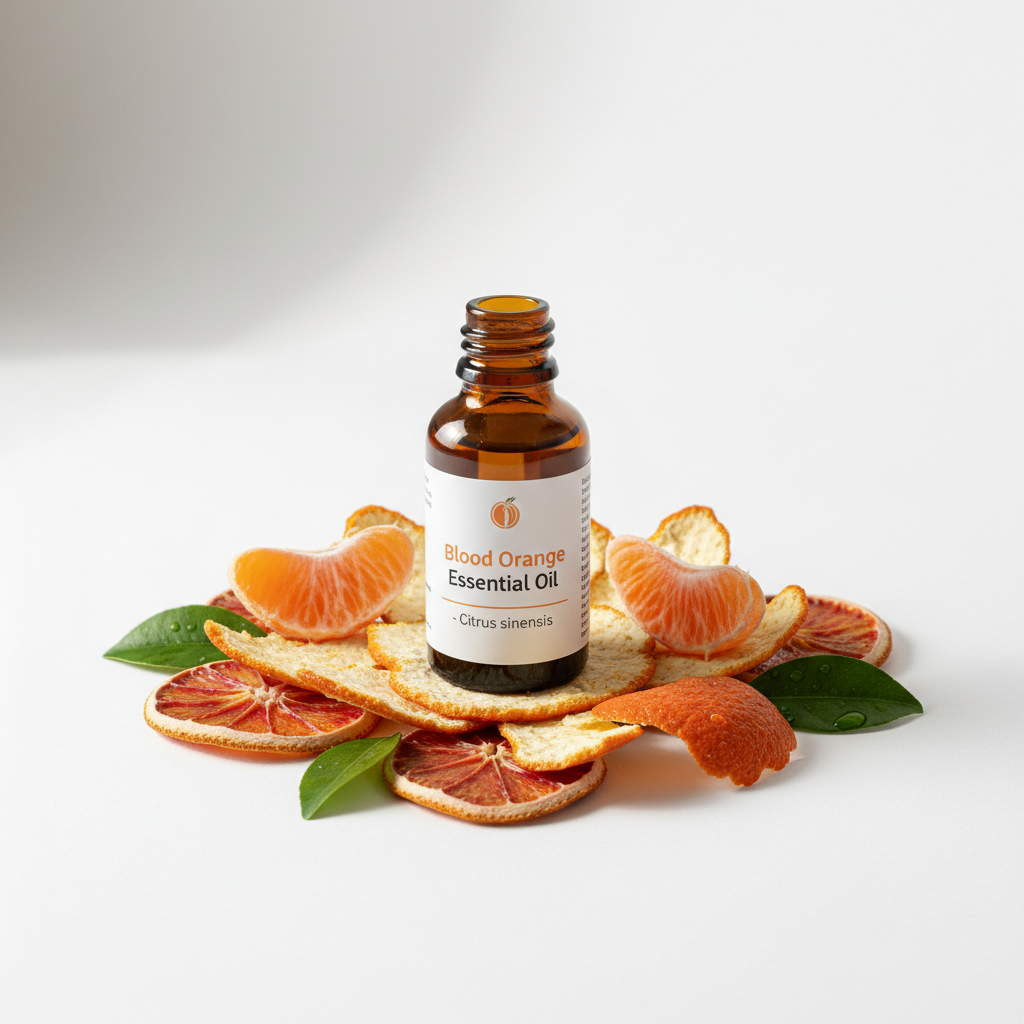
stress
anxiety
sleep
Learn more
Spruce Black Essential Oil

Spruce Black Essential Oil

Picea mariana

Spruce Black essential oil, scientifically known as Picea mariana, is a remarkable product derived from the needles and twigs of the black spruce tree. This evergreen tree, indigenous to North America, particularly thrives in the colder climates of Canada and the northeastern United States, making it a staple in traditional practices among indigenous tribes who have long valued its therapeutic properties. The extraction of Spruce Black essential oil is achieved through a meticulous steam distillation process. This method ensures that the oil retains its potent characteristics and aromatic profile, resulting in a crisp, woody scent that evokes the serene atmosphere of a winter forest. Its refreshing aroma is not only pleasing to the senses but also plays a crucial role in its therapeutic benefits and applications. ### Therapeutic Properties and Benefits Spruce Black essential oil is renowned for its powerful therapeutic properties. Its ability to promote emotional balance is particularly noteworthy. Many users report that inhaling the oil can invoke feelings of grounding and stability, clarity, and focus. It acts as a natural mood enhancer, helpful in alleviating feelings of sadness and gloom, making it a valuable tool for those seeking emotional upliftment. Physically, Spruce Black oil is also celebrated for its health benefits. It supports respiratory health by acting as a natural decongestant, easing the airways and enabling easier breathing, which is particularly beneficial during cold and flu seasons. Additionally, its antiseptic qualities can promote healthier skin when applied topically, making it a popular choice for natural skincare routines. ### Historical and Traditional Uses Historically, Spruce Black essential oil has played a vital role in the healing practices of indigenous peoples across North America. They recognized its purifying properties and incorporated its use in various spiritual and medicinal rituals. The oil was often used for cleansing spaces and promoting mental clarity, serving as a bridge to nature and a connection to spiritual practices. ### Scientific Facts and Research The benefits of Spruce Black essential oil are supported by a growing body of scientific research. Studies have shown that certain compounds in spruce oils possess antimicrobial properties, which support the immune system when diffused in living spaces. Additionally, its calming effects can enhance mental clarity and focus, making it an excellent choice for meditation or yoga practices. ### Aroma Profile and Characteristics The aroma of Spruce Black essential oil is distinctive. Its crisp, woodsy notes create a refreshing atmosphere, reminiscent of a forest after rain. The delicate balance of earthy and sweet undertones contributes to a peaceful and tranquil environment, making it a favorite among those seeking relaxation and introspection. ### Common Applications and Methods Spruce Black essential oil can be employed in many ways: - **Aromatherapy**: Diffuse the oil in your living space to create a calming atmosphere. - **Massage Therapy**: Blend with a carrier oil for a soothing massage that relieves muscle tension and promotes relaxation. - **Baths**: Add a few drops to your bath for a rejuvenating experience. - **Skincare**: Mix into lotions or creams for its antiseptic benefits on the skin. ### Interesting Facts and Trivia - Spruce Black essential oil is often considered a thoughtful gift for nature lovers due to its rich connection to the forests. - The wood of the black spruce is used in the production of musical instruments, highlighting its versatility beyond just essential oil production. - Its popularity has surged not just for its scent but also for its role in holistic health practices, where it is integrated into wellness workshops and retreats. In summary, Spruce Black essential oil is more than just a fragrant oil; it embodies a rich history, an array of therapeutic benefits, and numerous applications that make it a valuable addition to any essential oil collection. By incorporating Spruce Black into your self-care routine, you can experience the calming, grounding effects while connecting with nature in a profound way.

grounding
stress relief
respiratory support
Learn more
Sunflower Carrier Oil

Sunflower Carrier Oil

Helianthus annuus

### Sunflower Carrier Oil: A Comprehensive Guide to Benefits and Uses #### Origin and Extraction Method Sunflower Carrier Oil is extracted from the seeds of the **Helianthus annuus** plant using the cold-press method. This means the seeds are mechanically pressed to extract the oil without the use of harmful chemicals or excessive heat, which allows the oil to retain its beneficial properties. Sunflower oil is predominantly cultivated in regions with abundant sunlight, such as North America, Europe, and parts of Africa, ensuring a high-quality extract that is both pure and sustainable. #### Botanical Information The **Helianthus annuus** is a flowering plant known commonly as the sunflower. This cheerful yellow flower is not only prized for its beauty but also for its oil-rich seeds. Sunflowers flourish in sunny environments, showcasing their sunny disposition suggestive of the health benefits they offer. The seeds are harvested and processed to yield the oil, which is characterized by its light texture and pale yellow color. #### Therapeutic Properties and Benefits Sunflower Carrier Oil is celebrated for its numerous therapeutic properties: - **Emollient:** It is highly moisturizing, making it ideal for dry skin. - **High in Vitamins:** Rich in Vitamin E, it provides antioxidant protection, promotes skin health, and aids in healing. - **Anti-inflammatory:** This oil can help reduce inflammation and is suitable for sensitive skin types. - **Rich in Fatty Acids:** Its high linoleic acid content supports skin barrier function and retains moisture, crucial for maintaining skin hydration. #### Historical and Traditional Uses Historically, Sunflower Carrier Oil has been cherished since ancient times. Indigenous cultures in North America and Europe utilized its benefits for both culinary and medicinal purposes. It was often used in traditional cooking and as a remedy for various ailments. In herbal medicine practices, it has been employed topically to soothe skin irritations and improve overall skin health. #### Scientific Facts and Research Research has shown that Sunflower Oil’s high linoleic acid content can improve atopic dermatitis, providing relief from scaly and itchy skin. Its Vitamin E content also plays a crucial role in reducing the appearance of scars and stretch marks. Various studies highlight its effectiveness as a barrier oil that helps protect the skin against environmental stressors. #### Aroma Profile and Characteristics With a light, neutral scent, Sunflower Carrier Oil does not overpower essential oils, making it an excellent carrier for aromatherapy. Its versatility allows it to blend seamlessly with a variety of essential oils, enhancing their properties without altering their aroma profiles. This makes it a go-to choice for creating your personalized essential oil blends. #### Common Applications and Methods Sunflower Carrier Oil can be used in a variety of ways: - **Massage Oil:** Combining it with essential oils can facilitate relaxation and stress relief. - **Cosmetic Applications:** It is frequently utilized in lotions, creams, and hair products to enhance hydration and shine. - **Aromatherapy Blends:** A perfect addition to synergy blends to promote emotional balance and uplift mood. When used in diffusers or added to bathwater, it enhances the overall experience of the aromatherapy session. - **Culinary Uses:** Aside from its cosmetic benefits, organic sunflower oil is also a popular cooking oil due to its light flavor and high smoke point, ideal for frying or sautéing. #### Interesting Facts and Trivia - Sunflowers were cultivated by Native Americans as early as 3000 B.C. for their nutritious seeds and oil. - The seeds contain essential fatty acids that are vital for overall health, making the oil beneficial not only for topical applications but also as a part of a balanced diet. - In ancient cultures, sunflower oil was revered as a source of light and health, symbolizing warmth and nourishment. In conclusion, **Sunflower Carrier Oil** is a versatile, nutritious oil that supports both health and beauty. Whether used in cooking, cosmetic preparations, or aromatherapy, it is a powerful ally in promoting wellness. With its rich history and myriad benefits, sunflower oil continues to be cherished and embraced in various cultures worldwide.

moisturizing
skin health
hair care
Learn more
Sweet Almond Carrier Oil

Sweet Almond Carrier Oil

Prunus dulcis

### Sweet Almond Carrier Oil: Origins and Extraction Method Sweet Almond Carrier Oil, derived from the seeds of the **Prunus dulcis** tree, is a prized oil that has been celebrated for its numerous benefits and applications for centuries. It is predominantly cultivated in regions such as California, Spain, and Italy, where the warm climate and fertile soil are ideal for almond cultivation. The extraction of the oil is predominantly accomplished through **cold pressing**. This method involves pressing the seeds at low temperatures to retain the oil's beneficial properties, ensuring that it remains nutrient-dense and suitable for a variety of applications in personal care and aromatherapy. ### Botanical Information The Prunus dulcis tree is a deciduous tree that can reach heights of up to 10 meters. The seeds, often referred to as almonds, are not only a popular snack but also a key component in numerous cosmetic preparations. Sweet Almond Carrier Oil is light in texture, pale yellow in color, and has a mildly nutty aroma that is both pleasant and soothing, making it an excellent addition to various blends. ### Therapeutic Properties and Benefits Sweet Almond Carrier Oil is lauded for its rich nutrient profile, which includes **vitamins E, A, and D**, essential fatty acids, proteins, and various antioxidants. These components contribute to its remarkable therapeutic benefits: - **Soothing and Anti-Inflammatory**: It provides calming effects that can help reduce feelings of stress and anxiety, making it ideal for massage therapy. - **Skin Nourishment**: The oil is known for its ability to deeply nourish the skin, aid in healing minor wounds, and soothe irritations or dry patches. It acts as a natural moisturizer, helping to maintain skin elasticity and hydration. - **Hair Health**: Regular application of Sweet Almond Oil can nourish the scalp, promote shiny, healthy hair, and prevent dandruff. Its conditioning properties make it a beneficial treatment for dry or damaged hair. - **Anti-Aging Properties**: Due to its high antioxidant content, it helps reduce the appearance of fine lines and wrinkles, making it a sought-after ingredient in anti-aging formulations. - **Digestive Support**: While primarily used topically, it can also be ingested in moderation to help alleviate digestive discomfort. ### Historical and Traditional Uses Historically, Sweet Almond Carrier Oil has been used in various cultures for its healing properties. In ancient Egypt, it was utilized for skin and hair care, while traditional Ayurvedic practices have integrated it for centuries in body and scalp massages. Additionally, it has been used in cosmetics, cooking, and as a base for herbal remedies. ### Aroma Profile and Characteristics The aroma of Sweet Almond Carrier Oil is mild and slightly nutty, making it a favorite among aromatherapy enthusiasts. It is an excellent carrier oil for blending with essential oils such as lavender, chamomile, and cedarwood, enhancing their therapeutic effects while providing a nurturing base. ### Common Applications and Methods 1. **Massage Oil**: Mix with essential oils to create a calming massage blend. 2. **Skincare**: Use as a daily moisturizer or in DIY skincare recipes for creams and lotions. 3. **Hair Treatments**: Apply directly to the scalp or incorporate into hair masks for deep conditioning. 4. **Bath Additive**: Add a few drops to bathwater for a relaxing soak. 5. **Aromatherapy**: Use in aroma diffusers to create a soothing environment. ### Interesting Facts and Trivia - Sweet Almond Oil is often confused with bitter almond oil, which is derived from a different variety and can be toxic due to its cyanide content. - The oil's lightweight and non-greasy texture make it suitable for all skin types, including sensitive skin. - It has a long shelf life, thanks to its natural antioxidant properties, which inhibit rancidity. In conclusion, Sweet Almond Carrier Oil is not only versatile but also an essential ingredient in both personal care and therapeutic practices. Its numerous benefits and historic significance make it a must-have for anyone interested in natural wellness and skincare.

skin
moisturization
emollient
Learn more
Sweet Marjoram Essential Oil

Sweet Marjoram Essential Oil

Origanum majorana

Sweet Marjoram Essential Oil, scientifically known as *Origanum majorana*, is a cherished oil extracted from the leaves and flowering tops of the sweet marjoram plant. This herb, native to the Mediterranean region, has a long history of use in cooking and traditional medicine. The extraction method employed for this essential oil is steam distillation, a process that effectively captures the oil's delicate aroma and potent therapeutic properties. ### Origin and Extraction Method Sweet Marjoram has been cultivated for centuries, with evidence of its use dating back to the ancient Greeks and Romans who valued it as a symbol of happiness and protection. The essential oil is produced via steam distillation of the plant’s leaves and flowering tops, which preserves its volatile compounds and rich, sweet scent. This extraction method leaves the oil with both aroma and therapeutic benefits intact, making it ideal for various applications. ### Botanical Information *Origanum majorana*, belonging to the Lamiaceae family, is a perennial herb characterized by its rich green leaves and small white or pink flowers. The plant typically grows to about 60 cm in height and flourishes in warm, sunny climates. The oil extracted from the leaves is light yellow to amber in color, with a distinctive sweet, herbaceous fragrance. ### Therapeutic Properties and Benefits Sweet Marjoram Essential Oil is celebrated for its wide array of therapeutic benefits: - **Relaxation and Calmness**: Known for promoting tranquility, this oil is often used in aromatherapy to reduce stress and support mental clarity and relaxation. - **Anti-inflammatory Effects**: It possesses anti-inflammatory properties that are beneficial in soothing sore muscles and easing discomfort, making it a popular addition to massage blends. - **Digestive Health**: This oil aids digestion, helping to alleviate bloating and discomfort after meals. - **Respiratory Relief**: Its soothing attributes can help ease respiratory issues, promoting clear airways and relieving congestion. - **Emotional Balance**: Sweet Marjoram encourages emotional stability, reducing mood swings and providing comfort during periods of grief or emotional stress. ### Historical and Traditional Uses Historically, Sweet Marjoram has been used in various cultures for both culinary and medicinal purposes. Ancient Greeks believed it signified love and joy and used it in wedding ceremonies. In traditional medicine, it has been utilized to treat ailments such as colds, coughs, and digestive issues. Its soothing properties have also made it a staple in the herbal remedies of many cultures. ### Scientific Facts and Research Recent studies have highlighted the antimicrobial and antioxidant properties of Sweet Marjoram Essential Oil. Research indicates that its compounds may help inhibit the growth of harmful bacteria and support overall health by combating oxidative stress in the body. These findings have sparked interest in its use as a natural remedy in various health and wellness contexts. ### Aroma Profile and Characteristics The aroma of Sweet Marjoram Essential Oil is soft, sweet, and slightly spicy, with herbaceous notes that are calming and soothing. This fragrance profile makes it an excellent choice for diffusion in homes or during yoga and meditation sessions, fostering an environment that promotes peace and relaxation. ### Common Applications and Methods Sweet Marjoram Essential Oil can be employed in numerous ways: - **Diffusion**: Add a few drops to a diffuser to promote a calming environment. - **Massage**: Blend with a carrier oil and apply to sore areas to relieve tension and soreness. - **Bath**: Add a few drops to a warm bath for a soothing, relaxing experience. - **Inhalation**: Use during stressful moments by inhaling directly from the bottle or via a steam inhalation method. ### Interesting Facts and Trivia Did you know that sweet marjoram is often confused with oregano? While they share similar scent profiles, sweet marjoram is milder and has a sweeter fragrance. Another interesting fact is that marjoram was traditionally used as an aphrodisiac and in love potions in ancient times! In conclusion, Sweet Marjoram Essential Oil is not only a versatile addition to your essential oil collection but also a powerful ally in promoting physical health and emotional well-being. Its rich history, combined with its numerous benefits, makes it a staple in aromatherapy and natural health practices.

relaxation
stress relief
sleep
Learn more
Tangerine Essential Oil

Tangerine Essential Oil

Citrus reticulata Blanco

Tangerine essential oil, scientifically known as Citrus reticulata, is derived from the peel of the tangerine fruit, which has its origins rooted in the lush Mediterranean region. The oil is extracted through cold pressing, a method that maintains the oil's integrity and retains its potent aroma and beneficial properties. This delightful oil is characterized by its bright, sweet citrus fragrance, which makes it a preferred choice in aromatherapy and natural wellness practices. **Origin and Extraction Method** Tangerines are part of the citrus family and have been cultivated for centuries. The essential oil is extracted from the outer peel of the fruit, where the aromatic compounds are concentrated. Cold pressing involves mechanically pressing the peel to release the oil without the application of heat, preserving the oil's rich constituents, making it both high-quality and effective for various applications. **Botanical Information** The tangerine tree, which can grow up to 30 feet tall, is characterized by its dark green, glossy leaves and fragrant white flowers. The peel of the fruit contains essential oils that provide various health benefits and a vibrant color that emits a pleasurable scent. Botanically, tangerine essential oil is noted for its high levels of limonene, a compound known for its uplifting properties. **Therapeutic Properties and Benefits** Tangerine essential oil has a myriad of therapeutic properties, making it valuable in both aromatherapy and alternative medicine: - **Stress Relief**: The uplifting aroma can significantly reduce stress and anxiety, creating a calming atmosphere and promoting mental clarity. It's often used in diffusers during meditation to enhance relaxation. - **Mood Enhancer**: Its sweet scent is associated with joy and positivity, helping to combat feelings of sadness and depression. The oil has a reputation for fostering an uplifting mood. - **Relaxation Support**: Frequently incorporated in massage oils and baths, tangerine oil is known to soothe the mind, making it a popular choice during yoga and relaxation sessions. - **Emotional Balance**: This essential oil is thought to assist in regulating emotions and providing support during emotional swings or periods of grief. - **Skin Rejuvenation**: When diluted with a carrier oil, tangerine essential oil is praised for its ability to improve dull skin's appearance and can aid in reducing scars. It can also help clear blemishes due to its astringent properties. - **Liver Support**: Traditionally, tangerine oil has been used to support liver function and assist in detoxification, helping the body eliminate toxins safely. - **Immune Support**: High in vitamin C, tangerine essential oil may help bolster the immune system, especially during cold and flu seasons. - **Respiratory Support**: The oil can act as a natural decongestant, promoting easier breathing and soothing respiratory discomfort. **Historical and Traditional Uses** Historically, tangerines were cherished as symbols of good fortune and prosperity, especially in Asian cultures. Their bright color and enticing aroma have long been associated with happiness, and tangerine essential oil has been used in ancient rituals for purification and spiritual well-being. **Scientific Facts and Research** Research has highlighted the potential benefits of limonene, the primary constituent of tangerine essential oil, in reducing stress and providing antioxidant benefits. Studies suggest that the inhalation of citrus scents can decrease cortisol levels in the body, further establishing the calming effects of this essential oil. **Aroma Profile and Characteristics** The aroma of tangerine essential oil is vibrant, sweet, and refreshing. Its unique fragrance not only appeals to the senses but also makes it versatile for various applications, including perfumes, skincare products, and household cleaners. **Common Applications and Methods** Tangerine essential oil can be used in several ways: - **Diffusion**: Add a few drops to a diffuser to enhance mood and create an uplifting environment. - **Topical Application**: Dilute with a carrier oil for safe use on the skin to reap its rejuvenating benefits. - **Inhalation**: Inhale directly from the bottle or place a drop on a cotton ball to experience its calming effects. - **Household Cleaner**: Mix with vinegar or water to create a natural, fragrant cleaner. **Interesting Facts and Trivia** - Tangerines are often referred to as "mandarins" in various regions, highlighting the diverse names for this beloved fruit. - In many cultures, tangerines are exchanged as gifts during celebrations to symbolize prosperity and well-being. - Their delightful taste and aroma have made them a staple during the holiday season, especially in Chinese New Year celebrations. In conclusion, tangerine essential oil is not only refreshing but is also packed with numerous health benefits and traditional uses. Its vibrant aroma and range of applications make it a must-have in any essential oil collection.
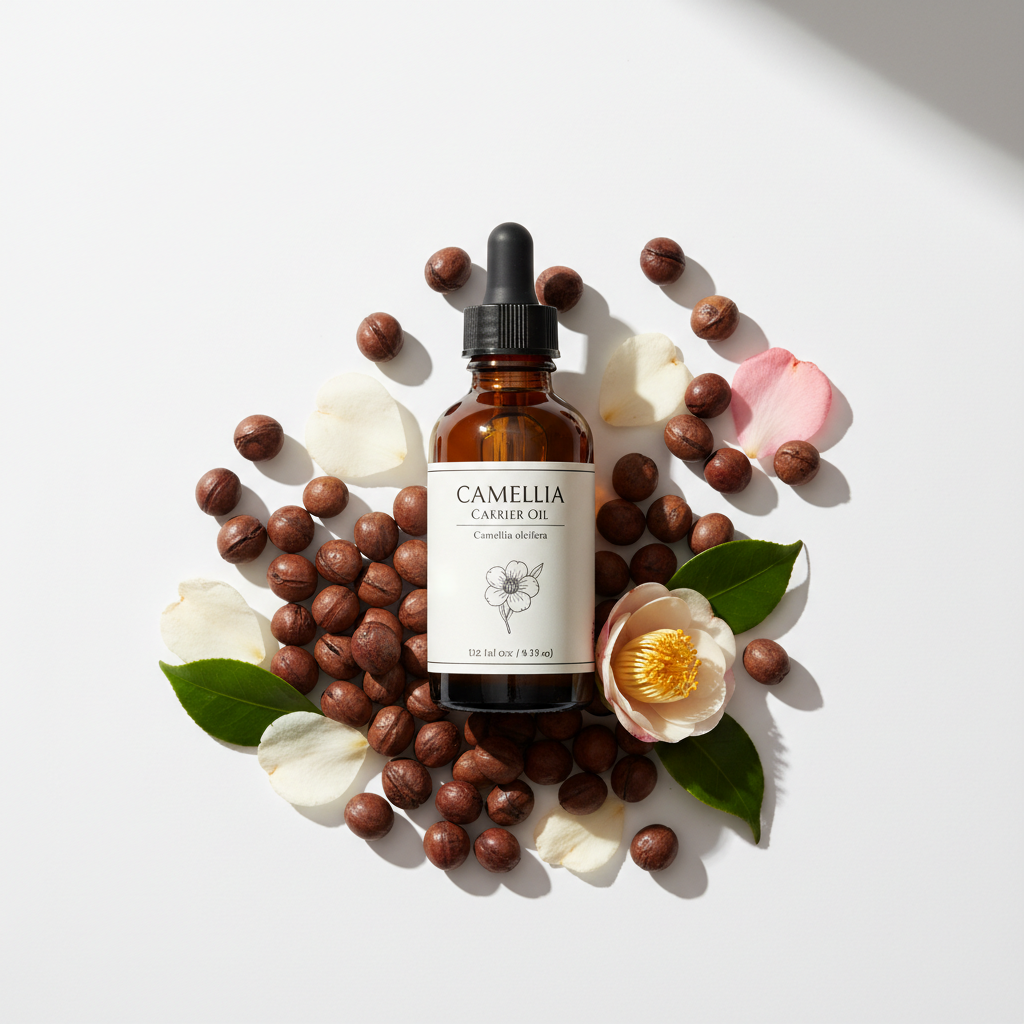
mood
stress
skin
Learn more
Tarragon Essential Oil

Tarragon Essential Oil

Artemisia dracunculus

### Tarragon Essential Oil: Comprehensive Guide #### Origin and Extraction Method Tarragon essential oil is derived from the leaves of the plant ***Artemisia dracunculus***, commonly known as tarragon. This aromatic herb is native to Eurasia but is now cultivated worldwide. The essential oil is extracted using **steam distillation**, a method that captures the plant's volatile compounds without compromising their natural qualities. During this process, steam passes through the plant material, vaporizing the essential oil, which is then condensed back into liquid form. This extraction method is favored for its ability to retain the aromatic and therapeutic properties of tarragon. #### Botanical Information Tarragon belongs to the **Asteraceae family** and is characterized by its long, slender leaves and distinctive flavor reminiscent of anise. The plant can grow up to 1 meter tall and typically flourishes in temperate climates. It is often used both in culinary applications and in traditional medicine, embodying a dual purpose that enhances its usefulness. #### Therapeutic Properties and Benefits Tarragon essential oil is reputed for its diverse therapeutic properties. Here are some of the key benefits: - **Digestive Aid**: It is known to stimulate appetite and improve digestion by easing gastrointestinal discomfort. - **Calming Effects**: Its soothing aroma makes it an excellent choice for promoting relaxation and reducing stress levels. - **Mood Enhancer**: The oil can positively influence mood, helping to alleviate feelings of anxiety and emotional imbalance. - **Cognitive Support**: Tarragon is believed to enhance mental clarity and cognitive functions, sharpening focus and concentration. - **Nervine Properties**: As a natural nervine, it helps support the nervous system, providing comfort during challenging times. - **Pain Relief**: Topical application may deliver relief from minor aches and pains due to its anti-inflammatory properties. - **Respiratory Support**: Inhalation of the oil can help ease respiratory discomfort, making it a helpful companion during allergy season. - **Muscle Relaxation**: Used in massage blends, tarragon oil may aid in relaxing tense muscles. - **Skin Health**: It possesses antiseptic qualities that can assist with minor skin irritations and blemishes when diluted in a carrier oil. #### Historical and Traditional Uses Historically, tarragon has been used for centuries in culinary practices, particularly within French cuisine, where it is prized for its culinary value. Traditional healers have utilized tarragon to treat various ailments, from digestive issues to stress relief. It's also steeped in folk medicine, where tarragon tea was consumed for its calming effects. #### Scientific Facts and Research Recent studies support some traditional claims surrounding tarragon's benefits. Research indicates that the oil contains compounds like ***estragole*** and ***methyleugenol*** which contribute to its therapeutic effects. These compounds exhibit significant antimicrobial and anti-inflammatory properties, supporting its use in holistic health practices. However, caution is advised as high doses of certain constituents can have adverse effects, thus moderation is key. #### Aroma Profile and Characteristics Tarragon essential oil boasts a warm, herbaceous aroma with a hint of sweetness and anise. Its distinctive scent makes it a delightful addition to aromatherapy blends, enhancing mood and promoting relaxation. When diffused, it creates a serene atmosphere well-suited for unwinding after a long day. #### Common Applications and Methods - **Aromatherapy**: Diffuse in your space to promote emotional well-being. - **Massage Oils**: Combine with a carrier oil for a soothing massage to relieve muscle tension. - **Skincare**: Dilute with a carrier oil for topical application on affected areas to support skin health. - **Culinary Uses**: While primarily available as an essential oil, tarragon can also be used to flavor dishes, though it should be used sparingly due to its potent flavor. #### Interesting Facts and Trivia - Tarragon is often referred to as the “king of herbs” in French cooking due to its flavor profile. - It has been suggested that tarragon can help improve sleep quality, making it a versatile herb for wellness enthusiasts. - The plant’s popularity grew in the 15th and 16th centuries, leading to its cultivation across Europe and into the United States. In conclusion, tarragon essential oil exemplifies the intersection of culinary arts and holistic wellness. Its broad spectrum of benefits, rich aroma, and historical significance make it a valuable addition to any essential oil collection.
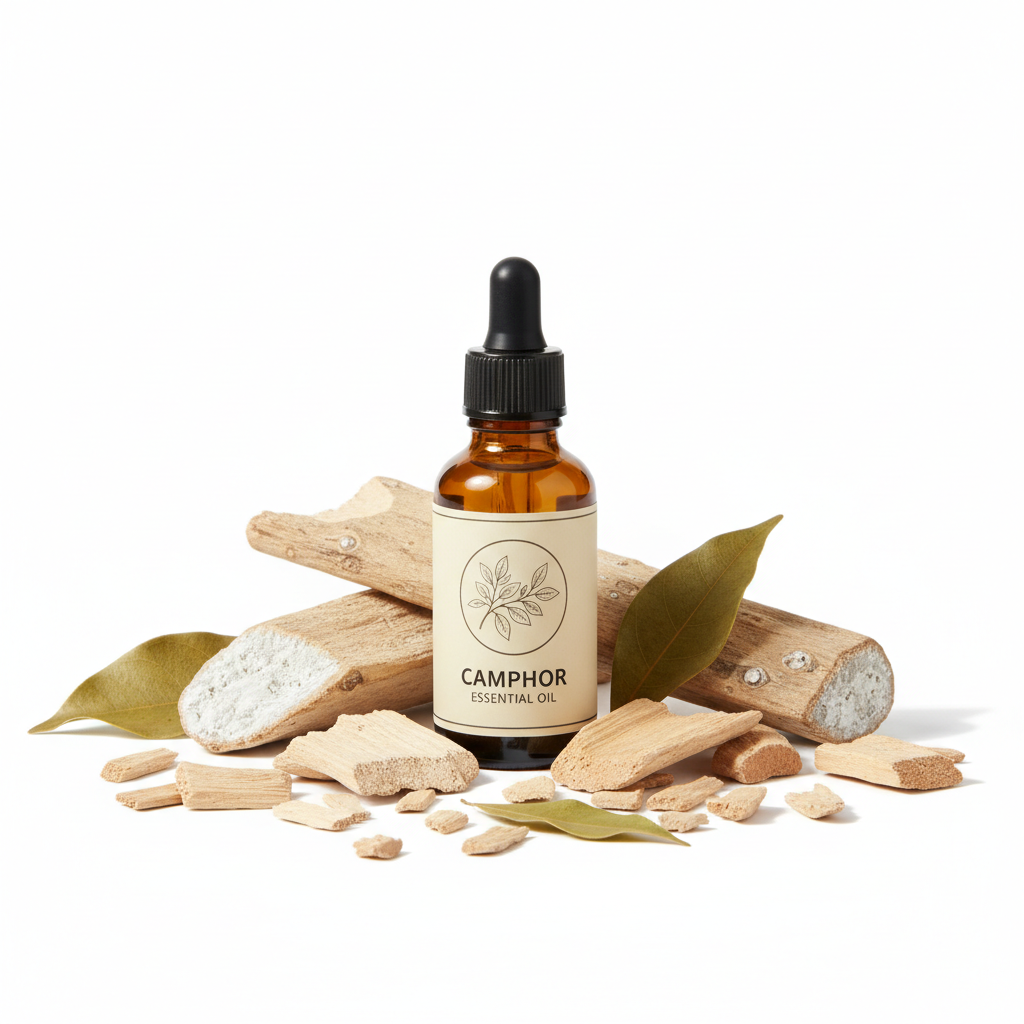
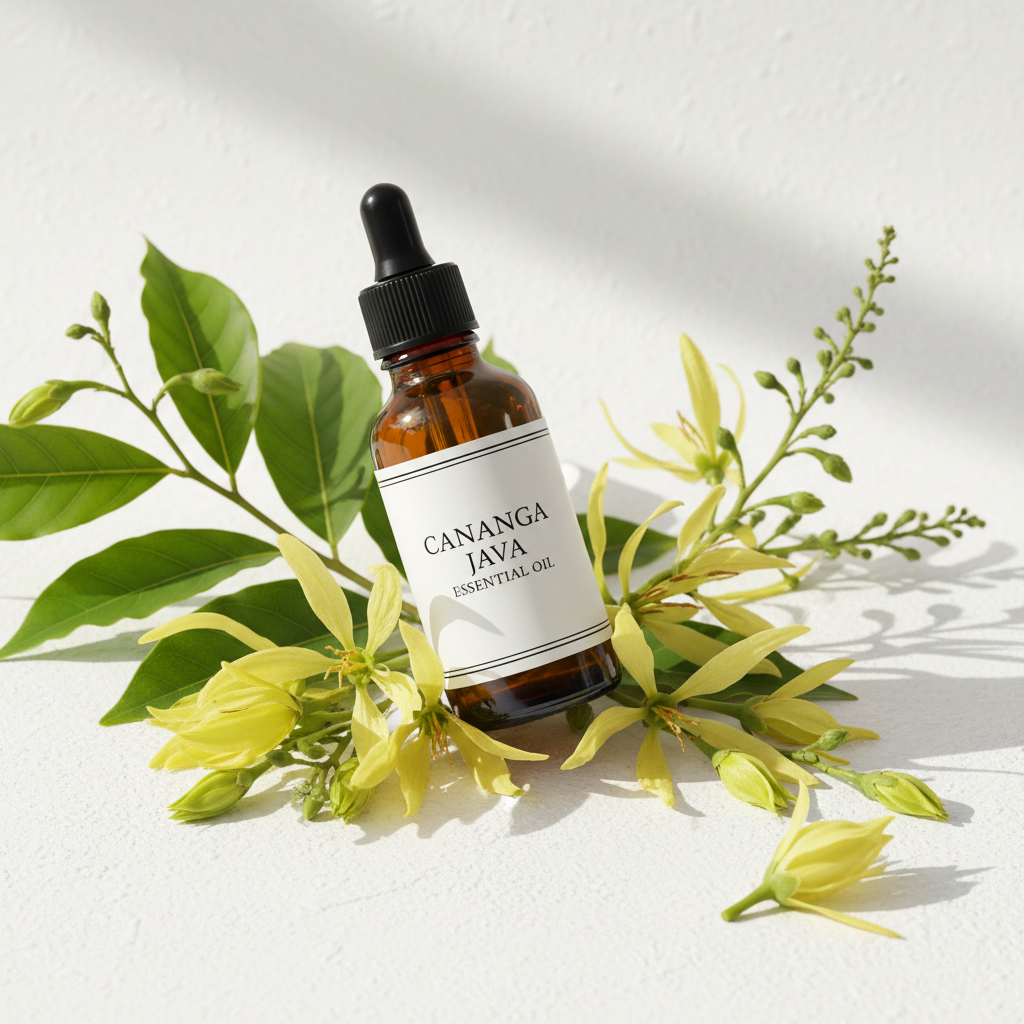
digestive
stress
muscle relaxation
Learn more
Tea Tree Essential Oil
Featured

Tea Tree Essential Oil

Melaleuca alternifolia

### What is Tea Tree Essential Oil? Tea Tree essential oil, derived from the leaves of the *Melaleuca alternifolia* plant, is an essential oil praised for its powerful antiseptic and healing properties. Native to Australia, this potent oil has been utilized for centuries, both by indigenous Australians and modern herbalists, for its myriad of therapeutic benefits. ### Origin and Extraction Method Tea Tree oil is extracted through steam distillation of the fresh leaves and twigs of the Tea Tree plant, which is a small tree or shrub indigenous to the southeastern regions of Australia. The extraction process captures the naturally occurring compounds within the plant, yielding a highly concentrated oil rich in beneficial components such as terpinen-4-ol, which is known for its antiseptic qualities. ### Botanical Information The botanical name for Tea Tree is *Melaleuca alternifolia,* belonging to the Myrtaceae family. This evergreen shrub can grow up to 7 meters tall and features narrow leaves and clusters of white flowers. The indigenous population has long recognized the therapeutic potential of this plant, using it as a traditional remedy for various ailments. ### Therapeutic Properties and Benefits Tea Tree essential oil is renowned for its numerous health benefits. Here are some of the key therapeutic properties: - **Antiseptic:** Tea Tree oil is famously known for its ability to fight bacteria and fungi, making it a go-to oil for treating minor cuts and abrasions. - **Anti-inflammatory:** It helps reduce redness and swelling on the skin, thus supporting skin healing. - **Antiviral:** Useful in combating viruses, Tea Tree oil can bolster the immune system, helping to fend off colds and infections. - **Expectorant:** The oil can help clear respiratory pathways, making it beneficial for respiratory health. ### Historical and Traditional Uses Historically, Tea Tree oil was used by Australian Aborigines for bruises, cuts, and skin infections. They crushed the leaves and applied them directly to wounds. In modern herbal medicine, it is used in various formulations, from skin care products to aromatherapy blends. The oil gained global popularity due to its effectiveness and versatility in treating skin conditions, as well as its potent antibacterial qualities. ### Scientific Facts and Research Recent studies have highlighted the efficacy of Tea Tree essential oil in treating skin conditions like acne, athlete's foot, and dandruff. A review published in the *Journal of Dermatology* established that Tea Tree oil is effective against *Propionibacterium acnes,* the bacteria responsible for acne. Research has also shown that it possesses anti-inflammatory effects, making it a valuable component in the treatment of inflammatory skin diseases. ### Aroma Profile and Characteristics Tea Tree essential oil features a fresh, medicinal aroma with earthy, woody undertones. Its unique scent is invigorating and can promote a sense of cleanliness and focus. The aroma is often described as fresh and camphorous, making it a popular component in cleansing products. ### Common Applications and Methods Tea Tree oil can be used in several ways: - **Skincare**: Diluted with a carrier oil for topical applications, it can be used to treat cuts, insect bites, and minor skin irritations. - **Aromatherapy**: Adding a few drops to a diffuser can promote relaxation and mental clarity. - **Household Cleaner**: Its antibacterial properties make it suitable for natural cleaning solutions. - **Hair Care**: Incorporating it in shampoos can help alleviate dandruff and itchy scalp. ### Interesting Facts and Trivia - Tea Tree oil was first discovered by Captain James Cook, who noted the Aborigines using the leaves for medicinal purposes. - It is believed that just a small amount of Tea Tree oil can have a powerful effect when used in skincare routines. - In aromatherapy, it is often combined with other essential oils like lavender for enhanced benefits. In conclusion, Tea Tree essential oil is a versatile and potent oil with numerous benefits for health and wellness. Whether you're using it for skin care, inhalation for respiratory issues, or as a natural cleaner, the myriad of uses make it a staple in holistic therapies and natural health practices. Add Tea Tree essential oil to your collection for an effective tool in maintaining good health and hygiene.

skin
immunity
cleaning
Learn more
Thyme Essential Oil

Thyme Essential Oil

Thymus vulgaris

### Overview of Thyme Essential Oil Thyme essential oil, derived from the leaves and flowering tops of the *Thymus vulgaris* plant, is renowned for its robust therapeutic properties and rich historical legacy. This essential oil has been used for centuries in traditional medicine and culinary practices, making it one of the most cherished oils in aromatherapy and holistic wellness. ### Origin and Extraction Method Thyme essential oil is extracted through a process called steam distillation, which involves passing steam through the plant material to release the oil without the use of solvents. This method ensures that the oil retains its potent therapeutic properties and aromatic compounds. *Thymus vulgaris*, native to southern Europe, is cultivated widely due to its versatility and resilience in various climates. ### Botanical Information Botanically, thyme belongs to the Lamiaceae family, which includes other popular herbs like mint and basil. The plant grows low to the ground and produces small, tubular flowers that can range in color from pink to purple. The leaves are aromatic and are rich in phenolic compounds, particularly thymol and carvacrol, renowned for their antimicrobial properties. ### Therapeutic Properties and Benefits Thyme essential oil is celebrated for its diverse therapeutic effects. It is primarily known for: - **Antimicrobial Action**: Contains powerful compounds that help combat bacteria and fungi, making it ideal for use in home remedies and natural cleaning products. - **Respiratory Support**: Acts as a natural expectorant, helpful in relieving coughs and clearing congestion during colds and respiratory infections. - **Emotional Well-being**: Known to enhance mood, improve mental clarity, and alleviate feelings of anxiety and fatigue, making it beneficial in stressful situations. - **Muscle Relief**: When diluted and applied topically, it can soothe sore muscles and improve circulation, making it popular among athletes. - **Skin Health**: Thyme essential oil can be beneficial for oily or acne-prone skin when used in skincare formulations, helping to reduce outbreaks and promote a clearer complexion. ### Historical and Traditional Uses Historically, thyme has been appreciated for its various uses in ancient civilizations. The Egyptians used it in embalming practices due to its preservative properties, while the Romans utilized thyme in baths for its invigorating scent. In the Middle Ages, thyme was often associated with bravery and was used in rituals and as a symbol of courage. ### Scientific Facts and Research Recent studies have highlighted the numerous health benefits of thyme essential oil. Research shows that thymol, a major component of thymus oil, possesses antifungal and antiseptic characteristics. Investigations into its role in respiratory health have demonstrated its effectiveness in supporting the immune system, particularly during peak cold and flu seasons. ### Aroma Profile and Characteristics The aroma of thyme essential oil is fresh, herbaceous, and slightly spicy. Its unique scent profile can invigorate the mind and body, making it an excellent choice for diffusion in living spaces and during meditative practices. The oil blends well with other essential oils, such as lavender, eucalyptus, and lemon, enhancing the overall aroma and effectiveness of blends. ### Common Applications and Methods Thyme essential oil can be used in a variety of ways: - **Aromatherapy**: Diffusion in a diffuser for mental clarity and mood upliftment. - **Topical Application**: Diluted with a carrier oil for muscle relief or skincare applications. - **Inhalation**: Direct inhalation from the bottle or added to steam inhalation for respiratory support. - **Cleaning Products**: Adding thyme oil to homemade cleaning agents to leverage its antimicrobial properties. ### Interesting Facts and Trivia - Thyme is a perennial plant that can live for several years with proper care and conditions. - The name 'thyme' is derived from the Greek word 'thumus', meaning 'courage', reflecting its historical associations with bravery. - Thyme oil is often used in culinary dishes, adding aromatic flavor to meats, soups, and sauces, enhancing both taste and health benefits. In conclusion, thyme essential oil is a remarkable oil with numerous benefits ranging from health to emotional balance. Its historical significance and versatility make it a staple in both modern holistic practices and traditional medicine.

energy
stress
immune support
Learn more
Turmeric Essential Oil

Turmeric Essential Oil

Curcuma longa

Turmeric essential oil, extracted from the rhizomes of the Curcuma longa plant, has gained immense popularity in recent years, not just for its vibrant yellow color, but for its myriad of therapeutic benefits. This aromatic oil is predominantly obtained through steam distillation, a method that preserves its potential health properties while enhancing its fragrance. ### Botanical Information The Curcuma longa plant, native to tropical South Asia, particularly India, has a long history of use in traditional medicine systems. Turmeric is a perennial herb with a bright yellow-orange rhizome, which is the root from which the essential oil is extracted. Turmeric's active component, curcumin, is celebrated for its anti-inflammatory and antioxidant properties, making it a key player in various health and wellness applications. ### Therapeutic Properties and Benefits Turmeric essential oil is touted for its numerous health benefits, including: - **Anti-inflammatory:** The oil is well-known for relieving inflammation, making it beneficial for conditions like arthritis and muscle soreness. - **Antioxidant:** Its powerful antioxidants help combat free radicals, reducing oxidative stress and promoting overall health. - **Mood Enhancer:** The uplifting aroma positively influences mood, aiding in alleviating feelings of sadness or anxiety. - **Stress Relief:** It has a soothing effect, promoting calmness and reducing anxiety levels, making it a popular choice for aromatherapy. - **Mental Clarity:** Many users find that turmeric oil helps support focus and cognitive function, particularly during high-stress tasks. - **Grounding Properties:** This oil is said to provide emotional stability, creating a tranquil mental environment conducive to self-acceptance and emotional balancing. - **Circulation Booster:** The oil's properties may enhance blood circulation, promoting vitality and energy. - **Digestive Support:** By easing discomfort and bloating, turmeric essential oil supports healthy digestion processes. - **Skin Health:** It has antiseptic qualities and can assist in healing minor cuts, irritations, and other skin issues. ### Historical and Traditional Uses In Ayurveda, turmeric has been revered for centuries not only as a spice but as a healing herb. Traditionally, it has been used to treat a variety of ailments, from skin conditions to digestive disorders. In many cultures, turmeric is incorporated into rituals and traditional practices, reflecting its significance in heritage and health. ### Scientific Research Scientific studies have explored the myriad benefits of turmeric essential oil, particularly focusing on its active components. Research has validated some of its traditional uses, demonstrating its anti-inflammatory and antioxidant capabilities. This aligns with many modern trends that advocate for natural remedies in health and wellness regimens. ### Aroma Profile and Characteristics The aroma of turmeric essential oil is warm, spicy, and slightly woody, making it an excellent addition to diffusers and blends in aromatherapy. Its distinct fragrance is not only uplifting but can also stimulate the senses, enhancing focus and mental clarity during meditation or yoga. ### Common Applications and Methods Turmeric essential oil can be utilized in various ways: - **Aromatherapy:** Add a few drops to a diffuser to enjoy its calming aroma. - **Massage:** Dilute with a carrier oil for topical applications to relieve muscle aches and promote relaxation. - **Skincare:** Incorporate into skin care products for its healing properties, or mix with a carrier oil for direct skin application. - **Wellness Blends:** Combine with other essential oils like lavender or frankincense for enhanced therapeutic effects. ### Interesting Facts and Trivia - Turmeric is often referred to as "the golden spice of life" due to its vibrant hue and vast medicinal properties. - The use of turmeric dates back over 4,000 years, showcasing its long-standing presence in various cultures. - Its pigment has been used as a dye in fabrics, demonstrating its versatility beyond just flavor and health benefits. In conclusion, turmeric essential oil stands out with its rich aromas and diverse health benefits. As a central component in both traditional medicine and contemporary holistic practices, it offers an array of possibilities for enhancing physical wellness and emotional well-being. Whether you're looking to boost your mood, promote skin health or simply enjoy its fragrant presence, turmeric essential oil is a valuable addition to any essential oil collection.

inflammation
pain relief
skin health
Learn more
Valerian Essential Oil

Valerian Essential Oil

Valeriana officinalis

### Valerian Essential Oil: Comprehensive Guide to Benefits and Uses **Introduction** Valerian essential oil, derived from the roots of the Valeriana officinalis plant, has been cherished for centuries for its calming and sedative effects. With a rich history rooted in ancient herbal remedies, this oil is known to promote relaxation, enhance mood, and support restful sleep. In this extensive guide, we will delve into the various aspects of Valerian essential oil, including its origin, therapeutic benefits, and cultural significance. #### Origin and Extraction Method Valerian essential oil is extracted through steam distillation from the dried roots of the Valeriana officinalis plant, which flourishes in Europe and Asia. The harvesting process is meticulous, with the roots typically dug up in the late summer or early autumn when their concentration of essential oil is highest. This extraction method ensures that the therapeutic properties and the earthy aroma of the oil are preserved. #### Botanical Information Valeriana officinalis, commonly known as valerian, is a flowering perennial plant belonging to the Valerianaceae family. It can grow up to 1.5 meters in height, characterized by its tall stems, feathery leaves, and small, pale pink or white flowers that bloom in clusters. The roots are where the essential oil is concentrated, containing notable compounds such as valerenic acid, which contributes to its tranquilizing effects. #### Therapeutic Properties and Benefits Valerian essential oil is predominantly recognized for its multitude of therapeutic properties. Here are some key benefits: - **Promotes Restful Sleep:** Valerian oil is widely used to support individuals struggling with insomnia or sleep disturbances, as it can enhance the quality of sleep and help users fall asleep more quickly. - **Reduces Anxiety and Stress:** The soothing aroma of valerian essential oil helps to alleviate feelings of anxiety, tension, and irritability, making it a popular choice for those in high-stress environments. - **Encourages Relaxation:** It serves as an effective aid for mindfulness practices and meditation, assisting users in quieting their minds and encouraging a state of calm. - **Eases Digestive Discomfort:** Valerian oil may alleviate stress-related digestive issues, including bloating and cramping, providing a holistic approach to wellness. - **Relieves Muscle Tension:** After physical activity, valerian oil can help relax tight muscles and ease discomfort. - **Calming the Nervous System:** The regular use of valerian essential oil can support the management of stress-related physical symptoms, promoting overall emotional well-being. #### Historical and Traditional Uses Valerian has a long history of therapeutic use dating back to ancient times. The ancient Greeks and Romans utilized valerian for its calming properties, while traditional Chinese medicine also recognized its potential benefits. Throughout history, valerian has been employed in herbal remedies, often in combination with other soothing herbs to amplify its calming effects. #### Scientific Facts and Research Numerous studies have investigated the effectiveness of valerian essential oil for sleep and anxiety. A notable study found that valerian can significantly improve sleep quality in people with insomnia. The active compounds in valerian are thought to be responsible for its sedative effects, as they interact with neurotransmitters in the brain to promote a state of relaxation and well-being. #### Aroma Profile and Characteristics The aroma of valerian essential oil is unique, often described as earthy, woody, and slightly sweet. Its deep, rich scent can be incredibly grounding, making it suitable for various aromatic applications in the home or therapeutic settings. The oil blends well with other essential oils, particularly lavender, chamomile, and bergamot, to enhance its calming effects. #### Common Applications and Methods Valerian essential oil can be utilized in several ways: - **Aromatherapy:** Diffusing valerian oil in a diffuser or adding a few drops to a warm bath can create a soothing atmosphere conducive to relaxation and sleep. - **Topical Application:** When diluted with a carrier oil, valerian oil can be massaged onto the skin to relieve muscle tension or applied to pulse points for calming effects. - **Inhalation:** Inhaling the aroma directly from the bottle or through steam inhalation can provide immediate anxiety relief. #### Interesting Facts and Trivia - Valerian was known as the “philosopher’s balm” in ancient times and was often associated with relaxation and contemplation. - The name 'valerian' is derived from the Latin word "valere," which means "to be strong or to be healthy". - In addition to its essential oil, valerian root is commonly available in herbal teas, tinctures, and capsules, offering a variety of options for those seeking its benefits. **Conclusion** Valerian essential oil stands out as a potent natural remedy for promoting relaxation and combative moments of stress and anxiety. Whether you are looking to enhance your sleep quality or create a calming atmosphere in your space, incorporating valerian essential oil into your wellness routine can be a beneficial choice.

sleep
stress
calm
Learn more
Vanilla Essential Oil

Vanilla Essential Oil

Vanilla planifolia

### Vanilla Essential Oil: An In-Depth Look at Its Properties and Uses Vanilla essential oil, derived from the fragrant pods of the *Vanilla planifolia* plant, has captured hearts and senses for centuries. This delightful oil originated in Mexico and has a storied history, both in culinary arts and traditional medicine. In this article, we will explore the origin, extraction methods, therapeutic properties, and diverse applications of vanilla essential oil. #### Origin and Extraction Method *Vanilla planifolia* is a tropical orchid native to Mexico, known for its beautiful flowers and pods that contain the precious vanilla beans. The extraction of vanilla essential oil primarily occurs through two methods: solvent extraction and carbon dioxide (CO2) extraction. Solvent extraction uses chemical solvents to separate the oil from the plant material, producing a thick, rich oil with the complete aromatic profile. CO2 extraction, on the other hand, utilizes high-pressure carbon dioxide to gently extract the oil, ensuring a pure and high-quality product without harmful residues. Both methods yield a warm, sweet aroma that evokes comfort and nostalgia, making vanilla oil a favorite in numerous applications. #### Botanical Information The *Vanilla planifolia* plant belongs to the family Orchidaceae and thrives in tropical climates. The botanical structure includes a long vine that can climb up to 30 meters. The plant blooms with exquisite, pale yellow flowers that bloom for just one day, requiring pollination to produce vanilla beans. Each pod is harvested and cured to develop the full spectrum of flavor and aroma associated with vanilla. This intricate process contributes to the oil's high value. #### Therapeutic Properties and Benefits Vanilla essential oil is treasured not just for its scent but also for its therapeutic effects. Here are some of its notable benefits: - **Promotes Relaxation:** The soothing aroma encourages a calming atmosphere, helping to ease stress and anxiety. Using vanilla in aromatherapy can lead to enhanced relaxation during practice or meditation. - **Enhances Mood:** The uplifting scent of vanilla oil can foster a sense of joy and optimism, making it a popular choice for those seeking emotional upliftment. - **Facilitates Emotional Healing:** Vanilla's calming properties can be beneficial for those dealing with grief or sadness, providing comfort during tough times. - **Encourages Self-Love:** Its warm scent is linked with boosting self-esteem and promoting feelings of worth and acceptance. - **Supports Mental Clarity:** Vanilla oil is said to help clear negative thoughts, promoting a positive outlook on life. - **Aids Digestive Health:** Traditionally used to alleviate digestive discomfort, vanilla essential oil can help reduce bloating and other digestive issues. - **Supports Respiratory Health:** The oil's soothing nature may ease respiratory irritations and coughs, making it useful in respiratory care. - **Enhances Sexual Wellness:** Vanilla is often recognized for its aphrodisiac properties that can enhance libido and intimacy between partners. - **Relieves Headaches:** The calming aroma can help reduce headache tension and promote overall headache relief. - **Moisturizes Skin:** Vanilla essential oil is known for its hydrating properties, making it an excellent addition to skincare routines for improved skin elasticity. #### Historical and Traditional Uses Historically, vanilla has been used for centuries in various cultures. The Aztecs utilized vanilla not only for its flavor but also as an aphrodisiac and medicinal agent. In the 16th century, Spanish conquistadors brought vanilla to Europe, where it soon gained popularity. It became a staple for both culinary creations and perfumery, thus cementing its status as a valued commodity. #### Aroma Profile and Characteristics The aroma of vanilla essential oil is sweet, warm, and inviting. Its fragrance is often described as comforting, with hints of creamy tones, making it versatile for myriad applications—from perfumes to cooking. When diffused, vanilla creates a cozy environment, perfect for relaxation. #### Common Applications and Methods Vanilla essential oil can be used in various ways: - **Aromatherapy:** Add a few drops to a diffuser for a relaxing atmosphere. - **Skincare:** Dilute with a carrier oil and use in massages or facial treatments. - **Culinary Uses:** Incorporate into baked goods, desserts, or beverages for a gourmet touch. - **Bathing Products:** Add to baths for a luxurious and calming experience. #### Interesting Facts and Trivia - Vanilla is the second most expensive spice after saffron due to its labor-intensive cultivation. - The process of curing vanilla beans can take several months, during which their rich flavor develops. - Vanilla is frequently used in perfumes to create warm, inviting fragrances beloved worldwide. ### Conclusion Vanilla essential oil is more than just a delightful scent. Its diverse range of therapeutic properties makes it an invaluable addition to aromatherapy and wellness routines. Whether used in self-care practices, culinary explorations, or simply to enhance the atmosphere of a space, vanilla essential oil remains a timeless favorite.

stress
sleep
mood
Learn more
Verbena Essential Oil

Verbena Essential Oil

Aloysia citriodora

### Verbena Essential Oil: Exploring Its Rich Benefits #### Origin and Extraction Method Verbena essential oil is derived from the leaves of the **Aloysia citriodora** plant, also commonly known as lemon verbena. This fragrant herb is native to South America, where it has been cultivated for centuries due to its numerous health benefits and aromatic properties. The oil is typically extracted through **steam distillation**, a method that helps maintain the integrity of its fragrant compounds and therapeutic qualities. This gentle extraction process results in a high-quality essential oil that captures the plant's refreshing, lemony scent, making it a favorite in aromatherapy and natural wellness practices. #### Botanical Information **Aloysia citriodora** is a perennial shrub that can grow up to 3 feet in height, producing small, white to pale purple flowers and elongated, delicate leaves. The leaves are the primary part used for oil extraction due to their high concentration of aromatic compounds, particularly **citral**, which is responsible for its distinctive lemon scent. The rich chemical composition of lemon verbena oil varies based on factors like climate, harvest time, and processing methods, making each batch unique. #### Therapeutic Properties and Benefits Verbena essential oil is celebrated for a variety of therapeutic properties, including: - **Relaxation and Stress Relief:** The soothing aroma promotes relaxation, helping to alleviate stress and anxiety while lifting the spirits. - **Mood Enhancement:** Its invigorating scent is known to improve mood and provide emotional clarity, making it popular among individuals seeking upliftment and positivity. - **Mental Clarity:** Verbena oil assists in enhancing focus and clarity, particularly during periods of mental fatigue; it can also foster a sense of calmness in chaotic environments. - **Meditation Enhancement:** The tranquil aroma can enrich meditation practices, helping individuals to enter a deeper state of relaxation and mindfulness. - **Muscle Relief:** When used in massages, verbena essential oil can ease tight muscles and alleviate discomfort, thanks to its anti-inflammatory properties. - **Respiratory Support:** Inhalation of its fragrant vapors can support clear breathing and improve respiratory function, making it beneficial during cold seasons. - **Detoxification Aid:** Incorporating this oil into massage blends can support the body’s natural detoxification processes by encouraging the elimination of toxins. - **Menstrual Comfort:** Verbena essential oil may help reduce menstrual pain and discomfort when diluted and applied topically. #### Historical and Traditional Uses Historically, lemon verbena has been utilized by indigenous cultures in South America as a medicinal plant. It was known not only for its uplifting qualities but also as a herb for digestive support and overall wellness. In European traditional medicine, it was commonly used as an herbal tea for relaxation and to reduce insomnia. The oil became popular throughout the 18th and 19th centuries as European colonists recognized its benefits, often incorporating it into perfumes and cosmetic products. #### Scientific Facts and Research Recent studies have begun to explore the potential therapeutic benefits of lemon verbena essential oil. Research has indicated that its main components, such as citral and geraniol, may exhibit antioxidant and antimicrobial properties. Additionally, some studies suggest that inhaling lemon verbena fragrance can help reduce anxiety levels and improve mood stability in stressed populations. #### Aroma Profile and Characteristics The aroma profile of verbena essential oil is characterized by its light, lemony fragrance, often described as fresh, crisp, and slightly herbaceous. This distinctive scent makes it a fantastic addition to candles, diffusers, and personal care products. Its pleasant aroma can also be blended with other essential oils like lavender, eucalyptus, and peppermint, creating a harmonious and uplifting blend. #### Common Applications and Methods Verbena essential oil can be used in several ways: - **Diffusion:** Add a few drops to a diffuser for a refreshing atmosphere that promotes relaxation and clarity. - **Massage:** Dilute with a carrier oil such as sweet almond or jojoba oil for a soothing massage experience. - **Bathing:** Incorporate it into bathwater for a luxurious and stress-relieving bath. - **Topical Use:** Dilute with carrier oil for direct application to alleviate muscle tension or menstrual discomfort. - **Inhalation:** Use in steam inhalation practices to support respiratory health. #### Interesting Facts and Trivia - Lemon verbena has been cultivated for its fragrance and flavor in gardens and herb farms worldwide. - It is often included in herbal teas and culinary dishes for its unique lemon flavor, providing an aromatic twist to various recipes. - Verbena essential oil is commonly found in skincare products, noted for its ability to refresh and invigorate the skin while providing a pleasant scent. In conclusion, Verbena essential oil is not only a delightful addition to your aromatherapy collection but also a versatile oil with numerous health benefits. Whether for mental clarity, relaxation, or skincare, this essential oil is a natural solution embraced across cultures and centuries.

stress
mood
energy
Learn more
Vetiver Essential Oil

Vetiver Essential Oil

Vetiveria zizanoides

### Vetiver Essential Oil: An In-Depth Exploration Vetiver essential oil, known as the ‘oil of tranquility’, is derived from the roots of the **Chrysopogon zizanioides** or **Vetiveria zizanoides** plant. This unique oil has a long-standing reputation, not only for its captivating aroma but also for its extensive array of therapeutic properties. #### Origin and Extraction Method Vetiver essential oil originates from tropical regions of Asia, particularly India, Madagascar, and Java. The oil is extracted through a meticulous steam distillation process that ensures the preservation of its potent qualities. The roots of the vetiver plant are harvested and steam-distilled, a method that yields a thick, viscous oil characterized by its deep brown color and earthy scent. #### Botanical Information The vetiver plant, classified botanically as a perennial grass, has long, intricate root systems that contribute to soil erosion control, making it ecological beneficial as well. Its lush growth can reach heights of up to 1.5 meters, with slender stems and slender, needle-like leaves. This grass thrives in tropical climates and is celebrated for both its aromatic properties and environmental benefits. #### Therapeutic Properties and Benefits Vetiver essential oil is widely revered for its numerous therapeutic benefits. A brief overview of these advantages includes: - **Grounding effects**: Vetiver oil is often used in aromatherapy to anchor emotions and create a sense of stability, especially during stressful times. - **Stress relief**: Its rich, calming scent helps alleviate feelings of tension and anxiety, making it a popular choice for relaxation and emotional balance. - **Increased focus**: Many users report enhanced concentration and mental clarity when diffusing vetiver oil during tasks or studying. - **Meditative support**: The grounding nature of vetiver promotes a peaceful ambiance, aiding in meditation and mindfulness practices. - **Skin rejuvenation**: Vetiver essential oil possesses regenerative properties, making it beneficial for restoring skin vitality, particularly for dry or mature skin types. - **Wound healing**: With natural antifungal and antiseptic properties, vetiver oil encourages faster healing of minor cuts and scrapes. - **Muscle relaxation**: Often incorporated into massage oils, vetiver can soothe muscle tension and alleviate aches. - **Detoxifying properties**: This essential oil may support the body in its natural detoxification processes, contributing to overall wellness. - **Oral health benefits**: When used in small amounts, vetiver oil can help maintain oral hygiene, promoting fresh breath. #### Historical and Traditional Uses For centuries, vetiver essential oil has been utilized in both traditional Ayurvedic practices and in perfumery. In India, it has played a crucial role in ritualistic practices, often used to calm the mind and spirit. It’s also historically significant in the making of perfumes, where its rich and bold scent forms a base note in many fragrances. #### Scientific Facts and Research Research has shown that vetiver essential oil contains compounds such as **vetiverol**, **vetivenes**, and **aqua polymer**, which contribute to its therapeutic properties. Studies suggest that these constituents exhibit anti-anxiety effects, making vetiver valuable not only in holistic practices but also in modern aromatherapy. #### Aroma Profile and Characteristics The aroma of vetiver essential oil is deeply earthy, woody, and slightly sweet. Many users describe the scent as comforting and grounding, providing an immediate sense of calm when diffused or applied topically. It blends well with other essential oils, such as lavender, bergamot, and sandalwood, enhancing its uses in various aromatic applications. #### Common Applications and Methods Vetiver essential oil can be integrated into daily routines in several ways: - **Aromatherapy**: Diffuse in a room to create a tranquil atmosphere. - **Topical Application**: Dilute with a carrier oil for facial treatments or massage oil. - **Baths**: Add a few drops to a warm bath for relaxation. - **Skincare**: Use in homemade lotions for skin rejuvenation. #### Interesting Facts and Trivia - Vetiver is often referred to as the "scent of the earth" due to its strong aroma and grounding effects. - The traditional use of vetiver for making mats and hats helps in natural cooling, especially in hot climates. - Vetiver’s roots have been used in traditional medicine to combat ailments like insomnia and skin disorders. In summary, Vetiver essential oil is an exceptional oil with a wealth of benefits supported by historical and scientific research. From enhancing emotional wellness to providing skin healing properties, it offers a versatile addition to any essential oil collection.
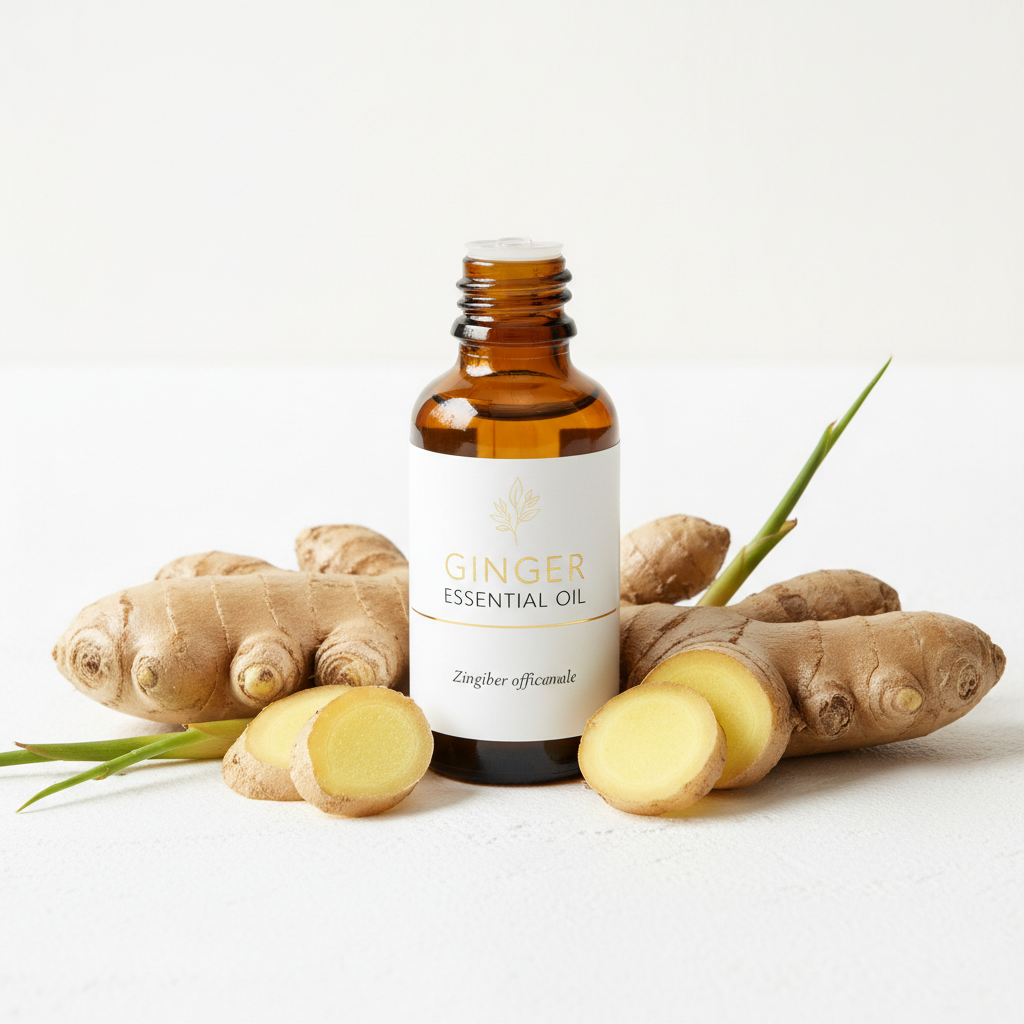
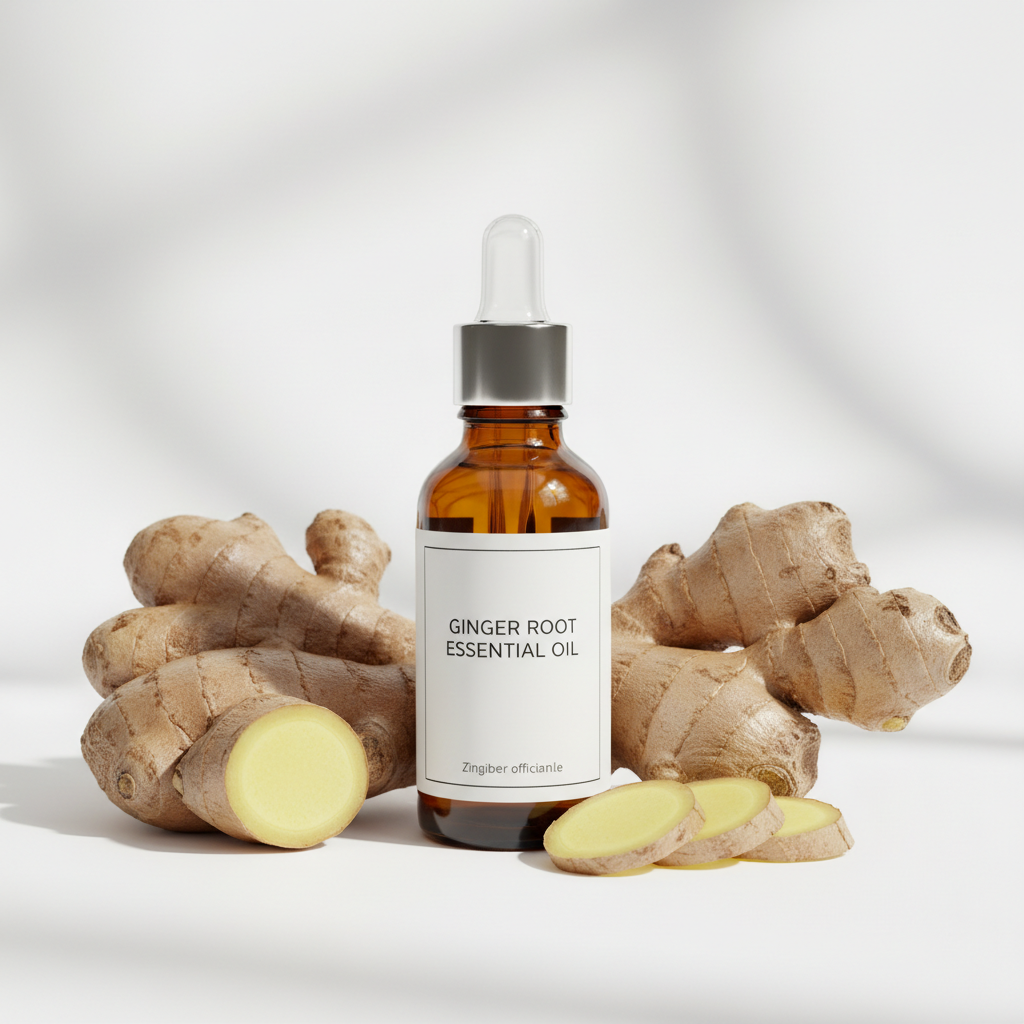
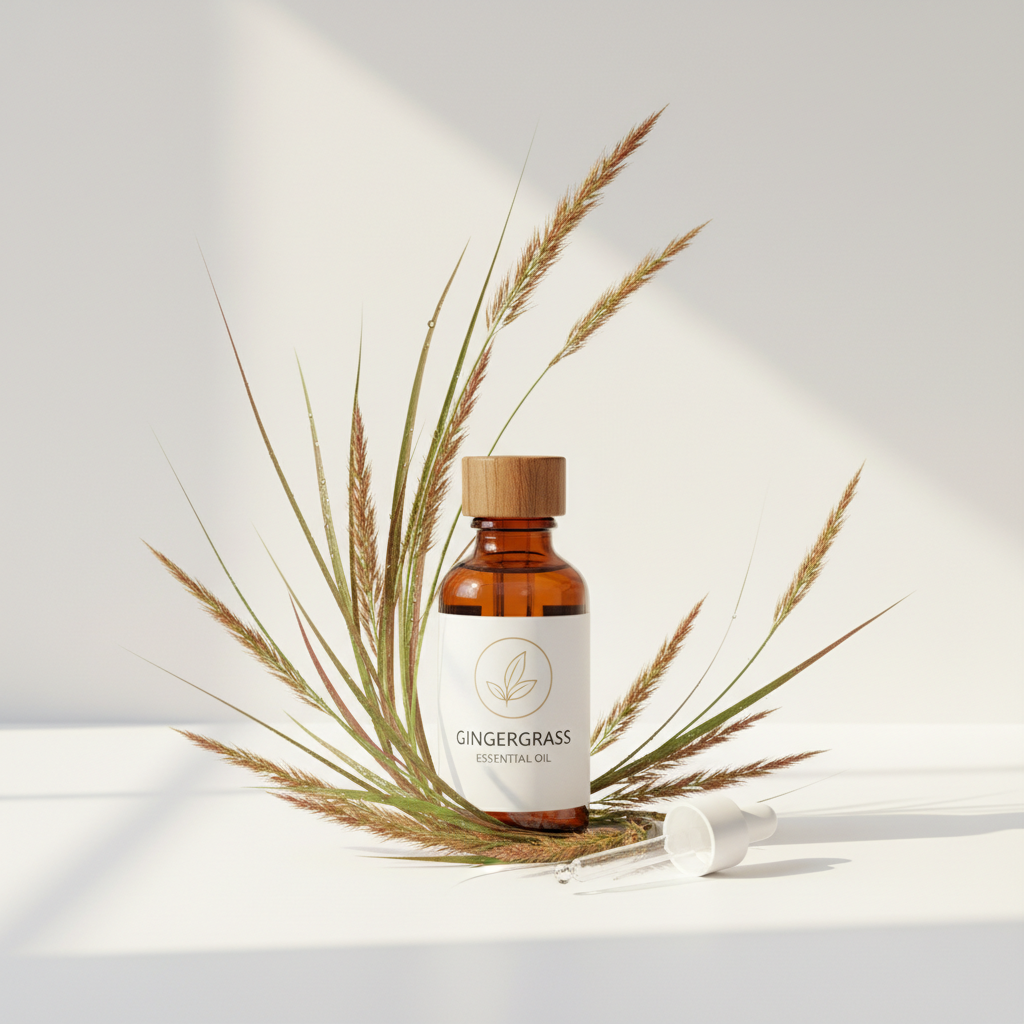
sleep
stress
skin
Learn more
Wild Orange Essential Oil

Wild Orange Essential Oil

Citrus sinensis

### Wild Orange Essential Oil: An In-Depth Exploration #### Origin and Extraction Method Wild Orange Essential Oil, scientifically known as Citrus sinensis, is extracted from the bright orange peel of the sweet orange fruit. The process of obtaining this oil primarily utilizes **cold pressing**, a method that involves mechanically pressing the peels to release their fragrant oils without the use of heat. This process not only captures the vibrant scent of the fruit but also preserves its **therapeutic properties**, making it a popular choice among aromatherapists and health enthusiasts. #### Botanical Information The orange tree, a hybrid of the pomelo and mandarin, grows in tropical and subtropical climates worldwide. It can reach heights of up to 30 feet, adorned with glossy green leaves and fragrant white flowers that give way to the famous round, orange fruit. Known for its sweet and tangy flavor, the sweet orange is not only a staple in kitchens but also in the world of essential oils. #### Therapeutic Properties and Benefits 1. **Mood Enhancement**: Wild Orange Essential Oil is celebrated for its uplifting aroma. It may elevate mood and promote a sense of well-being, making it a favorite in aromatherapy. 2. **Stress Reduction**: Inhaling its citrus scent can help reduce feelings of stress and anxiety, providing a calming effect that can be beneficial in today’s fast-paced lifestyles. 3. **Focus and Clarity**: Its invigorating fragrance can enhance mental clarity, aiding concentration during tasks, making it ideal for studying or working. 4. **Immune Support**: Wild Orange Oil is thought to support the immune system, potentially providing increased defense against colds and other seasonal issues. 5. **Energy Boost**: This essential oil serves as a natural stimulant, known for its ability to combat fatigue and energize both the mind and body. 6. **Digestive Aid**: It may soothe digestive discomfort, helping to relieve issues such as bloating or indigestion when used in topical applications or inhalation. 7. **Skin Enhancer**: The oil is believed to improve skin appearance by promoting healthy circulation and providing a refreshing, radiant look. 8. **Cleaning Properties**: Due to its antimicrobial properties, Wild Orange Oil is commonly used in cleaning products, offering a clean, refreshing aroma that also helps eliminate germs. #### Historical and Traditional Uses Historically, citrus fruits have been revered for their health benefits and uplifting properties. Ancient cultures utilized orange peels for their medicinal qualities, incorporating them into various traditional remedies. In aromatherapy, Wild Orange Essential Oil has been used for centuries, particularly in holistic practices focused on wellness and emotional balance. #### Scientific Facts and Research Research has shown that citrus scents, including Wild Orange Oil, may help reduce stress levels. A study published in the **Journal of Nutrition** indicates that citrus aromas can influence mood positively and enhance cognitive performance. Additionally, the oil's potential antioxidant properties are being studied for their effects on overall health and well-being. #### Aroma Profile and Characteristics Wild Orange Essential Oil boasts a bright, citrusy aroma that is both sweet and tangy. Its scent is often associated with feelings of warmth and happiness, creating an inviting atmosphere wherever it is diffused. The fresh, sharp notes make it popular in both personal fragrance blends and household products. #### Common Applications and Methods - **Aromatherapy**: Diffuse the oil in a room to uplift mood and create a calming environment. - **Topical Application**: When diluted with a carrier oil, it can be massaged onto the skin to relieve digestive discomfort or improve circulation. - **Cleaning Solutions**: Add to homemade cleaning products for a natural and effective way to keep your home fresh and sanitized. - **Mood Enhancer**: Inhale directly from the bottle whenever you're feeling low for an instant pick-me-up. #### Interesting Facts and Trivia - **Symbol of Happiness**: In many cultures, the orange fruit symbolizes happiness and good luck, often used in festive decorations. - **Culinary Uses**: Beyond its therapeutic uses, the zest and juice of the orange are widely utilized in cooking and baking for their sweet and tangy flavor. - **Environmental Impact**: The popularity of citrus oils is driving sustainable farming practices, ensuring that orange groves can be preserved for future generations while benefiting from the aromatic oils. ### Conclusion Wild Orange Essential Oil is a versatile and beneficial essential oil that serves various purposes beyond its refreshing scent. Its wide range of applications, supported by historical use and emerging scientific research, make this oil a valuable addition to aromatherapy practices and natural health routines. With countless ways to incorporate it into daily life, Wild Orange Oil truly embodies the essence of joy and vitality.

energy
mood
stress
Learn more
Wintergreen Essential Oil

Wintergreen Essential Oil

Gaultheria procumbens

### Introduction to Wintergreen Essential Oil Wintergreen essential oil, extracted from the leaves of the **Gaultheria procumbens** plant, is renowned for its fresh, minty aroma that resembles peppermint but carries a subtly sweet undertone. This essential oil has captivated aromatherapists, wellness enthusiasts, and herbalists for centuries due to its wide range of therapeutic properties and historical significance. ### Origin and Extraction Method Wintergreen essential oil is primarily sourced from the **Gaultheria procumbens**, a small evergreen shrub native to the northeastern parts of North America. The extraction method predominantly used for this oil is **steam distillation**. During this process, steam passes through the leaves, capturing the aromatic compounds, which are then cooled and condensed into a liquid oil. The richness of wintergreen oil is attributed to its high content of **methyl salicylate**, making it both highly aromatic and beneficial for various health applications. ### Botanical Information Gaultheria procumbens, commonly referred to as the wintergreen plant, belongs to the **Ericaceae (heath)** family. The plant features dark green, glossy leaves that produce tiny white or pinkish flowers, which eventually give way to bright red berries. Traditionally, both the leaves and berries have been used in folk medicine. ### Therapeutic Properties and Benefits The therapeutic applications of wintergreen essential oil are extensive. Some of its notable benefits include: - **Pain Relief:** Methyl salicylate, a natural analgesic found in wintergreen, is effective in topical applications for relieving muscle and joint pain. - **Muscle Relaxation:** The oil is often used in massage blends for relaxation and to ease tension in sore muscles. - **Stress Reduction:** Inhalation of wintergreen oil can promote feelings of relaxation and tranquility, making it ideal for aromatherapy. - **Mental Clarity:** The refreshing scent can enhance focus and clear the mind, helping to alleviate feelings of stress and tension and encouraging a positive mood. - **Respiratory Support:** Its cooling properties can aid in relieving respiratory discomfort, making it useful during cold seasons. ### Historical and Traditional Uses Historically, wintergreen essential oil was used by Native Americans for its medicinal properties. They would infuse the leaves to create teas to ease various ailments, such as headaches and muscle pain. Today, its seamless integration into modern herbal remedies demonstrates its continuing relevance in natural health practices. ### Scientific Facts and Research Recent studies are beginning to explore the benefits of wintergreen essential oil in greater depth. Research indicates that its anti-inflammatory properties may support joint health and recovery after physical activity. Additionally, further exploration in aromatherapy shows potential in mood regulation and emotional support, highlighting its versatility and effectiveness. ### Aroma Profile and Characteristics Wintergreen oil possesses a distinctive, invigorating scent that is both fresh and sweet. Its aroma is often associated with feelings of refreshment and vitality, making it a popular choice for diffusing in homes and wellness centers. The scent profile varies slightly depending on the extraction method and plant source, with steam-distilled oils generally retaining the most potent aroma. ### Common Applications and Methods Wintergreen essential oil can be incorporated into various applications: - **Topical Blends:** Mix with a carrier oil, such as coconut or almond oil, for direct application to sore muscles or joints. - **Diffusion:** Use in a diffuser to create a refreshing atmosphere and support respiratory health. - **Bath Additive:** Add a few drops to bathwater for a relaxing and soothing experience. - **Massage Oil:** Blended with other calming essential oils, it can enhance any massage therapy session. - **Hair Care:** Some use it in shampoos for its invigorating properties, purportedly helping to enhance scalp health. ### Interesting Facts and Trivia 1. **Traditional Pain Relief:** Wintergreen oil has long been a favorite among athletes for its immediate cooling effect on sore muscles. 2. **Flavonoid Content:** This essential oil is rich in flavonoids, which are known for their antioxidant properties. 3. **Culinary Use:** In small amounts, wintergreen oil has been used in recipes, although it’s important to note that it is potent and should be used with caution. 4. **Guardians of the Forest:** Wintergreen plants are often found in damp, wooded areas, showcasing nature’s ecosystem and biodiversity. ### Conclusion Whether you’re an aromatherapy novice or a seasoned enthusiast, wintergreen essential oil offers a refreshingly potent option for therapeutic use. With its roots steeped in history and its properties valued in modern wellness, this essential oil deserves a spot in your collection. Remember always to use it safely and consult a professional if you’re unsure about its applications.

relaxation
pain relief
stress relief
Learn more
Wormwood Essential Oil

Wormwood Essential Oil

Artemisia absinthium

Wormwood essential oil, extracted from the leaves and flowering tops of the Artemisia absinthium plant, holds a significant place both in history and modern wellness practices. This unique essential oil is renowned for its complex composition and myriad of therapeutic applications, making it a valuable addition to any essential oil collection. ### Origin and Extraction Method Wormwood, a perennial shrub native to Europe, Asia, and North Africa, has been used for centuries for its medicinal properties. The oil is obtained through steam distillation of the plant’s foliage and flowers, a method that captures the oil's potent active compounds while preserving its aromatic profile. The extraction process necessitates careful timing, as the ideal period for harvesting is when the plant is in bloom, ensuring maximum oil yield and potency. ### Botanical Information The botanical name of wormwood is Artemisia absinthium, belonging to the Asteraceae family. This herbaceous plant can grow up to 1.2 meters in height, with gray-green leaves that are deeply lobed and a strong, bitter taste. Its flowers are small, yellow, and grouped in clusters, which makes it distinguishable during the summer months. The plant has been historically associated with various culinary uses, especially in absinthe, a famous alcoholic beverage. ### Therapeutic Properties and Benefits Wormwood essential oil is believed to possess numerous therapeutic properties, making it a versatile choice in aromatherapy. It is particularly valued for its potential to: - **Aid Digestion**: Traditionally, wormwood has been associated with stimulating appetite and alleviating digestive discomfort. This can be particularly beneficial for those suffering from bloating or gastrointestinal issues. - **Reduce Stress and Anxiety**: The calming effect of wormwood essential oil may help manage stress levels and foster emotional stability, making it a popular choice for those seeking tranquility in their daily lives. - **Enhance Mood**: This essential oil might uplift mood and assist in reducing feelings of despair or sadness, promoting overall emotional well-being. - **Improve Focus and Clarity**: Many users report enhanced mental clarity and concentration, making it beneficial for studying, working, or any task requiring prolonged focus. - **Support Respiratory Health**: Its potential to clear congestion can be advantageous during seasonal allergies or respiratory challenges, offering relief during colds or flu. - **Alleviate Pain**: Wormwood essential oil also shows promise for natural pain relief, particularly for headaches and muscle aches, by potentially reducing inflammation and discomfort. - **Exhibit Anti-parasitic Properties**: Historically, this oil has been used to address intestinal parasites, suggesting that it could play a role in cleansing protocols. ### Historical and Traditional Uses Wormwood has a rich traditional background, having been used since ancient civilizations for various medicinal purposes. The name "wormwood" itself is derived from its historical use as a remedy for intestinal worms. In folklore, it was believed to ward off evil spirits, which led to its inclusion in various rituals and practices. ### Scientific Facts and Research Recent studies have begun to unravel the scientific basis for some of wormwood's claimed benefits. Research indicates that certain compounds within the oil, such as thujone, exhibit antimicrobial and anti-inflammatory properties. These findings add credibility to its traditional uses while promoting further exploration in the fields of natural medicine and aromatherapy. ### Aroma Profile and Characteristics Wormwood essential oil has a distinctive, sharp, and herbaceous aroma, often described as bitter and slightly sweet with earthy undertones. Its unique scent can help create a grounding atmosphere, making it a popular choice for diffusing in spaces designated for meditation or relaxation. The oil is typically considered potent, so it is important to use it in moderation. ### Common Applications and Methods Wormwood essential oil can be used in various ways: - **Aromatherapy**: Diffusing the oil or adding it to a personal inhaler can help with stress relief and mood enhancement. - **Topical Use**: When diluted with a carrier oil, wormwood can be applied to the skin to support digestion or alleviate muscle soreness. - **Baths**: Adding a few drops to a warm bath can enhance relaxation and provide soothing benefits. ### Interesting Facts and Trivia - Wormwood is one of the core ingredients in absinthe, contributing to its characteristic flavor and effects. - In ancient times, it was often used in ritualistic practices, believed to have protective qualities. - Despite its bitter taste, wormwood has been used in various culinary solutions, particularly in Italian vermouths. In summary, wormwood essential oil is much more than just a fragrant extraction; it is a complex blend of therapeutic properties, a rich historical legacy, and a valuable tool for emotional and physical well-being. Its diverse applications in aromatherapy make it an essential oil worth exploring.

digestive
stress
skin care
Learn more
Ylang Ylang Essential Oil

Ylang Ylang Essential Oil

Cananga odorata

Ylang Ylang Essential Oil: An In-Depth Guide Ylang Ylang essential oil, extracted from the vibrant yellow flowers of the Cananga odorata tree, is celebrated for its sweet, floral aroma and numerous therapeutic properties. Known as "the flower of flowers," Ylang Ylang originates from Southeast Asia and has been treasured by ancient cultures for centuries. ### Origin and Extraction Method The Cananga odorata tree thrives in tropical climates, especially in countries like Indonesia, the Philippines, and Madagascar. Ylang Ylang essential oil is primarily extracted using steam distillation, which captures the delicate fragrance and beneficial compounds from the blossoms. The extraction process is crucial, as it defines the quality of the oil, with different distillation durations resulting in various grades: Ylang Ylang Extra, Grade I, II, and III. Each grade possesses unique aromatic qualities and potency. ### Botanical Information Ylang Ylang, a flowering plant in the Annonaceae family, can grow up to 20 meters tall. Its striking yellow flowers bloom in clusters and have historically symbolized love and beauty. Rich in monoterpene compounds such as linalool and geranyl acetate, Ylang Ylang essential oil boasts a chemical profile that contributes to its calming and balancing properties. ### Therapeutic Properties and Benefits Ylang Ylang essential oil is revered in aromatherapy for its diverse range of benefits, including: 1. **Stress Relief**: The oil has calming effects known to reduce anxiety and stress levels, promoting tranquility in daily life. 2. **Mood Enhancement**: Its floral scent serves as a natural mood lifter, helping to alleviate feelings of sadness and negativity. 3. **Emotional Balance**: Many employ Ylang Ylang to stabilize emotions, providing support for those experiencing mood swings or emotional upheaval. 4. **Romantic Atmosphere**: Known for its aphrodisiac qualities, it is often used in romantic settings to strengthen emotional connections. 5. **Skin Nourishment**: This essential oil enhances skin texture and hydration, making it wonderful for adding to skincare routines, particularly for dry or aging skin. 6. **Hair Care**: Ylang Ylang is recognized for promoting healthy hair growth and scalp health, frequently included in shampoos and hair treatments. 7. **Inflammation Reduction**: It may aid in reducing inflammation and soothing irritation, providing relief for various discomforts. 8. **Digestive Support**: The oil can assist with digestive issues, alleviating symptoms such as bloating and nausea. 9. **Respiratory Aid**: Often used in diffusion, it supports respiratory functions by calming the passages, making it easier to breathe during colds or allergies. ### Historical and Traditional Uses Ylang Ylang has a rich history, traditionally utilized in Southeast Asian cultures for spiritual and medicinal purposes. In Indonesia, flower petals were spread on the beds of newlywed couples to enhance romance. In traditional medicine, Ylang Ylang is used to treat a variety of ailments, including skin infections and hypertension. Its integration into religious and cultural rituals highlights its significance across generations. ### Scientific Facts and Research Recent scientific studies have explored the oil's potential health benefits, with research indicating its effectiveness in reducing cortisol levels, thereby alleviating stress. Studies also suggest its positive impact on mental health, helping to combat depression and anxiety through its uplifting aroma. ### Aroma Profile and Characteristics Ylang Ylang essential oil has a distinctive, sweet floral scent with hints of fruity and spicy undertones. The unique aroma profile makes it a popular choice in perfumery and cosmetic applications, where it is used to create luxurious fragrances. The scent's complexity means it can blend beautifully with other essential oils, such as bergamot and sandalwood, enhancing its aromatic appeal. ### Common Applications and Methods Ylang Ylang essential oil can be used in various ways: - **Aromatherapy**: Diffusing the oil in a space can create a calming atmosphere. - **Massage**: Diluting with a carrier oil allows for therapeutic massage, enhancing relaxation. - **Skincare**: Adding to skincare formulations can nourish and rejuvenate the skin. - **Hair Care**: Incorporate into shampoos or conditioners for added hydration and care. ### Interesting Facts and Trivia - Ylang Ylang essential oil is one of the key ingredients in the famous Chanel No. 5 perfume. - The name "Ylang Ylang" comes from the Tagalog language, meaning "flower of flowers." - Its antiseptic properties make it valuable in natural health remedies. In conclusion, Ylang Ylang essential oil is not only a fragrant addition to aromatherapy and cosmetics but also a compound with diverse therapeutic properties and historical significance. Whether used for relaxation, skincare, or enhancing romantic encounters, its applications are vast, making it a cherished essential oil in holistic wellness.

stress
mood
skin
Learn more